预约演示
更新于:2026-05-10
CDK inhibitors(Ionova Life)
CDK抑制剂(原力生命)
更新于:2026-05-10
概要
基本信息
在研机构 |
非在研机构- |
权益机构- |
最高研发阶段临床前 |
首次获批日期- |
最高研发阶段(中国)临床前 |
特殊审评- |
关联
100 项与 CDK抑制剂(原力生命) 相关的临床结果
登录后查看更多信息
100 项与 CDK抑制剂(原力生命) 相关的转化医学
登录后查看更多信息
100 项与 CDK抑制剂(原力生命) 相关的专利(医药)
登录后查看更多信息
1,377
项与 CDK抑制剂(原力生命) 相关的文献(医药)2026-12-01·MOLECULAR BIOLOGY REPORTS
Possible TLR-mediated immunostimulatory effect of Palbociclib in breast cancer
Article
作者: Sağ, Sevda ; Tomatir, Ayse Gaye ; Ergezgin, Huriye ; Bayav, Ibrahim ; Dodurga, Yavuz
BACKGROUND:
Palbociclib, which exerts its effect by inhibiting the cell cycle in cancer cells, is a CDK inhibitor used in the treatment of ER+/HER- breast cancer. In this study, we aimed to investigate the effect of Pablosiklib on TLR, which plays an important role in the immune response, in MCF-7 (ER+/HER2-) and MDA-MB-231 (ER-/PR-/HER2-) cell lines.
METHODS AND RESULTS:
The expression levels of TLR 1-10 genes, cell cycle-related genes (CDK4/6), and genes involved in the apoptotic pathway (Bcl-2, Bax, Cas-3) in MCF-7 and MDA-MB-231 cells treated with palbociclib were evaluated using the real-time PCR (qRT-PCR) method. Additionally, the levels of total retinoblastoma (RB) and phosphorylated retinoblastoma (pRB) proteins were analyzed using the Western blot method. CDK4/6 and pRB expression decreased in MCF-7 and MDA-MB-231 cells treated with palbociclib. Bax and Cas-3 expression increased, while Bcl-2 expression decreased. Changes in TLR expression were also observed.
CONCLUSIONS:
We believe that palbociclib not only stops the cell cycle and induces apoptosis in breast cancer cells, but also activates the immune response via TLRs.
2026-06-01·LIFE SCIENCES
Membrane protein-focused CRISPR screen identifies ATP2A2 as a druggable transcriptional co-regulator of CCND1 (cyclin D1) in lung adenocarcinoma
Article
作者: Wang, Hongxia ; Liu, Jia ; Hu, Zhihuang ; Wang, Wei ; Zhang, Ziyi ; Meng, Yu ; Jia, Kun
INTRODUCTION:
Lung adenocarcinoma (LUAD) is one of the most commonly seen non-small cell lung cancer (NSCLC). Recent progress has highlighted cyclin-dependent kinase (CDK) inhibitors for treating diverse cancers including NSCLC. However, acquired resistance of CDK inhibitors has prompted the exploration of druggable regulatory or compensatory pathways in cell cycle as alternative or combination therapies of CDK inhibitors.
AIM:
This study aims to discover the upstream regulatory proteins in LUAD using a membrane protein-focused CRISPR screen in A549 cells and dissect their functions.
MATERIALS AND METHODS:
The top hit ATP2A2, an endoplasmic reticulum (ER)-localized protein, was analyzed for its function in LUAD using cell proliferation assay, migration and invasion assays and apoptosis assay. The mechanistic studies of ATP2A2 were conducted using RT-qPCR, Western blotting, RNA-Seq, cell cycle assay, protein immunoprecipitation, mass spectrometry, immunofluorescence microscopy and others.
KEY FINDINGS:
The correlation of ATP2A2 expression with NSCLCs was confirmed with public database and collected clinical samples. ATP2A2 promoted LUAD development by involving in cell cycle regulation. ATP2A2 interacted with another ER protein HACD3 and co-regulated the transcription of CCND1 gene (cyclin D1), which forms complex with CDK4/6. ATP2A2 and HACD3 promoted CCND1 expression by activating NF-κB signaling and the nuclear translocation of p65 protein, which is a known transcription factor of CCND1. Curcumin, an ATP2A2-targeting natural product, could inhibit LUAD both in vitro and in xenografted mouse model.
SIGNIFICANCE:
This study revealed ATP2A2-HACD3-NF-κB as a regulatory axis of cyclin D1 expression and shed light on developing ATP2A2-targeted medications for LUAD treatment.
2026-05-01·JOURNAL OF MOLECULAR GRAPHICS & MODELLING
Selectivity analysis of CDK2 inhibitors via molecular dynamics of CDK1 and CDK2
Article
作者: Fokina, Anastasia S ; Petersen, Elena V ; Maximov, Philipp Y ; Shkil, Dmitrii O ; Asainov, Dariy T ; Ivashchenko, Andrey A
Cyclin-dependent kinases (CDKs) are pivotal regulators of the cell cycle and attractive therapeutic targets, particularly in breast cancer treatment. However, achieving selectivity among closely related CDKs, such as CDK2/CDK1, remains a significant challenge in drug discovery. In this study, we leverage molecular dynamics simulations and protein-ligand interaction analyses to uncover the structural and pharmacophoric determinants that drive selective inhibition of these kinases. By comparing known inhibitors and their contacts with CDK1 and CDK2, we identify critical pharmacophoric features essential for achieving target-specific selectivity. These findings provide valuable hypotheses into the design of next-generation CDK inhibitors with improved therapeutic profiles, addressing the pressing need for selective and effective cancer therapies.
259
项与 CDK抑制剂(原力生命) 相关的新闻(医药)2026-05-08
十年,十亿,一个靶点——新药研发的“双十定律”曾让无数希望止步于漫长的周期与高昂的失败率。但今天,AI 正在改写规则。面对 KRAS、PPI 这些传统“难成药”靶点,AI 如何破局?MedChemAI 一站式平台从分子设计到线下交付全程加速,让创新药更快、更稳走向临床!
AI 与药物研发
嗯......大家知道,AI 是靠数据“投喂”的!
新药研发过程中产生的数据有哪些?——从靶点发现、先导化合物的发现与优化、临床前研究到临床试验的各个阶段。
AI 可以从这些海量的药物研发原始数据中快速挖掘信息密度高的数据, 并通过整合分析这些数据为药物研发提供更多新的见解。 AI 赋能于“精准筛选、高效设计、快速验证”等多个方面,极大突破了传统药物研发的效率瓶颈,为新药的发现与开发寻求助力 (图 1)[1]。
图 1. AI 在药物发现与开发各阶段的应用[1]。
Section.01
AI 应用一:
先导化合物发现及优化
药物发现是一个漫长而又复杂的过程, 其中先导化合物的发现与优化是新药研发中的核心环节, 需要通过“设计、合成、活性测试”的反复循环来提高化合物的活性、选择性和成药性。
一、虚拟筛选:精准 “捞药”
虚拟筛选是先导化合物发现的有力手段之一
虚拟筛选是指在开展生物活性筛选前,依据预先设定的条件,通过计算机对化合物分子进行预筛选,从中识别出最有可能与靶标结合的小分子,从而大幅减少实际筛选的化合物数量,同时提升先导化合物的发现效率。
传统虚拟筛选往往受限于虚拟化合物库规模,当前对 1060 个类药化合物空间开发仅是“沧海一粟”。
AI 驱动的虚拟筛选:
• 通过实现特定数据挖掘,提升虚拟 HTS 性能,降低成本,从 “规模、效率、精度” 三个维度增速药物发现。
• 优化化合物打分标准,筛选亿级化合物库的计算资源仅为传统方法的 1/100,并提高靶点命中率。
• EAT-Score、MILCDock、TB-IECS 等 AI 对接打分,大幅提升富集率、亲和力预测精度。
目前,已有公司借助AI平台,成功推进多款候选药如PHI-101 (NCT04842370/NCT04678102) 、RLY-4008 (NCT04526106)、RLY-1971 (NCT04252339)等进入 I 期临床。
二、分子生成:骨架新颖
近年来, 深度学习被广泛用于分子生成中, 通过分子生成进行从头药物设计, 可以获得全新骨架的药物分子, 提高药物分子的新颖性。
传统药物设计多依赖现有分子骨架的衍生优化,难以突破化学空间的固有局限。
新一代 AI 分子生成模型,如 PocketXMol、AnewOmni、ResGen 等,通过解析靶点三维结构与结合口袋特征,并结合 AlphaFold3 提供的高可信度 3D 结合模式约束,能够实现高活性配体分子的定向生成,显著提升分子设计的靶向性与成功率,可应用于 PPI、无序蛋白、RNA 等传统难以成药靶点的全新分子骨架开发[2]。
图 2. PocketXMol:面向蛋白口袋的通用原子级 AI 分子生成平台[2]。
Section.02
AI 应用二:
助力热门靶点成药
KRAS 抑制剂:从 KRASG12D 到 pan-KRAS
说起肿瘤靶点,大家一定能想到 KRAS!
KRAS 是人类癌症中最常见的致癌基因突变之一,约占所有肿瘤的 25%,长期被认为是“不可成药”靶点[3]。近年来,针对 KRASG12C 突变的共价抑制剂 (如 MK-1084) 取得突破,但 KRASG12D 和 KRASG12V 是更常见的突变类型,且尚无有效抑制剂[4]。
因此,开发 KRASG12D 特异性抑制剂,并进一步探索泛 KRAS 抑制剂 (可靶向多种 KRAS 突变) 的设计,成为当前研发热点。
泛 KRAS 抑制剂是如何开发的呢?小 M 今天分享的改造案例,揭示了从 KRASG12D 到泛 KRAS 抑制剂的研究过程。研究的起点来自化合物 1,2 携带3,8-二氮杂双环 [3.2.1] 辛烷,3 携带 2,5-二氮杂双环 [2.2.2] 辛烷。图中值均为 IC50 值,GNE 表示生化实验,另外的 p-ERK 表示在细胞中检测下游 ERK1/2 的磷酸化水平。所用的细胞是 AsPC-1 (胰腺癌细胞)。
图 3. 发现两种适用于开发 KRAS G12D 药物的二胺片段。
基于晶体结构相互作用分析,这种环系结构中的 N 原子与 Asp-12 (天冬氨酸,G) 的侧链和 Gly-16 (甘氨酸) 的羰基形成两个氢键。虽然简单的哌嗪环也可以实现这种互作,但是这种桥环锁定构象的结构可以减少化合物的熵罚 (entropic penalty)。
图 4.二胺片段相互作用分析。
但是商用多取代二胺片段的可获得性十分有限。因此,研究人员在开发 KRAS 抑制剂的研究中,依托化学合成创新与基于结构的药物设计 (SBDD) ,开发系列双胺骨架砌块。
图 5. 创新桥环二胺砌块[5]。
进一步地,研究团队发现并引入中性/弱碱性七元饱和胺片段作为泛 KRAS 抑制剂核心弹头,实现广谱靶点结合[5]。
图 6. 七元饱和胺环的合理设计[5]。
举个栗子!化合物 21 对 KRAS-G12D、G12V、G12C 和野生型 (WT) 均表现出纳摩尔级抑制活性 (IC50 分别为<1 nM、1.3 nM、8.3 nM、2.8 nM) ,验证了泛KRAS 抑制潜力。相关构效关系 (SAR) 如下:
图 7.泛 KRAS 抑制剂系列[5]。
最终,功夫不负有心人!研究团队筛选到三种工具化合物并推进到体内药代动力学和疗效研究,观察到了令人鼓舞的总体药效学结果。
图 8. 工具化合物 6、21、24 的大鼠药动学数据[5]。
是不是心动!科研友友们!现在!基于 MedChemAI 平台,检索桥环二胺砌块,基于子结构/0.7 相似度检索,限定分子量<300,即可批量获得大量替换片段。
来!献上示意视频:
示意视频:桥环二胺砌块的创新合成方法以及 MedChemAI 检索结果。
需要注意的是,文献研究展示的许多类似物都超出了 Lipinski 五原则 (Ro5) 化合物的范围,这在平衡性质和整体特性方面带来了非同寻常的挑战。不过,最新的统计数据表明,现代药物研发不再过度追求“低 MW、高活性、低脂溶性” 的分子模式,在 PCC 药物中 Ro5 分子量范围也扩展至 500-700[6]。
图 9.口服候选化合物 Ro5 合规性分析[6]。
Section.03
AI 应用三:
加速传统药物设计改造
CDK9 抑制剂:大环策略破解 CDK9 耐药与成药性难题
近十年来,CDK 抑制剂的开发已从非环骨架的结构修饰逐步转向大环构象限制,该策略可降低突变对结合作用的干扰,可靶向突变型 CDK 并克服耐药。CDK9 通过调控抗凋亡蛋白 Mcl-1 的表达,成为奥希替尼耐药非小细胞肺癌 (NSCLC) 的重要治疗靶点。
研究多以选择性差、活性较弱的线性苗头化合物为起点,利用大环化构象限制提升分子与 ATP 结合口袋的亲和力,并借助空间位阻减弱与 CDK2 的结合以增强选择性;同时进一步优化侧链,引入极性更强的吗啉环,并通过 N乙酰基修饰阻断易代谢位点以改善代谢稳定性 (化合物 28/T7) ,实现全方面药物性质提升[7,8]。
图 10. CDK9 大环抑制剂的结构优化与成药性提升[8]。
如今,依托分子生成以及分子对接,可高效复现 CDK9 大环抑制剂改造:以奥希替尼耐药 NSCLC 相关 CDK9 突变体ATP结合口袋为约束,经 PocketXMol、ResGen 等模型生成优化大环候选分子;通过 MILCDock、EAT-Score 等模型筛选评估,借助 AI 成药性模型优化预测,完整复现研发流程,实现从线性苗头化合物到高活性、高选择性抑制剂的转化。
Macformer 是一种基于 Transformer 的大环化分子生成模型,可将线性分子直接转化为结构合理、高多样性的大环化合物,适用于大环药物的高效设计。
目前 MedChemAI 平台提供 AI 大环分子生成功能,基于 Transformer 架构,根据合适的 3D 构象选择环化位点,即可批量生成大环分子,支持后续对接筛选。
Cyclin A/B RxL 抑制剂:PPI 界面精准靶向,大环修饰实现口服抑瘤
再来唠唠 Cyclin A/B,这也是最近 AACR 大会的热点之一。
Cyclin A/B 是 CDK 的关键激活因子,通过CDK/cyclin 通路调控细胞周期。不同于CDK抑制剂直接抑制激酶活性阻滞周期,靶向 Cyclin A/B 与 RxL 的PPI界面、阻断底物结合的策略更具选择性,但因其表面浅、无明确活性口袋,此前被认为“不可成药”,开发具有细胞渗透的大环肽类抑制剂成为一种理想策略。
基于高渗透骨架再结合结构设计优化亲和力得到了早期的 POC 化合物 (HBD=4、LogD=5.54,口服生物利用度极低) ,而后将末端螺环通过片段替换找到二氟环丁基,该分子既可以降低分子量,也可以保持该分子的脂溶性,从而提升通透性与代谢稳定性[9];酰胺键的 N - 甲基化降低分子极性,得到优势化合物 (HBD 降至 2、LogD 调整为 3.86) ,口服有效。
图 11. 大环 Cyclin A/B RxL 抑制剂的迭代优化[9]。
2026 年 AACR 年会数据显示,其代表药物 CID-078 进入 I 期临床,在 RB1 突变小细胞肺癌、三阴性乳腺癌等难治性肿瘤中,口服单药兼具可控安全性与明确抑瘤活性。现阶段该类分子改造聚焦 “口服成药性 + 强效抑瘤”,MCE 可凭借高质量化合物库资源与一站式先导优化,全方位助力 PPI 等高难度靶点的高效研发。
MedChemAI 平台
面对种种复杂挑战,MCE 推出的 MedChemAI 平台,整合了化合物库、虚拟筛选、实体验证到定制合成的全流程能力:
MedChemAI 平台是 MCE 面向药物化学、CADD/AIDD 等团队打造,整合化合物库筛选、批量询价、定制库生成、AI 大环设计及定制合成等核心模块,提供从苗头药物发现到先导化合物优化的全流程方案,满足不同研发阶段需求👇。
• MedChemAI 赋能热门靶点筛选,AI 大环设计能通过大环化起始分子骨架,针对难成药靶点、柔性先导物实现亲和力与成药性同步提升,成为攻克“不可成药”靶点的利器。
• MedChemAI 平台助力先导化合物改造,一键完成骨架衍生、组合化学建库、SAR 研究及类似物拓展,依托 MCE 10 万现货分子砌块与成熟反应规则,以“核心骨架+片段”模式高效拓展化学空间,兼顾分子活性与成药性,适配虚拟筛选、活性预测等流程,且支持一键定制合成、线上设计+线下交付的一站式服务,大幅缩短研发周期。
总之,MedChemAI 平台整合化合物库筛选、AI 大环设计、定制合成等五大模块,可无缝适配 AI 技术赋能药物研发全流程,为各环节提供高效技术支持。
产品推荐
上下滑动查看更多
MedChemAI 药物发现平台
MedChemAI 平台整合 2600 万+现货类药及活性分子、10 万+现货分子砌块和 1 亿+按需定制分子,可快速筛选,无缝承接 MCE 实体化合物库、定制合成及药筛服务,提供线上设计+线下交付一站式服务,助力科研者突破先导化合物改造瓶颈、加速新药上市!
分子胶虚拟库
分子胶虚拟库 (HY-L936V0) ,运用生成式 AI、整合已知分子胶数据构建的适用于分子胶 AI 药物筛选及大型虚拟筛选的分子胶虚拟库
MegaUni 1,000 万虚拟类药多样库
MegaUni 1,000 万虚拟类药多样库 (HY-L912V0) ,含 1000 万种可合成的筛选化合物,适用于全新先导化合物发现,均可通过 1–2 步常规反应轻松合成
激酶大环虚拟化合物库
激酶大环虚拟化合物库 (HY-L932V0) ,依托 Macformer 深度学习模型构建的激酶大环化合物库,具备结构多样性、新颖性与更广阔的化学空间覆盖度
类药多样库 Plus
类药多样库 (HY-L901P) ,包含80,000 余种类先导化合物,骨架 (BemisMurcko) 达 50,000 个
良好ADMET多样化合物库
良好 ADMET 多样化合物库 (HY-L922) ,基于 AI 算法预测筛选出口服生物利用度优良且无潜在毒性的化合物。
[1] Ali S, Tian X, Chen H, Zhou J. A New Era of Artificial Intelligence (AI): Transforming Drug Discovery and Development. J Med Chem. 2025;68(22):23643-23652.
[2] Peng X, Guo R, Guo F, et al. Unified modeling of 3D molecular generation via atomic interactions with PocketXMol. Cell. 2026;189(7):1904-1922.e28.
[3] Zhou C, Li C, Luo L, et al. Anti-tumor efficacy of HRS-4642 and its potential combination with proteasome inhibition in KRAS G12D-mutant cancer. Cancer Cell. 2024;42(7):1286-1300.e8.
[4] Cheng H, Li P, Chen P, et al. Structure-Based Design and Synthesis of Potent and Selective KRAS G12D Inhibitors. ACS Med Chem Lett. 2023;14(10):1351-1357.
[5] Ma X, Sloman DL, Henderson TJ, et al. From KRASG12D to Pan-KRAS Inhibitors─A Journey Enabled by Synthetic Innovation and Structure-Based Drug Design. J Med Chem.
[6] Leeson PD. What Happens in Successful Optimizations? A Survey of 2018-2024 Literature. J Med Chem. 2026;69(6):6337-6395.
[7] Wu T, Yu B, Xu Y, et al. Discovery of Selective and Potent Macrocyclic CDK9 Inhibitors for the Treatment of Osimertinib-Resistant Non-Small-Cell Lung Cancer. J Med Chem. 2023;66(22):15340-15361.
[8] Zheng J, Zhang Z, Liu J, et al. Recent advance in macrocyclic CDK inhibitors. Future Med Chem. 2025;17(24):3057-3070.
[9] Shapiro JA, Dupper NJ, Fraga-Walton B, et al. Orally Bioavailable Cyclin A/B RxL Inhibitors: Optimization of a Novel Class of Macrocyclic Peptides That Target E2F-High and G1-S-Checkpoint-Compromised Cancers. J Med Chem. 2026;69(5):5441-5460.
2026-05-07
2026年5月6日,百济神州发布一季度财报,同步披露了一项重大管线调整举措:终止/降级5项早期肿瘤管线、1项自免II期项目,涉及panKRAS、IRAK4、CDK2、EGFR CDAC、CCR8、MAT2A等多个曾被市场追捧的热门靶点,此举迅速引发医药行业的广泛关注与深度探讨。
同日发布的官方财报数据显示,公司一季度经营表现亮眼:全球总收入达15.13亿美元,同比增长35%;核心产品百悦泽®全球销售额突破11亿美元,同比增幅达38%;GAAP净利润实现2.27亿美元,自由现金流更是由负转正,攀升至1.61亿美元,财务基本面持续稳健走强。作为全球研发投入领先的创新药企,百济此次“断臂式”调整并非研发失利,而是战略层面的主动转型——从过去的“广铺赛道、全面布局”转向“深度聚焦、精准发力”,将有限的研发、资金与人力资源,集中投向临床价值更高、商业化前景更确定的后期核心管线。本文结合被移除的6条管线逐一拆解,深度解读其战略转向的底层逻辑,以及这一举措背后折射的整个创新药行业发展趋势。一、6条被砍管线全景:热门靶点为何被“放弃”?
本次管线调整覆盖肿瘤与自身免疫两大核心领域,涉及的6个项目中,既有处于I期临床的早期探索性项目,也有进入II期试验的中期项目,均未涉及已上市产品或处于关键III期的核心资产,这与公司财报中明确强调的“聚焦血液瘤既有优势、强化实体瘤后期管线布局”的战略导向高度契合,也体现了其决策的理性与审慎。
(一)肿瘤管线5项:从“全面开花”到“优胜劣汰”
panKRAS抑制剂(BGB-53038):panKRAS曾被业界视为“泛癌种重磅靶点”,其覆盖KRAS G12D/G12V等多种突变类型,可针对胰腺癌、结直肠癌、肺癌等临床高发癌种,一度成为创新药研发的热门赛道。但进入2026年,该赛道的竞争格局已变得极度拥挤:全球范围内已有超过20款panKRAS靶向药物进入临床阶段,Revolution、加科思、贝达药业、奥赛康、恒瑞医药等国内外药企密集布局,同时分子胶、小分子抑制剂等多条技术路径并行混战,赛道内卷程度持续升级。
百济神州终止该项目的核心原因的在于:临床进度不占优势、产品差异化不足。目前赛道内头部选手已推进至概念验证后期,部分项目甚至接近关键临床阶段,而百济的这款panKRAS抑制剂仍处于早期探索阶段,后续投入产出比大幅下降,果断终止项目既是及时止损,也是资源优化配置的必然选择。
CDK2抑制剂(BG-68501/BG-75098):CDK2作为解决CDK4/6抑制剂耐药问题的关键靶点,在乳腺癌、肺癌等实体瘤治疗领域具有巨大的临床潜力,曾被寄予厚望。但2025年底,全球首款CDK2/4/6三联抑制剂库莫西利成功获批上市,直接重塑了整个CDK抑制剂赛道的竞争格局,单靶点CDK2抑制剂的临床价值被大幅削弱。
百济将该项目降级的核心理由是:竞争格局剧变、临床价值被持续稀释。随着同类多靶点产品快速上市,早期单靶点CDK2项目的竞争优势已不复存在,继续推进的性价比极低。与此同时,公司已将研发重心转向BGB-43395(CDK4抑制剂),该项目的I期临床数据已成功获选美国临床肿瘤学会(ASCO)年会展示,且即将启动转移性乳腺癌一线治疗的III期临床研究,是财报中明确重点推进的核心实体瘤项目。
EGFR靶向CDAC(BG-60366):这款EGFR靶向降解剂在技术设计上颇具亮点,可覆盖奥希替尼敏感及耐药突变,原本有望在EGFR耐药治疗领域实现突破。但EGFR作为肿瘤领域的经典靶点,多年来已形成成熟的研发与商业化格局,赛道内卷现象极为严重:三代、四代EGFR抑制剂迭代升级,ADC药物、双抗药物层出不穷,临床与商业化窗口期被大幅压缩,新进入者的突围难度极大。基于此,公司将其移出优先研发序列,转而将资源投向更具独家优势的降解剂项目,如财报重点布局的BTK CDAC BGB-16673,该项目已启动II期临床研究,且有望凭借优异数据冲击加速批准。
CCR8单抗(BGB-A3055)、MAT2A抑制剂(BG-89894):CCR8靶点主要靶向肿瘤微环境中的调节性T细胞(Treg),MAT2A抑制剂则针对甲硫氨酸依赖型肿瘤,两者均属于肿瘤治疗领域的前沿机制,具有一定的探索价值。但这两个项目均处于临床早期阶段,临床数据积累不足、成药性风险较高,短期内难以看到明确的临床收益与商业化前景。在研发资源有限的前提下,优先砍掉这类不确定性较高的项目,符合百济“数据驱动、价值优先”的研发原则,也与公司财报中“聚焦高确定性后期临床项目”的投入方向高度一致。(二)自免管线1项:IRAK4 CDAC类风湿关节炎II期(BGB-45035)
IRAK4作为先天免疫信号通路的关键节点,其降解剂相比传统小分子抑制剂具有更高的特异性和疗效优势,曾被视为自免领域的潜力靶点。百济神州曾是全球唯一将IRAK4降解剂推进至类风湿关节炎(RA)II期临床的企业,在该领域具有先发优势,此次突然终止该项目,引发了行业对自免赛道布局的广泛讨论。
终止该项目的核心原因在于:适应症匹配不佳+赛道临床验证不足。从全球研发格局来看,多家医药巨头的IRAK4相关项目均已折戟:辉瑞、拜耳等企业因疗效未达预期或安全性问题,先后终止了IRAK4靶向药物在类风湿关节炎领域的研发;而Kymera等企业则及时调整方向,将IRAK4降解剂转向特应性皮炎、化脓性汗腺炎等适应症,并取得了积极的临床信号。百济神州基于II期临床的新兴数据,判断IRAK4降解剂在类风湿关节炎领域的临床收益有限,因此果断终止该适应症的研发,保留其在皮肤病领域的I期探索,收缩至更具潜力的适应症领域,同时加码财报中披露的BG-A3004(KLRG1单抗)等自免新靶点,进一步优化自免管线布局,提升研发效率。
二、深度复盘:每条管线被砍的底层逻辑1. 竞争格局:过热靶点果断退出,规避同质化内卷
panKRAS、CDK2、EGFR CDAC这三个靶点,均属于近年来创新药研发的“热门赛道”,但同时也存在赛道过热、玩家过多、同质化严重的问题。创新药研发遵循“先占为王”的核心逻辑,一旦临床进度落后于同行,后续的商业化空间就会被严重挤压,甚至可能面临“投入巨资却无法实现临床价值”的困境。百济神州放弃这类“跟风式”项目,本质上是主动规避低水平同质化竞争,将有限的资源投向百悦泽®、百悦达®、百泽安®等已建立全球竞争优势的核心产品,正是这些核心产品的持续放量,支撑了公司一季度营收的高速增长,也为后续研发投入提供了坚实的资金保障。2. 临床价值:以数据为核心导向,不赌靶点热度
IRAK4-RA、CCR8、MAT2A等被砍项目,要么存在适应症疗效存疑、与靶点适配度不高的问题,要么处于临床早期,数据积累不足以支撑大规模研发投入。对于创新药企而言,靶点热度只是研发的参考因素,临床价值才是决定项目生死的核心标准——只有能真正解决临床未满足需求、改善患者预后的项目,才能最终实现商业化价值。这一决策逻辑,与百济神州财报中“20余项研究摘要入选ASCO年会,以高质量临床数据巩固行业领先地位”的导向完全契合,也体现了其“理性研发、不盲目跟风”的企业理念。3. 资源效率:从“广撒网”到“精准投”,提升研发投入产出比
过去两年,百济神州处于快速扩张阶段,累计推进18个新分子实体,在靶点布局与技术平台搭建上实现了全面覆盖。但研发预算与人力资源始终有限,过多的早期项目会分散资源,稀释后期核心项目的投入力度,影响整体研发效率。从一季度财报数据来看,公司研发费用同比增长12%,但费用使用效率显著提升,销售及管理费用占产品收入的比例从上年同期的41%降至37%。此次砍掉6条早期管线,正是“把钱花在刀刃上”的具体体现——放弃低回报、高风险的早期项目,将资源集中投向能真正带来重磅增量的核心资产,实现研发投入产出比的最大化。三、战略转向:从“管线扩张”到“价值聚焦”1. 研发策略重构:放弃广度,强化深度,打造核心竞争力
6条早期管线的终止与降级,标志着百济神州正式告别“盲目铺项目、追求管线数量”的发展阶段,转向“少而精、重临床、重商业化”的研发策略。未来,公司将进一步集中资源,聚焦三大核心领域,强化自身竞争优势:
巩固血液瘤优势领域:聚焦BTK、BCL2、BTK降解剂等核心靶点,持续夯实百悦泽®的全球领先地位,同时推进索托克拉(BCL2抑制剂)等新品的临床与商业化进程,扩大血液瘤领域的市场份额;
突破实体瘤关键赛道:重点推进CDK4抑制剂、ADC药物、双抗药物等后期关键项目,加快百泽安®联合百赫安®用于HER2阳性胃食管腺癌一线治疗的适应症申报,逐步打破实体瘤领域的竞争格局;
优化自免管线布局:收缩自免领域的非核心布局,聚焦确定性更高的靶点与适应症,重点推进BG-A3004(KLRG1单抗)等新靶点项目,实现自免领域的精准突破。2. 现金流与商业化导向:提速重磅产品落地,支撑长期增长
一季度,百济神州营收实现15.13亿美元,同比增长35%,净利润成功转正,自由现金流大幅改善,财务基本面已进入稳健发展阶段。在此背景下,公司的发展导向更加注重投入产出效率:终止低回报的早期项目,将释放的资源用于后期临床研究与商业化推广,进一步推动百悦泽®、百悦达®、PD-1组合等核心产品的市场放量,助力公司实现全年63亿-65亿美元的收入指引,为长期发展奠定坚实的财务基础。3. 长期竞争力:守住“技术壁垒”,而非“靶点数量”
百济神州的核心竞争力,从来不是“管线数量的多少”,而是其全球临床开发能力、领先的蛋白降解技术平台,以及成熟的商业化体系。此次放弃拥挤靶点,转而聚焦差异化技术(如BTK CDAC)与独家靶点,正是为了进一步强化自身的技术壁垒,避免陷入“靶点竞赛”的陷阱。这一战略选择,与公司财报中“通过全球临床开发与生产的‘快车道’,构建可持续竞争优势”的定位高度契合,也为公司长期发展指明了方向。四、行业启示:创新药进入“精耕细作”时代,价值为王成核心导向
百济神州此次管线调整,并非个例,而是整个创新药行业发展到新阶段的一个缩影。经历了前几年的“野蛮生长”,创新药行业已逐步告别“靶点跟风、数量竞赛”的粗放式发展模式,进入“精耕细作、价值为王”的成熟阶段,百济的举措背后,折射出三大行业发展趋势,也为国内创新药企提供了重要的发展启示。
靶点泡沫退潮,临床价值与竞争格局成为核心考量:过去几年,创新药行业曾出现“逢热门靶点必投”的热潮,panKRAS、IRAK4、CDK2等靶点一度成为药企布局的重点,甚至出现“多家企业扎堆同一靶点、技术路径高度同质化”的现象。但随着临床数据的逐步披露,部分热门靶点的临床价值被重新评估,部分跟风项目因疗效不佳、竞争激烈而被迫终止。这一趋势表明,靶点热度已不再是研发布局的核心依据,临床价值(能否解决未满足的临床需求)与竞争格局(是否具有差异化优势)将成为药企决策的首要考量。未来,只有聚焦具有独特临床价值、竞争格局清晰的靶点,才能在激烈的市场竞争中脱颖而出。例如,百济神州放弃拥挤的panKRAS靶点,转而聚焦BTK降解剂等差异化领域,正是顺应这一趋势的理性选择;而国内其他药企也开始逐步收缩热门靶点的跟风布局,转向更具特色的细分领域。
早期项目优胜劣汰加速,II期临床成为关键分水岭:创新药研发具有高投入、高风险、长周期的特点,早期项目(I期、II期)的成药性风险极高,若盲目推进,不仅会浪费大量研发资源,还会拖累企业的整体发展节奏。从行业趋势来看,早期项目的优胜劣汰速度正在持续加快,II期临床已成为决定项目生死的关键分水岭——若II期临床数据未达预期,或出现安全性问题,药企会果断终止项目,及时止损。百济神州此次终止的6条管线中,既有I期项目,也有II期项目,核心原因均是“数据不足、风险过高”,这也体现了行业对“理性研发、控制风险”的追求。未来,随着研发成本的持续上升,药企将更加注重早期项目的筛选与评估,通过更严格的临床数据审核,降低研发损耗,提升整体研发效率。
头部药企加速战略聚焦,从“管线数量”转向“价值最大化”:在创新药行业发展初期,头部药企往往通过“广铺赛道、全面布局”来抢占市场先机,扩大管线规模。但随着行业竞争的加剧、研发成本的上升,这种“大而全”的布局模式已难以为继。越来越多的头部药企开始调整战略,放弃非核心、低回报的早期项目,将资源集中到后期核心管线与重磅品种上,追求“少而精”的管线布局,实现企业价值的最大化。百济神州从“广铺赛道”到“深度聚焦”的转型,正是这一趋势的典型体现;与此同时,全球其他头部药企也在加速管线精简,聚焦自身优势领域——例如,部分跨国药企终止了自免、肿瘤领域的非核心早期项目,集中资源推进已上市产品的适应症拓展与后期核心项目的研发。这种战略聚焦,不仅能提升研发投入产出比,还能强化企业的核心竞争力,实现长期可持续发展。
创新药研发回归本质,“差异化”与“临床价值”成破局关键:创新药的核心价值在于“解决临床未满足需求”,而非“靶点热门”或“技术新颖”。过去,部分药企陷入“为创新而创新”的误区,盲目追求新技术、新靶点,却忽视了临床价值的核心导向,最终导致项目失败。百济神州的调整启示我们,创新药研发必须回归本质,要么在已有的赛道中实现差异化突破(如BTK降解剂相比传统BTK抑制剂的优势),要么聚焦未被满足的临床需求(如难治性肿瘤、罕见病等领域),才能真正实现商业化成功。未来,那些能持续推出具有独特临床价值、差异化优势产品的药企,将在行业竞争中占据主导地位;而那些盲目跟风、缺乏核心竞争力的药企,将逐步被市场淘汰。
研发效率成为企业核心竞争力,资源优化配置成必然选择:随着创新药研发难度的提升、研发成本的持续上涨,研发效率已成为衡量药企核心竞争力的重要指标。对于头部药企而言,如何优化资源配置,将有限的研发、资金、人力资源投向最具价值的项目,成为实现长期发展的关键。百济神州此次砍掉6条早期管线,本质上是资源优化配置的过程——通过终止低回报、高风险的项目,将资源集中到高临床价值、高商业化潜力的核心管线,提升整体研发效率。未来,药企将更加注重研发流程的优化、项目筛选的精细化,通过建立更科学的项目评估体系,实现资源的高效利用,降低研发风险,提升企业的抗风险能力。五、总结:短期“瘦身”,长期“强身”,价值转型开启新周期
百济神州2026年一季度砍掉6条管线的举措,不是研发收缩,而是战略升级。终止panKRAS、IRAK4-RA、CDK2等项目,并非研发失利,而是基于行业竞争格局、临床数据支撑、资源投入效率等多方面因素的理性选择,与公司一季度营收、利润、现金流全面向好的财务基本面形成共振,彰显了企业“价值优先、理性研发”的发展理念。通过此次管线精简,百济神州将进一步聚焦核心领域,集中资源打造更具竞争力的产品矩阵,为长期发展蓄力。
对整个创新药行业而言,百济的调整是一个明确的行业信号:创新药已彻底告别野蛮生长的“黄金时代”,聚焦、精准、价值成为行业发展的主旋律。未来,靶点泡沫将持续退潮,早期项目优胜劣汰将更加激烈,头部药企将加速战略聚焦,行业集中度有望进一步提升,创新药行业将进入高质量发展的新阶段。
对百济神州自身而言,短期的管线“瘦身”的是为了长期的“强身”。随着BTK降解剂、BCL2抑制剂、实体瘤ADC等核心项目的持续推进,公司有望在BTK与PD-1产品之后,迎来新一轮重磅产品周期,进一步巩固其在全球肿瘤治疗领域的领先地位,最终完成从“研发大厂”到“价值药企”的华丽蜕变,为全球癌症患者带来更多创新治疗选择。
2026-05-07
编者按:当地时间2026年5月6日中午,备受瞩目的欧洲肿瘤内科学会乳腺癌年会(ESMO BC)于德国柏林正式拉开帷幕。本届年会由丹娜-法伯癌症研究所的Sara Tolaney教授、皇家马斯登医院的Nicholas Turner教授与日本东京都立驹込医院户井雅和博士共同担任主席,会议汇聚了全球顶尖专家,将围绕个体化精准治疗、新型抗体药物研发及液体活检未来方向等核心议题展开深度交流。此次会议收录了600篇摘要投稿,其中包括9篇优选论文(Proffered Papers)、18篇快速口头报告(Rapid Orals)以及573篇壁报,展示了乳腺癌研究领域的蓬勃活力与丰硕成果。肿瘤瞭望特梳理开幕式重点内容,为读者呈现乳腺癌诊疗的最新动态与未来方向。
聚焦四大核心领域:
推动治疗创新与精准医学落地
大会共同主席、丹娜-法伯癌症研究所的Sara Tolaney教授在开幕致辞中指出,ESMO BC始终致力于通过个体化治疗策略改善患者的生活质量,强调以患者特征和肿瘤特定因素为导向的治疗决策。在制定本次会议议程时,大会重点突出了四大关键领域:
一是推进治疗创新,包括抗体偶联药物(ADC)、双特异性抗体、放射性配体、新型CDK抑制剂、表观遗传调节剂以及针对特定突变的靶向疗法等众多新药和新技术。二是深耕精准医学与以患者为中心的护理,通过生物标志物、分子谱分析和既往治疗史,真正实现治疗个体化并改善患者预后。三是优化不同亚型和分期的管理,针对各亚型中不同的生物学和临床挑战制定差异化策略。四是探索新技术在指导临床决策中的潜力,推动前沿科技向临床实践转化。
议程亮点纷呈:
从基础研究到特殊人群的全面关照
本次大会的议程安排体现了对乳腺癌诊疗全领域的深度关注。开幕首日,Renaud Josselin博士将带来聚焦小叶乳腺癌的主题演讲,同时设置关于治疗决策新技术的教育课程。次日将举行聚焦即将出现的新疗法的专题讨论会,特别是针对HR+乳腺癌的精准治疗,同时设有针对男性乳腺癌、脑转移及妊娠期乳腺癌等特殊情况的教育课程。最后一天则将重点关注年轻女性乳腺癌,并举办关于ADC和双特异性抗体等新型抗体的特别研讨会。
至高荣誉:
ESMO乳腺癌奖授予Daniel F. Hayes教授
本届大会将ESMO乳腺癌奖授予密歇根大学罗格尔癌症中心的Daniel F. Hayes教授,以表彰其在乳腺癌生物标志物研发和液体活检领域作出的开拓性贡献。Daniel F. Hayes教授在HER2、CA 15-3、循环肿瘤细胞(CTC)等标志物的开发和验证方面发挥了至关重要的作用,并参与了生物标志物测试国际指南的制定。ESMO主席Fabrice André教授在颁奖致辞中深情回忆了与Daniel F. Hayes教授的多年友谊,称赞他“在精准医学领域留下的遗产是巨大的”。
Daniel F. Hayes教授在获奖演讲中系统回顾了液体活检的发展历程,从1965年癌胚抗原的发现,到CA 15-3的研发,再到对循环肿瘤细胞检测的开创性贡献,以及近年来循环肿瘤DNA(ctDNA)研究的蓬勃发展。他特别强调了一个核心问题——“那又怎样?(So what?)”,即任何生物标志物的临床实用性。“一个糟糕的肿瘤生物标志物检测和一个糟糕的药物一样糟糕,”Daniel F. Hayes教授引用已故Bill McGuire博士的理念,呼吁学术界必须思考检测结果能否真正让患者感觉更好或活得更长。展望未来,Daniel F. Hayes教授指出CTC与ctDNA极有可能互补而非重叠,两者结合使用或将为转移性乳腺癌的异质性解析和治疗监测带来新的突破。
学术盛宴:
搭建交流平台,推动乳腺癌领域不断前行
在接下来三天的会议中,与会者将围绕乳腺癌研究与治疗的最新进展展开深入交流,共同推动领域向前发展,为全球乳腺癌患者带来更多希望与福音。
(来源:《肿瘤瞭望》编辑部)
声 明
凡署名原创的文章版权属《肿瘤瞭望》所有,欢迎分享、转载。本文仅供医疗卫生专业人士了解最新医药资讯参考使用,不代表本平台观点。该等信息不能以任何方式取代专业的医疗指导,也不应被视为诊疗建议,如果该信息被用于资讯以外的目的,本站及作者不承担相关责任。
100 项与 CDK抑制剂(原力生命) 相关的药物交易
登录后查看更多信息
研发状态
10 条进展最快的记录, 后查看更多信息
登录
| 适应症 | 最高研发状态 | 国家/地区 | 公司 | 日期 |
|---|---|---|---|---|
| 肿瘤 | 临床前 | 中国 | 2024-04-04 |
登录后查看更多信息
临床结果
临床结果
适应症
分期
评价
查看全部结果
| 研究 | 分期 | 人群特征 | 评价人数 | 分组 | 结果 | 评价 | 发布日期 |
|---|
No Data | |||||||
登录后查看更多信息
转化医学
使用我们的转化医学数据加速您的研究。
登录
或
药物交易
使用我们的药物交易数据加速您的研究。
登录
或
核心专利
使用我们的核心专利数据促进您的研究。
登录
或
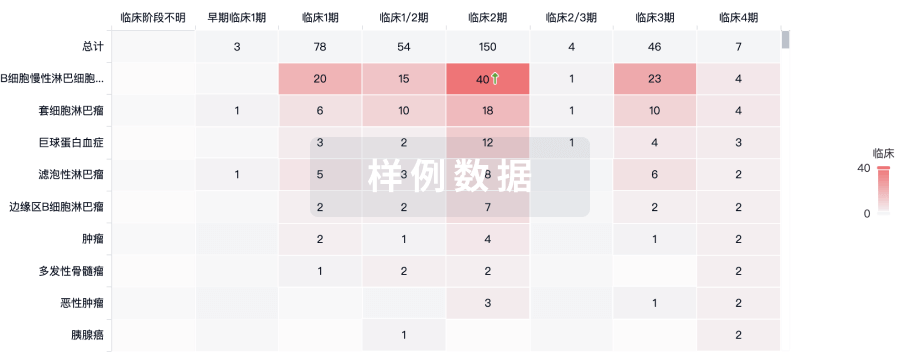
临床分析
紧跟全球注册中心的最新临床试验。
登录
或
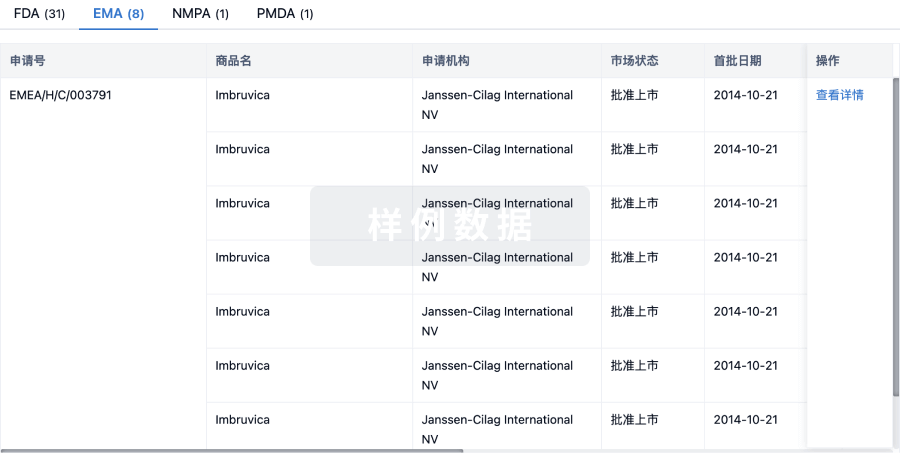
批准
利用最新的监管批准信息加速您的研究。
登录
或
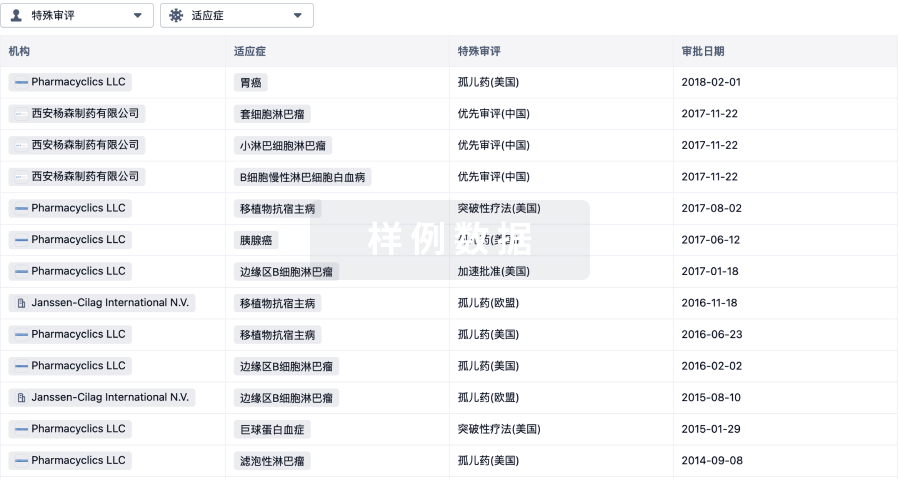
特殊审评
只需点击几下即可了解关键药物信息。
登录
或
生物医药百科问答
全新生物医药AI Agent 覆盖科研全链路,让突破性发现快人一步
立即开始免费试用!
智慧芽新药情报库是智慧芽专为生命科学人士构建的基于AI的创新药情报平台,助您全方位提升您的研发与决策效率。
立即开始数据试用!
智慧芽新药库数据也通过智慧芽数据服务平台,以API或者数据包形式对外开放,助您更加充分利用智慧芽新药情报信息。
生物序列数据库
生物药研发创新
免费使用
化学结构数据库
小分子化药研发创新
免费使用