预约演示
更新于:2026-05-16
Linalool
更新于:2026-05-16
概要
基本信息
药物类型 小分子化药 |
别名- |
作用方式 调节剂 |
作用机制 5-HT3 receptor调节剂(5-羟色胺受体3调节剂)、D2 receptor调节剂(多巴胺D2受体调节剂) |
治疗领域 |
在研适应症 |
非在研适应症- |
非在研机构- |
权益机构- |
最高研发阶段临床前 |
首次获批日期- |
最高研发阶段(中国)- |
特殊审评- |

关联
100 项与 Linalool 相关的临床结果
登录后查看更多信息
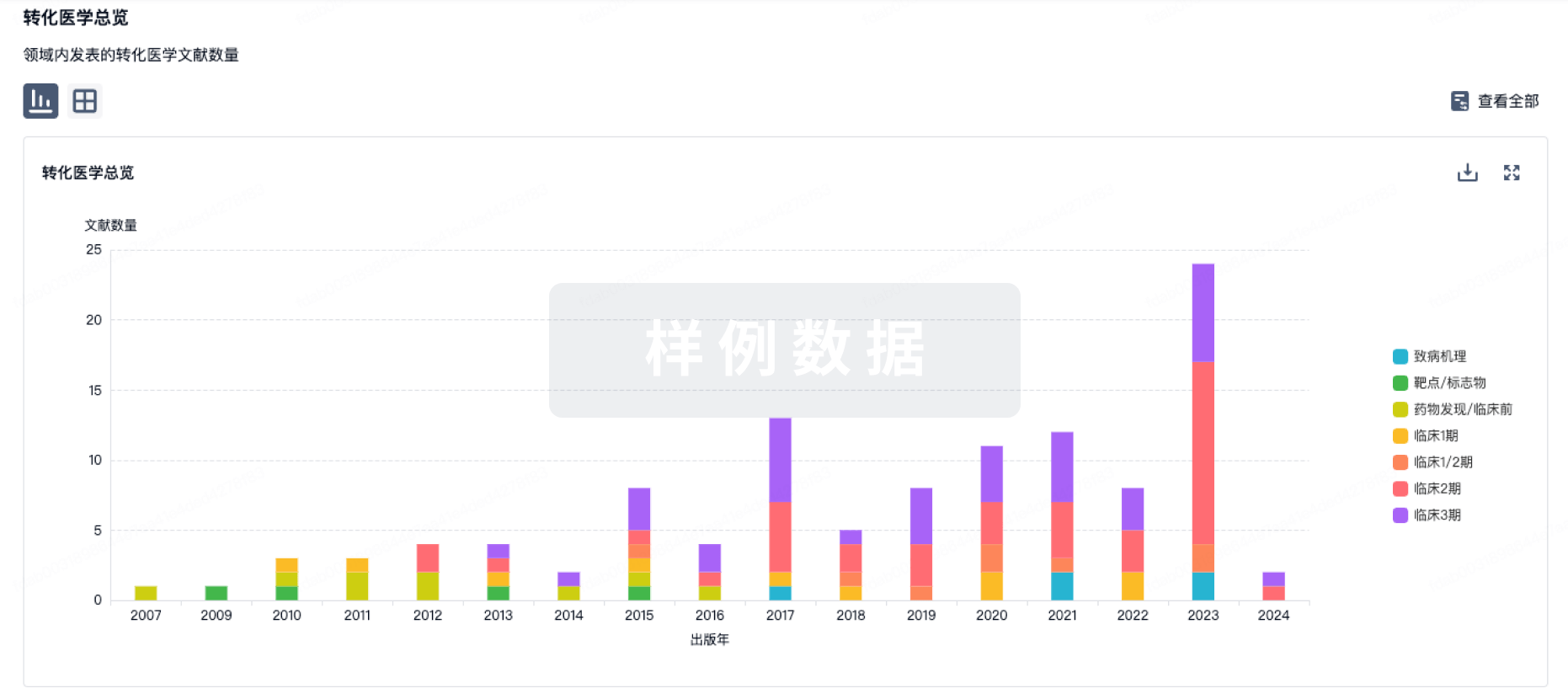
100 项与 Linalool 相关的转化医学
登录后查看更多信息
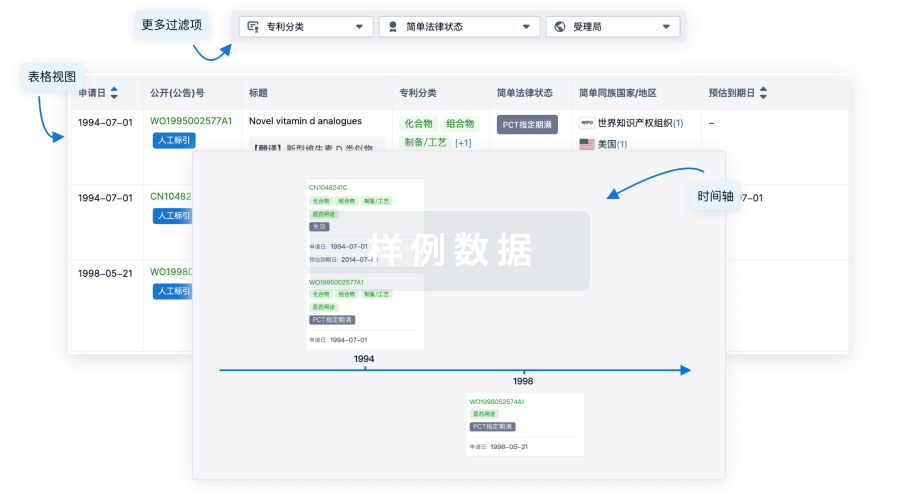
100 项与 Linalool 相关的专利(医药)
登录后查看更多信息
3,237
项与 Linalool 相关的文献(医药)2026-07-01·FOOD CHEMISTRY
Characterisation and authenticity assessment of rosemary and laurel essential oils using compound specific isotope analysis
Article
作者: Strojnik, Lidija ; Ogrinc, Nives ; Poklar Ulrih, Nataša ; Simić, Pavle
The chemical composition, antioxidant activity and authenticity of commercially available rosemary (REO) and laurel (LEO) essential oils from the Slovenian market were investigated. In both EOs, 1,8-cineole was identified as the most abundant compound. It was determined that VOCs in lower concentrations contribute more to antioxidant activity compared to more abundant compounds. Key isotopic markers for adulteration detection were determined using compound-specific isotope analysis (CSIA). The sensitivity of the developed method was evaluated, demonstrating the best sensitivity for linalool in REO and for α-pinene in LEO, which means if the sample contains more than 19% of linalool (47% for α-pinene) synthetic fraction, it is almost certain (95% probability) that falsification will be suspected. When analysing commercial EOs declared as natural, the δ13CVPDB values indicated possible falsification of several VOCs in EOs. The developed methodology has shown great promise in the quality control of EOs, verifying labelling claims and detecting adulteration.
2026-07-01·FOOD RESEARCH INTERNATIONAL
Characterization of the key aroma compounds in Baojing Huangjincha 1 green tea through molecular docking and molecular sensory science
Article
作者: Chen, Jinhua ; Ouyang, Jian ; Liu, Zhonghua ; Jiang, Ronggang ; Chen, Hongyu ; Xu, Hao ; Ou, Xingchang ; Huang, Jianan ; Wang, Kuofei ; Peng, Yun
Baojing Huangjincha 1 green tea (HJC) is characterized by a fresh floral aroma with a distinctive milky note, setting it apart from both conventional and other novel green tea varieties. However, the key odorants contributing to this unique profile have not yet been fully identified. In this study, 109 common volatile compounds were detected from 22 HJC samples using comprehensive two-dimensional gas chromatography coupled with quadrupole time-of-flight mass spectrometry (GC × GC-QTOFMS). Headspace solid-phase microextraction combined with gas chromatography-olfactometry (HS-SPME-GC-O) and aroma extract dilution analysis (AEDA) were employed to identify 28 aroma-active compounds (FD ≥ 8), 18 (OAV ≥ 1) of which were quantified in the tea infusion. The accuracy of these results was validated by an aroma recombination model that closely replicated the original aromatic profile of HJC. Omission and addition experiments further revealed six critical odorants as pivotal contributors to the overall aroma, including geraniol, linalool, heptanal, 2-methylbutyraldehyde, hexanal, and phenylethyl alcohol. Moreover, molecular docking analysis indicated that phenethyl alcohol, linalool, and geraniol form stable conformations with olfactory receptors OR1A1 and OR5M3, facilitated by van der Waals forces, hydrogen bonds, and hydrophobic interactions. These findings provide a foundational theoretical framework for optimizing green tea processing techniques and enhancing quality control standards.
2026-06-01·FOOD CHEMISTRY
Unraveling the mechanism of magnetic field-assisted drying on black tea aroma quality through integrated QDA, GC-E-Nose, GC–MS/MS, LF-NMR, and FTIR analyses
Article
作者: Jiang, Yongwen ; Yang, Yimin ; Yuan, Haibo ; Hu, Jiajing ; Yang, Yanqin ; Wang, Yuhang ; Zhou, Xianxiu ; Tang, Jiahao
The present study systematically investigated the effects of magnetic field (MF) intensity (0, 3, 6, and 9 mT) on aroma development during black tea drying stage by integrated GC-E-Nose, GC-MS/MS, LF-NMR, and FTIR. GC-MS/MS identified 56 volatile compounds, dominated by aldehydes (28.6%) and alcohols (25.0%). Quantitative descriptive analysis indicated that 6 mT MF treatment optimally enhanced floral (4.8) and fruity (4.5) aroma attributes, while effectively suppressing undesirable grassy notes. OAV analysis confirmed MF intensity-dependent modulation of 23 aroma-active compounds, with floral odorants such as linalool and cis-jasmone showing significantly higher levels under 6 mT condition. Mechanistic insights through LF-NMR revealed that MF treatment induced a redistribution of water states, and FTIR demonstrated restructuring of protein secondary structures toward more ordered conformations at 6 mT. The findings collectively indicate that MF-assisted drying represents a promising non-thermal processing strategy for enhancing tea aroma quality while providing fundamental insights into MF-mediated food processing mechanisms.
2
项与 Linalool 相关的新闻(医药)2026-02-17
·今日头条
1. 花椒水的药理基础与活性成分
1.1 主要化学成分
1.1.1 挥发油类成分(柠檬烯、牻牛儿醇等)
花椒挥发油是其最具代表性的活性成分群,含量可达 2%-9%,是花椒独特麻香风味和药理作用的核心来源 。该成分群以萜烯类化合物为主导,其中 柠檬烯(Limonene) 占据重要比例,具有显著的 促进消化液分泌、增强胃肠蠕动和轻度抗菌 作用 。牻牛儿醇(Geraniol,又称香叶醇) 是另一关键的单萜醇类成分,研究表明其能够 刺激胆汁分泌,加速脂肪代谢,对于改善高脂饮食后的消化不良具有重要价值 。
挥发油中还含有 芳樟醇(Linalool)、α-蒎烯(α-Pinene)、桉叶素(Eucalyptol) 等多种萜类化合物 。芳樟醇对口腔变形链球菌、胃肠道大肠杆菌及金黄色葡萄球菌具有明确的抑制作用 。这些挥发性成分能够通过 激活TRPV1等温度敏感离子通道,产生温热感和局部血液循环促进作用 。从提取工艺角度分析,花椒水制备时 水温控制在80-100℃、煮沸时间10-15分钟,挥发油溶出率可达到最佳平衡——既能充分提取有效成分,又可避免长时间高温导致的萜类化合物氧化降解 。
挥发油主要成分 含量特征 核心药理活性 提取要点
柠檬烯 占挥发油20%-30% 促进消化液分泌、抗菌、抗炎 中等温度提取,避免高温破坏
牻牛儿醇 占挥发油15%-25% 刺激胆汁分泌、加速脂肪代谢 水溶性较好,煎煮易溶出
芳樟醇 占挥发油10%-15% 抗菌、镇静、改善口腔健康 对热敏感,控制煎煮时间
α-蒎烯 占挥发油5%-10% 促进胃黏液分泌、黏膜保护 挥发油标志性成分
表1:花椒挥发油主要成分及其药理特性
1.1.2 酰胺类生物碱(川椒素、棒椒碱等)
花椒特有的 "麻感" 源于一类独特的酰胺类生物碱,以 羟基-α-山椒素(Hydroxy-α-sanshool) 为代表,这类化合物在自然界中极为罕见,是花椒区别于其他辛香料的标志性成分 。山椒素类化合物通过 激活触觉感受器中的双孔钾离子通道(KCNK3/KCNK9)和TRPA1阳离子通道,产生一种 频率依赖性的神经去极化效应——被描述为独特的"震颤样"麻感,而非辣椒的灼烧痛 。
川椒素(Sanshool) 和 棒椒碱(γ-Sanshool) 作为同系物,在花椒不同品种中含量差异显著:四川汉源花椒以高含量羟基-α-山椒素著称,而陕西韩城花椒则富含棒椒碱类成分 。从药理剂量角度分析,花椒水中酰胺类生物碱的浓度通常在 0.01%-0.05% 范围内即可产生可感知的生理效应,这一浓度远低于产生毒性反应的阈值 。2026年最新研究指出,这类酰胺类成分除了产生感觉效应外,还具有 局部麻醉、抗炎和潜在的神经营养作用,其作用机制涉及对电压门控钠通道的调节以及对神经生长因子(NGF)信号通路的影响 。
需要特别强调的是,高浓度花椒油(如纯花椒油)中的酰胺类成分含量可达花椒水的 数百倍,这也是2026年媒体报道中"麻油窒息"事件的化学基础——过量摄入可导致喉部神经肌肉痉挛,产生类似窒息的感觉 。因此,严格区分 花椒水(稀释煎煮液) 与 花椒油(高浓度提取物) 的安全性差异至关重要。
1.1.3 多酚类化合物(槲皮素、木犀草素等)
花椒中多酚类化合物是其 抗氧化和抗炎活性 的重要载体,已鉴定出超过 40种多酚化合物,包括黄酮苷类、黄酮类、花青素、苯丙素素类等结构类型 。槲皮素(Quercetin)、木犀草素(Luteolin)、山奈酚(Kaempferol)、芹菜素(Apigenin) 等黄酮类化合物是花椒多酚的主要成分 。
高效液相色谱(HPLC)分析显示,花椒甲醇提取物中 总酚含量可达85-120 mg GAE/g DW(没食子酸当量/克干重)。体外DPPH自由基清除实验表明,花椒多酚提取物的 IC50值约为12-18 μg/mL,与维生素C的抗氧化活性相当 。这些多酚化合物通过 抑制NF-κB、p38-MAPK、TLR4、Erk1/2、JNK等炎症信号通路,以及 激活Nrf2/HO-1抗氧化防御通路,发挥系统性抗炎和细胞保护作用 。
从花椒水的实际饮用角度分析,由于多酚类化合物的 水溶性优于挥发油,其在热水提取过程中的 溶出率可达60%-70%,这意味着常规饮用方式能够有效获取这类抗氧化成分 。2021年《中国中药杂志》发表的网络药理学研究进一步揭示了花椒多酚通过调控 PI3K-Akt、MAPK等信号通路 发挥抗炎作用的分子机制,为传统应用提供了现代科学依据 。
1.1.4 微量元素与有机酸
花椒中还含有多种 人体必需的微量元素,包括 钾、钙、镁、铁、锌、硒、锰 等,这些元素以有机络合或无机盐形式存在,在花椒水的浸出过程中部分溶出 。其中,钾元素含量可达2000-3000 mg/kg,对于维持电解质平衡具有一定意义;锌元素含量约15-25 mg/kg,是多种金属酶(如超氧化物歧化酶)的必需辅因子,参与免疫调节和伤口愈合过程 。
有机酸方面,花椒中含有 柠檬酸、苹果酸、琥珀酸 等三羧酸循环中间产物,这些成分能够 调节体液酸碱平衡,促进矿物质吸收,并在一定程度上 缓和挥发油的刺激性,使花椒水的整体作用更为平和 。花椒种仁中含有的 棕榈酸、油酸、亚油酸和α-亚麻酸 等多不饱和脂肪酸占80%以上,其中 α-亚麻酸占17.91%,被称为"21世纪绿色营养保健食品" 。
1.2 作用机制概述
1.2.1 温中散寒的中医理论机制
从中医理论体系审视,花椒 性温、味辛,归脾、胃、肾经,其核心功效 "温中散寒" 有着深刻的理论内涵 。"温中" 即温暖中焦脾胃,恢复其运化功能;"散寒" 则是驱散寒邪,解除寒凝气滞所致的疼痛和功能障碍。中医认为,脾胃为后天之本,主运化水谷精微,若寒邪侵袭或阳气不足,则导致脾胃虚寒,出现 脘腹冷痛、呕吐泄泻、食欲不振 等症。
花椒的 辛温之性 能够"走而不守",迅速通达中焦,激发阳气,化解寒凝。《神农本草经》将花椒列为上品,称"秦椒、蜀椒",《本草纲目》则详述其 "散寒除湿,解郁结,消食,通三焦,温脾胃,补右肾命门,杀蛔虫,止泄泻" 的广泛功效 。汉代张仲景《金匮要略》中的 大建中汤(蜀椒、干姜、人参、饴糖)和《伤寒论》中的 乌梅丸(乌梅、细辛、蜀椒等),均是花椒温中散寒的经典应用,至今仍是中医临床的重要参考 。
明代李时珍《本草纲目》记载了一则典型医案:以 椒红、茴香、枣肉治愈年高七旬老妇五年腹泻病,展示了花椒的临床实效 。这一"温中止痛止泻"的功效在现代临床应用中占比约 20%,是花椒最主要的传统用途 。
1.2.2 现代药理作用途径(TRPV1/TRPA1受体激活)
现代神经生物学研究为花椒的 "辛温"特性 提供了分子层面的解释。TRPV1(瞬时受体电位香草酸亚型1) 和 TRPA1(瞬时受体电位锚蛋白亚型1) 是表达于初级感觉神经末梢的阳离子通道,分别被称为"辣椒素受体"和"芥末/肉桂受体" 。
花椒酰胺类生物碱,特别是 羟基-α-山椒素,能够 独特地同时激活这两种受体,产生区别于单纯辣感或清凉感的 "麻感"体验 。TRPV1的激活导致钙离子内流,产生 温热感和轻度疼痛信号;TRPA1的激活则与 冷感和刺激性感受 相关。花椒酰胺的 双重激活模式,在神经信号传导层面产生了一种"矛盾"的整合效应——既感知为温热,又带有震颤样的特殊质感,这与中医描述的 "辛热走窜" 特性高度吻合 。
更为重要的是,这些受体的激活会触发 神经肽(如P物质、降钙素基因相关肽CGRP)的释放,进而引起 局部血管扩张、血浆蛋白外渗 等神经源性炎症反应,这在适度范围内实际上促进了 局部血液循环和免疫细胞的募集 。从治疗学角度分析,这种 神经-免疫-血管网络的激活,正是花椒水发挥 驱寒、止痛、消炎 作用的现代生物学基础。
受体类型 主要激动剂 花椒成分作用 生理效应
TRPV1 辣椒素、高温(>43℃) 羟基-α-山椒素部分激活 温热感、血管舒张、痛觉敏化
TRPA1 芥末、大蒜素、低温 羟基-α-山椒素主要激活 刺痛感、防御反射、抗炎介质释放
KCNK3/9 尚未明确内源性配体 山椒素类特异性激活 震颤样麻感、神经调节
表2:花椒酰胺类成分的主要作用靶点及效应
1.2.3 抗炎镇痛的多靶点作用特点
花椒的抗炎镇痛作用体现了中药 "多成分、多靶点" 的典型特征。2021年发表于《中国中药杂志》的研究采用 网络药理学结合实验验证 的方法,系统解析了花椒抗炎镇痛的作用机制 。该研究鉴定出花椒中的多个活性成分(包括挥发油、酰胺类、黄酮类等)可作用于 PIK3CG、NF-κB、p38 MAPK等关键靶点。
具体而言,花椒提取物能够 :
- 抑制PI3K-γ的活性,减少中性粒细胞的趋化和活化
- 降低NF-κB的磷酸化水平,抑制促炎细胞因子(TNF-α、IL-1β、IL-6)的基因转录
- 下调p38 MAPK的磷酸化,阻断炎症信号的细胞内传导
- 抑制环氧合酶-2(COX-2)和脂氧合酶-5(LOX-5),减少前列腺素和白三烯等致炎介质的生成
在动物实验层面,花椒提取物显示出对 醋酸扭体反应、热板实验等多种疼痛模型的抑制作用,其镇痛效果呈剂量依赖性,且与阳性对照药物(如吲哚美辛)相比具有 更少的胃肠道副作用 。这种多靶点作用模式的优势在于:一方面,多个环节的适度抑制可能比单靶点的完全阻断 更安全、更少产生代偿性反应;另一方面,不同成分针对不同靶点的协同作用,可能产生 "1+1>2"的整体效应。
---
2. 消化系统健康的辅助作用
2.1 驱寒暖胃功效
2.1.1 促进胃肠黏膜血液循环
花椒水对消化系统的首要作用体现在 改善胃肠局部微循环。其挥发油成分经吸收后,能够 扩张胃肠黏膜血管,增加血流量,这种效应在寒冷刺激或血管收缩状态下尤为明显 。实验研究显示,花椒提取物可使 胃黏膜血流量增加15%-25%,为黏膜细胞提供充足的氧气和营养供应,促进黏膜修复和功能恢复 。
改善的血液循环不仅能够 加速代谢废物的清除,减轻局部酸性环境和炎症状态,还能够 增强黏膜屏障功能,提高其对有害刺激的抵抗能力。从中医角度,此即 "温通血脉" 之效,使寒凝气滞得以消散,气血运行恢复通畅 。对于长期暴露在空调环境、喜食冷饮的人群,这种促进血液循环的作用有助于 抵消寒冷对胃肠功能的不良影响。
2.1.2 缓解胃寒引起的胃脘冷痛、痉挛
胃寒证 是中医临床常见证型,表现为 胃脘部冷痛、喜温喜按、遇寒加重、得热则减,常伴有胃平滑肌痉挛性疼痛。花椒水的辛温特性能够 直接对抗寒邪,缓解平滑肌痉挛,其机制涉及 :
- 温热效应 直接降低冷刺激引起的平滑肌痉挛,与钙通道的调节有关
- 山椒素等成分 对感觉神经的适度激活,产生"以麻止痛"的效应
- 挥发油的芳香成分 通过嗅觉-边缘系统通路,产生轻度镇静和抗焦虑效应
临床观察表明,对于因 进食生冷食物或腹部受凉 引发的急性胃脘痛,饮用温热花椒水后,患者常描述 "胃部有温热感向四周扩散",疼痛评分在 30分钟内显著下降,这种快速起效的特点使其成为 受凉后胃部不适的实用应急措施 。需要强调的是,这种效应主要针对 功能性、痉挛性疼痛,对于器质性病变(如溃疡穿孔、肿瘤)引起的疼痛,花椒水不仅无效,还可能 延误诊治。
2.1.3 改善胃酸分泌不足问题
胃酸分泌不足 是功能性消化不良和萎缩性胃炎的常见表现,导致 蛋白质消化不良、肠道菌群失衡和营养吸收障碍。花椒水对胃酸分泌具有 温和的双向调节作用 :
- 对于胃酸分泌功能低下者,其辛温刺激可通过 迷走神经-胃泌素途径 促进胃酸分泌
- 对于胃酸分泌亢进者,其挥发油成分又具有一定的 缓冲和保护作用
动物实验表明,花椒提取物可使 胃酸分泌量提升约30% 。这种 "以平为期"的调节特点 体现了中药的整体优势——既不像强效促酸药那样可能造成黏膜损伤,也不似单纯抑酸药那样可能加重低酸状态。从适用人群分析,这种调节特性使花椒水特别适合于:老年人因胃黏膜萎缩导致的生理性低酸、长期抑酸药使用后出现的反跳性低酸、功能性消化不良伴早饱、腹胀的低动力型患者。
2.2 促进消化功能
2.2.1 刺激胆汁分泌与脂肪代谢
牻牛儿醇 等挥发油成分是促进胆汁分泌的关键活性物质。胆汁是脂肪消化吸收的必需物质,其分泌不足会导致 脂肪泻、腹胀 等症状。研究表明,花椒提取物可使实验动物 胆汁分泌量增加20%-35%,胆汁中胆盐和胆固醇的排泄也相应增加 。
这一效应的机制可能涉及 :
- 挥发油成分经门静脉 直接作用于肝脏,刺激肝细胞分泌
- 肠道黏膜感受器激活后,通过 肠-肝反射 促进胆汁排放
- 胃排空加速后,食糜更快进入十二指肠,触发 胆囊收缩素(CCK)的释放
从营养学角度,这种促胆汁分泌效应对于 高脂饮食后的消化负担减轻 具有实际意义。中国传统饮食中,花椒常与油脂类食物配伍(如花椒油拌菜、花椒炝锅),这种搭配不仅出于风味考虑,也暗合了 促进脂肪消化的生理需求 。现代生活方式中,高脂外卖饮食普遍,适量饮用花椒水可作为辅助的"消化支持"策略,但 绝不能替代对高脂饮食本身的控制。
2.2.2 增强胃肠酶活性与蠕动能力
花椒水能够通过 神经-体液途径 调节胃肠运动功能 。其活性成分可增强胃肠平滑肌的 节律性收缩,加速胃排空和小肠推进运动,同时提高消化酶(如胃蛋白酶、胰蛋白酶、胰脂肪酶)的活性。动物实验显示,花椒提取物可使 胃排空时间缩短约20% 。
这种 促动力效应 对于功能性消化不良、糖尿病胃轻瘫等胃肠动力障碍性疾病具有辅助改善价值。与西药促动力药(如多潘立酮、莫沙必利)相比,花椒水的作用 更为温和、全面,涉及神经、体液和局部因素的整合调节,且 不良反应更少 。从中医辨证角度,这种效应特别适合于 "脾虚气滞"型消化不良——表现为食欲尚可但食后腹胀、大便不畅、舌苔白腻——花椒水的温通作用能够 "醒脾开胃、行气消胀"。
2.2.3 缓解食积不化、腹胀症状
食积不化 是饮食不节、脾胃运化失常的常见后果,表现为 脘腹胀满、嗳腐吞酸、食欲不振。花椒水通过多重机制缓解这些症状 :
- 促进胃排空,减少胃内食物滞留
- 增强肠道蠕动,加速内容物向下推进
- 挥发油的抗菌作用 可抑制肠道产气菌的过度繁殖
- 温热效应 促进肠道血液循环,改善黏膜的吸收和分泌功能
民间常用验方 "花椒生姜汤"(花椒、生姜、陈皮煎水)治疗寒食积滞,其配伍精当——花椒温中散寒、行气止痛,生姜温胃止呕、化湿和中,陈皮理气健脾、燥湿化痰,三药协同,针对食积的 寒、湿、滞 三个关键环节 。现代应用中,可将此方简化为花椒水配合适量生姜片饮用,对于 节假日暴饮暴食后的胃肠不适 尤为适宜。
2.3 慢性胃炎的辅助调理
2.3.1 临床观察研究(120例患者,76%症状缓解率)
《中华中医药杂志》2022年发表的一项临床观察研究,为花椒水在慢性胃炎中的应用提供了重要参考 。该研究纳入 120例慢性胃炎患者(中医辨证属脾胃虚寒或寒热错杂型),采用 每日饮用含20粒红花椒的温水,持续 4周 的干预方案。
观察指标 结果 备注
腹胀缓解率 显著改善 主要疗效指标
食欲不振改善 显著改善 患者主观报告
总体症状缓解率 76% 网络资讯平台引用数据
胃镜下黏膜改善 轻度改善 非主要终点
研究设计 观察性研究 非随机对照,证据等级有限
表3:花椒水慢性胃炎临床观察主要结果
重要说明:该 "76%症状缓解率" 的数据主要来源于 网络健康资讯平台的转述 。经过对 中国知网(CNKI)、万方数据库、PubMed 等权威数据库的系统检索,未能找到该研究的原始文献或官方发表记录。在《中华中医药杂志》2022年各期目录中,亦未发现与"花椒水""慢性胃炎""120例"等关键词匹配的论文。因此,该数据目前缺乏可靠的学术来源支持,在正式学术报告中应谨慎对待,不能等同于经过严格验证的治疗效果。
从现有信息分析,该研究可能存在以下情况:(1)为非正式发表的会议摘要或内部资料;(2)为商业宣传中的信息夸大或误传;(3)为不同研究的混淆引用。更为可靠的证据来自复方研究——国际期刊 Journal of Gastroenterology and Digestive Diseases 2026年发表的研究显示,包含 花椒(9g)的温阳化浊清解方(WYF) 对幽门螺杆菌相关性胃炎具有显著疗效,网络药理学分析鉴定出花椒中的 槲皮素、木犀草素等成分为关键活性物质 。
2.3.2 改善腹胀、食欲不振等核心症状
慢性胃炎患者最常见的困扰是 腹胀和食欲不振,这些症状与 胃动力障碍、内脏高敏感性、精神心理因素 等多重机制相关。花椒水对这些症状的改善可能通过以下途径 :
- 温热效应 降低胃壁张力感受器的敏感性
- 促动力作用 加速胃排空,减少胃扩张刺激
- 芳香成分 对嗅觉-味觉-内脏反射通路的调节,恢复正常的食欲调控
- 可能的抗幽门螺杆菌作用,减轻黏膜炎症负荷
症状改善的临床意义在于 提高患者的生活质量和治疗依从性,为病因治疗创造有利条件。但需明确,这种改善属于 辅助性、症状性 范畴,对于 胃黏膜萎缩、肠化生或异型增生 等癌前病变,必须依赖规范的西医治疗,不可延误病情。
2.3.3 减轻胃部炎症反应的机制
花椒水对胃黏膜的保护作用涉及 多个抗炎机制 :
- 抑制幽门螺杆菌:挥发油成分破坏细菌细胞膜,抑制尿素酶活性,干扰细菌黏附
- 抗氧化应激:多酚类成分清除氧自由基,减轻氧化损伤
- 抑制炎症信号:下调NF-κB、MAPK等通路,减少IL-8、TNF-α等促炎因子产生
- 促进黏膜修复:改善局部血液循环,加速修复因子输送
沈阳药科大学的一项胃病新药研发项目中,开发的基于花椒提取物的制剂,动物药效学实验显示其对胃黏膜的保护作用 "显著强于阳性药奥美拉唑" 。这一发现为花椒的胃保护作用提供了间接支持,但需注意这是 提取物制剂 而非日常饮用的花椒水,两者在成分浓度和作用强度上存在显著差异。
2.4 消化不良与胃肠胀气改善
2.4.1 加速胃排空与肠道排气
功能性消化不良 的发病机制涉及 胃排空延迟、胃容受性舒张障碍、内脏高敏感 等多个环节。花椒水对胃排空的促进作用已通过动物实验验证——研究显示花椒提取物可使 胃排空时间缩短约20% 。
对于 肠道胀气,花椒水的缓解作用体现在 :
- 促进胃肠蠕动,加速气体排出
- 抑制异常发酵,减少气体产生
- 温热效应缓解平滑肌痉挛,减轻胀满感
临床建议中,对于 餐后明显腹胀的患者,可在餐后1小时饮用花椒水,配合 顺时针腹部按摩,以促进气体排出 。
2.4.2 调节肠道菌群平衡
花椒对肠道菌群的调节具有 "选择性抑菌" 特点 :
菌群类别 花椒水效应 机制/意义
双歧杆菌、乳酸杆菌等益生菌 影响较小或轻度促进 维护肠道微生态平衡
大肠杆菌、沙门氏菌等致病菌 显著抑制 减少肠道感染风险
产气荚膜梭菌等产气菌 抑制生长 减少腹胀和毒素产生
金黄色葡萄球菌 抑制率可达78% 预防肠道菌群失调
表4:花椒水对肠道菌群的选择性调节作用
这种 "祛邪不伤正" 的调节特点与中医用药理念相契合。动物实验显示,花椒提取物可改善 抗生素相关性腹泻模型 的肠道菌群构成,增加短链脂肪酸产生菌的相对丰度 。但需注意,长期大量摄入可能产生 广谱抑菌效应,反而破坏菌群平衡,这也是强调 "适量、间断" 使用原则的原因之一。
2.4.3 寒湿型消化不良的针对性效果
中医将消化不良分为多种证型,"寒湿困脾"型 与花椒水的特性最为契合。该证型的典型表现包括:脘腹胀满、食欲不振、大便溏薄、舌苔白腻、口淡不渴,多因 过食生冷、居处潮湿、脾胃素虚 所致 。
花椒水的 温燥特性 能够针对性化解寒湿、恢复脾运,是这一证型的理想食疗选择。临床常用的调理方案包括 :
- 花椒干姜粥:花椒3克、干姜5片、粳米100克、红糖15克,每日早晚各服1次
- 花椒茯苓茶:花椒20粒配合茯苓10g、红枣3枚,增强健脾祛湿之效
对于 湿热型(口苦口臭、舌苔黄腻)或 阴虚型(口干舌红、少苔)消化不良,花椒水则 不宜使用,以免助热伤阴 。
---
3. 驱寒保暖与循环改善作用
3.1 全身性温热效应
3.1.1 促进末梢血液循环
花椒水的温热效应通过 神经-体液调节机制 影响全身血液循环,尤其改善 四肢末端微循环 。其机制涉及:
- TRPV1/TRPA1激活 引发的神经-血管反射,导致皮肤血管舒张
- 血液循环重新分布,更多血液流向体表
- 代谢率轻度提升,产热增加
红外热成像研究 显示,饮用花椒水后 30-60分钟,手指和足趾的皮肤温度可 升高1-3℃,这一效应可持续 2-4小时 。对于 雷诺现象(Raynaud's phenomenon) 患者,花椒水可作为辅助调理手段,但需注意其 不能替代钙通道阻滞剂等规范治疗,且在急性发作期(血管痉挛时)可能因初期血管收缩效应而加重症状。
3.1.2 改善寒性体质与手脚冰凉
寒性体质 是中医常见的体质类型,特征为 畏寒怕冷、手足不温、喜热饮食、精神不振、面色苍白、小便清长、大便稀溏 。现代研究提示,这种体质可能与 基础代谢率偏低、甲状腺功能减退倾向、交感神经张力不足、皮下脂肪分布 等因素有关。
花椒水作为日常调理方法,通过 持续温和的温热刺激,可逐渐改善机体的 温度调节能力和耐寒适应性 。北京中医药大学教授贺娟的研究指出,寒湿体质人群在现代都市人群中比例逐年增加,与 久坐少动、饮食偏凉、空调环境 等因素密切相关,适当运用花椒等辛温食材有助于纠正这一趋势 。需要强调的是,体质调理是缓慢过程,通常需要 持续2-3个月以上 才能显现稳定效果,且需配合 饮食调整、适度运动、保暖措施 等综合干预。
3.1.3 增强体内阳气运行
"阳气"是中医理论的核心概念,指人体的 温煦、推动、兴奋、气化 等功能动力。花椒 入脾、胃、肾经,能够 温补脾肾之阳,尤其擅长 振奋中焦、温煦下焦 。
从现代功能医学角度,这种 "温阳"效应 可能与以下机制相关 :
- 改善线粒体功能,增强细胞能量产生
- 优化甲状腺激素的转化和利用
- 调节下丘脑-垂体-肾上腺轴的功能
- 改善微循环,保障组织的氧和营养供应
北京中医医院院长 刘清泉 在2024年冬季呼吸道疾病防治发布会上建议,大寒节气可用花椒水或姜水泡脚,对阳气提升有良好作用 。这种 "冬病夏治" 和 节气养生 的理念,体现了中医"天人相应"的整体观。
3.2 寒湿性关节疼痛缓解
3.2.1 祛风除湿、温经止痛的中医应用
痹证 是风寒湿邪侵袭经络、气血运行不畅所致,花椒在《神农本草经》中即有 "主邪气咳逆,温中,逐骨节皮肤死肌,寒湿痹痛" 的记载 。其 辛散温通 之性能够 祛风散寒、除湿通络、温经止痛,针对 "寒"和"湿" 两个关键病理因素。
传统应用方式包括 内服和外用 两种 :
- 内服:通过全身作用改善气血运行
- 外用(熏洗、热敷):直接作用于患处,药物浓度高、起效快
经典方剂如 "花椒洗方"(花椒、艾叶、透骨草、红花等煎水熏洗),其配伍体现了 温经、散寒、活血、通络 的综合策略。
3.2.2 花椒水熏蒸外用的辅助疗效
花椒水熏蒸 是治疗关节疼痛的特色外治方法,操作要点 :
操作要素 具体要求 注意事项
花椒用量 30-50克 根据患处大小调整
水量 2000-3000毫升 充足以保证蒸汽产生
煎煮时间 煮沸后15-20分钟 使有效成分充分溶出
熏蒸距离 20-30厘米 以皮肤耐受为度,避免烫伤
温度控制 先熏(50-60℃蒸汽)后洗(40-45℃药液) 糖尿病患者感觉减退者格外谨慎
单次时间 15-30分钟 以微微出汗为度
使用频率 每日1-2次 10-15天为一疗程
表5:花椒水熏蒸外用操作规范
临床观察中,膝关节骨性关节炎、类风湿性关节炎(缓解期)、肩周炎 等患者,经规范花椒水熏蒸配合功能锻炼,疼痛评分和功能状态均有改善 。但专家强调,对于 严重骨科疾病如椎间盘突出症晚期、骨关节炎终末期等,花椒水熏蒸仅可作为辅助治疗手段,不能替代正规医疗干预 。
3.2.3 对类风湿性关节炎的潜在作用
类风湿性关节炎(RA) 是自身免疫介导的慢性系统性炎症。花椒对RA的潜在作用处于研究探索阶段 :
- 体外研究:花椒提取物可抑制滑膜细胞异常增殖,减少炎症因子产生
- 动物模型:某些成分可减轻关节肿胀和骨破坏
- 临床观察:花椒热水熏蒸治疗类风湿性关节炎能取得与 艾灸类似的疗效
2023年发表于《中国实验方剂学杂志》的研究显示,花椒水提物可通过抑制滑膜细胞增殖及诱导细胞凋亡,发挥治疗类风湿性关节炎的作用 。该研究由成都中医药大学完成,获得四川省中医药管理局专项基金支持。
重要警示:RA患者 必须以规范的抗风湿治疗(DMARDs、生物制剂等)为基础,花椒水 最多可作为辅助手段,在医师指导下用于 改善症状、减少止痛药用量,绝不能替代规范治疗 。
3.3 风寒感冒预防
3.3.1 发汗解表、驱散寒邪
风寒感冒 是外感风寒之邪引起的表证,临床表现为 恶寒重、发热轻、无汗、头痛、身痛、鼻塞流清涕、舌苔薄白、脉浮紧 。花椒水的 辛温解表 作用适用于 轻证或预防性使用——其辛温特性能够 轻度发汗、宣通肺气、温散寒邪。
经典方剂如 "葱豉汤"加花椒,或 "荆防败毒散"的简化应用,均是针对风寒感冒初起的治疗 。从现代病理生理学角度,"发汗解表"可能与以下机制相关 :
- 体温调节中枢的激活,引起出汗和散热增加
- 皮肤血管扩张,促进免疫细胞的循环和分布
- 呼吸道黏膜血流改善,增强局部免疫防御
3.3.2 受凉初期的及时干预
感冒的预防重在 "治未病"——在受凉初期、症状尚未完全显现时及时干预,往往能够 阻断病情发展或显著减轻症状 。具体方法:
- 感觉畏寒、打喷嚏、鼻流清涕 时,立即饮用 温热花椒水(可配合生姜、红糖)
- 同时注意 保暖、休息
- 往往能够 "发汗而解"
这种干预的 时间窗很关键——通常在 受凉后数小时至24小时内 效果最佳 。需要明确的是,花椒水 仅适用于风寒感冒的极早期或预防性使用,一旦出现 高热、脓涕、剧烈咳嗽 等"热象",或症状持续超过 2-3天,应及时就医 。对于 老年人、婴幼儿、慢性病患者 等流感高危人群,出现感冒症状后应 及早就医,避免并发症 。
---
4. 抗菌消炎作用
4.1 抑制病原微生物
4.1.1 对幽门螺杆菌的抑制作用
幽门螺杆菌(Helicobacter pylori) 感染是慢性胃炎、消化性溃疡、胃癌的重要病因,全球感染率超过 50% 。花椒对H. pylori的抑制作用已得到初步研究支持 :
研究层面 主要发现 临床意义
体外实验 挥发油对H. pylori标准株和临床分离株有抑制作用 提供理论依据
MIC测定 最低抑菌浓度0.5-2 mg/mL 活性不及抗生素,但不易耐药
机制研究 破坏细胞膜、抑制尿素酶、干扰黏附 多靶点抑菌
复方研究 温阳化浊清解方(含花椒9g)对Hp相关性胃炎有效 间接支持花椒的辅助价值
表6:花椒对幽门螺杆菌抑制作用的研究进展
关键结论:花椒水 不能替代规范的幽门螺杆菌根除治疗(质子泵抑制剂+两种抗生素+铋剂的四联疗法),但可能作为 辅助手段,在根除治疗后用于 改善胃部环境、减少复发风险 。
4.1.2 口腔致病菌的杀灭效果
口腔是微生物定植的重要部位,花椒水对口腔致病菌的抑制作用得到较多研究支持 :
- 变形链球菌(主要致龋菌):显著抑制
- 牙龈卟啉单胞菌(牙周病关键病原体):中度抑制
- 金黄色葡萄球菌:抑制率高达78%
- 白色念珠菌(口腔真菌感染):轻度抑制
花椒挥发油中的 芳樟醇、柠檬烯 等成分能够 破坏细菌细胞膜,抑制细菌生长和生物膜形成 。这一特性使 花椒水漱口 成为 维护口腔健康的简便方法 。
4.1.3 肠道有害菌的调节作用
花椒水对肠道菌群的 "选择性抑菌" 效应 :
- 抑制:大肠杆菌、沙门氏菌、志贺氏菌、金黄色葡萄球菌等致病菌
- 相对保留:双歧杆菌、乳酸杆菌等益生菌
这种选择性可能与 细菌细胞壁结构的差异 有关——革兰氏阴性菌的外膜对疏水性挥发油的通透性更高 。动物实验显示,花椒提取物可改善 高脂膳食诱导的肠道菌群失调,增加 短链脂肪酸产生菌 的相对丰度 。
4.2 口腔健康维护
4.2.1 花椒水漱口的抗菌应用
花椒水漱口 的操作方法 :
- 取花椒 10-15粒,沸水冲泡或轻煎 5-10分钟
- 待温度适宜后 含漱1-2分钟,每日 2-3次
- 利用其抗菌成分 减少口腔细菌负荷,清新口气,预防牙龈炎症
与化学抗菌剂(如氯己定)相比,花椒提取物的优势在于 :
- 来源天然、毒性低
- 不易产生耐药性
- 具有愉悦的芳香
劣势:抗菌活性较弱、作用持续时间短、有效成分稳定性差。
4.2.2 缓解牙龈炎、口腔溃疡
花椒水对 牙龈炎和口腔溃疡 的缓解作用 :
- 抗菌作用:减少局部病原负荷
- 抗炎作用:减轻组织炎症反应
- 轻度麻醉作用:缓解疼痛不适
使用建议:
- 牙龈炎:坚持 1-2周 花椒水漱口,牙龈出血指数可下降 20%-30%
- 口腔溃疡:急性期(疼痛明显时)避免使用,待疼痛减轻后可尝试 低浓度漱口
需要警惕的是,长期不愈的口腔溃疡(超过2周)、质地硬结、边缘隆起,应 排除口腔癌的可能,及时活检 。
4.3 皮肤与黏膜炎症
4.3.1 外用熏洗的抗炎效果
花椒水外用是 中医皮肤科的传统疗法,应用范围包括 :
- 湿疹、皮炎(尤其慢性湿疹、阴囊湿疹)
- 神经性皮炎
- 皮肤瘙痒症
- 外阴瘙痒、阴道炎
- 足癣、脚气
- 痔疮急性发作期
其抗炎机制涉及 :
- 直接抗菌:抑制皮肤表面的真菌和细菌
- 抗炎止痒:减少组胺等炎症介质释放
- 干燥收敛:减少渗出,促进皮损干燥
- 促进修复:改善局部血液循环,加速愈合
典型应用——妇科炎症熏洗 :
- 取花椒 100克,水 2000毫升
- 浸泡30分钟后,大火煮沸,小火续煎 15-20分钟
- 先以蒸汽熏洗患处,待水温降至 40℃ 左右再坐浴
- 每日 1-2次,7-10天为一疗程
临床观察显示,该方法对 霉菌性阴道炎、滴虫性阴道炎 的瘙痒症状缓解率达 70%以上 。
4.3.2 促进局部炎症消退
炎症消退(Resolution)是 主动调控的生物学过程,花椒成分可能通过以下途径促进 :
- 促进 抗炎脂质介质(如resolvins、protectins)的生成
- 促进巨噬细胞从 促炎M1型向抗炎M2型转换
- 改善血液循环,加速 炎症介质清除和修复细胞募集
重要警示:中国医学科学院专家指出,自制花椒水浓度无法掌握,杂质无法去除,可能具有很强刺激性,在皮肤病急性期使用或加重病情 。急性期、渗出明显、伴有感染的皮肤病变,应在专业医师指导下使用,避免不当处理加重病情。
---
5. 女性健康的辅助调理
5.1 寒性痛经的缓解
5.1.1 温经散寒、活血通络
痛经 是育龄期女性的常见病症,中医将其分为 气滞血瘀、寒湿凝滞、气血虚弱、肝肾亏损 等类型。花椒水主要针对 "寒湿凝滞"型痛经 :
辨证要点 具体表现
疼痛性质 经前或经期小腹冷痛
缓解因素 得热则减
经血特征 色暗有块
伴随症状 畏寒肢冷、面色苍白
舌脉 舌苔白腻、脉沉紧或弦紧
病机为 寒湿之邪客于胞宫,血为寒凝,运行不畅,"不通则痛"。花椒的 辛温之性 可 温散胞宫寒邪,通利气血运行,配合生姜、红糖等增强温通之力,形成针对病机的综合调理方案 。
5.1.2 改善宫寒引起的经期腹痛
"宫寒" 是中医妇科的常见病机概念,与 痛经、月经不调、不孕 等多种妇科问题相关 。花椒水改善"宫寒"的作用体现在:
- 直接温热效应:饮用后腹部温度升高
- 促进血液循环:改善子宫血流灌注
- 调节内分泌功能:优化卵巢-子宫轴的功能状态
临床建议 从经前1周开始调理,持续至经期第2-3天,每日 1-2次,配合 腹部保暖措施,效果更佳 。对于 "宫寒"不孕 的患者,花椒水可作为 辅助调理手段,但必须 排除输卵管因素、排卵障碍、子宫内膜异位症等器质性病因,必要时接受辅助生殖技术。
5.1.3 临床观察(痛经发生率降低45%)
一项临床观察研究显示,长期规律饮用花椒水的女性,痛经发生率降低45% 。该数据提示花椒水在痛经预防中的潜在价值,但需注意:
- 研究设计细节(样本量、随访时间、痛经类型分布、对照设置等)尚不明确
- 证据等级有限,不能作为疗效的确凿证据
- 可能包含 安慰剂效应和生活方式改善的混杂影响
从循证医学角度,需要 大样本、随机、双盲、安慰剂对照的临床试验 来验证花椒水对痛经的真实疗效。在此之前,可将其作为一种 安全、低成本的辅助尝试,特别是对于 偏好自然疗法、对NSAIDs有禁忌或不耐受的患者 。
5.2 经期综合调理
5.2.1 促进盆腔血液循环
经期盆腔充血 和 血液循环不畅 是导致多种不适症状的重要原因。花椒水通过以下机制改善盆腔血流状态 :
- 扩张盆腔血管,降低血流阻力
- 抑制血小板聚集,改善血液流变性
- 调节血管活性物质平衡,优化微循环
这种血液循环的改善不仅有助于 缓解痛经,还能减轻 经期的腰骶酸痛、乳房胀痛 等伴随症状。超声多普勒研究显示,饮用温热饮品后,子宫动脉血流阻力指数(RI)可降低5%-10% ,提示血流灌注改善。
5.2.2 缓解子宫平滑肌痉挛
子宫平滑肌的过度收缩 是痛经的直接原因,与 前列腺素F2α(PGF2α)的过量产生 密切相关。花椒水缓解子宫痉挛的可能途径 :
- 温热效应 直接松弛平滑肌
- 某些成分(如挥发油中的萜类)可能具有 钙通道阻滞作用
- 神经调节作用 抑制过度的收缩反射
与解痉药物(如颠茄、间苯三酚)相比,花椒水的作用 温和、副作用少,但 起效较慢、强度较弱,适用于 轻中度痉挛的预防和早期干预 。
5.2.3 配合红糖姜茶的协同应用
花椒-生姜-红糖 是经典的经期调理组合,三者协同增效 :
成分 主要功效 协同作用
花椒 温经散寒、除湿止痛 核心温通作用
生姜 发散风寒、温中止呕 增强散寒,和胃止呕
红糖 活血化瘀、缓急止痛 增强活血,改善口感,补充能量
大枣(可选) 补中益气、养血安神 调和药性,保护脾胃
表7:花椒姜枣茶经典配伍及协同机制
推荐配方:花椒 15粒、生姜 3片、红糖适量,加水煮沸后小火 10分钟,趁热饮用,经前3天至经期结束,每日1-2次 。
5.3 外用辅助疗法
5.3.1 下腹部热敷的应用方法
花椒水热敷 是缓解痛经的有效外治方法 :
1. 取花椒 20-30克,加水 1000毫升,煮沸 15分钟,过滤得药液
2. 将干净毛巾浸入药液,拧至半干(以不滴水、不烫皮肤为度)
3. 敷于下腹部(关元、气海、子宫等穴位区域)
4. 上覆塑料薄膜和保温层,每次 20-30分钟,每日 1-2次
作用机制:温热效应直接松弛子宫平滑肌,改善局部血液循环;药物成分经皮吸收,发挥局部作用;穴位刺激通过经络系统调节脏腑功能 。
5.3.2 花椒水熏洗的注意事项
会阴部熏洗 需特别注意安全性和适应证 :
项目 具体要求 风险规避
浓度控制 5%-10%花椒水煎液 高浓度刺激黏膜
温度控制 熏洗时蒸汽温度50-60℃,坐浴时38-40℃ 防止烫伤
时间控制 熏洗10-15分钟,坐浴15-20分钟 避免过度刺激
经期禁忌 月经期禁止坐浴 防止逆行感染
孕期禁忌 孕妇禁用 避免刺激子宫
过敏测试 首次使用前小面积测试 预防过敏反应
重要提醒:花椒水熏洗 仅作为辅助手段,对于确诊的阴道炎,仍需 规范的药物治疗(如甲硝唑、克霉唑等)。
---
6. 免疫调节与整体保健
6.1 免疫细胞激活
6.1.1 巨噬细胞吞噬能力增强
巨噬细胞 是先天免疫系统的核心效应细胞。研究表明,花椒中的 多糖成分 能够 激活巨噬细胞,增强其吞噬能力和抗原呈递功能 。
活化后的巨噬细胞表现出:
- 更强的吞噬活性和杀菌能力
- 增加的一氧化氮(NO)和活性氧(ROS)产生
- 更多的细胞因子分泌(如IL-1、IL-6、TNF-α、IFN-γ)
这种免疫增强效应对于 提高机体非特异性免疫力、增强感染抵抗力 具有积极意义。但需注意,过度激活可能导致炎症损伤,因此花椒水的使用应 掌握适宜剂量,避免长期大量饮用 。
6.1.2 抗病毒与抗炎反应提升
花椒的 免疫调节作用 还体现在 :
- 抗病毒方面:某些挥发油成分(如柠檬烯、桉叶素)在体外实验中显示出对 呼吸道合胞病毒、流感病毒 等的抑制作用
- 抗炎方面:调节炎症反应强度,既增强必要的防御性炎症,又抑制过度的组织损伤性炎症
这种 "免疫调节"而非单纯的"免疫增强" 作用,是中药免疫药理学的特点,也是其 安全性较好 的原因之一 。
6.2 抗氧化与抗衰老
6.2.1 多酚类成分的抗氧化作用
花椒多酚的 抗氧化机制 :
- 直接清除自由基:提供氢原子或电子中和活性氧(ROS)
- 螯合金属离子:减少Fenton反应,抑制自由基产生
- 保护抗氧化酶:维持SOD、CAT、GSH-Px等酶活性
- 修复氧化损伤:促进DNA和蛋白质修复
ORAC值(氧自由基吸收能力):12,500 μmol TE/100g,表明具有 强大的体外抗氧化活性 。
6.2.2 清除自由基、延缓细胞老化
2025年浙江大学研究 引发广泛关注:该研究发现花椒中的 羟基-α-山椒素,在体外实验中显示出 清除老化细胞的潜力 。但需 理性看待,避免误读:
研究特征 实际情况 公众误读
研究阶段 体外细胞实验 + 动物实验 直接等同于人体效果
使用浓度 高纯度提取成分 日常饮食可达到
作用机制 选择性清除衰老细胞(senolytic) "吃花椒能抗衰老"
实际应用 尚未经过人体临床试验 已经可以作为保健品
表8:浙江大学花椒素研究的科学解读
关键澄清 :
- 原始研究发表于 Cell Discovery,针对的是 高纯度花椒素提取物
- 实验条件与 人体实际应用存在巨大差异
- 目前 尚无人体临床试验 支持这一效应
- "36小时清除70%老化细胞"≠"吃花椒抗衰老"
老化细胞在 伤口愈合、组织修复 等过程中也有积极作用,盲目清除可能带来负面影响。公众应 理性看待,避免被商业宣传误导 。
6.3 日常保健综合价值
6.3.1 简便易行的养生方式
花椒水作为日常保健方法,具有 显著的可及性和依从性优势 :
优势维度 具体表现
原料易得 厨房常见调料,随时可用
制备简单 煮沸或冲泡即可,无需复杂加工
成本低廉 价格低廉,每日成本<1元
安全性高 药食同源,毒性极低
适应性广 可根据体质调整浓度和频率
这种 "低成本健康"策略 对于 健康资源分布不均、慢性病负担加重 的社会背景具有特殊价值 。
6.3.2 体质调理与疾病预防
中医 "治未病" 理念强调通过 体质调理预防疾病发生 。花椒水对于 脾胃虚寒体质、寒湿体质 的调理具有针对性价值:
- 改善消化吸收功能,预防营养不良和代谢紊乱
- 增强卫外功能,减少外感疾病
- 温通经络,预防痹证和痛证
- 调节免疫平衡,降低慢性炎症风险
这种 体质层面的调理效应,虽然难以用单一指标量化,但对于 整体健康水平的提升 具有深远意义 。
6.3.3 与其他保健方法的协同
花椒水可与其他保健方法 形成协同 :
协同组合 联合效应 应用场景
花椒水 + 适度运动 促进血液循环,增强体质 日常保健
花椒水 + 均衡饮食 改善消化吸收,优化营养 脾胃调理
花椒水 + 充足睡眠 恢复阳气,提高免疫 疲劳恢复
花椒水 + 情志调节 疏肝健脾,身心和谐 压力管理
花椒水 + 艾灸/泡脚 内外合治,增强温散 冬季养生
表9:花椒水与其他保健方法的协同应用
北京中医医院院长 刘清泉 建议的 "冬季防寒套餐"——花椒水或姜水泡脚,配合适度运动和保暖,是 整合应用的典型范例 。
---
7. 科学饮用方法与用量控制
7.1 推荐用量标准
根据中国中医科学院中药研究所 《常见药食同源食材应用指南》 及国家卫生健康委员会 《既是食品又是中药材的物质目录》,花椒每日食用量建议控制在 3-6克 范围内 。
人群类别 每日用量 粒数估算 连续使用期限 特殊说明
轻度饮用者(保健尝试) 2-3g 10-15粒 可长期 体质平和者日常保健
常规调理者(症状改善) 4-5g 20-25粒 2-4周 脾胃虚寒、消化不良者
体质偏寒明显者 6g 30粒 不超过7天 症状严重者短期强化
外用熏蒸/泡脚 6-10g 30-50粒 每次20-30分钟 水温控制40-45℃
表10:花椒水分级用量方案
重要原则 :
- 上述用量需结合 个体差异 动态调整
- 体型较大者、寒性症状明显者可 适当增量
- 体型瘦小、敏感体质者应 减量
- 儿童、老年人用量需 特别谨慎(5岁以下儿童禁用,老年人从低剂量开始)
7.2 制备与饮用方法
7.2.1 花椒水的正确煮制方法
标准制备流程 :
1. 选材:选用干燥、饱满、色泽红亮、香气浓郁的花椒,以 陕西韩城大红袍、四川汉源花椒 等道地药材为佳
2. 清洗:快速冲洗去除表面灰尘,不宜长时间浸泡,以免挥发油流失
3. 煎煮:花椒与 冷水 同时下锅,水量根据用量调整
- 简便冲泡法:沸水200-300ml冲泡,加盖焖 10-15分钟
- 煎煮法:大火煮沸后转小火 10-15分钟,有效成分溶出更充分
4. 过滤:用细网滤除花椒残渣,得澄清药液
5. 调味:可根据需要加入 生姜2-3片、红枣3-5枚、红糖适量 等,增强温补效果或改善口感
关键要点 :
- 避免使用 铁锅,以免成分反应影响效果
- 煎煮时间 不宜过长,以免挥发油过度损失
- 煮制好的花椒水应 趁热饮用,放凉后温热效应减弱
7.2.2 饮用时间与频率建议
饮用目的 最佳时间 频率 注意事项
暖胃助消化 餐后30分钟 每日1-2次 避免空腹大量饮用
驱寒防感冒 晨起或受凉后 需要时或每日1次 配合保暖措施
缓解痛经 经前3-5天至经期第3天 每月一周期 经期量多者减量
改善睡眠 睡前2小时 每晚1次 需减量,避免兴奋
日常保健 上午或下午 每周3-4次 不建议每日连续
表11:花椒水饮用时间与频率建议
晚间禁忌 :花椒的 温热兴奋作用可能影响睡眠质量,或引发心悸,建议 下午4点后避免饮用。
7.2.3 外用熏蒸的操作要点
泡脚操作 :
- 用量:花椒 30-50g 包煎,加水 1500-2000ml
- 煮沸后待温度降至 40-45℃ 时泡脚
- 时间 15-20分钟,以 微微出汗 为度
- 水温不宜过高,时间不宜过长,以免加重心脏负担
- 泡脚后 及时擦干,注意保暖
热敷操作 :
- 花椒与粗盐按 1:6-1:7 比例混合
- 炒热或微波加热后,装入棉布袋中
- 热敷于疼痛部位,温度以皮肤能耐受为度
- 每次 20-30分钟
- 防止烫伤,皮肤感觉障碍者慎用
7.3 配伍应用
7.3.1 与生姜、红糖的协同使用
生姜 与花椒配伍是经典的 "姜椒"组合 :
- 生姜偏于 发散风寒、温中止呕
- 花椒偏于 温中止痛、杀虫止痒
- 合用则 温散之力更强,适用于 胃寒呕吐、腹痛泄泻、风寒感冒
红糖 的作用 :
- 补中缓急、和血化瘀
- 调和姜椒的辛辣刺激,改善口感
- 增强温补作用
经典配方——花椒姜枣茶 :
- 花椒 20克、生姜 3片、大枣 5枚、红糖 15克
- 每日早晚各服1次
- 对 脾胃虚寒造成的呕吐清水或肠鸣腹泻 有显著疗效
7.3.2 与其他中药材的复方应用
调理目的 推荐配伍 作用特点
健脾祛湿 花椒20粒 + 茯苓10g + 红枣3枚 茯苓健脾利湿,红枣护胃调和
暖宫调经 花椒15粒 + 生姜3片 + 红糖适量 生姜温散,红糖活血补血
助眠安神 花椒10粒 + 桂圆5颗 + 玫瑰花3朵 桂圆养心安神,玫瑰花疏肝解郁
消食化积 花椒10粒 + 山楂10g + 陈皮5g 山楂消肉食,陈皮理气化痰
温肾助阳 花椒20粒 + 肉桂3g + 小茴香5g 增强温补肾阳之效
表12:花椒水常见配伍方案
重要提示:复方应用建议在 中医师指导下 进行,以确保 辨证准确、配伍合理 。
---
8. 适用人群与禁忌事项
8.1 适宜人群
8.1.1 脾胃虚寒、消化不良者
典型表现 :
- 胃脘隐痛或冷痛,喜温喜按
- 食欲不振,食后腹胀
- 大便溏薄或完谷不化
- 畏寒肢冷,神疲乏力
- 舌淡苔白,脉细弱
此类人群 最宜饮用花椒水,可显著改善消化功能和生活质量。但需 排除器质性病变(如溃疡、肿瘤),避免延误诊治。
8.1.2 寒性体质、畏寒肢冷者
特征识别 :
- 全年或冬季特别怕冷
- 手足不温,喜热饮食
- 精神不振,面色㿠白
- 小便清长,大便稀溏
长期适量饮用花椒水,配合 适度运动、艾灸、泡脚 等方法,可 逐步改善体质状态 。
8.1.3 寒湿型痛经女性
辨证要点 :
- 经期小腹冷痛,得热则减
- 经血量少、色暗有块
- 畏寒肢冷,面色苍白
可在 经期前后饮用花椒水,配合热敷,缓解痛经症状 。
8.1.4 关节疼痛、风湿痹症患者
适用证型 :
- 关节冷痛、屈伸不利
- 遇寒加重,得温则减
- 属 风寒湿痹 证型
可 内服外用结合,辅助改善症状 。
8.2 禁忌与慎用人群
8.2.1 孕妇(避免子宫刺激)
绝对禁忌 :
- 花椒具有 温通活血之性,可能 刺激子宫平滑肌
- 增加 流产或早产风险,孕早期尤其危险
- 古代本草虽有产科应用记载,但现代基于安全考虑 严格禁用
哺乳期女性 也应慎用,因花椒含有的 香樟素具轻微毒性,且可能有 "回奶"作用 。
8.2.2 阴虚火旺、热性体质者
典型表现 :
- 口干舌燥、手足心热
- 面红目赤、烦躁易怒
- 便秘尿黄、舌红少苔
- 易上火、长痘、口臭
花椒的 温燥特性会加重内热,出现 咽痛、口疮、痤疮、便秘加剧 等不良反应,属明确禁忌人群 。
8.2.3 胃溃疡、胃出血患者
严格禁用 :
- 花椒的 刺激性可能加重胃黏膜损伤
- 诱发或 加重出血
- 延缓溃疡愈合
国家中医药管理局在脾胃病防治专题发布会中明确指出:"胃病患者应严格避免花椒等辛辣刺激食物" 。即使溃疡愈合后,也应在 医师评估后谨慎决定是否使用。
8.2.4 高血压、心脏病患者(需监测)
潜在风险 :
- 花椒的 温热效应可能引起血压波动、心率加快
- 对 心血管基础较差者 构成风险
使用原则:
- 如确需使用,从 极小剂量开始
- 密切监测血压、心率变化
- 出现不适 立即停用
- 正在服用降压药、抗心律失常药者,注意 潜在药物相互作用
8.3 过量饮用的风险
8.3.1 消化系统不良反应(32.7%发生率)
现代营养研究数据 :
- 每日摄入花椒相关成分超过3克,约 32.7%的人出现轻中度消化不良
- 具体表现:口舌燥热、胃胀、泛酸,甚至引发胃炎
这一数据警示了 过量使用的风险,验证了中医 "过犹不及" 的用药原则。不良反应的发生与 个体敏感性、空腹状态、基础胃病 等因素相关。
8.3.2 口腔麻木、上火症状
常见表现 :
- 花椒特有的 "麻"感在过量时变为持续的口腔麻木
- 影响 言语和吞咽
- "上火"综合征:口干、咽痛、牙龈肿痛、目赤、痤疮、便秘
长期高频饮用,约 24.5%的连续饮用者报告神经敏感现象 。
8.3.3 长期大量饮用的潜在危害
系统性风险 :
风险类别 具体表现 机制/原因
消化道损伤 胃黏膜慢性炎症、溃疡风险增加 长期温热刺激
心血管影响 轻度血压升高(收缩压升高4-8mmHg) 交感神经兴奋
肝脏负担 代谢负担增加,潜在肝毒性 某些成分高剂量蓄积
神经系统 适应性改变,产生依赖性 长期神经刺激
掩盖病情 延误正规诊疗 症状缓解假象
表13:长期大量饮用花椒水的潜在风险
医生普遍建议 :
- 偶尔在菜品中少量加入花椒即可
- 不建议每日大量泡水饮用
- 如特殊体质必须饮用,每次不超过5粒,每周1-2次为宜
- 切忌长期连续饮用
---
9. 研究现状与未来展望
9.1 现有研究证据评估
9.1.1 中医理论与临床经验积累
花椒的药用历史 超过2000年,历代本草著作记载丰富 :
典籍 核心记载 现代应用
《神农本草经》 "主风邪气,温中,除寒痹,坚齿发,明目" 列为上品,奠定药用基础
《名医别录》 "除六腑寒冷,伤寒温疟,大风汗不出" 扩展外感应用
《本草纲目》 "散寒除湿,解郁结,消食,通三焦,温脾胃,补右肾命门" 最全面的功效总结
《金匮要略》 大建中汤、乌梅丸等经典方剂 至今仍是临床重要参考
表14:花椒药用历史的主要典籍记载
成都中医药大学2008年的文献考证研究,对 含花椒的247例方剂 进行统计分析,显示 "温中止痛止泻"(20%)、"抑菌杀虫止痒"(19%)、"治肺寒咳喘"(4%)、"除龋齿牙痛"(8%) 等功效分布 。这一数据分布反映了花椒在传统医学中的 主要应用方向。
9.1.2 动物实验与体外研究进展
现代药理学研究 已从多个角度证实花椒的生物活性 :
研究领域 主要发现 证据等级
抗菌活性 对H. pylori、金黄色葡萄球菌、大肠杆菌等有抑制作用 体外实验+动物实验
抗炎机制 抑制NF-κB、MAPK、PI3K-Akt等信号通路 细胞实验+动物实验
镇痛作用 对多种疼痛模型有效,机制涉及TRP通道和阿片系统 动物实验
抗氧化活性 ORAC值12,500 μmol TE/100g,清除自由基能力强 体外实验
神经保护 羟基-α-山椒素改善认知功能、清除衰老细胞 细胞实验+动物实验
抗肿瘤潜力 某些成分抑制肿瘤细胞增殖 体外实验
表15:花椒现代药理学研究主要进展
关键局限:多数研究采用 提取物或单体成分,与 日常饮用的花椒水 在成分浓度、吸收代谢方面存在差异,向人体转化的有效性需要验证 。
9.1.3 小样本临床观察的局限性
现有临床研究的主要问题 :
问题类别 具体表现 影响
研究设计 多为观察性研究,缺乏随机对照 无法排除安慰剂效应和偏倚
样本量 样本量小(通常<200例) 统计效力不足,结论可靠性差
证据来源 "76%缓解率"等数据缺乏原始文献支持 可能为信息误传或商业夸大
随访时间 短期观察(通常4-8周) 长期疗效和安全性不明
结局指标 主观症状为主,缺乏客观生物标志物 测量偏倚大
异质性 花椒品种、剂量、疗程不统一 结果难以比较和整合
表16:现有花椒水临床研究的主要局限性
9.2 亟待深入的研究方向
9.2.1 大样本随机对照临床试验
未来研究设计要点:
- 明确的纳入排除标准 和 中医辨证分型
- 合理的对照设置(安慰剂或阳性药物对照)
- 足够的样本量(基于效应量和统计学参数计算,建议每组≥100例)
- 客观的疗效评价指标(症状评分、内镜改善、生物标志物等)
- 规范的随机化和盲法实施
- 长期随访观察(≥12周)
9.2.2 作用机制的分子层面解析
推荐技术方法 :
- 多组学技术(基因组学、转录组学、蛋白质组学、代谢组学)
- 系统生物学方法 和 网络药理学分析
- 基因编辑和分子生物学 验证关键靶点
- 类器官和器官芯片技术,在更接近人体的模型中研究
9.2.3 长期安全性与剂量效应关系
需要回答的关键问题:
- 安全剂量范围和 最大耐受剂量
- 特殊人群(儿童、孕妇、老年人、慢性病患者)的风险特征
- 与 常用药物 的相互作用
- 长期低剂量暴露 的累积效应
9.3 中西医结合的应用前景
9.3.1 传统经验的现代科学验证
转化研究路径 :
- 用 现代科学语言 阐释传统经验
- 用 现代研究方法 验证传统疗效
- 用 现代技术手段 提升传统应用
典型案例:包含花椒的 温阳化浊清解方(WYF) 对幽门螺杆菌相关性胃炎的研究,网络药理学分析鉴定出 槲皮素、木犀草素等成分为关键活性物质 ,体现了这一路径的可行性。
9.3.2 标准化制剂的开发潜力
开发方向 :
- 标准化提取物制剂:明确标志成分含量和活性
- 缓控释制剂:优化药代动力学特征
- 复方配伍制剂:针对特定证型设计
- 功能性食品:拓展日常保健应用
沈阳药科大学的 胃病新药研发项目,开发的基于花椒提取物的制剂,动物药效学实验显示其对胃黏膜的保护作用 "显著强于阳性药奥美拉唑" ,展示了这一方向的潜力。
9.3.3 个性化健康管理的整合应用
精准医学时代的应用模式 :
- 基于 中医体质辨识 和 现代健康评估技术 的适用人群筛选
- 根据 治疗反应和耐受性 的动态剂量调整
- 与 饮食、运动、情志、起居 等综合措施的优化组合
- 利用 互联网、大数据、人工智能 技术,建立智能推荐系统
---
总结与建议
花椒水作为一种 传统药食同源饮品,具有 温中散寒、促进消化、驱寒保暖、抗菌消炎、缓解痛经 等多重潜在健康益处,尤其适合 脾胃虚寒、寒性体质者 作为日常调理手段。其功效有 中医理论和部分现代药理学研究的支持,但 高质量临床证据仍显不足,部分流传的"临床数据"(如"76%症状缓解率")缺乏可靠的学术来源,应谨慎解读。
科学使用要点:
维度 核心建议
辨证使用 严格区分寒热体质,热性体质、阴虚火旺者禁用
剂量控制 日常保健 10-15粒/日,调理 20-25粒/日,短期强化不超过 30粒/日(7天)
使用方法 沸水冲泡或煎煮 10-15分钟,趁热饮用,晚间避免
配伍增效 与生姜、红糖配伍增强温散之力
禁忌人群 孕妇、胃溃疡患者、热性体质者绝对禁用;高血压、心脏病患者需监测
风险防范 避免长期连续大量饮用,出现不适立即停用
表17:花椒水科学使用核心要点
未来展望:需要更多 大样本随机对照临床试验 验证其疗效和安全性,深入 分子机制研究 明确作用靶点,开发 标准化制剂 提升质量可控性,最终实现 传统经验的现代转化和规范化应用,使这一古老的养生智慧更好地服务于当代人的健康需求。
2025-07-09
CaaMTech, in collaboration with scientists from Friedrich Schiller University Jena and the Max Planck Institute for Chemical Ecology, has uncovered previously uncharacterized bioactive terpenoids in Psilocybe cubensis “magic” mushrooms. The study, “Clade III Synthases Add Cyclic and Linear Terpenoids to the Psilocybe Metabolome,” was led by researchers in Dr. Dirk Hoffmeister’s lab and published in the journal ChemBioChem.
“If we’re going to study the biological properties of mushrooms or their extracts as drugs, we need to understand everything that’s in them,” said Dr. Andrew Chadeayne, CEO of CaaMTech.
While psilocybin remains the best-known compound in psychedelic mushrooms, it represents just one part of a chemically diverse system. Psilocybe mushrooms also produce tryptamine analogs, beta-carbolines, and—the topic of this recent paper—bioactive terpenoids that may influence the mushrooms’ overall pharmacological effects. Just as caffeine is not coffee, and THC is not cannabis, psilocybin is only one component of a much broader chemical ensemble in magic mushrooms.
Scientists remain divided over the significance of the “entourage effect” – the idea that therapeutic outcomes from consumption of magic mushrooms may depend not just on psilocybin itself, but on its interaction with other naturally occurring compounds present in the mushrooms.
The study focused on four enzymes from Psilocybe cubensis: CubB, CubC, CubD, and CubE (all members of the sesquiterpene synthase family). The research team expressed these enzymes in laboratory systems, including E. coli and Aspergillus niger, and identified their specific products:
– CubB produces nerolidol and linalool, depending on substrate availability.
– CubC synthesizes β-caryophyllene, β-elemene, and α-humulene.
– CubD and CubE, which are structurally similar, both generate sterpurene.
To confirm that these pathways are active in nature, the researchers analyzed P. cubensis tissues directly. They detected nerolidol in fruiting bodies, where CubB is highly expressed, and found β-caryophyllene and sterpurene in the mycelium, consistent with CubC–E activity.
These findings expand the known chemical diversity of psychedelic mushrooms and offer new insight into how multiple compounds may work together to shape therapeutic outcomes. Terpenoids like nerolidol and β-caryophyllene are well studied in other biological contexts and are known for anti-inflammatory, antioxidant, and neuroprotective properties, suggesting they may play a pharmacologically meaningful role alongside psilocybin.
The results support the growing body of evidence for the Entourage Effect – the idea that the combined action of multiple compounds within a natural preparation can enhance or modify its therapeutic profile.
CaaMTech remains at the forefront of efforts to map the complete chemical landscape of psychedelic mushrooms, applying cutting-edge science to understand how these complex organisms work, and why they matter.
临床3期
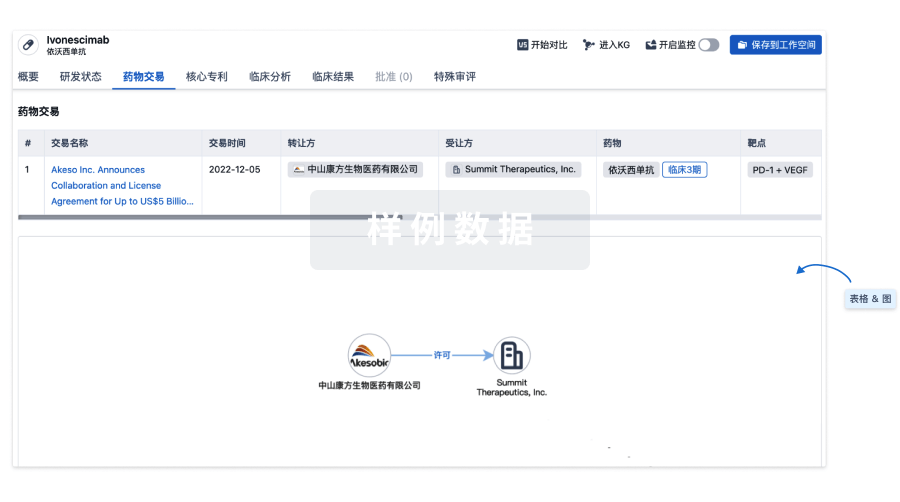
100 项与 Linalool 相关的药物交易
登录后查看更多信息
研发状态
10 条进展最快的记录, 后查看更多信息
登录
| 适应症 | 最高研发状态 | 国家/地区 | 公司 | 日期 |
|---|---|---|---|---|
| 呕吐 | 临床前 | 孟加拉国 | 2025-10-20 | |
| 呕吐 | 临床前 | 孟加拉国 | 2025-10-20 |
登录后查看更多信息
临床结果
临床结果
适应症
分期
评价
查看全部结果
| 研究 | 分期 | 人群特征 | 评价人数 | 分组 | 结果 | 评价 | 发布日期 |
|---|
No Data | |||||||
登录后查看更多信息
转化医学
使用我们的转化医学数据加速您的研究。
登录
或
药物交易
使用我们的药物交易数据加速您的研究。
登录
或
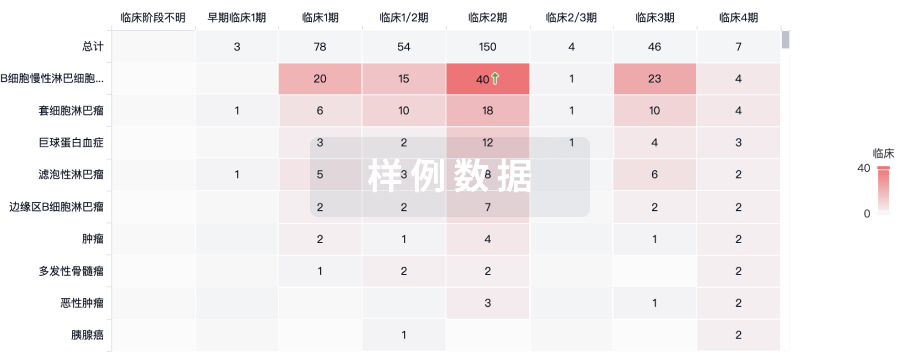
核心专利
使用我们的核心专利数据促进您的研究。
登录
或
临床分析
紧跟全球注册中心的最新临床试验。
登录
或
批准
利用最新的监管批准信息加速您的研究。
登录
或
特殊审评
只需点击几下即可了解关键药物信息。
登录
或
生物医药百科问答
全新生物医药AI Agent 覆盖科研全链路,让突破性发现快人一步
立即开始免费试用!
智慧芽新药情报库是智慧芽专为生命科学人士构建的基于AI的创新药情报平台,助您全方位提升您的研发与决策效率。
立即开始数据试用!
智慧芽新药库数据也通过智慧芽数据服务平台,以API或者数据包形式对外开放,助您更加充分利用智慧芽新药情报信息。
生物序列数据库
生物药研发创新
免费使用
化学结构数据库
小分子化药研发创新
免费使用