预约演示
更新于:2026-08-25
AIR-001 (AIRNA)
更新于:2026-08-25
概要
基本信息
药物类型 RNA编辑 |
别名 AIR 001、AIR001 |
靶点 |
作用方式 调节剂 |
作用机制 A1AT调节剂(α1-抗胰蛋白酶调节剂) |
在研适应症 |
非在研适应症- |
原研机构 |
在研机构 |
非在研机构- |
权益机构- |
最高研发阶段临床1期 |
首次获批日期- |
最高研发阶段(中国)- |
特殊审评孤儿药 (美国) |
登录后查看时间轴
关联
1
项与 AIR-001 (AIRNA) 相关的临床试验NCT07431112
Phase 1, Open-Label, Single Ascending Dose and Multiple Dose Study to Assess Safety, Tolerability, Pharmacokinetics, and Pharmacodynamics of Subcutaneously Administered AIR-001 in Adults With AATD Due to PiZZ Genotype
This is a Phase 1, open-label, single ascending dose (SAD) and multiple dose (MD) study of AIR-001 in participants with alpha-1 antitrypsin deficiency (AATD) due to PiZZ genotype.
开始日期2026-03-17 |
申办/合作机构 |
100 项与 AIR-001 (AIRNA) 相关的临床结果
登录后查看更多信息
100 项与 AIR-001 (AIRNA) 相关的转化医学
登录后查看更多信息
100 项与 AIR-001 (AIRNA) 相关的专利(医药)
登录后查看更多信息
8
项与 AIR-001 (AIRNA) 相关的新闻(医药)2026-06-25
·药时代
BD机会来了!
【感兴趣的创新药产品】肿瘤(实体瘤、血液瘤)+ 自免 + 神经(CNS、PNS都考虑,包括神经、精神),目前处于Phase 1及之后阶段的产品,不考虑CGT,其它modality都考虑,优先考虑中国大陆权益(研发、生产、商业化)
欢迎感兴趣的药企立即联系药时代BD团队!
BD@drugtimes.cn
Biotech的“完美剧本”是怎样的?
核心资产源自中国引入、获得数亿美元巨额融资、与老牌药企完成反向并购,这是Serapha Bio给出的答案。
2026年6月23日,纳斯达克上市公司Boundless Bio宣布与初创药企Serapha Bio达签署合并协议,合并后公司以前者名称运营。
截图来源:Boundless Bio
为支持合并,Serapha同时宣布获得一项2.3亿美元私募承诺。
获得2.3亿美元融资。领投人为著名的RA Capital Management和RTW Investments,Janus Henderson Investors、德诚资本(Decheng Capital)、维梧资本(Vivo Capital)、Casdin Capital、LifeSci Venture Partners、Logos Capital、Balyasny Asset Management以及Eventide Asset Management等知名机构跟投。
其中约1.38亿美元已通过A轮融资完成,剩余9200万美元预计将在合并时完成,合并后公司在交割时预计的现金流将支持运营至2029年下半年,
被一堆大佬排队送钱的Serapha,凭什么?
Serapha的核心管线SERP-01,并非内部研发,而是来自中国上海的尧唐生物(YolTech Therapeutics)。
SERP-01是一款体内碱基编辑疗法,靶向SERPINA1 E342K(PiZZ)突变。AATD是一种遗传性疾病,患者肝脏无法产生足量且结构正确的α-1抗胰蛋白酶(AAT)蛋白,导致肺部易受炎症和损伤,同时肝脏因错误折叠的Z-AAT蛋白累积而面临纤维化和肝硬化风险。据估算,美国约有10万人患有严重的PiZZ基因型,欧洲也有相近数量。目前尚无针对其根本病因的获批疗法,现有治疗仅为每周一次的静脉补充疗法,需终身维持且无法解决肝脏病变。
2025年4月,SERP-01获FDA孤儿药资格认定,2026年3月获II/III期临床研究许可,2026年5月更获得再生医学先进疗法(RMAT)认定。RMAT认定意味着更紧密的FDA协作及潜在的加速审评通道。
临床数据方面,尧唐生物在上海仁济医院开展的研究者发起试验显示,在35mg和45mg剂量下,患者功能性AAT水平呈剂量依赖性升高,45mg剂量组AAT水平升至正常范围(>20μM),校正后的M-AAT占比超过95%。安全性方面,所有不良事件均为1级,未报告严重不良事件。
Boundless Bio的成立于2018年,曾凭借ecDNA(染色体外DNA)生物学的前沿概念,累计融资超过2.5亿美元。2024年3月,Boundless以16美元/股的价格IPO上市,募资1亿美元。
然而,临床开发的残酷现实很快击穿了资本市场的叙事。公司两款核心资产先后折戟:RNR抑制剂BBI-825因未观察到剂量比例暴露特征而于2024年12月被放弃;CHK1抑制剂BBI-355则因血液学毒性导致治疗窗过窄,单药开发于2025年5月终止,公司为此裁员三分之一。
Boundless曾寄望于将两款失败药物组合为联合疗法,但最终也未能挽回局面。公司在公告中表示,经过“战略组合审查”后,“决定停止该试验的患者入组”。取而代之的是,Boundless将全力投入临床前Kinesin口服降解剂项目BBI-940,一个距离数据读出尚有距离的早期资产。
在这样的背景下,与Serapha的合并为Boundless提供了一条体面的退出路径。合并前股东将持有合并后公司约3.7%的股份,并获得4400万至4800万美元的现金股息。Boundless首席执行官Zachary Hornby的表述颇为坦诚:“我们相信,本次交易为我们的利益相关方创造了实现可观价值的良好机遇,同时为Serapha提供了公开市场平台。”
从某种意义上说,Boundless的“失败”恰恰成就了Serapha的“成功”。一个现成的纳斯达克上市壳资源,让这家成立仅数月的公司以最快速度跨越了IPO的漫长门槛。
那么,Boundless与Serapha的联手,在一个竞争已然白热化的AATD基因治疗领域中,能有多少胜算?
目前来看,Serapha的入局不容乐观。
Beam Therapeutics是当前当之无愧的领跑者。其候选药物BEAM-302与SERP-01机制直接类似,均为靶向肝脏、LNP递送的腺嘌呤碱基编辑器,靶向同一PiZ突变。截至2026年2月10日的数据显示,在选定的60mg最佳生物学剂量下,患者平均稳态总AAT达到16.1μM,高于被视为具有肺部保护作用的11μM阈值,所有患者在长达12个月的随访中均维持该水平。校正后的M-AAT占循环AAT的94%,突变型Z-AAT下降84%。Beam已计划在2026年下半年启动约50例患者的关键扩增队列,寻求潜在的FDA加速批准。
Beam的数据不仅扎实,而且具有一个关键优势:时间。当Serapha还在筹备美国II/III期试验时,Beam已在为生物制品许可申请(BLA)提交铺路。
此外,该领域百舸争流。AIRNA的AIR-001采用皮下注射GalNAc寡核苷酸,在RNA层面纠正突变,2026年4月已启动全球I期试验。CRISPR Therapeutics于2025年披露了CTX460项目,采用其SyNTase编辑平台,计划2026年中进入临床。Wave Life Sciences旗下的GalNAc偶联RNA编辑疗法WVE-006能够生成健康的野生型M-AAT,减少有害的Z-AAT,并恢复在需要时动态产生功能性α-1抗胰蛋白酶的能力,有望于2026年年中获得FDA对该疗法是否加速审批的反馈。Tessera Therapeutics的TSRA-196(与再生元联合开发)也已获得FDA孤儿药和快速通道认定。
Serapha面临的挑战是双重的:不仅要证明SERP-01的YolBE编辑器能够媲美甚至优于同类竞品,还要在临床开发进度上尽可能缩小差距。两者的差异化可能体现在编辑效率、旁观者突变率或生产可扩展性上,但目前均无头对头比较数据。
地缘政治下的监管风险也为Serapha与尧唐生物的未来增添了不可控因素。
《生物安全法案》已于2025年12月18日作为《2026财年国防授权法案》第851条正式签署成为法律。该法禁止美国联邦机构与使用被指定为“生物技术关注公司”的实体所提供的生物技术设备或服务的机构签订合同。美国国防部于2026年6月10日发布了更新的1260H名单,药明康德、华大基因等企业被列入。管理和预算办公室须在2026年12月前公布首批“生物技术关注公司”的正式名单,这个时间点恰好落在Serapha筹备美国II/III期试验的窗口期内。
尧唐生物目前尚未被列入1260H名单,也未在任何公开渠道被指定为“生物技术关注公司”。其已获得的FDA认定均未遭遇明显障碍。然而,Serapha对一家中国授权方作为其唯一临床资产的依赖,构成了一种两年以前并不存在的监管风险。若尧唐生物未来被指定,可能影响Serapha参与联邦资助项目或任何政府资助的临床合作,即便Serapha本身是一家美国实体。
Serapha的投资者在公告中公开披露了授权结构及中国关联,表明其有信心该交易可在现行法律下推进。值得注意的是,2025年中美生物制药公司之间的授权交易创历史新高,美国立法者对生物技术设备和服务公司的限制,与对药物授权交易的容忍之间存在着微妙的界限。这条界限能否持续,将直接影响Serapha的未来走向。
结语:
生物技术领域的剧本从不缺少豪言壮语,缺少的是能够兑现它们的临床数据。
Serapha的故事集齐了所有卖座元素:反向并购的资本运作、中国资产的引进、顶级投资机构的背书、百亿美元级别的市场空间。但最终决定其命运的,将是SERP-01在临床试验中能否真正超越同类竞品,能否在《生物安全法案》的监管风暴中安然穿行。
Boundless Bio的股东用3.7%的合并后股权和4400万美元的现金股息,为这段失败的故事画上了句号。而Serapha的故事,才刚刚翻开第一页。
参考资料
1.Boundless Bio and Serapha Bio Announce Merger Agreement and $230 Million Concurrent Private Placement (GlobeNewswire, June 23, 2026)
2.Serapha Bio takes flight from Boundless merger with $230M and gene-editing prospect from China (Fierce Biotech, June 23, 2026)
3.Boundless Bio And Serapha Bio Announce Merger And $230 Million Private Placement (Nasdaq, June 23, 2026)
4.YolTech Therapeutics Receives FDA Clearance to Initiate Phase 2/3 Study of YOLT-202 (Business Wire, March 14, 2026)
5.YOLT-202获FDA再生医学先进疗法(RMAT)认定(罕见病信息网,2026年5月14日)
6.尧唐生物YOLT-202获美国FDA孤儿药资格认定(罕见病信息网,2025年4月11日)
7.Beam Therapeutics Announces Compelling Updated Clinical Data from BEAM-302 (CheckOrphan, March 26, 2026)
8.Boundless Bio Announces Portfolio Prioritization and Runway Extension (Nasdaq, May 23, 2025)
9.Boundless Bio To Reduce Its Workforce By About One-third (Nasdaq, May 23, 2025)
10.Boundless Bio Advances Novel Kinesin Degrader Program BBI-940 (Nasdaq, January 20, 2026)
11.The BIOSECURE Act Becomes Law (Baker McKenzie, January 2026)
封面图来源:即梦AI
全球首款实体瘤CAR-T上市,科济药企为何连跌两日?
2026-06-24
重磅!美国HHS启动「史无前例」大改革
2026-06-23
一天四款FIC!NMPA批准双抗ADC、实体瘤CAR-T上市
2026-06-22
10亿美元并购落地!华人科学家第三次创业成功变现
2026-06-18
版权声明/免责声明
本文为原创文章。
本文仅作信息交流之目的,不提供任何商用、医用、投资用建议。
文中图片、视频、字体、音乐等素材或为药时代购买的授权正版作品,或来自微信公共图片库,或取自公司官网/网络,部分素材根据CC0协议使用,版权归拥有者,药时代尽力注明来源。
如有任何问题,请与我们联系。
衷心感谢!
药时代官方网站:www.drugtimes.cn
联系方式:
电话:13651980212
微信:27674131
邮箱:contact@drugtimes.cn
点击查看更多精彩内容!
2026-06-02
- Mr. Bazemore joins AIRNA with over 30 years of experience leading clinical- and commercial- stage biotechs with a focus on rare diseases
CAMBRIDGE, Mass.--(BUSINESS WIRE)--AIRNA, a biotech company pioneering RNA-editing therapeutics to transform the lives of patients with rare and common conditions, today announced that Todd Bazemore has been appointed President and Chief Executive Officer as well as a member of the company’s Board of Directors. Mr. Bazemore is an accomplished biopharma executive with extensive leadership experience in clinical- and commercial-stage drug development.
“AIRNA is building meaningful momentum as a clinical-stage company, with AIR-001, its lead program targeting alpha-1 antitrypsin deficiency, now in the clinic and a broader RNA-editing pipeline advancing behind it,” said Rodger Novak, M.D., Executive Chair of AIRNA’s Board of Directors. “Todd's expertise developing rare and orphan drugs, and his experience building value across innovative portfolios, from development candidates to commercial products, make him a perfect fit to lead the company through its next stage of growth. With Todd’s leadership and vision, the company is poised to demonstrate its ability to develop transformative therapies with RNA editing.”
"I’m very excited to join AIRNA at such an important phase of its development. RNA editing has the potential to impact millions of people around the world living with rare and common conditions, and AIRNA has the expertise to develop best-in-class therapies and deliver the promise of RNA editing to patients around the globe,” said Todd Bazemore, President and CEO of AIRNA. “I look forward to working with the AIRNA team and the AATD community to execute the important global clinical trial of AIR-001 currently underway, and to continue expanding AIRNA’s pipeline of innovative therapies.”
Mr. Bazemore is a recognized leader in the development of medicines for orphan and rare diseases, with a track record of more than 30 years of developing innovative portfolios, launching new products and creating value for patients and investors. He served most recently as CEO of Kala Bio, a clinical-stage company pioneering mesenchymal stem cell secretome therapies for orphan ophthalmic indications. Previously, Mr. Bazemore served as President of U.S. Operations at Santhera Pharmaceuticals, a company in late-stage clinical development in rare neuromuscular diseases, and as Chief Commercial Officer at Dyax Corp, a late-clinical-stage and commercial company focused on hereditary angioedema. In these roles, Mr. Bazemore developed U.S. regulatory and commercial strategy for rare disease therapies, drove acquisition of pipeline assets and played a key role in the $6.5B acquisition of Dyax Corp. by Shire plc. Earlier in his career, Mr. Bazemore spent 15 years at Sunovion Pharmaceuticals (formerly Sepracor Inc). Across roles of increasing responsibility, including Vice President of Managed Markets and Vice President of the Respiratory Business Unit, he contributed to the successful launches of multiple blockbuster therapies. Mr. Bazemore has a proven track record of building high-performing leadership teams, executing complex business development and licensing transactions and raising capital across the full cycle of biopharmaceutical development. He holds a Bachelors of Science from the University of Massachusetts Lowell.
About AIRNA
AIRNA is a clinical-stage company developing RNA-editing therapeutics designed to repair disease-causing genetic variants and introduce beneficial variants that promote human health. The company’s proprietary platform is based on research by RNA-editing pioneers and co-founders Thorsten Stafforst (University of Tübingen) and Jin Billy Li (Stanford University). AIRNA is advancing a pipeline of RNA-editing therapeutics led by a product candidate for alpha-1 antitrypsin deficiency (AATD). AIRNA is headquartered in Cambridge, MA, with research operations in Tübingen, Germany. Learn more at
.
Contacts
Media:
Michael Galfetti
Ten Bridge Communications
tbcAIRNA@tenbridgecommunications.com
高管变更并购
2026-05-12
- AIR-001 demonstrated best-in-class potential, achieving up to 59% precise RNA editing in vivo and restoring 40 µM functional M-AAT in a mouse model of AATD
- Preclinical data show RNA editing can introduce protective variants for cardiovascular disease and drive reduction of LDL cholesterol levels
CAMBRIDGE, Mass.--(BUSINESS WIRE)--
AIRNA
, a biotech company pioneering RNA-editing therapeutics to transform the lives of patients with rare and common conditions, is presenting new preclinical data on its therapeutic candidate AIR-001 for the treatment of alpha-1 antitrypsin deficiency (AATD) and its cardiometabolic RNA-editing research programs at the 2026 Annual Meeting of the American Society of Gene and Cell Therapy (ASGCT) in Boston from May 11-15, 2026. Together, the presentations demonstrate the potential of AIRNA’s RNA-editing platform both to repair disease-causing variants and to introduce protective variants associated with human health.
“We are excited to showcase for the first time our robust preclinical data for AIR-001 — now being evaluated in the clinic — as well as new data that illustrate the breadth of AIRNA’s RNA-editing platform,” said Sriram Sathy, Ph.D., Chief Scientific Officer of AIRNA. “From repairing disease-causing variants to introducing protective variants, we believe RNA editing offers a powerful and flexible approach to therapeutic development.”
Preclinical data on AIR-001
New data being presented at ASGCT include the first
in vivo
data on AIR-001, AIRNA’s RNA-editing therapeutic candidate for alpha-1 antitrypsin deficiency (AATD), which is currently being evaluated in a Phase 1 clinical trial (
NCT07431112
). AATD is a genetic disease caused by mutations in the
SERPINA1
gene that reduce levels of functional alpha-1 antitrypsin (M-AAT) protein, leading to progressive lung disease and liver injury. AIR-001, a subcutaneously delivered GalNAc oligonucleotide, is designed to correct the most common disease-causing mutation of AATD (PiZ) at the RNA level.
In a mouse model of AATD, subcutaneous delivery of AIR-001 led to potent and precise editing of the PiZ mutation with no off-target edits observed. Liver RNA editing showed dose-dependent effects, with the 10 mg/kg dose achieving 59% editing, corresponding with >40 µM of corrected alpha-1 antitrypsin (M-AAT) in serum and 70 µM total AAT. A longer-term study in mice assessing AIR-001 delivered bi-weekly for 15 weeks found that it drove accumulating levels of M-AAT and total AAT, indicating a potential for long-term benefit in patients. AIR-001 also demonstrated improvement across lung and liver disease-relevant endpoints, including >30-fold increase in neutrophil elastase inhibition. Finally, in non-human primate studies, AIR-001 demonstrated tolerable and durable liver exposure, supporting the potential for a dosing regimen of once every 8-12 weeks in humans.
Cardiometabolic portfolio
In a poster presentation at the meeting, AIRNA is sharing preclinical proof-of-concept data demonstrating the potential of RNA editing to introduce protective variants in cardiovascular disease targets, with particularly strong findings for low-density lipoprotein receptor (LDLR).
Based on human genetics studies identifying a protective variant in the
LDLR
gene associated with substantially lower LDL cholesterol, AIRNA developed an RNA editing oligonucleotide designed to replicate the effect of this variant at the RNA level. In human hepatocytes, the editor achieved up to 70% editing and a 3.5-fold increase in LDLR expression. In a humanized mouse model, treatment resulted in a 92% reduction in LDL cholesterol. Combination dosing with alirocumab, an approved anti-PCSK9 antibody, also produced greater LDL cholesterol reduction at lower doses than alirocumab alone, supporting the potential for use as a monotherapy as well as alongside existing lipid-lowering therapies.
AIRNA also explored apolipoprotein B (ApoB), a validated cardiovascular disease target where prior therapeutic approaches have been limited by hepatotoxicity. Employing large-scale genetic studies, researchers identified a variant in the
APOB
gene
associated with lower LDL cholesterol in the absence of liver-related health issues. Using RNA editing to replicate the effect of this protective variant, AIRNA achieved 30% editing
in vivo
, a 21% decrease in ApoB protein and a 17% reduction in LDL cholesterol, without observed hepatotoxicity.
Together, these findings illustrate how AIRNA’s platform may enable the translation of naturally occurring protective variants identified through human genetics into new therapeutic approaches.
About AIR-001
AIR-001 is AIRNA’s lead RNA-editing therapeutic candidate for alpha-1 antitrypsin deficiency (AATD), a genetic disease most commonly caused by the PiZ mutation in the SERPINA1 gene. AIR-001 is designed to repair the underlying cause of disease and restore production of functional alpha-1 antitrypsin protein, with the goal of addressing both the lung and liver manifestations of AATD. Administered via subcutaneous injection, AIR-001 is designed for convenient, repeat dosing. AIR-001 has been granted Orphan Drug Designation for the treatment of alpha-1 antitrypsin deficiency from the U.S. Food and Drug Administration and is currently being evaluated in the Phase 1 RepAIR1 clinical trial (
NCT07431112
).
About AIRNA
AIRNA is a clinical-stage company developing RNA-editing therapeutics designed to repair disease-causing genetic variants and introduce beneficial variants that promote human health. The company’s proprietary platform is based on research by RNA-editing pioneers and co-founders Thorsten Stafforst (University of Tübingen) and Jin Billy Li (Stanford University). AIRNA is advancing a pipeline of RNA-editing therapeutics led by a product candidate for alpha-1 antitrypsin deficiency (AATD). AIRNA is headquartered in Cambridge, MA, with research operations in Tübingen, Germany. Learn more at
.
Contacts
Media:
Michael Galfetti
Ten Bridge Communications
tbcAIRNA@tenbridgecommunications.com
临床结果临床1期孤儿药siRNA
100 项与 AIR-001 (AIRNA) 相关的药物交易
登录后查看更多信息
研发状态
10 条进展最快的记录, 后查看更多信息
登录
| 适应症 | 最高研发状态 | 国家/地区 | 公司 | 日期 |
|---|---|---|---|---|
| α1-抗胰蛋白酶缺乏症 | 临床1期 | 美国 | 2026-03-17 | |
| α1-抗胰蛋白酶缺乏症 | 临床1期 | 澳大利亚 | 2026-03-17 | |
| α1-抗胰蛋白酶缺乏症 | 临床1期 | 葡萄牙 | 2026-03-17 | |
| α1-抗胰蛋白酶缺乏症 | 临床1期 | 西班牙 | 2026-03-17 | |
| α1-抗胰蛋白酶缺乏症 | 临床1期 | 英国 | 2026-03-17 |
登录后查看更多信息
临床结果
临床结果
适应症
分期
评价
查看全部结果
| 研究 | 分期 | 人群特征 | 评价人数 | 分组 | 结果 | 评价 | 发布日期 |
|---|
No Data | |||||||
登录后查看更多信息
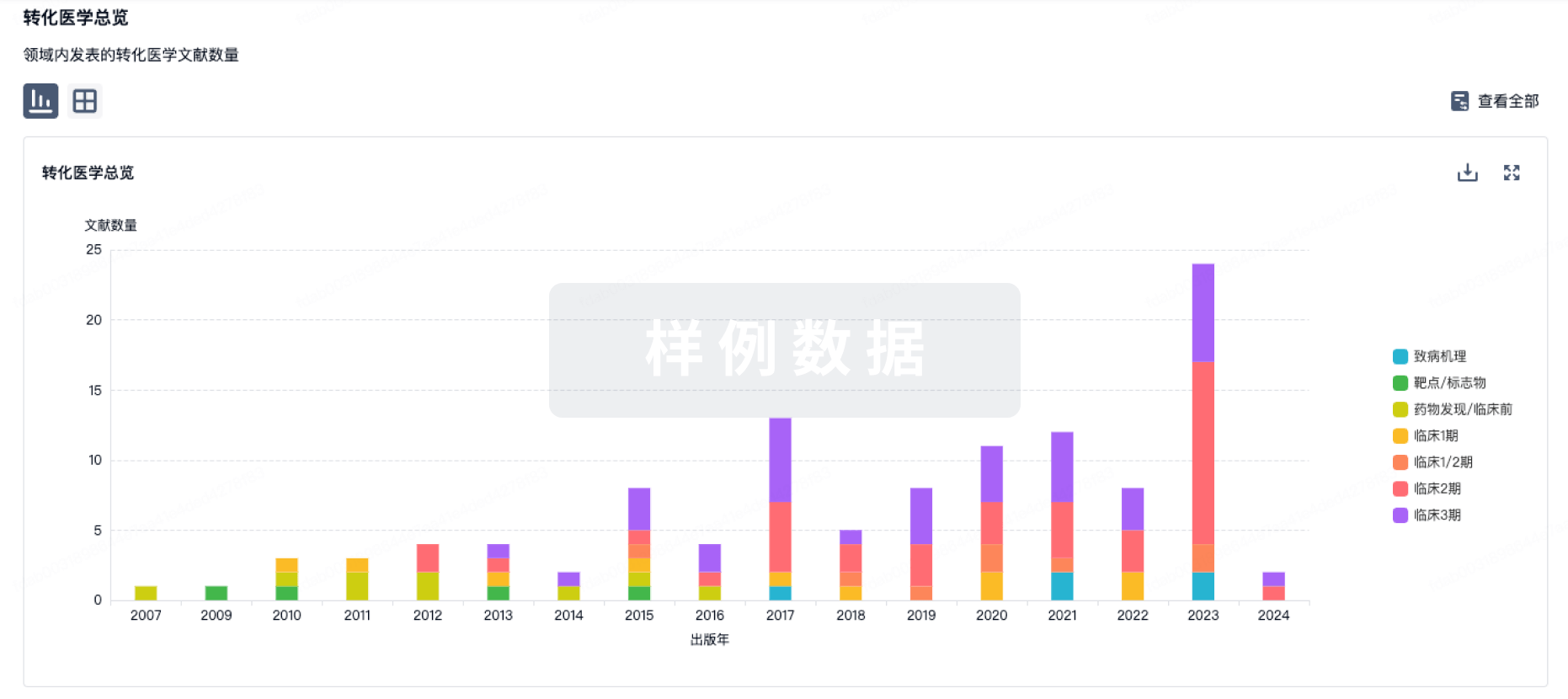
转化医学
使用我们的转化医学数据加速您的研究。
登录
或
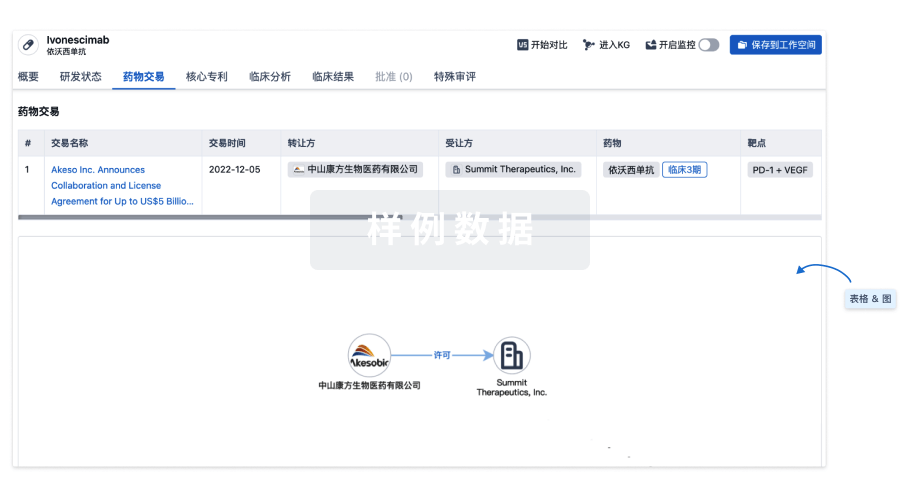
药物交易
使用我们的药物交易数据加速您的研究。
登录
或
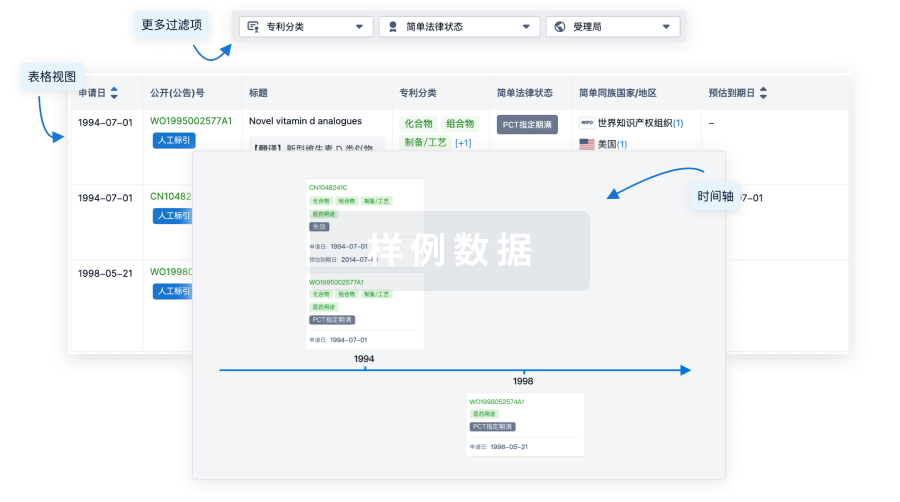
核心专利
使用我们的核心专利数据促进您的研究。
登录
或
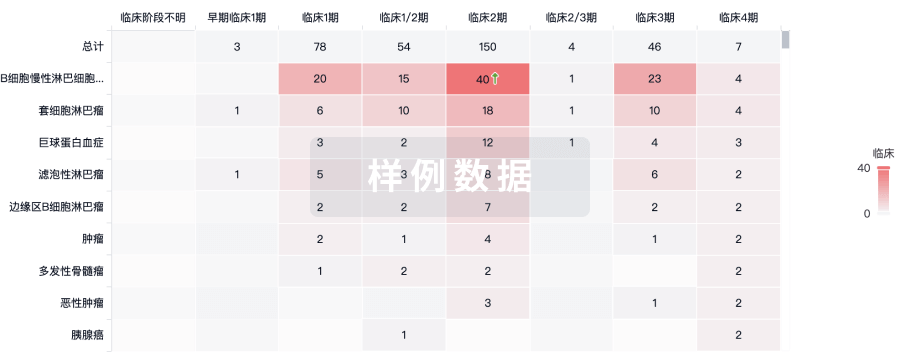
临床分析
紧跟全球注册中心的最新临床试验。
登录
或
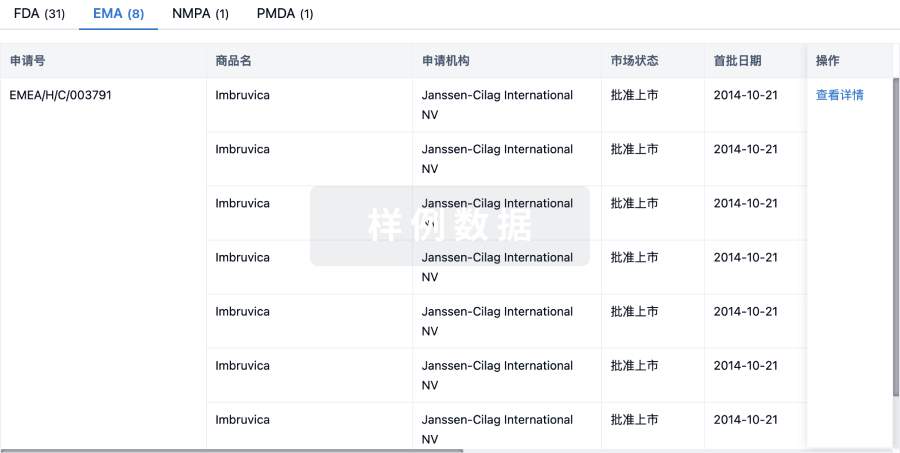
批准
利用最新的监管批准信息加速您的研究。
登录
或
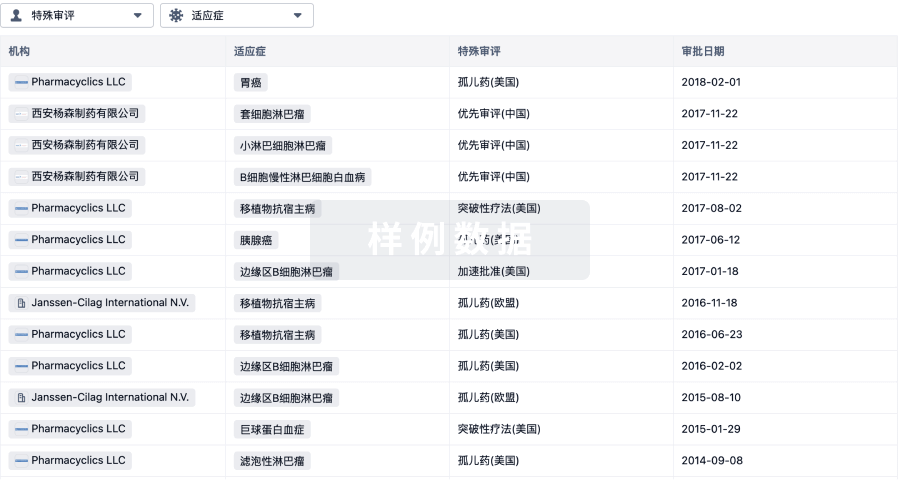
特殊审评
只需点击几下即可了解关键药物信息。
登录
或
提出任何生物医药研究问题
让每一步生物医药决策都精准制胜
基于十亿级生物数据与全球情报的精准 AI,赋能早期药物发现
立即开始免费试用!
智慧芽新药情报库是智慧芽专为生命科学人士构建的基于AI的创新药情报平台,助您全方位提升您的研发与决策效率。
立即接入生物医药数据包
智慧芽新药库数据也通过智慧芽开放平台,以MCP或API服务形式对外开放。立即使用我们的MCP服务定制您的LLM智能体。
生物序列数据库
生物药研发创新
免费使用
化学结构数据库
小分子化药研发创新
免费使用