预约演示
更新于:2026-01-31
Sob-AM2
更新于:2026-01-31
概要
基本信息
非在研机构- |
权益机构- |
最高研发阶段临床前 |
首次获批日期- |
最高研发阶段(中国)- |
特殊审评- |

结构/序列
分子式C21H27NO3 |
InChIKeyUWVFEENBJKSTRD-UHFFFAOYSA-N |
CAS号2128258-47-7 |
关联
100 项与 Sob-AM2 相关的临床结果
登录后查看更多信息
100 项与 Sob-AM2 相关的转化医学
登录后查看更多信息
100 项与 Sob-AM2 相关的专利(医药)
登录后查看更多信息
13
项与 Sob-AM2 相关的文献(医药)2026-01-07·ACS Chemical Neuroscience
Temporal Dynamics of CNS Cholesterol Esters Correlate with Demyelination and Remyelination
Article
作者: Hartley, Meredith D. ; Williams, Jenna M. ; Binjawadagi, Rashmi ; Kobayashi, Hiroko ; Petersen, Jack M. ; Garcia, Alana ; De Silva Mohotti, Nishama ; Dedunupitiya, Disni
Elevated cholesterol ester levels have been observed in the CNS of patients with neurological diseases; yet, the source of cholesterol ester accumulation and whether it is directly linked to demyelination remain undefined. This study investigates the temporal dynamics of cholesterol esters using the Plp1-iCKO-Myrf mouse model, which features distinct phases of demyelination and remyelination. Our findings reveal that cholesterol ester levels increased with demyelination in both the brain and spinal cord. In the brain, cholesterol esters declined to normal levels during remyelination, whereas cholesterol esters remained elevated in the spinal cord, which had limited remyelination. Expression of acetyl-CoA-acyltransferase 1 (ACAT1) and lecithin-cholesterol acyltransferase (LCAT) were elevated during demyelination, implying the potential involvement of both proteins in the formation of cholesterol esters. Colocalization studies revealed that ACAT1 is predominantly expressed by microglia and LCAT is predominantly expressed by astrocytes during demyelination, highlighting the active roles of glial cells in cholesterol ester metabolism. In addition, we showed that administering the remyelinating drug, Sob-AM2, effectively reduced the level of cholesterol ester accumulation in the brain during demyelination, underscoring the potential that manipulating cholesterol ester regulatory pathways may offer for restoring cholesterol homeostasis and promoting remyelination in demyelinating diseases.
2024-07-01·MOLECULAR GENETICS AND METABOLISM
Promyelinating drugs ameliorate oligodendrocyte pathologies in a mouse model of Krabbe disease
Article
作者: Aoki, Hiromasa ; Inamura, Naoko ; Watanabe, Takashi ; Nakayama, Atsuo ; Kawai, Taeko ; Matsuda, Junko ; Aoyama, Mineyoshi ; Enokido, Yasushi
Krabbe disease (KD) is a rare inherited demyelinating disorder caused by a deficiency in the lysosomal enzyme galactosylceramide (GalCer) β-galactosidase. Most patients with KD exhibit fatal cerebral demyelination with apoptotic oligodendrocyte (OL) death and die before the age of 2-4 years. We have previously reported that primary OLs isolated from the brains of twitcher (twi) mice, an authentic mouse model of KD, have cell-autonomous developmental defects and undergo apoptotic death accompanied by abnormal accumulation of psychosine, an endogenous cytotoxic lyso-derivative of GalCer. In this study, we aimed to investigate the effects of the preclinical promyelinating drugs clemastine and Sob-AM2 on KD OL pathologies using primary OLs isolated from the brains of twi mice. Both agents specifically prevented the apoptotic death observed in twi OLs. However, while Sob-AM2 showed higher efficacy in restoring the impaired differentiation and maturation of twi OLs, clemastine more potently reduced the endogenous psychosine levels. These results present the first preclinical in vitro data, suggesting that clemastine and Sob-AM2 can act directly and distinctly on OLs in KD and ameliorate their cellular pathologies associated with myelin degeneration.
2023-08-01·Brain : a journal of neurology
Promyelinating drugs promote functional recovery in an autism spectrum disorder mouse model of Pitt–Hopkins syndrome
Article
作者: Shim, Gina ; Bohlen, Joseph F ; Buchler, Ingrid P ; Mulkey, Daniel K ; Scanlan, Thomas S ; Maher, Brady J ; Sripathy, Srinidhi Rao ; Das, Debamitra ; Banerji, Tapasree ; Cleary, Colin M ; Sadowski, Norah ; Kenney, Rakaia F
Abstract:
Pitt–Hopkins syndrome is an autism spectrum disorder caused by autosomal dominant mutations in the human transcription factor 4 gene (TCF4). One pathobiological process caused by murine Tcf4 mutation is a cell autonomous reduction in oligodendrocytes and myelination. In this study, we show that the promyelinating compounds, clemastine, sobetirome and Sob-AM2 are effective at restoring myelination defects in a Pitt–Hopkins syndrome mouse model. In vitro, clemastine treatment reduced excess oligodendrocyte precursor cells and normalized oligodendrocyte density. In vivo, 2-week intraperitoneal administration of clemastine also normalized oligodendrocyte precursor cell and oligodendrocyte density in the cortex of Tcf4 mutant mice and appeared to increase the number of axons undergoing myelination, as EM imaging of the corpus callosum showed a significant increase in the proportion of uncompacted myelin and an overall reduction in the g-ratio. Importantly, this treatment paradigm resulted in functional rescue by improving electrophysiology and behaviour. To confirm behavioural rescue was achieved via enhancing myelination, we show that treatment with the thyroid hormone receptor agonist sobetirome or its brain penetrating prodrug Sob-AM2, was also effective at normalizing oligodendrocyte precursor cell and oligodendrocyte densities and behaviour in the Pitt–Hopkins syndrome mouse model. Together, these results provide preclinical evidence that promyelinating therapies may be beneficial in Pitt–Hopkins syndrome and potentially other neurodevelopmental disorders characterized by dysmyelination.
100 项与 Sob-AM2 相关的药物交易
登录后查看更多信息
研发状态
10 条进展最快的记录, 后查看更多信息
登录
| 适应症 | 最高研发状态 | 国家/地区 | 公司 | 日期 |
|---|---|---|---|---|
| 中枢神经系统疾病 | 临床前 | 美国 | 2017-08-18 |
登录后查看更多信息
临床结果
临床结果
适应症
分期
评价
查看全部结果
| 研究 | 分期 | 人群特征 | 评价人数 | 分组 | 结果 | 评价 | 发布日期 |
|---|
No Data | |||||||
登录后查看更多信息
转化医学
使用我们的转化医学数据加速您的研究。
登录
或
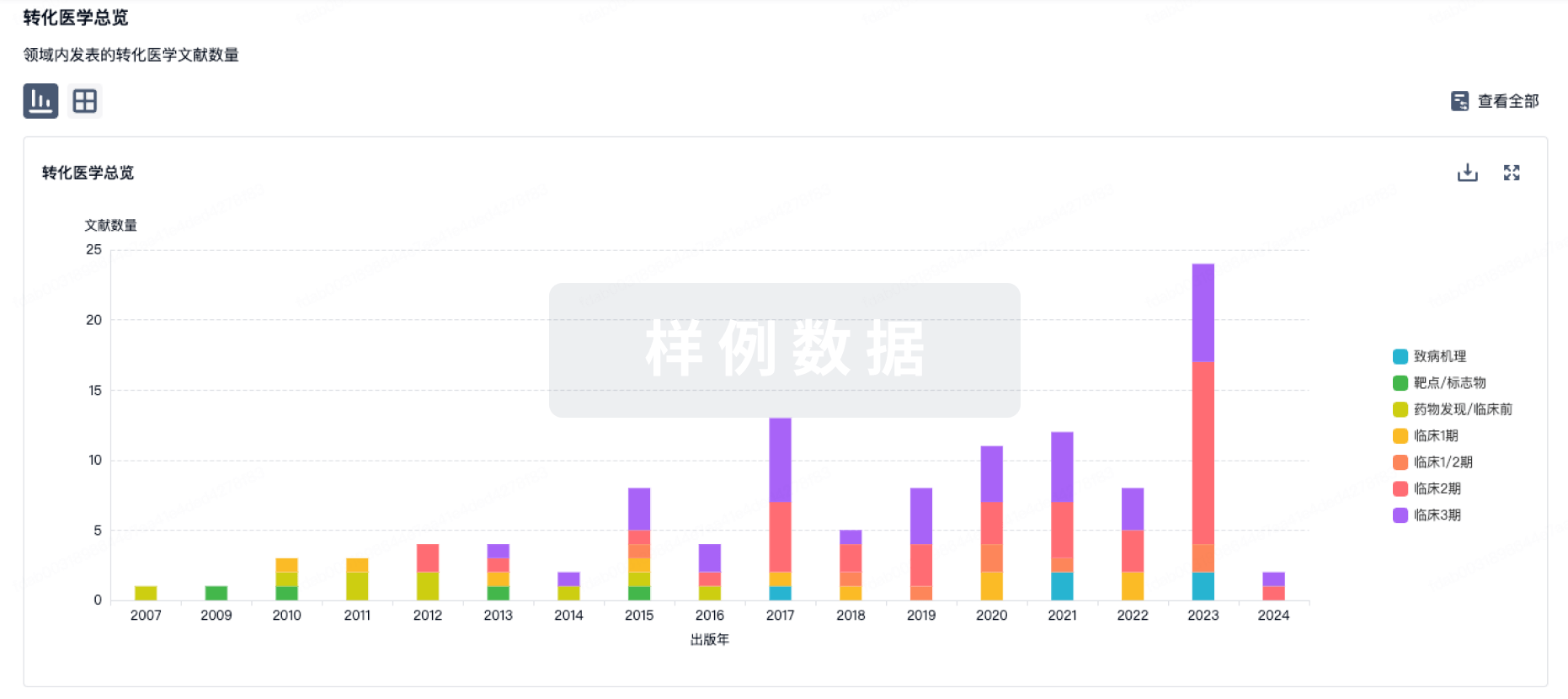
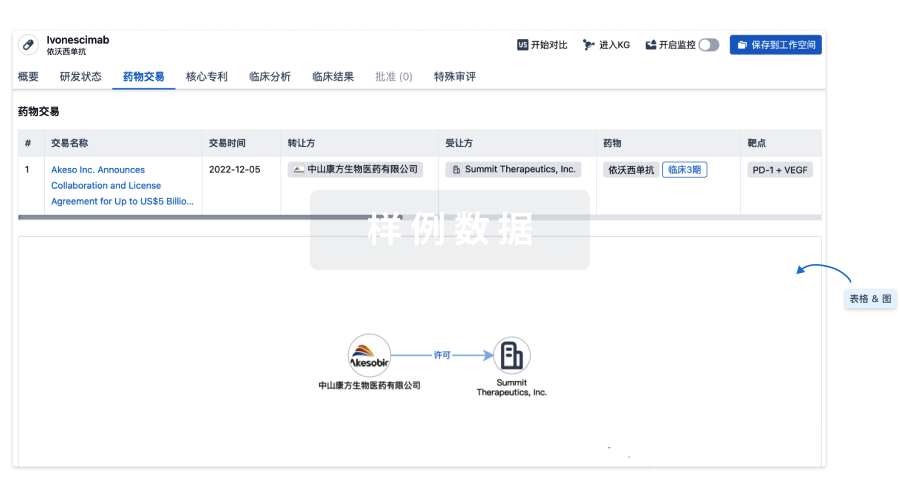
药物交易
使用我们的药物交易数据加速您的研究。
登录
或
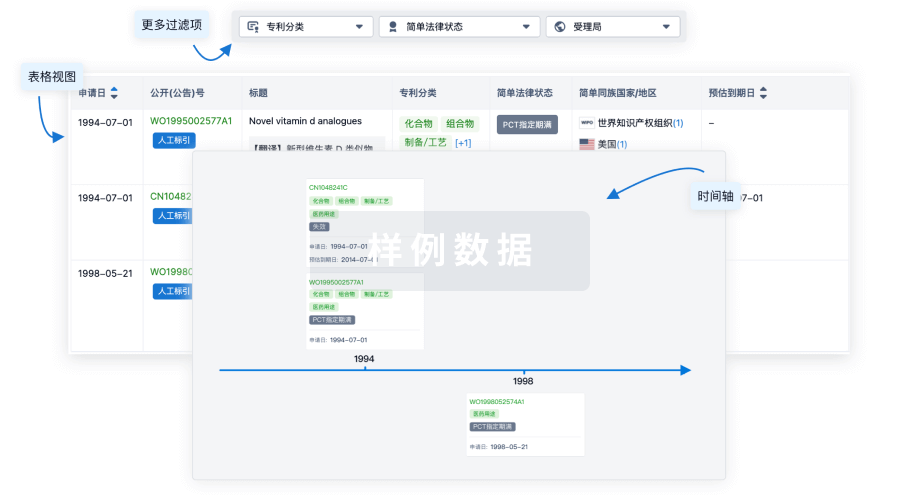
核心专利
使用我们的核心专利数据促进您的研究。
登录
或
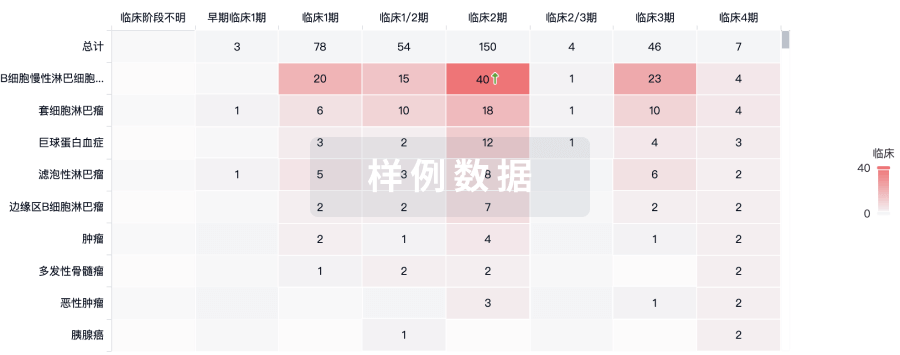
临床分析
紧跟全球注册中心的最新临床试验。
登录
或
批准
利用最新的监管批准信息加速您的研究。
登录
或
特殊审评
只需点击几下即可了解关键药物信息。
登录
或
生物医药百科问答
全新生物医药AI Agent 覆盖科研全链路,让突破性发现快人一步
立即开始免费试用!
智慧芽新药情报库是智慧芽专为生命科学人士构建的基于AI的创新药情报平台,助您全方位提升您的研发与决策效率。
立即开始数据试用!
智慧芽新药库数据也通过智慧芽数据服务平台,以API或者数据包形式对外开放,助您更加充分利用智慧芽新药情报信息。
生物序列数据库
生物药研发创新
免费使用
化学结构数据库
小分子化药研发创新
免费使用