预约演示
更新于:2026-09-05
PK 11195
更新于:2026-09-05
概要
基本信息
药物类型 小分子化药 |
别名 PK 11195、PK11195 |
靶点 |
作用方式 抑制剂 |
作用机制 TSPO抑制剂(TSPO蛋白抑制剂) |
治疗领域- |
在研适应症- |
非在研适应症- |
非在研机构- |
权益机构- |
最高研发阶段临床前 |
首次获批日期- |
最高研发阶段(中国)- |
特殊审评- |
结构/序列
分子式C21H21ClN2O |
InChIKeyRAVIZVQZGXBOQO-UHFFFAOYSA-N |
CAS号85532-75-8 |
关联
2
项与 PK 11195 相关的临床试验EUCTR2012-000648-83-IT
POSITRON EMISSION TOMOGRAPHY/COMPUTERIZED TOMOGRAPHY/ECOCONTRAT OF THE PLAQUE ASSOCIATED WITH CEREBRAL MAGNETIC RESONANCE FOR THE CHARACTERISATION OF THE LESION IN VIVO INTIMA-MEDIA THICKENING ATHEROSCLEROSIS AT RISK
开始日期2012-03-09 |
申办/合作机构- |
JPRN-UMIN000005469
A PET study of serotonin transporter, activated microglia and energy metabolism measerment of the brain in Chronic Fatigue Syndrome.
开始日期2009-09-01 |
申办/合作机构- |
100 项与 PK 11195 相关的临床结果
登录后查看更多信息
100 项与 PK 11195 相关的转化医学
登录后查看更多信息
100 项与 PK 11195 相关的专利(医药)
登录后查看更多信息
1,000
项与 PK 11195 相关的文献(医药)2026-07-01·JOURNAL OF NEUROCHEMISTRY
A
PARK9 iPSC
‐Derived Dopaminergic Neuron Model Enables Drug Screening Targeting Autophagy‐Lysosome Pathway Dysfunction in Parkinson's Disease
Article
作者: Kanai, Kazuaki ; Yamaguchi, Akihiro ; Okano, Hideyuki ; Ishikawa, Kei‐ichi ; Akamatsu, Wado ; Tsunemi, Taiji ; Hattori, Nobutaka ; Arai, Kimihito ; Tsukiboshi, Kei‐ichi
ABSTRACT:
Parkinson's disease (PD) is a neurodegenerative disease characterized by dopaminergic neuronal degeneration in the substantia nigra, in which lysosomal dysfunction and impaired autophagy–lysosome pathway activity are increasingly recognized as important pathogenic mechanisms. However, disease‐modifying therapies targeting this pathway remain unavailable. Here, we generated induced pluripotent stem cells (iPSCs) from a PARK9 patient carrying an
ATP13A2
mutation and established mutation‐corrected isogenic control iPSCs. PARK9 iPSC‐derived neurons recapitulated lysosomal dysfunction–associated cellular phenotypes, including impaired lysosomal acidification, reduced mature cathepsin D levels, CD63‐positive vesicle accumulation, LC3B‐positive autophagosome accumulation, cytoplasmic pSer129 α‐synuclein accumulation, and increased cleaved caspase‐3 signals. These phenotypes were ameliorated in mutation‐corrected neurons, supporting the contribution of ATP13A2 dysfunction to these abnormalities. We then performed high‐content imaging–based compound screening targeting LC3B‐positive autophagosome accumulation in PARK9 neurons. A three‐step workflow identified 19 candidate compounds that reduced autophagosome accumulation consistent with partial improvement of lysosome‐dependent downstream autophagosome processing rather than simple suppression of autophagosome formation. Among these, paroxetine, Ro 25‐6981, amisulpride, and PK11195 showed additional, compound‐dependent effects on PARK9‐associated phenotypes, including lysosomal acidification, CD63‐positive vesicle accumulation, cytoplasmic pSer129 α‐synuclein signals, and cleaved caspase‐3 signals. These findings establish PARK9 iPSC‐derived neurons as a useful model of lysosomal dysfunction–associated PD pathology and provide a practical screening platform for identifying candidate compounds that modulate autophagy–lysosome pathway‐related cellular phenotypes.
image
2026-06-01·JOURNAL OF LABELLED COMPOUNDS & RADIOPHARMACEUTICALS
A
64
Cu‐Labeled Oxopurine Derivative for Translocator Protein–Targeted Inflammation Imaging
Article
作者: Kim, Jung Young ; Kim, Kwang Il ; Kim, Ho Young ; Bibi, Iqra ; Park, Ji‐Ae ; Ochirsukh, Undram ; Kang, Kyung Jun ; Ko, In Ok ; Lee, Hyun Ji
ABSTRACT:
The translocator protein (TSPO) is a mitochondrial biomarker overexpressed in activated immune cells and various tumors that is an attractive target for positron emission tomography (PET) imaging of inflammation and the tumor microenvironment. We designed and evaluated the novel TSPO‐targeted PET tracer,
64
Cu‐purine ([
64
Cu]
5
), constructed from a purine scaffold conjugated to a NOTA chelator. Molecular docking analysis indicated that the DOTA analog exhibited slightly higher TSPO binding affinity than did the NOTA derivative; however, the NOTA chelator was selected for
64
Cu labeling due to its superior radiochemical yield and stability. [
64
Cu]
5
demonstrated high radiochemical purity, excellent in vitro and in vivo stability, and moderate lipophilicity, which minimized nonspecific uptake. In vitro, [
64
Cu]
5
showed significantly higher uptake in inflammatory macrophages than in tumor cells. In vivo PET imaging and biodistribution studies revealed preferential accumulation in inflamed and tumor tissues, with reduced uptake following PK11195 administration. Autoradiography and immunohistochemistry confirmed tracer accumulation in both inflamed and tumor tissues, reflecting the presence of inflammation within the tumor microenvironment. Overall, these findings suggest that [
64
Cu]
5
is a promising TSPO‐targeting PET radiotracer for imaging inflammation‐associated processes in tumors.
2026-05-01·PHYTOTHERAPY RESEARCH
Xanthatin‐13‐(Pyrrolidine‐2‐Carboxylic Acid), a Sesquiterpene Lactone Isolated From Burdock Leaf, Attenuated Aβ
25‐35
Toxicity and Memory Deficits in a Pharmacological Mouse Model of Alzheimer's Disease
Article
作者: Maurice, Tangui ; Tousch, Didier ; Poucheret, Patrick ; Ferrare, Karine ; Crouzier, Lucie ; Rolland, Marc ; Idres, Yanis A. ; Chaieb‐Errass, Hamza ; Barry‐Simonnet, Charlyne ; Cazals, Guillaume ; Moujellil‐Legagneur, Tristan
ABSTRACT:
Alzheimer's disease (AD) is a severe form of dementia, which occurrence increases with age and lifestyle conditions. It is characterized by amyloid protein accumulation forming senile plaques, hyperphosphorylated tau protein forming neurofibrillary tangles, neuroinflammation, and oxidative stress, leading to synapse loss and cell death. Pharmacological alternatives to conventional treatments include alkaloids with anti‐inflammatory and antioxidant properties. Sesquiterpene lactones, such as Xanthatin‐13‐(pyrrolidine‐2‐carboxylic acid) (XPc) from burdock leaf, show promise due to their antioxidant activity targeting glucose‐6‐phosphate dehydrogenase. This study evaluated XPc's protective effects in vivo using Aβ
25‐35
‐treated mice, a pharmacological AD model, and explores its synergistic potential with neuroprotective agents like TSPO activators or sigma‐1 receptor agonists. Mice were administered Aβ
25‐35
peptide (9 nmol ICV) and XPc (0.3–3 mg/kg) daily for 4 days. Behavioral tests assessed memory deficits and anxiety. Post‐sacrifice, brains were analyzed for neuroinflammation and oxidative stress markers. Combination studies involved XPc with the TSPO activator PK11195 or the sigma‐1 receptor agonist PRE‐084, with memory evaluated in two behavioral tests. Combination indices were calculated to assess synergy. XPc (1–3 mg/kg) prevented Aβ
25‐35
‐induced memory impairments and anxiety. It reduced astroglial reaction, blocked microglial activation, and confirmed antioxidant activity by lowering lipid peroxidation and protein nitrosylation. Combinations with PK11195 or PRE‐084 showed synergistic protection in memory tests. XPc is a potent neuroprotective agent against AD‐like toxicity in this murine model, effective alone or in synergistic combinations with other drugs.
4
项与 PK 11195 相关的新闻(医药)2026-04-23
·有驾
01
引言
癌症是全球发病率和死亡率的主要原因,尽管在发现新的癌症治疗方法方面取得了进展,但细胞毒性化疗药物仍然是癌症患者大多数治疗方案中不可或缺的组成部分。然而,传统的化疗药物以其严重的副作用而闻名,并且耐药性的出现对有效的癌症治疗构成了巨大障碍。对于开发具有高特异性、低副作用和低耐药风险的新型抗肿瘤药物,存在着未满足的需求。20世纪末,随着抗簇分化抗原20(CD20)和抗人表皮生长因子受体2(HER2)等单克隆抗体的出现,靶向治疗变得可行。然而,大多数单克隆抗体不表现出抗肿瘤活性,它们对肿瘤细胞的细胞毒性弱于传统的化疗药物。因此,仅依靠单克隆抗体治疗癌症通常无法达到理想的效果。
抗体-药物偶联物(ADCs) 是一种生物制药,旨在将肿瘤靶向性和细胞毒性整合到单个分子中。一个典型的ADC分子由一个通过连接子共价连接到细胞毒性药物上的单克隆抗体(mAb) 组成。mAb组件提供了特异的肿瘤靶向能力,而细胞毒性药物则提供了强大的肿瘤杀伤效果。吉妥珠单抗奥佐米星(GO) 是2000年获得美国食品药品监督管理局(FDA)批准用于治疗急性髓系白血病(AML)的第一个ADC。截至2024年6月,全球主要药品监管机构已临床批准了总计15种ADCs,用于治疗实体瘤和血液肿瘤。目前有超过100项不同阶段的临床试验正在进行,以研究新开发的ADCs。虽然ADCs在癌症患者中获得了前所未有的临床反应,但对ADC的耐药性正在严重阻碍其临床疗效。为了促进这类新型抗肿瘤药物的临床应用,需要全面理解导致ADC耐药的机制。本综述总结了新型ADC的发现和导致ADC耐药的机制方面的最新进展,此外还讨论了克服ADC耐药性的新方法和预测ADC治疗反应的生物标志物。
02
ADC的设计与构建
典型的ADC结构,由单克隆抗体、连接子和有效载荷(细胞毒性药物)组成,如图1所示。每个组分的变化及其连接方式预计会影响所得ADC的疗效和不良反应。
图1 ADC的结构特征。
2.1. 抗体
最早的ADC使用鼠源mAb,它们引起了严重的免疫原性反应。另一方面,近年来设计的大多数ADC利用全人源化或人源化抗体来实现肿瘤靶向。IgG1免疫球蛋白作为最常用的ADC抗体亚型,易于制备,在血清中含量丰富,与Fc受体具有高亲和力,并且具有很强的诱导抗体依赖性细胞介导的细胞毒性(ADCC)、补体依赖性细胞毒性(CDC)和抗体依赖性吞噬作用(ADCP) 的能力。
识别在癌细胞表面特异性表达但在正常细胞表面完全不表达的抗原的抗体代表了构建ADC的理想框架。然而,大多数ADC靶点(例如HER2和TROP2)在正常细胞表面也有一定程度的表达。已有临床试验因该靶点的非特异性毒性而停止,为了进一步增强ADC的肿瘤特异性,已经开发出能够识别具有结构变化的肿瘤特异性抗原变异的抗体,例如截短抗体、切割抗体和翻译后修饰抗体。
2.2. 连接子
根据有效载荷的释放机制,连接子可分为可裂解连接子和不可裂解连接子。可裂解连接子设计有内置的化学触发器来裂解连接子,它们利用肿瘤细胞和体循环之间的不同特征来精确释放细胞毒性药物。相比之下,不可裂解连接子通常设计为使用氨基酸官能团连接到有效载荷,进入细胞特别是溶酶体后,基于氨基酸的连接通过蛋白水解反应被裂解,释放带有氨基酸侧基的有效载荷。连接子的化学性质影响ADCs的稳定性和有效载荷的释放,这也是决定ADCs毒性的主要因素。一个理想的连接子预期在血液循环中是稳定的,抗癌药物有效载荷不应在血液中过早释放,以避免对健康组织造成非特异性毒性。当ADCs到达肿瘤表面并被转运到溶酶体时,连接子应快速解离以释放有效载荷并发挥抗肿瘤作用。连接子的另一个重要特性是亲水性,研究表明,含有过多疏水基团的连接子倾向于促进ADC分子的聚集并引起严重的肝毒性。
2.3. 有效载荷
有效载荷,也称为细胞毒性分子,是ADC产生抗肿瘤作用的最终效应组件。理想的有效载荷应具有高细胞毒性,能够在亚纳摩尔浓度下杀死肿瘤细胞。此外,其分子量应相对较小以最小化免疫原性。此外,有效载荷还应具有稳定性和溶解性。它还应该包含一个官能团,以便于连接到抗体片段。目前,大多数ADC中使用的细胞毒性有效载荷包括微管抑制剂、DNA相互作用抑制剂和拓扑异构酶I抑制剂。
2.4. 药物-抗体比(DAR)
评估ADC的一个重要参数是DAR,它代表连接到一个单克隆抗体上的细胞毒性分子的数量。低DAR通常表明抗肿瘤活性低。另一方面,具有较高DAR的ADCs通常更有效,但由于循环中积累增加、清除率降低以及过早释放的风险,它们可能引起更严重的毒性。因此,对于一个有效且安全的ADC来说,实现最佳的DAR值是可取的。在大多数当代ADC设计中,DAR值维持在2-8之间。
03
ADCs在体内的作用机制
已知ADCs在体内通过多种途径协同发挥抗肿瘤作用,将ADCs静脉内注射到体内后,它们通过血液循环到达表达靶抗原的癌细胞。之后,ADCs被内化到细胞中以发挥其直接的细胞毒性作用。同时,一些ADCs还可以通过改变肿瘤微环境来启动旁分泌机制,产生旁观者效应。此外,ADCs的mAb组件本身也可能具有抗肿瘤活性(图2)。
ADCs通常通过静脉注射给药,静脉给药导致ADC快速分布到全身。ADC抗体部分在血液循环中的长半衰期使其能够到达肿瘤表位,其中抗体与肿瘤细胞表面高表达的靶抗原结合。通常,靶肿瘤细胞应在细胞表面具有中等水平的抗原表达。ADC-抗原复合物通过抗原依赖性内吞作用或抗原非依赖性胞饮作用被内化,网格蛋白依赖性内吞作用是ADC内化的最重要途径。网格蛋白可以包裹ADC-抗原复合物,形成直径为 100−150nm的囊泡。这些囊泡通过GTPase被转运到肿瘤细胞中,在细胞内,含有可裂解连接子的ADCs被特定的pH环境、蛋白酶或某些化学物质裂解。相比之下,携带不可裂解连接体的ADCs会被内化到早期内体中,进一步成熟为晚期内体,并最终与溶酶体融合。细胞毒性负载通过溶酶体释放,靶向DNA或微管,或使拓扑异构酶或RNA聚合酶失活,最终导致细胞凋亡或死亡。
图2 ADCs的作用机制。
ADCs进入体内后,抗体靶向癌细胞的表面抗原,发生内吞作用以释放有效载荷。同时,ADCs也可以产生ADCC和旁观者效应。
除了ADC有效载荷的细胞毒性作用外,mAbs还可以发挥其固有的抗肿瘤活性。ADC进入体内后,部分ADC抗体的Fab片段可以结合肿瘤细胞的抗原表位,而Fc片段可以结合杀伤细胞表面的FcR,从而直接介导杀伤作用,即ADCC,单克隆抗体还可以诱导CDC和ADCP。用于HER2+转移性乳腺癌的阿多-曲妥珠单抗恩特辛(T-DM1) 具有与曲妥珠单抗相似的机制,即抑制HER2信号通路并触发ADCC和CDC。
当ADC释放的有效载荷具有可渗透性或跨膜性时,可以诱导旁观者效应,从而增强ADC的疗效。旁观者效应是指细胞毒性有效载荷从一个细胞逃逸或释放到细胞外,并杀死邻近的细胞,包括不表达抗原的肿瘤细胞。FDA批准用于HER2+转移性乳腺癌患者的法姆-曲妥珠单抗德鲁替康(DS-8201) 和用于三阴性乳腺癌的赛妥珠单抗戈维替康(IMMU-132) 均能诱导旁观者效应。此外,研究表明,诱导旁观者效应的ADCs也可能改变肿瘤微环境,进一步增强ADCs的杀伤效果。目前处于临床研究后期的大多数ADCs都具有可裂解连接子和非极性有效载荷,这将诱导更强大的旁观者效应。
04
不同世代的ADCs
当ADCs在1980年代首次开发时,鼠源mAb通过不稳定的连接与常规化疗药物连接。由于其高免疫原性、不稳定性、疗效差和不良反应发生率高,当时开发的ADCs未能上市。直到2000年,GO成为FDA临床批准的第一个ADC,它成为第一代ADC的原型。
·第一代ADC的特点是将有效载荷随机偶联到mAb的各个区域,以及具有不同DAR比例的异质混合物。它们表现出半衰期短、清除率高和免疫原性高。DAR的不一致性影响ADCs的药代动力学和药效学参数,从而导致次优的治疗窗口。
·第二代ADC通过使用人源化IgG1 mAbs和更有效的细胞毒性药物设计而成,具有改善的水溶性和偶联效率。通过优化连接子的化学特性,提高了ADC的稳定性。通过应用可裂解或不可裂解连接子,实现了更均匀的DAR分布。第二代ADC的代表成员是Brentuximab vedotin(BV) 和T-DM1。然而,第二代ADC仍然不能令人满意,原因是耐受性低、血浆清除率高(对于高DAR者)和脱靶毒性。这些缺点通过第三代ADC的开发得到了进一步改善。
·自2018年Moxetumomab pasudotox获批以来,第三代ADC拉开了序幕。它们采用全人源化抗体或抗原结合片段代替嵌合抗体,使用了更有效或新型的细胞毒性有效载荷,例如免疫调节剂。使用了具有更多亲水基团的连接子。第三代ADC的DAR通常为2-4,具有良好的毒性特征、显著改善的稳定性和药代动力学特性,以及在低水平抗原表达下体外有效的抗癌作用。第三代ADC的代表例子是DS-8201和Polatuzumab vedotin。
经过数十年的研究,截至2024年6月,15种ADCs已获得临床批准,近100种ADCs正处于不同的临床研究阶段。临床批准的ADCs总结于表1,大约一半获批的ADCs被用于实体瘤,其余被用于血液系统恶性肿瘤。表2总结了目前处于不同临床研究阶段的ADCs。ADCs的发展历程和每一代ADC的特征如图3所示。
图3 不同世代ADCs的发展及其特征。
a. 主要监管机构批准ADCs的临床开发和时间线(截至2024年6月)。 b. 三代ADCs的特征。 ADC,抗体-药物偶联物;DAR,药物-抗体比;MMAE,单甲基奥瑞他汀E;MMAF,单甲基奥瑞他汀F;DM1,美登素衍生物1;DXd,醋酸衍生物;PBD,吡咯并苯二氮䓬二聚体。
05
ADC耐药的机制
虽然ADCs表现出比经典化疗药物更优越的特异性和抗肿瘤效力,但大多数最初对治疗有反应的癌症患者不可避免地会产生耐药性。导致ADC耐药的机制是多因素的,它们包括抗原-抗体结合的改变、药物转运受损、溶酶体功能障碍、药物外排增加、有效载荷的改变、癌细胞存活增强以及肿瘤微环境的变化(图4)。
图4 ADC耐药的机制。
在ADC结合靶点并进入循环的过程中,每个组分和运输环境的变化可能导致ADC耐药。
5.1. 抗原-抗体介导的药物耐药
抗原-抗体结合是ADC发挥其作用的第一步,抗原表达降低、抗原丢失或突变、抗原-抗体结合位点受损以及肿瘤异质性是ADC耐药的常见原因。
5.1.1. 靶抗原低表达/丢失
已知联合靶向治疗会降低肿瘤细胞靶抗原的表达并诱导肿瘤细胞耐受,例如,据报道,在接受多线抗HER2治疗后,HER2+乳腺癌患者的肿瘤HER2蛋白表达降低。T-DM1是一种临床批准的靶向HER2的ADC,重要的是,虽然高HER2水平与高T-DM1疗效正相关,但在T-DM1耐药的细胞系中发现了HER2表达降低或结合受损。HER2表达降低会损害T-DM1的结合和内化,从而限制有效载荷的细胞内释放和细胞毒性。同样,在霍奇金淋巴瘤中,恶性Reed-Sternberg细胞高表达细胞表面标志物簇分化抗原30(CD30)。BV是一种旨在将强效抗癌药物(单甲基奥瑞他汀E,MMAE)递送至CD30阳性细胞的ADC。临床前研究表明,对BV耐药的Karpas-R细胞系表达的CD30水平显著低于敏感对应物。
5.1.2. 外周靶抗原对ADC的消耗
外周血中靶抗原的存在可能通过消耗ADC来限制其渗透到肿瘤部位。在白血病患者中,骨髓中AML原始细胞上GO与簇分化抗原33(CD33)的最大结合水平显示出随着外周血中高CD33抗原负荷的出现而降低。因此,外周血中AML原始细胞(CD33过表达细胞)较多的患者对GO治疗的疗效降低。另一方面,在B细胞淋巴瘤细胞分泌的外泌体中检测到了CD20。这些细胞外CD20分子可以结合并消耗抗CD20 mAb,从而消除CD20靶向治疗的疗效。在HER2过表达的肿瘤细胞系SKBR3和BT474中观察到了类似的结果。其外泌体中包裹的高水平HER2蛋白已被证明可以充当诱饵,隔离曲妥珠单抗并保护肿瘤细胞免受抗体攻击。然而,通过外泌体分泌HER2是否也会导致T-DM1耐药仍不确定。需要进一步研究以确定肿瘤是否可以通过外泌体释放特定抗原以消耗细胞外空间中的ADC。
表1 临床批准的ADCs总结。
HER2,人表皮生长因子受体2;Trop-2,滋养层细胞表面抗原2;TF,组织因子;FRα,叶酸受体α;EGFR,表皮生长因子受体;mc-VC-PABC,马来酰亚胺基己酰基-缬氨酸-瓜氨酸-对氨基苄氧羰基;SMCC,琥珀酰亚胺基-4-(N-马来酰亚胺基甲基)环己烷-1-羧酸酯;PE38,38kD的铜绿假单胞菌外毒素A片段;MMAE,单甲基奥瑞他汀E;MMAF,单甲基奥瑞他汀F;PBD,吡咯并苯二氮䓬二聚体;DM1,美登素衍生物1;DXd,依沙替康衍生物;SN38,伊立替康的活性代谢物;AML,急性髓系白血病;ALL,急性淋巴细胞白血病;HCL,毛细胞白血病;HL,霍奇金淋巴瘤;DLBCL,弥漫性大B细胞淋巴瘤;MM,多发性骨髓瘤;BC,乳腺癌;GC,胃癌;TNBC,三阴性乳腺癌;UC,尿路上皮癌;CC,宫颈癌;OC,卵巢癌;HNSCC,头颈部鳞状细胞癌。
表2 目前处于不同临床试验阶段的ADCs。
5.1.3. mAb的结合位点受损
ADCs中中抗体与肿瘤表面靶受体的结合对其抗肿瘤活性至关重要。一致地,一个截短的HER2受体p95HER2已被证明可导致曲妥珠单抗耐药。虽然缺乏曲妥珠单靶向的胞外结构域,但截短的HER2受体仍然拥有通过分子间二硫键形成同源二聚体并从而促进乳腺癌进展的必要片段。此外,TNF-α可以增加MUC4的表达,MUC4会掩盖HER2上的曲妥珠单抗靶向表位,从而损害曲妥珠单抗的疗效。为此,TNFα阻断和MUC4沉默已被证明可以显著暴露HER2上曲妥珠单抗的表位,随后克服曲妥珠单抗和T-DM1耐药。Juntilla等报道,在T-DM1中将DM1偶联到靶向HER2的mAb上不影响mAb的结合能力和亲和力。因此,p95HER2和MUC4可能减弱ADC的疗效。然而,一些临床前模型已经证明,结合位点受损不一定是ADC耐药的原因。
5.1.4. 肿瘤异质性
肿瘤异质性是指同一肿瘤组织内单个癌细胞之间抗原表达的差异。对于依赖抗原表达进行识别和/或产生细胞毒作用的抗癌药物,抗原表达水平的任何变化都将导致耐药性,更异质性的抗原表达已被证明与更高的复发率和更低的生存率相关。在乳腺癌患者中,治疗前存在HER2异质性(定义为 5%−50%的肿瘤细胞中存在HER2扩增或HER2-FISH阴性区域)被发现可以反向预测治疗反应。有趣的是,没有一个具有异质性治疗前活检的患者达到病理学完全缓解。在接受T-DM1联合帕妥珠单抗治疗的队列中,55%的非异质性患者达到了病理学完全缓解。
5.2. 药物转运受损
ADC与肿瘤细胞表面抗原结合后,内吞作用在促进药物摄取进入肿瘤细胞以发挥细胞毒性作用中起着关键作用。因此,内化效率降低和内体运输途径受损可能会损害ADC的疗效。
5.2.1. 内化不良和再循环增加
内吞蛋白A2(Endo II) 已知在生理条件下介导多种物质的网格蛋白非依赖性内吞作用。Baldassarre等报道,Endo II沉默会阻碍HER2的内化,从而损害曲妥珠单抗和T-DM1在HCC1954和SKBR3细胞系中的细胞毒性。Endo II的下调代表了ADC耐药的一个重要机制。
内化后,表皮生长因子受体(EGFR) 复合物通过两种机制不同的途径进行再循环。快速途径涉及早期内体,EGFR被再循环到细胞表面。重要的是,在内体大约 6.0−6.5的pH环境下,ADC-受体复合物不能充分加工以释放有效载荷。第二种途径具有较慢的再循环动力学,通过多泡体边界膜的管状延伸发生。重要的是,HER2的内化和靶向内体的效率低于EGFR。
5.2.2. 内化机制的改变
哺乳动物的内吞机制可分为网格蛋白依赖性和网格蛋白非依赖性途径,其中小窝蛋白介导的内吞作用是后者的一个重要组成部分。Caveolin-1(CAV1) 是质膜脂筏中小窝的主要结构蛋白,其表达及其与小窝的结合调节货物选择和内化速率。有趣的是,内化后,ADCs在敏感癌细胞中优先定位于溶酶体,但在耐药癌细胞中与CAV1蛋白共定位。在一组HER2+乳腺癌细胞系中,T-DM1与细胞内CAV-1点的选择性共定位也被证明与对T-DM1的治疗反应降低密切相关。一些对ADCs耐药的癌细胞系被发现表达更高水平的CAV-1蛋白,但CAV-1表达水平与耐药表型并不相关。同样值得注意的是,在ADC治疗后,在敏感和耐药癌细胞系中都观察到了小窝蛋白介导的内吞作用。总之,ADC采用小窝蛋白介导的内吞途径的倾向性,而非CAV-1表达本身,是导致ADC耐药的原因。另一方面,在肺癌细胞系和患者来源的肿瘤异种移植模型中,经典的小窝蛋白介导的内吞途径将ADCs导向溶酶体,已被证明是促进ADCs(例如T-DM1)内化及随后抗肿瘤疗效的关键机制。然而,耐药癌细胞中CAV-1的高表达可能将T-DM1导向小窝体而不是溶酶体,小窝体内的中性pH环境(而非溶酶体中的酸性环境)可能会损害ADC的细胞加工以及随后释放有效载荷以发挥最终抗肿瘤作用。因此,小窝蛋白介导的内吞作用在ADC加工和药物反应中的作用仍然存在争议,需要更详细的研究来阐明其在ADC治疗反应中的确切作用。
5.3. 溶酶体功能障碍
ADC在特异性结合靶抗原后,在溶酶体中释放有效载荷。因此,溶酶体功能的改变也会影响ADC的活性。其中,溶酶体pH值升高和溶酶体隔离已被报道可导致ADC耐药。
5.3.1. 溶酶体中pH值的升高
不可裂解的ADCs高度依赖溶酶体降解来释放细胞毒性有效载荷,溶酶体中的酸性pH环境由液泡H+ ATP酶(V-ATP酶) 维持,该酶将质子从细胞质泵入溶酶体腔。在T-DM1耐药的N87-R细胞系中已报道溶酶体pH降低。鉴于溶酶体pH由V-ATP酶维持,V-ATP酶抑制剂巴弗洛霉素A1已被证明可在对T-DM1敏感的N87细胞中诱导对T-DM1的耐药,V-ATP酶活性的降低将导致T-DM1代谢降低和耐药表型的出现。有趣的是,可裂解ADC,例如赫妥珠单抗-vc-单甲基奥瑞他汀E,似乎不受这种耐药机制的影响。
此外,酸性pH可以捕获溶酶体区室中的疏水性弱碱细胞毒性药物,如多柔比星、拓扑替康和舒尼替尼,疏水性药物可以很容易地从中性细胞质中穿透溶酶体膜。然而,进入溶酶体区室后,由于酸性环境,这些弱碱性药物变成带电状态,随后导致药物积累或溶酶体隔离。用V-ATP酶抑制剂预处理可以阻止疏水性和弱碱性药物的溶酶体隔离,而溶酶体碱化可以将被捕获的药物释放到细胞质中,从而恢复药物活性。
总的来说,细胞V-ATP酶活性可以促进不可裂解ADC的加工,并阻碍其有效载荷从溶酶体释放到细胞质。为了利用这一点,可以在ADC设计中包含疏水性和弱酸性有效载荷,它们可以更容易地从微酸性溶酶体中释放并避免溶酶体隔离。此外,在具有溶酶体功能障碍的耐药癌症中,不可裂解ADC与传统化疗药物的联合仍然是有用的,因为溶酶体隔离的影响会降低。
5.3.2. 溶酶体隔离
与不可裂解ADC相比,可裂解ADC的抗肿瘤作用似乎与V-ATP酶无关。凭借其内置的可裂解连接子,可裂解ADC的有效载荷在所需的肿瘤条件下通过化学或酶促方式容易释放,有效载荷的释放可以在它们向溶酶体内化的过程中甚至在细胞外空间发生。因此,可裂解ADC在内体运输方面的耐药机制是游离有效载荷的溶酶体隔离,类似于传统的抗肿瘤药物。
Hamlett等报道,SLC46A3(一种溶酶体膜蛋白)可以识别有效载荷美登素或其他密切相关的分解代谢产物,从而促进它们从溶酶体运输到细胞质,SLC46A3被认为参与ADC释放后细胞毒性有效载荷的递送。为此,SLC46A3表达降低在多发性骨髓瘤细胞系中是对不可裂解BCMA靶向DM1和SG3376 ADC的一种耐药机制,并且在T-DM1耐药细胞系BT-474-R中也有报道。然而,SLC46A3表达不影响基于奥瑞他汀的不可裂解ADC的抗肿瘤效果。需要进一步研究以确定其他控制不可裂解ADC分解代谢产物从溶酶体释放的蛋白质。
5.4. 有效载荷相关的药物耐药
ADC本质上也是一种化疗手段。其耐药机制与有效载荷的耐药性密切相关。
5.4.1. 对有效载荷的直接耐药
目前,被选用于ADC的细胞毒性有效载荷大多是DNA嵌入剂,以及微管或拓扑异构酶I(TOP I) 的抑制剂。ADC的常见有效载荷(MMAE和DM1)是微管抑制剂,它们与微管蛋白结合并抑制微管功能。DM1与 β-微管蛋白结合,抑制微管聚合。据报道,对T-DM1耐药的细胞表现出 βII和βIII亚型的高表达以及微管蛋白的翻译后修饰,包括乙酰化和去酪氨酸化微管蛋白水平降低。
喜树碱类似物(TOP I抑制剂) 也广泛用于ADC设计,包括DS-8201和IMMU-132。与化疗耐药类似,由于TOP I是喜树碱的独特靶点,几项研究表明,在喜树碱耐药的细胞系中检测到了TOP I基因的点突变或酶催化的构象变化,TOP I与其他蛋白质的相互作用也会影响肿瘤细胞对喜树碱的敏感性。已知TOP I在细胞暴露于喜树碱后会快速从核仁移动到细胞质,这种定位变化会减少TOP I与DNA之间的相互作用,从而减少喜树碱诱导的DNA损伤和随后的药物耐药。此外,对吡咯并苯二氮䓬二聚体(PBD)-偶联ADC耐药的细胞系表现出DNA复制检查点蛋白SLFN1115 的下调,该蛋白通常与复制叉结合,并在响应S期DNA损伤时不可逆地阻滞复制,导致细胞死亡。
ADC耐药也可由有效载荷靶点的改变引起。IMMU-132是一种抗Trop-2-SN-38 ADC,旨在治疗各种上皮癌,细胞毒性有效载荷(SN-38)的分子靶点是TOP I。在对IMMU-132耐药的癌症患者中,在疾病进展后的肿瘤标本中报道了一个TOP I移码突变,这可能导致了对IMMU-132的耐药,该突变先前已被报道可诱导对TOP I抑制剂的耐药。此外,同源重组修复能力也与IMMU-132中的SN38耐药相关。
5.4.2. ABC转运蛋白的药物外排
大多数ADC的细胞毒性有效载荷是ATP结合盒(ABC)药物外排转运蛋白的底物,ABC转运蛋白从细胞质中消除细胞毒性药物已被充分认为是化疗中常见的耐药机制。因此,上调药物外排ABC转运蛋白从而减少药物积累也可能诱导对ADCs的耐药。有趣的是,可裂解ADC的抗肿瘤效果似乎受ABC转运蛋白介导的耐药性影响更显著。为此,在GO、奥英妥珠单抗奥佐米星和BV耐药细胞中,多药耐药蛋白I(MDR1) 被发现上调,并且MDR1的表达与癌症患者的预后显著相关。
ABC转运蛋白也导致对不可裂解ADC的耐药,在对T-DM1耐药的细胞系中观察到多种耐药基因上调,例如Karpas-299-R、NCI-N87-R、MDA-MB-231-R、MDA-MB-361-R和OE-19-R。然而,其他研究报告称,药物外排转运蛋白的变化并不能解释T-DM1的耐药表型,这表明带电的赖氨酸-MCC-DM1外排可能并非所有情况下的主要耐药机制。
5.5. 癌细胞存活增强
肿瘤细胞增殖模式的改变也被证明会影响ADCs的疗效。
5.5.1. 细胞周期动力学的改变
纺锤体组装检查点(SAC) 是细胞分裂中晚期过渡阶段的一个关键监测机制,它确保在纺锤体组装完成后正确分离复制的染色体,从而维持细胞功能和由此产生的子细胞的特性。通过阻碍微管组装,已知T-DM1会导致肿瘤细胞在SAC检查点发生细胞周期阻滞。在对T-DM1耐药的HER2+乳腺癌细胞系中,SAC检查点缺陷是由于有丝分裂激酶Polo样激酶1(PLK1)过表达或细胞周期蛋白B1降解所致。重要的是,使用volasertib抑制PLK1被发现可以显著增敏对T-DM1耐药的细胞,这伴随着SAC依赖性有丝分裂阻滞、caspase激活以及通过细胞周期蛋白依赖性激酶1(CDK1)依赖性磷酸化引起的DNA损伤。
PLK1通过失活SAC蛋白来协助SAC关闭,从而允许细胞分裂继续进行。先前的研究表明,PLK1过表达与癌症患者的不良预后相关,PLK1表达升高与对许多新开发的靶向药物(包括帕博西尼、舒尼替尼和伊马替尼)的耐药表型之间存在强关联。
据报道,癌细胞通过一个称为有丝分裂滑动的过程逃避SAC检查点,该过程使细胞周期蛋白B降解,而泛素化依赖性降解是有丝分裂退出所必需的。这使得癌细胞无需正确分离染色体即可提前从有丝分裂进入间期,产生多核细胞。这些细胞中有一小部分可能通过异常有丝分裂继续分裂成非整倍体,从而抵抗抗微管抗癌药物或ADCs的治疗。因此,对ADC的微管蛋白结合有效载荷的耐药可能源于细胞周期蛋白B1的丢失,这使得肿瘤细胞能够从SAC滑动。
5.5.2. 细胞存活通路的激活
Bcl-2蛋白家族通过细胞色素c释放调节线粒体死亡信号,抵抗细胞凋亡的能力被认为是癌症的一个重要标志,细胞保护蛋白的表达与肿瘤细胞中ADC敏感性降低有关。在许多非霍奇金淋巴瘤细胞系中,对抗CD79b-vcMMAE的耐药与抗凋亡蛋白Bcl-xL(Bcl-2家族成员)的过表达相关。PK11195,一种抗凋亡蛋白Bcl-2和Bcl-xL的拮抗剂,已被证明可以增敏AML细胞系对GO的敏感性。将Bcl-2/xL抑制剂ABT-263与靶向转铁蛋白受体的免疫毒素联合使用,在小细胞肺癌细胞系中实现了协同杀伤癌细胞的效果。同样,通过联合使用Bcl-2/xL抑制剂navitoclax/ABT-263与T-DM1或靶向EGFR的ADC,也实现了显著的肿瘤消退,从而证明了Bcl-2/xL拮抗剂在增强ADC疗效和克服ADC药物耐药方面的有效性。与抗凋亡蛋白(Bcl-2/xL)的观察结果一致,促凋亡蛋白(Bax和Bak)表达降低也被报道会导致ADC耐药。
5.6. 肿瘤微环境
除了ADC本身的因素外,肿瘤细胞微环境、免疫微环境和肿瘤异质性也在药物耐药中发挥一定作用。
5.6.1. 肿瘤微环境利用RTK信号通路的冗余性
受体酪氨酸激酶(RTKs) 代表了一类细胞表面受体,用于多种配体,包括生长因子,RTKs在细胞生长、运动、分化和代谢中起着重要作用。异常RTK激活已在多种肿瘤中观察到,例如在众多乳腺癌细胞系中HER2的上调,这为靶向HER2的不可裂解ADC T-DM1提供了基础。RTK信号通路的冗余性是许多抗肿瘤药物的一种耐药机制,这一潜在机制将从两部分讨论:替代性RTKs的过表达和相关配体的多样性。
长期使用拉帕替尼或曲妥珠单抗可能导致通过上调HER3和EGFR来补偿对HER2酪氨酸激酶的抑制作用。这些受体与残余的HER2结合,激活PI3K/Akt通路,导致对HER2抑制剂的耐药,通过替代性RTKs的补偿信号可能导致ADC耐药。然而,在两项临床试验中,HER3表达并未改变T-DM1的活性。
研究人员探索了肿瘤细胞减轻靶向EGFR家族受体的抑制剂抗癌药物活性的各种策略,观察表明,肝细胞生长因子(c-Met受体的配体)和成纤维细胞生长因子可以通过放大PI3K/Akt和MAPK通路来降低靶向致癌激酶药物的疗效。类似地,神经调节蛋白-1b(NRG-1b),一种结合并激活ErbB3和ErbB4跨膜受体酪氨酸激酶的可溶性分泌生长因子,可以促进对靶向ErbB蛋白家族疗法的耐药。值得注意的是,据报道NRG-1b通过促进HER3同源二聚化或与HER2异源二聚化,从而强烈激活PI3K通路,来降低乳腺癌细胞中T-DM1的活性。帕妥珠单抗,一种HER2-HER3二聚化抑制剂,可以通过抑制Akt磷酸化在SK-BR-3-R细胞系中恢复T-DM1的毒性。因此,由RTK-配体诱导的耐药似乎是非特异性的,并且对多种抗肿瘤药物有效。此外,由肿瘤细胞自分泌或肿瘤基质旁分泌产生的成纤维细胞生长因子、肝细胞生长因子和其他RTK-配体水平升高,可能导致ADC耐药表型。然而,这些假设的普遍性面临一定的局限性,因为在随机临床试验中,与单用T-DM1相比,接受T-DM1联合帕妥珠单抗治疗的患者仅观察到轻微的反应率增加。
总之,这些发现表明,癌细胞和肿瘤微环境中RTK信号通路的广泛冗余可能在介导耐药机制中发挥关键作用。
5.6.2. 肿瘤免疫微环境
免疫抑制性肿瘤微环境可以降低ADC的活性。研究表明,CD8+ T细胞耗竭会显著损害ADC的疗效。然而,越来越多的证据表明,ADCs可以刺激抗肿瘤免疫。DS-6157a,一种抗GPR20 ADC,介导ADCC。将T-DM1与抗PD1和抗CTLA-4联合使用,通过在对免疫治疗不敏感的肿瘤模型中诱导炎症反应,增强了肿瘤根除效果。Enapotamab vedotin,一种靶向AXL的ADC,在对免疫治疗和肿瘤特异性T细胞具有原发性耐药的黑色素瘤和肺癌模型中,有效引发抗肿瘤免疫和免疫记忆。将一种携带强效蒽环类衍生物作为有效载荷的新型HER2靶向ADC(T-PNU) 与免疫检查点抑制剂联合治疗,在HER2+乳腺癌中产生了协同抗肿瘤反应。Rios-Doria等描述了适当剂量的与PBD或微管溶素偶联的ADC的治疗潜力,这些ADC在与免疫肿瘤药物(如PD-1或PD-L1抗体)联合使用时,可诱导免疫原性细胞死亡和细胞毒性T细胞的记忆样表型。这些效应已在临床反应中得到证实,值得进行更多研究。
总之,ADC的每个组分的变化以及在体内运输和释放ADC负载的过程都可能发生药物耐药。为了尽可能预防和避免这个问题,开发具有不同抗原或肿瘤异质性的双头ADC以及具有不同有效载荷的双负载ADC是非常有前景的。优化ADC连接子和连接技术也是必要的,与其他靶向药物和免疫治疗药物的联合使用也可以在一定程度上抵消ADC的耐药性。
06
克服ADC耐药的策略
ADC耐药是它们发展的主要挑战,克服ADC耐药性的策略主要包括开发新型ADC和ADC与其他药物联合使用。
6.1. 新型ADC的开发
如前所述,药物转运蛋白的上调是ADC耐药的主要原因之一。在新型ADC的开发中,可以将细胞毒性有效载荷替换为具有不良底物外排的药物或毒素。例如,DS-8201,一种使用新型DNA拓扑异构酶抑制剂的靶向HER2 ADC,克服了由ABC转运蛋白异常表达引起的HER2+胃癌中的T-DM1耐药。SGN-CD33A,一种与PBD偶联的抗CD33 ADC,在耐药AML的临床前模型中具有抗白血病活性。使用蒽环类类似物代替MMAE设计的抗CD22-NMS249,在异种移植模型中具有与CD22-vc-MMAE相同的效果,并在耐药细胞系中维持了疗效。
优化ADC有效载荷的结构以充分发挥旁观者效应是解决由肿瘤异质性引起的耐药性的重要方法。ADC诱导的旁观者效应本质上取决于有效载荷的电荷,例如,美登素类微管蛋白抑制剂DM4通过释放中性分解代谢产物发挥旁观者效应。开发新型ADC的另一个策略是修饰连接子,使其更具亲水性并减少MDR表达。在具有sulfo-SPDB和PEG (4) Mal连接子的ADCs中,它们对MDR1(+) 模型具有更高的有效性。
为了克服ADC耐药,当前ADC的开发已开始探索重组抗体的方法。双特异性抗体,靶向同一抗原不同位点的双特异性ADC,可以实现更好的溶酶体聚集和负载递送。此外,与双特异性抗体类似,具有不同机制的双有效载荷可以减少药物耐药,并且可以选择两种协同有效载荷递送到癌细胞以实现更高的疗效。此外,抗体的分子量也是设计ADC时需要考虑的重要因素。IgG的分子量约为 150kDa,IgG难以穿透肿瘤组织的毛细血管和基质,并且在治疗实体瘤时渗透缓慢。为了解决这个问题,科学家通过切除Fc段将抗体小型化,修饰后的抗体不仅保留了高特异性和亲和力,而且容易穿透血管进入实体瘤,大大增强了对实体瘤的杀伤效果。然而,这种变化会缩短ADC在体内的半衰期。因此,在设计ADC时需要综合考虑各种影响因素。
6.2. 药物联合
ADC与具有不同作用机制的化疗或靶向治疗的联合使用是解决ADC无法作用于靶抗原丢失和异质性肿瘤问题的一个方案。目前,许多ADC联合化疗和/或靶向治疗的临床试验正在进行中。T-DM1联合拉帕替尼和紫杉醇在早期和晚期 HER2+HER2+ 乳腺癌中具有显著疗效,然而,T-DM1和多西他赛的联合使用在临床实践中虽有良好疗效,但不良反应更严重。因此,在药物联合使用时也应充分考虑药物的副作用,并做好疗效和安全性之间的平衡。
ADC与免疫检查点抑制剂(ICIs) 的联合使用可以增加 CD8+ T细胞向肿瘤组织的募集,并提高免疫治疗的疗效。目前,ADC联合免疫治疗主要集中在PD-1/PD-L1和CTLA4,涉及多种机制,包括诱导免疫原性细胞死亡、增加T淋巴细胞浸润、增强免疫调节蛋白表达以及诱导树突状细胞成熟。在临床前模型中,ADC与PD-1抑制剂的联合使用比单独使用任一药物更有效。有许多ADC和ICIs联合治疗的临床试验正在进行中(NCT05547321, NCT03288545, NCT05701527, NCT04042701, NCT05629585, NCT04925284, NCT05687266, NCT05609968)。
07
ADC耐药可能的生物标志物
虽然ADCs通过将化疗药物的强效细胞毒性与靶向治疗的选择性相结合,极大地丰富了不同类型肿瘤的治疗选择。然而,目前普遍缺乏稳健的预测性生物标志物来预测ADCs的治疗反应(或药物耐药)。至今,测量组织活检中的靶抗原表达是临床上用于预测ADC耐药的方法。靶抗原的表达降低或突变预计会引发ADC耐药,c-Met表达水平已被确定为SHR-A1403(一种靶向 c-Met 的ADC)疗效的预测性生物标志物。类似地,几种蛋白质的表达已被证明是ADC耐药的独立预测因子。已知MUC4通过增强HER2的稳定性来调节HER2表达。一致地,MUC4已被报道为T-DM1敏感性的独立预测因子。在网格蛋白介导的内吞作用中,RAB5A是一种调节内吞囊泡与早期内体融合的小GTP酶,RAB5A与HER2的结合是T-DM1敏感性的重要决定因素。几项研究表明,携带RAB5A高表达肿瘤的癌症患者接受T-DM1治疗具有更好的预后。最近,Wang等提出,溶酶体中的V-ATP酶活性是预测T-DM1耐药的新标志物。SLC46A3是一种溶酶体药物外排转运蛋白,其表达水平也可以间接预测对ADCs的药物耐药 。除了Trop-2表达外,同源重组修复能力也可以反映IMMU132的敏感性 。值得注意的是,评估组织活检中的抗原表达只能揭示特定肿瘤部位的参数,该方法无法捕捉抗原表达的异质性模式。另一方面,可以随时间推移进行评估,以提供关于耐药机制演变的信息。
参考文献
Resistance to antibody-drug conjugates: A review. Acta Pharmaceutica Sinica B. 2025, 15(2):737-756.
免责声明:推文基于已公开的资料信息撰写,仅用于知识分享和传递,任何情况下本文的信息或所表述意见均不构成对任何人的建议。如因版权等存在疑问,请于本文刊发30日内联系本公众号删除,更多精彩内容欢迎关注和分享公众号。
2026-01-20
会议推荐
2026第三届中国医药企业项目管理大会
2026第二届中国AI项目管理大会
2026第十五届中国PMO大会
2026第五届中国项目经理大会
本
文
目
录
1、文献学习:寻找药物靶点的实验思路
2、创新思路|生信挖掘精准药物靶点
3、2025年国内药物开发最热的二十个靶点研究报告
4、放射性药物 新兴靶点与研究热点
一、文献学习:寻找药物靶点的实验思路
(原创 强耀生物 强耀科研服务)
药物靶点的重要性不言而喻,其价值不仅体现在能够发表证明特定药物靶点存在的科研文章,更重要的是,明确药物靶点后,可以针对这一靶点设计新型药物。对于已知药物,我们可以在确保其与蛋白质结合靶点不变的前提下,对其非结合部位进行化学修饰,从而在保持药物疗效的同时减少或避免副作用,这正是药物靶点筛选的核心价值所在。
一
药物靶点证明关键点
如何证明药物靶点?这一过程与蛋白分子互作的研究既有相似之处,也存在差异。主要可以从以下两个方面进行阐述:
1.证明分子间的相互作用
蛋白分子互作:主要集中在细胞内,研究涉及信号通路相关蛋白之间的相互作用,尤其是蛋白与蛋白之间的相互作用。
药物靶点:不仅涉及蛋白与蛋白之间的相互作用(如单克隆抗体),还包括多肽与蛋白的相互作用,以及小分子药物(如中药单体成分或其他抑制剂)与蛋白的结合。因此,证明药物靶点的方法更为多样和复杂。
2.结合强度的论证
蛋白分子互作:只要证明分子之间有结合即可,结合强度的论证相对简单。通常通过免疫沉淀(IP)、pull down 和突变互作位点等体外实验来证明分子间的结合。比如分子相互结合后去激活下游通路,这种不需要有很强的结合力。
药物靶点:药物与靶蛋白的结合强度,即解离常数(KD),是个关键因素。一个药物即使能够与靶蛋白结合,但如果结合不稳定,其效果可能非常有限。因此,药物的结合强度需要通过多种方法进行严格验证,确保其在生理条件下能够稳定发挥作用。
二
药物靶点筛选和证明的实验思路
1.筛选
1.1,FRET(荧光共振能量转移,药物筛选)
1.2,ABPP(基于活性蛋白质组学分析,靶点筛选)
1.3,Lip/MA(限制性酶解-质谱分析,靶点筛选)
2.证明结合2.1,CETSA(细胞热位移分析;温度)2.2,DARTS(药物亲和反应靶向稳定性技术;酶)2.3,荧光共定位2.4,Pull down2.5,SPR(表面等离子共振)/MST(微尺度热涌动)2.6,分子对接(计算机模拟靶点)2.7,突变体构建(具体靶点)
3.功能验证3.1,Gene KO/KD/OE3.2,通路验证/细胞表型/疾病表型验证
1.1 筛选药物
在筛选过程中,荧光共振能量转移(FRET)方法用于已知影响疾病或细胞表型的关键通路,但未知哪些药物能作用于该通路时,筛选潜在药物。通过 FRET 技术,可以发现能够影响关键蛋白活性的药物,然而,这种方法并不能直接证明药物的靶点即为该关键蛋白。
1.2-1.3筛选靶蛋白
最常用且有效的药物靶点确认方法包括:基于活性蛋白质组学分析的ABPP及通过限制性酶解将蛋白分解为多肽片段后进行质谱分析的Lip/MA。通过蛋白质组学定量分析可确定药物富集最多的靶点,并逐步验证。
2.1-2.5证明有结合
细胞热位移分析(CETSA)和药物亲和反应捕获稳定化实验(DARTS)均可通过药物与靶蛋白的结合,分别减轻靶蛋白的高温降解和蛋白酶降解程度。这两种方法还可与质谱联用,用于药物靶点的筛选。
此外,荧光共定位可证实药物与靶蛋白在空间上的结合,而Pull down、表面等离子体共振(SPR)、微尺度热泳动(MST)等技术则用于验证二者是否直接结合。其中,Pull down 实验可以通过纯化蛋白或在体内过表达蛋白后检测它们的结合情况,而 SPR 和 MST 则是在体外条件下证明药物与靶蛋白的直接结合。
2.6-2.7结合具体靶点
分子对接和突变体构建用于验证具体的结合靶点。通过计算机模拟筛选活性位点,活性位点通常包含多个肽段。制备截短突变体,确定靶点所在的肽段,随后对该肽段进行点突变,以精确定位具体的结合位点。确定该靶点后,不仅可以验证药物的效果,还可以基于靶点信息优化和改良药物。
3.1-3.2功能验证
通过基因敲除(Gene KO)、RNA干扰(Gene KD)和基因过表达(Gene OE)的方法调节靶点的表达水平,进而验证药物对相关表型的影响。这些表型不仅包括相关通路,细胞层面的变化,如细胞死亡或代谢变化,还包括整体代谢及疾病模型的表型,以评估药物结合靶点对疾病发展的影响。
三
文献实例
以2022年在影响影子27.7《CELL METABOLIS》上发表的“Discovery of a potent allosteric activator of DGKQ that ameliorates obesity-induced insulin resistance via the sn-1,2-DAG-PKCe signaling axis”为例。
该文章涉及到的疾病模型是肥胖、胰岛素抵抗、或者是脂质代谢异常,用到多种肝细胞模型,涉及到的代谢通路是脂质代谢的关键通路sn-1,2-DGK/PKCɛ,文章中最终筛选到的药物是白术内酯2(AT II),找到的对应靶点是DGKQ靶点。
文章作者思路图(图1)可以看出:右边是作者发现该药物通过影响一系列通路,改善了胰岛素抵抗,降低了脂质的累计,最终改善肥胖。
左边是作者筛选这个药物的过程,首先,作者关注到PKC/DAG通路,通过荧光共振能量转移(FRET)以及液相色谱联合质谱的方法,找到哪些药物主要影响这个通路两个关键蛋白的活性,最终选择了AT II药物,进一步通过药靶筛选的方法,最终找到了关键靶蛋白DGKQ,通过截短突变和点突变构建的方法以及计算机模拟,找到了药物AT II与靶蛋白DGKQ结合的直接靶点。
图1 思路图
基于通路/靶点筛选药物的策略具体方法如下
作者在已有了PKC代谢的相关通路,但不知道药物的情况下,通过FRET以及液相色谱联合质谱(图2)的方法,找到影响该通路的关键蛋白就是PKC及DAG,影响这两个蛋白的主要药物最终筛选到AT II,前面筛选到的AT II能影响通路关键蛋白的活性,但并不能证明AT II的靶点就是这蛋白,因此后面需要找关键靶点。
图2 FRET以及液相色谱联合质谱
作者找到最有效的药物后,通过基于活性的蛋白质组学分析(ABPP)(图3)的方法来寻找靶点,它将白术内酯这个小分子化合物结合物素制成一个探针,该探针会与一系列靶蛋白结合,然后通过磁珠将它拉下来,再送蛋白质组学分析,看药物和哪一个片段结合最多,强度最高。
图3 ABPP相关实验
接着是证明药物和靶点是直接结合的。通过pull down(图4) 实验,得到的B、C图表明加入白术内酯II后,可以抑制探针A6与DGKQ的直接结合。接下来MST(图5D)和SPR(图5E)都是证明直接结合,它们实验结果都是微摩尔级,说明它们的结合是非常紧密的。
图4 pull down
图5 MST和SPR
接下来通过DARTS(图6)和CETSA(图7)技术证明AT II和DGKQ的结合是非常稳定的,它们结合后可以抑制DGKQ被蛋白酶降解,也可抑制DGKQ在高温下降解。
图6 DARTS方法
图7 CETSA方法
然后,分析的是AT II的异构体AT I、ATIII、8β-Me,也是通过采用MST和SPR的方法(图8),发现ATII与DGKQ结合最为紧密,其余要么不结合,要么解离常数在10微摩尔级,反向证明了DGKQ只与ATII结合。
图8 异构体MST和SPR检测
接者是反向验证,或者说是结合靶点验证。首先DGKQ活性位点有很多片段,作者取了其中不同片段来与A6探针结合,Pull down实验结果(图9A)下面图是片段本身大小的图,上面是用A6去拉后得到的这个片段的大小,可以看出61-293aa和294-590aa是与A6有结合。通过MST(图9B),61-293aa的C1和294-590aa的PH片段的解离常数在10微摩尔级,其他片段在100微摩尔级或为0,因此将结合域聚焦在61-590aa区段。
图9 截短突变体Pull down和MST检测
进一步通过分子对接(图10),找到活性位点片段大概结合的一些氨基酸序列,后面构建点突变模型,依旧利用pull down(图11D) 和MST(图11E)确定结合位点在CRD domain 的193,204,241三个氨基酸上。
图10 计算机模拟分子对接
图11 点突变Pull down和MST检测
最后是功能验证,采用了高脂血症模型、肝脏脂质代谢异常模型、胰岛素抵抗模型的小鼠进行验证。
图12 疾病模型功能验证
实例文献DOI: 10.1016/j.cmet.2022.11.012
二、创新思路|生信挖掘精准药物靶点
(原创 Dr小虾米 sci学习组)
最近读到一篇高分生信论文,系统性地用大规模 CRISPR‑Cas9 筛选与多组学整合来发现药物靶点,思路十分新颖。老虾米博士结合个人实践经验,为大家梳理一套 “从数据到靶点” 的生信分析全流程,希望对此方向的同学有所启发~1、三个关键概念
概念
定义
药物设计思路合成致死
基因 A 或 B 单独缺失细胞可存活,二者同时丢失则致死
肿瘤细胞常天然缺失 A;抑制 B 即可选择性杀伤肿瘤而尽量不伤正常细胞旁系合成致死
A、B 是一对同源基因,功能冗余;失去其中任意一个可被另一方补偿,双缺失致死
肿瘤细胞由于染色体不稳定丢失 A;药物靶向 B “补刀”伴随/协同致死
肿瘤为删除抑癌基因 A 而顺带“误删”邻近必需基因 B,迫使细胞依赖备用通路 C
针对 C 设计抑制剂,利用肿瘤的“先天缺口”发动精准打击为什么重要?
传统化疗“杀敌一千自损八百”;而利用上述致死关系,可以 最大化肿瘤特异性、最小化正常组织毒性。二、核心工具:DepMap
由 Broad & Sanger 主导,收录 >1,000 株癌细胞系、>18,000 基因的依赖性得分(CRISPR & RNAi)、基因组/转录组、药敏等。从这些数据中可以很方便的查到哪些基因是细胞存活依赖基因。三、总体分析框架
1. 靶点选择 = 细胞内依赖基因 + 细胞表面高特异蛋白2. 治疗策略 = 单点精准打击 + 正交联合组合
1. 细胞内靶点 —— 利用合成/旁系/伴随致死关系筛出 肿瘤特异依赖基因。
2. 细胞表面靶点 —— 锁定只在肿瘤高表达、正常组织低表达的膜蛋白(更易抗体/ADC 开发)。
3. 正交组合 —— 同一肿瘤可并存多条生存通路;联手阻断 多条生存通路能显著提高疗效并延缓耐药。四、实操流程Step 1:锁定“内部致命点”
1. 下载 DepMap 依赖性矩阵;设阈值(Chronos Score)。
2. 交叉匹配肿瘤突变/拷贝数数据,按各类致死关系逻辑过滤候选。Step 2:界定敏感人群
• 整合 突变谱、表达谱、通路激活状态,用机器学习或逻辑回归预测 “对靶点敏感”的亚群(如 EMT⁺、HRD⁺、KRAS 突变等)。这个方案做的比较普遍,随机森林就够了。Step 3:挖掘“表面可及点”
1. GTEx + HPA + 单细胞 比较肿瘤 vs. 正常组织表达;排除全身高表达蛋白。
2. 确保靶点定位于 上皮肿瘤细胞 而非免疫/基质细胞,以降低脱靶风险。Step 4:评估肿瘤异质性
• 利用 单细胞 + 空间转录组 描绘靶点在不同克隆、不同微区的分布,判断 异质性是否会削弱疗效。Step 5:功能验证 & 联合策略
1. 体外:CRISPR / RNAi 敲除或小分子/抗体抑制,在类器官、高通量药筛中验证致死效应。
2. 体内:PDX/CDX/同源移植模型评估疗效与安全性。
3. 组合试验:与现有 化疗、PARP 抑制、免疫检查点 等正交联合,测试协同指数。
三、2025年国内药物开发最热的二十个靶点研究报告
(原创 药研小筑 药研小筑)一、研究背景与方法1.1 国内药物开发市场现状
2025年中国创新药研发持续保持强劲增长势头,根据最新数据,中国已成为全球第二大药物研发国家,研发管线数量达到7,032个,仅次于美国的11,455个。在政策支持、资本投入增加以及人才回流等多重因素推动下,中国药物开发已从"跟跑"逐步转向"并跑"甚至局部"领跑"阶段,尤其在肿瘤免疫、ADC药物、代谢疾病等领域展现出强大的创新能力。
2025年1-5月,中国已有20余款1类新药获批上市,预计全年获批的1类创新药有望突破50个。从治疗领域看,国产1类创新药主要集中在抗肿瘤药物和免疫调节剂两大类,这一趋势也直接反映在热门靶点的分布上。1.2 靶点热度评估方法
本研究基于以下维度评估靶点热度:
· 研发管线数量:统计各靶点在国内处于临床阶段及以上的药物数量
· 企业布局集中度:分析布局同一靶点的国内企业数量及头部企业占比
· 临床进展速度:评估靶点相关药物从临床到获批的平均时间周期
· 资本市场关注度:包括融资规模、合作交易金额等
· 学术研究活跃度:相关研究论文数量及高影响力期刊发表情况
· 国际竞争力:中国企业在该靶点上的全球领先程度二、国内药物开发最热二十个靶点深度分析2.1 肿瘤免疫与靶向治疗领域靶点1. PD-1/PD-L1
热度排名:1
靶点特性:PD-1(程序性死亡受体1)和PD-L1(程序性死亡配体1)是免疫检查点抑制剂的主要作用靶点,通过阻断PD-1/PD-L1信号通路,恢复T细胞对肿瘤细胞的免疫监视和杀伤功能。
研发进展:2025年,PD-1/PD-L1仍然是国内最热门的靶点,国内已有超过15款PD-1/PD-L1抑制剂获批上市或处于晚期临床阶段。其中,康方生物的依沃西(PD-1/VEGF双抗)于2025年4月25日获批用于一线PD-L1阳性非小细胞肺癌(NSCLC),其HARMONi-2试验中期分析结果显示,与全球最畅销抗癌药物Keytruda相比,依沃西将患者死亡风险降低了22.3%(风险比HR=0.777)。
市场表现:2025年上半年,国内PD-1抑制剂市场规模已超过300亿元人民币,随着适应症扩展和联合疗法的普及,预计全年市场规模将突破700亿元。
竞争格局:国内PD-1市场竞争激烈,恒瑞医药、百济神州、信达生物、君实生物等企业已形成第一梯队,而康方生物、誉衡药业等企业通过差异化创新(如双抗)试图突破市场格局。
未来趋势:随着PD-1/PD-L1单药治疗红利逐渐耗尽,研发重点正转向联合疗法、双抗以及针对"冷肿瘤"的新型组合策略,如与IL-15等细胞因子联合使用。2. KRAS
热度排名:2
靶点特性:KRAS是一种GTP结合蛋白,属于RAS超家族成员,在细胞增殖、分化和凋亡等过程中起关键作用。KRAS突变在多种癌症中普遍存在,特别是在肺癌、结直肠癌和胰腺癌中。
研发进展:2025年KRAS靶点热度显著提升,国内受理药品达14款,研发管线中IND及以上阶段占比近60%。研发重点正从最初的G12C突变逐步转向G12D/V及Pan-KRAS抑制剂,覆盖患者群体不断扩大。
代表药物:国内企业在KRAS领域布局积极,包括加科思的JAB-21822(G12C抑制剂)、益方生物的D-1553(G12C抑制剂)、贝达药业的BPI-421286(G12D抑制剂)等均已进入临床阶段。
创新方向:2025年,KRAS抑制剂研发正从单一靶点向联合疗法转变,与SHP2抑制剂、CDK4/6抑制剂等联合使用成为新趋势。此外,针对KRAS突变体的降解剂研发也在国内多家企业推进中。
未来趋势:随着更多KRAS抑制剂进入临床,耐药性问题将成为关注焦点,开发能够克服耐药性的新一代KRAS抑制剂以及探索最佳联合治疗方案将是未来研究重点。3. HER2
热度排名:3
靶点特性:HER2(人表皮生长因子受体2)是一种跨膜受体酪氨酸激酶,在乳腺癌、胃癌、结直肠癌等多种癌症中过表达或扩增,与肿瘤的侵袭性和不良预后相关。
研发进展:2025年,国内针对HER2靶点的药物研发持续活跃,受理药品数量为12个。从传统的单克隆抗体(如曲妥珠单抗)到ADC药物、双抗、小分子酪氨酸激酶抑制剂等多种形式并存。
代表药物:百济神州的双特异性HER2抑制剂注射用泽尼达妥单抗获批用于胆道癌患者;映恩生物的DB-1303/BNT323(一款靶向HER2癌症的ADC候选药物)已进入临床阶段;此外,荣昌生物的RC48(维迪西妥单抗)在多个实体瘤适应症上持续推进。
技术创新:双抗ADC成为HER2靶点创新的重要方向,如百济神州的EGFR/MET三抗BG-T187等新品在2025年AACR年会上首次亮相,展示了中国企业在多抗领域的研发实力。
市场前景:随着HER2靶向药物适应症的不断扩展以及新一代药物的开发,预计2025年国内HER2靶点相关药物市场规模将超过200亿元,年复合增长率保持在20%以上。4. Claudin 18.2
热度排名:4
靶点特性:Claudin 18.2是Claudin蛋白家族成员,在正常组织中主要表达于胃黏膜分化上皮细胞,而在胃癌、胰腺癌、食管癌等多种恶性肿瘤中高度表达,是极具潜力的消化道肿瘤靶向治疗靶点。
研发进展:Claudin 18.2作为传统热门靶点,在2025年仍保持高热度。国内多家企业的Claudin 18.2靶向药物已进入临床阶段,包括信达生物IBI362、恒瑞医药SHR-1701、百济神州的BG-B711等。
代表药物:科济药业的Claudin 18.2 CAR-T疗法CT041是国内该领域的领先项目,已在胃癌和胰腺癌中显示出良好的疗效,有望在2025年底前提交上市申请。
技术多元化:Claudin 18.2靶向药物形式多样,包括单克隆抗体、双抗、ADC药物、CAR-T细胞疗法等,体现了该靶点的多维度开发潜力。
国际竞争:中国企业在Claudin 18.2靶点上的布局已处于全球领先地位,尤其在CAR-T领域的创新走在国际前列,有望率先实现该靶点药物的商业化突破。5. CDH17
热度排名:5
靶点特性:CDH17(Cadherin 17,肝肠钙粘蛋白)是钙依赖性蛋白质CDH超家族的非经典成员,主要在肠上皮细胞及部分胰腺导管上皮细胞中表达,在胃癌、结直肠癌、肝癌、胰腺癌和胆管癌等多种肿瘤中均有高表达。
研发进展:CDH17是2025年AACR年会上最大的亮点靶点,因其在胃癌、结直肠癌等高发消化道肿瘤中特异性高表达,吸引了华东医药、维立志博、先声药业、宜联生物等10余家中国药企布局。
代表药物:宜联生物靶向CDH17的ADC药物YL217已推进至临床1期,该靶点在胃肠道肿瘤中特异性高表达的特性使其成为潜力治疗窗口;迈威生物的7MW4911(CDH17 ADC)临床试验申请获中国NMPA和美国FDA受理;康诺亚的CDH17抗体偶联药物CM518D1新药临床研究申请获CDE批准。
技术布局:CDH17靶向药物类型比较丰富,涵盖单抗/双抗、ADC、细胞疗法等,其中ADC药物是最主要的开发形式。截至2025年,全球共有11款CDH17靶向ADC进入临床阶段,中国企业占比超过80%。
市场前景:随着CDH17靶向药物在临床试验中的积极数据陆续公布,预计未来3-5年内将有首个该靶点药物获批上市,开辟消化道肿瘤治疗的新蓝海。6. B7-H3
热度排名:6
靶点特性:B7-H3(CD276)是B7家族成员,在多种肿瘤细胞表面高表达,包括小细胞肺癌、去势抵抗性前列腺癌及食管鳞状细胞癌等,而在正常组织中表达有限,是理想的肿瘤靶向治疗靶点。
研发进展:B7-H3作为潜力靶点在2025年异军突起,覆盖肺癌、乳腺癌、前列腺癌等多种适应症。目前全球尚无靶向B7-H3药品获批上市,国内企业在该领域的布局已走在国际前列。
代表药物:翰森制药自主研发的B7-H3靶向抗体-药物偶联物(ADC)注射用HS-20093获国家药品监督管理局(NMPA)批准纳入"突破性治疗药物",拟定适应症为既往经过含铂化疗后进展或复发的驱动基因阴性的局部晚期或转移性非鳞状非小细胞肺癌;宜联生物的YL201是一种新型的B7H3靶向ADC,利用肿瘤微环境激活的连接子-载荷平台开发,结合了新型拓扑异构酶1抑制剂;映恩生物的DB-1311/BNT324是一款靶向B7-H3癌症的ADC候选药物。
创新应用:B7-H3靶向药物在肺癌脑转移治疗方面展现出独特优势,赵洪云教授团队研究的新型B7-H3靶向抗体偶联药物(ADC)YL201在小细胞肺癌(SCLC)和非小细胞肺癌(NSCLC)患者中显示出良好的颅内疗效。
国际合作:明慧医药与齐鲁制药达成战略合作,就B7-H3靶向抗体偶联药物MHB088C在大中华区的开发及商业化签署独家授权协议,齐鲁制药将获得该药物在中国大陆、香港、澳门及台湾地区的独家权益。7. EGFR
热度排名:7
靶点特性:EGFR(表皮生长因子受体)是一种跨膜酪氨酸激酶受体,在多种实体瘤中过表达或突变,特别是非小细胞肺癌(NSCLC)、结直肠癌和头颈部肿瘤,是肿瘤靶向治疗的重要靶点。
研发进展:2024年国内EGFR靶点相关药品受理数量为12个,2025年热度依然保持高位。从第一代可逆性抑制剂到第三代不可逆性抑制剂,再到针对罕见突变和耐药突变的新型抑制剂,国内企业在EGFR领域的布局已相当全面。
代表药物:第三代EGFR-TKI奥希替尼仿制药竞争激烈,国内已有多家企业提交上市申请;针对EGFR罕见突变的药物如艾力斯的伏美替尼、豪森药业的阿美替尼等均已上市;针对EGFR 20外显子插入突变的药物如百济神州的BGB-1802、加科思的JAB-3312等已进入临床阶段。
创新方向:2025年EGFR领域的创新主要集中在以下几个方向:①针对耐药突变的第四代EGFR抑制剂;②EGFR/cMET双抗药物,如百济神州的EGFR/MET三抗BG-T187;③EGFR ADC药物;④针对EGFR外显子20插入突变的新型抑制剂。
市场前景:随着非小细胞肺癌精准治疗的不断深入,EGFR靶点药物市场预计将保持稳定增长,2025年国内市场规模有望突破150亿元。8. CD3
热度排名:8
靶点特性:CD3是T细胞受体(TCR)复合物的重要组成部分,参与T细胞的活化和信号传导过程。靶向CD3的双特异性抗体可以将T细胞募集到肿瘤细胞附近,激活T细胞并杀伤肿瘤细胞。
研发进展:CD3靶点近年热度高涨,2023年受理药品数量达17个,2025年热度继续攀升。国内企业在CD3双抗领域布局积极,尤其在血液肿瘤和实体瘤治疗方面均有突破。
代表药物:康方生物的PD-1/CTLA-4双抗卡度尼利单抗(AK104)是国内首个获批上市的双抗药物;百济神州的EGFR/MET三抗BG-T187、百奥塞图的B7H3/DLL3双抗ADC等产品在2025年AACR年会上展示,体现了中国企业在多抗领域的研发实力。
技术创新:2025年CD3双抗领域的创新主要体现在以下几个方面:①双抗ADC(如维立志博的LBL-058是全球首个利用专利Linker-payload技术平台构建的靶向DLL3的TCE双抗ADC);②TCE-ADC(T细胞双特异性抗体偶联药物);③针对实体瘤的CD3双抗优化设计,提高肿瘤靶向性和减少脱靶毒性。
市场前景:随着更多CD3双抗药物进入临床和获批上市,预计2025-2030年该领域将保持高速增长,成为肿瘤免疫治疗的重要组成部分。9. CD19
热度排名:9
靶点特性:CD19是B细胞表面的特异性标记物,在B细胞发育、活化和增殖过程中起关键作用。CD19在多种B细胞恶性肿瘤中高表达,包括急性淋巴细胞白血病(ALL)、慢性淋巴细胞白血病(CLL)和非霍奇金淋巴瘤(NHL)等,是CAR-T细胞疗法的主要靶点之一。
研发进展:随着CAR-T疗法的发展,CD19靶点的热度不断提升。国内已有多款CD19 CAR-T产品获批上市或处于晚期临床阶段,包括复星凯特的阿基仑赛注射液、药明巨诺的瑞基奥仑赛注射液等。
技术创新:除传统的CAR-T疗法外,2025年CD19靶点的创新主要体现在以下几个方面:①通用型CAR-T(UCAR-T)技术,解决个体化生产的局限性;②CD19/CD20双靶点CAR-T,提高治疗效果并降低抗原逃逸风险;③CD19靶向抗体药物偶联物(ADC);④双特异性抗体,如CD19/CD3双抗。
市场前景:CD19靶向治疗市场预计将保持快速增长,尤其是随着CAR-T疗法在更多适应症中的应用和商业化进程的加速,2025年国内市场规模有望突破50亿元。10. VEGF
热度排名:10
靶点特性:VEGF(血管内皮生长因子)是血管生成过程中的关键调节因子,在肿瘤生长、侵袭和转移过程中起重要作用。抑制VEGF/VEGFR信号通路可以阻断肿瘤血管生成,从而抑制肿瘤生长和转移。
研发进展:VEGF靶点热度在2023年有所回升,受理药品数量增加,2025年热度依然保持在较高水平。从单克隆抗体到小分子酪氨酸激酶抑制剂(TKI),再到双抗和ADC药物,国内企业在VEGF领域的布局已相当全面。
代表药物:贝伐珠单抗生物类似物在国内已有多家企业获批上市;恒瑞医药的阿帕替尼是国内首个获批的小分子VEGFR-2抑制剂;康方生物的PD-1/VEGF双抗依沃西(AK112)于2025年4月25日获批用于一线PD-L1阳性非小细胞肺癌(NSCLC);宜联生物两款ADC项目YL217(靶向CDH17)和YL242(靶向VEGF)都是采用宜联生物的新一代肿瘤微环境可激活的新型毒素连接子平台技术(TMALIN®)所开发。
技术创新:2025年VEGF领域的创新主要体现在以下几个方面:①VEGF双抗药物,如PD-1/VEGF双抗;②VEGF ADC药物;③VEGF与其他靶点的联合疗法;④靶向VEGF的RNA干扰药物。
市场前景:随着VEGF抑制剂在更多适应症中的应用和新型药物的开发,预计2025年国内VEGF靶点药物市场规模将超过100亿元。2.2 代谢与自身免疫疾病领域靶点11. GLP-1R
热度排名:11
靶点特性:GLP-1R(胰高血糖素样肽-1受体)是一种G蛋白偶联受体,主要表达于胰腺β细胞、胃肠道和中枢神经系统。激活GLP-1R可以促进胰岛素分泌、抑制胰高血糖素分泌、延缓胃排空,从而降低血糖水平。此外,GLP-1R激动剂还具有减轻体重的作用。
研发进展:GLP-1R靶点热度在2023年显著增加,2025年热度持续攀升,成为代谢疾病领域最热门的靶点之一。国内企业在GLP-1R领域的布局从最初的仿制药到长效制剂、口服制剂和多靶点联合激动剂,体现了创新能力的提升。
代表药物:博瑞医药自主研发的GLP-1和GIP受体双重激动剂BGM0504,已开启第四个二型糖尿病的三期临床试验;仁会生物的贝那鲁肽注射液是国内首个获批的GLP-1受体激动剂;诺和诺德的司美格鲁肽仿制药竞争激烈,国内已有多家企业提交上市申请。
技术创新:2025年GLP-1R领域的创新主要体现在以下几个方面:①GLP-1R/GIPR双靶点激动剂;②GLP-1R/胰高血糖素受体(GCGR)三靶点激动剂;③口服GLP-1R小分子激动剂;④长效GLP-1R激动剂,如每周一次或每月一次的注射剂;⑤与其他代谢靶点的联合疗法。
市场前景:随着肥胖和糖尿病发病率的上升以及GLP-1R激动剂在非糖尿病领域的应用扩展,预计2025年国内GLP-1R靶点药物市场规模将突破200亿元,年复合增长率保持在30%以上。12. JAK1
热度排名:12
靶点特性:JAK1(Janus激酶1)是一种非受体酪氨酸激酶,参与多种细胞因子和生长因子的信号传导过程,在免疫反应、炎症反应和造血过程中起重要作用。抑制JAK1可以调节免疫反应和炎症反应,用于治疗自身免疫性疾病和炎症性疾病。
研发进展:JAK1靶点在免疫治疗、炎症疾病治疗等领域有潜在应用,研发热度有所提升。国内企业在JAK1领域的布局从最初的泛JAK抑制剂到JAK1选择性抑制剂,再到与其他靶点的联合疗法,体现了创新能力的提升。
代表药物:恒瑞医药的SHR0302是国内首个获批的JAK1选择性抑制剂,用于治疗特应性皮炎;泽璟制药的杰克替尼是一种新型JAK2抑制剂,已进入III期临床试验;此外,国内多家企业正在开发针对斑秃、银屑病、类风湿性关节炎等适应症的JAK1选择性抑制剂。
技术创新:2025年JAK1领域的创新主要体现在以下几个方面:①高选择性JAK1抑制剂;②JAK1与其他靶点的联合抑制剂,如JAK1/BTK双靶点抑制剂;③JAK1抑制剂的局部给药系统,如乳膏、滴眼液等;④与其他免疫调节药物的联合疗法。
市场前景:随着JAK抑制剂在更多适应症中的应用和新型药物的开发,预计2025年国内JAK1靶点药物市场规模将超过50亿元,年复合增长率保持在25%以上。13. BTK
热度排名:13
靶点特性:BTK(布鲁顿氏酪氨酸激酶)是B细胞和髓系细胞信号通路的关键激酶,在B细胞发育、活化和抗体产生过程中起重要作用。抑制BTK可以阻断B细胞信号传导,用于治疗B细胞恶性肿瘤和自身免疫性疾病。
研发进展:BTK靶点曾是热门靶点之一,近年来热度有所回落,但2025年随着新一代BTK抑制剂的开发和适应症扩展,热度有所回升。国内企业在BTK领域的布局从最初的仿制药到高选择性抑制剂,再到可穿透血脑屏障的新型抑制剂,体现了创新能力的提升。
代表药物:百济神州的BTK抑制剂泽布替尼已在全球多个国家获批上市,用于治疗多种B细胞恶性肿瘤;诺诚健华的奥布替尼也已获批上市;此外,国内多家企业正在开发针对多发性硬化症等自身免疫性疾病的新一代BTK抑制剂。
技术创新:2025年BTK领域的创新主要体现在以下几个方面:①新一代可穿透血脑屏障的BTK抑制剂,正在开辟自身免疫病的新领域,尤其是在多发性硬化症(MS)适应症,有望通过同时抑制外周和中枢神经系统的炎症,成为高效便捷的口服MS疗法;②高选择性BTK抑制剂,减少脱靶效应;③BTK与其他靶点的联合抑制剂,如BTK/JAK双靶点抑制剂;④BTK降解剂,如和正医药的BTK降解剂已参加2025年AACR年会。
市场前景:随着BTK抑制剂在更多适应症中的应用和新型药物的开发,预计2025年国内BTK靶点药物市场规模将超过80亿元,年复合增长率保持在20%以上。14. ActRII
热度排名:14
靶点特性:ActRII(激活素2型受体)是转化生长因子-β(TGF-β)受体家族的成员,有ACVR2A(又称为ActRIIA)和ACVR2B(又称为ActRIIB)两种。其多个配体被证明是骨骼肌质量负调控因子。
研发进展:ActRII靶点在2025年热度迅速攀升,成为代谢疾病领域的热门靶点之一。目前全球监管机构已批准两款ActRII药物,即BMS的ActRIIB-Fc融合蛋白药物Luspatercept和默沙东/Acceleron的ActRIIA-Fc融合蛋白药物Sotatercept。国内企业在ActRII领域的布局主要集中在单克隆抗体和融合蛋白药物。
代表药物:来凯医药是ActRII靶点的"领跑者",其研发的LAE102管线进展迅速,已成为中国在该靶点的领军者。LAE102是一款针对ActRIIA靶点的单克隆抗体,用于治疗超重/肥胖适应症;该公司还研发了靶向ActRIIB的抗体LAE103,以及同时靶向ActRIIA/IIB的双靶点抗体LAE123。
技术创新:2025年ActRII领域的创新主要体现在以下几个方面:①单克隆抗体与GLP-1受体激动剂联用,如来凯医药将在ADA年会上展示其靶向ActRII的三款单克隆抗体LAE102、LAE103和LAE123(与GLP-1受体激动剂联用)的临床前数据;②与其他代谢靶点的联合疗法;③长效制剂的开发。
市场前景:随着ActRII抑制剂在增肌减脂领域的应用扩展和新型药物的开发,预计2025年国内ActRII靶点药物市场规模将迅速增长,有望成为继GLP-1R之后的又一热门代谢疾病靶点。15. IL-15
热度排名:15
靶点特性:IL-15(白细胞介素-15)是一种多功能细胞因子,在免疫调节、炎症反应和造血过程中起重要作用。IL-15可以促进T细胞、NK细胞和NKT细胞的增殖和活化,增强抗肿瘤免疫反应。在PD-1/PD-L1疗法红利日渐耗尽,肿瘤耐药性频发的当下,IL-15作为"冷肿瘤转热"的核心驱动因子,有望比传统的IL-2更安全更高效,能同时激活CD8+T细胞,NK细胞及免疫记忆细胞群体。
研发进展:IL-15靶点在2025年热度迅速提升,成为肿瘤免疫领域的新兴热门靶点。国内企业在IL-15领域的布局主要集中在单克隆抗体、融合蛋白和细胞因子类似物。
代表药物:复融生物的"NK细胞超级免疫激动剂"FL115注射液是其独有Fbody®技术平台研发的白介素15(IL-15)激动剂,正在中国进行用于晚期局部不可切除或转移性实体瘤治疗的I期临床研究;复融生物与信达生物合作开展的"FL115注射液联合信迪利单抗治疗晚期实体瘤"的Ib/II期临床申请,于2025年7月10日获得CDE临床试验默示许可;奥赛康布局全球首个IL-15遮蔽肽列药分子,是权的SmartKine®细胞因子列药平台技术孵化的首个细胞因子类药物,也是全球首个开展临床的IL-15列药分子,有望从根本上解决细胞因子治疗窗问题;百济神州已启动IL-15列药联用替雷利珠单抗治疗实体瘤临床。
技术创新:2025年IL-15领域的创新主要体现在以下几个方面:①肿瘤条件性IL-15,如上海交通大学药学院路慧丽团队联合上海交大医学院附属同仁医院徐炜团队开发的肿瘤条件性IL-15,在《Molecular Therapy》期刊发表的研究成果显示其安全性及在协同免疫疗法中增强抗肿瘤免疫反应的巨大潜力;②IL-15融合蛋白,延长半衰期;③IL-15与其他免疫调节因子的联合疗法。
市场前景:随着IL-15在肿瘤免疫治疗中的应用扩展和新型药物的开发,预计2025年国内IL-15靶点药物市场规模将迅速增长,有望成为继PD-1之后的又一热门肿瘤免疫靶点。16. OX40L
热度排名:16
靶点特性:OX40L是T细胞活化的关键共刺激分子OX40的配体,在特应性皮炎(AD)等Th2型炎症中起核心作用。
研发进展:OX40L靶点在2025年热度迅速攀升,成为自身免疫疾病领域的热门靶点之一。国内企业在OX40L领域的布局主要集中在单克隆抗体和融合蛋白药物。
技术创新:OX40L靶点药物在临床中显示出强效且非常持久的皮损清除效果,有望提供"一年打几针"的超长效治疗方案。这一特性使其成为挑战自免"药王"度普利尤单抗(Dupixent)的有力竞争者。
市场前景:随着OX40L抑制剂在特应性皮炎等自身免疫性疾病中的应用扩展和新型药物的开发,预计2025年国内OX40L靶点药物市场规模将迅速增长,有望成为自免领域的重要靶点。17. TL1A
热度排名:17
靶点特性:TL1A(TNF-like ligand 1A)是TNF超家族成员,被发现是驱动炎症性肠病(IBD)肠道炎症和纤维化的"罪魁祸首"。
研发进展:TL1A靶点在2025年热度迅速攀升,成为自身免疫疾病领域的热门靶点之一。默沙东以108亿美元收购2Vetheus公司只为获得其TL1A抗体,这一交易引爆了整个赛道。国内企业在TL1A领域的布局主要集中在单克隆抗体。
技术创新:TL1A靶点药物在临床中展现了前所未有的高缓解率,有望成为继抗TNF-α药物后,IBD治疗领域20年来最大的突破。
市场前景:随着TL1A抑制剂在炎症性肠病等自身免疫性疾病中的应用扩展和新型药物的开发,预计2025年国内TL1A靶点药物市场规模将迅速增长,有望成为自免领域的重要靶点。2.3 神经科学与其他领域靶点18. Tau蛋白
热度排名:18
靶点特性:Tau蛋白是一种微管相关蛋白,其异常磷酸化和聚集形成的神经纤维缠结,是阿尔茨海默病(AD)的另一核心病理,且与疾病进展的认知衰退关系更密切。
研发进展:Tau蛋白靶点在2025年热度迅速攀升,成为神经科学领域的热门靶点之一。随着Aβ靶向疗法的落地,全球研发力量正全面转向Tau蛋白,抗Tau抗体、反义寡核苷酸(ASO)等多种技术路线并行,旨在真正实现延缓AD病程。国内企业在Tau蛋白领域的布局主要集中在单克隆抗体和ASO药物。
技术创新:2025年Tau蛋白领域的创新主要体现在以下几个方面:①针对不同Tau蛋白亚型的特异性抗体;②能够穿越血脑屏障的小分子Tau蛋白聚集抑制剂;③Tau蛋白疫苗;④基因疗法,如CRISPR-Cas9介导的Tau基因编辑。
市场前景:随着Tau蛋白在阿尔茨海默病等神经退行性疾病中的应用扩展和新型药物的开发,预计2025年国内Tau蛋白靶点药物市场规模将迅速增长,有望成为神经科学领域的重要靶点。19. α-突触核蛋白
热度排名:19
靶点特性:α-突触核蛋白是一种在神经元突触前膜表达的蛋白质,其错误折叠和聚集形成"路易体",是帕金森病(PD)及路易体痴呆的关键病理驱动力。
研发进展:α-突触核蛋白靶点在2025年热度迅速攀升,成为神经科学领域的热门靶点之一。通过抗体或基因疗法清除病理性的α-突触核蛋白,被认为是改变PD自然病程的根本策略。国内企业在α-突触核蛋白领域的布局主要集中在单克隆抗体和基因疗法。
技术创新:2025年α-突触核蛋白领域的创新主要体现在以下几个方面:①针对不同构象α-突触核蛋白的特异性抗体;②能够穿越血脑屏障的小分子α-突触核蛋白聚集抑制剂;③α-突触核蛋白疫苗;④基因疗法,如CRISPR-Cas9介导的α-突触核蛋白基因编辑;⑤RNA干扰技术,降低α-突触核蛋白表达。
市场前景:随着α-突触核蛋白在帕金森病等神经退行性疾病中的应用扩展和新型药物的开发,预计2025年国内α-突触核蛋白靶点药物市场规模将迅速增长,有望成为神经科学领域的重要靶点。20. PCSK9
热度排名:20
靶点特性:PCSK9(前蛋白转化酶枯草溶菌素9)是一种肝脏分泌的蛋白酶,通过与LDL受体结合促进其降解,从而调节血液中低密度脂蛋白胆固醇(LDL-C)水平。抑制PCSK9可以增加LDL受体在肝细胞表面的表达,降低血液中LDL-C水平。
研发进展:PCSK9靶点在2025年热度迅速攀升,成为心血管疾病领域的热门靶点之一。目前国内已有多款PCSK9抑制剂获批上市或处于晚期临床阶段,包括君实生物的昂戈瑞西单抗、恒瑞医药的瑞卡西单抗、康方生物的伊努西单抗等。
技术创新:2025年PCSK9领域的创新主要体现在以下几个方面:①长效PCSK9抑制剂,如siRNA药物;②口服PCSK9抑制剂;③与其他降脂靶点的联合疗法,如PCSK9/ANGPTL3双靶点抑制剂;④针对特定人群的个性化治疗方案。
市场前景:随着PCSK9抑制剂在更多适应症中的应用和新型药物的开发,预计2025年国内PCSK9靶点药物市场规模将突破100亿元,年复合增长率保持在30%以上。三、2025年国内药物开发热门靶点的分布特征3.1 靶点分布的治疗领域分析
根据2025年国内药物开发最热的二十个靶点分布情况,肿瘤免疫与靶向治疗领域占据主导地位,共有12个靶点,占比60%;代谢与自身免疫疾病领域有6个靶点,占比30%;神经科学与其他领域有2个靶点,占比10%。这一分布反映了当前国内药物开发的重点领域和方向。3.2 靶点类型与作用机制分析
从靶点类型来看,受体类靶点占比最高,为55%;酶类靶点占比30%;其他类型靶点占比15%。从作用机制来看,抗体类药物是最主要的开发形式,占比45%;小分子药物占比30%;细胞疗法占比15%;其他类型占比10%。这一分布反映了当前国内药物开发的技术偏好和优势领域。3.3 靶点热度变化趋势分析
对比2023-2025年国内药物开发热门靶点变化趋势,可以发现以下特点:
·肿瘤免疫靶点持续热门:PD-1/PD-L1、KRAS、HER2、Claudin 18.2等靶点热度保持高位,体现了肿瘤免疫治疗在国内药物开发中的核心地位。
·ADC药物相关靶点快速崛起:CDH17、B7-H3、FGFR2b等靶点在2025年热度迅速攀升,反映了国内企业在ADC药物领域的创新能力和布局速度。
·代谢疾病靶点热度提升:GLP-1R、ActRII等靶点热度迅速攀升,体现了国内企业在代谢疾病领域的创新布局和市场潜力。
·神经科学靶点开始升温:Tau蛋白、α-突触核蛋白等靶点在2025年开始升温,反映了国内企业在神经退行性疾病领域的关注和投入增加。
·传统靶点创新持续:BTK、JAK1等传统靶点通过技术创新和适应症扩展,保持了一定的热度和市场竞争力。四、2025年国内药物开发的技术创新趋势4.1 ADC药物技术创新
抗体偶联药物(ADC)是2025年国内药物开发的重要技术创新方向,主要体现在以下几个方面:
·双抗ADC:在2025年AACR年会上,信达生物、金赛药业、恒瑞医药、映恩生物、百奥塞图、多禧生物等超过25个药企展示其双抗ADC产品,靶点组合丰富多样。除了EGFR/cMET、EGFR/HER3、PD-L1/Trop等热门组合外,B7H3/DLL3(百奥塞图)、CDH6/FRa(拓济生物)、EGFR/MUC1(恒瑞医药)等小众靶点组合也展现出独特的创新潜力。
·双载荷ADC:通过在同一抗体上偶联两种相同或不同机制的有效载荷,多维度、协同化杀伤肿瘤细胞。布局该领域的中国药企有多禧生物、康弘药业、康宁杰瑞、亲和力生物等。其中,康弘药业KH815是全球首个进入临床试验的新型双载荷(dual-payload)抗体偶联药物(ADC),已于2025年3月推进到了临床阶段。
·非内吞型ADC:传统的ADC药物通常需要肿瘤细胞内吞才能发挥作用,但非内吞ADC的出现突破了这一限制。宜联生物两款ADC项目YL217(靶向CDH17)和YL242(靶向VEGF)都是采用宜联生物的新一代肿瘤微环境可激活的新型毒素连接子平台技术(TMALIN®)所开发,实现了更高效、精准的肿瘤杀伤。
·TCE-ADC:维立志博LBL-058是全球首个利用该公司专利Linker-payload技术平台构建的靶向DLL3的TCE双抗ADC,创新性地整合了DLL3×CD3双特异性抗体骨架与新一代拓扑异构酶Ⅰ抑制剂(TOP1i)细胞毒载荷,实现了T细胞杀伤与payload细胞毒杀伤效应的协同作用。4.2 多靶点联合治疗技术创新
多靶点联合治疗是2025年国内药物开发的另一重要技术创新方向,主要体现在以下几个方面:
·双抗/多抗药物:双抗/多抗也是中国药企最重要的创新方向,包括肿瘤免疫双抗、抗体融合细胞因子、TCE双抗和三抗等。康方生物的依沃西在2025年4月25日获批用于一线PD-L1阳性非小细胞肺癌(NSCLC),其HARMONi-2试验中期分析结果显示,与全球最畅销抗癌药物Keytruda相比,依沃西将患者死亡风险降低了22.3%(风险比HR=0.777),引发业界广泛关注。
·多靶点联合疗法:针对同一疾病的不同病理机制,开发多靶点联合治疗方案,提高治疗效果和减少耐药性。例如,CDK4/6抑制剂与内分泌治疗联合用于乳腺癌治疗;BTK抑制剂与PD-1抑制剂联合用于B细胞淋巴瘤治疗等。
·细胞因子联合疗法:IL-15与PD-1抑制剂联合用于肿瘤免疫治疗;IL-15与其他免疫调节因子联合用于增强抗肿瘤免疫反应等。4.3 新型给药技术创新
新型给药技术是2025年国内药物开发的重要支撑,主要体现在以下几个方面:
·长效制剂:通过延长药物半衰期,减少给药频率,提高患者依从性。例如,长效GLP-1R激动剂、长效IL-15融合蛋白等。
·靶向递送系统:通过纳米技术、抗体靶向等技术,提高药物在靶组织的浓度,减少全身副作用。例如,靶向PSMA的核药、靶向肿瘤的纳米药物等。
·口服制剂创新:开发口服小分子药物,提高患者用药便利性。例如,口服GLP-1R小分子激动剂、口服JAK抑制剂等。
·基因治疗技术:通过基因编辑、基因递送等技术,实现疾病的根本治疗。例如,CAR-T细胞疗法、CRISPR-Cas9基因编辑等。五、2025年国内药物开发的机遇与挑战5.1 国内药物开发的机遇
·政策支持力度加大:国家药监局持续推进药品审评审批制度改革,优化创新药审评流程,加快创新药上市速度。例如,突破性治疗药物认定、优先审评审批等政策为创新药研发提供了良好的政策环境。
·资本市场持续关注:尽管全球资本市场波动,但国内创新药领域仍吸引了大量资本投入。2025年上半年中国创新药出海交易额达608亿美元,显示了国际市场对中国创新药的认可。
·人才与技术积累:随着海外高层次人才回流和国内研发能力提升,中国药物开发已从"跟跑"逐步转向"并跑"甚至局部"领跑"阶段,尤其在肿瘤免疫、ADC药物、代谢疾病等领域展现出强大的创新能力。
·产业链成熟度提升:国内药物研发产业链日益完善,从药物发现、临床前研究到临床试验、生产和商业化,形成了完整的产业生态系统,为创新药研发提供了有力支持。5.2 国内药物开发的挑战
·靶点同质化问题:部分热门靶点如PD-1/PD-L1、HER2等领域竞争激烈,存在严重的同质化问题。据统计,2025年国内获批上市的单抗多达17个,靶点同质化问题较为突出。
·临床试验资源紧张:随着国内创新药研发管线数量增加,临床试验资源日益紧张,尤其是优质的临床试验机构和受试者资源。
·研发成本上升:创新药研发成本持续上升,包括临床试验成本、研发人员成本、合规成本等,给企业带来了较大的资金压力。
·国际化竞争加剧:随着全球创新药研发竞争加剧,国内企业面临着来自国际巨头的竞争压力,需要提高国际竞争力和全球布局能力。六、2025-2030年国内药物开发趋势预测6.1 热门靶点演变趋势预测
·肿瘤免疫靶点将进一步细分:随着对肿瘤免疫微环境研究的深入,肿瘤免疫靶点将进一步细分和个性化,针对不同肿瘤类型和患者群体的特异性靶点将成为开发重点。
·代谢疾病靶点热度将持续提升:随着肥胖、糖尿病等代谢疾病发病率的上升,GLP-1R、ActRII等代谢疾病靶点热度将持续提升,成为继肿瘤免疫之后的又一重要领域。
·神经科学靶点将迎来突破:随着对阿尔茨海默病、帕金森病等神经退行性疾病病理机制的深入理解,Tau蛋白、α-突触核蛋白等神经科学靶点将迎来突破性进展。
·新型靶点将不断涌现:随着技术进步和对疾病机制研究的深入,新型靶点将不断涌现,如TL1A、OX40L等靶点在自身免疫疾病领域的应用将进一步扩展。6.2 技术创新趋势预测
·AI药物研发将广泛应用:人工智能技术将在药物发现、靶点预测、药物设计、临床试验等环节广泛应用,提高研发效率和成功率。例如,清华大学团队开发的AI药物设计平台已在《Nature Machine Intelligence》发表成果,展示了AI在药物设计中的巨大潜力。
·多组学技术将推动精准医疗:基因组学、蛋白质组学、代谢组学等多组学技术将与临床数据结合,推动精准医疗的发展,实现疾病的早期诊断和个性化治疗。
·新型递送技术将突破生物屏障:新型递送技术如纳米技术、细胞穿透肽、外泌体等将突破生物屏障,提高药物在靶组织的浓度和疗效。
·基因编辑技术将实现疾病的根本治疗:CRISPR-Cas9等基因编辑技术将在遗传病、癌症等领域实现疾病的根本治疗,开启基因治疗的新时代。6.3 市场竞争格局预测
·头部企业优势将进一步强化:随着研发投入增加和市场竞争加剧,头部企业的优势将进一步强化,形成以百济神州、恒瑞医药、信达生物、君实生物、百济神州等为代表的创新药企业集群。
·专业化创新企业将崛起:在细分领域具有技术优势的专业化创新企业将崛起,通过差异化竞争和技术创新在特定领域建立竞争优势。
·国际化布局将成为必然选择:为了提高全球竞争力和市场份额,国内创新药企业将加速国际化布局,通过自主研发、合作开发、并购等方式拓展全球市场。
·产业链整合将加速:药物研发产业链将进一步整合,形成以创新药企业为核心、CRO、CMO、CDMO等专业服务机构为支撑的产业生态系统。七、结论与建议7.1 主要结论
·肿瘤免疫与靶向治疗仍是国内药物开发的重点领域:在2025年国内药物开发最热的二十个靶点中,肿瘤免疫与靶向治疗领域占据主导地位,共有12个靶点,占比60%,反映了该领域在国内药物开发中的核心地位。
·ADC药物技术创新成为重要方向:CDH17、B7-H3、FGFR2b等靶点在2025年热度迅速攀升,反映了国内企业在ADC药物领域的创新能力和布局速度,ADC药物技术创新将成为未来5年国内药物开发的重要方向。
·多靶点联合治疗技术创新成为趋势:双抗/多抗、多靶点联合疗法等技术创新将成为未来5年国内药物开发的重要趋势,提高治疗效果和减少耐药性。
·代谢疾病靶点热度将持续提升:GLP-1R、ActRII等代谢疾病靶点热度将持续提升,成为继肿瘤免疫之后的又一重要领域,反映了国内企业在代谢疾病领域的创新布局和市场潜力。
·神经科学靶点将迎来突破:Tau蛋白、α-突触核蛋白等神经科学靶点将迎来突破性进展,反映了国内企业在神经退行性疾病领域的关注和投入增加。7.2 对国内药物开发企业的建议
·差异化竞争策略:避免热门靶点的同质化竞争,选择具有差异化优势的靶点和技术路线,提高创新成功率和市场竞争力。
·加强技术创新和平台建设:加大对ADC药物、双抗/多抗、新型递送技术等领域的技术创新和平台建设,提高核心竞争力。
·重视临床价值和患者需求:以临床价值为导向,关注患者未满足的医疗需求,开发真正有临床价值的创新药物。
·加速国际化布局:积极参与国际多中心临床试验,提高全球研发和商业化能力,加速国际化布局。
·加强产学研合作:加强与高校、科研院所的合作,共同推动基础研究和应用研究的转化,提高创新能力和效率。7.3 对政策制定者的建议
·优化审评审批流程:继续优化创新药审评审批流程,加快创新药上市速度,提高审评效率和透明度。
·加强知识产权保护:加强创新药知识产权保护,完善专利链接、数据保护等制度,激励企业加大研发投入。
·完善医保支付政策:完善创新药医保支付政策,提高创新药的可及性和可负担性,促进创新药的临床应用。
·加强临床试验资源建设:加强临床试验资源建设,提高临床试验机构的数量和质量,满足创新药研发的需求。
·支持产业集群发展:支持创新药产业集群发展,加强产业链整合,提高产业协同创新能力和竞争力。
综上所述,2025年国内药物开发最热的二十个靶点反映了当前国内药物开发的重点领域和技术创新方向。随着技术进步、政策支持和市场需求的变化,国内药物开发将继续保持强劲增长势头,为全球患者提供更多创新药物和治疗方案。
四、放射性药物 新兴靶点与研究热点
(原创 DRD368 药研新视角)
本期介绍发表于下面文章中的放射性药物的新兴靶点与研究热点。
Radiopharmaceuticals and Their Applications in Medicine
Table 4:汇总了肿瘤、免疫与神经退行性疾病三个方向的新兴靶点及对应放射性药物。
Figure 4:展示了肿瘤、神经与心血管三大疾病领域的主流放射性靶点分布图。Table 4:新兴靶点
三大类别靶点:
肿瘤靶点
免疫相关靶点
神经退行性疾病靶点一、肿瘤靶点1. FAP(Fibroblast Activation Protein)
主要探针:
⁶⁸Ga-FAPI-04
⁶⁸Ga-FAPI-46
¹⁸F-AlF-FAPI-74
适用于多种实体瘤,肿瘤微环境成像优势明显。2. PSMA(Prostate-Specific Membrane Antigen)
⁶⁸Ga-PSMA-11(诊断)
¹⁷⁷Lu-PSMA-617(治疗)
rhPSMA-7.3(¹⁸F/¹⁷⁷Lu 诊疗一体化)
前列腺癌放射性药物开发的核心靶点。3. SSTR(Somatostatin Receptor)
标准 NETs 靶点:
⁶⁸Ga-DOTA-TATE
拮抗剂:LM3、JR114. 其他常见肿瘤靶点
CXCR4:⁶⁸Ga-Pentixafor
GRPR:⁶⁸Ga-BBN 系列
uPAR
NTSR1
CLDN18.2
Nectin-4
HER2(⁶⁴Cu/⁸⁹Zr 标记)
Integrin(RGD 类探针)
这些靶点构成肿瘤精确分子显像的重要基础。二、免疫相关靶点
代表性靶点包括:
CD8:⁸⁹Zr-DFO-REGN5054
PD-1:⁸⁹Zr-DFO-Pembrolizumab
PD-L1:多种抗体衍生探针
Granzyme B:⁶⁸Ga-NOTA-GZP
CD3、CD4、CD20、CTLA4、IDO 等
可用于免疫治疗反应监测、免疫微环境评估。三、神经退行性疾病靶点1. Aβ(β-淀粉样蛋白)
¹⁸F-AZD4694
¹⁸F-FACT
¹⁸F-FDDNP2. Tau
¹⁸F-PM-PBB3
¹⁸F-PI-2620
¹⁸F-SNFT-13. TSPO(神经炎症)
¹¹C-PK11195
¹11C-PBR284. α-Syn(α-突触核蛋白)
¹⁸F-ACI-125895. 其他突触/神经递质/信号相关靶点
SV2A:¹¹C-UCB-J
VMAT2:¹¹C-DTBZ
CB1R/CB2R
Sigma-1/2
MAGL、FAAH
AMPAR
Figure 4:肿瘤–神经–心血管靶点
跨疾病领域的主流放射性药物靶点。
一、肿瘤靶点(图左)
PSMA、CAIX、GPC3、Nectin-4、CLDN18.2
PD-1、PD-L1、CTLA4、IDO、CD8、Granzyme B
FAP
Integrin、VEGFR
SSTR、GRPR、CXCR4、NTSR1二、神经退行性疾病靶点(图上)
Aβ、Tau、α-Syn
SV2A、VMAT2
TSPO
CB1R/CB2R
Sigma1/2
MAGL、FAAH、AMPAR三、心血管疾病靶点(图右)
TSPO(巨噬细胞炎症)
Integrin(炎症 / 血管生成)
VEGFR(血管重塑)
FAP(纤维化)结语
随着新靶点不断进入临床验证,放射性药物将持续驱动精准医学发展,实现“可视化疾病—可视化治疗”的未来。
end
本公众号声明:
1、如您转载本公众号原创内容必须注明出处。
2、本公众号转载的内容是出于传递更多信息之目的,若有来源标注错误或侵犯了您的合法权益,请作者或发布单位与我们联系,我们将及时进行修改或删除处理。
3、本公众号文中部分图片来源于网络,版权归原作者所有,如果侵犯到您的权益,请联系我们删除。
4、本公众号发布的所有内容,并不意味着本公众号赞同其观点或证实其描述。其原创性以及文中陈述文字和内容未经本公众号证实,对本文全部或者部分内容的真实性、完整性、及时性我们不作任何保证或承诺,请浏览者仅作参考,并请自行核实。
2025-12-16
一、放射性药物
放射性药物是一类通过小分子、多肽或抗体等靶向载体,将放射性核素精准递送至病变细胞的生物医药制剂。其核心优势在于兼具诊断与治疗功能:一方面,借助正电子发射断层扫描(PET)和单光子发射计算机断层扫描(SPECT)等技术,可实现全身病灶的非侵入性、高灵敏度显像,从而准确进行疾病分期与患者分层;另一方面,递送至靶细胞的放射性核素可发射高能射线,直接诱导DNA损伤并杀伤细胞,且辐射范围高度局限于靶点,显著降低对正常组织的毒副作用。与传统放疗相比,靶向放射性药物能以更小剂量实现有效治疗,兼具安全性与经济性。
近年来,“诊疗一体化”模式日益成为该领域的发展主流,其利用同一靶向分子分别搭载诊断性核素与治疗性核素,先通过影像精准定位病灶,再针对已识别的病变实施靶向内照射治疗。这一策略已通过FDA批准的药物组合(如[68Ga]Ga-PSMA-11/[177Lu]Lu-PSMA-617、[68Ga]Ga-DOTA-TATE/[177Lu]Lu-DOTA-TATE)在肿瘤临床中得到成功验证,并逐步拓展至神经退行性疾病、心血管疾病及炎症等领域。
目前全球已获批的67种放射性药物中,54种用于诊断,13种用于治疗(见图1)。诊断药物涵盖SPECT(34种)与PET(29种)两类显像技术,其中⁹⁹ᵐTc在SPECT中占主导,¹⁸F则凭借其半衰期适中、标记工艺成熟等优势成为PET显像的主力核素;同时,⁶⁸Ga(便于与¹⁷⁷Lu等治疗核素配对)和⁶⁴Cu(半衰期长、适合抗体标记)等核素也日益受到关注。在疾病应用方面,肿瘤显像药物占比最高(46.3%),主要靶向PSMA、SSTR等特定受体;神经系统显像药物则聚焦于阿尔茨海默病与帕金森病,靶向Aβ斑块、Tau蛋白及多巴胺能系统;此外,心血管、骨骼、肝肾等疾病的显像诊断也已建立起多种放射性药物工具。
总体而言,放射性药物通过精准靶向与诊疗一体化的创新模式,正推动肿瘤乃至多种重大疾病的诊断与治疗向更高效率、更低毒副作用的方向发展,展现出广阔的临床应用前景。
图1:已批准的放射性药物总结
(a) 用于不同疾病诊断和治疗的获批放射性药物分类;(b) 用于PET(37.0%)和SPECT(63.0%)扫描的放射性核素;(c) 用于肿瘤治疗的放射性核素;(d) 按放射性核素分类的各疾病领域获批诊断性药物数量;(e) 诊断与治疗性放射性药物的靶向载体
二、放射性药物的新兴靶向
根据不同疾病靶点,放射性药物主要应用于肿瘤、神经退行性疾病和心血管疾病的诊断与治疗(见图2)。下文对处于临床或虽仅开展临床前研究但具备临床转化潜力的新兴靶向放射性药物进行深度解析。内容涵盖:潜在靶点的特征与功能综述、靶向放射性药物的研究进展及其在临床前研究中的应用。同时探讨当前存在的局限性,并对潜在放射性药物的未来发展方向提出前瞻性见解。
图2:放射性药物主要应用于肿瘤、神经退行性疾病和心血管疾病的诊断与治疗。
2.1 肿瘤靶向放射性药物靶点
放射性药物通过靶向肿瘤细胞高表达的特定分子,为恶性肿瘤的精准诊断与高效治疗提供关键手段。基于PET/CT的诊疗一体化策略能同步实现病灶的可视化与靶向内照射治疗。目前,靶向PSMA、SSTR及新兴的FAP等靶点的放射性药物已在临床中取得显著进展,推动肿瘤靶向放射性核素治疗领域的快速发展(见图3~5)。
成纤维细胞激活蛋白-α(FAP):
FAP在肿瘤微环境的癌症相关成纤维细胞中高度表达,这一特性使其成为开发放射性药物的理想靶点。基于喹啉结构的FAPI系列诊断示踪剂(如FAPI-02、FAPI-04和FAPI-46)已在临床中展现出显著优势,其在多种肿瘤的PET/CT成像中表现出比[¹⁸F]FDG更高的病灶摄取、更优的成像对比度以及潜在的良恶性鉴别能力。
为解决早期FAPI化合物肿瘤滞留时间短的问题,多种创新策略被成功应用。白蛋白结合型衍生物(如[¹⁷⁷Lu]Lu-EB-FAPI-B1)和脂肪酸偶联物可显著延长药物在肿瘤内的滞留时间,并在临床前及早期临床研究中显示出增强的治疗效果。通过二聚化策略设计的药物(如[⁶⁸Ga]Ga-DOTA-2P(FAPI)₂)则增强与靶点的结合,其治疗版本在转移性乳腺癌患者中获得高疾病控制率和客观缓解率。此外,环肽类FAP靶向药物FAP-2286凭借更高的靶点选择性和结合亲和力,其诊断和治疗版本均在临床研究中表现出卓越的显像效果和良好的治疗耐受性。值得注意的是,FAP靶向药物的应用已超越肿瘤领域。初步研究表明,[⁶⁸Ga]Ga-FAPI-04等示踪剂在评估心肌梗死后心室重构等心血管疾病方面也具有潜在价值。
综上所述,通过白蛋白结合、二聚化、环肽化等策略优化的FAP靶向放射性药物,在肿瘤诊断与治疗方面均显示出显著潜力。未来,具有优化药代动力学特性的这类药物有望在肿瘤诊疗一体化和心脏疾病早期评估中发挥关键作用。
前列腺特异性膜抗原(PSMA):
PSMA是一种在前列腺癌细胞表面高度特异表达的蛋白,是肿瘤诊疗的理想靶点。目前,以[18F]PSMA-1007和[68Ga]Ga-PSMA-11为代表的诊断药物已获批应用。在此基础上,治疗性药物[177Lu]Lu-PSMA-617已成为治疗晚期前列腺癌的重要方法。为提高疗效与实现诊疗一体化,多种新型药物被开发出来:如可同时用于诊断和治疗的PSMA-I&T;通过放射杂交技术改良的rhPSMA系列药物(如[18F]lotufolastat),其肿瘤摄取能力显著增强;以及利用铜核素(⁶⁴Cu/⁶⁷Cu)或α核素(²²⁵Ac)标记的新型药物,为克服现有疗法的耐药性问题提供了新策略。未来,PSMA靶向药物的主要发展方向是设计能够兼容多种核素的单一配体,以实现更精准的诊疗一体化,并将更多类型的放射性核素应用于治疗,从而持续推动该领域的进步。
生长抑素受体(SSTR):
SSTR是含有14个氨基酸残基的环状神经肽,是SSTR2亚型,是神经内分泌肿瘤(NETs)诊疗的关键靶点。基于此靶点的诊疗一体化方案已成为临床标准,其中[⁶⁸Ga]Ga-DOTA-TATE/TOC等用于显像,[¹⁷⁷Lu]Lu-DOTA-TATE用于治疗。为优化疗效,新型药物不断涌现:包括延长半衰期的[¹⁸F]标记显像剂、探测更多病灶的[⁶⁴Cu]Cu-DOTA-TATE,以及采用α核素(如[²¹²Pb])的治疗药物。最重要的进展是SSTR拮抗剂(如JR11、LM3系列)的开发,其显像对比度优于传统激动剂,但相应的治疗药物需进一步优化以降低血液学毒性等副作用。未来,SSTR靶向药物的研究方向包括开发更优的拮抗剂、应用新型放射性核素(如²²⁵Ac、¹⁶¹Tb),以及探索联合疗法与新适应症。
整合素家族(Integrin):
整合素是一类在肿瘤诊疗中具有重要价值的靶点,其中αvβ3和αvβ6亚型在多种肿瘤中特异性高表达,与癌症进展和转移密切相关。对于整合素αvβ3,基于RGD序列的靶向药物已从早期的单价示踪剂(如[¹⁸F]galacto-RGD)发展到多价策略(如二聚体[¹⁸F]FPPRGD2),显著改善药代动力学和肿瘤靶向性。[⁹⁹ᵐTc]Tc-3PRGD2已完成III期临床试验,有望成为首个获批的整合素靶向放射性药物。此外,该靶点在病理性血管生成(如动脉粥样硬化)成像中也展现出应用潜力。整合素αvβ6作为新兴靶点,其靶向药物如[¹⁸F]αvβ6-BP、[⁶⁸Ga]Ga-DOTA-5G及配对治疗药物[¹⁷⁷Lu]Lu-DOTA-ABM-5G,已在胰腺癌等疾病的临床研究中显示出良好的靶向特异性和治疗前景。总之,整合素靶向药物是精准诊疗的重要方向,未来需针对不同亚型开发更优化的配体,以充分挖掘其在肿瘤(尤其是αvβ6高表达的胰腺癌)等疾病中的治疗潜力。
C-X-C趋化因子受体4(CXCR4):
CXCR4受体是重要的肿瘤诊疗靶点,其在超过23种癌症中过表达。基于肽类的CXCR4靶向放射性药物已取得临床进展。诊断方面,[⁶⁸Ga]Ga-Pentixafor PET/CT在多种实体瘤和多发性骨髓瘤中显示出优异的成像对比度与检出能力。其SPECT版本[⁹⁹ᵐTc]Tc-PentixaTec也展现出良好的应用前景。治疗方面,先驱药物[¹⁷⁷Lu]Lu-Pentixather虽能产生治疗响应,但在骨髓中具有高摄取和长滞留的特性,导致了严重的剂量限制性骨髓抑制,限制了其治疗窗口。总之,CXCR4靶向诊疗药物虽前景明确,但面临肝脏和骨髓非特异性摄取等挑战。未来需要通过开发更特异、水溶性更好的新型配体,或探索α核素疗法,以提升其治疗效益。
胃泌素释放肽受体(GRPR):
GRPR在多种肿瘤中高表达,是一个重要的分子靶点。基于其配体开发的肽类放射性药物已从早期的激动剂转向更具前景的拮抗剂。激动剂类药物(如BBN类似物)在部分肿瘤(如儿童胶质瘤)显像中效果显著,但存在代谢稳定性不足等局限。拮抗剂则展现出更优的性能,例如[⁶⁸Ga]Ga-RM2已用于临床检测前列腺癌和乳腺癌,但其在胰腺的高生理摄取限制治疗应用。
为改善稳定性,新型拮抗剂如AMTG和NeoBOMB被开发出来。它们在临床前和早期临床研究中显示出更高的肿瘤靶向性和滞留时间,但胰腺高摄取仍是普遍存在的关键挑战。综上所述,GRPR拮抗剂是极具临床转化前景的放射性药物,未来研发的核心在于优化药代动力学,以降低其在胰腺等正常器官的摄取,从而提升治疗的安全窗。
人表皮生长因子受体2(HER2):
HER2是乳腺癌等肿瘤的关键治疗靶点。基于曲妥珠单抗的放射性药物(如[⁸⁹Zr]Zr-曲妥珠单抗和[⁶⁴Cu]Cu-DOTA-曲妥珠单抗)能有效检测转移灶(包括骨和脑转移)并识别新的治疗机会,但存在显像周期长、肝脏摄取高且存在异质性的局限。
为克服抗体药物的不足,更小的靶向配体(如亲和体和纳米抗体)展现出更优的药代动力学特性,可实现快速、高对比度的显像,部分已进入治疗评估阶段。总之,HER2靶向放射性药物是重要的诊疗工具,未来发展方向在于优化小分子配体,并解决对HER2低表达或阴性病灶的检测难题。
碳酸酐酶同工酶IX(CA IX):
CA IX(碳酸酐酶IX)在透明细胞肾细胞癌(ccRCC)中高表达,是重要的诊断与治疗靶点。基于单克隆抗体(如吉瑞妥昔单抗)的放射性药物([¹²⁴I]及[⁸⁹Zr]标记版本)在临床研究中显示出对ccRCC原发及转移病灶的高检测效能,但存在成本高、可能脱卤等问题。
小分子配体因成本低、无免疫原性而备受关注,例如[¹⁸F]VM4-037、[⁹⁹ᵐTc]Tc-PHC-102(乙酰唑胺衍生物)和[⁶⁸Ga]Ga-NOTA-NY104。它们虽能有效检测肿瘤,但在正常肾脏和肝脏中的生理性摄取较高,可能影响对肾脏原发灶的评估。未来,开发新型、高亲和力且能避免肾脏高摄取的配体(如环肽),是推动CA IX靶向药物实现诊疗一体化的关键方向。
尿激酶型纤溶酶原激活物受体(uPAR):uPAR在肿瘤侵袭与转移中起关键作用,是潜在的诊疗靶点。肽类拮抗剂AE105是uPAR靶向药物的先导化合物。其与不同核素结合的版本已得到开发和研究:[⁶⁴Cu]Cu-DOTA-AE105是首次证实肿瘤摄取与uPAR表达相关;[⁶⁸Ga]Ga-NOTA-AE105在临床研究中显示出良好的显像能力,且uPAR高表达提示患者预后不良;[¹⁸F]AlF-NOTA-AE105则具有快速靶向的特性。治疗方面,[¹⁷⁷Lu]Lu-DOTA-AE105在临床前模型中显示出抗转移效果。目前,uPAR靶向成像仍处于早期阶段,其灵敏度因肿瘤类型而异。未来需要通过开发更多高特异性配体,来推动该领域向成熟的临床应用转化。
代谢型谷氨酸受体1(mGluR1):mGluR1在黑色素瘤、乳腺癌等多种癌症中高表达,是一个新兴的肿瘤诊疗靶点。研究人员已开发出多种mGluR1靶向PET显像剂(如[¹¹C]6、[¹⁸F]FITM等)。早期示踪剂存在脑内摄取高、清除慢的问题,后续通过结构优化在一定程度上降低脑摄取。在此基础上开发的治疗性药物[¹³¹I]IITM和[²¹¹At]AITM在黑色素瘤模型中显示出抗肿瘤效果,其中[²¹¹At]AITM还能通过诱导细胞衰老发挥协同作用。目前,该领域的研究仍处于早期阶段。未来需要开发新型配体、拓展临床适应症,并深入探索其作用机制。
神经降压素受体1(NTSR-1):NTSR-1在多种癌症早期过表达,是具有潜力的诊疗靶点。基于神经降压素(NTS)的激动剂类药物(如[⁶⁸Ga]Ga-DOTA-NT)虽可实现肿瘤显像,但其治疗版本存在肾脏和骨髓摄取较高的问题。研究重点已转向拮抗剂。以非肽类拮抗剂SR48692为基础开发的¹¹¹In/¹⁷⁷Lu标记药物(如3BP-227系列)在临床前模型中显示出高肿瘤靶向性和显著疗效,其首次人体研究也观察到治疗响应,但肾脏摄取仍是需要注意的方面。目前NTSR-1作为拮抗剂是主导的研发方向。未来,探索其在胰腺癌等难治性肿瘤中的诊疗价值将是关注重点。
Claudin-18同族2(Claudin18.2):Claudin-18.2在胃癌中原发性及转移性高表达,是一个极具潜力的靶点。目前,基于抗体的显像剂(如89Zr标记的抗体)已展现出肿瘤靶向能力,但存在生产成本高、成像周期长的局限。为此,尺寸更小的纳米抗体(如[68Ga]Ga-NOTA-hu19V3T)被开发出来,实现更快速的显像,并探索双途径清除等优化策略。此外,新型多肽配体(如T37)也处于研究阶段。尽管前景明确,但现有配体仍面临胃/肾清除快或非特异性摄取等问题。未来,开发具有更高特异性和亲和力的新型配体(尤其是多肽),并通过更多临床研究验证其诊疗价值,是实现该靶点放射性配体治疗的关键。
分化簇38 (CD38):CD38在多发性骨髓瘤细胞上高表达,是重要的治疗与显像靶点。基于已获批的达雷妥尤单抗,研究人员开发多种免疫PET示踪剂(如[64Cu]Cu-及[89Zr]Zr-标记版本),其在临床前及早期临床研究中显示出优于[18F]FDG的病灶检测能力。为克服全抗体显像速度慢的缺点,更小的靶向配体被开发,例如纳米抗体([68Ga]Ga-NOTA-Nb1053)和F(ab‘)₂片段,它们能实现快速、高对比度的肿瘤显像。未来,开发分子量更小、特异性更高的CD38靶向配体,对于提升多发性骨髓瘤的诊断精准度和治疗安全性具有重要意义。
Glypican-3(GPC3):GPC3是肝细胞癌高度特异性的靶点。基于抗体的显像剂(如[¹²⁴I]codrituzumab、[⁸⁹Zr]Zr-DOTA-αGPC3-F(ab')₂)及更小的单域抗体已显示出肿瘤靶向潜力,治疗性抗体-核素偶联药物也在探索中。多肽类配体(如[¹⁸F]AlF-NOTA-MP-6-Aoc-L5)是另一重要方向,但其肿瘤-肝脏比较低。未来开发具有亚纳摩尔亲和力的新型肽配体是实现其诊疗价值的关键。
细胞黏附分子4(Nectin-4):Nectin-4在膀胱癌和乳腺癌中高表达,是新兴靶点。基于抗体的显像剂(如[⁸⁹Zr]Zr-DFO-AGS-22M6)和基于已上市抗体的示踪剂已在临床前研究中证实靶向能力。更具前景的双环肽类配体(如[⁶⁸Ga]Ga-DOTA-BT009及其临床版本[⁶⁸Ga]Ga-N188)已在尿路上皮癌患者中实现有效成像。未来开发更多高特异性配体将加速其临床转化。
血管内皮生长因子受体(VEGFR):VEGFR信号通路是血管生成的核心,其表达水平与肿瘤生长和疗效相关。多种靶向药物被开发用于无创评估VEGFR表达:包括基于天然配体VEGF的示踪剂、基于单克隆抗体(如贝伐珠单抗、雷莫芦单抗)的免疫PET药物,以及具有快速清除优势的小分子多肽示踪剂(如[⁶⁸Ga]Ga-DOTA-TMVP1)。目前药物多基于大分子抗体,未来开发更小尺寸的靶向分子(如纳米抗体、小分子药物)是重要趋势。
图3:放射性药物研发中的新兴靶点
图4:靶向FAP、PSMA和SSTR的临床评估肿瘤导向放射性药物的化学结构。代表性的临床评估药物如下:
图5:靶向整合素、CXCR4、GRPR、uPAR、NTSR-1和Nectin-4的临床评估肿瘤导向放射性药物的化学结构。代表性的临床评估肿瘤导向放射性药物如下:
2.2 免疫相关靶点
肿瘤免疫微环境是免疫治疗发挥疗效的基础,其关键靶点(如PD-L1、CTLA-4)表达的时空异质性限制患者的临床获益。基于放射性示踪剂的免疫PET/CT成像技术,为无创、动态监测肿瘤免疫状态提供关键手段。该技术能可视化全身病灶的T细胞浸润(如CD3、CD4、CD8)及免疫检查点分子(如PD-1、PD-L1)的表达,实现治疗前精准分层与疗效预测。目前,多个靶向这些免疫标志物的示踪剂已进入临床评估阶段,推动免疫诊疗一体化的发展(见图6~7)。
分化簇8(CD8):CD8是细胞毒性T细胞的关键表面标志物,肿瘤内CD8⁺ T细胞的浸润水平是预测癌症患者预后及免疫治疗响应的关键生物标志物。因此,无创、全身性地可视化CD8⁺ T细胞分布对于精准免疫治疗具有重要意义。目前,多个靶向CD8的放射性示踪剂已进入临床研究阶段,例如基于单克隆抗体的[⁸⁹Zr]Zr-DFO-REGN5054和微型抗体的[⁸⁹Zr]Zr-DFO-IAB22M2C。其中,IAB22M2C已进展至II期临床试验,临床前及早期临床研究均证实其可有效检测肿瘤及淋巴组织中的T细胞浸润,且安全性良好。然而,该类示踪剂尚未获批,其临床转化面临主要挑战:基于抗体结构的药物通常在肝脏和脾脏等免疫器官有较高的非特异性摄取,影响了肿瘤病灶的成像对比度。未来,需要通过更大规模的临床试验,将成像结果与患者的最终治疗结局相关联,以验证其指导个性化治疗的准确性与临床价值。
分化簇3(CD3):CD3是T细胞表面表达的核心标志物,其成像可用于监测T细胞在疾病部位的浸润情况。基于抗CD3单克隆抗体(如维西珠单抗)的放射性示踪剂(如[⁹⁹ᵐTc]Tc-SHNH-维西珠单抗),已在临床研究中显示能够可视化类风湿性关节炎等自身免疫病中的炎性T细胞,并展现出预测肿瘤免疫治疗(如抗CTLA-4疗法)反应的潜力。然而,CD3成像的临床应用仍需进一步验证。未来的发展重点在于开发基于肽或小分子等更小载体的新型示踪剂,以改善其药代动力学特性,提高靶向特异性。
分化簇4(CD4):CD4是辅助性T细胞的关键表面标志物,对其全身分布进行无创成像是评估免疫状态的重要方向。在炎症性肠病等自身免疫性疾病中,CD4⁺ T细胞的异常浸润是核心特征。临床前研究已证实,靶向CD4的示踪剂(如抗体片段[⁸⁹Zr]Zr-DFO-GK1.5 cDb)能够在小鼠结肠炎模型中特异性可视化肠道及淋巴器官中的T细胞分布,显示出比常用示踪剂¹⁸F-FDG更优的靶向潜力。尽管CD4靶向成像在临床前研究中展现出对炎症更好的分层能力,但其真正的临床应用价值仍有待通过更多人体临床试验数据来确立和验证。
分化簇20(CD20):CD20是B细胞恶性肿瘤高度特异性的治疗靶点。基于此,靶向CD20的放射免疫疗法(如[⁹⁰Y]Y-替伊莫单抗和[¹³¹I]托西莫单抗)已获批用于治疗复发/难治性非霍奇金淋巴瘤。同时,诊断性示踪剂(如[⁸⁹Zr]Zr-利妥昔单抗)能够无创评估肿瘤CD20表达,潜力在于指导个体化治疗。然而,当前基于完整抗体的药物存在血液清除慢、肝脏摄取高、肿瘤达峰时间晚等药代动力学局限,与短半衰期诊断核素的成像需求不匹配。因此,未来的研发重点在于开发基于肽类或小分子等更小载体的新型示踪剂,以优化药物动力学并提升成像效果。
分化簇30(CD30):CD30是霍奇金淋巴瘤等血液肿瘤的关键标志物,其靶向放射性药物在诊疗一体化中展现出潜力。诊断方面,基于抗体的示踪剂(如[⁸⁹Zr]Zr-DFO-AC-10)在临床前模型中显示出高特异性肿瘤摄取,有助于患者筛选。治疗方面,[¹³¹I]Ki-4已用于临床,在复发/难治性霍奇金淋巴瘤患者中取得了27%的客观缓解率,但33%的患者出现了严重血液学毒性,凸显了安全性挑战。未来,优化靶向载体与放射标记策略是提高其治疗安全窗的关键方向。
程序性死亡受体1(PD-1):靶向PD-1/PD-L1的放射性药物旨在无创评估肿瘤免疫状态,以筛选免疫治疗潜在获益者并预测疗效。相较于主要表达于T细胞的PD-1,直接在肿瘤细胞表面高表达的PD-L1是当前研发和临床转化的主流靶点,因其能提供更高的肿瘤成像对比度。
PD-1与PD-L1成像的核心差异及研究进展如下表所示:
特性
PD-1成像
PD-L1成像
主要靶细胞
肿瘤微环境中的T淋巴细胞
肿瘤细胞及部分免疫细胞
成像对比度
较低(靶点在散布的淋巴细胞上)
较高(靶点在肿瘤细胞团块上)
临床转化重心
探索中,非当前主流
研发与临床验证的主流
代表候选药物
[⁶⁴Cu]Cu-帕博利珠单抗、[⁸⁹Zr]Zr-帕博利珠单抗
[¹⁸F]BMS-986192、[⁸⁹Zr]Zr-度伐利尤单抗、[⁶⁸Ga]Ga-NOTA-WL12
基于已获批抗体或新型肽的PD-L1靶向示踪剂已进入临床研究。其中,小分子肽类示踪剂(如[¹⁸F]BMS-986192和[⁶⁸Ga]Ga-NOTA-WL12)因其更优的药代动力学备受关注,临床研究已证实其肿瘤摄取与PD-L1表达水平及治疗反应相关。然而,该领域仍面临因肿瘤表达异质性和正常组织本底摄取导致的信噪比挑战。未来,开发更具特异性与高亲和力的新型分子是实现早期精准预测与个体化治疗的关键。
吲哚胺2,3-双加氧酶(IDO):IDO是一种参与肿瘤免疫逃逸的关键酶,其活性的无创成像是评估免疫抑制性微环境的潜在手段。目前,靶向IDO的放射性示踪剂研发已取得阶段性进展。碳-11标记的[¹¹C]AMT率先在临床中证实了其可行性,但因其半衰期过短,应用受限。为此,研究重点已转向开发更实用的氟-18标记的色氨酸类似物,包括1-L-[¹⁸F]FETrp、[¹⁸F]IDO49和5-[¹⁸F]F-AMT等,这些药物在临床前模型中均显示出靶向IDO的潜力。然而,如何显著提升这类示踪剂在肿瘤中的特异性摄取与诊断准确性,仍是其迈向临床应用所面临的核心挑战。
颗粒酶B(Granzyme B):Granzyme B是细胞毒性免疫细胞活化的关键效应分子,其成像可直接可视化免疫杀伤活性,在评估免疫治疗效果方面具有独特价值。该领域研究进展迅速,从临床前验证的[⁶⁸Ga]Ga-NOTA-GZP,到目前已在美国进入II期临床试验的[⁶⁴Cu]Cu-GRIP B,一系列靶向示踪剂正在开发中,旨在实现对治疗早期反应的监测。未来,这一成像技术不仅可用于肿瘤疗效评估,还有望扩展至动脉粥样硬化等慢性炎症性疾病的诊断与监测。
诱导性T细胞共刺激分子(ICOS):ICOS是一种在T细胞活化后诱导表达的共刺激分子,其成像是动态监测T细胞免疫状态的新兴手段。研究表明,靶向ICOS的放射性示踪剂(如[⁸⁹Zr]Zr-DFO-ICOS单抗)能够用于评估癌症免疫治疗(包括免疫检查点抑制剂和CAR-T细胞疗法)的早期反应,并显示出在移植物抗宿主病早期诊断中的潜力。然而,目前基于抗体的ICOS示踪剂仍面临正常组织背景摄取高、肿瘤特异性不足的挑战。未来开发中,需在示踪剂的成像效能与潜在毒性之间寻求平衡,以推动其临床转化。
肿瘤坏死因子受体超家族成员4(OX40或CD134或TNFSF4):OX40是表达于活化T细胞表面的重要共刺激分子,靶向其的放射性成像可用于监测免疫治疗中的T细胞活化状态。目前,该领域研究均处于临床前阶段,已有多种示踪剂(如[⁶⁴Cu]Cu-DOTA-AbOX40、[⁸⁹Zr]Zr-DFO-OX40单抗)在小鼠模型中证实,可特异性检测肿瘤或移植物抗宿主病中的活化T细胞。尽管显示出高蓄积潜力,但该靶向成像目前仍存在潜在的不良反应风险。未来需开发具有更高特异性、更低毒性的新型载体,以推动其向临床转化。
图6:放射性药物研发中的新兴靶点
图7:涉及免疫相关靶点的临床评估放射性药物的化学结构。
2.3 神经疾病导向药物靶点
放射性药物通过靶向神经系统异常表达的蛋白,为神经退行性疾病(如阿尔茨海默病)的早期诊断与干预提供了关键手段。基于PET/CT的分子成像能识别Aβ斑块、Tau蛋白、α-突触核蛋白聚集及神经炎症等病理特征。目前,[18F]氟比他吡和[18F]氟他西吡等FDA批准的示踪剂已用于临床,推动了相关靶向药物的研发(见图8~图9)。
β-淀粉样蛋白(Aβ):靶向Aβ斑块的放射性示踪剂是阿尔茨海默病诊断的关键工具。在各类示踪剂中,18F标记的药物因其适宜的物理特性已成为临床发展的主流,多个候选药物(如[¹⁸F]AZD4694、[¹⁸F]FACT等)已展现出良好的诊断能力,正逐步推广。虽然11C标记的示踪剂(如金标准[¹¹C]PiB)在研究中广泛使用,但其半衰期过短限制临床普及。目前,整个领域的发展方向是开发兼具高特异性、高亲和力及快速脑清除特性的新型示踪剂,以提升诊断的准确性与实用性。
Tau蛋白:Tau蛋白成像对于阿尔茨海默病的病理分期至关重要,但因其病理聚集较晚且量少,对示踪剂的特异性要求极高。目前,多个18F标记的小分子示踪剂正处于快速研发中。其中,[¹⁸F]MK-6240和[¹⁸F]PI-2620已进入III期临床试验,前者显示出优异的动力学特性,后者则被证实能有效区分患者与健康人。然而,包括早期获批的[¹⁸F]氟他西吡在内的多数示踪剂,仍不同程度地面临脱靶结合(如与单胺氧化酶B或星形胶质细胞结合)的挑战。因此,开发兼具极高特异性和理想药代动力学特性的示踪剂,是推动该领域临床应用的关键。
易位蛋白(TSPO):TSPO的放射性成像是可视化神经炎症等病理过程的关键技术。该领域历经三代发展:第一代示踪剂(如[¹¹C]PK11195)虽证实了可行性,但存在亲和力低、药代动力学不理想等局限。第二代示踪剂(如[¹¹C]PBR28、[¹⁸F]DPA-714)显著提升了亲和力与成像质量,广泛应用于多种神经系统疾病研究,但其结合效能受TSPO基因多态性的严重影响。为此,第三代“对多态性不敏感”的示踪剂(如[¹¹C]ER176、[¹⁸F]GE180)被开发出来,旨在实现更普适、稳定的成像。此外,TSPO成像的应用已成功拓展至心血管炎症(如动脉粥样硬化)可视化。未来,进一步阐明其结合机制并优化疾病特异性,是推动其全面临床转化的核心。
α-突触核蛋白(α-synuclein):α-突触核蛋白成像是诊断和鉴别帕金森病、路易体痴呆等多系统萎缩等突触核蛋白病的核心目标。目前,已有数种PET示踪剂进入研发,其中最具代表性的是[¹⁸F]ACI-12589。该示踪剂已进入人体临床试验,其对α-突触核蛋白显示出较高选择性,临床研究证实其在多系统萎缩患者的小脑区域有明显特异性蓄积,而在典型帕金森病患者中信号有限,这使其成为鉴别不同疾病亚型的有力工具。然而,目前已进入临床阶段的候选药物仍较少。未来的关键方向是推动先导化合物(如[¹⁸F]ACI-12589)开展大规模验证,并通过持续优化以提高其选择性与诊断效力。
σ受体(σ1和σ2亚型)因其在多种肿瘤细胞中高表达,被视为肿瘤成像的潜在靶点。针对σ1受体的示踪剂(如[¹⁸F]FBFP)在临床前研究中显示出良好特性。针对σ2受体的示踪剂[¹⁸F]ISO-1研究较为深入,其人体摄取被发现与肿瘤增殖标志物Ki-67相关,但在低增殖肿瘤中应用受限。然而,由于σ受体生物学功能复杂,现有配体普遍存在潜在的脱靶效应,且其吸收、分布、代谢、排泄性质不明确,导致目前尚无相关放射性药物成功进入临床应用。未来的研究需在早期阶段即重点关注配体的药代动力学与靶向特异性。
其他重要靶点:针对一系列神经系统靶点的放射性示踪剂研究正推动着神经精神疾病的精准诊断。这些靶点各具特色,其示踪剂发展程度不一,以下是核心要点的精简概述:
①大麻素受体:CB1受体可用[¹¹C]OMAR等示踪剂定量评估,其脑内密度与年龄、性别相关;CB2受体靶向示踪剂[¹¹C]NE40虽已证明安全性,但其临床转化受信号传导偏倚和脱靶效应制约。
②囊泡单胺转运蛋白2型 (VMAT2):作为多巴胺能神经元的标志物,[¹⁸F]AV-133等示踪剂能敏感检测帕金森病早期(症状前3-6年)的纹状体退化,并有效监测疾病进展。此外,因其在胰腺β细胞的表达,该示踪剂也有望用于1型糖尿病诊断。
③突触小泡糖蛋白2A (SV2A):作为泛表达的突触密度标志物,[¹¹C]UCB-J在诊断阿尔茨海默病等疾病时敏感性甚至优于[¹⁸F]FDG。为提高实用性,新一代¹⁸F标记示踪剂(如[¹⁸F]SynVesT-2)已展现出更优的药代动力学特性。
④内源性大麻素系统水解酶(MAGL & FAAH):MAGL靶向示踪剂[¹⁸F]T-401已进入人体研究,显示出良好的脑内特性。FAAH靶向示踪剂(如[¹¹C]CURB)已用于精神疾病研究,发现其脑内密度与临床症状相关。开发¹⁸F标记版本是两者的重要方向。
⑤AMPA受体:作为重要的兴奋性谷氨酸受体,其示踪剂(如[¹¹C]K-2)开发仍处早期,普遍面临亲和力不足、非特异性结合高等挑战。开发高选择性亚型特异性示踪剂是未来关键。
图8:放射性药物研发中的新兴靶点
图9:针对神经退行性疾病的临床评估放射性药物的化学结构。代表性临床评估放射性药物如下:
四、作用机制
放射性药物的治疗作用源于放射性核素产生的电离辐射,通过诱导DNA损伤杀伤靶细胞。其作用机制主要包括直接DNA损伤、活性氧介导的细胞死亡以及免疫原性细胞死亡(见图10)。
图10:放射性药物诱导细胞死亡的潜在生物学机制。
直接与活性氧介导的损伤:
不同放射性核素因其物理特性引发不同类型的DNA损伤:①α粒子发射体(如²²³Ra、211At、225Ac、212Pb)具有高线性能量转移与短射程,主要引发高密度的DNA双链断裂,对周围正常组织影响较小。例如,225Ac对前列腺癌细胞显示高细胞毒性,而[177Lu]Lu-PSMA-617可通过激活caspase 3/7通路诱导细胞凋亡。②俄歇电子发射体(如¹¹¹In、¹²³I、125 I)能量极低、射程极短,主要在衰变位点附近(如125 I在10个碱基对内)造成密集的双链断裂,其作用以直接损伤为主。③β粒子发射体(如177Lu、¹⁶⁶Ho、⁹⁰Y)具有中等线性能量转移与组织穿透能力,主要导致单链断裂及碱基化学修饰,并通过氧化应激引起间接损伤。研究证实,[177Lu]Lu-DOTA-TATE可增加γH2AX/pATM水平,反映间接DNA损伤;[177Lu]Lu-DOTA-JR11则能诱发不可逆的双链断裂。
DNA损伤与细胞死亡通路:
放射性药物引发的DNA损伤可激活多条关键的细胞死亡与应激通路,从而发挥抗肿瘤作用。α粒子等发射体导致的高密度DNA双链断裂,能够激活STING-NLRP3炎症小体轴,诱发一种促炎的细胞死亡形式——焦亡。同时,严重的DNA损伤(如由211At药物所致)可激活以53BP1为代表的DNA损伤修复反应,这种持续的损伤信号不仅会引起细胞周期阻滞,还可能诱导细胞衰老并改变其分泌模式,形成促肿瘤微环境的重编程。
经典的DNA损伤应答通路ATM-CHEK2-p53也被辐射有效激活。活化的p53作为关键的转录因子,可上调促凋亡蛋白的表达,从而诱导线粒体依赖性细胞凋亡,实现程序性细胞清除。此外,辐射产生的活性氧除了直接造成DNA损伤外,还具有重要的免疫调节功能。活性氧可作为信号分子,吸引并激活中性粒细胞、自然杀伤细胞等先天免疫细胞,增强其对肿瘤细胞的识别与杀伤能力,形成一种辐射介导的细胞毒性反应。
DNA修复与耐药性:癌细胞因DNA修复通路功能不全而对辐射敏感,但修复机制的存在仍是耐药的重要原因。单链断裂主要通过碱基切除修复等途径修复,而双链断裂则依赖非同源末端连接和同源重组。使用PARP抑制剂等DNA修复抑制剂与放射性药物联用,可增强治疗效果。
剂量率效应:剂量率是影响治疗效果的关键因素。高剂量率辐射通常比同等总剂量的低剂量率辐射造成更严重的DNA损伤,并线性增加γ-H2AX焦点数量,提示损伤更严重且修复可能更不完全。然而,DNA损伤程度与修复效率更直接相关于辐射能量与线性能量转移,而非仅仅剂量率。
重塑肿瘤免疫微环境:放射性药物可诱导免疫原性细胞死亡,释放热休克蛋白70、高迁移率族蛋白1等损伤相关分子模式,激活树突状细胞并促进肿瘤抗原呈递,从而启动适应性免疫应答。α粒子发射体(如²²³Ra)也被证实能诱导类似免疫记忆。此外,cGAS-STING通路的激活可促进干扰素产生,进而活化CD8⁺T细胞,增强抗肿瘤免疫。
这些免疫调节效应为联合治疗提供了理论基础。临床前与临床研究均表明,放射性核素治疗与免疫检查点抑制剂或CAR-T细胞疗法联用,可协同增强抗肿瘤效果,改善患者生存结局。
五、挑战与未来方向
放射性药物发展已逾80年,但临床转化仍面临挑战。当前诊疗一体化多作为二、三线选择,与一线标准疗法存在差距。为跨越这一鸿沟,亟需加强多学科协作与机构合作。
靶点拓展与精准成像:获批放射性药物靶点有限(如SSTR、PSMA),而FAP等新靶点展现出广谱肿瘤潜力。在神经领域,Aβ与Tau示踪剂已用于临床,但疾病病理复杂,常需多示踪剂联用,增加了成本与操作负担。心血管成像同样面临特异性示踪剂短缺的挑战。未来需发掘更具病灶特异性的靶点,并融合AI、PET/MRI等新技术提升诊断精度。
载体优化与递送策略:提高靶向配体的亲和力与药代动力学是关键。高通量筛选平台(如mRNA展示)已助力发现高亲和力配体(如GPC3靶向环肽RAYZ-8009)。通过化学修饰(引入共价弹头、非天然氨基酸等)可增强结合特异性与滞留时间。此外,利用肿瘤微环境特性(如酶触发自组装)和预靶向、可激活掩蔽等智能递送策略,有望提升肿瘤蓄积并降低正常组织毒性。
诊疗协同与核素供给:诊断与治疗对药物动力学要求不同。诊疗配对及基于生物正交化学的“可转换”策略是实现同一配体兼具成像与治疗功能的前沿方向。同时,α核素(如225Ac)虽前景广阔,但其大规模生产仍受限,需加强核素供应能力与高分辨率成像设备的研发。
多学科融合推动临床转化:下一代放射性药物的开发需满足早期精准诊断和难治性疾病治疗的需求。这依赖于化学、核物理、影像工程与临床医学的深度融合。只有通过跨领域协作,才能推动放射性药物从基础创新走向临床一线,为患者提供变革性治疗选择。
【参考文献】Radiopharmaceuticals and their applications in medicine;Signal Transduction and Targeted Therapy (2025) 10:1;https://doi.org/10.1038/s41392-024-02041-6
免责声明:本文为行业学术交流用途,所涉文献解读及观点仅代表作者个人学术理解,不作为任何机构或领域的权威结论。版权归原作者所有,如有侵权,可联系删除。
放射疗法抗体药物偶联物并购
100 项与 PK 11195 相关的药物交易
登录后查看更多信息
研发状态
登录后查看更多信息
临床结果
临床结果
适应症
分期
评价
查看全部结果
| 研究 | 分期 | 人群特征 | 评价人数 | 分组 | 结果 | 评价 | 发布日期 |
|---|
No Data | |||||||
登录后查看更多信息
转化医学
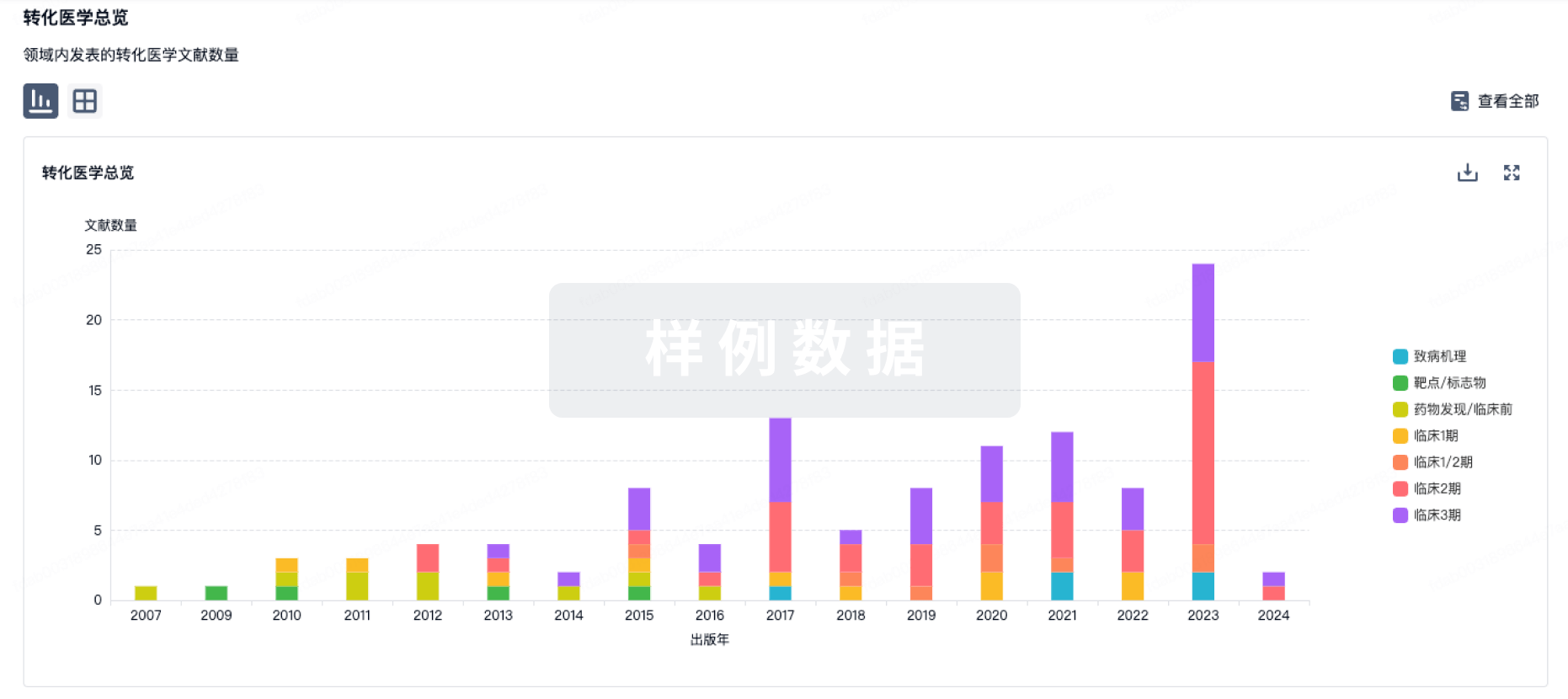
使用我们的转化医学数据加速您的研究。
登录
或
药物交易
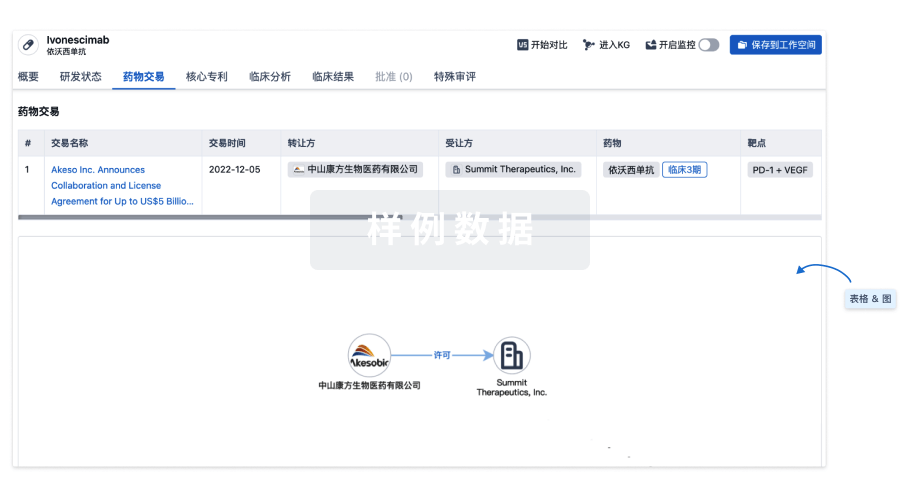
使用我们的药物交易数据加速您的研究。
登录
或
核心专利
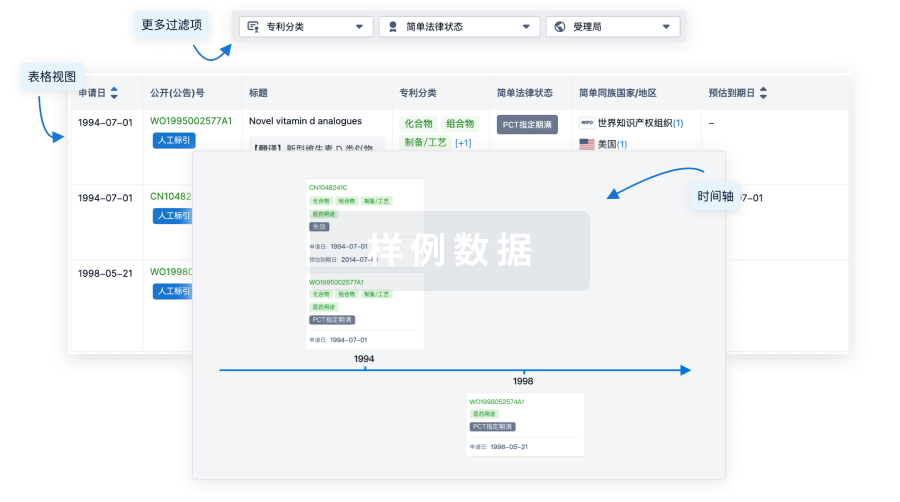
使用我们的核心专利数据促进您的研究。
登录
或
临床分析
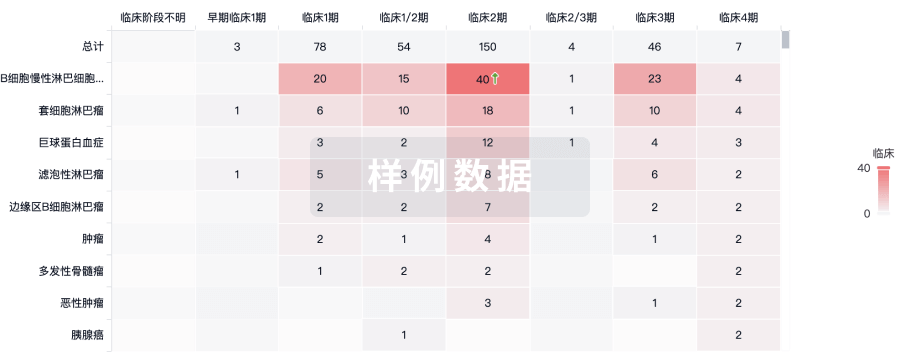
紧跟全球注册中心的最新临床试验。
登录
或
批准
利用最新的监管批准信息加速您的研究。
登录
或
特殊审评
只需点击几下即可了解关键药物信息。
登录
或
提出任何生物医药研究问题
让每一步生物医药决策都精准制胜
基于十亿级生物数据与全球情报的精准 AI,赋能早期药物发现
立即开始免费试用!
智慧芽新药情报库是智慧芽专为生命科学人士构建的基于AI的创新药情报平台,助您全方位提升您的研发与决策效率。
立即接入生物医药数据包
智慧芽新药库数据也通过智慧芽开放平台,以MCP或API服务形式对外开放。立即使用我们的MCP服务定制您的LLM智能体。
生物序列数据库
生物药研发创新
免费使用
化学结构数据库
小分子化药研发创新
免费使用