预约演示
更新于:2026-02-09
TEI-M01361
更新于:2026-02-09
概要
基本信息
原研机构 |
在研机构- |
非在研机构 |
权益机构- |
最高研发阶段无进展药物发现 |
首次获批日期- |
最高研发阶段(中国)- |
特殊审评- |

关联
1
项与 TEI-M01361 相关的临床试验JPRN-UMIN000010347
Angioscopic evaluation of coronary atherosclerotic plaque after revascularization with drug-eluting stent - Intervention trial with statins and cholesterol absorption inhibitors - - The ANTARES Trial

100 项与 TEI-M01361 相关的临床结果
登录后查看更多信息
100 项与 TEI-M01361 相关的转化医学
登录后查看更多信息
100 项与 TEI-M01361 相关的专利(医药)
登录后查看更多信息
204
项与 TEI-M01361 相关的文献(医药)2026-02-01BRAIN RESEARCH
Ezetimibe mitigates microglial activation in Parkinson’s disease via TLR4/JNK pathway inhibition: evidence from network pharmacology and experimental validation
Article
作者: Huang, Xin-Yue ; Zhou, Zeng-Hui ; Hua, You-Hai ; Ma, Jing-Jing ; Wu, Jin
OBJECTIVE:
Neuroinflammation driven by microglial hyperactivation plays a critical role in Parkinson's disease (PD). Ezetimibe, a cholesterol absorption inhibitor widely used for hyperlipidemia, has recently been implicated in neuroprotection. However, its impact on microglial activation in PD remains poorly understood. This study aimed to investigate the therapeutic potential and mechanisms of ezetimibe in modulating microglial activation in PD model.
METHODS:
Network pharmacology was employed to predict ezetimibe targets in PD, followed by validation in lipopolysaccharide (LPS)-stimulated BV2 microglial cells. Protein-protein interaction (PPI) analysis and Gene Ontology (GO) enrichment were used to identify relevant pathways. Molecular docking assessed ezetimibe-TLR4 binding. The effects of ezetimibe on pro-inflammatory mediator production, TLR4/JNK signaling, and microglia-induced dopaminergic neurotoxicity were evaluated using western blotting, qPCR, ELISA, and BV2-SH-SY5Y co-culture assays.
RESULTS:
Network pharmacology identified 53 common targets between ezetimibe and PD, with TLR4, TNF, and IL-1β as hub genes enriched in inflammatory processes. In BV2 cells, ezetimibe markedly reduced LPS-induced expression and secretion of iNOS, COX-2, Nitric oxide (NO), and IL-6 at both protein and transcriptional levels. Molecular docking revealed a strong binding affinity of ezetimibe to TLR4, although ezetimibe did not alter the basal expression of TLR4. Mechanistically, ezetimibe pretreatment suppressed LPS-induced JNK phosphorylation and AP-1 transcriptional activity, key downstream events of TLR4 activation. Consistently, pharmacological inhibition of TLR4 with TLR4-IN-C34 did not produce additional anti-inflammatory effects, confirming that ezetimibe acts through the TLR4 signaling pathway. Moreover, conditioned medium from ezetimibe-pretreated BV2 cells significantly reduced SH-SY5Y neuronal death, as indicated by decreased PI staining, LDH release, CCK8 assay, tyrosine hydroxylase (TH) protein levels and caspase-3 activation.
CONCLUSION:
Ezetimibe suppresses microglial activation by targeting the TLR4/JNK pathway, thereby alleviating dopaminergic neuronal death. These findings highlight ezetimibe as a promising candidate for repurposing in PD therapy.
2026-01-01Clinical Pharmacology in Drug Development
Pharmacokinetic Interaction Between Atorvastatin and Hybutimibe in Healthy Chinese Volunteers
Article
作者: Cui, Xiao‐feng ; Chen, Wen‐jun ; Yang, Dan‐dan ; Wang, Jia‐ying ; Ruan, Zou‐rong ; Shao, Rong ; Lou, Hong‐gang ; Zhang, Xue‐hua ; Jiang, Bo ; Du, Jia‐qiu
Abstract:
Stains and cholesterol absorption inhibitors are frequently co‐administered in the management of dyslipidemia. This study evaluated the pharmacokinetic (PK) interaction between atorvastatin and hybutimibe in healthy Chinese subjects. A randomized, open‐label, three‐treatment, six‐period crossover study was conducted involving 24 participants. Subjects received once‐daily treatments for 14 days per period (14‐day washout): atorvastatin 20 mg, hybutimibe 10 mg, or their combination. Geometric mean ratios (GMRs) and their 90% confidence intervals (CI) were calculated for the maximum plasma concentration (C
max
) and the area under the plasma concentration–time curve (AUC) of atorvastatin, hybutimibe, and their metabolites, comparing combination therapy with monotherapy. At steady state, the GMRs (90% CI) for atorvastatin were 89.9 (74.6, 108.2) for C
max
and 103.7 (96.0, 112.0) for AUC
0‐∞
when administered with or without hybutimibe. For total hybutimibe, the corresponding values were 120.6 (102.4, 142.0) and 105.7 (97.1, 115.2), respectively. Considering the limited PK changes and good safety profiles of both drugs, the interaction between atorvastatin and hybutimibe will likely have no significant clinical impact.
2025-12-31ANNALS OF MEDICINE
Ezetimibe and the risk of new-onset type 2 diabetes: a systematic review and meta-analysis
Review
作者: Albawa’neh, Areej S. ; Ahmed, Gamila ; Ali, Bassam R. ; Alqasrawi, Mais N. ; Al-Mahayri, Zeina N. ; Albawaana, Amal ; Al-Rifai, Rami H.
BACKGROUND:
Statins reduce cardiovascular risk but may increase new-onset type 2 diabetes mellitus (NO-T2DM). Ezetimibe, a cholesterol absorption inhibitor, is often added to statins to improve lipid control, yet its impact on NO-T2DM remains uncertain.
OBJECTIVE:
This systematic review evaluated moderate-intensity statin plus ezetimibe dual therapy versus high-intensity statin monotherapy for NO-T2DM risk.
METHODS:
Five databases were searched to identify eligible studies. Random-effects meta-analyses generated pooled relative risks (RR) quantifying the effect of ezetimibe plus moderate-intensity statins on NO-T2DM. The Attributable Risk Fraction (ARF) was quantified utilizing the pooled estimate.
RESULTS:
Ten observational studies and four clinical trials were included. In four cohort studies, ezetimibe plus moderate-intensity statin compared to high-intensity statin monotherapy was significantly linked to 18% reduced risk of NO-T2DM (pooled RR: 0.82; 95% CI: 0.77-0.87; I2 = 0.0%; p < 0.001). In three methodologically similar studies, compared to moderate-intensity statin monotherapy, adding ezetimibe to moderate-intensity statin dual therapy showed non-statistically (p > 0.05) significant 4% increased risk of NO-T2DM development (pooled RR: 1.04; 95% CI: 0.94-1.14, I2= 0.0%). Compared with patients receiving high-intensity statin therapy, 22% of NO-T2DM cases could potentially be averted with dual therapy (moderate-intensity statin plus ezetimibe). In four studies involving 5,072 patients on high-intensity statins who developed NO-T2DM, 1,115 patients (812-1,420) could have been prevented with ezetimibe plus moderate-intensity statin dual therapy.
CONCLUSION:
Incorporating ezetimibe with moderate-intensity statins, rather than relying solely on high-intensity statins, may reduce the risk of NO-T2DM in patients with dyslipidemia and elevated cardiovascular disease risk.
PROSPERO REGISTRATION NUMBER:
CRD42024518630.
3
项与 TEI-M01361 相关的新闻(医药)100 项与 TEI-M01361 相关的药物交易
登录后查看更多信息
研发状态
10 条进展最快的记录, 后查看更多信息
登录
| 适应症 | 最高研发状态 | 国家/地区 | 公司 | 日期 |
|---|---|---|---|---|
| 高胆固醇血症 | 药物发现 | 日本 | - |
登录后查看更多信息
临床结果
临床结果
适应症
分期
评价
查看全部结果
登录后查看更多信息
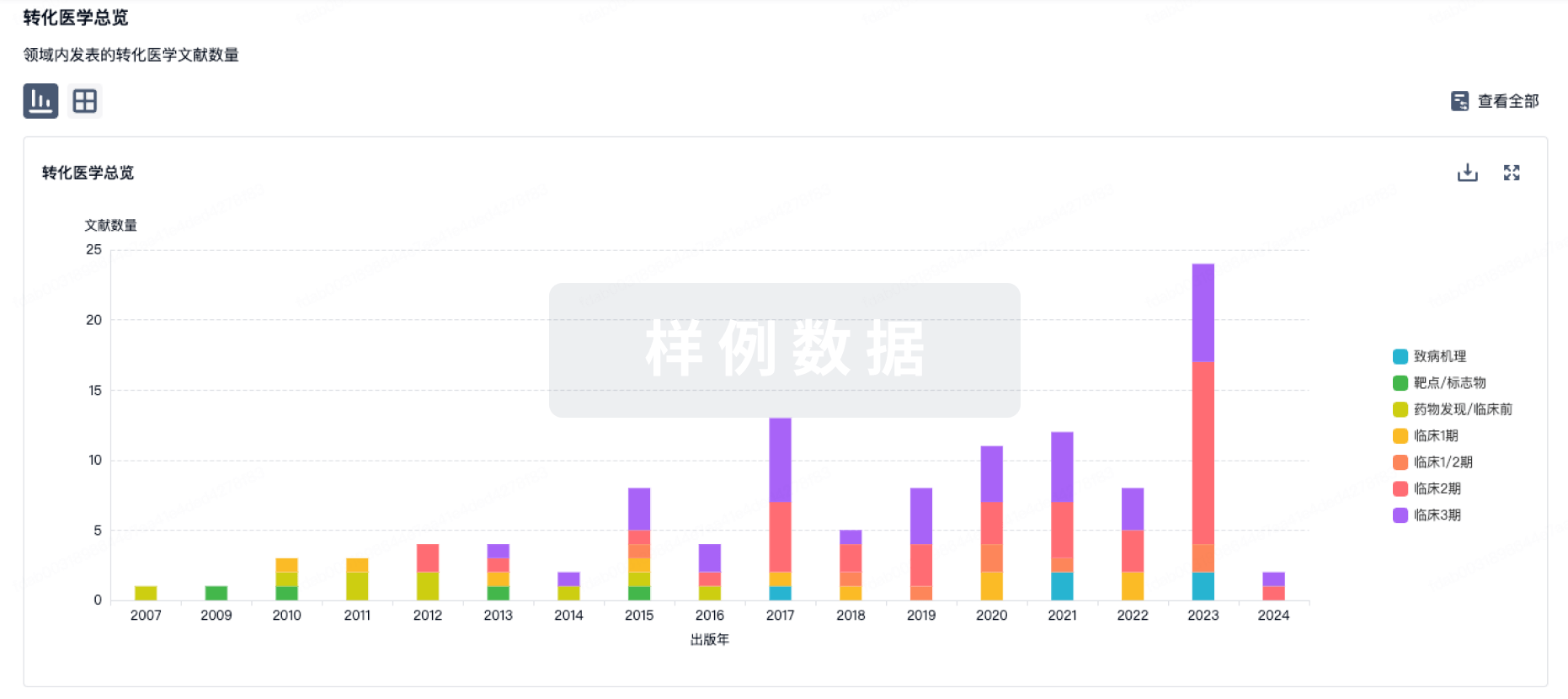
转化医学
使用我们的转化医学数据加速您的研究。
登录
或
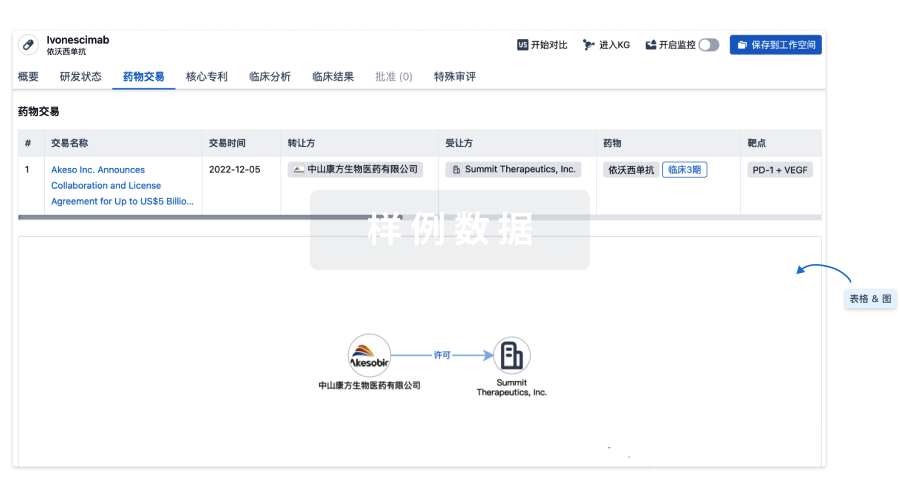
药物交易
使用我们的药物交易数据加速您的研究。
登录
或
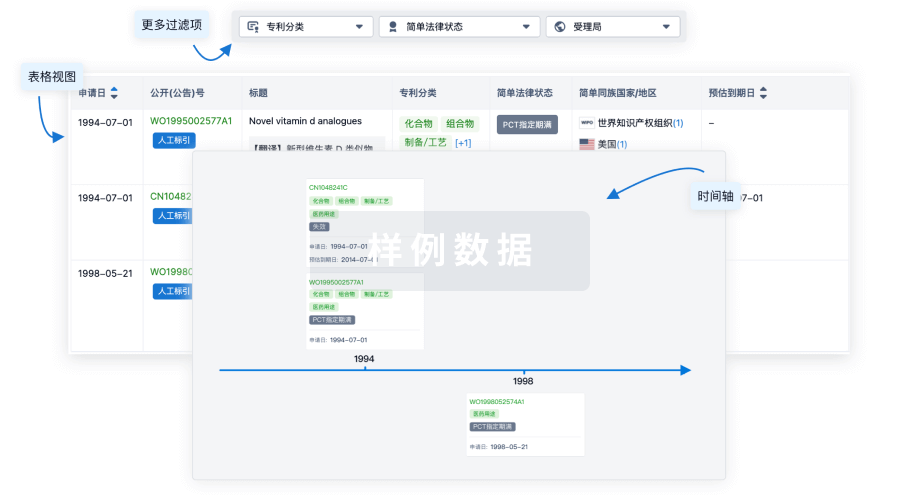
核心专利
使用我们的核心专利数据促进您的研究。
登录
或
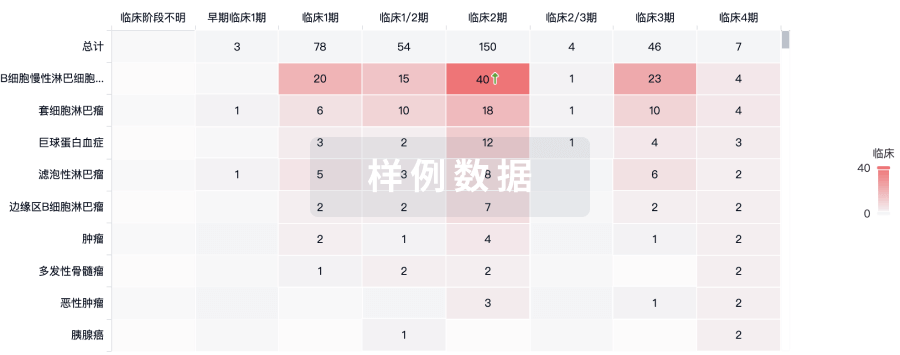
临床分析
紧跟全球注册中心的最新临床试验。
登录
或
批准
利用最新的监管批准信息加速您的研究。
登录
或
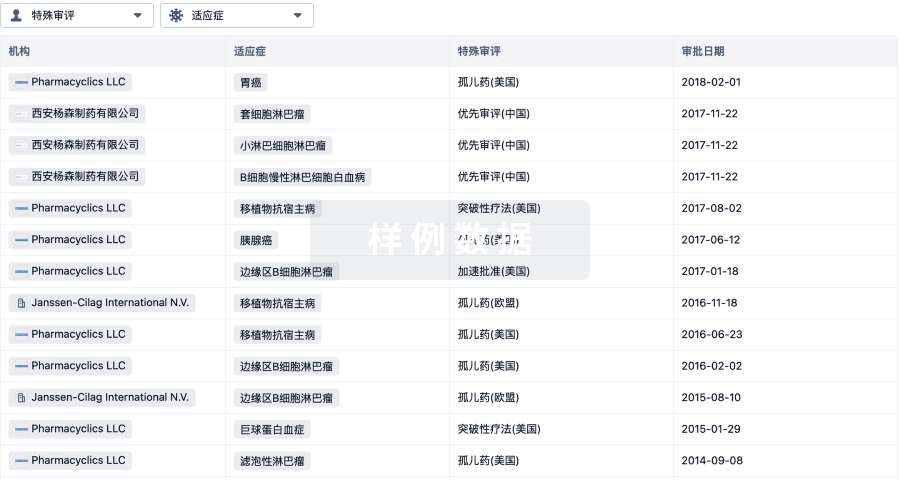
特殊审评
只需点击几下即可了解关键药物信息。
登录
或
生物医药百科问答
全新生物医药AI Agent 覆盖科研全链路,让突破性发现快人一步
立即开始免费试用!
智慧芽新药情报库是智慧芽专为生命科学人士构建的基于AI的创新药情报平台,助您全方位提升您的研发与决策效率。
立即开始数据试用!
智慧芽新药库数据也通过智慧芽数据服务平台,以API或者数据包形式对外开放,助您更加充分利用智慧芽新药情报信息。
生物序列数据库
生物药研发创新
免费使用
化学结构数据库
小分子化药研发创新
免费使用