预约演示
更新于:2026-04-18
McNa-343
更新于:2026-04-18
概要
基本信息
药物类型 小分子化药 |
别名 McNa-343 analogs(McNeil)、MCNA-343 |
作用方式 激动剂 |
作用机制 M1 receptor激动剂(毒蕈碱型乙酰胆碱受体M1激动剂) |
治疗领域 |
在研适应症- |
非在研适应症 |
在研机构- |
权益机构- |
最高研发阶段终止药物发现 |
首次获批日期- |
最高研发阶段(中国)- |
特殊审评- |

关联
100 项与 McNa-343 相关的临床结果
登录后查看更多信息
100 项与 McNa-343 相关的转化医学
登录后查看更多信息
100 项与 McNa-343 相关的专利(医药)
登录后查看更多信息
326
项与 McNa-343 相关的文献(医药)2025-12-01·EUROPEAN JOURNAL OF PHARMACOLOGY
Crosstalk between M1 muscarinic acetylcholine receptor and endocannabinoid system promotes attenuation of inflammation in ulcerative colitis
Article
作者: Franco, Alvaro Xavier ; Gomes Soares, Pedro Marcos ; da Silva Prudêncio, Rafael ; Carvalho Pereira, Cynthia Maria ; de Sousa, Antônio Kleiton ; da Silva Sousa, João Janilson ; Oliveira Silva, Francisca Géssica ; de Aguiar Magalhães, Diva ; Alves Figueiredo, Kayo ; Dos Santos Ferreira, Jayro ; do Nascimento Lima, José Victor ; Lino da Silva, Tino Marcos ; Almeida Rocha, Jefferson ; Guimarães Sousa, Stefany ; Arruda Batista, Jalles ; Di Lenardo, David ; Pereira Vasconcelos, Daniel Fernando ; Dos Reis Barbosa, André Luiz ; da Silva Monteiro, Carlos Eduardo
The crosstalk between the M1 muscarinic acetylcholine receptor and the endocannabinoid system was investigated during acetic acid-induced experimental colitis. In this research, male mice were treated with the agonist M1 receptor McN-A-343 (1.5 mg/kg; intraperitoneal) or dexamethasone (2.0 mg/kg; subcutaneous) 17 h or 17 h 30 min after the induction of acetic acid colitis, respectively. The cannabinoid receptor antagonists, CB1 (AM251, 3.0 mg/kg, intraperitoneal) and CB2 (AM630, 1.0 mg/kg, intraperitoneal), were administered 30 min before McN-A-343 and dimethyl sulfoxide (DMSO, 4 %, intraperitoneal) at the same time as the antagonists. After 18 h of colitis induction, 5 cm of the distal part of the colon was collected for analysis of macroscopic and microscopic lesion scores, intestinal wet weight, biochemical measurements: concentration of myeloperoxidase, tumor necrosis fator alpha (TNF-α), interleukin-1β (IL-1β), malondialdehyde, reduced glutathione, nitrate/nitrite and protein expression of Nf-κB (Nuclear Factor-κBp65), inducible nitric oxide (iNOs) and cyclooxygenases 2 (Cox-2) by Western Blotting. Administration of AM251 or AM630 before treatment with McN-A-343 significantly altered the anti-inflammatory response of the agonist M1 receptor, evidenced by the accentuation of intestinal damage, increased wet weight, myeloperoxidase levels, pro-inflammatory cytokines, oxidative stress markers and protein expression of NF-κB, iNOs and Cox-2. These results suggest that CB1 and CB2 receptors are involved in the anti-inflammatory action of McN-A-343 in experimentally induced colitis. Therefore, the crosstalk between these systems may present promising potential for treatment of intestinal inflammatory conditions.
2025-04-01·BEHAVIOURAL BRAIN RESEARCH
Muscarinic cholinergic system of the dorsal hippocampus involvement in the modulation of formalin-induced orofacial nociception and relevant memory impairment in rats
Article
作者: Firooznia, Behzad ; Tamaddonfard, Esmaeal ; Hatami-Marandi, Ali ; Erfanparast, Amir ; Tamaddonfard, Sina
The hippocampus is well recognized for its significant contributions to learning, memory formation, and emotional regulation. In addition, it was approved by several studies that hippocampus plays a pivotal role in pain modulation; however, the exact mechanism has not yet been identified. In the current research, effects of microinjection of muscarinic M1 cholinergic agents into the CA1 region of the hippocampus in orofacial nociception evoked by formalin and corresponding memory impairment were investigated. Left and right sides of the hippocampus were implanted by guide cannulas. Orofacial nociception was elicited through subcutaneously injection of formalin (1.5 %) solution into the pad of vibrissa region. Evaluating memory was conducted with Morris water maze (MWM). Microinjections of McN-A-343 (a selective agonist of muscarinic M1 receptors) attenuated the both phases of orofacial nociceptive behavior, face rubbing. This effect of McN-A-343 was blocked by prior microinjection of pirenzepine (an antagonist of muscarinic receptors). On the other hand, McN-A-343 and pirenzepine increased and decreased traveled time as well as traveled distance in target zone of MWM, respectively. Additionally, McN-A-343 improved the memory deficits caused by orofacial nociception. Our results indicate that muscarinic acetylcholine receptors contribute significantly in the hippocampal modulation of orofacial nociception and related memory impairment.
2021-05-01·Life sciences3区 · 医学
McN-A-343, a muscarinic agonist, reduces inflammation and oxidative stress in an experimental model of ulcerative colitis
3区 · 医学
Article
作者: Alvaro Xavier Franco ; Alexandre Havt ; Jayro dos Santos Ferreira ; André Luiz dos Reis Barbosa ; Ieda Figueira de Albuquerque ; Lauanda da Rocha Rodrigues ; Daniel Fernando Pereira Vasconcelos ; Jalles Arruda Batista ; Diva de Aguiar Magalhães ; Nayonara Lanara Sousa Dutra Bezerra ; Jefferson Soares de Oliveira ; Pedro Marcos Gomes Soares ; David Di Lenardo ; Francisco Cleber Silva Ferreira ; Carlos Eduardo da Silva Monteiro ; Stefany Guimarães Sousa ; José Victor do Nascimento Lima ; Humberto Barbosa da Costa Filho ; Cynthia Maria Carvalho Pereira
AIM:
The aim of the present study was to investigate the anti-inflammatory response mediated of the M1 muscarinic acetylcholine receptor (mAChR) during experimental colitis.
MATERIAL AND METHODS:
After the induction of 6% acetic acid colitis, mice were treated with McN-A-343 0.5, 1.0, and 1.5 mg/kg or dexamethasone (DEXA, 2.0 mg/kg) or pirenzepine (PIR, 10 mg/kg; M1 mAChR antagonist). Colonic inflammation was assessed by macroscopic and microscopic lesion scores, colonic wet weight, myeloperoxidase (MPO) activity, interleukin-1 beta (IL1-β) levels and tumor necrosis factor alpha (TNF-α), glutathione (GSH), malondialdehyde (MDA) and nitrate and nitrite (NO3/NO2), mRNA expression of IKKα, nuclear factor kappa beta (NF-kB) and cyclooxygenase-2 (COX-2), as well protein expression of NF-kB and COX-2.
RESULTS:
Treatment with McN-A-343 at a concentration of 1.5 mg/kg showed a significant reduction in intestinal damage as well as a decrease in wet weight, MPO activity, pro-inflammatory cytokine concentration, markers of oxidative stress and expression of inflammatory mediators. The action of the M1 agonist by the administration of pirenzepine, which promoted the blocking of the mAChR M1-mediated anti-inflammatory response, has also been proven.
CONCLUSION:
The results suggest that peripheral colonic M1 mAChR is involved in reversing the pro-inflammatory effect of experimentally induced colitis, which may represent a promising therapeutic alternative for patients with ulcerative colitis.
100 项与 McNa-343 相关的药物交易
登录后查看更多信息
研发状态
10 条进展最快的记录, 后查看更多信息
登录
| 适应症 | 最高研发状态 | 国家/地区 | 公司 | 日期 |
|---|---|---|---|---|
| 阿尔茨海默症 | 药物发现 | 美国 | - |
登录后查看更多信息
临床结果
临床结果
适应症
分期
评价
查看全部结果
| 研究 | 分期 | 人群特征 | 评价人数 | 分组 | 结果 | 评价 | 发布日期 |
|---|
No Data | |||||||
登录后查看更多信息
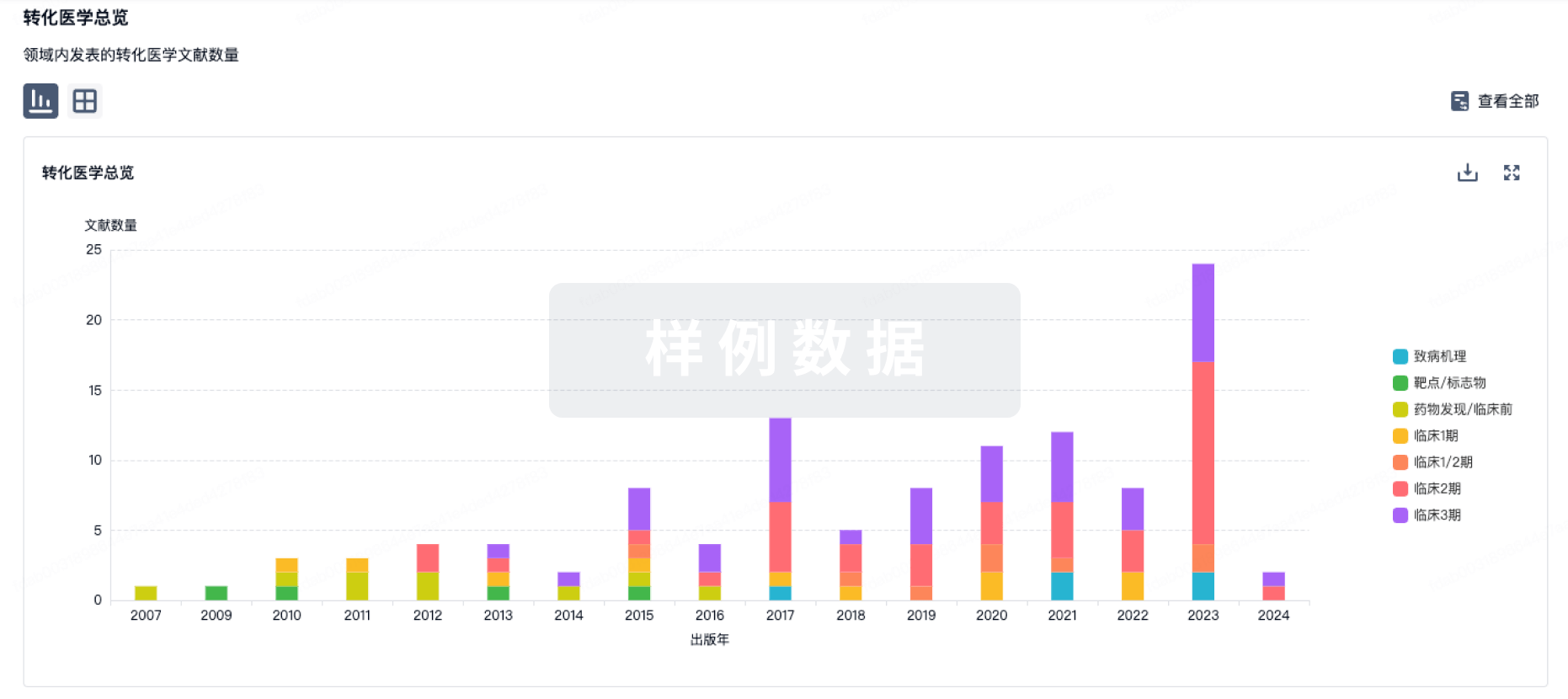
转化医学
使用我们的转化医学数据加速您的研究。
登录
或
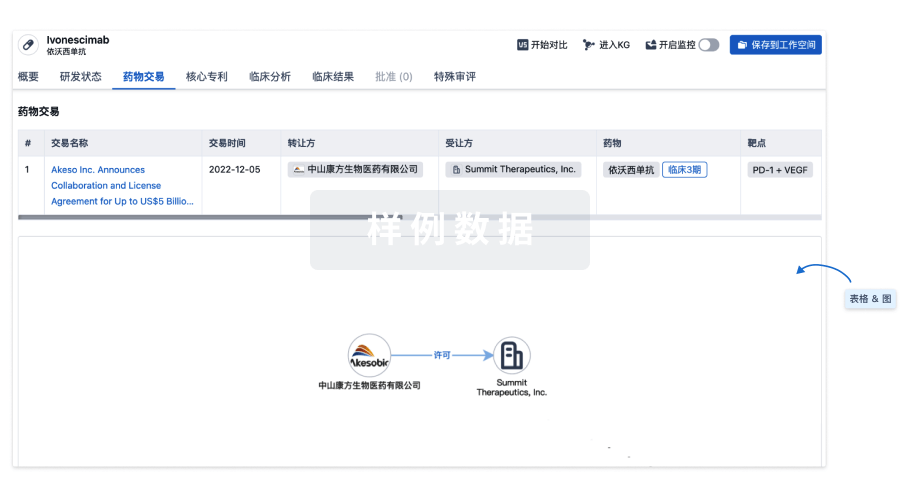
药物交易
使用我们的药物交易数据加速您的研究。
登录
或
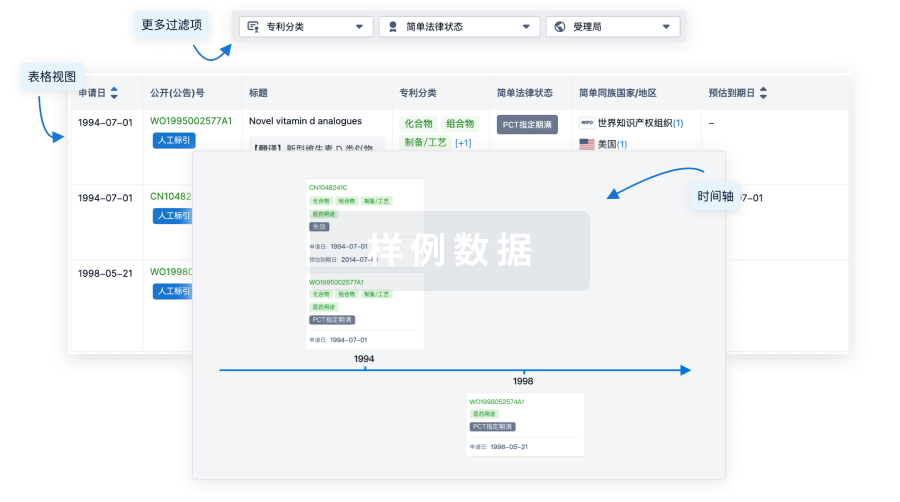
核心专利
使用我们的核心专利数据促进您的研究。
登录
或
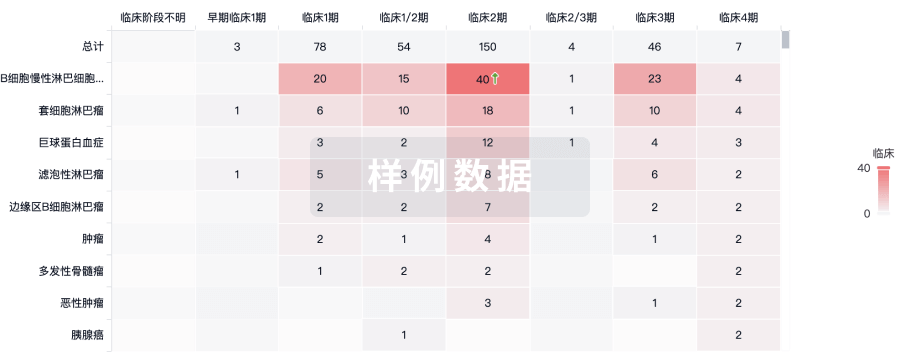
临床分析
紧跟全球注册中心的最新临床试验。
登录
或
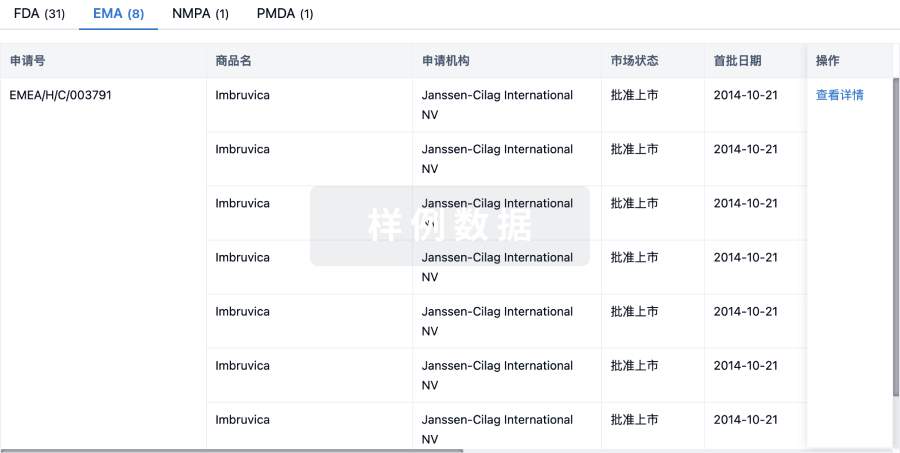
批准
利用最新的监管批准信息加速您的研究。
登录
或
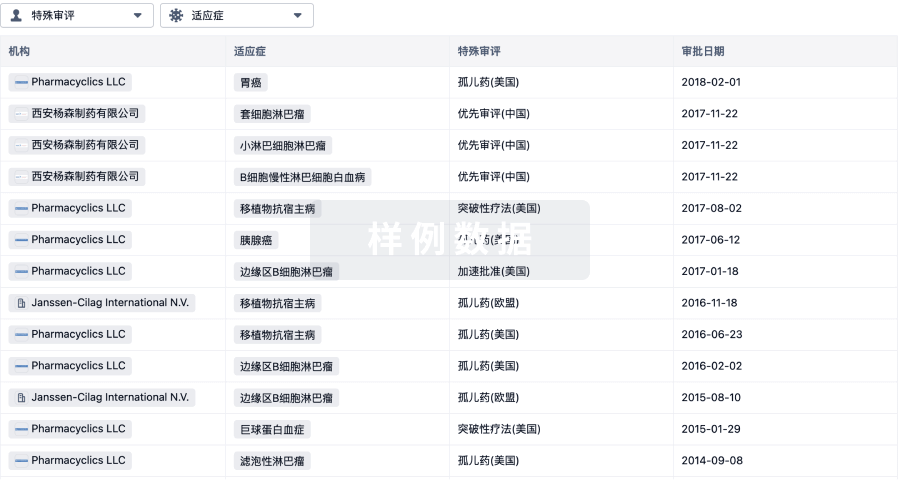
特殊审评
只需点击几下即可了解关键药物信息。
登录
或
提出任何生物医药研究问题
让每一步生物医药决策都精准制胜
基于十亿级生物数据与全球情报的精准 AI,赋能早期药物发现
立即开始免费试用!
智慧芽新药情报库是智慧芽专为生命科学人士构建的基于AI的创新药情报平台,助您全方位提升您的研发与决策效率。
立即接入生物医药数据包
智慧芽新药库数据也通过智慧芽开放平台,以MCP或API服务形式对外开放。立即使用我们的MCP服务定制您的LLM智能体。
生物序列数据库
生物药研发创新
免费使用
化学结构数据库
小分子化药研发创新
免费使用