预约演示
更新于:2026-01-31
PRT-2607
更新于:2026-01-31
概要
基本信息
在研机构- |
最高研发阶段终止临床2期 |
首次获批日期- |
最高研发阶段(中国)- |
特殊审评- |



登录后查看时间轴
结构/序列
分子式C19H23N9O |
InChIKeyTXGKRVFSSHPBAJ-JKSUJKDBSA-N |
CAS号1370261-96-3 |
关联
1
项与 PRT-2607 相关的临床试验NCT01652937
A Phase 2a, Multicenter, Randomized, Double-Blind, Placebo-Controlled, Dose-Ranging Study to Evaluate the Safety and Efficacy of BIIB057 in Subjects With Rheumatoid Arthritis Who Have Had an Inadequate Response to Disease-Modifying Antirheumatic Drugs
100 项与 PRT-2607 相关的临床结果
登录后查看更多信息
100 项与 PRT-2607 相关的转化医学
登录后查看更多信息
100 项与 PRT-2607 相关的专利(医药)
登录后查看更多信息
283
项与 PRT-2607 相关的文献(医药)2026-02-01DRUG DEVELOPMENT RESEARCH
Recent Progress of Molecular Design and Activities of Spleen Tyrosine Kinase (SYK) Inhibitors
Review
作者: Chen, Sheng ; Li, Yongdong ; Lin, Jieman ; Shen, Jiayi ; Kong, Yunyi ; Li, Anzhi ; Li, Gonghui
ABSTRACT:
Spleen tyrosine kinase (SYK), a non‐receptor tyrosine kinase, serves as a pivotal regulator in multiple intracellular signaling pathways, particularly those involved in immune responses. Dysregulated SYK activation has been strongly implicated in the pathogenesis of various hematological malignancies and autoimmune disorders, making it an attractive therapeutic target. Consequently, significant progress has been made in developing SYK inhibitors as a targeted treatment strategy. This article comprehensively reviews recent advances in SYK inhibitor research, focusing on their therapeutic potential in autoimmune diseases and hematologic cancers. Furthermore, we highlight representative SYK inhibitors, discuss their clinical applications, outline current challenges, and future directions in this evolving field.
2026-02-01Blood vessels, thrombosis & hemostasis
The small-molecule Syk inhibitor R788 inhibits hematopoiesis and worsens anemia in sickle cell disease mice
Article
作者: Parachalil Gopalan, Bindu ; Kamimura, Sayuri ; Shet, Arun S ; Shah, Niharika ; Quezado, Martha ; Lee, Duck-Yeon ; Dagur, Pradeep ; Quezado, Zenaide
Vaso-occlusive crises, thrombosis, inflammation, and immune dysregulation contribute to organ damage and poor outcomes in sickle cell disease (SCD). Because neutrophils and dysregulated extracellular trap formation (NETosis) contribute to sickle pathophysiology, and the spleen tyrosine kinase (Syk) signaling pathway is a key driver of NETosis, we investigated the effect of targeting Syk with fostamatinib (R788). Specifically, we studied the effect of a selective Syk inhibitor, R788, on hematologic and biochemical parameters, NETosis, platelet P-selectin expression, and platelet-neutrophil aggregate formation in Townes sickle mice at baseline and after exposure to pathophysiological stressors (tumor necrosis factor α [TNF-α] and hypoxia-reoxygenation). Our results showed that at baseline R788 impaired hematopoiesis, and worsened anemia and neutropenia in sickle mice. Additionally, R788 at nontoxic doses had little, if any, effect on NETosis and platelet activation induced by TNF-α or hypoxia-reoxygenation. Severe anemia and neutropenia induced by R788 in the sickle mouse model suggests that concomitant use of Syk inhibitors with hydroxyurea in patients with SCD should be approached cautiously. Further research is required to clarify the benefits and risks of selective Syk inhibition in SCD and other hemolytic conditions exhibiting stress hematopoiesis.
2025-12-01CANCER GENE THERAPY
Spleen tyrosine kinase (SYK) inhibition suppresses growth of gastrointestinal neuroendocrine tumor cells: a pilot study in two cell lines
Article
作者: Toffoli, Lara ; D'Este, Francesca ; Vella, Viviana ; Ditsiou, Angeliki ; Gagliano, Teresa
Abstract:
Gastrointestinal neuroendocrine tumors (GI-NETs) lack effective targeted options beyond somatostatin analogs and mTOR inhibitors. Spleen tyrosine kinase (SYK) is a non-receptor kinase with emerging roles in solid tumors and available small-molecule inhibitors. We explored whether SYK is a plausible therapeutic target in GI-NET using two human cell lines. SYK expression in GI-NET cells was confirmed by immunofluorescence. Cells were exposed to a selective SYK inhibitor (BI-1002494), and proliferation was quantified using both 2D and 3D models. Both GI-NET models expressed SYK and exhibited reduced growth upon SYK blockade, with dose-dependent suppression of viability and increased cytotoxicity relative to vehicle. In spheroid assays, morphologic changes and reduced size were observed. These pilot data suggest SYK as a targetable vulnerability in GI-NET and support formal dose–response studies, genetic validation, and combination strategies with standard-of-care agents. Given the clinical availability of SYK inhibitors, these findings provide a rationale for translational studies in GI-NET.
24
项与 PRT-2607 相关的新闻(医药)2024-12-31
上市批准临床3期临床结果抗体药物偶联物免疫疗法
2024-03-21
临床2期孤儿药临床1期免疫疗法
2023-08-25

100 项与 PRT-2607 相关的药物交易
登录后查看更多信息
研发状态
10 条进展最快的记录, 后查看更多信息
登录
| 适应症 | 最高研发状态 | 国家/地区 | 公司 | 日期 |
|---|---|---|---|---|
| 类风湿关节炎 | 临床2期 | 加拿大 | 2012-08-01 | |
| 炎症 | 临床1期 | 美国 | - | |
| 炎症 | 临床1期 | 英国 | - | |
| 肿瘤 | 临床1期 | 美国 | - | |
| 肿瘤 | 临床1期 | 英国 | - | |
| 系统性红斑狼疮 | 临床1期 | 美国 | - | - |
登录后查看更多信息
临床结果
临床结果
适应症
分期
评价
查看全部结果
登录后查看更多信息
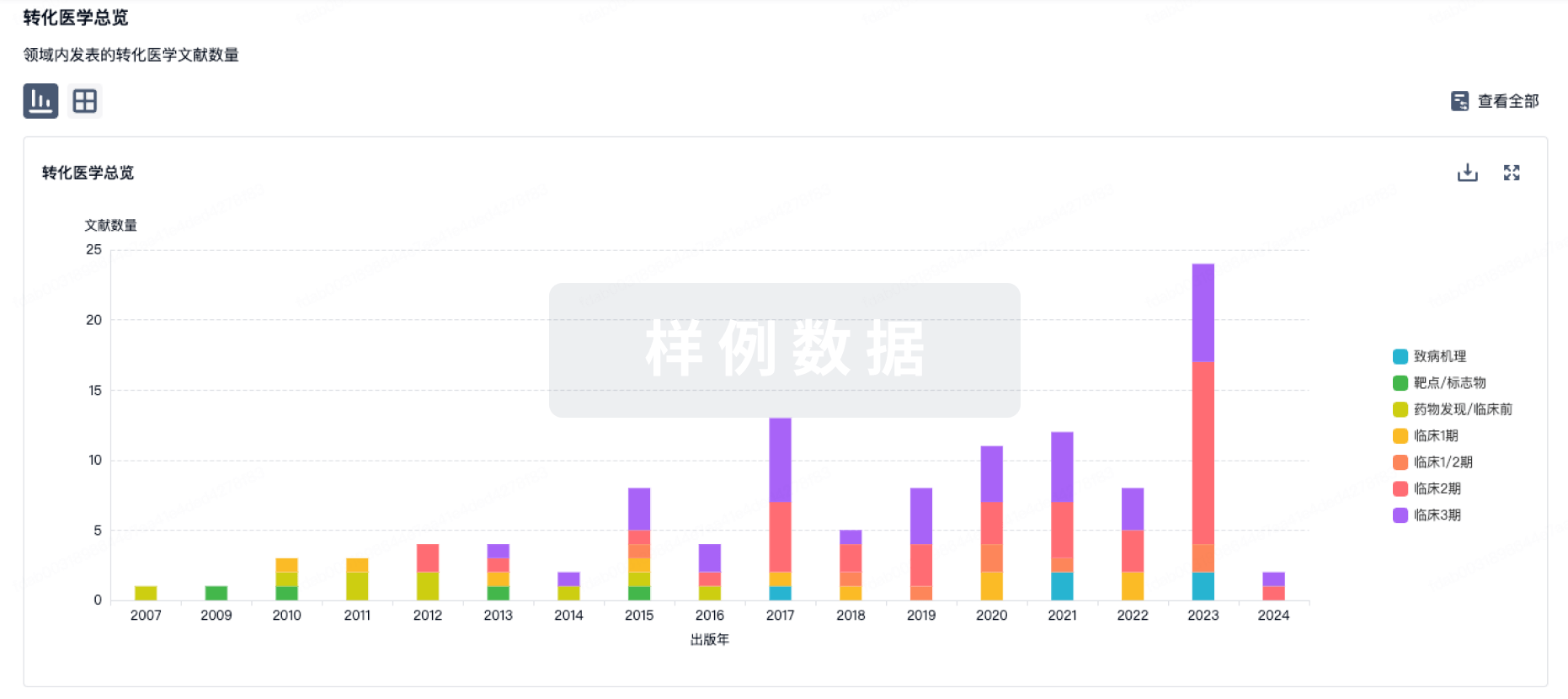
转化医学
使用我们的转化医学数据加速您的研究。
登录
或
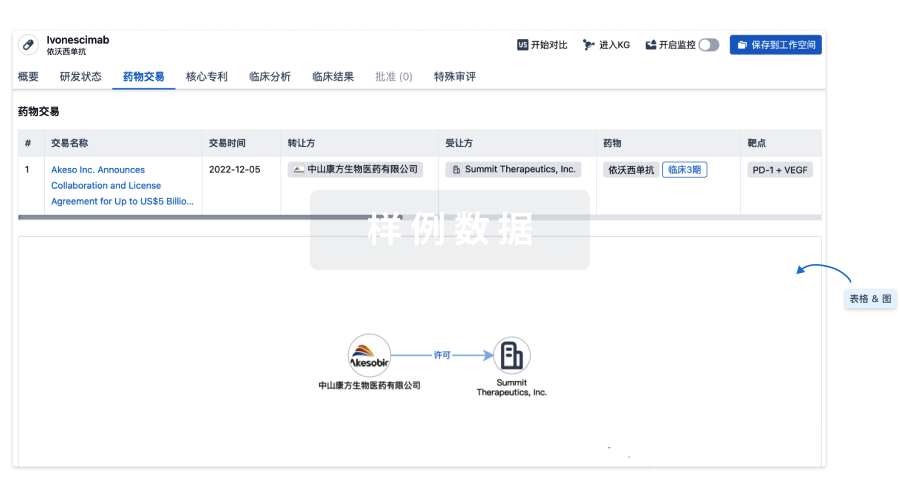
药物交易
使用我们的药物交易数据加速您的研究。
登录
或
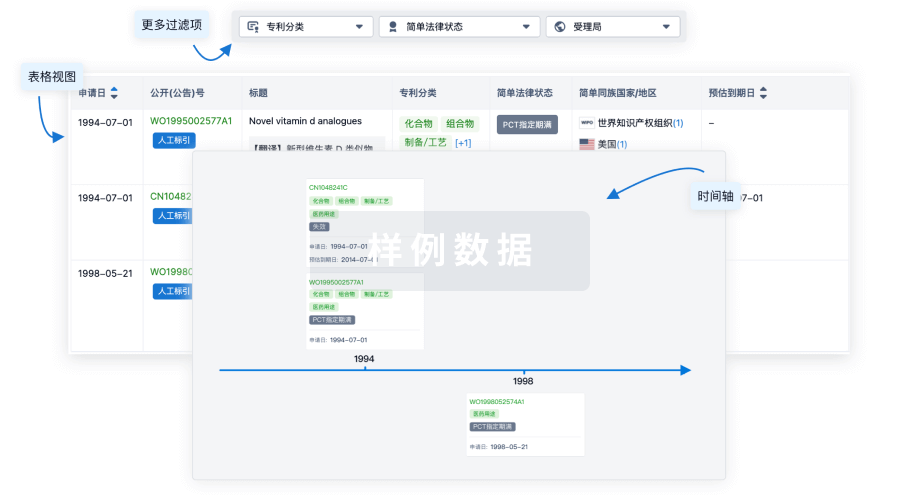
核心专利
使用我们的核心专利数据促进您的研究。
登录
或
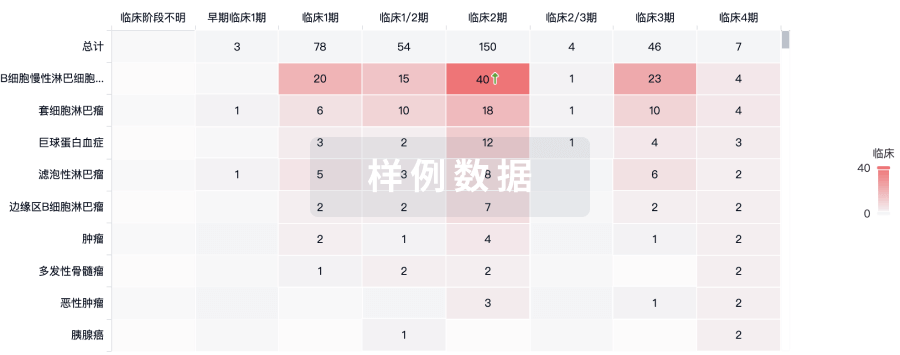
临床分析
紧跟全球注册中心的最新临床试验。
登录
或
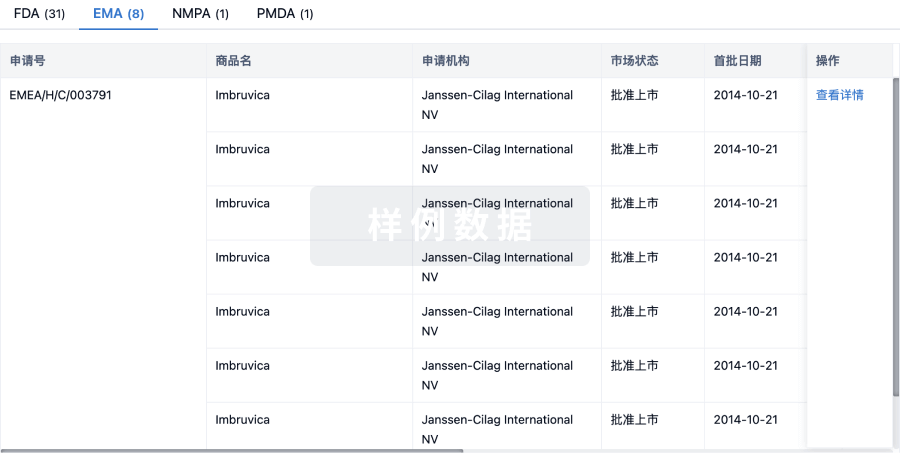
批准
利用最新的监管批准信息加速您的研究。
登录
或
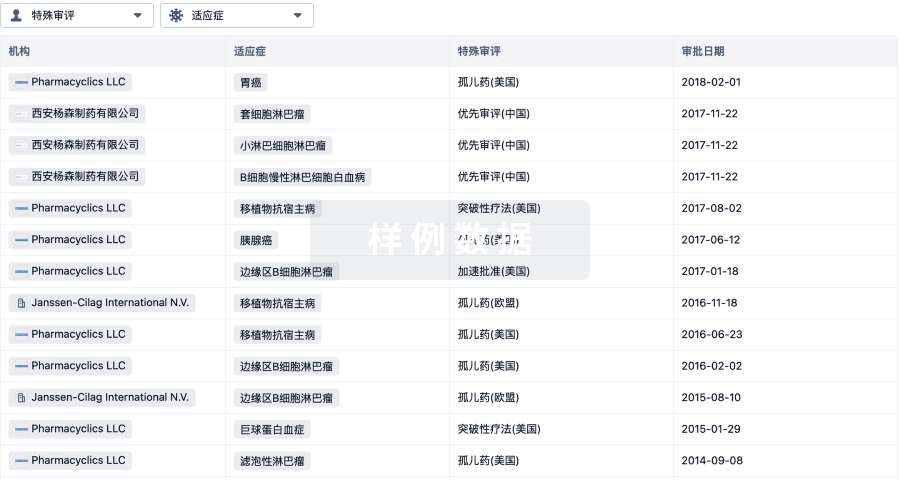
特殊审评
只需点击几下即可了解关键药物信息。
登录
或
生物医药百科问答
全新生物医药AI Agent 覆盖科研全链路,让突破性发现快人一步
立即开始免费试用!
智慧芽新药情报库是智慧芽专为生命科学人士构建的基于AI的创新药情报平台,助您全方位提升您的研发与决策效率。
立即开始数据试用!
智慧芽新药库数据也通过智慧芽数据服务平台,以API或者数据包形式对外开放,助您更加充分利用智慧芽新药情报信息。
生物序列数据库
生物药研发创新
免费使用
化学结构数据库
小分子化药研发创新
免费使用