预约演示
更新于:2025-11-25
Alpha-pinene
更新于:2025-11-25
概要
基本信息
非在研机构- |
权益机构- |
最高研发阶段临床前 |
首次获批日期- |
最高研发阶段(中国)- |
特殊审评- |

结构/序列
分子式C12H24N9P3 |
InChIKeyPXZAWHSJYIECNQ-UHFFFAOYSA-N |
CAS号80-56-8 |
关联
100 项与 Alpha-pinene 相关的临床结果
登录后查看更多信息
100 项与 Alpha-pinene 相关的转化医学
登录后查看更多信息
100 项与 Alpha-pinene 相关的专利(医药)
登录后查看更多信息
766
项与 Alpha-pinene 相关的文献(医药)2026-02-01·BEHAVIOURAL BRAIN RESEARCH
Alpha-pinene attenuates neuroinflammatory responses in the rat hippocampus and improves spatial working memory deficits associated with morphine dependence and withdrawal
Article
作者: Dlshad Taeeb, Shnya ; Ahmadi, Shamseddin ; Majidi, Mohammad ; Rashid Ahmed, Hawsar ; Yousif Abdullah, Bestan
Chronic morphine exposure leads to changes in neural function, with neuroinflammation playing a key role in these disruptions. The monoterpene compound α-pinene has been shown to possess properties that counteract inflammation. This study focused on assessing how α-pinene reduces inflammation and improves spatial working memory deficits resulting from frequent morphine exposure and following the drug washout. First, spatial working memory was assessed by using the Y-maze test in male Wistar rats. Then, levels of proinflammatory cytokines and expression of their receptors in the rat hippocampus were analyzed using ELISA and western blot methods. The findings demonstrated that 10 days of morphine administration weakened spatial memory, an effect that was partially alleviated by concurrent α-pinene treatment during morphine exposure. Although 30 days washout period modestly improved the memory deficit, α-pinene administration during withdrawal further augmented the recovery of memory function. Molecular analyses revealed substantial rises in hippocampal levels of TNFα, IL-1β, and IL-6, alongside expression of their associated receptors (TNFR, IL1R, and IL6R) as well as NF-κB following the morphine exposure and 30 days of the washout period. Conversely, the hippocampal concentrations of IL-10 as an inhibitory factor in inflammation were reduced. Notably, α-pinene treatment, whether administered during dependence induction or throughout withdrawal, markedly normalized proinflammatory cytokine levels and receptor expression in the hippocampus by affecting total NF-κB levels, but not its phosphorylation. It can be concluded that α-pinene may serve as a potential natural therapy for the management of neuroinflammation and recovering spatial memory following chronic morphine exposure and withdrawal.
2025-12-01·TISSUE & CELL
The role of alpha-pinene on the NLRP3-Caspase 1 pathway in the ulcerative colitis model in rats
Article
作者: Eftekhar, Negar ; Shushtari, Hoora ; Javadi, Arian ; Khademi Kalantari, Mahsa ; Rezaie, Annahita ; Rahimi, Kaveh
Alpha-pinene is a natural compound that has recently attracted the attention of researchers due to its anti-inflammatory and antioxidant effects. This study aimed to investigate the impact of alpha-pinene on the NLRP3-Caspase 1 pathway activity in colon tissue in a colitis model. The colitis was induced by directly administering 4 % acetic acid (A.A) into the colon. Twenty-four hours after this treatment, the test compound alpha-pinene (at doses of 50 and 100 mg/kg), sulfasalazine (50 mg/kg), or the vehicle (liquid paraffin) was given orally. Seven days after inducing colitis, the colonic segments were examined for disease score index, changes in the colon weight/length ratio, oxidative stress factors, and NLRP3-Caspase 1 pathway activity. Alpha-pinene improved the disease score index and the colon weight/length ratio. Alpha-pinene balanced oxidative stress factors in acetic acid-induced colitis by reducing MDA levels and increasing GSH, SOD, and CAT levels. Additionally, alpha-pinene decreased NLRP3 pathway activity by reducing MAPK P38 activity, leading to decreased expression of NF-KB, NLRP3, and Caspase 1, as well as decreased levels of IL-1B and IL-18. Our research suggests that alpha-pinene may be effective in treating colitis by reducing oxidative stress and decreasing the activity of the NLRP3 caspase-1 pathway.
2025-10-01·Physiological Reports
Disuse‐induced muscle‐type specific alterations and adiponectin pathway response in male mice
Article
作者: Sébastien, Szczepanski ; Maëlle, Limpens ; Alexandre, Legrand ; Vincianne, Jenart ; Anne‐Emilie, Declèves ; Alexandra, Tassin
Abstract:
Disuse‐mediated Muscle Atrophy (DMA) causes persistent muscle weakness, limiting exercise training as a treatment. Adiponectin (ApN) emerged as a therapeutic candidate for muscle disorders. However, the effect of DMA on the ApN pathway remains poorly studied. Given ApN's metabolic effects, examining the ApN pathway response to disuse in relation with muscle type is essential. To mimic DMA while avoiding confounding factors, we combined HindLimb Unloading with Immobilization (HLUI) through a device allowing mouse displacements. The effects of disuse on DMA severity were studied in the slow‐twitch
Soleus
and the fast‐twitch Tibialis anterior (
TA
) muscles, together with the ApN pathway. The
Soleus
muscle presents a moderate atrophy of type IIa myofibers, whereas the
TA
muscle is more severely affected and exhibits a type I to IIa switch. HLUI increased the hybrid I/IIa myofiber proportion in both muscles, suggesting an ongoing myofiber switch that is delayed in the
Soleus
muscle. Concomitantly, HLUI enhances ApN plasma level, modifies oligomeric form proportions, and downregulates Adiporeceptors in the
Soleus
but not in the
TA
muscle. In conclusion, HLUI is associated with a higher ApN plasma level and disturbances in oligomeric form proportions. DMA severity, myofiber switch kinetics, and adiporeceptor regulation are muscle‐type dependent.
100 项与 Alpha-pinene 相关的药物交易
登录后查看更多信息
研发状态
10 条进展最快的记录, 后查看更多信息
登录
| 适应症 | 最高研发状态 | 国家/地区 | 公司 | 日期 |
|---|---|---|---|---|
| 记忆障碍 | 临床前 | 伊朗 | 2025-04-16 |
登录后查看更多信息
临床结果
临床结果
适应症
分期
评价
查看全部结果
| 研究 | 分期 | 人群特征 | 评价人数 | 分组 | 结果 | 评价 | 发布日期 |
|---|
No Data | |||||||
登录后查看更多信息
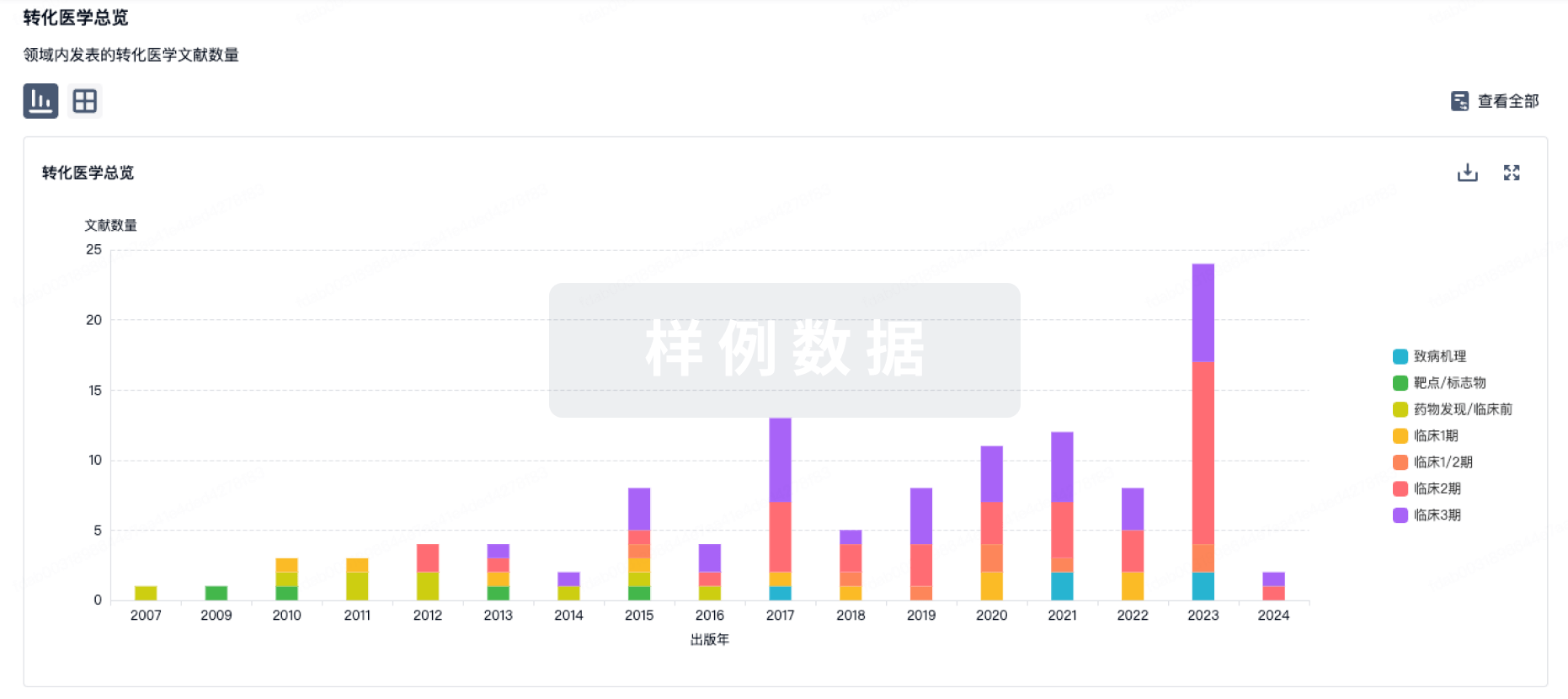
转化医学
使用我们的转化医学数据加速您的研究。
登录
或
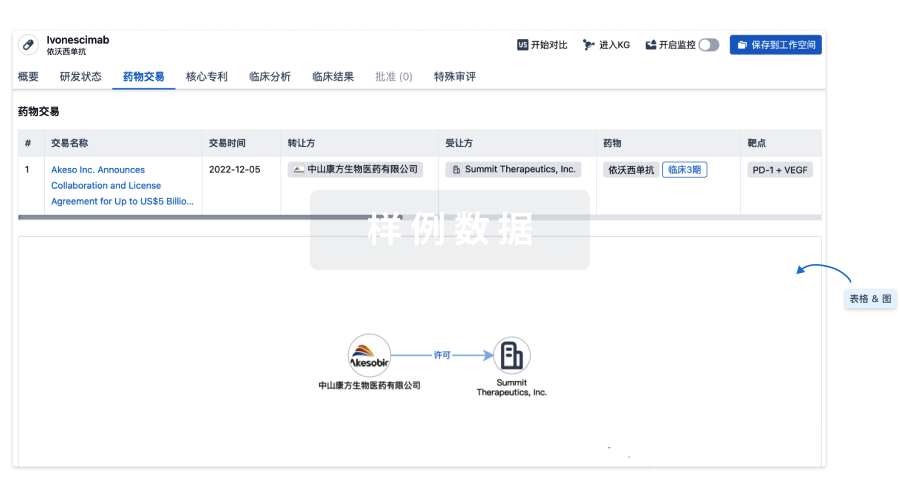
药物交易
使用我们的药物交易数据加速您的研究。
登录
或
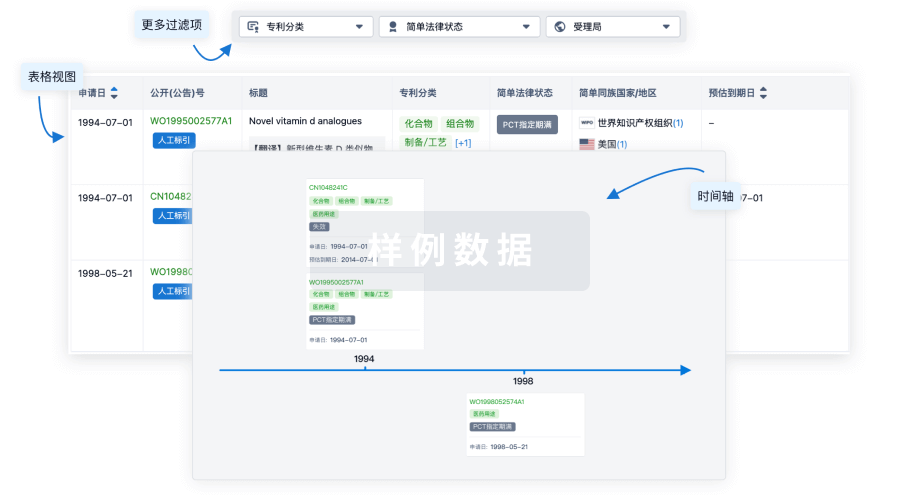
核心专利
使用我们的核心专利数据促进您的研究。
登录
或
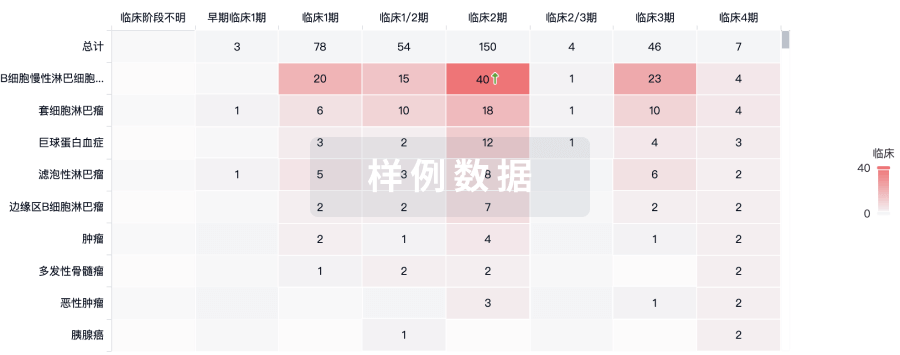
临床分析
紧跟全球注册中心的最新临床试验。
登录
或
批准
利用最新的监管批准信息加速您的研究。
登录
或
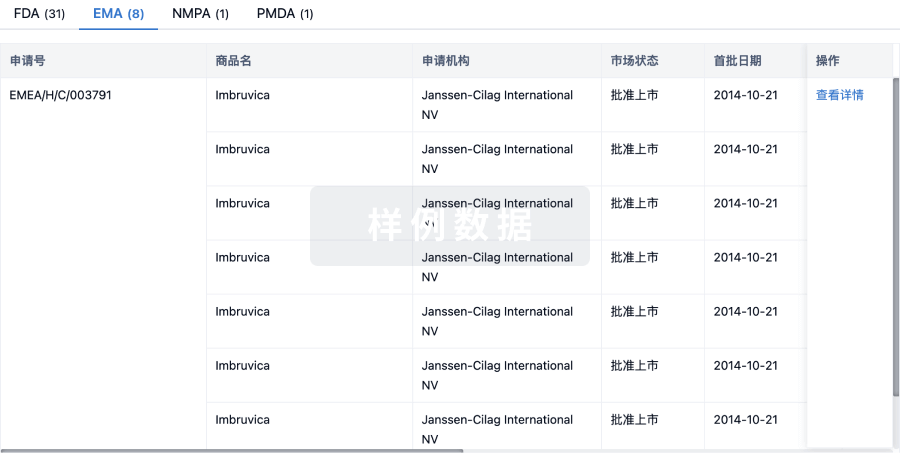
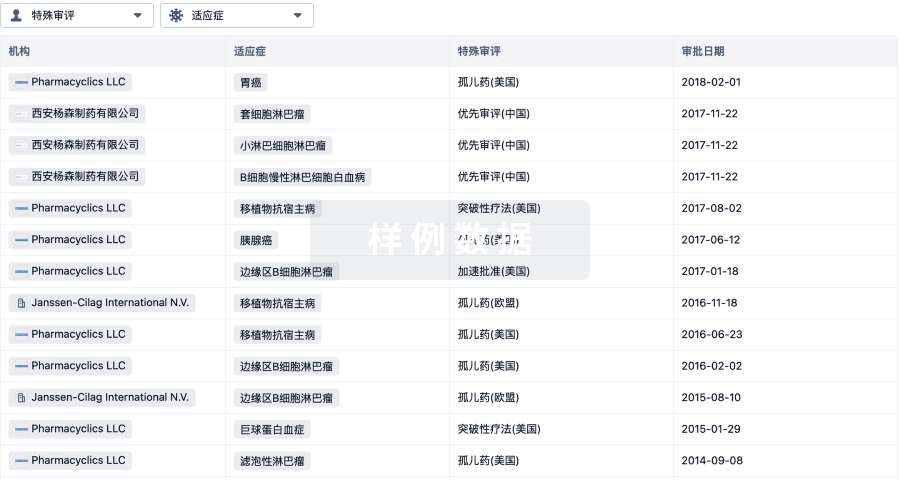
特殊审评
只需点击几下即可了解关键药物信息。
登录
或
生物医药百科问答
全新生物医药AI Agent 覆盖科研全链路,让突破性发现快人一步
立即开始免费试用!
智慧芽新药情报库是智慧芽专为生命科学人士构建的基于AI的创新药情报平台,助您全方位提升您的研发与决策效率。
立即开始数据试用!
智慧芽新药库数据也通过智慧芽数据服务平台,以API或者数据包形式对外开放,助您更加充分利用智慧芽新药情报信息。
生物序列数据库
生物药研发创新
免费使用
化学结构数据库
小分子化药研发创新
免费使用