预约演示
更新于:2026-02-07
MHY1485
更新于:2026-02-07
概要
基本信息
药物类型 小分子化药 |
别名 MHY1485 |
靶点 |
作用方式 激动剂 |
作用机制 mTOR agonists(Serine/threonine-protein kinase mTOR agonists) |
治疗领域- |
在研适应症- |
非在研适应症- |
非在研机构- |
权益机构- |
最高研发阶段临床前 |
首次获批日期- |
最高研发阶段(中国)- |
特殊审评- |

结构/序列
分子式C17H21N7O4 |
InChIKeyMSSXBKQZZINCRI-UHFFFAOYSA-N |
CAS号326914-06-1 |
关联
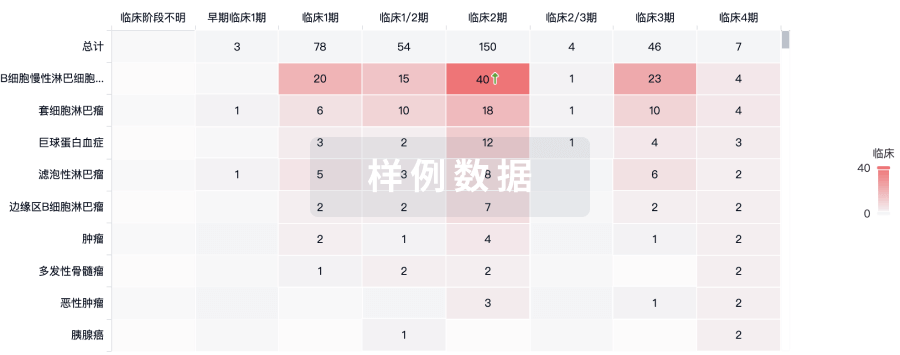
100 项与 MHY1485 相关的临床结果
登录后查看更多信息
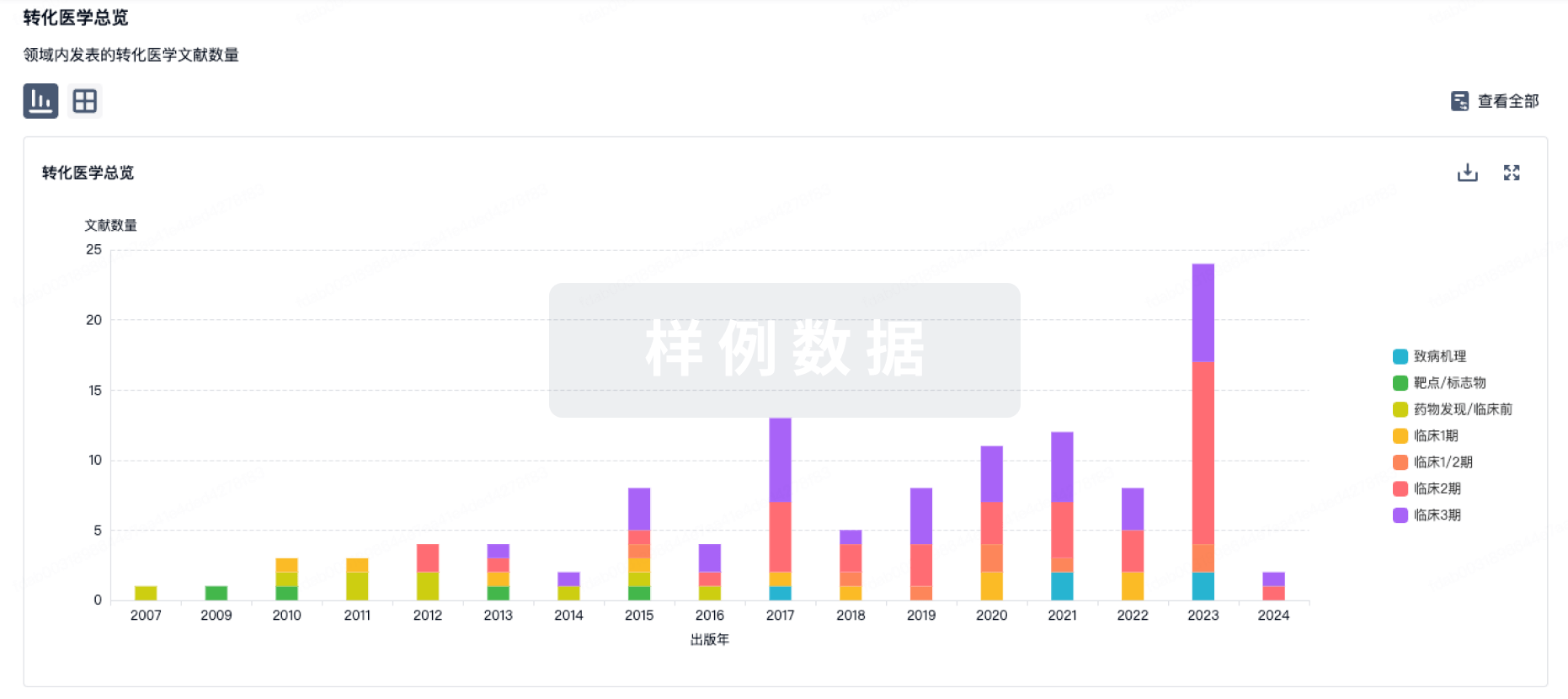
100 项与 MHY1485 相关的转化医学
登录后查看更多信息
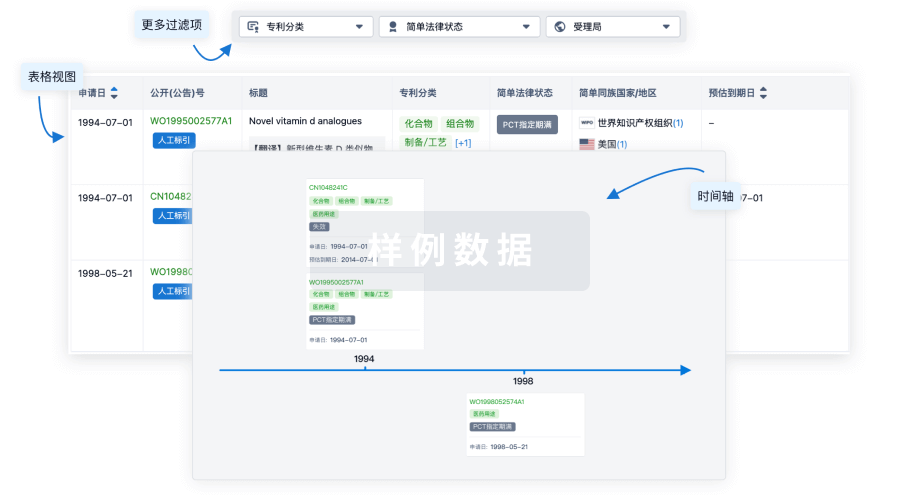
100 项与 MHY1485 相关的专利(医药)
登录后查看更多信息
245
项与 MHY1485 相关的文献(医药)2026-03-01·JOURNAL OF ETHNOPHARMACOLOGY
Prophylactic isoimperatorin protects against LPS-ALI via mTOR-dependent control of inflammation, oxidative stress and ferroptosis markers
Article
作者: Cui, Tianqi ; Zhao, Wenjun ; Xu, Like ; Zuo, Haojie ; Qiu, Min ; Chen, Tingting ; Yin, Liang ; Ke, Jia ; Wang, Qing ; Wang, Danna ; Wu, Xiaoqin ; Liu, Weiru ; Yang, Xiaoying ; Zhang, Yinliang ; Ma, Chenlu ; Cui, Zhiyi ; Zhang, Jiecheng ; Zhang, Ziyi ; Tang, Xi ; Xing, Zhiqun ; Li, Jiayu
ETHNOPHARMACOLOGICAL RELEVANCE:
Isoimperatorin (ISO) is a furanocoumarin from Angelica dahurica (Bai Zhi), traditionally used in TCM for respiratory complaints such as allergic asthma, sinusitis, and cough, with reported anti-inflammatory and antioxidant activities. Its role in acute lung injury (ALI), however, remains insufficiently defined.
AIM OF THE STUDY:
To elucidate ISO's protective efficacy and underlying mechanisms against LPS.
MATERIALS AND METHODS:
An LPS-induced ALI mouse model and LPS-stimulated RAW264.7 cells were used. ISO was administered prophylactically once daily for seven days before LPS challenge. Lung histopathology, cytokines (serum, BALF, lung tissue), and oxidative stress indices were assessed. Signaling pathways were examined by Western blot, immunohistochemistry, and qPCR. Target nomination employed RNA-seq, network pharmacology, molecular docking, and molecular dynamics; target engagement was evaluated by CETSA. Mechanistic dependence was tested by mTOR siRNA in vitro and pharmacologic activation with MHY1485 in vitro and in vivo.
RESULTS:
Prophylactic ISO protected against LPS-induced lung injury, attenuating histologic edema, lowering pro-inflammatory cytokines and oxidative markers, and enhancing antioxidant defenses. ISO suppressed TLR4/MyD88/NF-κB signaling, limited TXNIP/NLRP3 inflammasome activation, activated Keap1/Nrf2-associated antioxidant responses, and restored GPX4 together with iron-handling markers such as PCBP1 and SLC40A1, consistent with mitigation of ferroptosis-related markers. Integrative RNA-seq, network pharmacology, molecular docking, and molecular dynamics simulations converged on mTOR as a central node, and CETSA supported direct target engagement. mTOR knockdown phenocopied ISO's benefits, whereas MHY1485 abrogated them in vitro and in vivo.
CONCLUSION:
ISO protected against LPS-induced ALI under a prophylactic dosing protocol via mTOR-dependent signaling (predominantly mTORC1), thereby restraining inflammation, oxidative stress, and ferroptosis-related markers. These findings support ISO as a mechanistically informed prophylactic lead that warrants evaluation under post-insult therapeutic regimens.
2026-02-01·BIOGERONTOLOGY
Curcumin attenuates PM2.5-triggered pulmonary senescence via the mTOR/S6K1 signaling pathway
Article
作者: Liu, Xiaoju ; Liu, Kai ; Shi, Meng ; Zeng, Xiaoli ; Li, Xin
Exposure to fine particulate matter (PM2.5) triggers pulmonary inflammation and oxidative stress, which can lead to cellular senescence and a decline in lung function. Curcumin, a yellow polyphenol derived from the rhizome of Curcuma longa, is traditionally used to treat respiratory ailments. However, its potential to counteract PM2.5-induced pulmonary senescence remains underexplored. In this study, we established a murine model of PM2.5-triggered lung senescence and used BEAS-2B cells to investigate the mechanisms of curcumin. We assessed senescence markers (p16, p21, and senescence-associated β-galactosidase [SA-β-gal]) and evaluated pulmonary function. Levels of inflammatory cytokines (e.g., interleukin-1β [IL-1β], interleukin-6 [IL-6], and tumor necrosis factor-α [TNF-α]) and oxidative stress markers (e.g., malondialdehyde [MDA], superoxide dismutase [SOD], catalase [CAT], and reactive oxygen species [ROS]) were also measured. To elucidate the underlying mechanism, we examined the expression of proteins in the mammalian target of rapamycin (mTOR)/S6K1 pathway. PM2.5 exposure induced senescence, as shown by increased levels of p16, p21, and SA-β-gal, accompanied by impaired lung function. These changes coincided with elevated pro-inflammatory mediators and increased oxidative stress. PM2.5 exposure also activated the mTOR/S6K1 pathway. Curcumin treatment attenuated the senescence markers and improved lung function. It reduced oxidative stress (e.g., lowered MDA and ROS levels) and enhanced the activity of antioxidant enzymes (SOD and CAT). Curcumin also effectively inhibited mTOR/S6K1 signaling. However, its protective effects were diminished by MHY1485, an mTOR activator, which exacerbated senescence, inflammation, and oxidative stress. These findings suggest that curcumin alleviates PM2.5-induced pulmonary senescence, likely through a hormetic effect that inhibits excessive activation of the mTOR/S6K1 axis. This study highlights the translational potential of curcumin as a phytochemical intervention against PM2.5-associated respiratory damage.
2025-12-20·Nan fang yi ke da xue xue bao = Journal of Southern Medical University
[Hugan Decoction alleviates non-alcoholic fatty liver disease in rats by activating the AMPK/m-TOR signaling pathway and reducing lipid synthesis].
Article
作者: Chen, Ming ; Cui, Lihua ; Li, Wen ; Shang, Du
OBJECTIVES:
To explore therapeutic mechanism of Hugan Tang (Hugan Decoction, HGT) for alleviating non-alcoholic fatty liver disease (NAFLD) in rats.
METHODS:
Network pharmacology analysis was used to predict the active components of HGT against NAFLD and their potential targets, and the core targets were identified using the protein-protein interaction network, followed by GO and KEGG pathway enrichment analyses. A rat model of high-fat diet (HFD)-induced NAFLD was used to test the effects of saline, silymarin, and low-, moderate-, and high-dose HGT on serum levels of ALT, AST, LDL, LDH, TG and TC, liver histopathology, and protein and mRNA expressions of ACC1, FASN, AMPK and m-TOR. In free fatty acid (FFA)-induced HepG2 cells, the effects of blank and HGT-medicated sera, compound C (an AMPK inhibitor), and MHY1485 (a mTOR agonist) were tested on cell viability, intracellular lipid deposition, TC and TG levels, and expressions of ACC1, FASN, AMPK and m-TOR.
RESULTS:
We identified 130 active components in HGT, 267 common targets with NAFLD, and 53 core gene nodes, nearly half of which were involved in lipid metabolism. HGT treatment of NAFLD was closely associated with lipid and atherosclerosis signaling, insulin resistance signaling, and AMPK signaling. In rat models of NAFLD, HGT significantly alleviated liver injury and lipid accumulation, and suppressed mRNA and protein expressions of ACC1 and FASN. In FFA-induced HepG2 cells, HGT-medicated serum obviously reduced TG and TC levels and inhibited ACC1 and FASN mRNA and protein expressions. The results of in vitro and in vivo experiments both demonstrated that HGT activated the AMPK/mTOR signaling pathway by promoting p-AMPK expression and suppressing p-mTOR expression, and its regulatory effects on p-AMPK, p-mTOR, ACC1, and FASN were differentially modulated by compound C and MHY1485.
CONCLUSIONS:
HGT alleviates NAFLD in rats by activating the AMPK/m-TOR signaling pathway and reducing lipid synthesis.
2
项与 MHY1485 相关的新闻(医药)2025-12-05
食管癌是全球高发恶性肿瘤之一,其中食管鳞状细胞癌(ESCC)在中国尤为常见。目前晚期ESCC缺乏有效靶向治疗手段,患者5年生存率不足20%,临床亟需新策略。TROP2作为一种跨膜糖蛋白,在多种实体瘤中高表达,与不良预后相关,已成为ADC药物的重要靶点。此外,肿瘤细胞常依赖氧化磷酸化(OXPHOS) 维持能量代谢与耐药性,抑制OXPHOS成为潜在治疗方向。然而,TROP2靶向ADC与OXPHOS抑制剂联用是否可协同抗肿瘤,机制如何,尚未明确。
近日,来自赣南医学院的张书永教授团队,开展了一项从临床到基础的转化医学研究。该团队首先通过对222例ESCC患者组织的免疫组化分析,明确了TROP2在ESCC中的高表达谱;进而利用多种ESCC细胞系、患者来源类器官(PDXO)及异种移植(PDX)模型,首次系统评估了FDA已批准的TROP2-ADC药物IMMU132与选择性OXPHOS抑制剂IACS-010759联合使用的协同抗肿瘤效果。通过整合RNA测序、生物信息学分析与分子生物学实验,团队揭示了该联合策略通过抑制PI3K-AKT-mTOR信号通路、诱导线粒体凋亡与氧化应激而发挥协同作用的分子机制。这项研究不仅为TROP2阳性ESCC患者提供了一种极具前景的联合治疗新策略,也为针对肿瘤代谢脆弱性的ADC联合疗法提供了重要的临床前证据。
中文标题:靶向TROP2的ADC与氧化磷酸化抑制剂协同增强食管鳞状细胞癌凋亡并抑制PI3K-AKT-mTOR通路
期刊名称:Cell Death & Disease
影响因子:9.6
01
研究思路/流程
本研究采用“临床样本→细胞模型→类器官→动物模型”的递进式研究策略:
(1)临床样本分析:对222例ESCC患者组织进行免疫组化,评估TROP2表达。
(2)体外细胞实验:选用4种ESCC细胞系,评估IMMU132(TROP2-ADC)与IACS010759(OXPHOS抑制剂)单药及联用的细胞毒性、增殖、凋亡、迁移与侵袭能力。
(3)机制探索:通过RNA-seq、KEGG、GSEA等分析差异表达基因与信号通路;Western blot验证关键蛋白表达。
(4)类器官与动物模型验证:构建ESCC患者来源类器官(PDXO)与异种移植模型(PDX),验证联合治疗体内外协同抗肿瘤效果与安全性。
02
研究结果
✦ 确立治疗靶点:TROP2在ESCC中广泛高表达
本研究旨在开发针对ESCC的新靶向疗法。TROP2是ADC的一个有前景的靶点,但其在ESCC人群中的表达谱尚需大规模临床样本确认。
过程:研究者收集了222例ESCC患者的组织芯片,进行TROP2免疫组化(IHC)染色和定量分析。
结果:高达94.6%的样本呈TROP2阳性,其中超过一半(56.3%)表现为中度至强阳性。这从临床病理层面确立了TROP2作为ESCC治疗靶点的可行性,为后续使用TROP2-ADC(IMMU132)提供了根本依据。(图1A, 1B)
图1:IMMU132与IACS-010759单药对TROP2阳性ESCC细胞的体外抗增殖作用
A:222例ESCC肿瘤组织中TROP2表达强度的百分比分布,分为强、中、低、阴性四级。
B:代表性免疫组化图像显示TROP2在ESCC组织芯片中的四种染色强度(上排:25×,标尺=200μm;下排:400×,标尺=20μm)。
C-D:Western blot(C)和免疫荧光(D)检测ESCC细胞系中TROP2的表达水平(IF图像:400×,标尺=20μm)。
E-F:KYSE30、KYSE150、TE-12和KYSE410细胞分别经IMMU132(E)或IACS-010759(F)处理72小时后的细胞活力曲线及IC₅₀值。
G-H:使用IncuCyte S3活细胞成像系统监测ESCC细胞在IMMU132(G)或IACS(H)处理0-72小时内的增殖动态。
I-J:ATP检测试剂盒测定ESCC细胞经IMMU132(I)或IACS(J)处理后的细胞内ATP水平。数据以均值±SEM表示,*p < 0.05, **p < 0.01, ***p < 0.001。
✦ 单药活性评估:IMMU132与IACS-010759均能抑制ESCC细胞
在确定靶点后,需验证所选药物对ESCC细胞的单独杀伤效果。
过程:选取4株ESCC细胞系,用不同浓度的IMMU132(TROP2-ADC)和IACS-010759(OXPHOS抑制剂)处理,通过Cell Titer-Glo检测细胞活力,计算半数抑制浓度(IC50)。
结果:IMMU132对各细胞系均显示出强效抑制作用(IC50在0.54-6.68 µg/mL之间)。IACS-010759也表现出中度的抑制活性(IC50在0.009-6.65 µM之间)。实时活细胞成像(IncuCyte)和ATP检测进一步证实,两药均能剂量和时间依赖性地抑制细胞增殖和能量代谢。(图1C-J)
小结:上述研究表明,单药有效是联合治疗的基础。无论是靶向递送化疗药的ADC,还是干扰代谢的OXPHOS抑制剂,都能对ESCC细胞产生抗肿瘤效应,为探索二者联用能否产生“1+1>2”的效果埋下伏笔。
✦ 联合效应发现:两药联用产生强协同作用
临床常采用联合疗法以克服耐药、提高疗效。ADC与代谢抑制剂的联合是一个新兴策略。
过程:在KYSE30和KYSE150细胞中,将不同浓度的IMMU132与IACS-010759进行矩阵式组合处理,通过协同指数(CDI)和ZIP模型进行定量分析。
结果:几乎所有浓度组合都显示协同效应(CDI <1)。ZIP协同评分在最佳浓度组合(6 µg/mL IMMU132 + 6 µM IACS)下远大于10,表明强协同作用。EdU增殖实验、克隆形成实验和ATP测定均一致证实,联合组的抑制效果显著优于任一单药组。(图2A-H)
图2:IMMU132与IACS-010759联用在体外对ESCC细胞的协同抗肿瘤作用
A:KYSE30和KYSE150细胞经不同浓度IMMU132与IACS单独或联合处理72小时后的细胞活力热图,计算协同指数(CDI<1表示协同)。
B:使用SynergyFinder软件计算的ZIP协同评分热图,白色矩形标示最大协同区域(评分>10为强协同)。
C:IncuCyte实时监测联合处理对细胞增殖的协同抑制随时间变化。
D-E:Edu染色检测细胞增殖(红色为增殖细胞),显示联合处理显著抑制KYSE30(D)和KYSE150(E)细胞增殖(400×,标尺=20μm)。
F-G:克隆形成实验显示联合处理对KYSE30(F)和KYSE150(G)细胞集落形成的协同抑制作用。
H:ATP测定显示联合处理协同降低细胞内ATP水平。数据以均值±SEM表示,*p < 0.05, **p < 0.01, ***p < 0.001。
小结:体外实验首次明确揭示了“TROP2-ADC + OXPHOS抑制剂”的协同抗ESCC效应,并确定了后续机制研究的最佳药物浓度。
✦ 表型机制初探:联用诱导凋亡、抑制转移并引发氧化应激
明确了协同效应后,需探究这种协同是如何实现的——是导致细胞死亡,还是抑制其恶性行为?
过程:
凋亡检测:使用Annexin V/PI流式细胞术。
迁移侵袭检测:使用Transwell小室(侵袭实验需预铺Matrigel)。
氧化应激检测:使用DCFH-DA荧光探针检测活性氧(ROS)。
线粒体功能检测:同时检测caspase-3活性和线粒体膜电位。
结果:联合治疗显著增加早期和晚期凋亡细胞比例,更强地抑制细胞的迁移和侵袭能力,协同提升细胞内ROS水平,有效地激活caspase-3并破坏线粒体膜电位,表明线粒体途径的凋亡被深度激活。(图3A-L)
图3:IMMU132联合IACS-010759协同诱导线粒体凋亡并抑制ESCC细胞运动能力
A-B:流式细胞术检测Annexin V/PI染色显示联合处理显著增加KYSE30(A)和KYSE150(B)细胞的凋亡比例。
C-F:Transwell实验显示联合处理对KYSE30(C, E)和KYSE150(D, F)细胞迁移(C-D)与侵袭(E-F)的协同抑制作用(标尺=250μm)。
G-J:DCFH-DA荧光探针检测ROS水平。荧光显微镜图像(G-H)显示联合处理增加ROS(绿色荧光);流式细胞术定量分析(I-J)进一步验证。
K-L:Caspase-3活性(绿色)与线粒体膜电位(红色)共检测。联合处理显著增强caspase-3活性并降低膜电位,表明线粒体凋亡通路被激活(标尺=100μm)。数据以均值±SEM表示,*p < 0.05, **p < 0.01, ***p < 0.001。
小结:研究将协同效应与具体的细胞死亡(凋亡)和恶性表型(转移)抑制联系起来,并指出氧化应激和线粒体功能障碍可能是关键环节。
✦ 分子机制深挖:RNA-seq揭示对OXPHOS和PI3K-AKT-mTOR通路的双重抑制
表型变化背后必有基因和信号通路的改变。需要全局性、无偏倚地探索联合治疗作用的分子网络。
过程:对经联合处理的KYSE30细胞进行RNA测序(RNA-seq),并进行生物信息学分析(KEGG、GO、GSEA)。
结果:
OXPHOS通路下调:与单药或对照组相比,联合处理细胞中OXPHOS通路相关基因(涉及电子传递链所有五个复合物)被显著下调。GSEA分析也证实“氧化磷酸化”、“ATP合成过程”等基因集被强烈负向富集。(图4)
图4:RNA-seq分析揭示联合处理导致ESCC细胞依赖OXPHOS
A:主成分分析(PCA)显示对照组、单药组及联合处理组样本的基因表达差异。
B:热图展示联合处理组中下调最显著的50个基因。
C:韦恩图显示各处理组与对照组相比的差异表达基因(DEGs)数量及重叠情况。
D:火山图展示联合处理组与对照组之间的DEGs(上调:红色;下调:绿色)。
E-F:示意图(E)及KEGG通路富集分析(F)显示OXPHOS通路及相关电子传递链复合物基因被显著下调。
G:GO富集分析显示DEGs在氧化磷酸化、ATP合成、线粒体内膜组织等生物学过程中显著富集。
H:GSEA分析证实“氧化磷酸化”、“ATP合成过程”及“线粒体内膜”基因集在联合处理组中显著负向富集。
关键致癌通路被抑制:KEGG和GSEA分析共同显示,PI3K-AKT-mTOR信号通路在联合处理后受到显著抑制。同时,细胞周期、上皮-间质转化(EMT)等相关通路也被下调。
蛋白水平验证:Western blot证实,联合处理能更有效地降低p-AKT(Ser473)和p-mTOR(Ser2448) 等关键磷酸化蛋白水平,并下调凋亡抑制蛋白和EMT标志物。(图5)
图5:IMMU132与IACS-010759联合处理影响癌症相关信号通路
A:KEGG通路富集分析展示联合处理组DEGs显著富集的信号通路,如PI3K-AKT-mTOR、p53、MAPK等。
B:GSEA分析(使用MSigDB hallmark基因集)展示联合处理后显著富集的通路。
C:GSEA曲线显示p53通路和缺氧信号通路被正向富集。
D:GSEA曲线显示PI3K/AKT/mTOR信号、mTORC1信号、脂肪酸代谢等通路被负向富集。
E-H:Western blot验证联合处理下调PI3K-AKT-mTOR通路关键蛋白(p-AKT, p-mTOR)、凋亡相关蛋白及上皮-间质转化(EMT)标志物在KYSE30(E, G)和KYSE150(F, H)细胞中的表达。数据以均值±SEM表示,*p < 0.05, **p < 0.01, ***p < 0.001。
小结:机制研究取得核心发现:联合治疗的协同效应并非偶然,其分子基础在于同时打击了肿瘤细胞的“能量工厂”(OXPHOS)和“生长司令部”(PI3K-AKT-mTOR通路)。这为理解协同性提供了清晰的信号轴。
✦ 机制验证:mTOR是协同作用的关键枢纽
生物信息学分析提示mTOR是关键节点,需要遗传学和药理学实验进行功能验证。
过程:
基因敲低:使用siRNA敲低ESCC细胞中的mTOR基因。
药理学干预:使用mTOR抑制剂(雷帕霉素)和激活剂(MHY1485)。
结果:敲低mTOR能模拟联合治疗的效果,进一步增强联合用药对细胞活力的抑制和凋亡的诱导。加入雷帕霉素能增强IMMU132或IACS单药乃至两药联用的效果。加入MHY1485则能部分逆转联合治疗带来的生长抑制。(图6A-G)
图6:mTOR敲低抑制ESCC细胞生长并诱导凋亡
A:Western blot验证siRNA有效敲低KYSE30和KYSE150细胞中的mTOR蛋白。
B-C:mTOR敲低细胞经药物处理后,Western blot检测mTOR和S6蛋白及其磷酸化水平。
D:Cell Titer-Glo检测显示联合处理在mTOR敲低细胞中仍具有强生长抑制活性。
E-F:流式细胞术显示联合处理在mTOR敲低细胞中诱导更强的凋亡。
G:雷帕霉素(mTOR抑制剂)增强而MHY1485(mTOR激活剂)逆转联合处理的抗增殖效果。数据以均值±SEM表示,*p < 0.05, **p < 0.01, ***p < 0.001。
小结:这一部分通过“增益”和“失活”实验,确凿证明了mTOR信号的下调是联合治疗产生协同效应的必要条件和关键执行环节,将机制从相关性推向因果性。
✦ 转化模型验证(一):在患者来源类器官(PDXO)中再现协同疗效
细胞系模型无法完全模拟患者肿瘤的异质性和三维结构。需要更接近临床的模型验证。
过程:从ESCC PDX小鼠模型肿瘤组织培养出PDXO,并通过H&E和IHC验证其保留了原发肿瘤的组织学特征和TROP2表达。随后在PDXO中进行药物处理。
结果:PDXO模型成功构建。联合治疗在ESCC-241-O和ESCC-291-O两个PDXO模型中,均表现出比单药更强、时间依赖性的生长抑制。(图7A-G)
图7:IMMU132联合IACS-010759对ESCC PDX来源类器官的协同抗肿瘤作用
A:ESCC PDX来源类器官(PDXO)构建与药物筛选流程示意图。
B:ESCC-241-O和ESCC-291-O类器官的明场图像(标尺=300μm)。
C:H&E染色显示PDXO保留了原发肿瘤及PDX组织的异质性形态(400×,标尺=20μm)。
D-E:IHC染色显示PDXO与原发肿瘤、PDX组织在CK5/6、P63(D)和TROP2(E)表达上的一致性(蓝色为DAPI核染,400×,标尺=20μm)。
F:IncuCyte动态监测显示联合处理对两种PDXO的生长具有时间依赖性的协同抑制。
G:处理144小时后PDXO的明场图像,直观展示联合处理的抑制效果(标尺=300μm)。数据以均值±SEM表示,*p < 0.05, **p < 0.01, ***p < 0.001。
小结:在更接近人体肿瘤微环境的离体模型中验证了协同效应,增强了研究发现的临床相关性,并为后续选择体内实验模型提供了指导。
✦ 转化模型验证(二):在多种PDX活体模型中证实强效且安全
最终疗效和安全性必须在活体动物模型中评估。不同患者肿瘤对治疗反应可能不同,需在多个模型中进行测试。
过程:在三个不同的ESCC PDX模型(ESCC-241, -266, -291)荷瘤小鼠中,分别设置对照组、IMMU132单药组、IACS单药组和联合治疗组,监测肿瘤体积、小鼠体重及器官毒性。
结果:
强效抑瘤:在三个模型中,联合治疗的肿瘤生长抑制率(TGI)均最高,尤其在ESCC-266模型中达到94.2%,且疗效显著优于单药。
机制一致:对瘤组织的IHC分析显示,联合组Ki67(增殖标志)降低,cleaved caspase-3(凋亡标志)升高,与体外发现一致。TROP2表达未因治疗改变,说明疗效依赖其基础表达。
安全性良好:治疗期间小鼠体重稳定,心、肝、脾、肺、肾等重要器官未见明显病理损伤,血清肝肾功能指标(ALT, AST, BUN, Cr)均在正常范围。(图8A-J)
图8:联合治疗在PDX模型中抑制ESCC肿瘤生长
A:体内实验设计示意图,展示给药方案(IMMU132:静脉注射,每周一次;IACS:灌胃,每周五次)。
B-D:联合治疗在ESCC-241(B)、ESCC-266(C)和ESCC-291(D)三种PDX模型中均表现出最强的肿瘤生长抑制效果(TGI最高达94.2%)。
E:IHC染色显示各组肿瘤组织中TROP2表达水平未因治疗而改变。
F-j:IHC染色定量分析显示,联合治疗组肿瘤中增殖标志物Ki67表达显著降低(F-G),而凋亡标志物cleaved caspase-3表达显著升高(H-j)(400×,标尺=20μm)。数据以均值±SEM表示,*p < 0.05, **p < 0.01, ***p < 0.001。
小结:这是最终也是最有力的证据,表明“IMMU132 + IACS-010759”联合方案在模拟患者肿瘤的活体环境中不仅高效,而且耐受性良好,具备了向临床推进的坚实临床前基础。
本研究始于一个明确的临床问题(ESCC缺药),通过临床样本锁定靶点,在细胞水平发现并验证了新的联合策略及其协同机制(打击PI3K-AKT-mTOR和OXPHOS),随后在类器官和PDX动物模型中层层推进,最终在活体水平证实了该策略的强效性与安全性,并初步探索了其精准化应用的潜在标志物。整个研究证据链完整、逻辑环环相扣,从基础到转化,为这种联合疗法进入临床试验提供了强有力的科学依据。
03
总结与展望
本项研究将ADC靶向治疗与肿瘤代谢干预这两个前沿领域紧密联结。其意义不仅在于为ESCC患者带来了新的希望,更在于它示范了一种理性的联合治疗开发范式:即基于肿瘤的分子特征(TROP2高表达)和代谢弱点(OXPHOS依赖),设计具有协同机制的药物组合。
随着未来转化研究的深入,这种策略有望从ESCC出发,最终惠及更广泛的癌症患者,推动肿瘤治疗进入更精准、更高效的“组合拳”时代。
参考文献Liu X, Liu J, Zhou Y, Li M, Wang F, Jiang G, Xiao Y, Cui W, Jiang M, Gu L, Zhang Z, Zheng Y, Zhang S. A TROP2-targeting ADC synergizes with oxidative phosphorylation inhibitor to enhance apoptosis in ESCC by suppressing the PI3K-AKT-mTOR signaling pathway. Cell Death Dis. 2025 Dec 1. doi: 10.1038/s41419-025-08278-5. Epub ahead of print. PMID: 41326355.
扫描添加小助手获取原文
A
BOUT Ark Future
关于方舟未来
Ark Future方舟未来生命科学(上海)有限公司是一家专注于类器官技术、基因编辑及细胞治疗研发与应用的创新型生物科技企业。公司以“生命方舟,健康未来”为愿景,致力于成为全球领先的疾病模型构建与个性化治疗方案服务商。
Ark Future构建了集成类器官、基因编辑与细胞治疗技术的综合性研发平台,已成功建立覆盖视网膜、心脏、消化道、肝脏、肺部、乳腺、前列腺、睾丸等数十种组织来源的类器官模型库,涵盖数百例源自肿瘤及正常组织的生物样本,搭建了覆盖科研探索、药物研发与临床精准医疗的全链条业务体系,为科研机构、医药企业及医疗机构提供标准化产品与定制化解决方案。
公司高度重视研发创新与知识产权保护,目前已累计申请10余项国内发明专利与实用新型专利。同时,Ark Future积极构建产业生态,已与国内外数家顶尖药企、知名科研机构及三甲医院建立深度战略合作,共同推动类器官技术在多个领域的标准化与临床应用。
Ark Future以创新为引擎,以疾病模型与治疗服务为双翼,持续推动类器官技术在药物研发、精准医疗与再生医学等领域的产业化进程,携手全球合作伙伴,共同驶向生命科学的未来。
公司地址:上海市浦东新区金科路4218号诺华上海园区4号楼
邮箱:service@arkfuture.com.cn
电话:400-668-8274
官网:www.arkfuture.com.cn
END
编辑丨月亮
排版丨舟舟
审核丨舟舟
往期推荐:
告别盲目用药!类器官模型成功指导直肠癌个性化放化疗,精准度超93%
Nature Biomedical Engineering丨新型“智能凝胶”成功实现中风后脑再生
Nature综述 | Hans Clevers团队:类器官重塑药物研发全流程
Nature Aging丨一次CAR-T注射,逆转肠道衰老!
科学十字路口的抉择:CDC终止猴子研究,动物模型的功过与未来何去何从?
重磅突破:体外“造精”成为可能!新型睾丸类器官成功支持减数分裂
2025-10-30
一、引言
类风湿关节炎(RA)是一种自身免疫性疾病,其发病与遗传、环境等多种因素相关。局部滑膜炎症反应和进行性骨侵蚀是类风湿关节炎的主要临床表现,而成纤维样滑膜细胞(FLS)的侵袭和巨噬细胞炎症激活是导致关节损伤的主要原因。类风湿关节炎成纤维样滑膜细胞(RA-FLS)具有增殖性、侵袭性表型及自主致病特征。此外,类风湿关节炎滑膜组织中存在大量滑膜巨噬细胞(SMs),这些细胞不仅以M1型表型为主,还可与成纤维样滑膜细胞、单核细胞及破骨细胞相互作用,促进TNF-α、IL-1、IL-6等促炎细胞因子的分泌。目前,尽管靶向治疗和免疫治疗显著改善了类风湿关节炎患者的预后,但类风湿关节炎的发病率、致残率和死亡率仍逐年上升,给患者和社会带来沉重负担。因此,明确成纤维样滑膜细胞和巨噬细胞影响类风湿关节炎发展的潜在机制、挖掘类风湿关节炎治疗新靶点并筛选有效治疗药物,具有重要临床意义。
已有研究表明,遗传和表观遗传因素均可影响类风湿关节炎的发生。其中,N6-甲基腺苷(m⁶A)修饰异常与类风湿关节炎的进展相关,但目前m⁶A修饰在类风湿关节炎中的作用尚不明确。多项研究报道,m⁶A修饰在B细胞、巨噬细胞、T细胞等多种免疫细胞中发挥作用,且多种m⁶A修饰相关酶参与调控滑膜细胞和巨噬细胞的生物学过程。前期研究发现,胰岛素样生长因子2mRNA结合蛋白3(IGF2BP3)与滑膜增生及巨噬细胞M1型极化密切相关,提示IGF2BP3可能成为类风湿关节炎治疗干预的潜在靶点。因此,筛选能靶向滑膜细胞或巨噬细胞中IGF2BP3、进而抑制细胞增殖和炎症激活的小分子化合物,或可为类风湿关节炎治疗提供新方向。然而,基于m⁶A修饰的药物研发十分有限,尽管研究人员已发现m⁶A修饰去甲基化酶(脂肪量和肥胖相关蛋白,FTO)的抑制剂,但其疗效仍需临床前研究证实。目前,临床上尚无针对m⁶A修饰酶的类风湿关节炎治疗药物。
雷公藤具有祛风除湿、消肿止痛、通经活络、清热解毒之功效。多项研究表明,雷公藤可减轻类风湿关节炎患者关节僵硬、肿胀和疼痛症状,改善关节功能,提高握力,并降低红细胞沉降率(ESR)和类风湿因子(RF)水平。现代药理学研究也证实,雷公藤具有较强的免疫调节、抗炎及抗肿瘤活性。目前,雷公藤已被广泛用于类风湿关节炎治疗,但其作用机制尚未明确。雷公藤红素(CEL)是雷公藤的主要活性成分之一,具有较强的抗氧化、抗癌、抗血管生成、抗类风湿等作用。目前已有不少关于雷公藤红素缓解类风湿关节炎机制的研究报道,例如,雷公藤红素可抑制ROS-NF-κB轴,参与调控NOD样受体热蛋白结构域相关蛋白3(NLRP3)炎症小体,从而减轻胶原诱导性关节炎(CIA)大鼠的关节肿胀和炎症细胞浸润;还可减少滑膜增生和炎症细胞因子释放,缓解小鼠关节炎症状。然而,由于毒性和副作用问题,雷公藤红素的临床应用受到严重限制。因此,深入探究雷公藤红素的作用靶点及其缓解类风湿关节炎的机制,对推动中医药现代化具有重要意义。
鉴于IGF2BP3在滑膜增生和巨噬细胞M1型极化中的关键作用,本研究通过分子对接和表面等离子体共振(SPR)分析筛选靶向IGF2BP3的小分子化合物。结果显示,雷公藤红素能与IGF2BP3紧密结合并降低其表达水平;此外,雷公藤红素可降低胶原诱导性关节炎大鼠滑膜组织中IGF2BP3和RASGRF1的表达。IGF2BP3基因敲除关节炎小鼠实验进一步证实,雷公藤红素对关节炎的保护作用依赖于IGF2BP3。这些研究结果为阐明类风湿关节炎的分子机制提供了新的有价值见解,并提示雷公藤红素等IGF2BP3抑制剂应得到临床关注。
二、研究结果
1.IGF2BP3是雷公藤红素的直接作用靶点
前期研究中,于是分析了19种m⁶A甲基化调控因子在类风湿关节炎中的作用,发现IGF2BP3不仅对类风湿关节炎具有重要诊断价值,还参与调控滑膜增生和巨噬细胞M1型极化。因此,筛选靶向IGF2BP3的小分子化合物对类风湿关节炎治疗具有临床意义。本研究通过表面等离子体共振分析,检测IGF2BP3与雷公藤红素、雷公藤甲素、美迪紫檀素、姜黄素、葫芦素B、表没食子儿茶素等具有类风湿关节炎治疗潜力的小分子化合物之间的结合能力。结果显示,雷公藤红素与IGF2BP3具有较强的结合能力,解离常数(KD)为1.65μM(图1A、B)。
为进一步明确IGF2BP3是否为雷公藤红素的作用靶点,本研究通过分子对接评估二者的结合分数,结果显示雷公藤红素与IGF2BP3具有较高的结合亲和力[雷公藤红素-IGF2BP3(PDBID:6FQR):-10.65kcal/mol;雷公藤红素-IGF2BP3(PDBID:6GQE):-7.82kcal/mol。雷公藤红素与IGF2BP3的结合构象和结合位点如图1C所示。图1D显示,雷公藤红素与IGF2BP3(PDBID:6FQR)在ARG-133、LYS-76和ARG-77位点结合;雷公藤红素与IGF2BP3(PDBID:6GQE)在VAL-231和SER-227位点结合。
为更全面、准确地了解雷公藤红素与IGF2BP3的结合过程,本研究对二者进行了分子动力学(MD)模拟。结果显示,雷公藤红素/IGF2BP3(PDBID:6GQE)和雷公藤红素/IGF2BP3(PDBID:6FQR)的主链均方根偏差(RMSD)值趋于收敛,表明整个系统达到平衡状态;回转半径曲线也显示对接复合物结构趋于稳定;分子动力学模拟前后复合物构象相似。
为在完整体系中验证雷公藤红素与IGF2BP3的相互作用,本研究采用生物素标记的雷公藤红素(Bio-CEL)进行实验。免疫荧光共定位分析显示,生物素标记的雷公藤红素与IGF2BP3可直接结合(图1E、F);同时,对类风湿关节炎成纤维样滑膜细胞和RAW264.7细胞裂解液进行pull-down assay,结果显示生物素标记的雷公藤红素可与两种细胞裂解液中的IGF2BP3蛋白结合(图1G、H)。此外,基于类风湿关节炎滑膜组织裂解液下拉实验的蛋白质组学分析也显示,生物素标记的雷公藤红素可与IGF2BP3蛋白结合。
图1 雷公藤红素作为靶向IGF2BP3小分子化合物的发现。(A、B)表面等离子体共振分析显示IGF2BP3与雷公藤红素具有较强的结合能力。(C、D)雷公藤红素与IGF2BP3(6FQR)的三维(C)和二维(D)结合构象。(E、F)荧光显微镜观察显示生物素标记的雷公藤红素与IGF2BP3共定位。(G、H)生物素标记的雷公藤红素在类风湿关节炎成纤维样滑膜细胞和RAW264.7细胞中与IGF2BP3相互作用。
综上,上述结果表明雷公藤红素可直接靶向IGF2BP3,并降低类风湿关节炎成纤维样滑膜细胞和RAW264.7细胞中IGF2BP3的表达水平。
2.雷公藤红素可降低IGF2BP3表达,抑制滑膜增生和巨噬细胞M1型极化
鉴于IGF2BP3在抑制滑膜增生和巨噬细胞M1型极化中的作用,本研究进一步探究雷公藤红素在类风湿关节炎成纤维样滑膜细胞和巨噬细胞中的作用。CCK-8实验结果显示,在0-300nM浓度范围内,雷公藤红素对类风湿关节炎成纤维样滑膜细胞无细胞毒性;此外,雷公藤红素可降低类风湿关节炎成纤维样滑膜细胞中IGF2BP3的蛋白表达水平(图2A)。本研究选择300nM或600nM浓度的雷公藤红素,探究其对类风湿关节炎成纤维样滑膜细胞增殖和炎症反应的抑制作用。为模拟类风湿关节炎中的慢性炎症和组织破坏环境,本研究采用10ng/mL TNF-α处理类风湿关节炎成纤维样滑膜细胞。结果显示,雷公藤红素可显著抑制类风湿关节炎成纤维样滑膜细胞的划痕愈合能力(图2B)和迁移能力(图2C),并抑制F-肌动蛋白聚合。TUNEL染色和AnnexinV-FITC/PI染色结果显示,雷公藤红素可促进类风湿关节炎成纤维样滑膜细胞凋亡;此外,雷公藤红素可增加类风湿关节炎成纤维样滑膜细胞中G2/M期细胞比例,可能导致细胞周期G2/M期阻滞。同时,雷公藤红素可显著降低TNF-α、IL-17和基质金属蛋白酶3的表达水平(图2D),并减少成纤维样滑膜细胞中IL-6的分泌(图2E)。上述结果表明,雷公藤红素在类风湿关节炎成纤维样滑膜细胞的增殖、迁移、侵袭及炎症细胞因子释放过程中发挥重要作用。
图2 雷公藤红素抑制类风湿关节炎成纤维样滑膜细胞增殖和巨噬细胞M1型极化(A)雷公藤红素处理24小时后类风湿关节炎成纤维样滑膜细胞中IGF2BP3的蛋白表达水平。(B、C)雷公藤红素处理24小时后类风湿关节炎成纤维样滑膜细胞划痕愈合实验(B)和Transwell实验(C)定量分析结果。(D)雷公藤红素处理24小时对类风湿关节炎成纤维样滑膜细胞中TNF-α、IL-17和基质金属蛋白酶3表达的影响。(E)类风湿关节炎成纤维样滑膜细胞分泌IL-6的含量。(F)雷公藤红素处理后RAW264.7细胞中IGF2BP3的蛋白表达水平。(G)RAW264.7细胞中诱导型一氧化氮合酶和NLRP3的mRNA表达水平。(H)雷公藤红素处理24小时后RAW264.7细胞分泌TNF-α和IL-6的含量。
接下来,本研究进一步探究雷公藤红素对LPS诱导的RAW264.7细胞炎症反应的抑制作用。CCK-8实验结果显示,0-150nM浓度的雷公藤红素对RAW264.7细胞无显著细胞毒性;同时,雷公藤红素可降低RAW264.7细胞中IGF2BP3的蛋白表达水平(图2F)。本研究选择150nM或300nM浓度的雷公藤红素,探究其对LPS诱导的RAW264.7细胞的作用。为模拟类风湿关节炎中的固有免疫反应和急性炎症环境,本研究采用200ng/mLLPS处理RAW264.7细胞。结果显示,雷公藤红素可降低诱导型一氧化氮合酶、NLRP3等炎症标志物的mRNA表达水平(图2G),并减少TNF-α和IL-6的分泌(图2H)。此外,LPS可增加CD86+M1型巨噬细胞比例并促进活性氧生成,而雷公藤红素可部分逆转这些效应。已有研究发现,活性氧过量生成与NLRP3炎症小体激活、炎症因子成熟分泌及M1型巨噬细胞极化密切相关。综上,上述结果表明雷公藤红素可通过减少活性氧生成,从而减轻巨噬细胞炎症反应。
上述结果提示,雷公藤红素在抑制滑膜细胞增殖和巨噬细胞炎症反应方面的作用与IGF2BP3小干扰RNA(siIGF2BP3)相似,表明雷公藤红素可能通过靶向IGF2BP3发挥作用。
3. 雷公藤红素缓解胶原诱导性关节炎大鼠关节炎进展并降低IGF2BP3表达
本研究采用胶原诱导性关节炎大鼠模型,评估雷公藤红素对关节炎的缓解作用及对IGF2BP3表达的抑制作用。实验大鼠分为雷公藤红素高剂量组(1mg/kg,CEL_H)、雷公藤红素低剂量组(0.5mg/kg,CEL_L),阳性对照组每日灌胃给予甲氨蝶呤。结果显示,雷公藤红素可显著降低关节炎评分、足爪厚度和关节肿胀程度;此外,雷公藤红素可改善骨损伤,抑制滑膜炎症浸润和滑膜细胞增殖,表明雷公藤红素对胶原诱导性关节炎大鼠具有较好的治疗效果(图3A、B)。同时,雷公藤红素可降低脾脏中CD45+CD11b+CD86+细胞比例,并降低血浆中IL-6和TNF-α含量。上述结果表明,雷公藤红素可缓解胶原诱导性关节炎大鼠的类风湿关节炎进展。更重要的是,雷公藤红素处理组大鼠中IGF2BP3的表达水平显著降低,进一步提示雷公藤红素在体内可通过靶向IGF2BP3缓解类风湿关节炎进展(图3C、D)。
2.4 IGF2BP3是雷公藤红素抑制类风湿关节炎成纤维样滑膜细胞增殖并促进其自噬的直接靶点
前期研究发现,在IGF2BP3介导的类风湿关节炎成纤维样滑膜细胞增殖促进和自噬抑制过程中,RASGRF1介导的mTORC1激活发挥关键作用。有趣的是,雷公藤红素可降低胶原诱导性关节炎大鼠踝关节中RASGRF1的表达,表明雷公藤红素参与调控IGF2BP3的下游靶点(图3E、F)。
图3雷公藤红素减轻胶原诱导性关节炎大鼠骨损伤和炎症浸润并抑制IGF2BP3表达。(A)不同处理组胶原诱导性关节炎大鼠踝关节苏木精-伊红染色和番红O-固绿染色代表性组织学图像。(B)炎症评分统计结果。(C、D)胶原诱导性关节炎大鼠滑膜组织中IGF2BP3免疫组化染色代表性图像(D)及评分(C)。(E、F)胶原诱导性关节炎大鼠滑膜组织中RASGRF1免疫组化染色代表性图像(F)及评分(E)
为进一步明确雷公藤红素对IGF2BP3下游靶点的影响,本研究进行体外实验。蛋白质印迹分析结果显示,TNF-α可增加IGF2BP3和RASGRF1的表达,促进ULK1和S6K的磷酸化,并抑制自噬,而雷公藤红素可逆转这些效应(图4A);mCherry-GFP-LC3标记结果也显示,雷公藤红素可促进自噬(图4B)。免疫荧光染色显示,RASGRF1(红色)与IGF2BP3(绿色)存在共定位,表明二者表达相关;此外,TNF-α可增加IGF2BP3和RASGRF1的表达,而雷公藤红素可逆转这一效应。上述结果表明,雷公藤红素可调控IGF2BP3的下游信号通路。
为进一步明确IGF2BP3在雷公藤红素抑制细胞增殖和促进自噬过程中的关键作用,本研究在类风湿关节炎成纤维样滑膜细胞中过表达IGF2BP3并给予雷公藤红素刺激。蛋白质印迹分析结果显示,雷公藤红素可显著降低RASGRF1的表达,抑制ULK1和S6K的磷酸化,并促进自噬,而IGF2BP3过表达可逆转这些效应(图4C);共聚焦显微镜观察显示,雷公藤红素刺激可显著促进类风湿关节炎成纤维样滑膜细胞的自噬流,而IGF2BP3过表达可部分降低自噬流(图4D)。此外,雷公藤红素可显著抑制成纤维样滑膜细胞的划痕愈合、迁移和侵袭能力,并抑制F-肌动蛋白聚合(图4E);AnnexinV-FITC/PI染色和TUNEL染色结果显示,雷公藤红素可促进细胞凋亡,而IGF2BP3过表达可逆转上述效应。流式细胞术结果显示,雷公藤红素刺激可增加G2/M期细胞比例,而IGF2BP3过表达可部分逆转这一效应。同时,IGF2BP3过表达可逆转雷公藤红素诱导的TNF-α、IL-17和基质金属蛋白酶3表达降低(图4F)。上述结果表明,IGF2BP3在雷公藤红素抑制类风湿关节炎成纤维样滑膜细胞侵袭和促进其自噬过程中发挥关键作用。
此外,本研究通过转染靶向IGF2BP3的小干扰RNA(siRNA)进一步验证。结果显示,在TNF-α诱导的类风湿关节炎成纤维样滑膜细胞中,IGF2BP3缺失可降低IGF2BP3、RASGRF1、p62、p-ULK1/ULK1和p-S6K/S6K的水平,而添加雷公藤红素未产生更显著的效果。综上,雷公藤红素至少部分通过调控IGF2BP3,抑制类风湿关节炎成纤维样滑膜细胞的增殖、迁移、侵袭和炎症细胞因子释放,并促进其自噬。
图4 IGF2BP3是雷公藤红素抑制类风湿关节炎成纤维样滑膜细胞增殖、炎症细胞因子释放并促进其自噬的直接靶点(A)蛋白质印迹分析显示TNF-α或雷公藤红素处理后类风湿关节炎成纤维样滑膜细胞中ULK1、磷酸化ULK1、S6K、磷酸化S6K、RASGRF1、IGF2BP3、p62和微管相关蛋白轻链3的水平。(B)荧光显微镜观察显示TNF-α或雷公藤红素处理后表达mCherry-GFP-微管相关蛋白轻链3的类风湿关节炎成纤维样滑膜细胞。(C)蛋白质印迹分析显示TNF-α、雷公藤红素或IGF2BP3过表达处理后类风湿关节炎成纤维样滑膜细胞中ULK1、磷酸化ULK1、S6K、磷酸化S6K、RASGRF1、IGF2BP3、p62和微管相关蛋白轻链3的水平。(D)荧光显微镜观察显示TNF-α、雷公藤红素或IGF2BP3过表达处理后表达mCherry-GFP-微管相关蛋白轻链3的类风湿关节炎成纤维样滑膜细胞。(E)类风湿关节炎成纤维样滑膜细胞中F-肌动蛋白的表达。(F)TNF-α、雷公藤红素或IGF2BP3过表达处理后类风湿关节炎成纤维样滑膜细胞中TNF-α、IL-17和基质金属蛋白酶3的mRNA表达水平。
5. 雷公藤红素通过抑制IGF2BP3减轻巨噬细胞M1型极化和炎症激活(自噬介导)
接下来,本研究探究雷公藤红素对巨噬细胞中IGF2BP3下游靶点的影响。已有研究发现,IGF2BP3通过RASGRF1介导的mTORC1激活促进巨噬细胞M1型极化,因此本研究检测了雷公藤红素对RASGRF1、mTORC1和自噬的影响。
蛋白质印迹分析结果显示,LPS可增加RAW264.7细胞中IGF2BP3、RASGRF1和炎症标志物(NLRP3、诱导型一氧化氮合酶)的表达,促进ULK1和S6K的磷酸化,并抑制自噬,而雷公藤红素可逆转这些效应(图5A)。免疫荧光染色显示,RASGRF1(红色)与IGF2BP3(绿色)存在明显共定位,表明二者表达相关;此外,LPS可增加RAW264.7细胞中IGF2BP3和RASGRF1的表达,而雷公藤红素可逆转这一效应。共聚焦显微镜观察显示,雷公藤红素可促进自噬;透射电镜分析显示,LPS可减少RAW264.7细胞中自噬溶酶体数量,而雷公藤红素可增加自噬溶酶体数量。在THP-1细胞中,LPS也可显著增加IGF2BP3、RASGRF1和炎症标志物(NLRP3、诱导型一氧化氮合酶)的表达,促进ULK1和S6K的磷酸化,并抑制自噬,而雷公藤红素同样可逆转这些效应。综上,上述结果表明雷公藤红素可调控巨噬细胞中IGF2BP3的下游靶点。
为进一步明确IGF2BP3在雷公藤红素减轻巨噬细胞M1型极化过程中的关键作用,本研究在RAW264.7细胞中过表达IGF2BP3并给予雷公藤红素刺激。结果显示,雷公藤红素可显著降低RASGRF1和炎症标志物(NLRP3、诱导型一氧化氮合酶)的表达,抑制ULK1和S6K的磷酸化,并促进自噬,而IGF2BP3过表达可逆转这些效应(图5B);共聚焦显微镜观察显示,IGF2BP3过表达可逆转雷公藤红素刺激引起的自噬流增加(图5C)。同时,IGF2BP3过表达可逆转雷公藤红素诱导的CD86+M1型巨噬细胞比例降低和活性氧生成减少(图5D、E)。上述结果表明,雷公藤红素通过促进自噬减轻炎症激活,且这一过程与IGF2BP3相关。
此外,本研究通过转染靶向IGF2BP3的小干扰RNA进一步验证。结果显示,在LPS诱导的RAW264.7细胞中,IGF2BP3缺失可降低IGF2BP3、RASGRF1、诱导型一氧化氮合酶、NLRP3、p62、p-ULK1/ULK1和p-S6K/S6K的水平,而添加雷公藤红素未产生更显著的效果。综上,雷公藤红素至少部分通过调控IGF2BP3促进巨噬细胞自噬,从而减轻炎症激活。
图5 雷公藤红素通过抑制IGF2BP3减轻巨噬细胞炎症激活(A)蛋白质印迹分析显示LPS或雷公藤红素处理后RAW264.7细胞中ULK1、磷酸化ULK1、S6K、磷酸化S6K、NLRP3、诱导型一氧化氮合酶、RASGRF1、IGF2BP3、p62和微管相关蛋白轻链3的水平。(B)蛋白质印迹分析显示LPS、雷公藤红素或IGF2BP3过表达处理后RAW264.7细胞中ULK1、磷酸化ULK1、S6K、磷酸化S6K、NLRP3、诱导型一氧化氮合酶、RASGRF1、p62和微管相关蛋白轻链3的水平。(C)荧光显微镜观察显示LPS、雷公藤红素或IGF2BP3过表达处理后表达mCherry-GFP-微管相关蛋白轻链3的RAW264.7细胞。(D、E)流式细胞术分析显示LPS、雷公藤红素或IGF2BP3过表达处理后RAW264.7细胞中CD86+细胞比例(D)和活性氧生成(E)。
6. IGF2BP3介导的mTORC1激活在雷公藤红素抑制细胞增殖和炎症反应中发挥关键作用
已有研究发现,mTORC1可通过促进ULK1磷酸化抑制自噬;此外,mTORC1可通过介导S6K磷酸化调控蛋白质合成和核糖体生物发生,进而调控细胞生长和增殖。为探究IGF2BP3介导的mTORC1激活在雷公藤红素调控细胞增殖和炎症激活中的作用,本研究在类风湿关节炎成纤维样滑膜细胞中给予雷公藤红素和mTORC1激活剂MHY1485处理。结果显示,MHY1485可拮抗雷公藤红素对类风湿关节炎成纤维样滑膜细胞中mTORC1的抑制作用(图6A),表明雷公藤红素通过抑制mTORC1激活促进自噬。此外,雷公藤红素可降低TNF-α、IL-17和基质金属蛋白酶3的表达水平,而MHY1485可部分逆转这一效应(图6B)。图S6F中流式细胞术结果显示,雷公藤红素处理可增加类风湿关节炎成纤维样滑膜细胞的凋亡率,而MHY1485可部分逆转这一效应。综上,上述结果表明,在雷公藤红素抑制类风湿关节炎成纤维样滑膜细胞增殖和炎症细胞因子释放、并促进其自噬的过程中,IGF2BP3介导的mTORC1激活发挥重要作用。
接下来,为进一步明确mTORC1激活在雷公藤红素减轻巨噬细胞M1型极化过程中的关键作用,本研究在RAW264.7细胞中给予雷公藤红素或MHY1485处理。蛋白质印迹分析结果显示,雷公藤红素可降低炎症标志物(NLRP3、诱导型一氧化氮合酶)的表达,抑制ULK1和S6K的磷酸化,并促进自噬,而MHY1485可逆转这些效应(图6C);更重要的是,MHY1485可显著逆转雷公藤红素处理引起的M1型巨噬细胞比例降低和活性氧生成减少(图6D、E)。综上,雷公藤红素通过抑制IGF2BP3介导的mTORC1激活,激活自噬,从而减轻巨噬细胞炎症反应。
图6 IGF2BP3介导的mTORC1激活在雷公藤红素抑制细胞增殖和炎症激活中发挥重要作用(A)蛋白质印迹分析显示TNF-α、雷公藤红素或MHY1485处理后类风湿关节炎成纤维样滑膜细胞中ULK1、磷酸化ULK1、S6K、磷酸化S6K、p62和微管相关蛋白轻链3的水平。(B)TNF-α、雷公藤红素或MHY1485处理后类风湿关节炎成纤维样滑膜细胞中TNF-α、IL-17和基质金属蛋白酶3的mRNA表达水平。(C)蛋白质印迹分析显示LPS、雷公藤红素或MHY1485处理后RAW264.7细胞中ULK1、磷酸化ULK1、S6K、磷酸化S6K、NLRP3、诱导型一氧化氮合酶、p62和微管相关蛋白轻链3的水平。(D、E)流式细胞术分析显示LPS、雷公藤红素或MHY1485处理后RAW264.7细胞中CD86+细胞比例(D)和活性氧生成(E)。
7. IGF2BP3是雷公藤红素缓解类风湿关节炎进展的直接作用靶点
为明确IGF2BP3是否为雷公藤红素缓解类风湿关节炎的主要作用靶点,本研究构建了IGF2BP3基因敲除(KO)小鼠关节炎模型,实验分组及处理方案如图7A、B所示。结果显示,IGF2BP3基因缺失可降低关节炎小鼠的关节炎评分和踝关节厚度;值得注意的是,IGF2BP3基因敲除联合雷公藤红素处理未产生更显著的保护效应(图7C、D)。同时,关节外观、苏木精-伊红染色、显微计算机断层扫描(micro-CT)及番红O-固绿染色结果显示,与野生型(WT)关节炎小鼠相比,IGF2BP3基因敲除关节炎小鼠的滑膜炎症和软骨破坏得到改善,而雷公藤红素处理未进一步缓解IGF2BP3基因敲除关节炎小鼠的症状。此外,与IGF2BP3基因敲除关节炎小鼠相比,IGF2BP3基因敲除联合雷公藤红素处理组小鼠脾脏中F4/80+CD11b+CD86+M1型巨噬细胞比例未进一步降低(图7E)。在野生型关节炎小鼠中,雷公藤红素处理可降低血清中TNF-α和IL-6的含量;IGF2BP3基因敲除组和IGF2BP3基因敲除联合雷公藤红素处理组也呈现类似趋势(图7F、G)。在IGF2BP3基因敲除小鼠中,IGF2BP3的表达水平显著降低,验证了基因敲除效率;此外,雷公藤红素可抑制野生型关节炎小鼠中IGF2BP3的表达。同时,雷公藤红素可降低野生型关节炎小鼠中RASGRF1和NLRP3的蛋白表达水平,而在IGF2BP3基因敲除关节炎小鼠中,雷公藤红素处理未产生更显著的效应(图7H-J)。上述结果表明,雷公藤红素对关节炎的保护作用依赖于IGF2BP3。
图7 IGF2BP3基因敲除消除雷公藤红素缓解类风湿关节炎进展的效应(A)动物实验分组。(B)关节炎小鼠诱导及处理流程示意图。(C)二次免疫后检测小鼠后足爪厚度。与野生型-类风湿关节炎组相比,#p<0.05,##p<0.01,###p<0.001;与IGF2BP3基因敲除-类风湿关节炎组相比,nsp>0.05,*p<0.05,**p<0.01,***p<0.001。(D)二次免疫后监测小鼠关节炎评分。(E)小鼠脾脏中F4/80+CD11b+CD86+M1型巨噬细胞比例。(F、G)小鼠血清中TNF-α(F)和IL-6(G)的含量。(H-J)滑膜组织中RASGRF1和NLRP3免疫组化染色代表性图像(J)及评分(H、I)。
三、讨论
成纤维样滑膜细胞主要存在于关节滑膜组织中。在炎症条件下,类风湿关节炎成纤维样滑膜细胞表现出类似肿瘤的特征,如过度增殖、迁移和侵袭,并可上调关节中基质降解酶的表达,促进骨和软骨破坏;此外,成纤维样滑膜细胞可与巨噬细胞相互作用,促进炎症环境形成。滑膜组织中巨噬细胞过度浸润被视为活动性类风湿关节炎的早期标志。多项临床试验表明,类风湿关节炎患者中M1/M2型巨噬细胞比例失衡;巨噬细胞可通过分泌多种促炎细胞因子和趋化因子激活各类免疫细胞,触发炎症级联反应,最终导致软骨降解和骨破坏。调控M1/M2型巨噬细胞稳态有助于促进类风湿关节炎炎症消退和组织修复。综上,抑制滑膜增生和巨噬细胞M1型极化对类风湿关节炎缓解具有重要意义。本研究中,雷公藤红素不仅在抑制类风湿关节炎成纤维样滑膜细胞增殖和炎症细胞因子释放方面发挥重要作用,还可通过减少活性氧生成,减轻巨噬细胞炎症激活。这些结果进一步表明雷公藤红素具有类风湿关节炎治疗潜力。
已有研究报道类风湿关节炎患者外周血单个核细胞(PBMCs)中m⁶A水平异常,但其在类风湿关节炎发病机制中的作用尚不明确。近年来,多项研究报道了包括类风湿关节炎在内的自身免疫性疾病中存在m⁶A修饰异常。值得注意的是,已有研究发现甲基转移酶样蛋白3(METTL3)可通过激活核因子κB信号通路,促进类风湿关节炎成纤维样滑膜细胞激活和炎症反应;类风湿关节炎患者滑膜组织中AlkB同源蛋白5(ALKBH5)水平高于健康对照组,且注射ALKBH5-shRNA的胶原诱导性关节炎大鼠关节炎严重程度得到改善。为进一步探究m⁶A修饰在类风湿关节炎中的意义,本研究构建了类风湿关节炎诊断模型,评估其在类风湿关节炎中的重要性,结果显示IGF2BP3是最关键的影响因素。IGF2BP3在类风湿关节炎患者和胶原诱导性关节炎大鼠的滑膜组织中高表达;此外,研究发现IGF2BP3可通过转录后修饰调控RAS信号通路,激活mTORC1信号通路,从而促进滑膜细胞增殖和巨噬细胞炎症激活。基于IGF2BP3在类风湿关节炎中的重要作用,本研究通过分子对接和表面等离子体共振分析筛选靶向IGF2BP3的分子,结果显示雷公藤红素可与IGF2BP3紧密结合并降低其表达水平。通过IGF2BP3过表达实验和mTORC1激活剂(MHY1485)实验,本研究进一步证实IGF2BP3是雷公藤红素缓解类风湿关节炎进展的直接作用靶点。此外,雷公藤红素可降低胶原诱导性关节炎大鼠滑膜组织中IGF2BP3和RASGRF1的表达;IGF2BP3基因敲除关节炎小鼠实验也证实,雷公藤红素对关节炎的治疗作用依赖于IGF2BP3。
已有研究表明,雷公藤红素具有抗氧化、抗癌、抗新生血管形成、抗类风湿等多种作用。然而,由于中药单体具有多靶点特性,雷公藤红素调控成纤维样滑膜细胞和免疫细胞的机制仍不明确。本研究发现,雷公藤红素具有靶向抑制IGF2BP3的功能;此外,雷公藤红素可通过抑制IGF2BP3降低RASGRF1的表达水平,从而抑制RAS通路激活。RAS通路参与细胞增殖、迁移、存活、分化和纤维化过程;RAS蛋白还可诱导成纤维样滑膜细胞激活,并在类风湿关节炎免疫发病机制中发挥作用。已有研究报道,类风湿关节炎成纤维样滑膜细胞中H-RAS水平升高,这与rasgrp1过表达相关;此外,研究发现RasGRP1参与基质金属蛋白酶3的产生和成纤维样滑膜细胞的表型转化。同时,TNF-α可通过Ras/丝裂原活化蛋白激酶(MAPK)/细胞外信号调节激酶(ERK)通路激活巨噬细胞,促进其M1型极化。本研究表明,在雷公藤红素抑制类风湿关节炎成纤维样滑膜细胞增殖和炎症细胞因子释放的过程中,IGF2BP3-RASGRF1介导的mTORC1激活发挥重要作用;此外,在巨噬细胞中,雷公藤红素可通过抑制IGF2BP3-RASGRF1介导的mTORC1激活,激活自噬,从而减轻炎症反应。当IGF2BP3过表达或使用mTORC1抑制剂时,雷公藤红素的抗增殖和抗炎效应显著减弱。分子对接结果显示,雷公藤红素可通过结合IGF2BP3蛋白的VAL-231、SER-227、ARG113、LYS-76和ARG-77位点,抑制IGF2BP3表达,这一机制仍需进一步验证。与以往研究相比,本研究首次从RNA甲基化角度明确雷公藤红素的作用靶点,揭示了雷公藤红素影响类风湿关节炎成纤维样滑膜细胞和巨噬细胞的调控机制,并证实了IGF2BP3/RASGRF1/mTORC1轴在雷公藤红素减少细胞增殖和炎症激活过程中的调控意义。这一发现为阐明类风湿关节炎的分子机制提供了新靶点和新策略,也为IGF2BP3抑制剂的临床应用提供了重要理论依据。然而,其临床应用前景仍需进一步研究和验证。
综上,本研究揭示雷公藤红素通过抑制IGF2BP3/RASGRF1/mTORC1轴,减少细胞增殖和炎症激活,从而缓解类风湿关节炎进展。这些发现具有重要临床意义,为雷公藤红素治疗类风湿关节炎提供了新的机制解释。
雷公藤红素(CEL)通过抑制IGF2BP3/RASGRF1/mTORC1轴,减少细胞增殖和炎症激活,从而缓解类风湿关节炎(RA)的进展。
参考文献:
Qishun Geng, Yi Jiao, Wenya Diao, Jiahe Xu, Zhaoran Wang, Xing Wang, Zihan Wang, Lu Zhao, Lei Yang, Yilin Wang, Kan Wang, Tingting Deng, Bailiang Wang, Cheng Xiao. A New N6‐Methyladenosine Inhibitor, Celastrol, Alleviates Rheumatoid Arthritis via Targeting IGF2BP3. MedComm. 2025. https://doi.org/10.1002/mco2.70431
免疫疗法临床结果
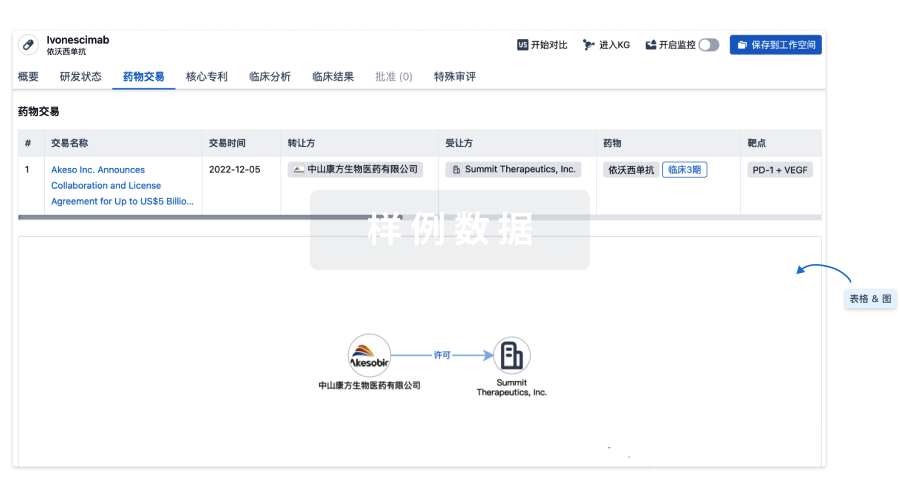
100 项与 MHY1485 相关的药物交易
登录后查看更多信息
研发状态
登录后查看更多信息
临床结果
临床结果
适应症
分期
评价
查看全部结果
| 研究 | 分期 | 人群特征 | 评价人数 | 分组 | 结果 | 评价 | 发布日期 |
|---|
No Data | |||||||
登录后查看更多信息
转化医学
使用我们的转化医学数据加速您的研究。
登录
或
药物交易
使用我们的药物交易数据加速您的研究。
登录
或
核心专利
使用我们的核心专利数据促进您的研究。
登录
或
临床分析
紧跟全球注册中心的最新临床试验。
登录
或
批准
利用最新的监管批准信息加速您的研究。
登录
或
特殊审评
只需点击几下即可了解关键药物信息。
登录
或
生物医药百科问答
全新生物医药AI Agent 覆盖科研全链路,让突破性发现快人一步
立即开始免费试用!
智慧芽新药情报库是智慧芽专为生命科学人士构建的基于AI的创新药情报平台,助您全方位提升您的研发与决策效率。
立即开始数据试用!
智慧芽新药库数据也通过智慧芽数据服务平台,以API或者数据包形式对外开放,助您更加充分利用智慧芽新药情报信息。
生物序列数据库
生物药研发创新
免费使用
化学结构数据库
小分子化药研发创新
免费使用