预约演示
更新于:2026-02-07
IL-22 targeted monoclonal antibody(BioAtla)
靶向IL-22单克隆抗体(BioAtla)
更新于:2026-02-07
概要
基本信息
原研机构 |
在研机构- |
非在研机构 |
权益机构- |
最高研发阶段终止临床前 |
首次获批日期- |
最高研发阶段(中国)- |
特殊审评- |

关联
100 项与 靶向IL-22单克隆抗体(BioAtla) 相关的临床结果
登录后查看更多信息
100 项与 靶向IL-22单克隆抗体(BioAtla) 相关的转化医学
登录后查看更多信息
100 项与 靶向IL-22单克隆抗体(BioAtla) 相关的专利(医药)
登录后查看更多信息
4
项与 靶向IL-22单克隆抗体(BioAtla) 相关的文献(医药)2018-10-01·Biochemical and biophysical research communications3区 · 生物学
Interleukin-22 receptor 1 upregulation and activation in hypoxic endothelial cells improves perfusion recovery in experimental peripheral arterial disease
3区 · 生物学
Article
作者: Le Li ; Hongyao Hu ; Yanjun Li ; Yanhong Tang ; Taihui Yu
OBJECTIVE:
Inflammation induced by muscle ischemia is involved in tissue repair and perfusion recovery in peripheral arterial disease (PAD) patients. Interleukin (IL)-22 is an inflammatory cytokine discovered in recent years and shows versatile functions; however, its role in PAD remains unknown. Here, we test whether IL-22 and its receptors are involved in angiogenesis in experimental PAD.
METHODS AND RESULTS:
Both IL-22 and its receptor-IL-22 receptor 1(IL-22R1) were upregulated in muscle and endothelial cells after ischemia. In experimental PAD models, blocking IL-22 using IL-22 monoclonal antibody impaired perfusion recovery and angiogenesis; on the other hand, IL-22 treatment improved perfusion recovery. Ischemic muscle tissue was harvested 3 days after experimental PAD for biochemical test, IL-22 antagonism resulted in decreased Signal Transducer and Activator of Transcription (STAT3) phosphorylation, but did not alter the levels of VEGF-A or cyclic guanine monophosphate (cGMP) levels in ischemic muscle. In cultured endothelial cells, IL-22R1 was upregulated under simulated ischemic conditions, and IL-22 treatment increased STAT3 phosphorylation, endothelial cell survival and tube formation. Knock down of IL-22R1 or treatment with STAT3 inhibitor blunted IL-22-induced endothelial cell survival or tube formation.
CONCULSION:
Ischemia-induced IL-22 and IL-22R1 upregulation improves angiogenesis in PAD by inducing STAT3 phosphorylation in endothelial cells. IL-22R1 may serve as a new therapeutic target for PAD.
2018-05-01·Journal of the American Academy of Dermatology1区 · 医学
Efficacy and safety of fezakinumab (an IL-22 monoclonal antibody) in adults with moderate-to-severe atopic dermatitis inadequately controlled by conventional treatments: A randomized, double-blind, phase 2a trial
1区 · 医学
Article
作者: Krueger, James G ; Neumann, Avidan U ; Estrada, Yeriel ; Baum, Danielle ; Guttman-Yassky, Emma ; Rose, Sharon ; Garcet, Sandra ; Sullivan-Whalen, Mary ; Traidl-Hoffmann, Claudia ; Fuentes-Duculan, Judilyn ; Singer, Giselle K ; Jim On, Shelbi ; Gilleaudeau, Patricia ; Pavel, Ana B ; Khattri, Saakshi ; Brunner, Patrick M ; Malik, Kunal ; Lebwohl, Mark G ; Li, Xuan
BACKGROUND:
Interleukin 22 promotes epidermal hyperplasia and inhibits skin barrier function.
OBJECTIVE:
Evaluate interleukin 22 blockade in adults with moderate-to-severe atopic dermatitis (AD).
METHODS:
We performed a randomized, double-blind, placebo-controlled trial with intravenous fezakinumab monotherapy every 2 weeks for 10 weeks, with follow-up assessments until 20 weeks. The change in SCOring AD (SCORAD) score from baseline at 12 weeks served as the primary end point.
RESULTS:
At 12 weeks, the mean declines in SCORAD for the entire study population were 13.8 ± 2.7 in the fezakinumab arm and 8.0 ± 3.1 in the placebo arm (P = .134). In the severe AD patient subset (with a baseline SCORAD of ≥50), SCORAD decline was significantly stronger in the drug-treated patients than placebo-treated patients at 12 weeks (21.6 ± 3.8 vs 9.6 ± 4.2, P = .029) and 20 weeks (27.4 ± 3.9 vs 11.5 ± 5.1, P = .010). At 12 weeks, improvements in body surface area involvement in the entire population were significantly stronger in the drug-treated than placebo-treated patients (12.4% ± 2.4 vs 6.2% ± 2.7; P = .009), and in the severe AD subset, the decline in Investigator Global Assessment was significantly higher in the drug-treated than placebo-treated patients (0.7 ± 0.2 vs 0.3 ± 0.1; P = .034). All scores showed progressive improvements after last dosing (10 weeks) until end of study (20 weeks). Common adverse events were upper respiratory tract infections.
LIMITATIONS:
The limited sample size and lack of assessment with Eczema Area and Severity Index and a pruritus numerical rating scale were limiting factors. Significance was primarily obtained in severe AD.
CONCLUSION:
Fezakinumab was well-tolerated, with sustained clinical improvements after last drug dosing.
2011-11-01·The Journal of allergy and clinical immunology1区 · 医学
IL-22 attenuates IL-25 production by lung epithelial cells and inhibits antigen-induced eosinophilic airway inflammation
1区 · 医学
Article
作者: Hirose, Koichi ; Iwata, Arifumi ; Niwa, Yusuke ; Takahashi, Kentaro ; Nakajima, Hiroshi ; Tokoyoda, Koji ; Wakashin, Hidefumi ; Iwamoto, Itsuo ; Renauld, Jean-Christophe ; Nakayama, Toshinori ; Kawashima, Saki
BACKGROUND:
IL-22 functions as both a proinflammatory cytokine and an anti-inflammatory cytokine in various inflammations, depending on the cellular and cytokine milieu. However, the roles of IL-22 in the regulation of allergic airway inflammation are still largely unknown.
OBJECTIVE:
We sought to determine whether IL-22 is involved in the regulation of allergic airway inflammation.
METHODS:
We examined IL-22 production and its cellular source at the site of antigen-induced airway inflammation in mice. We also examined the effect of IL-22 neutralization, as well as IL-22 administration, on antigen-induced airway inflammation. We finally examined the effect of IL-22 on IL-25 production from a lung epithelial cell line (MLE-15 cells).
RESULTS:
Antigen inhalation induced IL-22 production in the airways of sensitized mice. CD4(+) T cells, but not other lymphocytes or innate cells, infiltrating in the airways produced IL-22, and one third of IL-22-producing CD4(+) T cells also produced IL-17A. The neutralization of IL-22 by anti-IL-22 antibody enhanced antigen-induced IL-13 production, eosinophil recruitment, and goblet cell hyperplasia in the airways. On the other hand, intranasal administration of recombinant IL-22 attenuated antigen-induced eosinophil recruitment into the airways. Moreover, anti-IL-22 antibody enhanced antigen-induced IL-25 production in the airways, and anti-IL-25 antibody reversed the enhancing effect of anti-IL-22 antibody on antigen-induced eosinophil recruitment into the airways. Finally, IL-22 inhibited IL-13-mediated enhancement of IL-25 expression in IL-1β- or LPS-stimulated MLE-15 cells.
CONCLUSION:
IL-22 attenuates antigen-induced airway inflammation, possibly by inhibiting IL-25 production by lung epithelial cells.
100 项与 靶向IL-22单克隆抗体(BioAtla) 相关的药物交易
登录后查看更多信息
研发状态
10 条进展最快的记录, 后查看更多信息
登录
| 适应症 | 最高研发状态 | 国家/地区 | 公司 | 日期 |
|---|---|---|---|---|
| 自身免疫性疾病 | 临床前 | 美国 | 2023-04-19 |
登录后查看更多信息
临床结果
临床结果
适应症
分期
评价
查看全部结果
| 研究 | 分期 | 人群特征 | 评价人数 | 分组 | 结果 | 评价 | 发布日期 |
|---|
No Data | |||||||
登录后查看更多信息
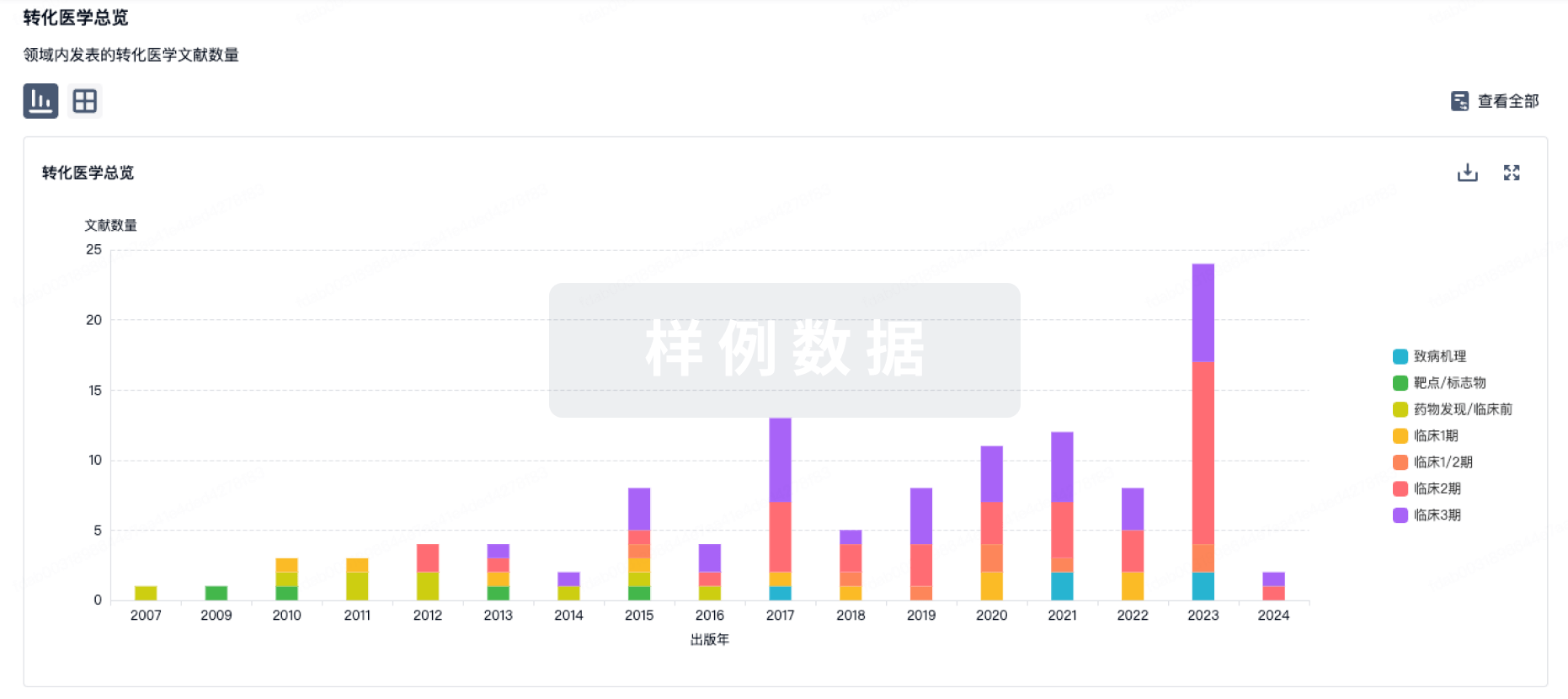
转化医学
使用我们的转化医学数据加速您的研究。
登录
或
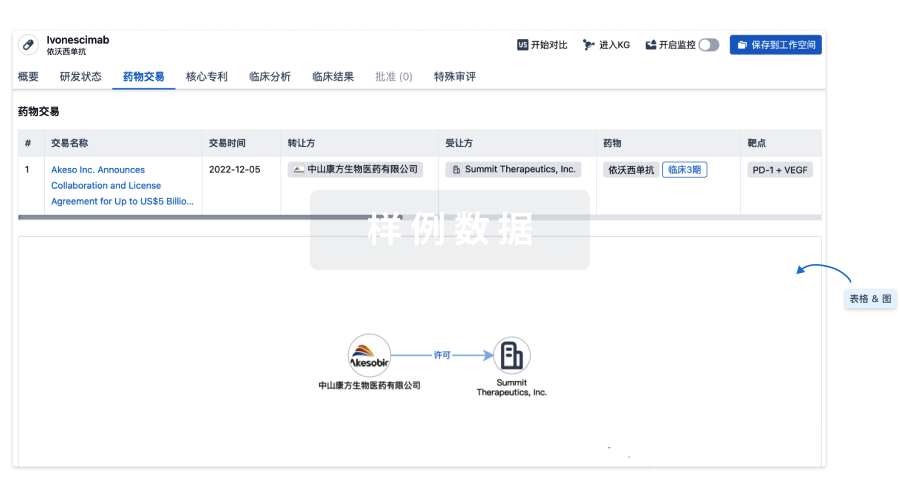
药物交易
使用我们的药物交易数据加速您的研究。
登录
或
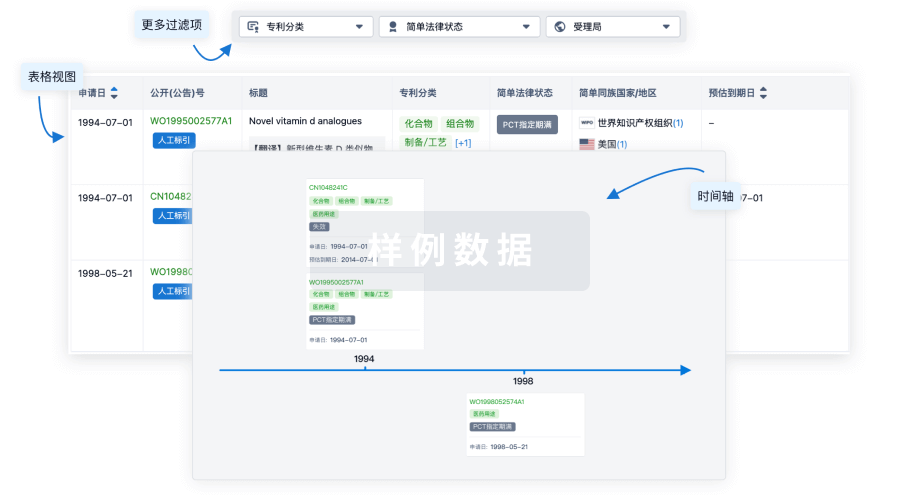
核心专利
使用我们的核心专利数据促进您的研究。
登录
或
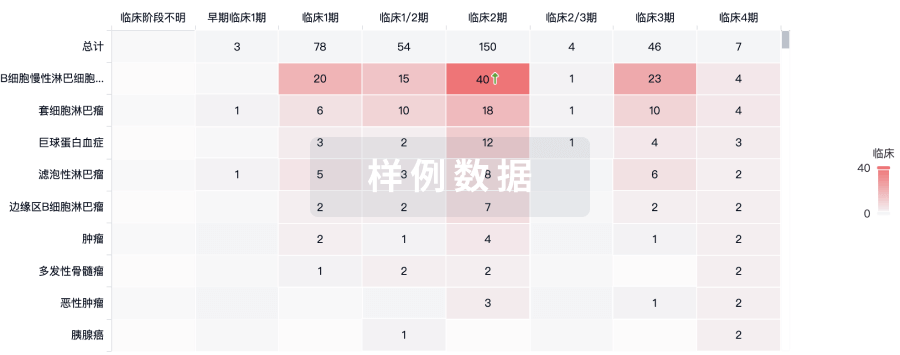
临床分析
紧跟全球注册中心的最新临床试验。
登录
或
批准
利用最新的监管批准信息加速您的研究。
登录
或
生物类似药
生物类似药在不同国家/地区的竞争态势。请注意临床1/2期并入临床2期,临床2/3期并入临床3期
登录
或
特殊审评
只需点击几下即可了解关键药物信息。
登录
或
生物医药百科问答
全新生物医药AI Agent 覆盖科研全链路,让突破性发现快人一步
立即开始免费试用!
智慧芽新药情报库是智慧芽专为生命科学人士构建的基于AI的创新药情报平台,助您全方位提升您的研发与决策效率。
立即开始数据试用!
智慧芽新药库数据也通过智慧芽数据服务平台,以API或者数据包形式对外开放,助您更加充分利用智慧芽新药情报信息。
生物序列数据库
生物药研发创新
免费使用
化学结构数据库
小分子化药研发创新
免费使用