预约演示
更新于:2026-03-30
NM-02
更新于:2026-03-30
概要
基本信息
原研机构 |
在研机构- |
非在研机构 |
最高研发阶段终止临床前 |
首次获批日期- |
最高研发阶段(中国)终止 |
特殊审评- |

关联
100 项与 NM-02 相关的临床结果
登录后查看更多信息
100 项与 NM-02 相关的转化医学
登录后查看更多信息
100 项与 NM-02 相关的专利(医药)
登录后查看更多信息
4
项与 NM-02 相关的文献(医药)2025-11-27·JOURNAL OF PHYSICAL CHEMISTRY B
C
3
N Nanosheets Inhibit Aβ Dimerization in a Size-Dependent Manner
Article
作者: Chen, Jiao ; Man, Jinyu ; Gu, Zonglin
Alzheimer's disease (AD) has emerged as one of the most formidable and prevalent neurodegenerative disorders, posing a significant threat to global public health, particularly among the aging population. A growing body of evidence has established that the aggregation of amyloid-β (Aβ) peptides─especially in their oligomeric forms─plays a central neurotoxic role in the pathogenesis of AD. In recent years, 2D nanomaterials have demonstrated to effectively prevent or disrupt the Aβ oligomers. However, limited effort has been devoted to exploring how the size of 2D nanomaterials affects the antioligomerization of Aβ peptides. In this study, we employed all-atom molecular dynamics (MD) simulations to systematically investigate the effects of 2D C3N nanosheets on the dimerization behavior of Aβ peptides, with a particular focus on the influence of nanosheet size. Our results reveal a pronounced size-dependent inhibitory effect of C3N nanosheets on Aβ dimerization and β-sheet formation. Specifically, extensive analyses (including structural conformations, principal component analysis (PCA), secondary structures, residue-residue contact probabilities, hydrogen bonding, interaction between peptides and nanosheets, binding-free energies, and highlighted binding details) demonstrated that larger C3N nanosheets with surface areas of 12.6 and 6.72 nm2 were found to effectively suppress Aβ dimerization and prevent the emergence of β-sheet structures. In contrast, when the size of the C3N nanosheet was reduced to 0.42 nm2, its ability to inhibit Aβ dimerization and secondary structure formation became negligible. This difference in the inhibitory performance can be attributed to the available basal surface area of the C3N nanosheets. Larger nanosheets are capable of accommodating entire Aβ peptides via surface adsorption, thereby spatially separating the peptides and hindering their aggregation. Conversely, the smallest nanosheet can bind only a limited number of peptide residues, leaving the remaining segments free to interact and assemble into β-sheet-rich structures. This work not only provides mechanistic insight into the molecular interactions between Aβ peptides and C3N nanosheets and reveals the size-dependent inhibitory effect of C3N nanosheets on Aβ dimerization but also highlights the potential of size-engineered C3N nanomaterials as promising candidates for therapeutic intervention in Alzheimer's disease.
2000-03-01·Free radical biology & medicine2区 · 医学
Survival of hippocampal and cortical neurons in a mixture of MEM+ and B27-supplemented neurobasal medium
2区 · 医学
Article
作者: Chengsong Xie ; William R Markesbery ; Mark A Lovell
Serum-free B-27 supplemented neurobasal (NB) and a 10% fetal bovine serum-supplemented Eagle's minimum essential medium (MEM+) are used to culture rat embryonic hippocampal neurons for different purposes. Although NB medium leads to enhanced cell survival, it contains biological antioxidants and is not suitable for the study of free radical damage and oxidation in cultured neurons. MEM+ without additional antioxidants has been used widely in the study of free radical damage and oxidation, although it does not support optimum neuronal survival in culture. Serum in MEM+ leads to enhanced cell survival but also promotes glial cell proliferation. In this study, we used a new combination medium (NM-2) that consists of both NB and MEM+ for growing primary hippocampal and cortical neuronal cultures. NM-2 enhanced neuronal survival 78.9% for dissociated neurons at a density of 50 cells/mm(2) and 83.1% for 100 cells/mm(2), while decreasing glial cell proliferation to 2-3% and completely inhibiting oligodendrocytes. The NM-2 minimized the effectiveness of antioxidants in the medium to the neurotoxin 4-hydroxynonenal. It also decreased neuronal clumping and provided a more even distribution of neurons. Neurons survived for 4 weeks in NM-2 without changing the original medium. NM-2 provides a good environment for studies of free radical damage and oxidation of neurons. The combination incorporates the best of both NB and MEM+ that results in high neuron survival rate, low glial cell proliferation, reduced antioxidant level, and provides relatively pure cultures of hippocampal and cortical neurons.
1991-03-01·Human cell3区 · 生物学
[Resistance to anticancer drugs in NIH3T3 cells transfected with c-myc and/or c-H-ras genes].
3区 · 生物学
Article
作者: Niimi, S ; Terashima, Y ; Saijo, N ; Yokoyama, S
NIH3T3 cells transfected with c-H-ras and/or c-myc genes were examined for differences in drug sensitivity. The two transfectants used were NIH3T3-nm-1 (nm-1), pT22-3-nm-2. They were transfected with c-myc, c-myc plus activated c-H-ras, respectively. The relative resistances (IC50 values of transfectants/those of NIH3T3 cells) to cisplatin, adriamycin, 4-hydroperoxycyclophosphamide, melphalan, and CPT-11 were 2.1, 1.6, 4.7, 4.9, 1.6, respectively for nm-1 and 1.6, 2.2, 3.3, 9.1 and 2.2, respectively for nm-2. These results strongly suggest that the expression of the c-myc gene plays a role for the acquisition of drug resistance. The c-myc gene is believed to provide us an important clue for determining the mechanism of drug resistance.
100 项与 NM-02 相关的药物交易
登录后查看更多信息
研发状态
10 条进展最快的记录, 后查看更多信息
登录
| 适应症 | 最高研发状态 | 国家/地区 | 公司 | 日期 |
|---|---|---|---|---|
| HER2阳性乳腺癌 | 临床前 | 中国 | 2025-04-11 | |
| HER2阳性胃癌 | 临床前 | 中国 | 2025-04-11 |
登录后查看更多信息
临床结果
临床结果
适应症
分期
评价
查看全部结果
| 研究 | 分期 | 人群特征 | 评价人数 | 分组 | 结果 | 评价 | 发布日期 |
|---|
No Data | |||||||
登录后查看更多信息
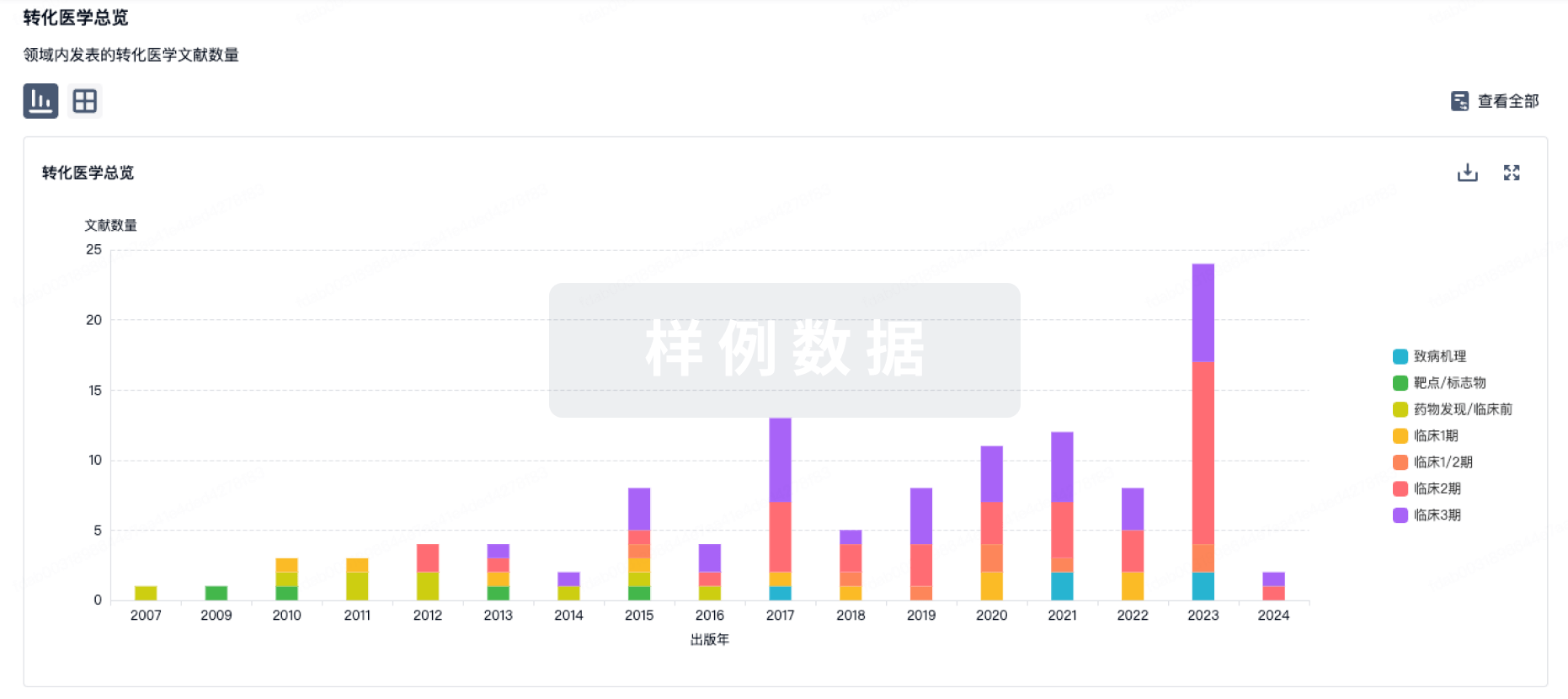
转化医学
使用我们的转化医学数据加速您的研究。
登录
或
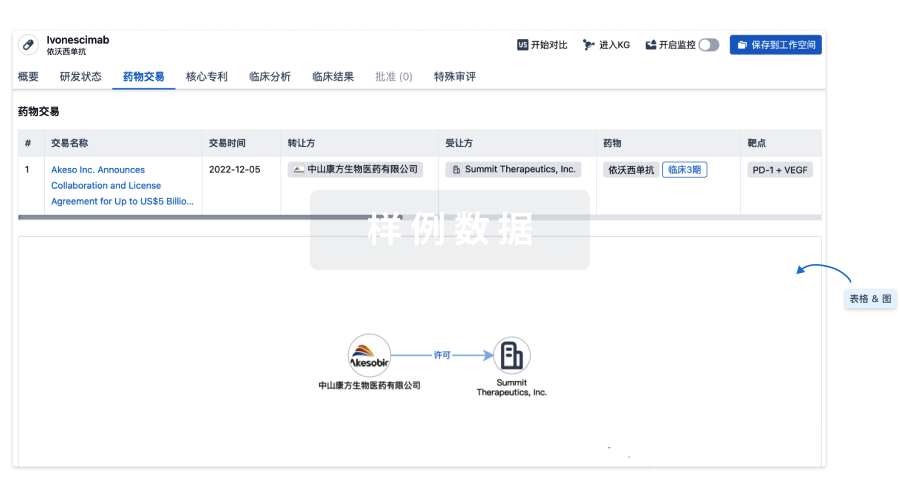
药物交易
使用我们的药物交易数据加速您的研究。
登录
或
核心专利
使用我们的核心专利数据促进您的研究。
登录
或

临床分析
紧跟全球注册中心的最新临床试验。
登录
或
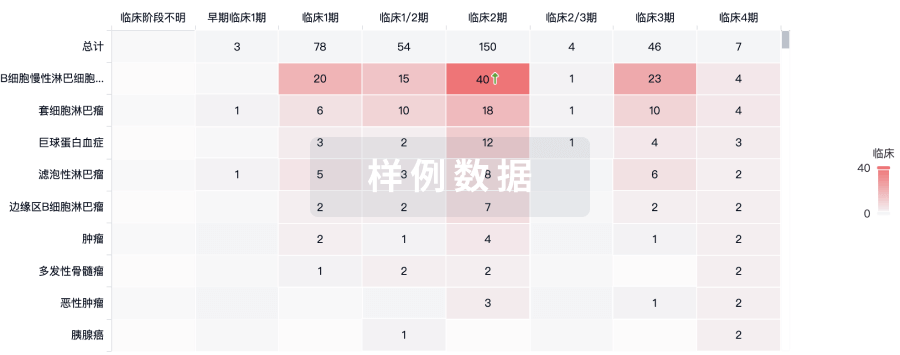
批准
利用最新的监管批准信息加速您的研究。
登录
或
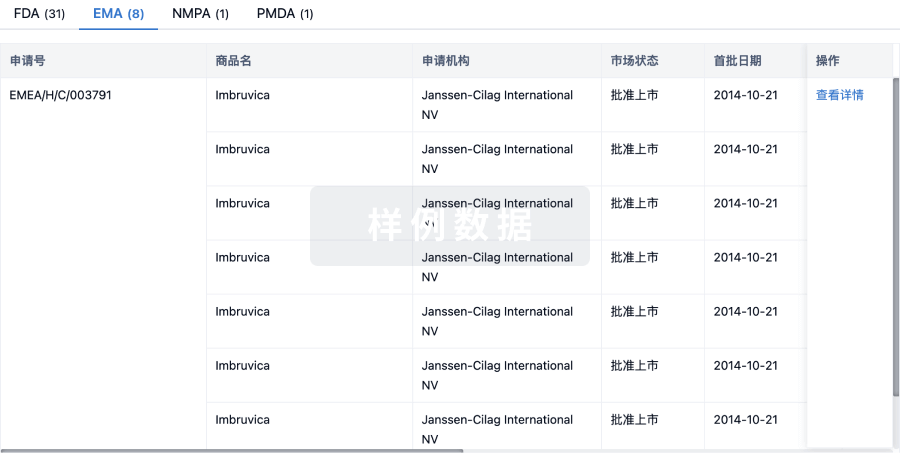
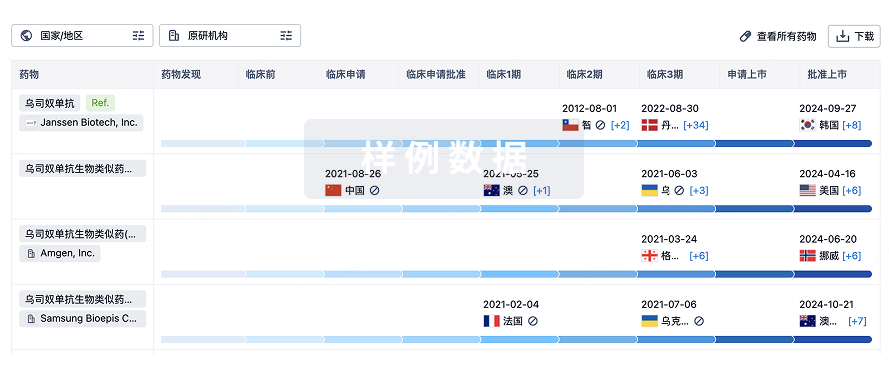
生物类似药
生物类似药在不同国家/地区的竞争态势。请注意临床1/2期并入临床2期,临床2/3期并入临床3期
登录
或
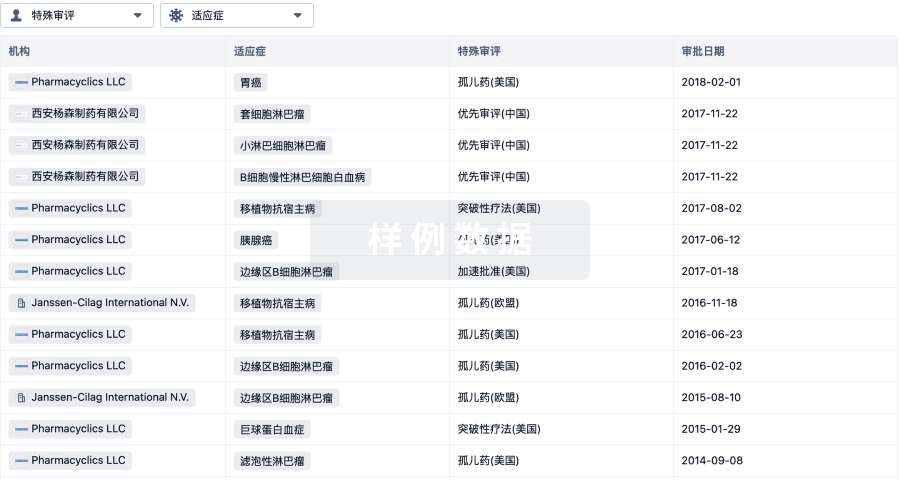
特殊审评
只需点击几下即可了解关键药物信息。
登录
或
生物医药百科问答
全新生物医药AI Agent 覆盖科研全链路,让突破性发现快人一步
立即开始免费试用!
智慧芽新药情报库是智慧芽专为生命科学人士构建的基于AI的创新药情报平台,助您全方位提升您的研发与决策效率。
立即开始数据试用!
智慧芽新药库数据也通过智慧芽数据服务平台,以API或者数据包形式对外开放,助您更加充分利用智慧芽新药情报信息。
生物序列数据库
生物药研发创新
免费使用
化学结构数据库
小分子化药研发创新
免费使用