预约演示
更新于:2025-10-30
Neuroprotective agents(Shenyang University of Chemical Technology)
更新于:2025-10-30
概要
基本信息

关联
100 项与 Neuroprotective agents(Shenyang University of Chemical Technology) 相关的临床结果
登录后查看更多信息
100 项与 Neuroprotective agents(Shenyang University of Chemical Technology) 相关的转化医学
登录后查看更多信息
100 项与 Neuroprotective agents(Shenyang University of Chemical Technology) 相关的专利(医药)
登录后查看更多信息
72
项与 Neuroprotective agents(Shenyang University of Chemical Technology) 相关的文献(医药)2025-08-08·MEDICINE
Familial spinocerebellar ataxia type 3: A case report of multi-generational presentation
Article
作者: Chen, Junting ; Zhao, Ziyi ; Yang, Dan ; Wang, Ji ; Liu, Zheng ; Huang, Hao ; Shi, Chao ; Pan, Chunhua
Rationale::
Spinocerebellar ataxia type 3 (SCA3), also known as Machado–Joseph disease, a rare autosomal dominant neurodegenerative disorder caused by cytosine–adenine–guanine repeat expansions in ATXN3, lacks effective therapies. This case report highlights the clinical and genetic features of a family with 5 affected members to emphasize the challenges in diagnosis, management, and the need for targeted therapies.
Patient concerns::
A 33-year-old male proband presented with progressive gait instability, limb incoordination, and dysarthria for more than 2 years. The symptoms worsened in cold weather and were accompanied by head swelling and muscle weakness. The patient reported a strong family history of similar neurological symptoms across the 3 generations.
Diagnosis::
Clinical evaluation revealed cerebellar ataxia, a wide-based gait, and impaired coordination. Brain MRI revealed bilateral cerebellar atrophy. Genetic testing confirmed the presence of a pathogenic ATXN3 allele with 78 cytosine–adenine–guanine repeats (normal range: ≤49), which is consistent with SCA3. Familial genetic analysis identified identical mutations in 4 additional relatives.
Interventions::
Supportive treatment included improvement in circulation, neuroprotective agents, and symptomatic management. No disease-modifying therapies were administered, owing to their limited availability.
Outcomes::
The patient’s condition did not improve during hospitalization, reflecting the progressive nature of the SCA3. Similar outcomes were observed in affected family members.
Lessons::
Early genetic testing is critical for a definitive diagnosis, especially in familial cases. The lack of effective therapies underscores the urgency of clinical trials that target polyglutamine toxicity. Multidisciplinary care and patient education are essential for the management of this debilitating disease.
2025-04-01·Journal of Cerebral Blood Flow and Metabolism
Mild hypercapnia before reperfusion reduces ischemia-reperfusion injury in hyperacute ischemic stroke rat model
Article
作者: Kim, Young Dae ; Heo, Ji Hoe ; Jung, Jae Wook ; Yoon, Chung Eun ; Nam, Hyo Suk ; Kim, Jinkwon ; Kwon, Il ; Lee, Kee Ook
Endovascular thrombectomy has a recanalization rate over 80%; however, approximately 50% of ischemic stroke patients still experience dependency or mortality. Recently, clinical trials demonstrated the benefits of administering neuroprotective agents prior to endovascular thrombectomy. Additionally, recent studies showed neuroprotective effects of mild hypercapnia in patients resuscitated after cardiac arrest. However, its efficacy in ischemic stroke remains unclear. We aimed to investigate whether carbon dioxide (CO
2
) per-conditioning has neuroprotective effects in rat models with middle cerebral artery occlusion (MCAO). Rat models received intermittent inhalation of mixed gas during the MCAO period. After surgery, behavioral assessments, infarct size measurement, immunohistochemistry, and western blot analysis were performed. We found CO
2
per-conditioning reduced infarct size and neurological deficit. The number of 8-hydroxy-2-deoxyguanosine (8-OHdG) positive cells and matrix metalloproteinase 9 (MMP-9)/platelet derived growth factor receptor beta (PDGFRβ) double positive cells were significantly decreased after CO
2
per-conditioning. The expressions of tight junction protein and pericytes survival were preserved. This study underscores mild hypercapnia before reperfusion not only reduces neurologic deficit and infarct size, but also maintains the integrity of the blood-brain barrier and neurovascular unit, alongside mitigating oxidative stress in hyperacute stroke rat models. Therapeutic mild hypercapnia before reperfusion is promising and requires further clinical application.
2024-10-11·CNS & Neurological Disorders-Drug Targets
Navigating into the Paradigm of Nose-to-brain Delivery of Nanotherapeutics and their Repurposing as Nanotheranostics for Neurodegenerative Diseases
Article
作者: Mujeeb, Mohd ; Sultana, Niha ; Aqil, Mohd. ; Waheed, Ayesha ; Sultana, Yasmin ; Ali, Asad ; A. Emad, Nasr
Abstract::
Repurposing drugs for neurodegenerative diseases using the nose-to-brain route of administration
is an intriguing concept with potential benefits. The nose-to-brain route involves delivering
drugs directly to the brain via the olfactory or trigeminal pathways, bypassing the blood-brain
barrier, which can improve drug efficacy and reduce systemic side effects. Treatment of numerous
neurodegenerative diseases such as Multiple sclerosis, Amyotrophic lateral sclerosis, Huntington's,
Alzheimer's, and Parkinson's diseases has been attempted using this route of administration. These
drugs may include neuroprotective agents, anti-inflammatory drugs, antioxidants, or diseasemodifying
therapies. Nanotheranostics, which integrates therapeutic and diagnostic functions in a
nanosystem, improves treatment precision and efficacy. Repurposing nanotherapeutics as nanotheranostics
for neurodegenerative diseases through the nose-to-brain route of administration holds
great potential for both diagnosis and treatment. This review highlights the various mechanisms engaged
in transporting nanocarriers from nose-to-brain and the proposed fate of these nanocarriers
using different live imaging techniques. Additionally, the discussion covers the recent combinatorial
therapeutic approaches and theranostic applications of various nanocarriers used for neurodegenerative
diseases through the nose-to-brain. Toxicity to the CNS and nasal mucosa and regulatory considerations
about these delivery systems are also deliberated. Overall, repurposed nanoparticles designed
as nanotheranostic agents offer a versatile platform for precise diagnosis, targeted therapy,
and personalized management of neurodegenerative diseases, holding great promise for improving
patient care and advancing our understanding of these complex disorders.
100 项与 Neuroprotective agents(Shenyang University of Chemical Technology) 相关的药物交易
登录后查看更多信息
研发状态
10 条进展最快的记录, 后查看更多信息
登录
| 适应症 | 最高研发状态 | 国家/地区 | 公司 | 日期 |
|---|---|---|---|---|
| 神经退行性疾病 | 临床前 | 中国 | 2020-02-15 |
登录后查看更多信息
临床结果
临床结果
适应症
分期
评价
查看全部结果
| 研究 | 分期 | 人群特征 | 评价人数 | 分组 | 结果 | 评价 | 发布日期 |
|---|
No Data | |||||||
登录后查看更多信息
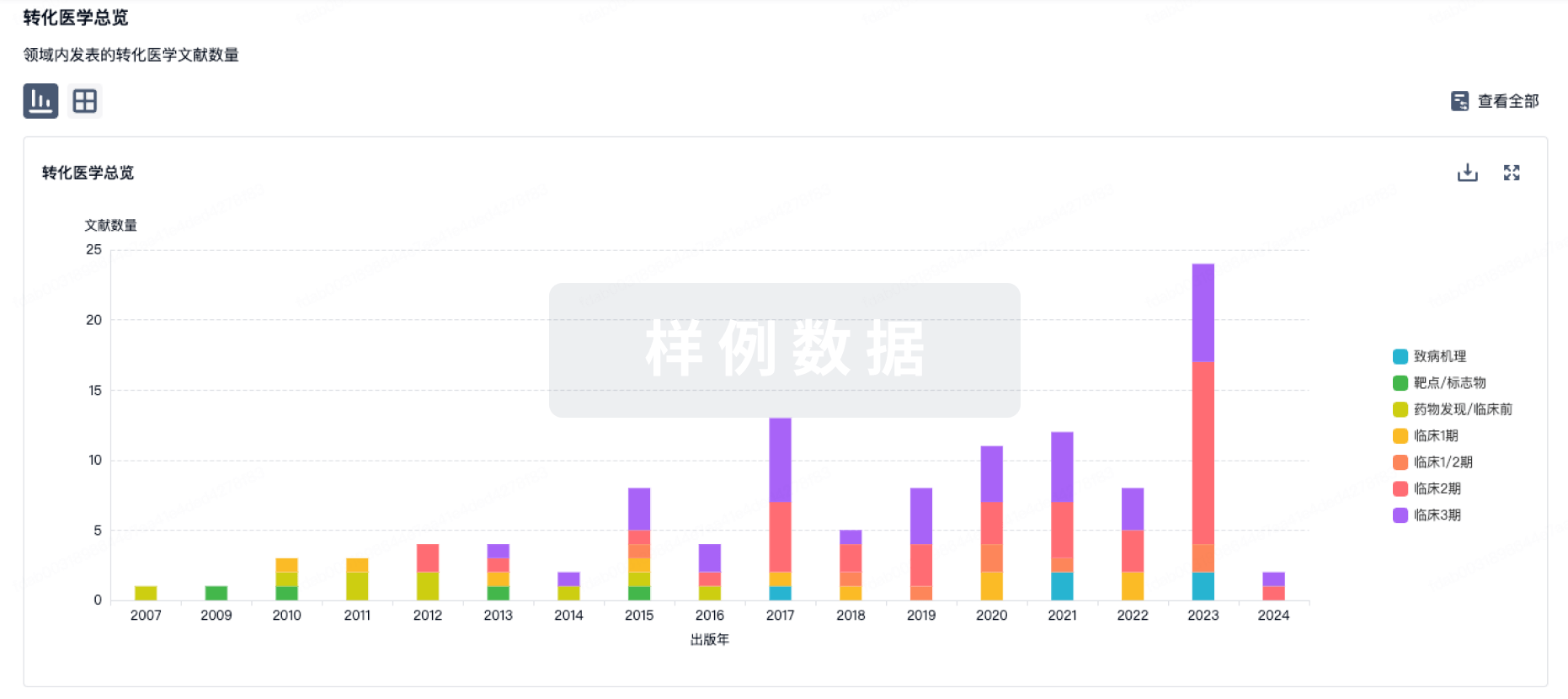
转化医学
使用我们的转化医学数据加速您的研究。
登录
或
药物交易
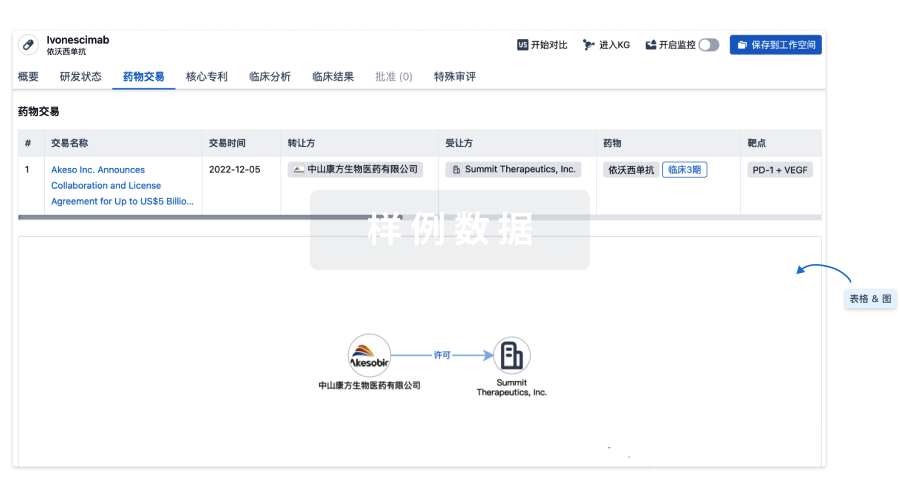
使用我们的药物交易数据加速您的研究。
登录
或
核心专利
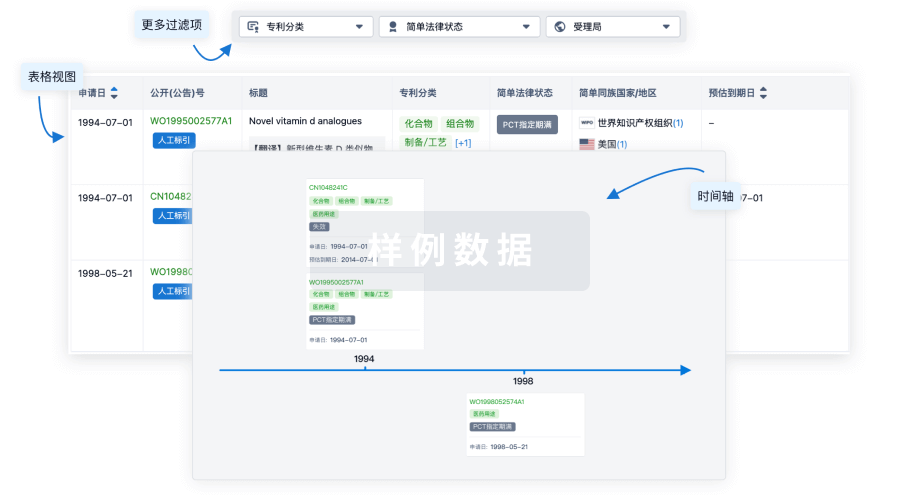
使用我们的核心专利数据促进您的研究。
登录
或
临床分析
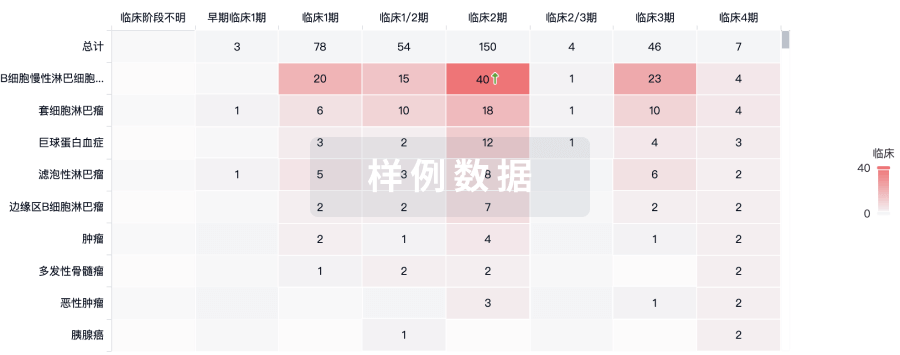
紧跟全球注册中心的最新临床试验。
登录
或
批准
利用最新的监管批准信息加速您的研究。
登录
或
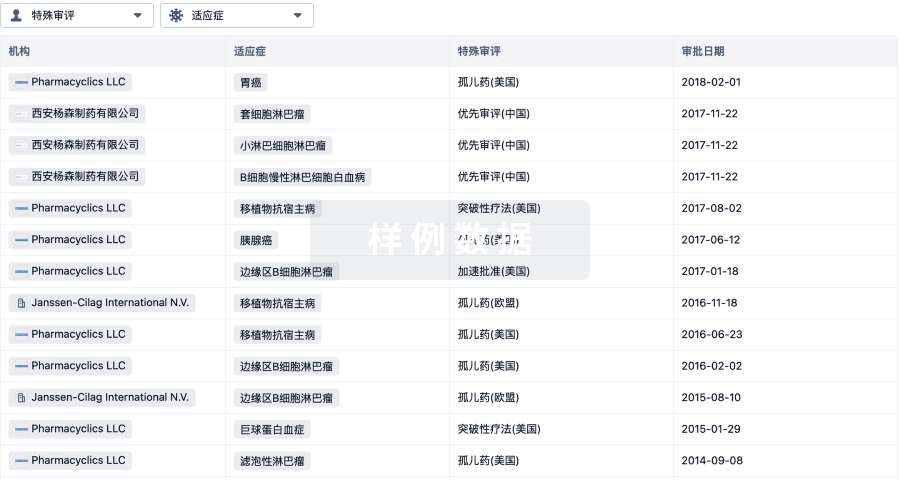
特殊审评
只需点击几下即可了解关键药物信息。
登录
或
生物医药百科问答
全新生物医药AI Agent 覆盖科研全链路,让突破性发现快人一步
立即开始免费试用!
智慧芽新药情报库是智慧芽专为生命科学人士构建的基于AI的创新药情报平台,助您全方位提升您的研发与决策效率。
立即开始数据试用!
智慧芽新药库数据也通过智慧芽数据服务平台,以API或者数据包形式对外开放,助您更加充分利用智慧芽新药情报信息。
生物序列数据库
生物药研发创新
免费使用
化学结构数据库
小分子化药研发创新
免费使用