预约演示
更新于:2026-07-11
Factor VIII(Tonrol Bio-Pharmaceutical Co Ltd)
凝血因子 VIII(同路生物制药有限公司)
更新于:2026-07-11
概要
基本信息
原研机构 |
在研机构 |
非在研机构- |
权益机构- |
最高研发阶段批准上市 |
首次获批日期 中国 (2013-08-23), |
最高研发阶段(中国)批准上市 |
特殊审评- |

登录后查看时间轴
关联
100 项与 凝血因子 VIII(同路生物制药有限公司) 相关的临床结果
登录后查看更多信息
100 项与 凝血因子 VIII(同路生物制药有限公司) 相关的转化医学
登录后查看更多信息
100 项与 凝血因子 VIII(同路生物制药有限公司) 相关的专利(医药)
登录后查看更多信息
377
项与 凝血因子 VIII(同路生物制药有限公司) 相关的文献(医药)2026-07-01·ADVANCES IN THERAPY
A New Risk-Based Scoring Approach to Individualize Prophylaxis in Patients with Hemophilia A: Results from the PREDICT Study
Article
作者: Sidonio, Robert F ; Boggio, Lisa ; Staber, Janice M ; Quon, Doris V ; Corrales-Medina, Fernando F ; Jain, Akshat ; Reding, Mark T ; Escobar, Miguel ; Charlet, Jessica
INTRODUCTION:
There is currently no consensus on optimal prophylaxis with clotting factor concentrates in hemophilia A. With or without pharmacokinetic data, prophylaxis regimens are often based on local practice and patient-specific factors, including bleeding history and activity level. The PREDICT study evaluated a baseline clinical risk score, based on phenotypic and biologic variables, to guide prophylactic regimen selection when switching from standard half-life (SHL) factor VIII concentrates to damoctocog alfa pegol.
METHODS:
This multicenter, prospective study enrolled 21 participants aged ≥ 12 years with congenital hemophilia A of any severity who had received SHL prophylaxis for ≥ 6 months. Each participant was assigned a risk score (low, medium, high) based on five predefined variables: bleeding phenotype, treatment frequency, active target joints, von Willebrand factor levels, and physical activity. All participants initiated damoctocog alfa pegol at twice-weekly dosing for 4 weeks, after which regimens were individualized: 2×/week for high risk, every 5 days (Q5D) for medium risk, and Q5D for 4 weeks followed by less frequent dosing for low risk participants. A favorable outcome was defined as a reduction in annualized bleeding rate (ABR) and/or infusion frequency compared with previous SHL prophylaxis.
RESULTS:
Among 17 evaluable participants, 12 (70.6%) achieved a favorable outcome for treated and untreated bleeds. All 12 had improved ABR, and 11 required fewer infusions. When considering only treated bleeds, 77% achieved a favorable outcome. Mean ABR decreased by 8.01 and infusion frequency reduced by a mean of 6.9 infusions/month. The 25 active target joints identified at baseline were reduced by 96% at study completion.
CONCLUSIONS:
The PREDICT risk-based scoring system-guided individualized prophylaxis with damoctocog alfa pegol, yielding improved bleeding outcomes and reduced treatment burden in most participants. These findings support the use of structured, risk-adapted approaches to personalize prophylaxis when transitioning from SHL to damoctocog alfa pegol.
TRIAL REGISTRATION:
NCT05036278.
2026-05-14·Cureus Journal of Medical Science
Idiopathic Acquired Hemophilia A With High-Titer Factor VIII Inhibitor in an Elderly Patient: A Case Report
Article
作者: Gonzalez Espinosa, Paula ; Alnsour, Tariq ; Hassan, Anid ; Morris, Andrea ; Levitt, Michael ; Shafi, Nabahat
Acquired hemophilia A is a rare autoimmune bleeding disorder caused by neutralizing autoantibodies against factor VIII. It typically affects older adults and may present with spontaneous mucocutaneous bleeding, extensive ecchymoses, soft-tissue hematomas, and isolated prolongation of the activated partial thromboplastin time. We report the case of an 84-year-old woman with hypertension, hyperlipidemia, and anxiety who presented with several weeks of spontaneous nontraumatic bruising, fatigue, and exertional dyspnea. Initial evaluation revealed severe normocytic anemia, isolated aPTT prolongation, lack of correction on a mixing study, factor VIII activity <5%, and a high-titer factor VIII inhibitor of 470 Bethesda Units. Lupus anticoagulant testing was initially positive, while anticardiolipin and anti-β2-glycoprotein I antibodies were negative. The patient developed a right upper extremity hematoma and required a packed red blood cell transfusion. Immunosuppressive therapy with high-dose prednisone and weekly rituximab was initiated, with subsequent clinical improvement, normalization of aPTT, recovery of factor VIII activity, and disappearance of the inhibitor during follow-up. This case highlights the importance of considering acquired hemophilia A in elderly patients with spontaneous bleeding and isolated aPTT prolongation, even in the presence of transient lupus anticoagulant positivity.
2026-01-29·Cureus Journal of Medical Science
COVID-19-Associated Acquired Hemophilia A With an Exceptionally High Inhibitor Titer: A Case of Remission and Overwhelming Sepsis
Article
作者: Pathak, Shaivya
Acquired hemophilia A (AHA) is a rare autoimmune bleeding disorder caused by autoantibodies against factor VIII. COVID-19 infection has emerged as a potential trigger, though reported cases remain limited, with variable inhibitor titers. We report a 70-year-old African American man who developed AHA following documented COVID-19 infection in October 2023, presenting with an exceptionally high factor VIII inhibitor titer of 561 Bethesda Units (BU) that peaked at 677 BU during initial treatment. His course was complicated by migratory spontaneous hematomas and a massive chest wall hematoma leading to hemorrhagic shock and pulseless electrical activity (PEA) cardiac arrest, which he survived. Despite the severity, he achieved complete immunological remission with factor VIII normalization to 343% and inhibitor eradication (0 BU) following treatment with FEIBA, rituximab, cyclophosphamide, and corticosteroids. However, approximately three months after his initial diagnosis, he died from multiorgan failure secondary to overwhelming sepsis (procalcitonin 747.64 ng/mL) in the setting of profound treatment-induced immunosuppression. This case represents one of the highest reported inhibitor titers in COVID-19-associated AHA and demonstrates that complete remission is achievable even in severe cases. Yet this case underscores a critical therapeutic paradox: the aggressive immunosuppression necessary for inhibitor eradication carries a substantial risk of infectious mortality. Emerging therapies such as emicizumab may help mitigate this paradox by allowing reduced-intensity immunosuppression, though cost and off-label status currently limit accessibility.
100 项与 凝血因子 VIII(同路生物制药有限公司) 相关的药物交易
登录后查看更多信息
研发状态
10 条最早获批的记录, 后查看更多信息
登录
| 适应症 | 国家/地区 | 公司 | 日期 |
|---|---|---|---|
| 血友病A | 中国 | 2013-08-23 |
登录后查看更多信息
临床结果
临床结果
适应症
分期
评价
查看全部结果
| 研究 | 分期 | 人群特征 | 评价人数 | 分组 | 结果 | 评价 | 发布日期 |
|---|
No Data | |||||||
登录后查看更多信息
转化医学
使用我们的转化医学数据加速您的研究。
登录
或

药物交易
使用我们的药物交易数据加速您的研究。
登录
或

核心专利
使用我们的核心专利数据促进您的研究。
登录
或

临床分析
紧跟全球注册中心的最新临床试验。
登录
或

批准
利用最新的监管批准信息加速您的研究。
登录
或

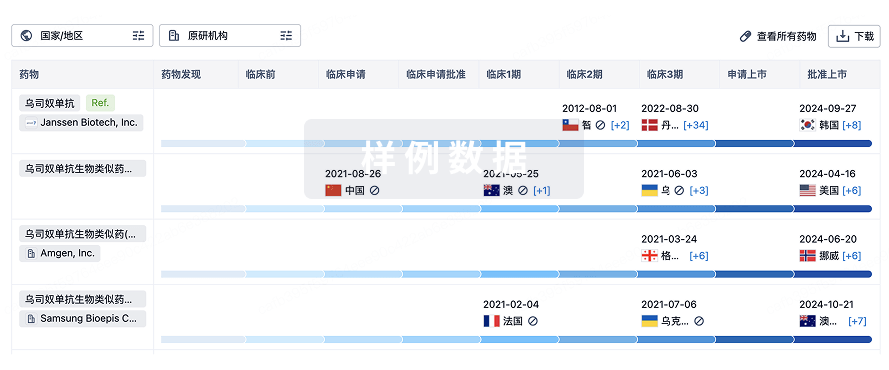
生物类似药
生物类似药在不同国家/地区的竞争态势。请注意临床1/2期并入临床2期,临床2/3期并入临床3期
登录
或
特殊审评
只需点击几下即可了解关键药物信息。
登录
或

提出任何生物医药研究问题
让每一步生物医药决策都精准制胜
基于十亿级生物数据与全球情报的精准 AI,赋能早期药物发现
立即开始免费试用!
智慧芽新药情报库是智慧芽专为生命科学人士构建的基于AI的创新药情报平台,助您全方位提升您的研发与决策效率。
立即接入生物医药数据包
智慧芽新药库数据也通过智慧芽开放平台,以MCP或API服务形式对外开放。立即使用我们的MCP服务定制您的LLM智能体。
生物序列数据库
生物药研发创新
免费使用
化学结构数据库
小分子化药研发创新
免费使用