预约演示
更新于:2026-04-04
Rhoclone
更新于:2026-04-04
概要
基本信息
非在研机构- |
权益机构- |
最高研发阶段临床前 |
首次获批日期- |
最高研发阶段(中国)- |
特殊审评- |


关联
100 项与 Rhoclone 相关的临床结果
登录后查看更多信息
100 项与 Rhoclone 相关的转化医学
登录后查看更多信息
100 项与 Rhoclone 相关的专利(医药)
登录后查看更多信息
2
项与 Rhoclone 相关的文献(医药)2024-03-01·Lancet (London, England)1区 · 医学
Monoclonal RhD prophylaxis: high time to evaluate efficacy
1区 · 医学
Letter
作者: Peter Moons ; Kondwani Kawaza ; EJT Verweij ; Thomas van den Akker ; Bariki Mchome ; Steven Spitalnik ; Tadesse Gure ; Renske van't Oever ; Jeremia Pyuza ; Derek de Winter ; C Ellen van der Schoot ; Abera Kenay Tura
Rhesus disease, a form of haemolytic disease of the fetus and newborn (HDFN), occurs when the immune system of a pregnant woman responds to red blood cells of her unborn child. This response can happen when a pregnant woman and her fetus have different blood types. If left untreated, HDFN can result in severe anaemia, jaundice, and even severe brain damage (ie, kernicterus) and death. Since the 1960s, screening for the RhD blood group antigen and the administration of rhesus immunoprophylaxis (RhIG) to RhD-negative pregnant women has substantially decreased rhesus disease in high-income countries. Before the introduction of this immunoprophylaxis, 17–20% of RhD-negative pregnant women became immunised, which dropped to around 0·5% with postnatal RhIg prophylaxis1Pollack W Gorman JG Freda VJ Ascari WQ Allen AE Baker WJ Results of clinical trials of RhoGAM in women.Transfusion. 1968; 8: 151-153Crossref PubMed Scopus (80) Google Scholar, 2Koelewijn JM de Haas M Vrijkotte TG Bonsel GJ van der Schoot CE One single dose of 100 microg of antenatal RhIG halves the risk of anti-D immunization and hemolytic disease of the fetus and newborn in the next pregnancy.Transfusion. 2008; 48: 1721-1729Crossref PubMed Scopus (77) Google Scholar and decreased even further after adding antenatal prophylaxis.2Koelewijn JM de Haas M Vrijkotte TG Bonsel GJ van der Schoot CE One single dose of 100 microg of antenatal RhIG halves the risk of anti-D immunization and hemolytic disease of the fetus and newborn in the next pregnancy.Transfusion. 2008; 48: 1721-1729Crossref PubMed Scopus (77) Google Scholar Contrastingly, the clinical burden of HDFN in low-income and middle-income countries remains high.3Visser GHA Thommesen T Di Renzo GC Nassar AH Spitalnik SL FIGO/ICM guidelines for preventing rhesus disease: a call to action.Int J Gynaecol Obstet. 2021; 152: 144-147Crossref Scopus (19) Google Scholar The International Federation of Gynecology and Obstetrics (FIGO) and the Worldwide Initiative for Rh-Disease Eradication (WIRhE) estimate that HDFN continues to result in more than 160 000 perinatal deaths and 100 000 disabilities annually.3Visser GHA Thommesen T Di Renzo GC Nassar AH Spitalnik SL FIGO/ICM guidelines for preventing rhesus disease: a call to action.Int J Gynaecol Obstet. 2021; 152: 144-147Crossref Scopus (19) Google Scholar Specifically, the burden of HDFN in sub-Saharan Africa is unknown because of the absence of population-based data, but is likely to be considerable.3Visser GHA Thommesen T Di Renzo GC Nassar AH Spitalnik SL FIGO/ICM guidelines for preventing rhesus disease: a call to action.Int J Gynaecol Obstet. 2021; 152: 144-147Crossref Scopus (19) Google Scholar A call to action by the FIGO and WIRhE has been answered by several initiatives, including our AFRICARhE project, which aims to eradicate HDFN from the African continent. During the start-up phase, we learned that a monoclonal RhIG, produced by a mouse–human heterohybridoma cell line (ie, Rhoclone; Bharat Serums and Vaccines, Navi Mumbai, India) is available at a large scale in several African countries, although its efficacy has not been robustly studied. For many working on HDFN in high-income settings over many years, this finding was eye opening. Only two clinical trials of 110 women4Chauhan AR Bhattacharyya MS Turakhia N Daftary GV Efficacy and safety of monoclonal anti-D immunoglobulin in comparison with polyclonal anti-D immunoglobulin in prevention of rho isoimmunization.J Assoc Physicians India. 2002; 50: 1341-1342PubMed Google Scholar and 105 women5Chauhan AR Nandanwar YS Ramaiah A et al.A multicenter, randomized, open-label trial comparing the efficacy and safety of monoclonal anti-Rh (D) immunoglobulin with polyclonal anti-Rh(D) immunoglobulin for the prevention of maternal Rh-isoimmunization.J Obstet Gynecol India. 2019; 69: 420-425Crossref Scopus (6) Google Scholar receiving postpartum Rhoclone were reported in the international literature. Although no alloimmune sensitisation was seen in the total of 186 women across these two trials who were not lost to follow-up and were treated with monoclonal RhIg and tested at day 90 postpartum, day 180 postpartum, or both, there were no data provided regarding parity or fetal–maternal ABO compatibility. In addition, because the pre-existing presence of maternal anti-D antibodies was an appropriate exclusion criterion, non-responders to blood group alloimmunisation might have been preferentially recruited. Finally, no follow-up concerning subsequent pregnancies was reported, which is particularly relevant because primary immunisation to RhD might only be recognised after a secondary immune response.6Contreras M Kumpel B Olovnikova N Anti-RhD immunoglobulin for the prevention of hemolytic disease of the fetus and newborn: polyclonal versus monoclonal antibodies.https://www.glowm.com/article/id/418843#Date: January, 2023Date accessed: July 14, 2023Google Scholar In high-income countries, only polyclonal RhIG is used to prevent HDFN; in the USA, RhIG is mostly prepared with plasma from hyperimmunised male donors. Although this immunoprophylaxis is highly effective, the supply of RhIg is not sufficient to meet the needs of all women at risk worldwide. This global shortage of RhIG was exacerbated by the COVID-19 pandemic, which caused delays in donor recruitment. Therefore, an unlimited supply of monoclonal RhIG would be ideal. Attempts to produce monoclonal RhIG and robustly establish therapeutic efficacy have been unsuccessful for various reasons, including insufficient funding for phase 3 trials.6Contreras M Kumpel B Olovnikova N Anti-RhD immunoglobulin for the prevention of hemolytic disease of the fetus and newborn: polyclonal versus monoclonal antibodies.https://www.glowm.com/article/id/418843#Date: January, 2023Date accessed: July 14, 2023Google Scholar Moreover, the lack of mechanistic understanding of this type of immunoprophylaxis, the absence of an RhD animal model, and the observation that some monoclonal antibodies might even increase alloimmunisation risk have hampered the development of monoclonal RhIG. Ethical considerations might also have had a role because conducting a clinical trial in which a highly effective polyclonal RhIG is withheld from pregnant women in need is difficult. In summary, although preliminary findings suggest that monoclonal RhIG might be a useful alternative to polyclonal RhIG, we believe that more extensive and rigorous trials are necessary to establish its efficacy. Nonetheless, given that monoclonal RhIG is currently administered in several countries, its effectiveness can be studied in postmarketing (ie, phase 4) observational studies without ethical challenge. In addition, even if monoclonal RhIG efficacy is shown in a retrospective series, advancing a randomised controlled trial comparing the efficacy of monoclonal and polyclonal RhIG would still be crucial. Such a trial should first be performed in a setting with access to antenatal treatment, including intrauterine transfusion for severe HDFN, in case prophylaxis fails. We declare no competing interests. AFRICARhE has been in contact with Kedrion about potential sponsorship of RhIg (D) immunoprophylaxis for the project in Ethiopia, Malawi, and Tanzania. No official agreements have been made. Attempts to have contact with Bharat Serums and Vaccines have not been successful, but ongoing efforts will be made. Members of the AFRICARhE consortium are listed in the appendix Download .pdf (.12 MB) Help with pdf files Supplementary appendix
TRANSFUSION
Fucosylation limits ADCC in clinically used anti‐RhD monoclonal antibodies
Article
作者: Bondt, Albert ; Verweij, E. Joanne T. ; Heck, Albert J. R. ; van der Schoot, C. Ellen ; Schulte, Douwe ; Ligthart, Peter C. ; Mons, Dirk Jan ; Vidarsson, Gestur ; Leuvenink, Rien ; Koike, Gabriela
Abstract:
Background:
Haemolytic disease of the fetus and newborn (HDFN) is caused by maternal alloantibodies, often targeting the D antigen on fetal red blood cells. Maternal immunization is preventable with timely administration of anti‐D polyclonal antibodies (pAbs). Although the mechanisms of action for pAbs are not completely known, clinical efficacy has been suggested to be associated with afucosylated anti‐D IgG and strong Fc‐receptor‐mediated antibody‐dependent cellular cytotoxicity (ADCC). Anti‐D pAbs are derived from hyperimmunized individuals, which makes the supply expensive and donor dependent. Monoclonal antibodies (mAbs) offer an alternative, but none have successfully prevented HDFN; some of them even enhanced alloimmunization. Despite lacking food and drug administration / European medicines agency (FDA/EMA) approval, two mAbs—Rhoclone™ and Trinbelimab (TBL) (Anti D®)—are widely used in low/middle‐income countries.
Study Design and Methods:
Here we investigated functional and structural properties of these mAbs, including epitope mapping, glycan composition, and de novo sequencing by liquid chromatography tandem mass spectrometry (LC–MS/MS). Then, antibody engineering was employed to enhance ADCC potential.
Results:
Both Rhoclone (Rho) and TBL recognized RhD‐epitope 5.5. Amino acid sequencing revealed these mAbs to be identical at the protein level, and that TBL had lower fucosylation (86%) than Rho (96%). Both mAbs had lower ADCC activity than anti‐D pAb Rhophylac®. ADCC performance was correlated with fucosylation levels: afucosylated engineered anti‐D > pAbs > TBL > Rho ≈ fucosylated anti‐D control. Glycoengineered versions with low fucose showed markedly enhanced natural killer cell (NK)‐cell‐mediated ADCC.
Discussion:
Afucosylation of anti‐D monoclonals mimics polyclonal anti‐D and enhances their ADCC. Future efforts should focus on determining if these functional differences translate to clinical efficacy.
100 项与 Rhoclone 相关的药物交易
登录后查看更多信息
研发状态
10 条进展最快的记录, 后查看更多信息
登录
| 适应症 | 最高研发状态 | 国家/地区 | 公司 | 日期 |
|---|---|---|---|---|
| 胎儿成红细胞增多症 | 临床前 | 德国 | 2025-10-13 | |
| 胎儿成红细胞增多症 | 临床前 | 印度 | 2025-10-13 | |
| 胎儿成红细胞增多症 | 临床前 | 荷兰 | 2025-10-13 |
登录后查看更多信息
临床结果
临床结果
适应症
分期
评价
查看全部结果
| 研究 | 分期 | 人群特征 | 评价人数 | 分组 | 结果 | 评价 | 发布日期 |
|---|
No Data | |||||||
登录后查看更多信息
转化医学
使用我们的转化医学数据加速您的研究。
登录
或

药物交易
使用我们的药物交易数据加速您的研究。
登录
或

核心专利
使用我们的核心专利数据促进您的研究。
登录
或

临床分析
紧跟全球注册中心的最新临床试验。
登录
或

批准
利用最新的监管批准信息加速您的研究。
登录
或

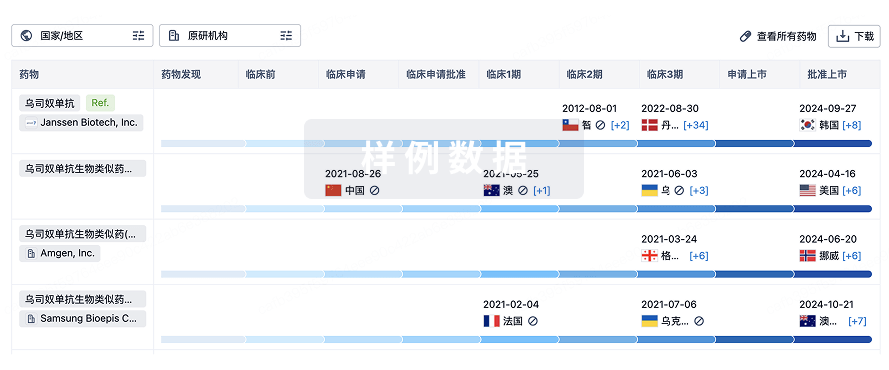
生物类似药
生物类似药在不同国家/地区的竞争态势。请注意临床1/2期并入临床2期,临床2/3期并入临床3期
登录
或
特殊审评
只需点击几下即可了解关键药物信息。
登录
或

提出任何生物医药研究问题
让每一步生物医药决策都精准制胜
基于十亿级生物数据与全球情报的精准 AI,赋能早期药物发现
立即开始免费试用!
智慧芽新药情报库是智慧芽专为生命科学人士构建的基于AI的创新药情报平台,助您全方位提升您的研发与决策效率。
立即接入生物医药数据包
智慧芽新药库数据也通过智慧芽开放平台,以MCP或API服务形式对外开放。立即使用我们的MCP服务定制您的LLM智能体。
生物序列数据库
生物药研发创新
免费使用
化学结构数据库
小分子化药研发创新
免费使用