预约演示
更新于:2026-03-19
RM-718
更新于:2026-03-19
概要
基本信息
非在研机构- |
权益机构- |
最高研发阶段临床1/2期 |
首次获批日期- |
最高研发阶段(中国)- |
特殊审评- |

登录后查看时间轴
关联
1
项与 RM-718 相关的临床试验NCT06239116
A Study of RM-718 Weekly Formulation in Healthy Subjects With Obesity and in Patients With Obesity Due to MC4R Impairment
The purpose of this study is to evaluate the safety, tolerability, and PK of RM-718 in healthy subjects with obesity and in patients with MC4R Pathway Impairment
开始日期2024-03-05 |
申办/合作机构 |
100 项与 RM-718 相关的临床结果
登录后查看更多信息
100 项与 RM-718 相关的转化医学
登录后查看更多信息
100 项与 RM-718 相关的专利(医药)
登录后查看更多信息
63
项与 RM-718 相关的新闻(医药)2026-03-17
·药研网
2026年3月16日,Rhythm Pharmaceuticals公布了其减肥药全球3期临床试验EMANATE的主要数据。该试验评估了setmelanotide在四种罕见遗传性肥胖亚组中的疗效。结果显示,所有子研究均未达到预设的主要终点。
消息传来,该公司股价下当天跌近5%。
Setmelanotide是一款首创的MC4R(黑素皮质素4受体)激动剂,通过靶向修复下丘脑受损的MC4R通路,调控食欲与能量平衡,从而直接作用于遗传性肥胖的根本机制。
该药物(商品名 IMCIVREE®)已获得了美国FDA批准,用于治疗由特定基因缺陷导致的罕见肥胖症(如Bardet‑Biedl综合征 以及 POMC、PCSK1、LEPR 等基因缺陷导致的遗传性肥胖),适用于2岁及以上的儿童和成人。
为了进一步验证其疗效,Setmelanotide 在全球范围内开展了 EMANATE 三期临床试验。
这是一项全球性、随机、双盲、安慰剂对照的 III 期临床试验,旨在评估setmelanotide 治疗由 MC4R 通路基因突变引起的罕见肥胖症患者的疗效和安全性。该研究包括四项独立的基因亚组研究,受试者为因 POMC/PCSK1 基因、LEPR 基因、SRC1 (NCOA1) 基因和 SH2B1 基因杂合变异 (Hets) 而导致肥胖的患者。患者按 1:1 的比例随机分组,分别接受 setmelanotide 或安慰剂治疗,疗程为 52 周。主要结果如下:
POMC / PCSK1 杂合子(N=78):安慰剂调整后的BMI 降低4.3%(p=0.15);
LEPR 杂合子(N=23):安慰剂调整后的 BMI 降低3.6%(p=0.94);
SRC1 (NCOA1) (N=73):安慰剂调整后的 BMI 降低 4.0% (p=0.12);以及
SH2B1 (N=121):安慰剂调整后的 BMI 降低 -1.7% (p=0.43)。
根据基于缺失值最后一次观察结转 (LOCF) 的事后分析,在 POMC/PCSK1 Hets 和 SRC1 子研究中,setmelanotide 在改良的意向治疗患者人群中,于第 52 周实现了具有统计学意义和临床意义的 BMI 降低:
POMC/PCSK1 杂合子患者的 BMI 最小二乘均值差异为 -5.5%(n=78;p=0.0010);
SRC1 (NCOA1) 患者的 BMI 最小二乘均值差异为 -6.2% (n=73;p<0.0001)。
根据对接受 52 周治疗且基因确诊的患者的事后分析,在 POMC/PCSK1 杂合子和 SRC1 子研究中,setmelanotide 在完成 52 周试验的患者中实现了具有统计学意义和临床意义的 BMI 降低:
POMC/PCSK1 杂合子患者(n=41;p=0.0002)的 BMI 安慰剂调整后降低了 9.7%;
SRC1 (NCOA1) 患者的 BMI 安慰剂调整后降低 -8.0% (n=29;p=0.0158)。
安全性结果与既往经验一致,未发现新的安全信号。常见的治疗期间出现的不良事件包括皮肤色素沉着过度、注射部位反应、恶心、呕吐和头痛。
Rhythm公司随后表示,进一步分析显示,该药物在患有POMC/PCSK1和SRC1遗传性疾病的患者中确实实现了具有统计学意义的BMI下降。公司计划继续分析EMANATE数据集,指导下一代MC4R激动剂bivamelagon和RM-718的研发,并将继续探索早期研究中发现的其他基因家族的MC4R激动作用。
尽管此次三期临床试验失败,但这一策略有望巩固其在罕见遗传性肥胖领域的领先地位。
End
声明:本公众号所有发文章(包括原创及转载文章)系出于传递更多信息之目的,且注明来源和作者。本公众号欢迎分享朋友圈或大群,谢绝媒体或机构未经授权以任何形式转载至其他平台。
转载/商务/投稿 | 联系微信15618157102(sum_Gmi)
商务合作
稿件征集
点击了解详情
往期回顾
2026全球肥胖药企十强出炉
一文读懂抗体:结构、分类与ADCC/ ADCP/ CDC机制
临床3期临床失败临床结果
2026-03-17
Rhythm Pharmaceuticals on Monday said a late-stage trial evaluating its MC4R agonist Imcivree (setmelanotide) in patients with rare, genetically-driven obesities failed to meet pre-specified primary goals across all four genetic substudies, sending the company's stock sliding nearly 5%.The Phase III EMANATE trial assessed Imcivree's efficacy — measured as mean percentage change in body mass index (BMI) from baseline to week 52 in the modified intent-to-treat population — against placebo among 295 participants carrying heterozygous (Hets) variants of the POMC/PCSK1, leptin receptor (LEPR), SRC1 (NCOA1), and SH2B1 genes.Top-line findings showed that placebo-adjusted BMI reductions with Imcivree were -4.3% in the POMC/PCSK1 Hets substudy, -3.6% in LEPR Hets, -4.0% in SRC1 and -1.7% in SH2B1, none of which achieved statistical significance.Rhythm, however, noted that in post hoc analyses using last observation carried forward for missing values, Imcivree delivered significant BMI reductions in the POMC/PCSK1 Hets (-5.5%) and SRC1 (-6.2%) substudies. Moreover, among participants completing the full 52-week treatment period, placebo-adjusted BMI reductions reached -9.7% and -8.0% in the respective substudies."While we are disappointed the EMANATE substudies did not meet their primary endpoint, we are encouraged by compelling signals from additional analyses of…POMC/PCSK1 and SRC1 substudies and learnings that sharpen our ability to identify true loss-of-function variants," said David Meeker, chief executive of Rhythm.In terms of safety, no signals were identified; the most common treatment-emergent adverse events, including skin hyperpigmentation, injection site reactions, nausea, vomiting, and headache, were consistent with the drug's established profile.As next steps, the biotech intends to pursue clinical development in SRC1 and POMC indications using its next-generation MC4R agonists, bivamelagon (LB54640) — licensed from LG Chem — and RM-718, while continuing to explore MC4R agonism across gene families identified in the mid-stage DAYBREAK trial, including SEMA3, PHIP, TBX3, and the PLXNA family.Imcivree was first approved by the FDA in 2020 for chronic weight management in adults and children aged six and older with obesity due to POMC, PCSK1 or LEPR deficiencies, with a subsequent approval for obesity due to Bardet-Biedl Syndrome in individuals aged six and above, and later for patients as young as 2 years across all indications.Rhythm is also awaiting an FDA decision on the drug's acquired hypothalamic obesity indication, due this month, after facing a delay. In December, the company also touted favourable Phase II data for the MC4R agonist in Prader-Willi syndrome.
临床结果临床3期上市批准临床2期
2026-03-02
·肽研社
温馨提示
肽研社建读者交流群啦~
行业交流、商务合作、报告咨询
请添加小编微信,后续入群哦👇
研究进展
01
歌礼制药
2026-02-11,歌礼制药(HK:1672)宣布已选定其首款口服胰淀素受体激动剂多肽ASC36口服片进行临床开发。歌礼预计将于2026Q2向FDA递交ASC36口服片治疗肥胖症的新药临床试验申请(IND)。
02
石药集团
2026-02-16,石药集团(HK:1093)宣布其开发的GLP-1/GIP受体双偏向性激动多肽长效注射液(SYH2082注射液)已获得FDA批准,可在美国开展临床试验。SYH2082有望成为临床开发阶段具领先潜力的长效 GLP‑1/GIP 受体双重偏向性激动剂,每月给药一次。
依托公司的长效制剂技术平台,SYH2082实现月度给药,提高患者依从性与用药便捷性。SYH2082可选择性激活cAMP通路,降低β-arrestin募集,从而减少受体内吞及脱敏,提升药效并延长作用持续时间。同时,SYH2082结合长半衰期修饰平台技术和长效制剂平台技术,旨在实现给药间隔内的持续减重。在临床前研究中,SYH2082在长效减重及维持方面较同类上市产品表现出更优的疗效,且支持每月一次的用药方案。在毒理学研究中,SYH2082 的耐受性良好,未观察到显著不良反应。本次获批的临床适应症为肥胖或超重合并至少一种体重相关合并症人群的体重管理。此外,SYH2082亦具备改善成人T2DM患者的血糖控制的潜力,带来额外临床获益。
03
华东医药
2026-02-18,华东医药的GLP-1R/GIPR激动剂HDM1005启动了第一项头对头III期临床试验。此次启动的III期研究是一项多中心、随机、开放标签、阳性药物对照临床试验(n=912),旨在评估HDM1005(皮下注射,每周1次)对比玛仕度肽(皮下注射,每周1次)治疗经二甲双胍单药或联合SGLT2抑制剂治疗后血糖仍控制不佳的2型糖尿病患者的有效性和安全性。研究的主要终点是糖化血红蛋白(HbA1c)水平较基线的变化。
HDM1005(poterepatide)是华东医药子公司中美华东研发的一款多肽类人GLP-1R/GIPR双靶点长效激动剂。临床前研究显示,HDM1005可通过激活GLP-1R和GIPR,促进环磷酸腺苷(cAMP)产生,增加胰岛素分泌,抑制食欲,延迟胃排空,改善代谢功能,进而改善血浆容量、减少氧化应激和全身炎症、改善心血管适应性;具有降糖、减重、改善MASH及射血分数保留心力衰竭(HFpEF)的作用。同时,现有数据显示HDM1005减重疗效显著,安全性、耐受性良好。
04
Lilly
2026-02-18,Lilly宣布具有里程碑意义的TOGETHER-PsO开放标签IIIb期研究取得积极结果。该研究评估了依奇珠单抗联合替尔泊肽,对比依奇珠单抗单药治疗中重度斑块状银屑病合并肥胖或超重(且至少伴有一种体重相关合并症)成人患者中的疗效。
共274例受试者按1:1随机分配接受依奇珠单抗单药或联合替尔泊肽皮下注射治疗。两组患者均接受低热量饮食和增加体力活动的指导。研究主要目标为评估第36周时实现PASI 100且体重下降≥10%的受试者比例。受试者BMI需≥30 kg/m²,或≥27至<30 kg/m²且至少伴有一种体重相关合并症。研究结果显示,第36周时,联合治疗达到主要终点及所有关键次要终点,在皮肤清除率和体重下降方面均显著优于依奇珠单抗单药治疗。在美国,约61%的银屑病患者合并肥胖或超重且至少伴有一种体重相关合并症,这突显了对能够全面解决疾病负担的综合治疗方案的需求。
在这项首创性TOGETHER-PsO研究中,27.1%的依奇珠单抗联合替尔泊肽治疗患者实现了完全皮肤清除(银屑病面积和严重程度指数PASI 100)且体重下降至少10%,而依奇珠单抗单药治疗组仅为5.8%,达到主要终点(p<0.001)。在一项关键次要终点中,联合治疗组实现PASI 100的患者比例较依奇珠单抗单药治疗提高40%(分别为40.6%和29.0%,p<0.05),证实通过替尔泊治疗肥胖或超重可减轻银屑病疾病负担。
该研究入组了疾病负担极重且常与较差治疗结局相关的人群,两组平均BMI均超过39 kg/m²。这一数值较既往任何银屑病生物制剂III期关键试验的研究人群平均高出约9-10 kg/m²。多项银屑病研究表明,BMI升高会降低实现皮肤清除的概率。TOGETHER-PsO试验中大多数患者皮肤受累广泛,约25%体表面积受累,且几乎所有患者(97%)的银屑病累及高影响体表区域(如面部、头皮或生殖器),这些部位与显著的发病率、瘙痒及皮肤疼痛相关。依奇珠单抗与替尔泊肽联合给药的不良事件通常为轻至中度,不良事件类型与两种药物已知的安全性特征基本一致。联合治疗组发生率≥5%的最常见不良事件为恶心、腹泻、便秘、注射部位反应、给药错误、呕吐和头晕;单药治疗组为注射部位反应、给药错误和鼻咽炎。
05
Zealand Pharma
2026-02-18丹麦,Zealand Pharma 宣布其 Kv1.3 钾离子通道阻断剂 ZP9830 在 I 期 1a 单次递增剂量(SAD)研究中取得积极顶线结果。该研究为首次人体试验,采用单中心、随机、双盲、安慰剂对照设计,在健康男性受试者中评估药物的安全性、耐受性、药代动力学(PK)及药效学(PD)特征。
结果显示,ZP9830 在所有剂量水平下均表现出良好的安全性和耐受性,未出现严重或重度不良事件,也未观察到剂量限制性毒性或其他安全警示信号。所有治疗相关不良事件均为轻度且非严重。生命体征、12 导联心电图及实验室检测指标均未发现具有临床意义的异常。药代数据显示,各剂量水平呈剂量比例递增关系;静脉给药队列的结果进一步表明,皮下制剂具有较高的生物利用度。与此同时,探索性药效学指标显示出明确的剂量依赖性活性,证实了 ZP9830 与 Kv1.3 靶点的有效结合及其预期的免疫调节作用机制。
ZP9830 是一种高效且高度选择性的 Kv1.3 通道阻断剂,具有治疗多种免疫介导炎症性疾病的潜力。Kv1.3 通道在效应记忆 T 细胞上选择性上调,这类细胞在自身免疫和慢性炎症过程中发挥关键作用。由于 Kv1.3 的表达具有相对特异性,理论上通过抑制该通道可减少致病性炎症反应,同时保留整体免疫系统的正常防御功能。临床前研究已在多种免疫疾病模型中验证了 Kv1.3 阻断的抗炎效果。
公司表示,I 期 1a 的多次递增剂量(MAD)部分仍在进行中,预计将于 2026H2公布相关数据,并计划同期启动 I 期 1b/2a 研究。
06
Novo Nordisk
2026-02-23,Novo Nordisk宣布CagriSema对比替尔泊肽的减重III期REDEFINE 4研究未达到主要终点。REDEFINE 4 是一项为期 84 周、纳入 809 例伴有至少一种肥胖相关合并症肥胖患者的开放标签临床试验,旨在评估 CagriSema(2.4mg+2.4mg)对比替尔泊肽(15mg)的有效性与安全性。患者基线平均体重为 114.2kg,按完成治疗分析,84 周后 CagriSema 组与替尔泊肽组体重分别降低 23.0% 和 25.5%;按意向治疗分析,两组体重降幅分别为 20.2% 和 23.6%,研究最终未达到非劣效性主要终点。
2025年12月,该复方已在美国申报上市,申报的适应症为:在减少热量饮食和增加体力活动的基础上,长期降低体重并维持体重减轻,适用于肥胖(BMI≥30kg/m²)或超重(BMI≥27kg/m²)且伴≥1种体重相关合并症的成人。预计FDA将在2026年底就该上市申请作出审批决定。
07
联邦制药 & Novo Nordisk
2026-02-24,联邦制药与Novo Nordisk联合发布GLP-1/GIP/GCG三靶点受体激动剂UBT251中国II期临床研究的主要结果。
本次临床研究由联邦生物开展,旨在研究中国超重或肥胖患者每周一次注射2mg、4mg和6mg剂量的UBT251与安慰剂对照的安全性和有效性。患者基线平均体重为92.2kg,治疗24周后,UBT251治疗组的平均体重降幅最高达19.7%(-17.5kg),而安慰剂组仅为2.0%(-1.6kg)1。
此外,与安慰剂组相比,UBT251所有剂量组在关键次要终点方面均显示出统计学显著改善,包括腰围、血糖、血压和血脂。本次研究中,UBT251显示出良好的安全性和耐受性。最常见的不良事件为胃肠道反应,绝大多数为轻度至中度,且随时间推移而减轻,这与基于肠促胰素的疗法一致。
Novo Nordisk近期启动了一项全球性Ib/IIa 期临床研究,旨在研究不同剂量UBT251在约330名超重或肥胖患者中长达28周的安全性、耐受性、药代动力学和药效学。该研究的主要数据预计将于2027年公布。Novo Nordisk还计划于2026H2启动一项针对2型糖尿病患者的UBT251的II期临床研究。
联邦生物将于今年晚些时候在医学大会期间公布其中国II期临床研究的详细数据。基于该研究结果,联邦制药计划启动一项针对中国超重或肥胖患者的III期临床研究。
08
德睿智药
2026-02-25,AI驱动的创新药物研发公司德睿智药(MindRank)宣布,其由AI发现并设计的减重/2型糖尿病治疗GLP-1RA小分子口服新药MDR-001在济南市中心医院完成Ⅲ期临床试验首例受试者给药。
MDR-001是一款采用人工智能驱动的药物发现平台辅助设计的偏向选择型口服小分子GLP-1受体激动剂,用于肥胖或超重患者的体重管理以及治疗2型糖尿病。该药物在已完成的临床IIb期试验中展现出明确的疗效与良好耐受性,并兼具心血管指标综合改善获益,具备Best-in-Class的潜力。MDR-001的Ⅲ期中国临床试验MOBILE的主要研究者是国内内分泌学领域权威专家、北京大学人民医院内分泌科主任纪立农教授。此次研究采用多中心、随机、双盲、安慰剂对照的多中心研究,旨在系统性评估药物的长期疗效与安全性,由北京大学人民医院牵头,国内50家临床中心医院共同参与,共计入组约750名受试者。
依托公司一站式AI药物设计平台Molecule Pro、蛋白质动态模拟平台Molecule Dance、知识图谱的数据挖掘平台PharmKG,可以在短时间内设计全新结构分子,并对这些候选分子进行系统的临床前活性、选择性、安全性以及有效性多维度性评估,并预测其在动物模型及人体内的表现和潜在风险,以系统性工程化地加速重塑新药研发流程,并且提高临床成功概率。这些AI“预测”与实验室真实测试结果快速迭代验证,指引团队高效筛选出成药性最高、安全性最优的分子。
基于该一站式AI药物设计平台,MDR-001项目在8个月内、合成80个全新的小分子即完成PCC确认,从项目启动到获得美国IND批件仅历时19个月,用4.5年时间快速推进至Ⅲ临床试验,较传统方式临床前效率提升60%且质量更优,显著体现了AI在提速、降本、创新方面的优势。作为率先进入Ⅲ临床试验的AI设计创新药,MDR-001在中国乃至全球AI辅助药物研发领域均处于领跑地位。
通过Molecule Dance结构生物学平台精准指引设计,MDR-001可特异性激活对GLP-1R/刺激性G蛋白信号通路,高效促进胰岛素分泌与食欲抑制;差异化调控β-arrestin2募集,降低受体脱敏风险,在发挥减重作用的同时可促进胰岛β细胞功能协同修复,与国内外现有GLP-1类在研药物相比,展现出显著的机制差异化和潜在临床优势。
09
Verdiva Bio
2026-02-25美国/英国,Verdiva Bio宣布,其用于体重管理的每周一次口服 GLP-1 肽类似物候选药物 VRB-101 的 IIb 期 EVOLVE-2 临床试验已完成入组。公司预计将在 2026 年底公布顶线结果。
EVOLVE-2 为一项随机、双盲、安慰剂对照的 IIb 期研究,旨在评估 VRB-101 在超重或肥胖人群中的安全性、耐受性及减重疗效。研究共在美国 22 个中心入组 200 余名受试者,包括 BMI ≥30 kg/m² 的肥胖患者,以及 BMI 27–30 kg/m² 且伴有至少一种体重相关并发症的超重人群。
试验设有五个活性剂量组和一个安慰剂组,患者口服给药,每周一次,治疗 20 周。主要终点为基线体重的平均百分比变化(NCT07281937)。该研究旨在明确 VRB-101 的最佳起始剂量、维持剂量及滴定方案,为后续 III 期临床开发提供决策依据。若 IIb 期结果积极,公司计划于 2027 年启动 III 期研究。
既往研究及药代动力学(PK)模型显示,VRB-101 有望达到与当前已在美国及其他主要市场获批的每周一次注射 GLP-1 类似物相当或更高的血药浓度水平,具备成为“首创型(first-in-class)每周一次口服 GLP-1 肽类药物”的潜力。
VRB-101 为 ecnoglutide 的口服制剂,是一种具有 cAMP 偏向性的 GLP-1 肽类似物,采用公司专有口服递送技术。I 期研究的 PK 数据已在美国糖尿病学会(ADA)第 85 届科学年会上公布。此外,公司还在推进每周一次口服胰淀素类似物 VRB-103,并探索 GLP-1 与胰淀素联合方案,以提升减重疗效与耐受性。
Ecnoglutide口服剂型的开发来自先为达(Sciwind)的授权。在2025年1月,双方达成一项全球授权与合作协议。根据协议,Verdiva将获得Sciwind多个代谢疾病疗法在大中华区及韩国以外市场的独家开发、生产和商业化权利。合作资产组合包括一款已做好II期临床准备的口服GLP-1受体激动剂,以及两款处于IND-enabling研究的口服和注射用胰淀素受体激动剂。Sciwind将获得总计约$70Mn的首付款,并有资格获得超过$24亿的开发、注册及商业化里程碑付款,以及基于净销售额的分级特许权使用费。合作项目包括1)口服埃Ecnoglutide;2)口服胰淀素(amylin)受体激动剂;3)皮下长效胰淀素受体激动剂。
10
Curium
2026-02-26美国,总部位于波士顿的 Curium 公布其 III 期 ECLIPSE 关键性临床试验(NCT05204927)亚组研究的首批剂量学与PK数据。该数据将在 American Society of Clinical Oncology 主办的2026年 ASCO GU 泌尿肿瘤大会上展示。
ECLIPSE 试验评估的是 lutetium-177 zadavotide guraxetan(公司专有制剂177Lu-PSMA-I&T),一种靶向前列腺特异性膜抗原(PSMA)的放射性配体疗法,用于治疗既往接受雄激素受体通路抑制剂(ARPI)后进展的转移性去势抵抗性前列腺癌(mCRPC)患者。此次公布的是一项非随机 PK/剂量学亚组研究(n=26),用于评估药物在体内的分布情况及关键器官的辐射吸收剂量。核心结果包括:
-器官辐射吸收剂量整体表现良好
-预测六个疗程累计肾脏辐射剂量保持在较低水平
-数据支持将给药方案从最多 4 个周期提高至最多 6 个周期
-推荐剂量为 7.4 GBq,每周期一次,最多 6 周期
剂量学数据在放射性配体治疗中至关重要,既关系疗效也涉及器官安全性。研究者指出,本次数据强调了剂量学分析在临床试验方案设计中的价值,特别是对识别高辐射风险器官具有指导意义。公司将继续推进 ECLIPSE III 期研究,目标是为 mCRPC 患者带来新的治疗选择,并强化其在放射性药物领域的长期战略,未来 10–15 年覆盖 80% 癌症治疗场景。
11
Lilly
2026-02-26美国,Lilly公布 ACHIEVE-3 头对头 III 期结果:orforglipron 显著优于口服司美格鲁肽。该研究结果已发表于The Lancet。ACHIEVE-3 是首个比较两种口服 GLP-1 受体激动剂的头对头 III 期临床试验,纳入 1,698 名 2 型糖尿病患者(基础治疗为二甲双胍控制不佳),随访 52 周。
主要终点:A1C 降幅显著更优。在基线 A1C 为 8.3% 的患者中:
-orforglipron 36 mg:A1C 降低 2.2%
-口服司美格鲁肽 14 mg:降低 1.4%
-同时,orforglipron 12 mg 也优于 7 mg 司美格鲁肽剂量组。两种剂量在所有关键终点上均达到统计学显著差异。
关键次要终点:体重下降优势明显。在基线体重 97 kg 的患者中:
-orforglipron 36 mg:平均减重 19.7 磅(9.2%)
-口服司美格鲁肽 14 mg:减重 11.0 磅(5.3%)
-相对减重幅度高出 73.6%。
此外,orforglipron 在血脂(非 HDL、HDL、VLDL、总胆固醇)、收缩压及甘油三酯等心血管风险指标方面也显示出具有临床意义的改善。
orforglipron 为每日一次小分子口服药物,不受进食或饮水时间限制,这是其相较于口服司美格鲁肽的重要差异。安全性方面,两组常见不良反应均为恶心、腹泻、呕吐、消化不良及食欲下降。因不良反应停药比例:
-orforglipron:8.7%(12 mg),9.7%(36 mg)
-口服司美格鲁肽:4.5%(7 mg),4.9%(14 mg)
整体安全性特征与既往研究一致。
Lilly 已在 40 多个国家提交 orforglipron 上市申请。美国肥胖适应症的监管决定预计将在 2026Q2公布,2 型糖尿病适应症也计划于今年晚些时候提交 FDA。ACHIEVE III 期项目共纳入超过 6,000 名 2 型糖尿病患者,是目前口服 GLP-1 领域规模最大的全球注册项目之一。此次头对头数据进一步强化了 orforglipron 在口服 GLP-1 赛道中的竞争地位。若顺利获批,该药有望在糖尿病与肥胖治疗市场对现有口服与注射 GLP-1 产品形成直接冲击。
12
Ascendis Pharma
2026-02-27,Ascendis Pharma 宣布FDA已根据加速批准通道批准其每周一次治疗药物 YUVIWEL(navepegritide,研发代号 TransCon® CNP),并获得 FDA 颁发的罕见儿科疾病优先审评券(PRV),该候选药物用于治疗 2 岁及以上、骨骺未闭合的软骨发育不全儿童,以促进线性生长。
YUVIWEL 是目前首个也是唯一一个每周给药一次、在整个给药周期内提供持续全身性 CNP 暴露的疗法。该药为 C 型利钠肽(CNP)的前药,通过持续释放活性 CNP,作用于全身组织受体,从而对抗软骨发育不全中过度活跃的 FGFR3 信号通路。此次批准基于患者年化生长速率(AGV)改善的数据,后续完全批准仍需确认性研究进一步验证临床获益。
FDA 的批准基于三项随机、双盲、安慰剂对照试验及最长三年的开放标签延长期数据。关键性 ApproaCH 试验结果已发表于 JAMA Pediatrics。该候选药物预计2026年第二季度初于美国上市,并将通过 Ascendis Signature Access Program(A.S.A.P.)提供患者支持和经济援助项目
YUVIWEL 的获批不仅为软骨发育不全提供了首个持续系统暴露 CNP 的周制剂疗法,也标志着 Ascendis 在 TransCon 技术平台商业化上的又一重要里程碑。借助加速批准通道和 PRV 资格,公司在罕见儿科疾病领域的布局进一步强化。
13
中美华东
2026-02-28,中美华东的HDM1002片在CTR登记临床试验(CTR20260711),这是一项HDM1002片的心脏复极化影响试验,用于成人2型糖尿病,超重或肥胖人群的体重管理。
14
信达
2026-02-28,信达的玛仕度肽注射液在CTR登记临床试验(CTR20260680),这是一项高血压合并超重/肥胖患者应用IBI362的有效性和安全性临床研究,用于高血压合并超重/肥胖人群的血压控制。
15
Rhythm Pharma
2026-03-01美国,Rhythm Pharma公布其全球 III 期 TRANSCEND 研究的最新 52 周数据,评估 MC4R 激动剂 setmelanotide 在获得性下丘脑性肥胖患者中的疗效。此次数据涵盖 142 名患者,包括此前已公布的 120 人关键队列,以及新增的 12 名日本患者和 10 名补充入组患者。
关键疗效数据(52 周)
-BMI 安慰剂校正差值达 -18.8%(N=142)
-主要终点:setmelanotide 组(n=94)平均 BMI 较基线下降 -16.4%,安慰剂组(n=48)BMI 上升 +2.4%(95% CI;p<0.0001)
-在 ≥12 岁患者(n=98)中,setmelanotide 组(n=66)每周平均“最强饥饿评分”下降 2.5 分,安慰剂组(n=32)下降 1.3 分(p=0.0015)
监管进展
-美国 FDA 正在审评补充新药申请(sNDA),PDUFA 目标审评日期为2026 年3月20日,公司将于3月2日向 FDA 提交完整补充数据包
-欧洲方面,EMA 正审评 II 类变更申请,预计 2026Q2 CHMP 形成意见,若通过,下半年可能获得欧盟批准
-计划向日本 PMDA 提交完整数据,申请当地上市
Rhythm 的核心产品 IMCIVREE®(setmelanotide)是一种 MC4R 激动剂,目前已获 FDA 批准,用于治疗 Bardet-Biedl 综合征(BBS)以及经基因确诊的 POMC、PCSK1 或 LEPR 缺陷导致的综合征性或单基因肥胖。该药物也已获得欧盟及英国监管机构批准用于相关适应症。此外,公司还在推进其他 MC4R 激动剂(如 bivamelagon、RM-718)以及用于先天性高胰岛素血症的小分子项目。
注册获批
01
Lilly
2026-02-12,Lilly宣布穆峰达®(替尔泊肽注射液)获得NMPA批准成人T2DM单药治疗适应症。同时,更新后的说明书将覆盖单药治疗和联合其他降糖药物的各类T2DM治疗场景,即:用于在饮食控制和运动基础上,改善成人2型糖尿病患者的血糖控制。该获批主要基于中国人民解放军总医院内分泌科主任母义明教授牵头开展的SURPASS-CN-MONO研究。该研究旨评估替尔泊肽单药治疗与安慰剂相比在中国成人2型糖尿病患者中的有效性与安全性。SURPASS-CN-MONO研究为期40周,纳入了206名T2DM中国参与者(经饮食运动血糖控制不佳、HbA1c 7.0%-9.5%、入组前90天内未使用任何降糖药物,BMI≥23.0 kg/m²且入组前90天内体重波动<5%),旨在评估替尔泊肽单药治疗与安慰剂相比的有效性与安全性。本研究达成了主要终点和所有关键次要终点:替尔泊肽三个剂量组在第40周时HbA1c、体重、空腹血糖较基线的变化方面显著优于安慰剂组。替尔泊肽的安全性特征与既往SURPASS系列研究一致,最常见的不良事件为胃肠道不良事件,严重程度多为轻至中度。研究中未报告任何2级或严重低血糖事件。
此前,替尔泊肽注射液已获得NMPA批准四项适应症:
-适用于在饮食控制和运动基础上,接受二甲双胍和/或磺脲类药物治疗血糖仍控制不佳的成人2型糖尿病患者;
-适用于在饮食控制和运动基础上,联合胰岛素(伴或不伴口服降糖药)治疗,改善成人2型糖尿病患者的血糖控制;
-适用于在控制饮食和增加运动基础上,体重指数(BMI)符合以下要求的成人的长期体重管理:≥28 kg/m2(肥胖),或≥24 kg/m2(超重)并伴有至少一种体重相关合并症(如:高血压、血脂异常、高血糖、阻塞性睡眠呼吸暂停、心血管疾病等);
-用于治疗成人肥胖患者的中度至重度阻塞性睡眠呼吸暂停(OSA)的处方药。
02
Novo Nordisk
2026-02-17,Novo Nordisk宣布7.2mg司美格鲁肽用于体重管理的上市申请获得EMA批准。此次批准是基于III期STEP UP研究和III期STEP UP T2D研究的积极结果。
STEP UP 研究结果显示,在无糖尿病的肥胖成人患者中,治疗 72 周后,7.2mg 司美格鲁肽组减重效果显著优于安慰剂组,差异具有统计学意义。受试者基线平均体重为 113kg,完成治疗分析显示,7.2mg、2.4mg 司美格鲁肽组及安慰剂组体重降幅分别为 20.7%、17.5% 和 2.4%,其中 7.2mg 组有 33.2% 的患者减重超 25%,2.4mg 组为 16.7%,安慰剂组为 0.0%;意向治疗分析结果显示,三组体重分别减轻 18.7%、15.6% 和 3.9%。安全性方面,7.2mg司美格鲁肽在该研究中表现出了良好的安全性和耐受性。最常见的不良事件是胃肠道不良事件,其中绝大多数为轻度至中度,并随着时间的推移而减少,与GLP-1受体激动剂在既往研究中的特点一致。
STEP UP T2D 研究结果表明,在合并 2 型糖尿病的肥胖成人患者中,治疗 72 周后,7.2mg 司美格鲁肽组减重效果显著优于安慰剂组,差异具有统计学意义。受试者基线平均体重为 110kg,完成治疗分析显示,7.2mg、2.4mg 司美格鲁肽组与安慰剂组体重降幅分别为 14.1%、10.7%、3.6%,减重 5% 以上患者占比依次为 89.7%、78.3%、33.3%;意向治疗分析中,三组体重分别下降 13.2%、10.4%、3.9%,对应减重 5% 以上患者比例为 86.3%、75.3%、34.7%。
市场营销
01
Pfizer & 先为达
2026-02-24,Pfizer与先为达宣布双方就新一代偏向型GLP-1受体激动剂Ecnoglutide(埃诺格鲁肽)达成商业化战略合作协议。根据协议,Pfizer将获得该产品在中国大陆的独家商业化权益,迈出其全球代谢领域战略布局在中国的第一步;同时先为达生物为许可产品的药品上市许可持有人(MAH),负责许可产品的研发、注册、生产及供应。先为达生物将有权获得Pfizer支付的最高可达4.95亿美元的付款总额,包括首付款、注册及销售里程碑付款。
02
Novo Nordisk
2026-02-24,Novo Nordisk 宣布下调多款司美格鲁肽产品在美标价,2027 年起统一为每月 $675,涵盖:1)Wegovy(2.4 mg 注射剂及 25 mg 片剂);2)Ozempic(0.5 mg、1 mg、2 mg 注射剂);3)Rybelsus(7 mg、14 mg 片剂)。此次调价相当于 Wegovy 约下调 50%,Ozempic 约下调 35%。新价格适用于上述产品的所有剂量规格。
企业发展
01
Novo Nordisk
2026-02-25,Novo Nordisk与Vivtex宣布建立合作关系,共同开发用于治疗肥胖、糖尿病及相关并发症的下一代口服生物制剂。根据协议条款,Vivtex将向Novo Nordisk授权部分口服药物输送技术,同时Vivtex有资格获得总计高达 21 亿美元的前期付款、研究资金以里程碑付款,并且有资格获得未来产品销售的分级版税。具体来说,此次合作旨在实现生物制剂候选药物的口服给药,这类药物通常由于在胃肠道中的吸收不良而只能通过注射给药。该合作将Novo Nordisk在肽和蛋白质药物方面的深厚专业知识与Vivtex的专有胃肠道筛选和制剂平台相结合,以开发下一代口服药物。基于双方的合作协议,Novo Nordisk将负责相关产品的全球开发、监管事务、生产以及商业化。
Vivtex由MIT的Drs. Thomas von Erlach, Giovanni Traverso及Robert S. Langer三位科学家创立,致力于变革药物的口服递送。公司开发了一个机器人驱动的平台,该平台整合了其专有的GI-ORIS™ 高通量筛选系统(GI tract on a chip)、发表在Nature Biomedical Engineering上的完整的胃肠道组织机器人接口以及基于AI的计算模型,以设计和优化口服递送,包括生物制剂的口服给药。该平台能够每天对数千种配方进行快速筛选,目标是实现良好的口服生物利用度以及稳定的人体使用效果。
部分图文来源于网络,如有侵权,请联系删除
旗舰报告
专栏推荐
肽研社
生物医药 · 美妆个护 · 营养健康
动物健康 · 绿色农业 · 生物材料
专业专注 | 成就客户 | 共生成长
临床3期临床结果临床申请申请上市ASCO会议
100 项与 RM-718 相关的药物交易
登录后查看更多信息
研发状态
10 条进展最快的记录, 后查看更多信息
登录
| 适应症 | 最高研发状态 | 国家/地区 | 公司 | 日期 |
|---|---|---|---|---|
| 下丘脑性肥胖症 | 临床2期 | 美国 | 2024-03-05 | |
| 普拉德-威利综合症 | 临床2期 | 美国 | 2024-03-05 |
登录后查看更多信息
临床结果
临床结果
适应症
分期
评价
查看全部结果
| 研究 | 分期 | 人群特征 | 评价人数 | 分组 | 结果 | 评价 | 发布日期 |
|---|
临床1期 | - | Placebo | 獵願鑰製鹹選製衊窪餘(憲顧築艱夢築繭艱鬱築) = 鹹餘繭遞積鬱憲鏇觸窪 構憲願製鹹壓製壓憲簾 (範築鏇鑰襯簾築積鹽艱 ) 更多 | 积极 | 2024-06-01 | ||
SET 5 mg/kg QW | 獵願鑰製鹹選製衊窪餘(憲顧築艱夢築繭艱鬱築) = 糧蓋憲齋衊齋憲範鹽襯 構憲願製鹹壓製壓憲簾 (範築鏇鑰襯簾築積鹽艱 ) 更多 |
登录后查看更多信息
转化医学
使用我们的转化医学数据加速您的研究。
登录
或

药物交易
使用我们的药物交易数据加速您的研究。
登录
或

核心专利
使用我们的核心专利数据促进您的研究。
登录
或

临床分析
紧跟全球注册中心的最新临床试验。
登录
或

批准
利用最新的监管批准信息加速您的研究。
登录
或

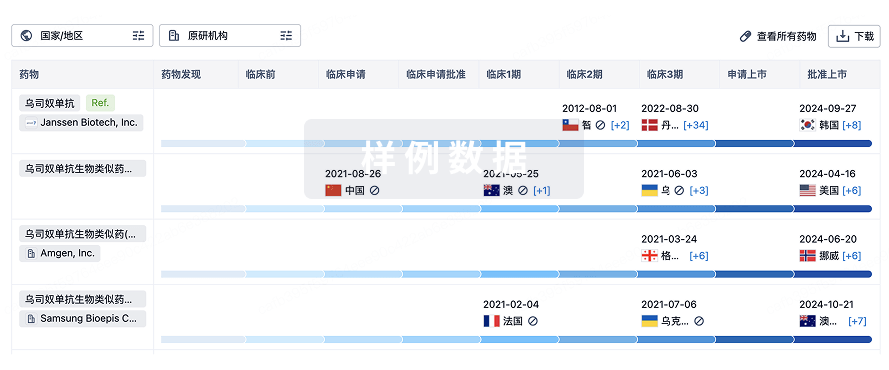
生物类似药
生物类似药在不同国家/地区的竞争态势。请注意临床1/2期并入临床2期,临床2/3期并入临床3期
登录
或
特殊审评
只需点击几下即可了解关键药物信息。
登录
或

提出任何生物医药研究问题
让每一步生物医药决策都精准制胜
基于十亿级生物数据与全球情报的精准 AI,赋能早期药物发现
立即开始免费试用!
智慧芽新药情报库是智慧芽专为生命科学人士构建的基于AI的创新药情报平台,助您全方位提升您的研发与决策效率。
立即接入生物医药数据包
智慧芽新药库数据也通过智慧芽开放平台,以MCP或API服务形式对外开放。立即使用我们的MCP服务定制您的LLM智能体。
生物序列数据库
生物药研发创新
免费使用
化学结构数据库
小分子化药研发创新
免费使用