预约演示
更新于:2025-12-09
Tetanus toxoid vaccine (aVaxziPen)
更新于:2025-12-09
概要
基本信息
原研机构 |
在研机构 |
非在研机构- |
权益机构- |
最高研发阶段临床前 |
首次获批日期- |
最高研发阶段(中国)- |
特殊审评- |

关联
100 项与 Tetanus toxoid vaccine (aVaxziPen) 相关的临床结果
登录后查看更多信息
100 项与 Tetanus toxoid vaccine (aVaxziPen) 相关的转化医学
登录后查看更多信息
100 项与 Tetanus toxoid vaccine (aVaxziPen) 相关的专利(医药)
登录后查看更多信息
1,032
项与 Tetanus toxoid vaccine (aVaxziPen) 相关的文献(医药)2025-12-31·Human Vaccines & Immunotherapeutics
Infant protection from invasive
Haemophilus influenzae
type b disease using the PRP-OMPC conjugate vaccine: An update
Review
作者: Marcek, Tomas ; Chapman, Timothy J. ; Wilck, Marissa ; Finalle, Rodney ; Taha, Muhamed-Kheir ; Johnson, David R.
Invasive disease caused by Haemophilus influenzae type b (Hib) is a major health concern, particularly in children under 5 years of age and vulnerable populations. Use of Hib conjugate vaccines has significantly reduced the incidence of Hib disease. Among these, the polyribosylribitol phosphate-outer membrane protein complex (PRP-OMPC) conjugate has demonstrated uniquely robust immunogenicity in infants compared to PRP conjugated to tetanus toxoid. Vaxelis, using the PRP-OMPC conjugate, was well tolerated and immunogenic as shown through the clinical development program. Additional studies that are recently published address previously open questions regarding Vaxelis, including immunogenicity after the first infant dose, co-administration with meningococcal B vaccine, and interchangeability with other hexavalent vaccines. This brief review summarizes recently published Vaxelis data, with potential implications for ongoing control of invasive Hib disease in Europe.
2025-08-01·VACCINE
Immunogenicity, safety and immunological memory of a Brazilian meningococcal C conjugate vaccine on a phase II clinical trial
Article
作者: Noronha, Tatiana Guimarães de ; Sepúlveda, Carla da Silva ; Maia, Maria de Lourdes de S ; Martins, Reinaldo de Menezes ; Matos, Denise Cristina de Souza ; Silveira, Ivna Alana Freitas Brasileiro da ; Leal, Maria de Lourdes Moura ; Engstrom, Elyne Montenegro ; Marques, Célia Menezes Cruz ; Homma, Akira ; Jessouroun, Ellen ; Camacho, Luiz Antonio Bastos ; Andrade, Raissa Coelho ; Silva, Andrea Marques Vieira da
INTRODUCTION:
Meningococcal disease (MD) is a public health burden. In many countries, including Brazil, serogroup C (MenC) is the main cause of MD, emphasizing the importance of continuous improvement of MenC conjugate vaccines.
METHODS:
Phase II randomized, single-blinded study, with 360 healthy and meningococcal vaccine-naive children from 1 to 9 years of age: 240 received the candidate MenCC-Bio vaccine and 120 received the reference vaccine Neisvac-C®. The test vaccine was developed by Bio-Manguinhos∕Fiocruz and contained per dose: meningococcal C polysaccharide 10 μg (strain 2135) conjugated to tetanus toxoid (10-30 μg), and aluminum hydroxide (0.35 mg Al+3). Seroconversion (i.e., conversion to ≥1:8 or a 4-fold increase in serum bactericidal activity titers) and geometric mean titers (GMT) were evaluated. Adverse events were recorded for 30 days following vaccination. Duration of seroprotection was assessed 12 months after primary vaccination, and a booster dose was administered in children who had seroconverted initially.
RESULTS:
Seroconversion rates were 226/240 (94.2 %; 95 % CI: 91.0 %; 96.4 %) for MenCC-Bio and 118/120 (98.3 %; 95 % CI: 94.1 %; 99.8 %) for Neisvac-C®. MenCC-Bio was considered non-inferior (difference in seroconversion -4.1 %; 95 % CI: -8.5 %; 0.3 %). However, post-vaccination bactericidal GMT was inferior (MenCC-Bio = 230; Reference vaccine = 1036), and test/reference GMT post-vaccination ratio was 0.22 (non-inferiority cutoff ≥0.6). Differences in immunogenicity were higher for children <5 years old. In the subset of children reassessed after 12 months, seroreversion for MenCC-Bio was 80.1 % and 46.0 % for the reference vaccine. Post-revaccination GMT was higher than after primary vaccination, and all seronegative volunteers became seropositive, indicating strong immunological memory. Both vaccines were well tolerated, and adverse events were mild or moderate.
CONCLUSION:
MenCC-Bio vaccine was equally safe but had lower immunogenicity compared to Neisvac-C®. Nevertheless, the high seroconversion rate and induction of immunological memory indicates its usefulness in Immunization Programs.
2025-08-01·COMPARATIVE IMMUNOLOGY MICROBIOLOGY AND INFECTIOUS DISEASES
Immunization of BALB/c mice with detoxified lipopolysaccharide and hydrolytic O-polysaccharide from Brucella melitensis either in combination with or conjugated to tetanus toxoid, enhances protective immune responses against the pathogen
Article
作者: Khoramabadi, Nima ; Doust, Reza Hosseini ; Mobarez, Ashraf Mohabati ; Shapouri, Reza
Lipopolysaccharide (LPS) is the major surface antigen of Brucella, an intracellular pathogen that causes brucellosis in both animals and humans. A deeper understanding of the immune responses elicited by this key antigen may offer valuable insights for the development of effective vaccines for use in both humans and animals. In this study, detoxified LPS (d-LPS) and hydrolytic O-polysaccharide (OPS) from B. melitensis were prepared and separately conjugated to tetanus toxoid (TT) as a carrier protein. The resulting conjugates, d-LPS-TT and OPS-TT, as well as mixture of d-LPS+TT and OPS+TT, were used to immunize separate groups of BALB/c mice. The conjugated antigens induced significant IgG2a-specific serum responses targeting the polysaccharide components. Furthermore, mice immunized with d-LPS-TT and OPS-TT demonstrated elevated levels of IL-12 and IFN-γ following intraperitoneal challenge with B. melitensis 16 M. Notably, the strongest protective immune responses were observed in mice receiving the d-LPS-TT. Most previous studies have attributed protective responses primarily to specific serum antibodies. Although antibodies against Brucella polysaccharides typically associated with T-helper 2 (Th2) type responses, develop during infection, they are insufficient to eliminate the intracellular pathogen from the host. While the precise mechanism remain to be fully elucidated, our findings suggest that immunization with covalently conjugated polysaccharide antigens may promote T-helper 1(Th1) type cellular immunity, which appear to play a more pivotal role in protection against B. melitensis.
100 项与 Tetanus toxoid vaccine (aVaxziPen) 相关的药物交易
登录后查看更多信息
研发状态
10 条进展最快的记录, 后查看更多信息
登录
| 适应症 | 最高研发状态 | 国家/地区 | 公司 | 日期 |
|---|---|---|---|---|
| 破伤风 | 临床前 | 英国 | 2023-06-06 |
登录后查看更多信息
临床结果
临床结果
适应症
分期
评价
查看全部结果
| 研究 | 分期 | 人群特征 | 评价人数 | 分组 | 结果 | 评价 | 发布日期 |
|---|
No Data | |||||||
登录后查看更多信息
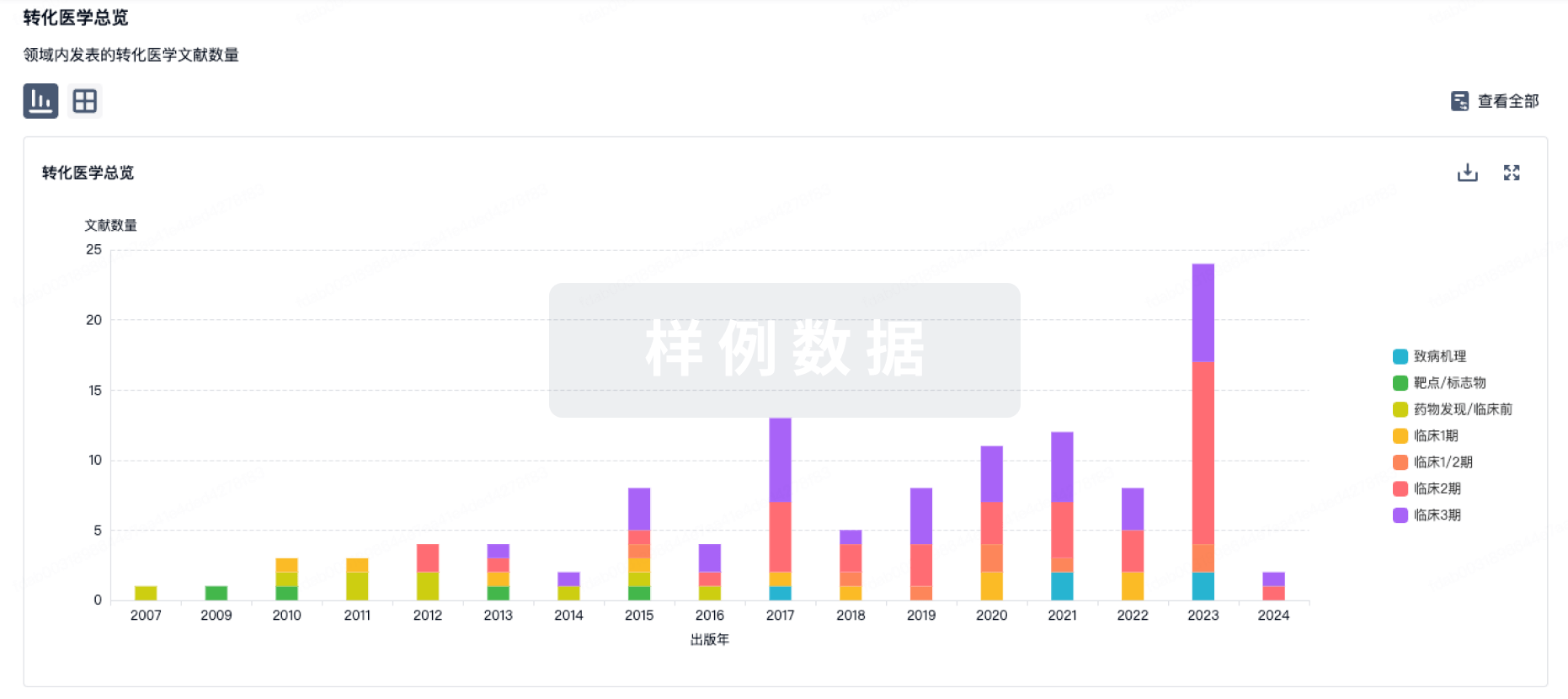
转化医学
使用我们的转化医学数据加速您的研究。
登录
或
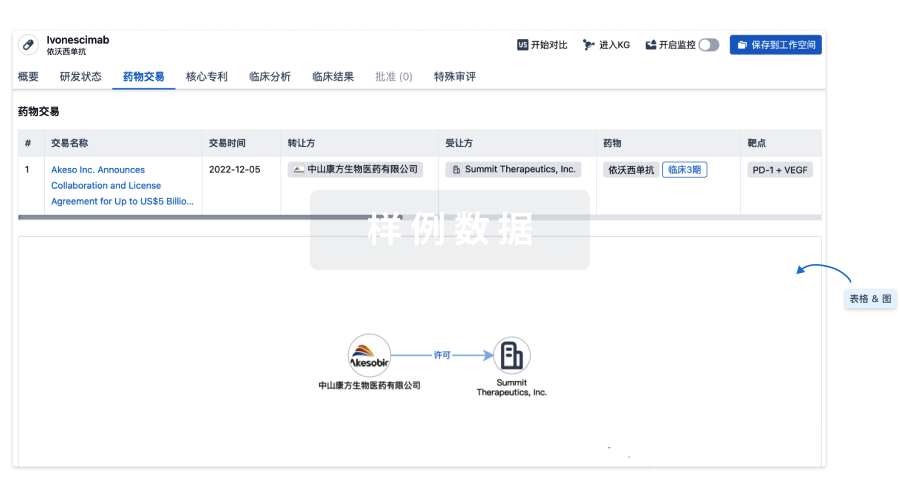
药物交易
使用我们的药物交易数据加速您的研究。
登录
或
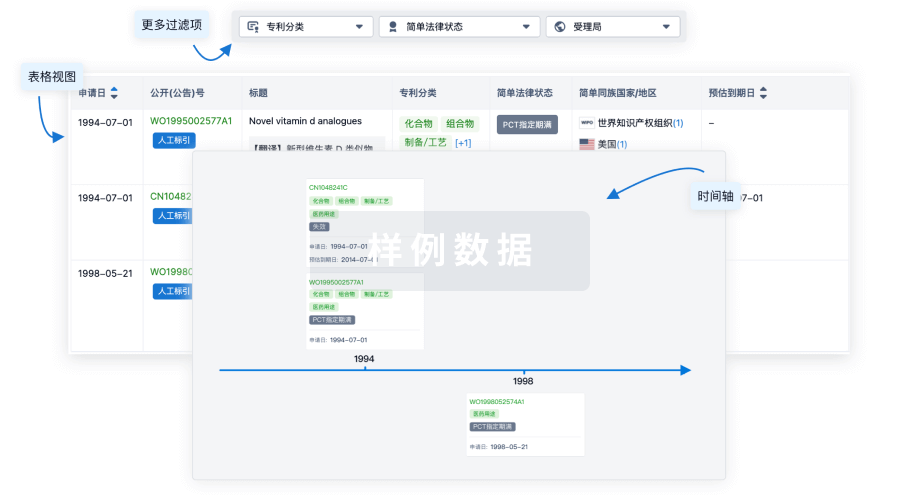
核心专利
使用我们的核心专利数据促进您的研究。
登录
或
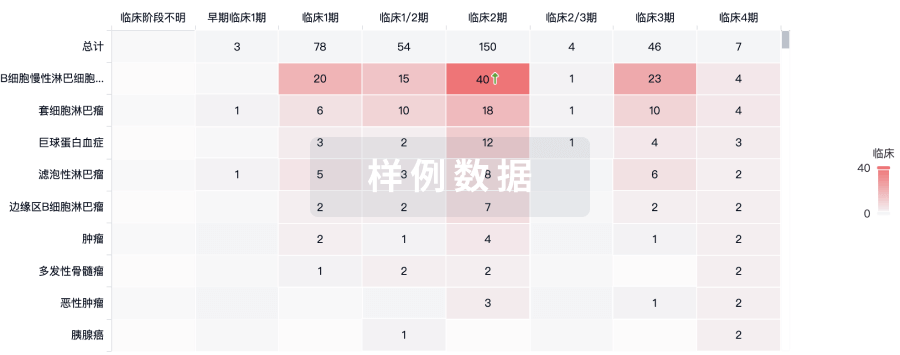
临床分析
紧跟全球注册中心的最新临床试验。
登录
或
批准
利用最新的监管批准信息加速您的研究。
登录
或
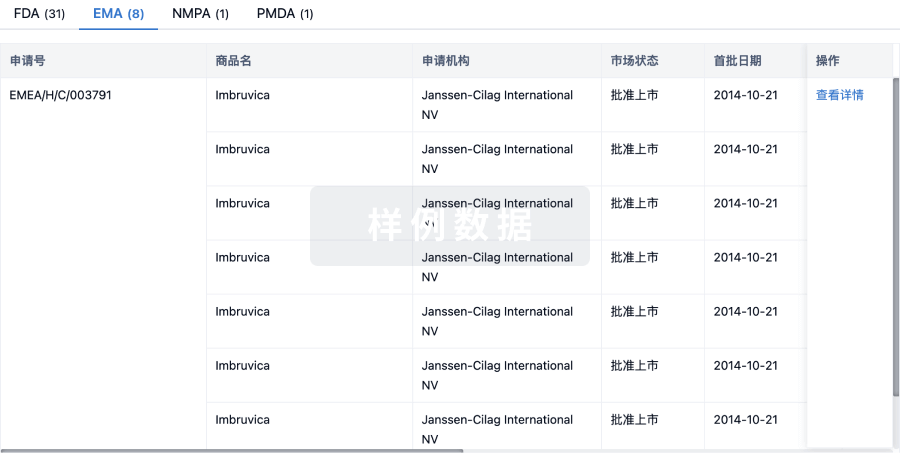
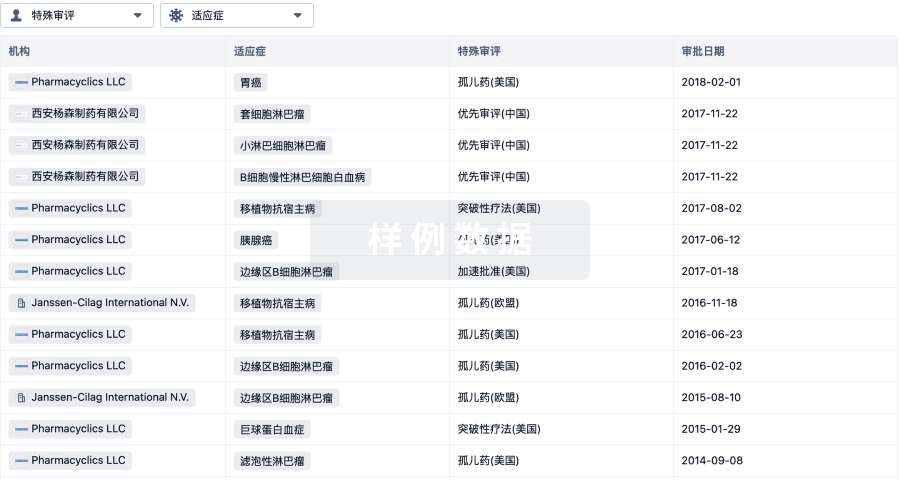
特殊审评
只需点击几下即可了解关键药物信息。
登录
或
生物医药百科问答
全新生物医药AI Agent 覆盖科研全链路,让突破性发现快人一步
立即开始免费试用!
智慧芽新药情报库是智慧芽专为生命科学人士构建的基于AI的创新药情报平台,助您全方位提升您的研发与决策效率。
立即开始数据试用!
智慧芽新药库数据也通过智慧芽数据服务平台,以API或者数据包形式对外开放,助您更加充分利用智慧芽新药情报信息。
生物序列数据库
生物药研发创新
免费使用
化学结构数据库
小分子化药研发创新
免费使用