预约演示
更新于:2026-01-24
TDZD-8
更新于:2026-01-24
概要
基本信息
非在研机构- |
权益机构- |
最高研发阶段临床前 |
首次获批日期- |
最高研发阶段(中国)- |
特殊审评- |


关联
100 项与 TDZD-8 相关的临床结果
登录后查看更多信息
100 项与 TDZD-8 相关的转化医学
登录后查看更多信息
100 项与 TDZD-8 相关的专利(医药)
登录后查看更多信息
104
项与 TDZD-8 相关的文献(医药)2026-02-01·NEUROPHARMACOLOGY
Multi-kinase-mediated alterations in Tau phosphorylation, synaptic proteins, and choline metabolism in a human neuronal in vitro model exposed to the elastin-derived hexapeptide VGVAPG
Article
作者: Szychowski, Konrad A ; Piechowiak, Tomasz ; Skóra, Bartosz
Elastin, a key component of the extracellular matrix (ECM), undergoes degradation during aging, leading to the release of shorter bioactive fragments - among which the VGVAPG hexapeptide exhibits the highest biological activity. Although associated with aging-related neurodegeneration, the role of VGVAPG in this context has not been thoroughly investigated. Therefore, this study aimed to assess the effects of VGVAPG on Tau phosphorylation, synaptic proteins, choline metabolism, and the involvement of specific kinases in a human neuronal in vitro model, using selective inhibitors (Roscovitine, TDZD-8, SCH772984, SK1). All-trans retinoic acid (RA) and brain-derived neurotrophic factor (BDNF)-differentiated SH-SY5Y cells were employed due to their well-characterized neuronal phenotype and established utility in screening studies. Our results indicate that VGVAPG-induced signaling is mediated via SRC kinase, likely leading to activation of the RAS-RAF-ERK1/2-ELK1 pathway. This cascade results in increased CDK5 protein expression and elevated CIP2A levels, which may, in turn, inhibit PP2A function. Additionally, VGVAPG downregulated the PI3K-AKT pathway through PTEN activation, thereby relieving the inhibition of GSK3β. Consequently, we observed increased phosphorylation of Tau at S396, S404, S202/T205, and T231. Impairment of synaptic vesicle-associated proteins (SYN2, SNAP-25, SYP), along with alterations in ACh levels and AChE activity, appeared to be linked to ERK1/2 signaling, Tau accumulation, and potentially CDK5-dependent mechanisms. Overall, our findings provide novel insights into the possible contribution of the elastin-derived VGVAPG hexapeptide to the pathogenesis of aging-related neurodegeneration. While our model does not definitively confirm an AD-like phenotype, these results support the need for further investigation in more physiologically relevant systems.
2026-01-01·DRUG RESISTANCE UPDATES
Disruption of NANOG-driven epithelial-mesenchymal transition (EMT) and self-renewal restores drug sensitivity in colorectal cancer
Article
作者: Shaheen, Sameerah ; Kashfi, Hossein ; Denning, Chris ; Ahmed, Mehreen ; Babaei-Jadidi, Roya ; Xue, Miao ; Spencer-Dene, Bradley ; Nateri, Abdolrahman S ; Bonnet, Dominique ; Youssefi, Sepideh ; Mazloomi, Amirreza ; Saleki, Kiarash
AIMS:
To investigate the regulatory role of NANOG in genes associated with stemness, symmetric division, and therapeutic resistance in colorectal cancer stem-like cells (CRC-SCs), with a focus on ERK/GSK-3β/β-catenin signalling and epithelial-mesenchymal transition (EMT), in order to evaluate the translational potential of targeting NANOG-associated signalling pathways.
METHODS:
Stemness, signalling activity, and cell division modes were analysed using 3D colonospheres enriched for CRC-SCs. Drug responses to the MEK inhibitor U0126 and the GSK-3β inhibitor TDZD-8 were assessed in CRC patient-derived organoids (PDOs), alongside molecular assays, immunohistochemistry with H-score quantification in xenograft models, and molecular dynamics simulations.
RESULTS:
NANOG overexpression enhanced the expression of stemness-associated genes, promoted symmetric cell division, and activated ERK/GSK-3β signalling, contributing to increased sphere formation. Inhibition of MEK and GSK-3β reduced EMT, cell proliferation, and symmetric division in CRC-SCs. NANOG-mediated dysregulation of ERK/GSK-3β altered β-catenin signalling and disrupted E-cadherin-dependent cell-cell adhesion. Molecular simulations and drug assays demonstrated that TDZD-8 and U0126 interfere with NANOG-DNA binding and β-catenin/E-cadherin interactions.
CONCLUSIONS:
NANOG drives CRC-SC maintenance via ERK/GSK-3β/β-catenin signalling and EMT modulation. This study offers significant insights into the translational impact of targeting NANOG and its downstream pathways with small-molecule inhibitors U0126 and TDZD-8 and presents a promising strategy to reduce CRC-SCs stemness, functionality, and tumourigenicity.
2025-12-31·EXPERIMENTAL LUNG RESEARCH
PM2.5 induces ferroptosis in chronic obstructive pulmonary diseases
via
the GSK-3β/NRF2 pathway
Article
作者: Guo, Meihua ; Zou, Weifeng ; Ou, Jie ; Zou, Xiaoting ; Zhu, Dongshuang ; Lei, Ming ; Bai, Ge ; Ye, Dong
Background: Recent studies have shown that fine particulate matter (PM2.5) exposure is a key harmful risk factor for chronic obstructive pulmonary disease (COPD) and PM2.5-associated ferroptosis plays an important role during the process of airway oxidative stress. Our preliminary study revealed that PM2.5 reduces the expression of phosphorylated glycogen synthase kinase (GSK)-3β in airway epithelial cells, the overactivity of the GSK-3β/Nuclear Factor erythroid 2-Related Factor 2 (NRF2) pathway is related to ferroptosis. Accordingly, we explored whether PM2.5 could induce ferroptosis in airway epithelial cells and promote the development of COPD via the GSK-3β/NRF2 pathway. Methods: The effect of GSK-3β/NRF2-mediated ferroptosis was assessed using an in vivo model of 20 μg/μl PM2.5-induced COPD by tracheal infusion and 50 μg/ml PM2.5-exposed airway epithelial cells in vitro. Then we performed qRT-PCR to detect mRNA expression; Western blotting, immunofluorescence and immunohistochemical staining to detect protein expression; flow cytometry and spectrophotometry to measure the levels of intracellular lipid peroxidation; small animal spirometry to examine the lung function in mouse, and hematoxylin and eosin (H&E) staining to measure the average alveolar septa in mouse lung sections. Results: We found that PM2.5 decreased the ferroptosis marker mRNA expression of NRF2, SLC7A11 and GPX4, and also decreased the protein expression of p-GSK-3β, NRF2, SLC7A11 and FTH-1, increased the protein expression of NCOA4, then increased the level of lipid peroxidation and MDA in human airway epithelial cells. Further, PM2.5 reduced the expression of p-GSK-3β, NRF2, SLC7A11 and GPX4 in the lungs, subsequently induced lung injury and impaired lung function of mice. Treatment with ferroptosis inhibitors FER-1 and GSK-3β inhibitor TDZD-8 reversed this effect. Conclusion: Our findings suggested that PM2.5 induced ferroptosis of airway epithelial cells, contributing to airway oxidative stress via the GSK-3β/NRF2 signaling pathway in vivo and in vitro, which could be a therapeutic target for PM2.5-induced COPD.
100 项与 TDZD-8 相关的药物交易
登录后查看更多信息
研发状态
10 条进展最快的记录, 后查看更多信息
登录
| 适应症 | 最高研发状态 | 国家/地区 | 公司 | 日期 |
|---|---|---|---|---|
| 白血病 | 临床前 | 美国 | - |
登录后查看更多信息
临床结果
临床结果
适应症
分期
评价
查看全部结果
| 研究 | 分期 | 人群特征 | 评价人数 | 分组 | 结果 | 评价 | 发布日期 |
|---|
No Data | |||||||
登录后查看更多信息
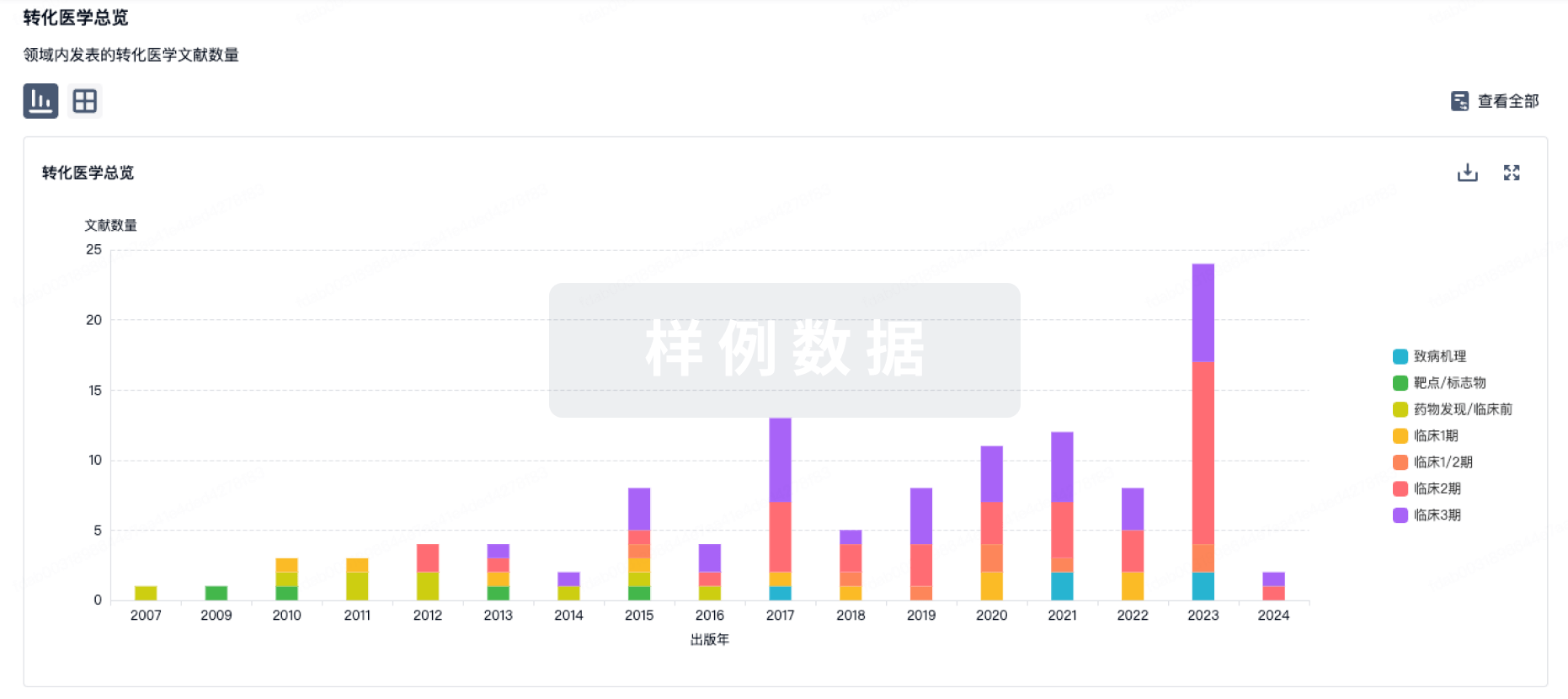
转化医学
使用我们的转化医学数据加速您的研究。
登录
或
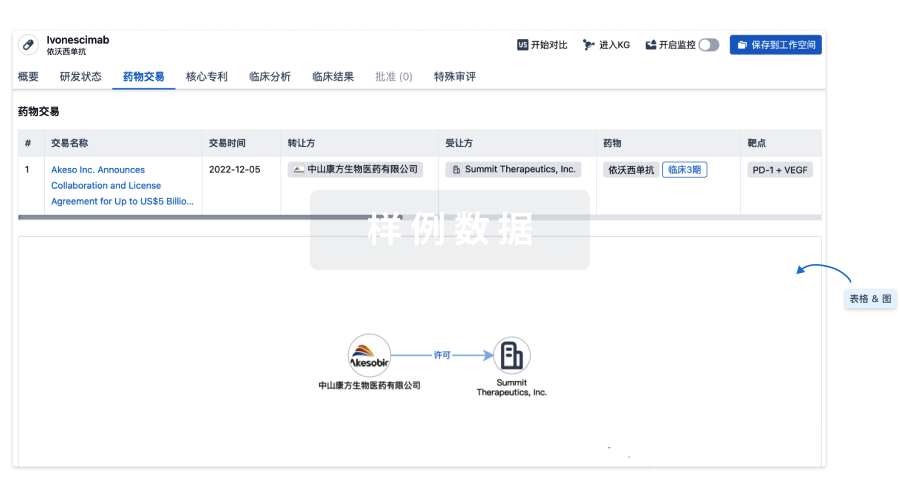
药物交易
使用我们的药物交易数据加速您的研究。
登录
或
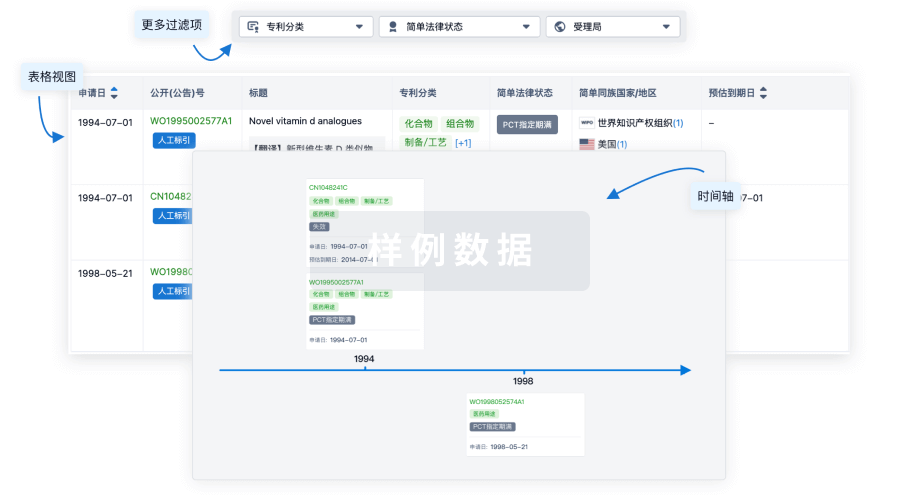
核心专利
使用我们的核心专利数据促进您的研究。
登录
或
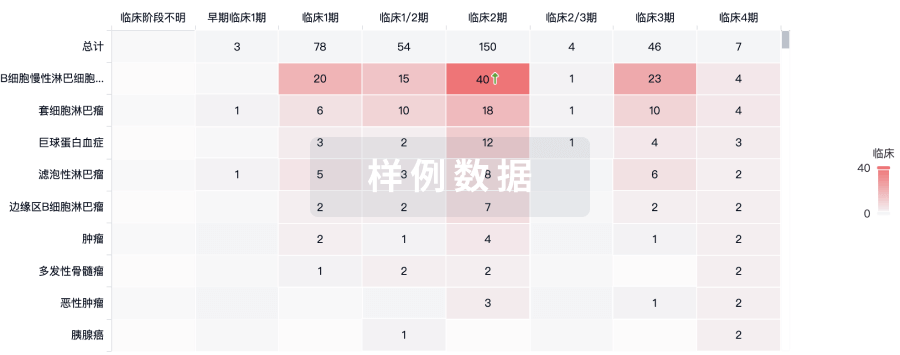
临床分析
紧跟全球注册中心的最新临床试验。
登录
或
批准
利用最新的监管批准信息加速您的研究。
登录
或
特殊审评
只需点击几下即可了解关键药物信息。
登录
或
生物医药百科问答
全新生物医药AI Agent 覆盖科研全链路,让突破性发现快人一步
立即开始免费试用!
智慧芽新药情报库是智慧芽专为生命科学人士构建的基于AI的创新药情报平台,助您全方位提升您的研发与决策效率。
立即开始数据试用!
智慧芽新药库数据也通过智慧芽数据服务平台,以API或者数据包形式对外开放,助您更加充分利用智慧芽新药情报信息。
生物序列数据库
生物药研发创新
免费使用
化学结构数据库
小分子化药研发创新
免费使用