预约演示
更新于:2026-05-16
KAT6 Inhibitor (JiangSu Hengrui)
KAT6抑制剂 (恒瑞医药)
更新于:2026-05-16
概要
基本信息
药物类型 小分子化药 |
别名- |
作用方式 抑制剂 |
作用机制 KAT6A抑制剂(lysine acetyltransferase 6A inhibitors)、KAT6B抑制剂(lysine acetyltransferase 6B inhibitors)、表观遗传学药物 |
治疗领域 |
在研适应症 |
非在研适应症- |
原研机构 |
在研机构 |
非在研机构- |
权益机构- |
最高研发阶段临床前 |
首次获批日期- |
最高研发阶段(中国)临床前 |
特殊审评- |

关联
100 项与 KAT6抑制剂 (恒瑞医药) 相关的临床结果
登录后查看更多信息
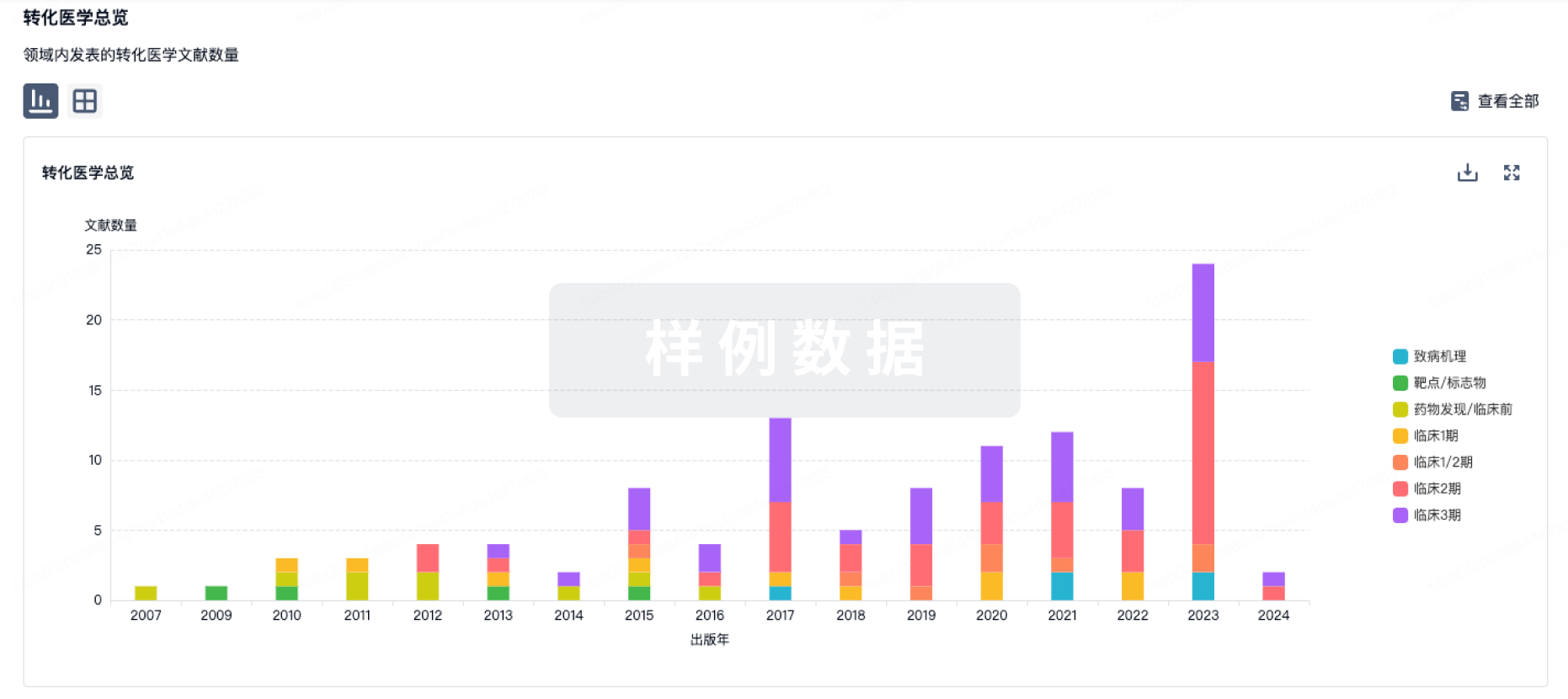
100 项与 KAT6抑制剂 (恒瑞医药) 相关的转化医学
登录后查看更多信息
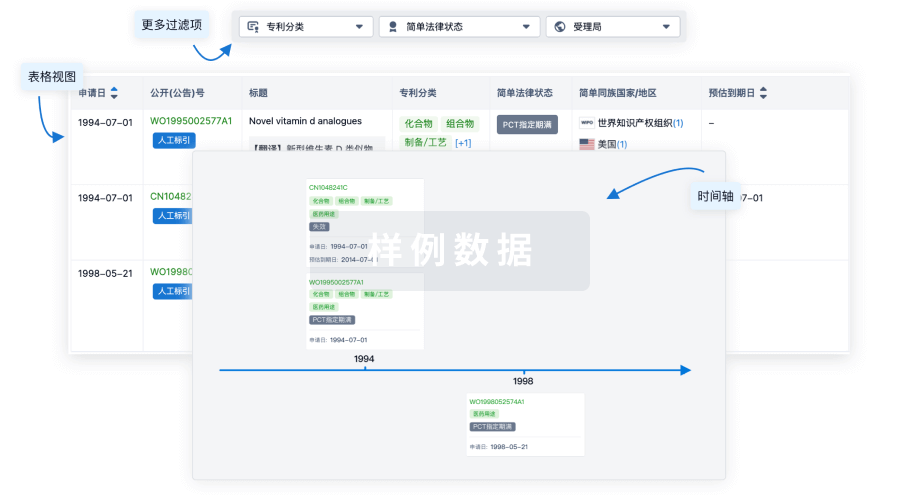
100 项与 KAT6抑制剂 (恒瑞医药) 相关的专利(医药)
登录后查看更多信息
5
项与 KAT6抑制剂 (恒瑞医药) 相关的文献(医药)2025-10-01·MINI-REVIEWS IN MEDICINAL CHEMISTRY
Breaking Barriers in Breast Cancer: Multi-Targeted Therapeutic Insights
Review
作者: Unni, Apsara ; Byran, Gowramma ; Shevate, Krishna ; Rajagopal, Kalirajan
Introduction::
Breast cancer accounts for one of the leading causes of cancer deaths in
women globally. Breast cancer is characterized by molecular heterogeneity, and different patients
show various responses to therapy. In addition to hormone therapies, there are targeted agents and
immunotherapies, but resistance to therapy and recurrence remain a critical clinical problem for patients.
Methods::
This review is aimed at presenting innovations in multi-targeted therapies against breast
cancer. It also includes an understanding of the biological mechanisms in pathways of this disease in
relation to these agents to address treatment failure. The molecular pathways examined are ER,
HER2, EGFR, VEGFR, PI3K/AKT/mTOR, MAPK, PARP, and CDK4/6. Additionally, KAT6A is
identified as a molecular target along with new clinical agents that are being reviewed, as well as
combinations of strategies using molecular profiling and pathology reports.
Results::
The major signaling pathways that control breast cancer progression and resistance, and/or
sensitivity to therapy. KAT6A, a histone acetylase, was amplified in all of the ER+ breast cancers,
suggesting that it can be used as a biomarker for assessing the effectiveness of CDK4/6 inhibitors
and is an epigenetic therapeutic target in mammary cell lines. KAT6A is being developed as a selective
KAT6 inhibitor; however, it seems most benefits may come from additional inhibitors of
Menin, which could help overcome endocrine therapeutic resistance. We also reviewed CDK4/6
Mutations and resistance invariably associated with palbociclib, as well as immunotherapy with antibody-
drug conjugate, including trastuzumab deruxtecan (DS-8201).
Discussion::
Multi-pathway targeting holds promise to overcome shortcomings of current monotherapies.
Due to the complexity of the breast cancer molecular landscape, we must plan for and potentially
target resistance mechanisms. The use of KAT6A as a biomarker, along with the use of novel
inhibitors, may help inform treatment decisions and improve outcomes. Additionally, this review
has identified the need to position the surveillance and addressing of our resistance mechanisms for
current therapies, like CDK4/6 inhibitors and antibody-drug conjugates, via rationalized combinations.
Conclusion::
The future of breast cancer therapy lies in combination strategies that are developed
via molecular profiling and guided by resistance biomarkers. Integrative, biomarker-driven treatment
approaches will provide a rationalized and likely more effective means of treating advanced
and refractory breast cancer in our effort to improve patient outcomes in a targeted and personalized
approach.
2024-11-01·BIOORGANIC & MEDICINAL CHEMISTRY LETTERS
Identification of triazolyl KAT6 inhibitors via a templated fragment approach
Article
作者: Chen, Chun ; Pawley, Sarah B ; Buesking, Andrew W ; Buesking, Andrew W. ; Pawley, Sarah B. ; Cote, Joy M ; Carter, Jack ; Xu, Chaoyi ; Wang, Min ; Cote, Joy
KAT6, a histone acetyltransferase from the MYST family, has emerged as an attractive oncology target due to its role in regulating genes that control cell cycle progression and cellular senescence. Amplification of the KAT6A gene has been seen among patients with worse clinical outcome in ER+ breast cancers. Although multiple inhibitors have been reported, no KAT6 inhibitors have been approved to date. Here, we report the fragment-based discovery of a series of N-(1-phenyl-1H-1,2,3-triazol-4-yl)benzenesulfonamide KAT6 inhibitors and early hit-to-lead efforts to improve the KAT6 potency.
2018-12-01·Synthetic and systems biotechnology2区 · 生物学
New KAT6 inhibitors induce senescence and arrest cancer growth
2区 · 生物学
ArticleOA
作者: Huang, Fei
Lysine acetyltransferases (KATs) catalyze lysine acetylation, a reversible protein modification implicated in a wide variety of disease states. Histone acetyltransferases (HATs) comprise a KAT sub-class that acetylate specific lysines in histones, hence playing an important role in the regulation of chromatin organization and function. HATs are critical regulators of signaling in many diseases, including cancer. KAT6A (also known as monocytic leukemia zinc finger protein, MOZ) and KAT6B (also known as MORF and QKF) belong to the MYST family of HATs, that comprise KAT5-KAT8. They are the targets of chromosomal translocations identified in acute myeloid leukaemia and various cancers. It seems logical therefore that inhibition of KAT6A and KAT6B may provide a therapeutic benefit in cancer. Baell et al. discovered a new class of anti-cancer drug that can put cancer cells into a permanent sleep or senescence, using high-throughput screening followed by medicinal chemistry optimization, in-cell assays, biochemical assessment of target engagement, and tumour models in mice and fish. This research showed promise in arresting tumour growth in pre-clinical models of blood and liver cancers as well as delaying or stopping relapse without damaging the cells' DNA or some harmful side-effects caused by chemotherapy and radiotherapy.
178
项与 KAT6抑制剂 (恒瑞医药) 相关的新闻(医药)2026-05-15
(来源:锵锵药市三人行)投资要点■主业以苏灵筑牢围手术期止血壁垒,携密盖息布局骨质疏松治疗赛道。近年来“苏灵”在医保目录中的备注保持独有的无限制状态,区别于其他蛇毒血凝酶,我们认为其处方环节的独特地位构成其重要的市场竞争力,根据医药魔方显示的四种血凝酶的最新各地方中标价,“苏灵”的价格维持与国谈价格一致,具有更高的市场地位,由于其更高的纯度和循证医学证据,其在一个疗程中的用量更少,因此可基于整体偏低的疗程药价完成治疗。密盖息由瑞士诺华制药原研进口,是公司通过并购整合进入骨科领域的重要产品,2024年因部分省份集采导致收入阶段性下滑,公司当前正通过深化生命周期管理等措施,深挖其潜在价值,考虑到“密盖息”在鲑降钙素品种中的唯一海外原研地位,省份集采降价幅度温和,我们认为当下此部分业务已完成筑底。公司2025年总营收达9.15亿元,同比恢复性增长10.87%,考虑到苏灵销售体系转向自营、密盖息地方集采风险已释放,主业业绩行稳致远。■研途逐光,以自研之力拓新境。1)KC1036(AXL/VEGFR2抑制剂)末线食管鳞癌POC临床数据亮眼且已推进至临床III期,同时具备联合免疫治疗线数前移至一线的潜力。据《食管癌诊疗指南(2025 年版)》,食管鳞癌一线治疗在国内有多个免疫联合化疗方案,但生存获益具备提升空间,新型疗法具备联用免疫疗法的潜力,同时,针对免疫耐药人群尚缺乏有效治疗方案(针对接受过免疫治疗的二线及以上食管鳞癌患者的可选方案仅有化疗、安罗替尼、卡瑞利珠单抗联合阿帕替尼,但目前安罗替尼、卡瑞利珠单抗联合阿帕替尼仍未有针对二线及以上食管鳞癌的大样本临床研究数据读出,作为2A、3类推荐),二线及以上食管鳞癌尤其是免疫经治食管鳞癌的临床需求亟待满足。2)KC1086(KAT6/7抑制剂)作为全球首个进入临床的KAT6/7双靶点小分子抑制剂,在辉瑞KAT6抑制剂针对HR+乳腺癌各亚组人群mPFS亮眼的映射下,潜在出海机遇可预期。康辰药业已公开KAT6抑制剂相关专利“KAT6抑制剂化合物、药物组合物及其制备方法和应用”,其中展示了提供的化合物相较于辉瑞同靶点品种有所优化的结构,如将磺酰胺所连接的苯环替换为含氮杂环,而氮杂环在小分子药物设计中的应用有明显增加趋势,该设计为后续优化提供了更大的空间。3)ZY5301(金草片)中药创新药锋芒初显,NDA已受理。4)早期管线蓄势,差异化优势凸显,其中KC1101、KC5827分别针对抗肿瘤、减重等领域,有望陆续进入临床阶段。■盈利预测及投资建议。我们预测公司2026-2028年有望实现营业收入10.2、11.2、13.2亿元,归母净利润1.9、2.2、2.6亿元。考虑到公司主业稳健,创新药研发管线进入兑现期,蕴含潜在出海机遇,首次覆盖,给予“买入”评级。■风险提示:商业化产品收入不及预期风险;临床开发进度不及预期风险;同领域竞品和新技术疗法竞争风险;研究报告使用的公开资料可能存在信息滞后或更新不及时的风险;第三方数据失真的风险。
一、公司简介1.公司概况与发展历程■康辰药业成立于2003年,是兼备研产销能力的成长期高新医药企业,已商业化止血创新药、骨质疏松用药,同步形成院内+院外销售体系,即将向市场推出宠物创新药、中药创新药丰富产品矩阵,在研管线持续扩展,并有望通过临床数据持续读出验证研发实力,包括针对后线食管鳞癌的III期品种KC1036(靶向AXL、VEGFR2等靶点)、具备海外大单品潜力的I期品种KC1086(靶向KAT6)等小分子创新药。
2.公司股权结构■公司股权集中度适中,有利于管理层在公司创新加速期高效决策,近期引进的核心高管牛战旗先生拥有一定比例股份,有利于加速创新药管线升级。
3.公司治理——资源深厚的董事团队■董事行业经验丰富,均深耕各自专业领域多年,核心人员形成公司的创新基因:刘建华先生是公司董事长及共同创始人,过去及现在在多家公司担任总经理,企业统筹管理经验及资源丰富;王锡娟女士是公司共同创始人,在创立康辰药业前曾从事医生、药品代理(包括国内进口的首个蛇毒血凝酶制剂)工作,其领导研发团队成功开发出公司当下主要创收产品“苏灵”(尖吻蝮蛇血凝酶),并陆续立项了肿瘤领域的 KC1036新药、布局了中药新药金草片,KC1036 及金草片优异的临床研究数据佐证了王锡娟女士及公司研发团队精益求精的研发质量;牛战旗先生是公司总裁,曾在石药集团、远大集团、华东医药等大型药企担任研发及战略相关要职,其在 2023 年加入公司,有望进一步提升公司的研发立项及临床实验的质量及效率。
4.公司经营与财务分析■营业收入:公司收入多年来以“苏灵”为主,该产品在经历了多次医保谈判、医保目录适应症调整、销售模式改革后进入了稳定增长阶段;公司在 2021年引入了密盖息丰富收入结构,该产品经历了地方集采带来的价格调整后,现已基本企稳。2025 年康辰药业展现出了良好的营收增长态势,营业收入达到 9.2 亿元(其中苏灵、密盖息均实现小幅增长)。■盈利能力:公司近年来成本及各项费用率基本稳定,其中销售费用率得益于苏灵的销售模式改革有所下降(2024 年起将联盟模式转为基于数字化赋能的学术自营模式),鉴于苏灵销售模式改革顺利推进,公司销售费用率降低后维持较低水平可预期。■研发投入:近年来研发投入规模基本保持稳定,为持续推进创新提供资金保障。■净利润:2024 年由于“密盖息”部分省份地方集采导致收入阶段性下滑,公司基于谨慎性原则,计提“密盖息”资产组商誉减值,因此产生的利润端压力期已过。
二、扎实主业:独家品种血凝酶+海外原研骨质疏松用药■“苏灵”、“密盖息”是公司当下收入及利润的主要来源,亦为止血、骨代谢业务1.“苏灵”:血凝酶中唯一创新药,市场拓展空间广阔■止血药种类繁多,对应诸多应用场景,根据各品类的说明书描述,蛇毒血凝酶的应用更偏向于在多种科室的手术止血。苏灵是国内已获批血凝酶中唯一一款一类新药,而 3 款同类产品(诺康药业的“巴曲亭”、兆科药业的“速乐涓”、奥鸿药业的“邦亭”)均为 1989 年上市的瑞士素高药厂“立止血”的仿制药,苏灵在 2008 年获批上市,公司在起初建立了一套医药生产企业和流通企业优势互补、合作共赢的精细化营销模式,“苏灵”凭借独特产品定位快速推广,上市三年后销售额即跃居国内血凝酶制剂市场第一位,近年来公司逐步完成营销模式改革,转为自营主导,以促进市场进一步下沉。
■我们认为在蛇毒血凝酶中,“苏灵”具备优秀的商业化前景:■“苏灵”是高纯度、单组分的蛇毒血凝酶制剂,支持其近年来在处方环节的独特地位。“苏灵”的主要成分为高纯度尖吻蝮蛇血凝酶,它是利用公司原创的分段直线混合洗脱离子交换层析专利技术,从中国特有的尖吻蝮蛇蛇毒中分离、提纯至单体的血凝酶。作为单一组分丝氨酸蛋白酶,其作用机理是在出血处激活纤维蛋白原形成纤维蛋白单体,纤维蛋白单体聚集形成多聚体,即在损伤血管周围促进血小板聚集形成白色血栓,同时利用出血局部血凝酶产生的凝血因子 XIIIa 通过共价交联形成稳定的纤维蛋白凝块而加速止血,目前国内已上市的其他蛇毒血凝酶制剂均为多组分仿制药。“苏灵”是目前国内唯一完成氨基酸全序列和蛋白质三维空间结构测定的蛇毒血凝酶制剂。近年来“苏灵”在医保目录中的备注保持独有的无限制状态,区别于其他蛇毒血凝酶,我们认为其处方环节的独特地位构成其重要的市场竞争力。
■苏灵相对于同类产品具备更佳的药物经济学价值:根据医药魔方显示的四种血凝酶的最新各地方中标价,“苏灵”的价格维持与国谈价格一致,具有更高的市场地位,由于其更高的纯度和循证医学证据,其在一个疗程中的用量更少,因此可基于整体偏低的疗程药价完成治疗。
2. “密盖息”:唯一海外原研鲑降钙素,压制因素已出清■“密盖息”注射剂及鼻喷剂(鲑鱼降钙素)是骨质疏松相关疼痛的一线推荐用药,适用于骨质疏松性疼痛、脆性骨折疼痛、骨关节炎合并骨质疏松疼痛等多种疼痛类型,同时也是目前唯一有急性骨丢失适应症的药物,可用于预防骨折后长期固定、卧床等情况引起的骨量快速流失。该产品由瑞士诺华制药原研进口,是公司通过并购整合进入骨科领域的重要产品,2024 年因部分省份集采导致收入阶段性下滑,公司当前正通过深化生命周期管理等措施,深挖其潜在价值,考虑到“密盖息”在鲑降钙素品种中的唯一海外原研地位,省份集采降价幅度温和,我们认为当下此部分业务已完成筑底。
三、在研管线:放眼蓝海领域,核心管线已获优异临床数据1.KC1036:主要靶向 AXL、VEGFR,有协同增效、广谱抗癌潜力■KC1036 是公司自研的 FIC 小分子创新药,此品种的看点在于:1) “全球新”机制:主要靶点 AXL、VEGFR 被同时抑制的协同作用有科学依据。KC1036 是公司自主研发的 AXL、VEGFR、CSF-1R、FLT3等多靶点受体酪氨酸激酶抑制剂。AXL 在细胞膜上表达,由一个胞内结构域、一个跨膜结构域和一个胞外结构域组成,通过与 Gas6 结合(诱导 AXL 构象改变,进而触发 AXL 胞内结构域同源二聚化)或其他机制(AXL 过表达或与 TAM 家族的其他蛋白结合)可触发其胞内结构域的 RTK 活性,在磷酸化作用下,PI3K/AKT/mTOR、JAK/STAT、NF-κB、Grb2/RAS/RAF/MEK/ERK、SRC-FAK 等下游通路被激活,进而影响各种促肿瘤通路,包括参与增殖、转移、侵袭、血管生成、耐药性和免疫抑制的通路。VEGF (血管内皮生长因子)是肿瘤中血管生成的关键介质,VEGF-A 可触发 VEGFR-2 进而通过 TSAd 激活 SFKs,活化的 SFKs 促进 AXL 在 Y773 和 Y815 自磷酸化,从而招募 p85 并激活 PI3K,同时产生激活 AKT 的关键脂质。此外阻断 KC1036 的其他靶点亦能发挥抗癌作用:癌细胞能够表达 CSF-1R 同时产生 CSF-1和 IL-34 等 CSF-1R 配体,形成自分泌循环,不仅促进了癌细胞的增殖和侵袭,还影响了肿瘤与免疫细胞之间的相互作用;FLT3 即 FMS样酪氨酸激酶,是 RTK 家族的成员,其蛋白产物为细胞受体,FLT3激活可通过 SRC 激酶活化 STAT5,磷酸化转录因子 FoxO3a,下调阿糖胞苷的平衡型核苷转运载体 1,诱导活性氧产生。这些改变导致 DNA损害和修复缺陷,并促进细胞增值、抵抗凋亡。
2) 具备潜在的广谱抗癌效果:根据《AXL in cancer: a modulator of drug resistance and therapeutic target》,基于细胞、动物及人体实验数据,AXL 的高表达被发现和化疗、靶向药物、免疫疗法的耐药相关,抑制AXL 针对多种癌种均有潜在抗癌效果。
3) 针对国内无药可医的大适应症已取得 POC 并推进至 III 期阶段:末线食管鳞癌临床数据优秀+具备跨线潜力。■据《食管癌诊疗指南(2025 年版)》,食管鳞癌一线治疗在国内有多个免疫联合化疗方案,但针对免疫耐药人群尚缺乏有效治疗方案(针对接受过免疫治疗的二线及以上食管鳞癌患者的可选方案仅有化疗、安罗替尼、卡瑞利珠单抗联合阿帕替尼,但目前安罗替尼、卡瑞利珠单抗联合阿帕替尼仍未有针对二线及以上食管鳞癌的大样本临床研究数据读出,作为 2A、3 类推荐),二线及以上食管鳞癌尤其是免疫经治食管鳞癌的临床需求亟待满足。
■KC1036 针对 PD-1/L1 单抗二线经治、一线食管鳞癌的临床研究同步推进,在食管鳞癌在研创新药中针对末线、一线的进度顺位均处于国内第一梯队。
■KC1036针对包括2L+食管鳞癌的消化道肿瘤的II期临床研究阶段性成果曾报道在 2023 ASCO,在其中显现了作为小分子优异的安全性(在有效性指标与 ADC 产品相近的情况下,三级及以上 TRAEs 明显减少),叠加 KC1036针对青少年晚期尤文肉瘤的 II 期临床研究有序推进,该产品的安全性优势进一步凸显。
2. 自研 KAT6 抑制剂 KC1086 中美并行开发,海外同类品种已验证大单品潜力■公司高效推进 KC1086 临床研发:KC1086 是公司完全自主研发的一款具有全新结构的强效、高选择性 KAT6/7 的小分子抑制剂,拟用于晚期复发或转移性实体瘤的治疗。KC1086 在 2025 年 8 月完成国内临床研究首例入组,在 2025 年 12 月获 FDA 批准进入临床试验。■KAT6A 结合到雌激素受体 ERa(Estrogen Receptor a)的近端启动子区域,激活 ERa 基因的表达,对乳腺癌的疾病进展起到促进作用。在 T47D、ZR-75-1等 KAT6A 高表达的乳腺癌模型中,KAT6A 和 KAT6B 小分子抑制剂能有效抑制肿瘤的生长。另外,利用 KAT6A 小分子抑制剂联合免疫检查点 PD-L1抗体治疗三阴性乳腺癌动物模型的试验表明,靶向 KAT6A 不仅能单药抑制肿瘤生长,还能显著提高 PD-L1 免疫治疗的有效率。■全球 KAT6 抑制剂赛道玩家数量较少,除 Pfizer 在 III期以外,其余临床阶段品种均处在 I 期阶段。
■针对 CDK4/6i 耐药 HR+乳腺癌的后期在研品种包括新型 KAT6 抑制剂、新型PI3K 抑制剂、ADC、PROTAC、口服 SERD 等,其中 KAT6 抑制剂较为稀缺。
■KC1086 相较海外同类品种结构有所优化。康辰药业已公开 KAT6 抑制剂相关专利“KAT6 抑制剂化合物、药物组合物及其制备方法和应用”,其中展示了提供的化合物相较于辉瑞同靶点品种有所优化的结构,如将磺酰胺所连接的苯环替换为含氮杂环,而氮杂环在小分子药物设计中的应用有明显增加趋势,该设计为后续优化提供了更大的空间:美国亚利桑那大学总结了美国FDA 在 2013-2023 批准的包含“氮杂环”的药物分子,发现 82%的小分子药物都包含至少一个杂环,较之前的 59%增幅很大,此外,每个药物的氮杂环数量也显著增加。
■Pfizer 已读出 KAT6 抑制剂数据,显现 CDK4/6i 耐药 HR+晚期乳腺癌全人群的优秀临床获益,有望促成 KAT6 抑制剂后续高价值交易。KAT6 抑制剂prifetrastat 的 I 期临床结果发表在 nature medicine,核心亮点:HR+/HER2-乳腺癌患者使用 PF-07248144 5 mg q.d. 联合 500mg 氟维司群,100%患者CDK4/6抑制剂经治,经过9.2个月随访期,中位PFS达10.7个月(n=43),针对不同亚组中位 PFS 数据稳健:2L 患者中位 PFS 未达到、3L+患者中位PFS=10.7 个月;ESR1 WT 患者中位 PFS 未达到、ESR1 MT 患者中位PFS=10.7 个月;PIK3CA/AKT1/PTEN WT 患者中位 PFS=10.8 个月、PIK3CA/AKT1/PTEN MT 患者中位 PFS=7.2 个月。后续在 ASCO 2025 更新的临床数据保持稳定。在当下针对 CDK4/6i 耐药 HR+BC 在研疗法中具备潜在适用人群广泛的竞争力(普遍而言,ADC 类产品针对多线经治的患者应答好、生存获益强,但注射给药的属性更适用后线人群;内分泌治疗创新疗法(ER PROTAC、口服 SERD 等)在若干 III 期临床研究的头对头比较中证明了相对传统标准疗法(依西美坦、氟维司群、他莫昔芬等)可带来临床增益,但早年读出临床数据的大多产品有获益人群局限在 ESR1m 的特点,近期罗氏的口服 SERD giredestrant 在 evERA 研究中,与标准内分泌治疗联合 everolimus 相比,giredestrant 联合 everolimus 在意向性治疗(ITT)人群及 ESR1m 人群中均实现了统计学显著且临床意义明确的 PFS改善,Olema 的口服 SERD palazestrant 在早期临床中针对 ESR1m、ESR1w 的亚组均表现亮眼的 PFS,表明针对全人群进行传统疗法替代是当下针对 HR+乳腺癌的开发方向之一;新型 PI3K/Akt/mTOR 抑制剂吉达利塞针对野生型展现卓越的 PFS 及 OS 获益,但也需静脉注射;prifetrastat 的早期临床数据的亚组数据表明有全人群覆盖潜力,但相比其他在研口服制剂而言 3 级以上不良反应比例较高,为后续开发 KAT6 抑制剂提供安全性优化空间)。
■当下针对 CDK4/6i 耐药 HR+晚期乳腺癌开发新药潜在市场庞大。CDK4/6i耐药 HR+晚期乳腺癌在过去多年来可选择的治疗方案有限,阿斯利康的AKT 抑制剂 Capivasertib(Truqap)于 2023 年获 FDA 批准治疗,尽管需要限定 PIK3CA/AKT1/PTEN 突变,在 2024、2025 年即实现了 4.3、7.3 亿美元销售额,增长迅速,表明当下针对 CDK4/6i 耐药 HR+晚期乳腺癌开发新药潜在市场庞大。3. 临床前管线新颖,提供后续发展动力■临床前管线储备丰富,公司自研新药从传统小分子抗肿瘤拓展至非肿瘤、PROTAC、单/双抗及融合蛋白等领域,其中:1)KC1101 作为一款全新的TACC3 抗肿瘤小分子药物,拟用于晚期实体瘤或血液瘤的治疗,临床前研究显示 KC1101 展现出强效的抗肿瘤增殖活性,且未见原代细胞毒性,在多个小鼠移植瘤模型中展现出优异的体内药效,同时具有良好的药代动力学特征和安全窗口;2)KC5827 是新一代外周限制性 CB1 受体反向激动剂,临床前药效研究显示 KC5827 可剂量依赖性减少高脂肥胖动物摄食、降低体重,充分发挥对脂肪组织的减重代谢作用,减重效果稳定,在减重过程中有效降低肌肉流失,同时显著下调肝脏甘油三酯,改善肥胖诱发的肝脂质沉积与炎症损伤,相较全球同靶点在研品种减重疗效更优、安全性更佳,同 GLP-1类减重药物相比胃肠道副作用更小,长期用药安全性更高。公司正在全力推进 KC1101、KC5827 进入临床研究。
四、盈利预测与投资建议■考虑到公司在研创新药已有 III 期临床项目,当下处于创新转型的关键节点,研发费用明显前置,我们采用 DCF 估值法,将 1)苏灵;2)密盖息;3)金草片;4)KC1036 食管鳞癌适应症相关现金流纳入估值:■苏灵:在 2023 年医保适应症放宽后,苏灵如期实现了收入同比显著增长,从2022 年的 5.4 亿增长至 2023 年的 6.1 亿,在 2024 年因销售体系调整收入有所波动,而随着 2025 年销售改革初步完成实现了恢复性增长,考虑到苏灵在 2019 年收入达 10 亿以上,蛇毒血凝酶乃至手术止血药格局稳定,同时公司在持续推进上市后研究以加强该产品的市场教育,我们认为该产品的收入天花板较高,假设后续年度保持小幅增长。■密盖息:考虑到地方集采中密盖息的价格降幅较为温和,叠加公司积极建设院外市场以应对政策变化,2025 年实现了密盖息的小幅恢复性增长,我们假设后续密盖息若被纳入新的地方集采有望实现以量换价,从而实现收入端基本持平。■金草片:该产品上市申请于 2026 年 4 月受理,据此假设在 2027 年获批上市。盆腔炎性疾病好发于性活跃期的妇女,占女性性成熟人口的 1%~2%,假设20%的患者进展成慢性盆腔痛,根据《中国统计年鉴 2025》计算国内性成熟女性人数,渗透率参考中药在妇科疾病领域的情况,日治疗费用参考中药创新药的整体情况,DOT 取 12 周。■KC1036:根据国家癌症中心发布的 2024 年全国癌症报告,国内食管癌年新发人数 22.4 万,死亡人数 18.75 万,其中鳞癌占比 80%。近期在国内食管鳞癌领域将新增的疗法主要为 ADC 产品,月治疗费用以该类疗法作为参考。1)末线:多年来指南中疗法有限,其他主要疗法为化疗、超适应症使用的安罗替尼等,根据当下 III 期临床进度,假设在 2028 年获批上市,并给予65%风险调整;2)一线:以联用免疫治疗的模式,生态位对临床上应用多年的免疫治疗并非构成替代,其他主要疗法为单药免疫治疗、化疗等,根据当下 II 期临床进度,假设在 2030 年获批上市,并给予 23%风险调整。
■投资建议:■我们预测公司 2026-2028 年有望实现营业收入 10.2、11.2、13.2 亿元,归母净利润 1.9、2.2、2.6 亿元。考虑到公司在研创新药已有 III 期临床项目,当下处于创新转型的关键节点,研发费用明显前置,我们采用 DCF 估值法,取 WACC=9.59%(行业平均资产 Beta=0.78(WIND 制药,标的指数=上证指数,起止日期=2025.5.7~2026.5.6);无风险利率=4.36%(美国 10 年国债收益率 2026.5.6 更新值);市场组合预期收益率=11.4%(上证指数基日以来年化收益率))、名义长期增长率=2%,相对计算得出的权益评估价值约 85.5 亿元,而公司 2026 年 5 月 8 日收盘市值为 57 亿元,对应约 50%空间,公司当下市值水平相对低估。从稳健性角度,公司当下阶段创收产品增长压力期已过;从成长性角度,公司创新药管线中金草片、KC1036 将陆续上市销售,叠加 KC1036、KC1086 等管线的 FIC&潜在 BIC 属性为公司带来后续潜在出海机遇,首次覆盖,给予“买入”评级。
风险提示■商业化产品收入不及预期风险■公司中期内将上市妇科、肿瘤领域创新药产品,所在领域和现阶段创收产品有所差别■临床开发进度不及预期风险■公司目前多个创新药产品处于临床开发阶段,可能面临临床试验失败风险■同领域竞品和新技术疗法竞争风险■公司在研创新药具备 FIC 属性由此带来出海机遇,但相关适应症为肿瘤,全球创新药研发端竞争激烈■研究报告使用的公开资料可能存在信息滞后或更新不及时的风险■报告中部分内容来自于公开资料,可能存在公开资料信息滞后或更新不及时的风险■第三方数据失真的风险
证券研究报告:康辰药业深度报告:主业健康扎实,精研创新向星辰对外发布时间:2026年5月10日报告发布机构:中泰证券研究所参与人员信息:祝嘉琦|S0740519040001|邮箱:zhujq@zts.com.cn穆奕杉|S0740524070001|邮箱:muys@zts.com.cn
2026-05-14
·雪球
对于英矽智能$英矽智能(03696)$这类企业的价值,注定要站在行业大视角来看。近期梳理了阿斯利康、GSK、百时美施贵宝、诺和诺德、默沙东这些全球顶尖MNC的一季度财报以及投资动向。越看越觉得,AI赋能制药的行业大趋势已经形成:从几年前的概念,变成了当下全球制药巨头们真金白银押注的“必选项”。这些大药企的表述上也是一致的:AI制药是公司未来最重要的战略,愿意为AI制药投入资源。再看近几年这些MNC在AI制药领域的布局,发现他们的出手其实很早,且投入并不少。更关键的是,像阿斯利康、GSK这类已经几乎通过BD或并购合作布局AI制药全链条的公司,还在持续加码。这背后反映出一个逻辑,对于任何药企来说,即便AI投入再大,但都会遵循一个趋势:自研控底盘、外部补速度、补稀缺、补生态,两者不是二选一,而是制药AI时代的标准混合战略。这也是我看好英矽智能的原因。像英矽智能这样,具备AI制药全链条能力,且已经有多款管线落地验证成熟的公司,在MNC的AI布局中,仍是非常稀缺的朋友。近期与礼来的合作,也验证了英矽智能的能力与赋能逻辑,好戏才刚刚开始。一、AI赋能医药——MNC的“必选项”从最新财报、以及近期的投资发展报告的表述来看,几乎所有头部MNCs都把AI放在了企业创新战略的核心位置。BMS的CEOLukeMiels在第一季度财报电话会时就表示把AI研发基础设施、实验室自动化,列为了公司未来几年的核心投资方向,内部定下的目标非常明确:用AI把靶点选择和分子设计的时间直接减半,同时把整个新药研发周期整体缩短30%。GSK的CEOLukeMiels也强调了AI在公司内部搭建的重要性。在财报电话会上,明确表示要集中最优质的AI人才和资源,搭建内部早期研发的AI能力,聚焦转化阶段的效率提升,把AI定义为公司未来创新的“核心引擎”。此外,GSK明确表示已经把AI和公司的并购策略深度绑定,通过AI技术挖掘潜在的收购标的,寻找那些价值未被充分发现的创新药资产。不止是GSK,阿斯利康、诺和诺德、默沙东这些生物医药巨头,也积极表明了AI赋能制药的必要性。近几个月,AI制药公司与MNCs之间频频传出合作消息。诺和诺德4月和OpenAI达成了战略合作,计划把AI技术贯穿药物发现、制造、商业运营的全链条。默沙东更是和谷歌云达成了高达10亿美元的合作,引入谷歌云的代理人工智能平台,应用于研发、制造、商业等全职能部门,同时结合和TempusAI的合作,用AI加速精准医疗生物标志物的发现。MNC对待AI赋能医药一致性的积极态度,必然会持续催化AI制药领域的投资热潮。二、自主布局很重要,合作、引进更重要MNC态度很明确,而从动作来看,一个趋势其实非常清晰:投入力度远超想象,自主搭建能力很重要,合作引进更重要。先看AI制药领域的标杆企业——阿斯利康。公司在第一季度财报上展示了已经取得的AI内部建设成就:自研AI框架Reinvent、和剑桥大学合作开发MapDiff蛋白设计AI框架以及临床上通过定量连续评分(QCS)算法平台。但与“成熟”的AI内部建设投入相比,阿斯利康实际上在AI领域的既往交易更庞大。2017年,阿斯利康和BergHealth达成了合作,借助对方的Berg平台,寻找治疗帕金森病和其他神经系统疾病的新方法。2019年至今,阿斯利康和BenevolentAI保持长期合作,借助对方的BenevolentPlatform™靶点发现平台,在IPF、CKD、SLE等多个疾病领域进行药物研发。2023年,阿斯利康又和Absci达成合作,利用对方的IntegratedDrugCreation™平台,在肿瘤领域开展denovo抗体生成、蛋白工程、抗体优化的合作;2024年,阿斯利康和Immunai、Qure.ai达成战略合作,覆盖了肿瘤患者筛选、剂量优化、影像辅助诊断等多个环节。这些交易仅首付款金额加起来,已超过了20亿美元。在已有庞大AI布局的基础上,今年进一步收购了AI公司ModellaAI,将对方的多模态foundationmodel、AIagent技术,纳入自己的数字病理、临床预测、biomarker发现、AI研发基础设施体系中。再看另一个AI制药的先行者——GSK,合作的力度,也是非常大。2017年,GSK和Exscientia达成了合作,利用对方的CentaurAI®平台,开发最多10个小分子药物项目。2021年,GSK和TempusAI达成合作,借助对方的AI临床数据、biomarker技术,把AI应用延伸到了临床阶段;2022年,GSK和LifeMine达成合作,在基因组药物发现领域,开展靶点挖掘、小分子开发的合作。2024年,GSK又接连和Ochre、RelationTherapeutics达成合作,借助AI技术在肝脏疾病、骨关节炎、纤维化等领域进行药物研发。其他的MNC巨头们,过去同样在AI制药领域投入了海量的资源。BMS今年3月和法罗达成协议,把AI驱动的工作流程扩展到了临床试验的全环节,此前还和VantAI、Exscientia等企业达成合作,补齐AI在肿瘤、免疫领域的研发能力。诺和诺德同样一边搭建内部的AI团队,一边和OpenAI达成战略合作,把GPT-Rosalind技术贯穿药物发现、制造、商业运营的全链条。默沙东一边扩充内部的AI人才,一边和谷歌云达成10亿美元级别的合作,同时和TempusAI合作加速精准医疗生物标志物的发现。可以说,现在的MNC巨头们,没有一家在AI制药领域的并购、合作上手软。三、行业大趋势下,英矽智能的稀缺性与交易价值正在加速凸显既然阿斯利康、GSK这些全球顶尖的MNC,已经疯狂砸钱自建AI团队、搭建自研AI框架,为何还要通过外部交易来获取AI能力?个人认为,MNC对AI的需求,不是“单点工具”,而是“体系化能力”。而这种体系化能力,其实跟创新药研发一样,不可能完全靠自己构建,因为算法和数据差异,本身就会造成能力的差异;另外,自己从零训练的速度,必然赶不上外部精而专企业的速度。所以,只自研,注定太慢太窄,自研+外部交易,才是标准答案。但真正具备全链条AIDD能力、且已经完成临床验证与项目落地的平台型公司,事实上很稀缺。而这,正是英矽智能的价值。英矽智能的Pharma.AI平台,包含Biology42、Chemistry42、Medicine42及Science42四大模块,覆盖了从靶点发现、分子设计到临床前候选药物确认的整个新药研发过程,甚至纳入了研究的文字撰写、数据管理、项目管理等环节。而基于这个平台,英矽智能已经提名30款PCC,10个重磅管线进入临床研究,累计取得8项临床进展,包括2项II期、4项I期和2项IND,覆盖肿瘤、免疫、代谢等多个疾病领域。此外,英矽智能的AI平台能力与管线产出正在同时获得商业化认可。早期,公司先后与复星医药、赛诺菲、Exelixis、Stemline等达成交易。其中与Stemline更是两次牵手。2024年两者仅就一款KAT6抑制剂达成交易,一年后,Stemline选择就AI肿瘤候选药发现与英矽智能继续合作,英矽智能的AI平台再次得到认可。上市后,英矽智能的合作节奏更是明显加快。2026年以来,公司已连续与施维雅、齐鲁制药、康哲药业、瑞博生物等达成合作,覆盖肿瘤、神经、代谢等多个方向,涉及干细胞、小核酸等前沿技术。今年3月与礼来的合作更是堪称顶级背书。首付款1.15亿美元,总金额27.5亿美元的平台交易,在全球AI制药的交易中都罕见。英矽智能CEOAlexZhavoronkoy近期在接受采访时透露,在官宣与礼来合作之后,多家国际大药企对英矽智能表达了合作意向。这也意味着,英矽智能的合作范围,还在持续扩大。作为AI制药的龙头企业,英矽智能具备全链条的AI技术能力,还有成熟的管线落地验证,它的行业稀缺性,注定了其会成为整个制药界最离不开的伙伴。从大药企的态度来看,2026年绝对是AI制药的质变之年。在这个宏大的叙事下,看好英矽智能带来更多价值里程碑时刻。$礼来(LLY)$$阿斯利康(AZN)$
2026-05-11
·小牛医药
导读:
从表观遗传学到精准医疗,KAT(赖氨酸乙酰转移酶)抑制剂正成为HR+乳腺癌领域继CDK4/6之后最具潜力的新靶点。更值得关注的是,KAT6A在免疫细胞分化中的关键作用,正将其应用边界从肿瘤拓展至自身免疫疾病1。随着2026年AACR年会的落幕和ASCO年会的临近,这一赛道迎来了多项关键数据披露。
本文深度解析最新进展,并前瞻即将到来的ASCO重磅报告。
PART 01
靶点再认识:从肿瘤到自身免疫的跨界潜力
KAT6A/KAT6B属于MYST家族乙酰转移酶,通过催化组蛋白H3第23位赖氨酸(H3K23)的乙酰化,调控染色质开放状态和基因转录。在HR+乳腺癌中,KAT6A是ESR1基因转录的直接调节因子,其异常活化与内分泌治疗耐药密切相关。
跨疾病治疗潜力:近年研究揭示,KAT6A在免疫系统中同样扮演关键角色。研究表明,KAT6A是CD4+ T细胞体外增殖和Th1/Th17分化所必需的1,这一发现将KAT6A抑制剂的应用前景从肿瘤拓展至自身免疫疾病领域。同时,KAT6A还驱动巨噬细胞M1极化,在脓毒症诱导的急性肺损伤中发挥关键作用,抑制KAT6A可减轻肺损伤、改善细菌清除并延长生存期2。
从临床试验设计的角度来看,KAT6抑制剂开发路径将呈现“肿瘤优先、自免跟进”的双线布局——既可通过精准患者筛选(如ESR1突变状态)推进乳腺癌注册研究,也可探索其在Th1/Th17驱动的自身免疫疾病(如银屑病、类风湿关节炎、炎症性肠病)中的应用潜力1。
PART 02
中国力量:英矽智能ISM5043首次人体数据即将揭晓
在KAT6抑制剂赛道中,英矽智能(Insilico Medicine)的ISM5043是备受关注的中国力量代表。该公司利用生成式人工智能平台Pharma AI进行靶点发现和分子设计,展现了AI驱动药物研发的独特路径。
临床进展:ISM5043(研发代号:MEN2312)的首次人体I期临床试验(NCT06638307)已于2024年10月启动,目前正在招募晚期乳腺癌患者3。该研究旨在评估ISM5043单药及联合方案在晚期乳腺癌患者中的安全性、耐受性、药代动力学和初步抗肿瘤活性。
技术特点:作为一款口服KAT6A小分子抑制剂,ISM5043的发现全程由AI平台赋能,从靶点识别到分子优化均体现了人工智能在药物早期发现中的潜力。
行业意义:ISM5043是全球范围内少数进入临床阶段的KAT6抑制剂之一,也是中国AI制药企业在表观遗传学靶点领域的重要布局。其临床数据的读出,将为AI辅助药物发现的价值提供关键验证。
PART 03
AACR 2026高光时刻:辉瑞公布ctDNA关键数据
作为该领域进度最快的领跑者,辉瑞(Pfizer)的PF-07248144(Prifetrastat)在2026年AACR大会上公布了关键的生物标志物分析数据4。
研究设计
该研究纳入CDK4/6抑制剂联合内分泌治疗后进展的ER+/HER2-晚期乳腺癌患者,评估不同剂量PF-07248144单药或联合氟维司群的疗效和安全性。
核心发现
指标
5mg QD联合组(n=34)
1mg QD联合组(n=23)
5mg QD单药组(n=24)
早期ctDNA清除率(总体)26%
9%
4%
ESR1突变患者ctDNA清除率63%
8%
-
PIK3CA/AKT1/PTEN通路突变清除率
31%
-
-
此外,所有治疗组均实现了H3K23Ac ≥50%的降幅,证实了靶点结合。转录组分析显示,5mg QD联合治疗组诱导了最强的抑癌基因激活和细胞周期基因抑制4。
III期临床进展
辉瑞已启动全球多中心III期研究(NCT06800032),旨在比较PF-07248144联合氟维司群与研究者选择方案(依维莫司联合内分泌治疗)的疗效和安全性。这是KAT6抑制剂领域首个进入III期注册研究的药物。
PART 04
ASCO 2026前瞻:OP-3136首次人体数据即将揭晓
2026年美国临床肿瘤学会(ASCO)年会将于5月29日至6月2日在芝加哥举行。KAT6抑制剂将迎来关键验证节点。
最值得关注的看点:Olema Oncology OP-3136
根据2026年ASCO大会日程,Olema Oncology将在会上以壁报形式公布OP-3136的I期研究数据(摘要号3088)5。这是继辉瑞之后,全球第二个进入临床阶段的KAT6A/B抑制剂首次公布人体数据。
临床前数据与BIC定位:OP-3136是一款强效、选择性、口服生物可利用的KAT6抑制剂。在2026年AACR年会上,Olema公布了OP-3136与palazestrant(一种完全雌激素受体拮抗剂)联合使用的临床前数据。研究发现,OP-3136联合palazestrant可协同下调细胞周期和转移相关基因特征,抑制MYC、E2F和G2M通路的效果显著优于单药或OP-3136联合氟维司群6。这些数据为其Best-in-class定位提供了有力支持。
报告内容:
OP-3136单药治疗晚期实体瘤的安全性、耐受性和药代动力学
联合内分泌治疗ER+/HER2-晚期乳腺癌的初步疗效
行业意义:此次数据将为整个KAT6赛道提供关键验证。积极的结果将力证靶点成药性,并为后续在研项目提供剂量和安全性参考5。
PART 05
技术路线百花齐放:双靶点抑制剂与蛋白降解剂登场
在辉瑞验证了KAT6靶点可行性后,更多创新技术路径涌现。
1. 康辰药业:KAT6/7双靶点抑制剂KC1086
在2026年AACR年会上,康辰药业以壁报形式首次公布了其自主研发的KC1086的临床前研究数据。值得关注的是,KC1086并非单纯的KAT6抑制剂,而是一款KAT6/7双靶点小分子抑制剂7。
关键临床前数据:
KC1086对KAT6A/B及KAT7均具有强效抑制活性与高选择性
联合用药优势:与哌柏西利(CDK4/6抑制剂)联用,在ZR-75-1 ER+乳腺癌模型中肿瘤生长抑制率达101%;与氟维司群联用,在T47D乳腺癌模型中肿瘤生长抑制率达83%7
展现出良好的药代动力学特征和安全窗口,具有线性药代动力学特征、高口服生物利用度、低药物蓄积的特点
临床进展:KC1086已于2025年8月启动I期临床试验,并成功获得美国FDA的新药临床研究默示许可。
这一布局与IDEAYA的IDE574(同为KAT6/7双靶点抑制剂)形成直接竞争,但KC1086在联合治疗中的数据更为详实,体现了中国药企在该领域的差异化竞争策略。
2. IDEAYA Biosciences:KAT6/7双靶点抑制剂IDE574
IDEAYA开发了一款潜在首创的KAT6/7等强双靶点抑制剂IDE574。I期剂量递增试验已于2026年4月完成首例患者给药8。临床前数据显示,其对旁系同源物KAT5/KAT8的选择性高达350-2000倍,在多种实体瘤模型中展现出超越KAT6选择性抑制剂的持久疗效10。
3. Prelude Therapeutics:KAT6A选择性降解剂PRT13722
Prelude的PRT13722是一款潜在首创的口服KAT6A选择性降解剂,通过PROTAC技术直接清除KAT6A蛋白。临床前数据显示,该药物在HR+/HER2-乳腺癌模型中实现了持久的肿瘤完全消退。与辉瑞的PF-07248144相比,PRT13722在临床前模型中展现出改善的血液学安全性9。
开发计划:公司已在2026年AACR年会上公布了PRT13722的临床前数据,并正积极推进其向临床阶段转化9。根据公司官方披露,Prelude计划于2026年中提交IND申请。
4. 英矽智能:ISM5043
如前所述,ISM5043是英矽智能利用AI平台发现的KAT6A抑制剂,已进入I期临床,是全球少数由AI赋能的进入临床阶段的KAT6抑制剂3。
PART 06
适应症拓展:从肿瘤到自身免疫的跨越
KAT6A的生物学功能远超肿瘤领域,其在免疫细胞分化中的关键作用正在被逐步揭示:
自身免疫疾病潜力:研究表明,KAT6A是CD4+ T细胞体外增殖和Th1/Th17分化所必需的1。Th1/Th17是多种自身免疫疾病的核心驱动细胞,包括类风湿关节炎、银屑病、炎症性肠病和多发性硬化等。这一发现提示,KAT6A抑制剂可能通过调节致病性T细胞分化,在这些疾病中发挥治疗作用。
炎症性疾病潜力:最新研究证实,KAT6A在脓毒症诱导的急性肺损伤中驱动巨噬细胞M1极化。在盲肠结扎穿刺(CLP)诱导的脓毒症模型中,使用KAT6A抑制剂WM1119可显著减轻肺损伤、改善细菌清除并延长生存期2。这一发现,既补充了最新数据,又体现了基础研究领域的重要进展。
临床开发策略启示:KAT6抑制剂可采取“肿瘤优先、自免跟进”的开发策略。在肿瘤领域完成概念验证后,利用其在T细胞和巨噬细胞调节中的作用机制,向自身免疫和炎症性疾病拓展——这一路径已有诸多成功先例(如JAK抑制剂从肿瘤走向自免)。
PART 07
KAT6赛道全景梳理
药物/项目
研发机构
技术路线
当前阶段
最新里程碑
PF-07248144
辉瑞
KAT6A/B抑制剂
III期
AACR公布ctDNA数据;全球III期进行中4
OP-3136
Olema
KAT6A/B抑制剂
I期
ASCO 2026公布首次人体数据(摘要3088)5;AACR公布联合palazestrant协同数据6
ISM5043
英矽智能
KAT6A抑制剂
I期
AI平台发现;2024年10月启动I期(NCT06638307)3
KC1086
康辰药业
KAT6/7双靶点
I期
AACR公布临床前数据;联合用药抑瘤率达101%;已获FDA IND默许7
IDE574
IDEAYA
KAT6/7双靶点
I期
2026年4月首例给药8;选择性350-2000倍10
PRT13722
Prelude
KAT6A降解剂
临床前→IND
AACR公布临床前数据;正推进向临床转化9
HRS-2189
恒瑞医药
KAT6A/B抑制剂
Ib/II期
中国进度最快
HLX97
复宏汉霖
KAT6A/B抑制剂
I期获批(2026.03)
宣称BIC潜力
SYH2095
英创医药/石药
KAT6抑制剂
IND受理(2026.03)
全新结构专利
PART 08
临床开发策略启示
基于当前数据,KAT6抑制剂的临床开发面临以下几个关键问题:
剂量优化与生物标志物策略:辉瑞的ctDNA数据表明,5mg QD联合方案在ESR1突变患者中清除率高达63%,这为注册研究的人群富集策略提供了依据4。
安全性管理的差异化竞争:血液学毒性是KAT6类药物的“类效应”。 Prelude的降解策略在临床前模型中展现出改善的血液学安全性9;复宏汉霖的BIC宣称也以“更低血液毒性”为核心卖点。在临床研究中,安全性特征的精确刻画将成为后期注册研究成败的关键。
跨适应症拓展策略:KAT6A在CD4+ T细胞增殖和Th1/Th17分化中的关键作用1,以及中山大学团队在脓毒症肺损伤模型中的验证2,为该类药物的适应症拓展提供了明确方向。可考虑在肿瘤领域的I期/II期研究中同步收集免疫相关生物标志物,为后续自免领域的临床开发积累数据。
PART 09
小结
靶点价值获双重验证:KAT6不仅在HR+乳腺癌中展现出逆转内分泌耐药的潜力,更在免疫调节中发挥关键作用,应用前景横跨肿瘤与自身免疫两大领域1,2。
技术路线加速分化:从单靶点抑制剂→双靶点抑制剂→蛋白降解剂,赛道快速演进。康辰药业KC1086在联合治疗中101%的抑瘤率数据尤为亮眼7,未来竞争的关键是在保证疗效的同时,如何克服血液学毒性这一“类效应”,并向更广泛的适应症拓展。
中国力量持续加码:恒瑞、复宏汉霖、康辰、英矽智能、英创等企业通过快速布局和差异化设计,有望在全球KAT6市场中占据一席之地。
本文参考资料
[1] Fu JY, Wang YJ, Wang SX, et al. Lysine acetyltransferase 6A maintains CD4+ T cell response via epigenetic reprogramming of glucose metabolism in autoimmunity. Cell Metabolism. 2024;36(3):557-574.e10.
[2] Lysine Acetyltransferase 6A Drives M1 Macrophage Polarization Through Metabolic Reprogramming in Sepsis-Induced Acute Lung Injury. Biomolecules. 2026;16(4):609.
[3] U.S. National Library of Medicine. A Study of ISM5043 in Advanced Breast Cancer (NCT06638307) [Internet]. ClinicalTrials.gov. 2024 [cited 2026 Apr 30]. Available from: https://clinicaltrials.gov/ct2/show/NCT06638307
[4] Liu L, Layman RM, Mu XJ, et al. Unlocking endocrine resistance: Co-targeting KAT6 and ER with prifetrastat (PF-07248144) and fulvestrant drives tumor and ctDNA response in ER+/HER2− metastatic breast cancer [abstract]. In: Proceedings of the American Association for Cancer Research Annual Meeting 2026; 2026 Apr 17-22; San Diego, CA. Philadelphia (PA): AACR; Cancer Research. 2026;86(8_Suppl):Abstract nr CT174.
[5] Olema Pharmaceuticals. Olema Oncology to Present Initial Clinical Data for OP-3136 at the 2026 ASCO Annual Meeting [news release]. April 21, 2026. Available from: https://ir.olema.com/news-releases/news-release-details/olema-oncology-present-initial-clinical-data-op-3136-2026-asco
[6] Olema Pharmaceuticals. Olema Oncology Announces Preclinical Data for Palazestrant and OP-3136 at the 2026 AACR Annual Meeting [news release]. April 17, 2026. Available from: https://www.manilatimes.net/2026/04/18/tmt-newswire/globenewswire/olema-oncology-announces-preclinical-data-for-palazestrant-and-op-3136-at-the-2026-aacr-annual-meeting/2323055
[7] 北京康辰药业股份有限公司. 关于公司在2026年AACR年会展示创新药KC1086和KC1101临床前研究数据的公告 [公告]. 证券日报. 2026年4月24日. Available from: http://epaper.zqrb.cn/html/2026-04/24/content_1235161.htm
[8] IDEAYA Biosciences. IDEAYA Biosciences Announces First-Patient-In for Phase 1 Trial of IDE574, a Potential First-in-Class Dual Inhibitor of KAT6/7 [news release]. April 6, 2026.
[9] Prelude Therapeutics. Prelude Therapeutics Presents Preclinical Data from Development Candidate, PRT13722, a First-in-Class, Orally Bioavailable, Potent and Highly Selective KAT6A Degrader at American Association for Cancer Research (AACR) Annual Meeting 2026 [news release]. April 20, 2026.
[10] Gupta M, et al. The KAT6/7 inhibitor IDE574 disrupts tumor lineage identity and drug tolerance to deliver robust antitumor activity in biomarker selected indications [abstract]. In: Proceedings of the American Association for Cancer Research Annual Meeting 2026; 2026 Apr 17-22; San Diego, CA. Philadelphia (PA): AACR; Cancer Research. 2026;86(8_Suppl): Abstract nr 4483
如果您对KAT抑制剂赛道感兴趣,
欢迎联系小牛医药团队交流探讨:
💡郑总监
联系电话:13758291914(微信同号)
商务邮箱:zym@millibuff.com
RECOMMEND
相关阅读
小牛服务 | 稽查&质控:精准识别执行盲区,为新药注册申报保驾护航
小牛洞察 | 双轨监管时代来临:818号令与828号令政策核心解读
小牛服务 | 实验室检测:贯穿临床试验全程的一站式生物分析解决方案
撰稿人:郑叶敏
审核:宫雪
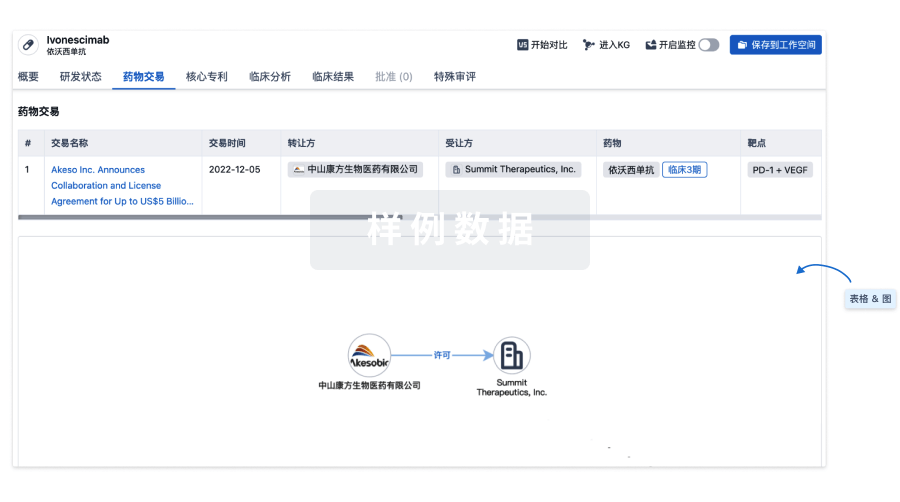
100 项与 KAT6抑制剂 (恒瑞医药) 相关的药物交易
登录后查看更多信息
研发状态
10 条进展最快的记录, 后查看更多信息
登录
| 适应症 | 最高研发状态 | 国家/地区 | 公司 | 日期 |
|---|---|---|---|---|
| 肿瘤 | 临床前 | 中国 | - |
登录后查看更多信息
临床结果
临床结果
适应症
分期
评价
查看全部结果
| 研究 | 分期 | 人群特征 | 评价人数 | 分组 | 结果 | 评价 | 发布日期 |
|---|
No Data | |||||||
登录后查看更多信息
转化医学
使用我们的转化医学数据加速您的研究。
登录
或
药物交易
使用我们的药物交易数据加速您的研究。
登录
或
核心专利
使用我们的核心专利数据促进您的研究。
登录
或
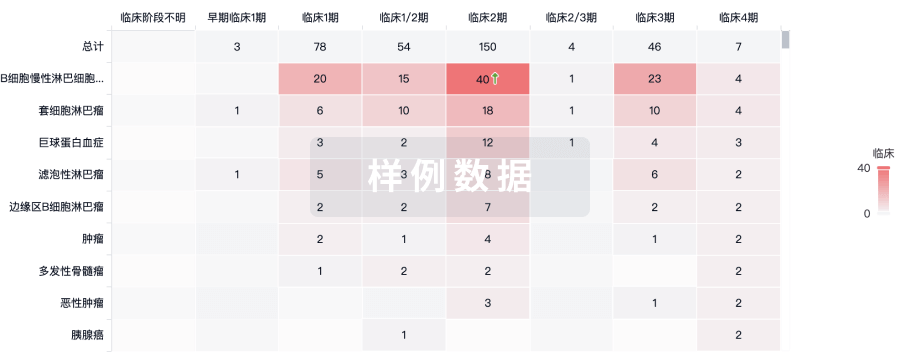
临床分析
紧跟全球注册中心的最新临床试验。
登录
或
批准
利用最新的监管批准信息加速您的研究。
登录
或
特殊审评
只需点击几下即可了解关键药物信息。
登录
或
生物医药百科问答
全新生物医药AI Agent 覆盖科研全链路,让突破性发现快人一步
立即开始免费试用!
智慧芽新药情报库是智慧芽专为生命科学人士构建的基于AI的创新药情报平台,助您全方位提升您的研发与决策效率。
立即开始数据试用!
智慧芽新药库数据也通过智慧芽数据服务平台,以API或者数据包形式对外开放,助您更加充分利用智慧芽新药情报信息。
生物序列数据库
生物药研发创新
免费使用
化学结构数据库
小分子化药研发创新
免费使用