预约演示
更新于:2026-01-03
GGTI-298
更新于:2026-01-03
概要
基本信息
关联
100 项与 GGTI-298 相关的临床结果
登录后查看更多信息
100 项与 GGTI-298 相关的转化医学
登录后查看更多信息
100 项与 GGTI-298 相关的专利(医药)
登录后查看更多信息
56
项与 GGTI-298 相关的文献(医药)2025-12-24·Zhonghua xin xue guan bing za zhi
[CHK1 attenuates cardiac senescence of mice through activating Rap1/Nox4 mediated oxidative stress homeostasis].
Article
作者: Wang, L S ; Wang, H ; Gu, L F ; Zhou, L H ; Chen, S X ; Jing, P ; Du, C ; Yang, T T ; Chen, Y X
Objective: To investigate the biological role and molecular mechanism of checkpoint kinase 1 (CHK1) in delaying cardiac aging in mice. Methods: In vitro, a senescence model of H9C2 cells (a cardiomyocyte line) was induced using H2O2. A control group (without H2O2 treatment) and three H2O2-treated groups (at concentrations of 10, 30, and 50 μmol/L) were set up. The CCK-8 assay was used to evaluate the proliferative activity of cells in each group; Western blot analysis was employed to detect the expression level of CHK1; and quantitative real-time polymerase chain reaction (qRT-PCR) was utilized to determine the messenger RNA (mRNA) expression levels of P16 and interleukin-1β (IL-1β). In vivo, C57BL/6 wild-type mice aged 2 months (n=15) and 24 months (n=40), as well as myocardial-specific CHK1-overexpressing (CHK1-TG) mice aged 2 months (n=15) and 24 months (n=40), were selected. The mice were divided into four groups based on age and genotype: 2-month-old wild-type (WT-2M), 24-month-old wild-type (WT-24M), 2-month-old CHK1-TG (CHK1-TG-2M), and 24-month-old CHK1-TG (CHK1-TG-24M). Echocardiography was used to evaluate cardiac function of mice in the WT-24M and CHK1-TG-24M groups. Western blot analysis was conducted to measure the protein expression levels of CHK1, total Ras-related protein 1 (Rap1), NADPH oxidase 4 (Nox4), and Rap1-guanosine triphosphate (Rap1-GTP, the active form of Rap1) in the cardiac tissue of mice in each group. qRT-PCR was used to detect the messenger RNA (mRNA) expression levels of CHK1, collagen type Ⅰ (Coll1), matrix metalloproteinase-2 (Mmp2), alpha-smooth muscle actin (α-SMA), P53, P21, P16, thioredoxin 1 (Trx1), thioredoxin reductase (TrxR), glutathione recluctase (GR), Rap1, and Nox4. Immunofluorescence staining was employed to determine the protein expression levels of P53, P21, and P16, as well as the proportion of histone H2AX phosphorylation-positive cells. Dihydroethidium (DHE) staining was used to detect the relative intensity of DHE. Wheat germ agglutinin staining, HE staining, Masson staining and Sirius red staining were applied to measure the cross-sectional area of cardiomyocytes, cardiac morphology, and myocardial fibrosis area. Mice in the WT-24M and CHK1-TG-24M groups were intraperitoneally injected with the Rap1 activity inhibitor GGTI298 (25 μmol/kg). After injection, the oxidative stress damage in the cardiac tissue of the mice was detected, along with the mRNA expression levels of fibrosis-related indicators (Coll1, Mmp2, and α-SMA) and cell cycle inhibitory proteins (P16, P21, and P53). Results: A concentration of 30 μmol/L was determined as the optimal concentration for establishing an H2O2-induced senescence model of myocardial cells in vitro. The expression level of CHK1 in H9C2 cells of the 30 μmol/L H2O2 group was lower than that in the control group (P<0.05). Echocardiographic examination showed that the left ventricular ejection fraction ((61.08±1.13)% vs. (52.55±2.02)%) and fractional shortening ((31.80±1.27)% vs. (25.18±1.59)%) of mice in the CHK1-TG-24M group were higher than those in the WT-24M group (both P<0.05). qRT-PCR and Western blot analysis revealed that, compared with the WT-24M group, mice in CHK1-TG-24M group had higher expression levels of CHK1 and its mRNA, lower expression levels of Nox4 and its mRNA, and higher expression level of Rap1-guanosine triphosphate (Rap1-GTP) (all P<0.05). However, there were no statistically significant differences in the total expression level of Rap1 and its mRNA between the two groups (both P>0.05). In addition, the mRNA expression levels of Coll1, Mmp2, and α-SMA in myocardial tissue of mice in the CHK1-TG-24M group were lower than those in the WT-24M group (all P<0.05). Immunofluorescence staining results showed that the expression levels of P53, P21, and P16 proteins, as well as the proportion of phosphorylated histone H2AX-positive cells in myocardial tissue of mice in the WT-24M group were higher than those in the CHK1-TG-24M group (all P<0.05). qRT-PCR further confirmed that the mRNA expression levels of the above-mentioned proteins in cardiac tissue of mice in the WT-24M group were higher than those in the CHK1-TG-24M group (all P<0.05). DHE staining results indicated that the relative intensity of DHE in cardiac tissue of mice in the CHK1-TG-24M group was lower than that in the WT-24M group (P<0.05). Meanwhile, the left ventricular internal diameter, cross-sectional area of cardiomyocytes, and myocardial fibrosis area of mice in the CHK1-TG-24M group were all smaller than those in the WT-24M group (all P<0.05). Furthermore, the degree of DNA damage in cardiac tissue as well as the mRNA levels of fibrosis-related indicators (Coll1, Mmp2, and α-SMA) and cell cycle inhibitory proteins (P53, P21, P16) in mice of the WT-24M+GGTI298 group were higher than those in the WT-24M group and the CHK1-TG-24M+GGTI298 group (all P<0.05). Conclusion: CHK1 alleviates oxidative stress-induced damage in mouse cardiomyocytes by activating the Rap1/Nox4 signaling pathway, thereby delaying cardiac aging in mice.
2025-09-18·JOURNAL OF BACTERIOLOGY
Impact of protein prenylation inhibition on
Mycobacterium leprae
viability and IL-1β production in infected macrophages
Article
作者: Ramalho Costa, Fabricio da Mota ; Pontes Pereira, Melissa ; de Macedo, Cristiana Santos ; Sammarco Rosa, Patrícia ; Freire dos Santos, Plínio Marcos ; da Silva Rocha, Matheus ; Berrêdo-Pinho, Marcia ; Rodrigues Pereira, Antônio Marcos ; Bertoluci, Daniele F. F. ; Alves Dias, André ; Belisle, John T. ; Vidal Pessolani, Maria Cristina
ABSTRACT:
Leprosy is a chronic infectious disease caused by
Mycobacterium leprae
and
M. lepromatosis
. Brazil consistently ranks among the countries with the highest number of leprosy cases. Data from our group showed that
M. leprae
upregulates the mevalonate pathway (MP), contributing to the accumulation of cholesterol-ester-enriched lipid droplets in infected macrophages, and that the inhibition of this pathway by statins decreases bacterial intracellular viability. It has already been shown that part of the deleterious effect of statins on
M. leprae
survival is related to the reduced cholesterol levels, which
M. leprae
oxidizes to generate reductive power. According to the literature, statins, by inhibiting MP, increase the production of the inflammatory cytokine IL-1β through the negative modulation of the biosynthesis of the isoprenoid geranylgeranyl pyrophosphate (GGPP) and farnesyl pyrophosphate (FPP), which are responsible for protein prenylation. In the present study, we tested the hypothesis that part of the effect of statins on the intracellular viability of
M. leprae
comes from their impact on IL-1β production via decreased prenylation. We demonstrate that GGPP is essential in macrophage
–M. leprae
interaction since the MP inhibitors, pamidronate and GGTI-298, which inhibit the enzymes farnesyl pyrophosphate synthase and geranylgeranyl transferase-1, respectively, decreased the intracellular viability of
M. leprae
, measured by RT-qPCR. MP inhibitors increased IL-1β production by activating the inflammasome, but this effect was reversed with GGPP. IL-1β levels were inversely related to bacterial survival. In conclusion, our findings highlight the potential role of protein geranylgeranylation in
M. leprae
pathogenesis and suggest new therapy options for leprosy.
IMPORTANCE:
Mycobacterium leprae
, the bacterium that causes leprosy, survives and replicates inside macrophages. Statins, which inhibit the mevalonate pathway, promote bacterial killing in macrophages by affecting cholesterol and isoprenoid production. Cholesterol is crucial for
M. leprae
survival in macrophages, which explains the microbicidal effect of statins on the bacteria. However, the role of isoprenoid inhibition in statin-induced bacterial killing has not been explored. Isoprenoid groups are added to about 2% of the mammalian proteins, ensuring their proper function. This study focused on geranylgeranyl pyrophosphate (GGPP) and found that inhibiting GGPP formation or protein prenylation in infected macrophages triggered IL-1β production, thereby controlling mycobacterial infection. The findings highlight the importance of protein prenylation in
M. leprae
and suggest new therapeutic strategies for leprosy.
2023-12-01·Journal of oral biosciences
Simvastatin inhibits proliferation and promotes apoptosis of oral squamous cell carcinoma through KLF2 signal
Article
作者: Zhou, Qin ; Zhang, Yuan ; Liu, Bo ; Liu, Hongrui ; Li, Minqi ; Yang, Panpan ; Kou, Yuying ; Wang, Caijiao ; Rong, Xing
OBJECTIVES:
This study aimed to explore the role and specific mechanism of the cholesterol-lowering drug simvastatin in inhibiting oral squamous cell carcinoma (OSCC).
METHODS:
The proliferation, apoptosis, and migration levels of OSCC cells were detected by CCK8, quantitative real-time polymerase chain reaction, Western blot, colony formation, TdT-mediated dUTP Nick-End Labeling assay, and wound healing assay. The inhibitory effect of simvastatin in vivo was detected by a mouse xenograft tumor model. Immunohistochemistry and immunofluorescence staining were used to assess the KLF2 and β-catenin expressions in cells and tissues.
RESULTS:
KLF2 expression in OSCC cells and tissues was downregulated. The addition of KLF2 inducer, GGTI298, inhibited the proliferation and migration of OSCC cells. Simvastatin played a role in inhibiting the proliferation and promoting the apoptosis of OSCC cells. Moreover, it inhibited β-catenin expression and promoted KLF2 expression in OSCC cells. KLF2 siRNA reversed the effect of simvastatin on the proliferation and apoptosis of OSCC cells.
CONCLUSIONS:
KLF2, as a tumor suppressor gene, may be an important marker for diagnosing and treating OSCC. Simvastatin inhibits the progression of OSCC by regulating the KLF2 signal.
100 项与 GGTI-298 相关的药物交易
登录后查看更多信息
研发状态
10 条进展最快的记录, 后查看更多信息
登录
| 适应症 | 最高研发状态 | 国家/地区 | 公司 | 日期 |
|---|---|---|---|---|
| 肿瘤 | 临床前 | 美国 | - | - |
登录后查看更多信息
临床结果
临床结果
适应症
分期
评价
查看全部结果
| 研究 | 分期 | 人群特征 | 评价人数 | 分组 | 结果 | 评价 | 发布日期 |
|---|
No Data | |||||||
登录后查看更多信息
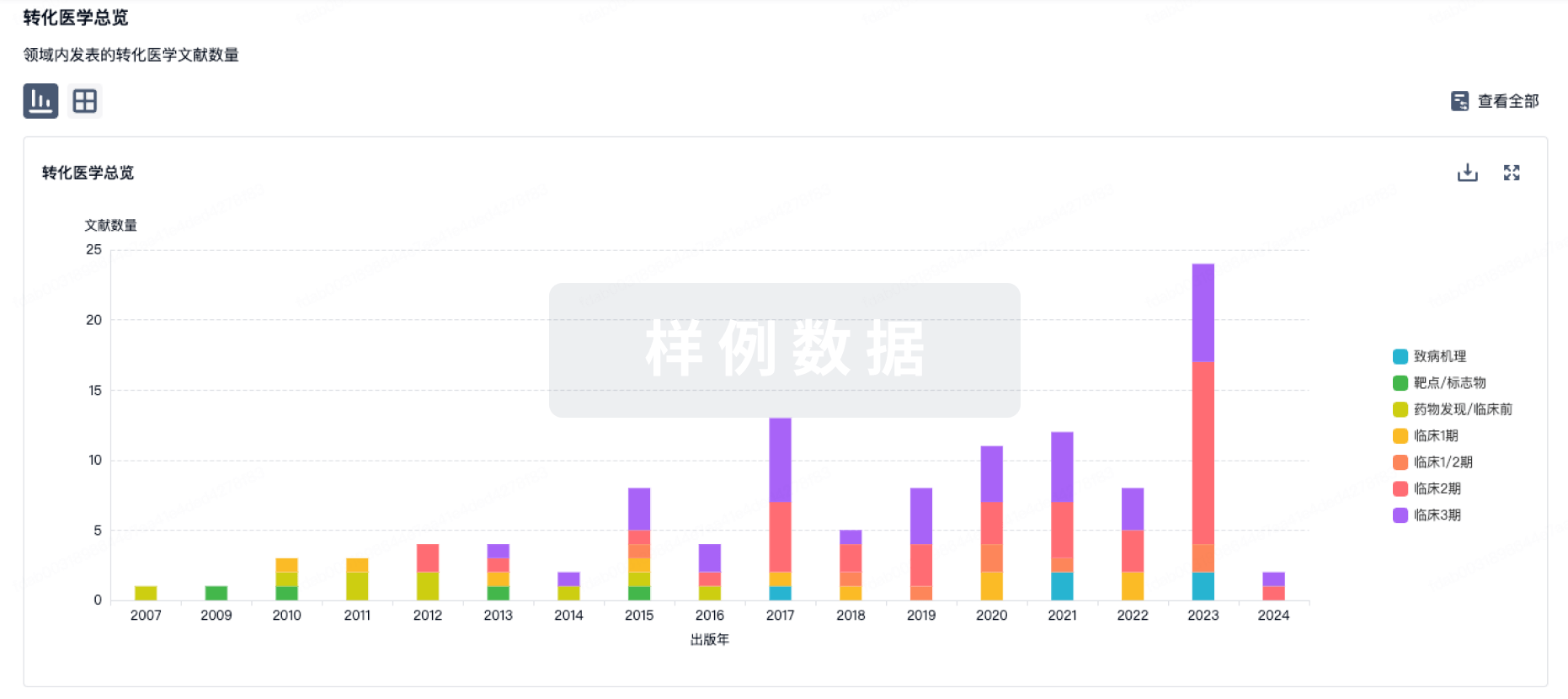
转化医学
使用我们的转化医学数据加速您的研究。
登录
或
药物交易
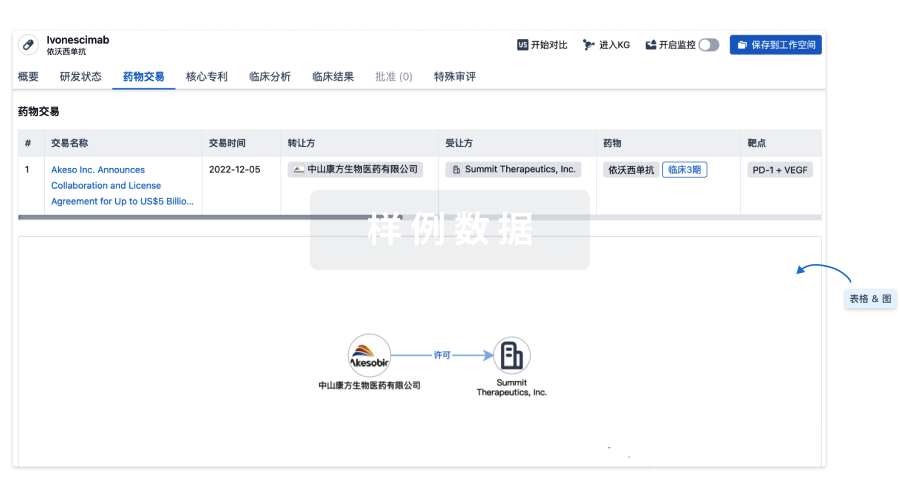
使用我们的药物交易数据加速您的研究。
登录
或
核心专利
使用我们的核心专利数据促进您的研究。
登录
或

临床分析
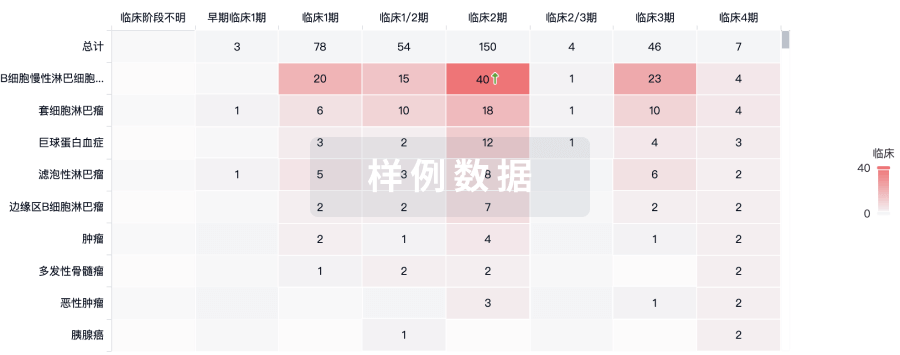
紧跟全球注册中心的最新临床试验。
登录
或
批准
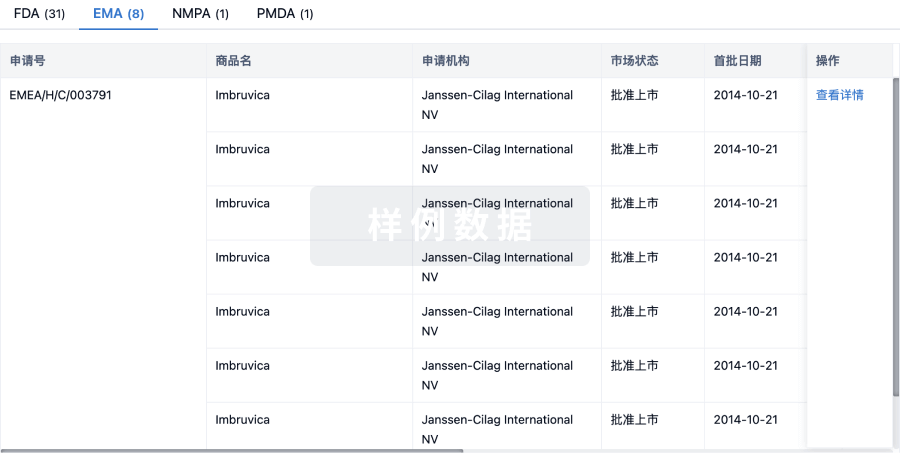
利用最新的监管批准信息加速您的研究。
登录
或
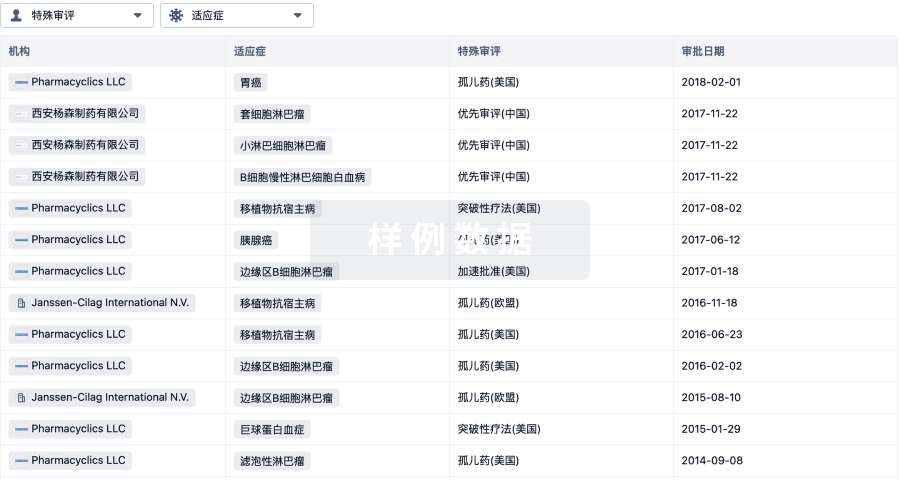
特殊审评
只需点击几下即可了解关键药物信息。
登录
或
生物医药百科问答
全新生物医药AI Agent 覆盖科研全链路,让突破性发现快人一步
立即开始免费试用!
智慧芽新药情报库是智慧芽专为生命科学人士构建的基于AI的创新药情报平台,助您全方位提升您的研发与决策效率。
立即开始数据试用!
智慧芽新药库数据也通过智慧芽数据服务平台,以API或者数据包形式对外开放,助您更加充分利用智慧芽新药情报信息。
生物序列数据库
生物药研发创新
免费使用
化学结构数据库
小分子化药研发创新
免费使用