预约演示
更新于:2026-01-24
Spiromustine
更新于:2026-01-24
概要
基本信息
在研机构- |
权益机构- |
最高研发阶段终止临床3期 |
首次获批日期- |
最高研发阶段(中国)- |
特殊审评- |

登录后查看时间轴
结构/序列
分子式C14H23Cl2N3O2 |
InChIKeyQNKJFXARIMSDBR-UHFFFAOYSA-N |
CAS号56605-16-4 |
关联
100 项与 Spiromustine 相关的临床结果
登录后查看更多信息
100 项与 Spiromustine 相关的转化医学
登录后查看更多信息
100 项与 Spiromustine 相关的专利(医药)
登录后查看更多信息
60
项与 Spiromustine 相关的文献(医药)2026-02-01·JOURNAL OF PHARMACEUTICAL SCIENCES
New method for adsorbing the pharmaceuticals on mesoporous silica: Adsorption behavior of ibuprofen on mesoporous silica via the sealed and heating method
Article
作者: Oba, Takuma ; Hanawa, Takehisa ; Ozawa, Chihiro ; Kawano, Yayoi ; Nomura, Kazuya ; Natori, Nobuyuki ; Hirose, Kaoru
Many active pharmaceutical ingredients (APIs) currently being developed are poorly soluble in water, which enhances their solubility and bioavailability critical challenges. The evaporation/condensation (EV) method, wherein crystalline APIs are dissolved in organic solvents and adsorbed onto porous materials, is used to improve the solubility of APIs. However, the use of residual organic solvents during evaporation is challenging. Recently, the sealed heating (SH) method, in which a mixture of porous materials and a sublimated API is heated in a sealed container, has been reported as an alternative to the EV method. This study focuses on mesoporous silica (MPS-4R or -2R) as a porous material. The SH method was used to investigate the adsorption of ibuprofen (IBU) on MPSs. In the PXRD study, the IBU crystals were amorphized using the SH method. The elution rate of SH mixture containing 10 wt% IBU was approximately 2.7 times higher than that of the IBU crystals at 10 min after the start of the test. Based on these results, the SH method is a novel approach for amorphizing and enhancing the solubility of poorly water-soluble drugs without the use of organic solvents.
2023-02-01·Nutrition in clinical practice : official publication of the American Society for Parenteral and Enteral Nutrition
Assessing growth of infants with chylothorax receiving fortified skimmed human breast milk
Article
作者: Clark, Brittani ; Nghiem‐Rao, T. Hang ; Feuling, Mary Beth ; Uhing, Michael ; Goday, Praveen ; Polzin, Elizabeth ; Karls, Catherine ; Froh, Melissa ; Handler, Stephanie S.
Abstract:
Learning Outcome:
To learn how skimmed human milk (SHM) can be used in infants with chylothorax to support adequate weight gain and nutrition while receiving human milk.
Background:
Traditional nutrition management for chylothorax is to limit long‐chain triglycerides (LCTs) and provide a diet high in medium‐chain triglycerides (MCTs). Transition from human milk to formula has been required to provide the ratio of MCT to LCT required to stop the accumulation of chyle. Although SHM may provide the right fat content for a baby with chylothorax, previous studies have shown slow growth in infants receiving SHM.
Objective:
To demonstrate that infants receiving SHM fortified with high‐MCT infant formula will have age appropriate growth without re‐accumulation of chyle.
Design/Methods:
Between 2017 and 2019, term infants with the diagnosis of chylothorax who were previously receiving human milk and transitioned to fortified SHM were monitored for growth and reaccumulation of chyle.
Results:
The six infants who were prescribed fortified SHM with high‐MCT infant formula using standardized recipes did not show reaccumulation of chyle and showed positive weight gain in five of the six study patients. The infants gained a mean weight of 30.5 g/day (±19.5), and their weight z scores improved by a mean of +0.29 (±0.33).
Conclusions:
Fortified SHM is a safe treatment option that can provide adequate nutrition for the infant with chylothorax to gain weight appropriately for age.
2023-01-01·Frontiers in neuroscience
Cerebrolysin and repetitive transcranial magnetic stimulation (rTMS) in patients with traumatic brain injury: a three-arm randomized trial.
Article
作者: Chira, Diana ; Jemna, Nicoleta ; Muresanu, Ioana ; Radu, Constantin ; Vadan, Iulia ; Muresanu, Dafin ; Hapca, Elian ; Benedek, Irina ; Strilciuc, Stefan ; Cherecheş, Răzvan ; Verisezan Rosu, Olivia
Introduction:
Traumatic brain injury (TBI) is a major public health problem affecting millions worldwide. Despite significant advances in medical care, there are limited effective interventions for improving cognitive and functional outcomes in TBI patients.
Methods:
This randomized controlled trial investigated the safety and efficacy of combining repetitive transcranial magnetic stimulation (rTMS) and Cerebrolysin in improving cognitive and functional outcomes in TBI patients. Ninety-three patients with TBI were randomized to receive either Cerebrolysin and rTMS (CRB + rTMS), Cerebrolysin and sham stimulation (CRB + SHM), or placebo and sham stimulation (PLC + SHM). The primary outcome measures were the composite cognitive outcome scores at 3 and 6 months after TBI. Safety and tolerability were also assessed.
Results:
The study results demonstrated that the combined intervention of rTMS and Cerebrolysin was safe and well-tolerated by patients with TBI. Although no statistically significant differences were observed in the primary outcome measures, the descriptive trends in the study support existing literature on the efficacy and safety of rTMS and Cerebrolysin.
Discussion:
The findings of this study suggest that rTMS and Cerebrolysin may be effective interventions for improving cognitive and functional outcomes in TBI patients. However, limitations of the study, such as the small sample size and exclusion of specific patient populations, should be considered when interpreting the results. This study provides preliminary evidence for the safety and potential efficacy of combining rTMS and Cerebrolysin in improving cognitive and functional outcomes in TBI patients. The study highlights the importance of multidisciplinary approaches in TBI rehabilitation and the potential for combining neuropsychological measurements and interventions to optimize patient outcomes.
Conclusion:
Further research is needed to establish these findings' generalizability and identify the optimal dosages and treatment protocols for rTMS and Cerebrolysin.
100 项与 Spiromustine 相关的药物交易
登录后查看更多信息
外链
| KEGG | Wiki | ATC | Drug Bank |
|---|---|---|---|
| D05910 | - | - | - |
研发状态
10 条进展最快的记录, 后查看更多信息
登录
| 适应症 | 最高研发状态 | 国家/地区 | 公司 | 日期 |
|---|---|---|---|---|
| 肿瘤 | 临床3期 | - | - | |
| 肿瘤 | 临床3期 | - | - |
登录后查看更多信息
临床结果
临床结果
适应症
分期
评价
查看全部结果
| 研究 | 分期 | 人群特征 | 评价人数 | 分组 | 结果 | 评价 | 发布日期 |
|---|
No Data | |||||||
登录后查看更多信息
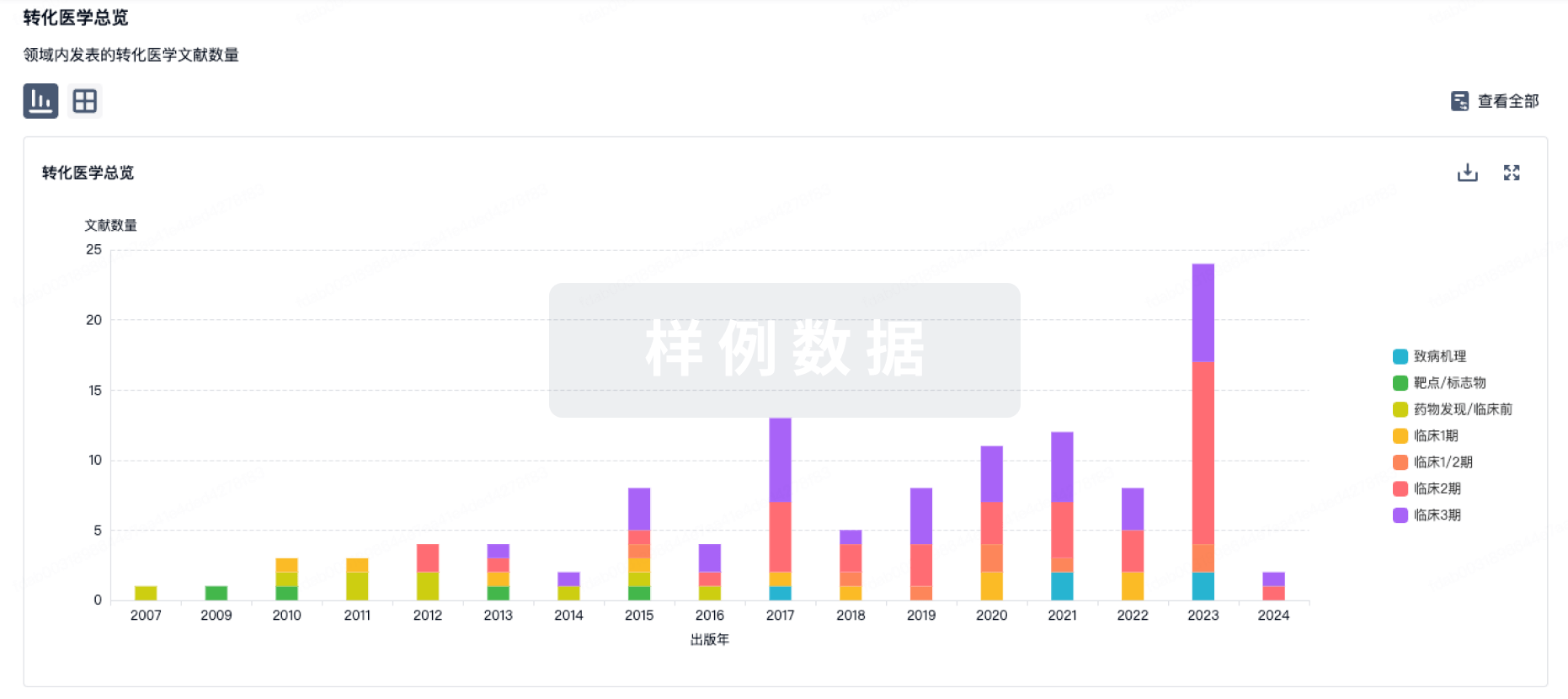
转化医学
使用我们的转化医学数据加速您的研究。
登录
或
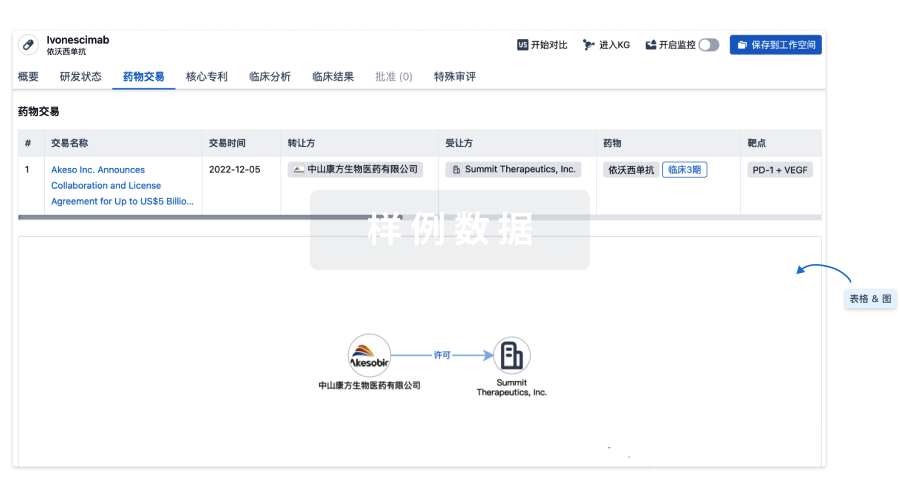
药物交易
使用我们的药物交易数据加速您的研究。
登录
或
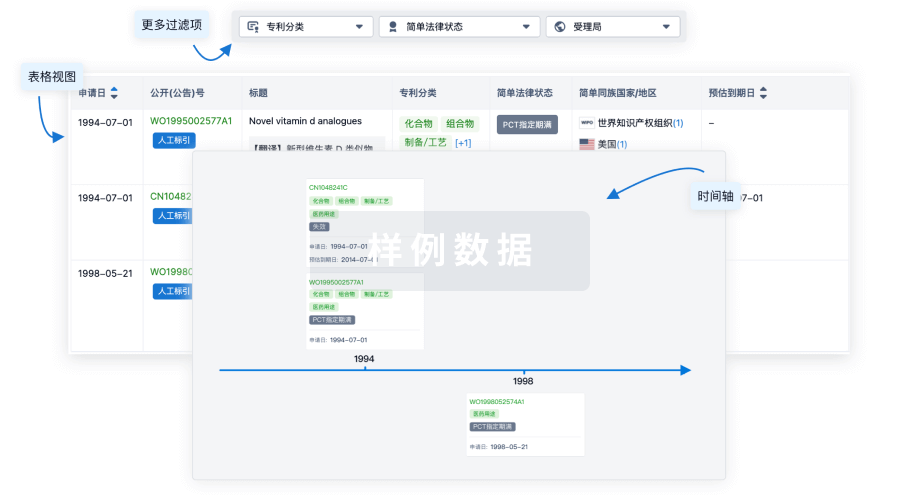
核心专利
使用我们的核心专利数据促进您的研究。
登录
或
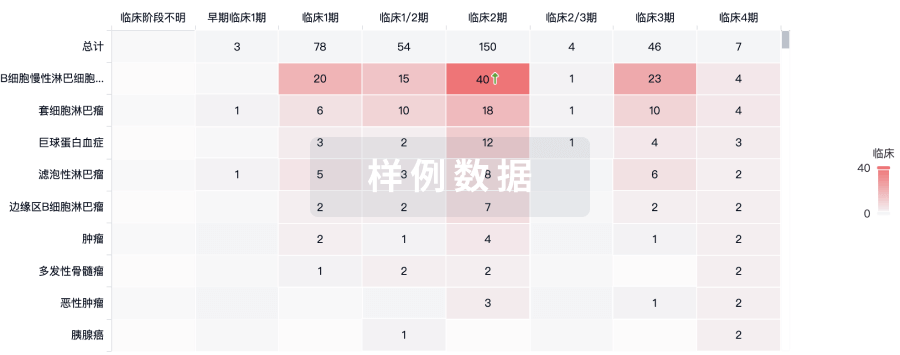
临床分析
紧跟全球注册中心的最新临床试验。
登录
或
批准
利用最新的监管批准信息加速您的研究。
登录
或
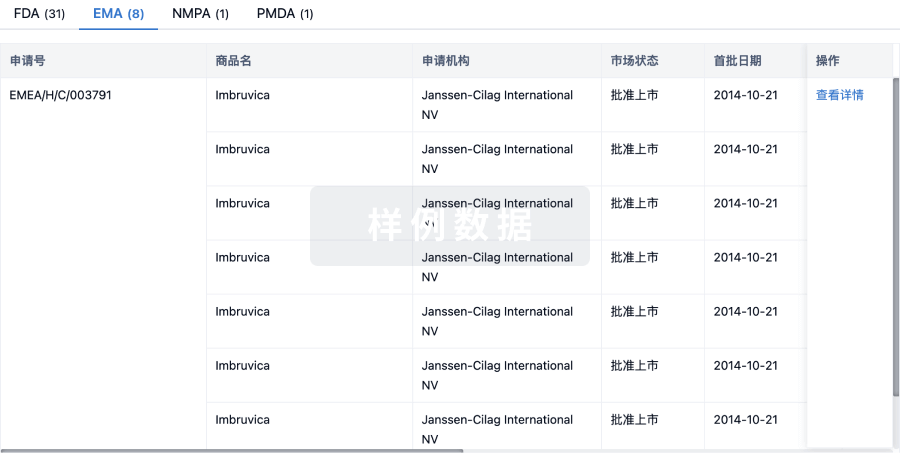
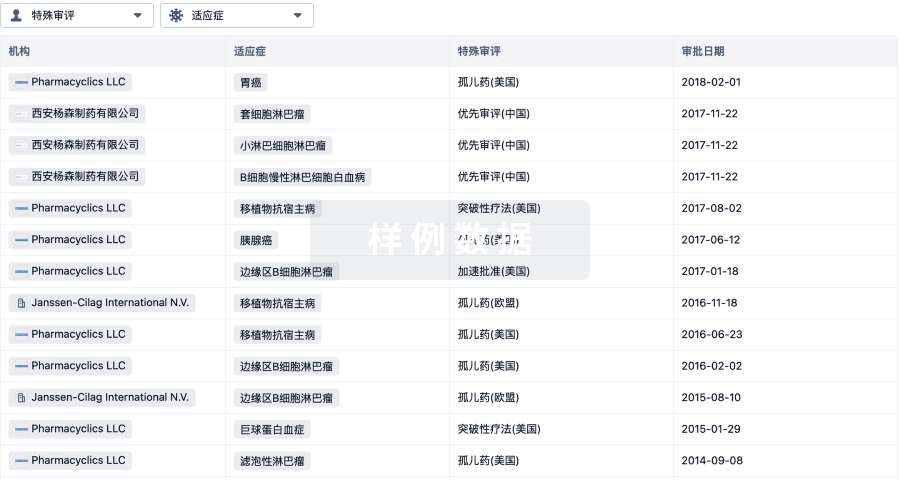
特殊审评
只需点击几下即可了解关键药物信息。
登录
或
生物医药百科问答
全新生物医药AI Agent 覆盖科研全链路,让突破性发现快人一步
立即开始免费试用!
智慧芽新药情报库是智慧芽专为生命科学人士构建的基于AI的创新药情报平台,助您全方位提升您的研发与决策效率。
立即开始数据试用!
智慧芽新药库数据也通过智慧芽数据服务平台,以API或者数据包形式对外开放,助您更加充分利用智慧芽新药情报信息。
生物序列数据库
生物药研发创新
免费使用
化学结构数据库
小分子化药研发创新
免费使用