预约演示
更新于:2026-09-05
Glucagon-Like-Peptide-1(Original Biomedicals)
更新于:2026-09-05
概要
基本信息
原研机构 |
在研机构 |
非在研机构- |
权益机构- |
最高研发阶段药物发现 |
首次获批日期- |
最高研发阶段(中国)药物发现 |
特殊审评- |

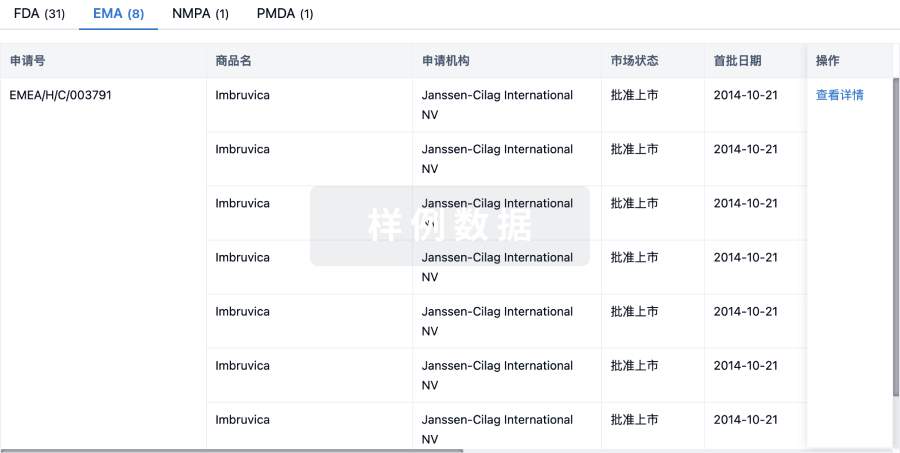
关联
100 项与 Glucagon-Like-Peptide-1(Original Biomedicals) 相关的临床结果
登录后查看更多信息
100 项与 Glucagon-Like-Peptide-1(Original Biomedicals) 相关的转化医学
登录后查看更多信息
100 项与 Glucagon-Like-Peptide-1(Original Biomedicals) 相关的专利(医药)
登录后查看更多信息
1,671
项与 Glucagon-Like-Peptide-1(Original Biomedicals) 相关的文献(医药)2026-09-01·EUROPEAN NEUROPSYCHOPHARMACOLOGY
Effectiveness of GLP-1RA vs metformin for diabetes prevention in antipsychotic-treated patients
Article
作者: Tsai, Ya-Wen ; Kao, Pei-Hsin ; Lee, Chung-Han ; Liu, Chia-Yu ; Liu, Ting-Hui ; Lai, Chih-Cheng ; Wu, Jheng-Yan
This retrospective cohort study aimed to compare the effectiveness of glucagon-like peptide-1 receptor agonists (GLP-1RAs) versus metformin for preventing type 2 diabetes mellitus (T2DM), reducing mortality, and improving body mass index (BMI) in antipsychotic-treated patients with overweight /obesity. We used data from the TriNetX Global Collaborative Network. Adults (aged ≥18 years) with overweight or obesity, antipsychotic exposure, and no prior T2DM diagnosis were identified. After propensity score matching, patients initiating GLP-1RA therapy were compared with those initiating metformin. The primary outcome was incident T2DM occurring between 1 and 5 years after treatment initiation. Secondary outcomes included all-cause mortality and BMI change. Among 9939 eligible patients, 3115 matched pairs were included. The incidence of T2DM was significantly lower in the GLP-1RA group compared with the metformin group (1.96% vs 7.26%; hazard ratio [HR]=0.34; 95% CI, 0.26-0.46; p < 0.001). All-cause mortality was also reduced in the GLP-1RA group (0.32% vs 1.96%; HR, 0.25; 95% CI, 0.13-0.49; p < 0.001). Regarding BMI change, patients receiving GLP-1RA experienced greater weight reduction than those receiving metformin. The mean (standard deviation) change in BMI was -2.66 (8.51) kg/m² in the GLP-1 group versus -1.36 (8.63) kg/m² in the metformin group (p < 0.001). In conclusion, in this large real-world cohort of antipsychotic-treated patients with overweight or obesity, GLP-1RA therapy was associated with significantly lower risks of T2DM and mortality, and greater BMI reduction compared with metformin. These findings suggest that GLP-1RAs may offer a more favorable profile against antipsychotic-induced glucose dysregulation.
2026-09-01·Obesity pillars
A survey of primary care physicians' views on supporting patients who lose insurance coverage for Glucagon-Like Peptide-1-based drugs for weight management
Article
作者: Griauzde, Dina ; Sen, Ananda ; Arizaca-Dileo, Patricia ; Gabison, Jonathan ; Vicenzi Bal, Alexis ; Mark Fendrick, A ; Oshman, Lauren ; Kraftson, Andrew ; Rothberg, Amy ; Othman, Amal ; Runyon, Amy
Background:
Glucagon-like peptide-1 (GLP-1)-based drugs for weight management are commonly prescribed by primary care physicians (PCPs), many of whom have limited familiarity with alternative weight management treatments. This knowledge gap may be especially problematic when patients lose insurance coverage for - and therefore access to - GLP-1-based drugs after initial weight loss, as these patients may require alternative treatments to sustain weight loss or maintenance. To date, little is known about how prepared PCPs feel to manage this increasingly common clinical scenario.
Methods:
This was a cross-sectional web-based survey of PCPs at an academic medical center in the Midwestern United States who provide care to patients who lost coverage for GLP-1-based drugs for weight management from a large statewide insurer in 2025. Quantitative responses were analyzed descriptively and with chi-square tests; open-ended responses were analyzed with directed content analysis.
Results:
Among surveyed PCPs, the response rate was 51% (111/216). Approximately half (53/109, 49%) felt uncomfortable helping patients manage their weight following loss of coverage for GLP-1-based drugs for weight management. Greater comfort was associated with past experiences prescribing phentermine (aOR 4.14, 95% CI 1.69-10.18) and prescribing liraglutide (aOR 2.34, 95% CI 1.05-5.24). Most (82/110, 75%) felt that less than a quarter of their patients would be able to maintain their weight loss after losing insurance coverage and access to GLP-1-based drugs. Referral to American Board of Obesity Medicine (ABOM) board-certified physicians was preferred to support ongoing weight management of these patients (46/96, 48%).
Conclusions:
Half of all PCPs at an academic medical center are uncomfortable supporting patients' transition from GLP-1-based drugs to alternative weight management treatments following loss of insurance for these agents. Additional resources, including access to ABOM-certified physicians, are needed to support patients facing this common clinical scenario.
2026-09-01·Translational Research
GLP-1 receptor agonists in ADPKD: from metabolic rationale to phenotype-enriched translational testing
Review
作者: Corrêa, Lucas Maciel de Almeida ; Arruda, Sicília Lins Peixoto ; Ferreira, Guilherme Diniz ; Mazur, Gabriel Rian ; Delmiro Silva, Yan Roberth ; Brandão, Luiggi Kevin Virgino
Autosomal dominant polycystic kidney disease (ADPKD) remains therapeutically anchored to vasopressin V2-receptor antagonism, yet progression heterogeneity and persistent unmet need increasingly suggest residual disease biology beyond cAMP-centered control. Converging experimental and observational human phenotype data suggest that metabolic reprogramming, mitochondrial dysfunction, impaired fatty-acid oxidation, obesity, and visceral adiposity may modify cyst growth, kidney-volume expansion, eGFR decline, or treatment-response heterogeneity, although causal and therapeutic evidence remains incomplete. In this review, we synthesize mechanistic, human, and trial-design evidence-from studies of cystic bioenergetics and human phenotype modifiers of progression to metabolism-oriented interventions, recent direct semaglutide data in Pkd1 models, and the design logic of ongoing early-phase clinical evaluation-to examine whether GLP-1 receptor agonists deserve consideration as orthogonal metabolic candidates for translational disease modification in ADPKD. Across these lines of evidence, GLP-1 receptor agonists should be viewed not as mechanistic surrogates for tolvaptan, but as plausible candidates to engage adiposity-related and metabolic stress pathways that may contribute to progression heterogeneity. At the same time, the field remains at an early translational stage, with important uncertainties regarding patient selection, trial enrichment, endpoint selection, co-administration with tolvaptan, and safety monitoring. GLP-1-based therapy should not currently be regarded as a treatment for ADPKD; rather, the available evidence supports a phenotype-aware translational program in which metabolic burden, visceral adiposity, and residual risk beyond tolvaptan guide early clinical testing and endpoint selection.
1,187
项与 Glucagon-Like-Peptide-1(Original Biomedicals) 相关的新闻(医药)2026-09-04
NEW YORK
,
Sept. 4, 2026
/PRNewswire/ -- Although the number of US children under age 12 with obesity being prescribed the weight loss drugs Saxenda, Wegovy, and Zepbound remains low, the number is 310 times higher in June 2026 than it was in 2019, when the drugs were initially prescribed, a new study shows.
Led by researchers at NYU Langone Health, the study showed that prescriptions for the weight-loss medications are less common for young children with obesity (ages 8 to 11) than for adolescents with obesity (ages 12 to 17), at 0.6 percent and 0.9 percent, respectively. An estimated 20 percent of children in the US have obesity, meaning their body mass index (BMI) is above the 95th percentile for children of similar age and sex, without having diabetes, a well-known complication of the disease.
Publishing in the journal
Pediatrics
online Sept. 4,
the researchers found that the portion of children ages 8 to 11 with obesity and without diabetes, who were prescribed glucagon-like peptide-1 (
GLP-1
) receptor agonists, increased from 0.03 percent in 2019 to 9.3 percent in 2026, for a 310-fold increase within 7.5 years. During this timeframe, 20,282 children ages 8 to 11 have been prescribed GLP-1s.
Older children with obesity were more likely than younger children with obesity to be prescribed the medications, even though clinical guidelines allow for the use of the medications for obesity in children as young as 8 years old. Girls were more likely than boys to receive the prescriptions.
ezstandalone.cmd.push(function () {
ezstandalone.showAds(131);
});
Most children prescribed GLP-1s had severe obesity (93.7 percent), meaning their BMI was substantially higher than almost all other children of the same age and gender. Most children prescribed GLP-1s experienced at least one illness tied to obesity (65.2 percent), such as high cholesterol, high blood pressure, and sleep apnea.
"Our study offers the first national overview in young children of the use of
GLP-1
drugs to fight the obesity epidemic in the United States and shows that while the absolute numbers of children under the age of 12 receiving
GLP-1
treatment is still low,
GLP-1
use is accelerating rapidly," said lead investigator and obesity medicine specialist Babak J. Orandi, MD, PhD, an associate professor in the Departments of Surgery and Medicine at NYU Grossman School of Medicine. "The careful use of GLP-1s remains a valuable tool in confronting the obesity epidemic among young Americans."
Dr. Orandi said that
GLP-1
drugs can be very effective at treating obesity and improving its metabolic complications, leading to weight loss, better blood sugar regulation, and appetite suppression. While parents may hesitate at the thought of prescribing these medications, there are long-term risks associated with not prescribing them in young children with obesity, including chronic diseases like diabetes, hypertension, and liver disease in early adulthood and middle age. According to the study, a quarter of young children with obesity who are prescribed GLP-1s were prediabetic and therefore at high risk of the most common disease linked to obesity.
Among the study's other findings was that many young children with obesity who lived in in upper-income communities were 55 percent more likely to be prescribed
GLP-1
medications than those who did not.
ezstandalone.cmd.push(function () {
ezstandalone.showAds(132);
});
Study co-senior author Allan B. Massie, PhD, an associate professor in the Departments of Surgery and Population Health at NYU Grossman School of Medicine, said that already
GLP-1
prescribing patterns show the beginnings of a growing divergence between those who do and those who do not have access to the medications.
"Physicians and health policy-makers alike have a responsibility to ensure, as use of
GLP-1
medications continues to rise, that all young children with obesity who need these drugs have access to them and that these valuable and sometimes costly treatments become available to more than those who have access to health insurance and can afford to visit pediatric clinics," said Dr. Massie.
Dr. Orandi said that long-term monitoring of children prescribed GLP-1s is needed to ensure that the drugs remain safe and effective. Clinical trials involving the medications are already underway regarding children as young as 6 years old with obesity, which he said will inform and offer guidance to physicians, policy makers, and parents on the growing use of anti-obesity drugs.
For the study, the team used Epic Cosmos, a national dataset of the electronic health records of more than 300 million American patients. The dataset includes information from 2,067 hospitals and 47,100 health clinics that use Epic, the nation's largest vendor of electronic health record systems, which had no role in performing the study.
ezstandalone.cmd.push(function () {
ezstandalone.showAds(133);
});
Funding support for the study was provided by NYU Langone.
Along with Drs. Orandi and Massie, NYU Langone researchers involved in the study were co-investigators Suhani S. Patel, MPH; Mary Jo Messito, MD; Michal A. Mankowski, PhD; and Dorry L. Segev, MD, PhD.
Dr. Orandi has served on an advisory board for the pharmaceutical company Boehringer Ingelheim. Dr. Segev has received consulting and speaking honoraria from Sanofi, CareDx, Moderna, AstraZeneca, Roche, Optum, OrganOx, Hansa Biopharma, and Biosidus, and is a journal editor for Singer. None of these activities are related to the current
Pediatrics
study. NYU Langone is managing the terms and conditions of these relationships in accordance with its policies and procedures.
About NYU Langone Health
ezstandalone.cmd.push(function () {
ezstandalone.showAds(134);
});
NYU Langone Health is a fully integrated health system that consistently achieves the best patient outcomes through a rigorous focus on quality that has resulted in some of the lowest mortality rates in the nation. Vizient Inc. has ranked NYU Langone No. 1 out of 118 comprehensive academic medical centers across the nation four years in a row, and it continues to have the most No. 1– and top 10–ranked specialties among medical centers in the United States, according to
U.S. News & World Report
. NYU Langone offers a comprehensive range of medical services with one high standard of care across seven inpatient locations, its Perlmutter Cancer Center, and more than 330 outpatient locations in the New York City area and Florida. The system also includes two tuition-free medical schools, in Manhattan and on Long Island, and a vast research enterprise.
Media Inquiries
David March
Phone: 212-404-3528
David.March@NYULangone.org
STUDY DOI
10.1542/peds.2020-000123
STUDY LINK
ezstandalone.cmd.push(function () {
ezstandalone.showAds(135);
});
View original content to download multimedia:
SOURCE NYU Langone Health System
上市批准
2026-09-03
·今日头条
2026年9月2日,国家药品监督管理局药品审评中心(CDE)公示最新受理信息,甘李药业自主研发1类新药博凡格鲁肽(Bofanglutide,研发代号GZR18)注射液的上市申请正式获得受理。作为一款极具差异化优势的长效GLP‑1受体激动剂,博凡格鲁肽瞄准每两周一次的给药方案,一旦顺利获批,有望成为全球首款上市的双周制剂GLP‑1药物,为糖尿病与肥胖患者带来更加便捷的长期治疗新选择。
肥胖与2型糖尿病已经成为我国突出的公共卫生问题。伴随生活方式改变,超重、肥胖人群规模持续扩大,代谢综合征、血糖异常等合并症随之高发。当前国内已上市的GLP‑1类产品,给药周期大多集中在每日一次或者每周一次。对于需要长期规范用药的患者而言,高频次注射容易降低依从性,漏用、中断治疗的情况时有发生。给药频次更少、疗效持久稳定的长效制剂,是临床上未被充分满足的核心需求,博凡格鲁肽的研发正是瞄准这一临床痛点。
从药物作用机制来看,博凡格鲁肽属于胰高血糖素样肽‑1受体激动剂,遵循葡萄糖依赖性的降糖逻辑。当人体血糖升高时,药物可促进胰岛素分泌,同时抑制胰高糖素释放,平稳控制血糖水平,减少低血糖发生风险。除此之外,该药物还能够延缓胃排空速度,作用于下丘脑调控食欲中枢,提升饱腹感,减少热量摄入,实现降糖与减重双重获益,同步改善代谢状态。
支撑本次上市申报的,是一套完整且数据亮眼的临床证据链,临床试验分别覆盖早期安全性探索、剂量爬坡验证以及针对肥胖和糖尿病人群的有效性评价。其中Ib/IIa期临床作为首次人体试验,核心目的是评估药物在人体中的安全性、耐受性以及体内代谢特征,同时对比每周给药与双周给药两种方案的可行性,为后续二期研究锁定安全有效的给药剂量,确立每两周一次的核心给药模式。
在针对中国超重及肥胖成人开展的IIb期临床试验中,研究采用随机、双盲、安慰剂对照的严谨设计,入组人群包含BMI≥24且伴随代谢相关并发症的超重受试者,以及BMI≥28的肥胖受试者。试验设置多梯度给药剂量,对比不同方案30周的体重变化。数据显示,博凡格鲁肽各治疗组体重降幅区间达到9.75%‑16.69%,安慰剂组体重仅下降1.15%,各组疗效对比均具备显著统计学差异,高剂量组减重优势尤为突出,初步证实了这款双周制剂优秀的减重潜力。
后续重磅III期GRADUAL‑1研究进一步夯实了临床价值。这项试验共纳入640名中国超重或肥胖成年人,为期52周的长期随访数据显示,博凡格鲁肽24mg与48mg双周治疗组,受试者体重较基线平均下降15.12%和18.54%,安慰剂组降幅仅为1.11%。治疗后体重下降超过5%的受试者占比高达98.1%,长效给药模式下依旧维持强效、稳定的减重效果,为长期体重管理提供了可靠的数据支撑。
安全性评价是创新药落地临床的关键一环。综合多阶段临床试验结果,博凡格鲁肽整体安全性、耐受性与现有GLP‑1受体激动剂保持一致,全程没有发现全新的安全风险。药物最常见的不良反应以轻至中度胃肠道不适为主,和该靶点药物已知的不良反应谱相符,大多可以随着治疗时间延长逐步缓解,整体可控,具备良好的长期用药安全基础。
在国内GLP‑1药物竞争日趋火热的大背景下,差异化给药周期成为药企突围的重要方向。目前市面上主流长效产品以每周注射一次为主,博凡格鲁肽双周给药的独特设计,大幅减少患者每年的注射次数,降低长期治疗带来的使用负担,从依从性层面优化慢病管理体验。同时该药物同时布局减重、降糖两大适应症,覆盖庞大的代谢疾病人群,市场空间广阔。
作为国内胰岛素领域的本土龙头企业,甘李药业长期深耕代谢疾病创新药物研发,博凡格鲁肽上市申请的受理,标志着企业从胰岛素赛道正式迈向长效减重降糖创新药赛道,完成产品线的升级拓展。如果后续顺利获批上市,这款国产原创双周GLP‑1制剂,不仅能够丰富国内代谢疾病的治疗方案,也将打破海外企业在长效减重药物市场的优势格局,推动国产创新药走向更高的国际定位。
本次上市申请获得受理,是博凡格鲁肽从临床研究走向商业化落地的关键里程碑,后续药物还将经历严格的审评核查。这款全球潜在首创的双周制剂能否成功叩开市场大门,为千万代谢疾病患者带来更省心、强效的治疗方案,值得行业持续关注。未来随着更多长效、多靶点GLP‑1类新药陆续获批,我国肥胖与糖尿病的治疗格局,也将迎来全新的变革。
2026-09-03
NEW YORK, Sept. 3, 2026 /PRNewswire/ -- Men already at risk genetically for the most common form of hair loss have a 7 percent added risk of losing their hair if they use drugs like Ozempic, Wegovy, and Zepbound for type 2 diabetes and obesity, a new study shows.
Led by researchers at NYU Langone Health, the study focused on the GLP1R gene, which naturally increases the body's levels of glucagon-like peptide-1 (GLP-1) receptor proteins, and used it as an indicator of GLP-1 agonist activity. More GLP1R activity means there are more GLP-1 receptor proteins. The researchers compared the presence of GLP1R genes with the presence of genes found in men with androgenetic alopecia, an inherited form of hair loss that follows a pattern along the top and front of the scalp. Male hair loss conditions are well studied, unlike hair loss in women, which is why the researchers could only analyze any causal link to hair loss in men.
Many GLP-1 users, both men and women, have reported thinning hair as a side effect, with researchers so far attributing the shedding to the rapid weight loss driven by the medications, which work to regulate blood sugar and suppress appetite. Often, GLP-1 users have found that hair growth resumes several months after their weight stabilizes. Until now, researchers have only suspected a genetic connection between GLP-1 use and hair loss.
Publishing in the Journal of Investigative Dermatology online Sept. 3 the study showed that the GLP1R genes that naturally cause higher levels of GLP-1 receptor proteins are more likely to be present in men who have androgenetic alopecia. The researchers then adjusted their analysis to discount for known risks of hair loss from hypertension, which is thought to reduce blood flow to the scalp, harming hair follicle growth. The 7 percent added risk remained the same.
Researchers also checked their risk analysis against other potential drivers of hair loss, including insulin resistance (a cause of type 2 diabetes) and lowered testosterone levels. Still, the increased risk of hair loss from GLP-1 use remained at 7 percent.
Because the study involved genes active in both GLP-1 users and men with hair loss, any overlapping risk, the researchers noted, suggests that the two are biologically linked.
"Our study provides the first genetic link between GLP-1 use and an increased risk of male- pattern hair loss from androgenetic alopecia, an association long suspected but until now not shown scientifically," said study senior investigator Lynn Petukhova, PhD, an assistant professor in the Ronald O. Perelman Department of Dermatology and the Department of Population Health at NYU Grossman School of Medicine.
"Our findings suggest that, if future experiments prove successful, some men, and possibly women too, could be screened and benchmarked for their risk of hair loss before being prescribed GLP-1 medications," said Dr. Petukhova. "We could also envision these findings leading to some GLP-1 users being prescribed combination treatments to prevent hair loss, such as minoxidil or some other drug."
Dr. Petukhova said further research is needed to understand the biological mechanisms that cause GLP-1 use to weaken hair follicle growth. She also has plans to investigate whether the links seen in men apply to women.
For the study, researchers accessed large, publicly available genetic databases, including the eQTLGen database of 31,684 mostly White men and women, and the Complex Traits Genetics group database of 205,327 mostly White men.
Androgenetic alopecia is estimated to affect half of White American males over age 50, and almost the same number of White American females over age 50, predominantly those who are postmenopause.
An estimated 12 percent of Americans have used GLP-1 drugs for no other reason than weight loss, including one-fifth of women ages 50 to 64, according to surveys. Since the first GLP-1 drug (Ozempic) was approved by the Food and Drug Administration in 2020, prescriptions for the medication have more than tripled.
Funding support for this study was provided by National Institutes of Health grants R01AR080796 and K01AR075111.
Besides Dr. Petukhova, NYU Langone researchers involved in the study were co-investigators Jerry Shapiro, MD, and Kristen Lo Sicco, MD. Other study co-investigators were Derek Mass, MBA; Mary Casagrande, MPH; and Poppy Gould, PhD; and co-lead investigator Archie Spindler.
Drs. Shapiro and Lo Sicco have in the past served as study investigators for hair loss drugs and devices manufactured by Pfizer and Regen Labs. Dr. Lo Sicco is a paid consultant for Pfizer, Lilly, Ro, Priovant, Veradermics, and Aquis. The terms and conditions of all these relationships are being managed in accordance with the policies of NYU Langone.
Additional study authors are co-lead investigator Ravi Ramesur, MD, PhD, at the University of Pennsylvania and King's College London, and co-investigator Atlas Khan, PhD, at Columbia University.
About NYU Langone Health
NYU Langone Health is a fully integrated health system that consistently achieves the best patient outcomes through a rigorous focus on quality that has resulted in some of the lowest mortality rates in the nation. Vizient Inc. has ranked NYU Langone No. 1 out of 118 comprehensive academic medical centers across the nation four years in a row, and it continues to have the most No. 1– and top 10–ranked specialties among medical centers in the United States, according to U.S. News & World Report. NYU Langone offers a comprehensive range of medical services with one high standard of care across seven inpatient locations, its Perlmutter Cancer Center, and more than 330 outpatient locations in the New York City area and Florida. The system also includes two tuition-free medical schools, in Manhattan and on Long Island, and a vast research enterprise.
Media Contact:
David March
212-404-3528
[email protected]
STUDY DOI
10.1016/j.jid.2026.07.024
SOURCE NYU Langone Health System
21%
more press release views with
Request a Demo
上市批准
100 项与 Glucagon-Like-Peptide-1(Original Biomedicals) 相关的药物交易
登录后查看更多信息
研发状态
10 条进展最快的记录, 后查看更多信息
登录
| 适应症 | 最高研发状态 | 国家/地区 | 公司 | 日期 |
|---|---|---|---|---|
| 2型糖尿病 | 药物发现 | 中国 | - |
登录后查看更多信息
临床结果
临床结果
适应症
分期
评价
查看全部结果
| 研究 | 分期 | 人群特征 | 评价人数 | 分组 | 结果 | 评价 | 发布日期 |
|---|
No Data | |||||||
登录后查看更多信息
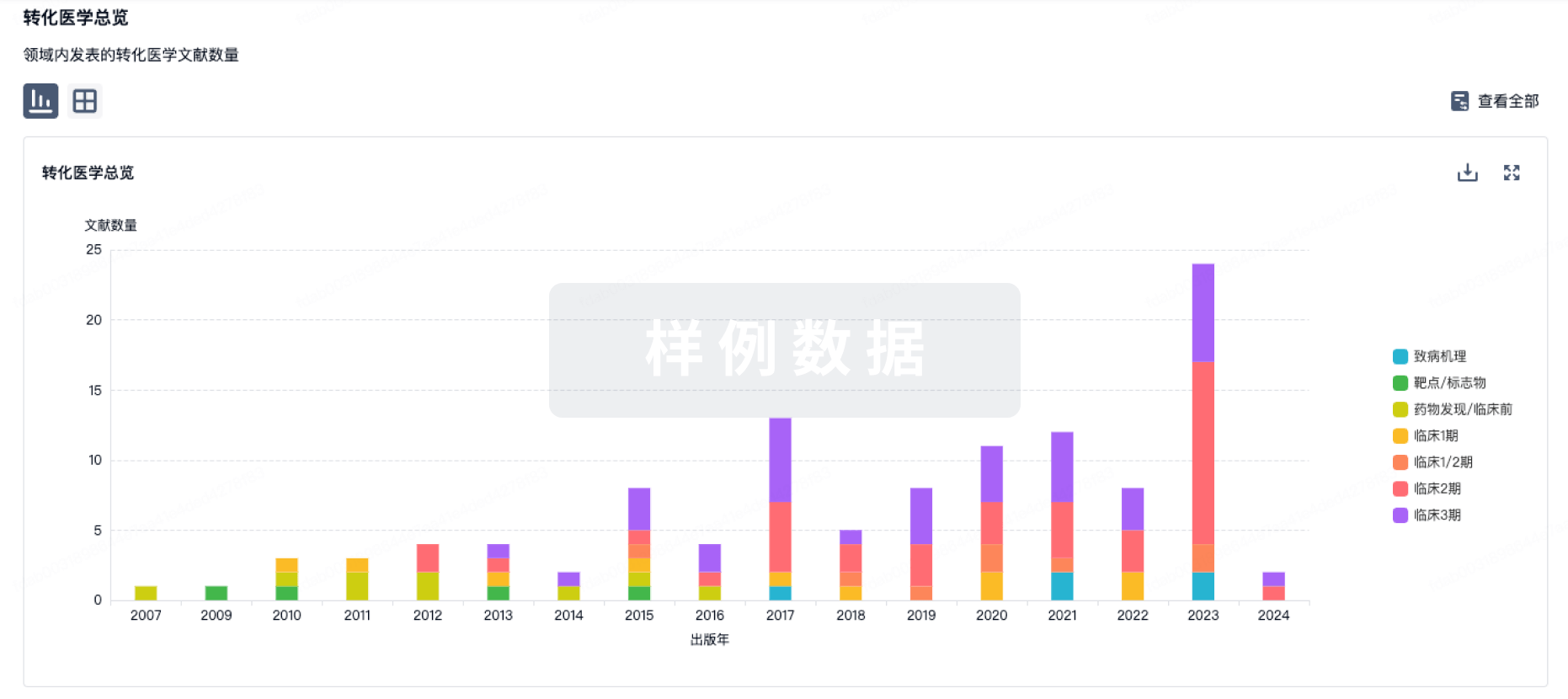
转化医学
使用我们的转化医学数据加速您的研究。
登录
或
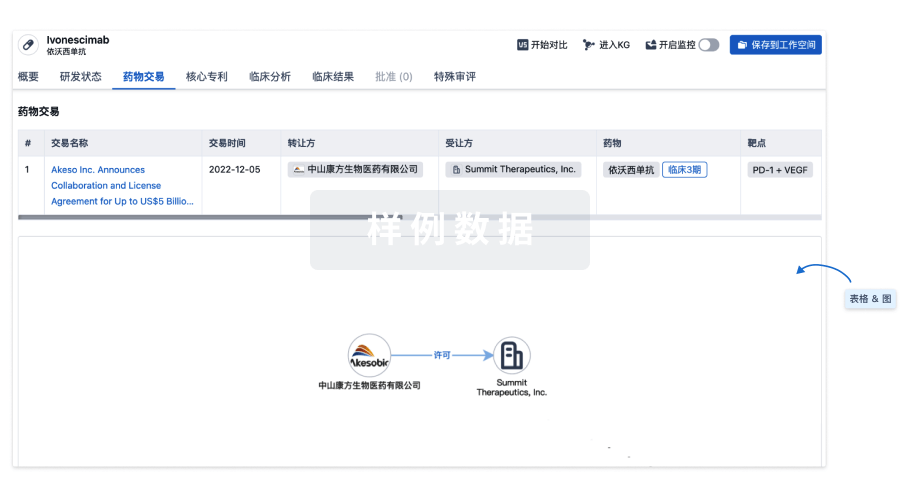
药物交易
使用我们的药物交易数据加速您的研究。
登录
或
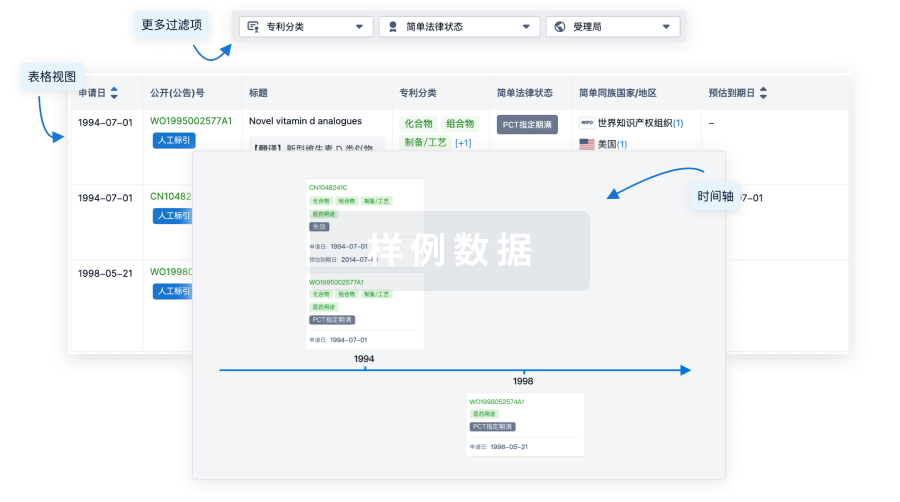
核心专利
使用我们的核心专利数据促进您的研究。
登录
或
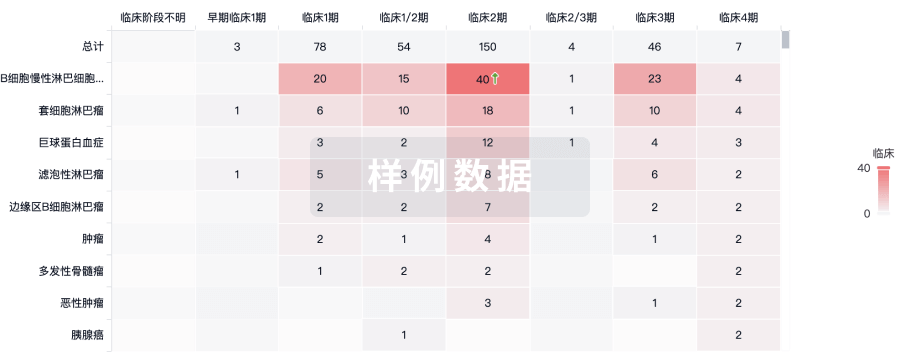
临床分析
紧跟全球注册中心的最新临床试验。
登录
或
批准
利用最新的监管批准信息加速您的研究。
登录
或
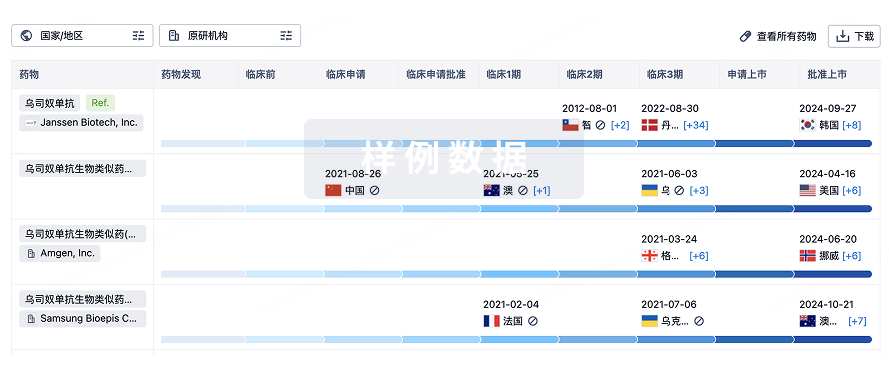
生物类似药
生物类似药在不同国家/地区的竞争态势。请注意临床1/2期并入临床2期,临床2/3期并入临床3期
登录
或
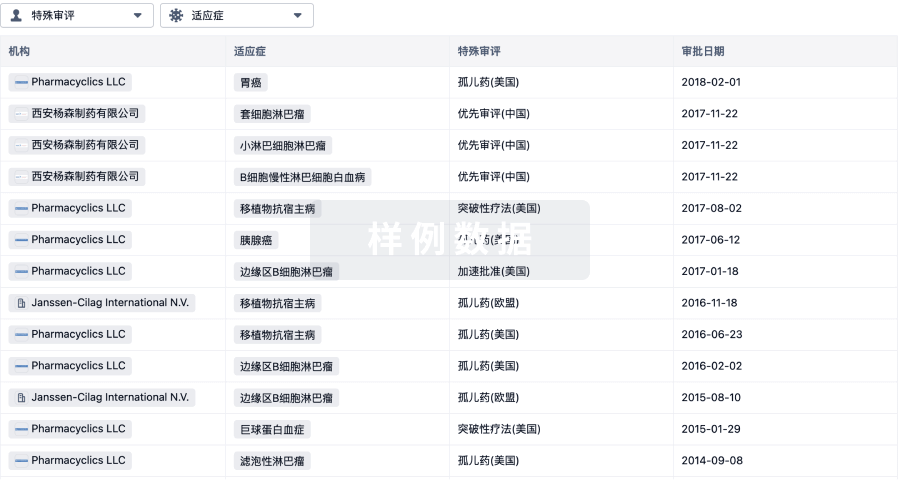
特殊审评
只需点击几下即可了解关键药物信息。
登录
或
提出任何生物医药研究问题
让每一步生物医药决策都精准制胜
基于十亿级生物数据与全球情报的精准 AI,赋能早期药物发现
立即开始免费试用!
智慧芽新药情报库是智慧芽专为生命科学人士构建的基于AI的创新药情报平台,助您全方位提升您的研发与决策效率。
立即接入生物医药数据包
智慧芽新药库数据也通过智慧芽开放平台,以MCP或API服务形式对外开放。立即使用我们的MCP服务定制您的LLM智能体。
生物序列数据库
生物药研发创新
免费使用
化学结构数据库
小分子化药研发创新
免费使用