预约演示
更新于:2026-10-24
BRL-51084
更新于:2026-10-24
概要
基本信息
在研机构- |
权益机构- |
最高研发阶段终止临床前 |
首次获批日期- |
最高研发阶段(中国)- |
特殊审评- |
结构/序列
分子式C14H19BrCl3N5O2 |
InChIKeyQCQNYPBOMARJCP-UHFFFAOYSA-N |
CAS号30737-44-1 |
关联
100 项与 BRL-51084 相关的临床结果
登录后查看更多信息
100 项与 BRL-51084 相关的转化医学
登录后查看更多信息
100 项与 BRL-51084 相关的专利(医药)
登录后查看更多信息
122
项与 BRL-51084 相关的文献(医药)2026-10-01·BIOORGANIC CHEMISTRY
Discovery of new imidazole-Mannich bases as the PfDHFR-TS inhibitor for antimalarial potential
Article
作者: Purwono, Bambang ; Sumlang, Gavriel Hagai Paulus ; Mardjan, Muhammad Idham Darussalam
The rapid emergence of antimalarial drug resistance underscores the urgent need for new chemotypes targeting validated parasite enzymes. This study reports the design of six novel vanillin-based imidazole Mannich bases (1a-2c) as potential antimalarial agents targeting Plasmodium falciparum DHFR-TS through regioselective Mannich functionalization of an imidazole-vanillin scaffold. The target compounds were synthesized via a two-step sequence involving a Debus-Radziszewski condensation followed by regioselective Mannich amination, affording the desired products in high yields (60-95%) and excellent purity (94-99%). In vitro antiplasmodial evaluation against the P. falciparum 3D7 strain demonstrated potent inhibitory activity, with compound 1c exhibiting the highest potency (IC50 = 0.002 ± 0.00004 μM), surpassing chloroquine (IC50 = 0.022 ± 0.0006 μM). To elucidate the molecular basis of their biological activity, the synthesized compounds were further evaluated using DFT calculations, molecular docking, molecular dynamics simulations, MM/PBSA binding free energy analysis, and ADMET predictions. Molecular docking against wild-type PfDHFR-TS (PDB ID: 1J3I) revealed that compounds 1a-2c exhibited stronger binding affinities than compounds 2a-2c, WR99210, and chloroquine through favorable interactions within the catalytic pocket. Furthermore, 100 ns molecular dynamics simulations and MM/PBSA analysis confirmed the structural stability and favorable binding free energy of the PfDHFR-TS-1c complex. These findings identify vanillin-based imidazole Mannich bases as promising scaffolds for the development of new PfDHFR-TS-targeted antimalarial agents.
2025-10-13·JOURNAL OF BIOMOLECULAR STRUCTURE & DYNAMICS
Identification of novel peptide inhibitors of
Plasmodium falciparum
dihydrofolate reductase (
Pf
DHFR): molecular docking and MD simulation studies
Article
作者: Kumar, Virender ; Othayoth, Jithesh ; Goel, Vijay Kumar ; Chandra, Anshuman ; Rathi, Brijesh ; Devi, Kanika
The presence of drug-resistant variants of Plasmodium parasites within the population has presented a substantial obstacle to the eradication of Malaria. As a result, numerous research groups have directed their efforts towards creating new medication candidates that specifically target parasites. In this study, our main objective was to identify tri-peptide inhibitors for Plasmodium falciparum Dihydrofolate Reductase (PfDHFR) with the aim of finding a new peptide that exhibits superior binding properties compared to the current inhibitor, WR99210. In order to achieve this objective, a virtual library consisting of 8000 tripeptides was generated and subjected to computational screening against wild-type PfDHFR. The purpose of this screening was to discover the most effective binders at the active site. The four most optimal tripeptides identified (Trp-Trp-Glu, Trp-Phe-Tyr, Phe-Trp-Trp, Tyr-Trp-Trp) exhibited significant non-covalent interactions inside the active site of PfDHFR and had binding energies ranging from -9.5 to -9.0 kcal/mol and WR99210 had a binding energy of -6.2 kcal/mol. A 250 ns Molecular Dynamics (MD) simulation was performed to investigate the kinetic and thermodynamic characteristics of the protein-ligand complexes. The Root Mean Square Deviation (RMSD) values for the optimal tripeptides fell within the allowed range, indicating the stability of the ligands inside the protein complex. The Ki value for the most effective tripeptide was 0.3482 µM, whereas WR99210 had a Ki value of 1.02 µM. This article presents the initial discovery of peptide inhibitors targeting PfDHFR. In this text, we provide a comprehensive explanation of the interactions that occur between peptides and the enzyme.
2024-11-05·PROCEEDINGS OF THE NATIONAL ACADEMY OF SCIENCES OF THE UNITED STATES OF AMERICA
Identification of a divalent metal transporter required for cellular iron metabolism in malaria parasites
Article
作者: Loveridge, Kade M. ; Sigala, Paul A.
1
项与 BRL-51084 相关的新闻(医药)2026-06-21
【垂子化工试剂商城】专为企业、学校采购提供合规、稳定、可溯源的一站式 B2B 采购服务。支持公对公转账。可开13%专票。具体详情请关注服务号:【垂子化工试剂商城】
(注:我司所售化学品均符合国家相关法律法规,仅向有相关资质单位销售,个人、学生不售。请知悉。)
【WR99210】简洁文档(CAS:47326-86-3)一、产品别名
中文别名:WR99210抑制剂、WR99210小分子化合物
英文别名:WR99210二、基础信息
CAS编号:47326-86-3
中文名称:WR99210
产品类别:小分子抑制剂、生化科研试剂、药物筛选试剂、医药研发中间体
外观性状:常温下为白色至类白色结晶粉末,粉体干燥松散、质地均匀细腻,无结块、无肉眼可见杂质,品相纯净,整体理化性状稳定均一
理化特性:本品为人工合成特异性小分子靶向化合物,易溶于DMSO等极性有机溶剂,可适度溶于甲醇、乙醇,微溶于水,不溶于各类非极性有机溶剂。常温避光干燥条件下性质稳定,对高温、强光敏感,高温环境易造成分子结构分解,长期暴露于空气中易发生氧化失活。产品整体纯度高,有机杂质、重金属含量极低,批次稳定性优异,溶解后溶液澄清透亮,无悬浮颗粒与沉淀
产品规格:高纯科研级、细胞实验级、药物筛选级,纯度稳定,杂质可控,可满足细胞活性实验、靶点机制研究、药理分析、新药筛选研发等各类科研使用标准
储存条件:采用密封避光封装保存,存放于2-8℃阴凉、干燥、通风的洁净环境,保持储存环境恒温干燥,避免温湿度剧烈波动,保障产品分子结构与生物活性长期稳定
禁忌存放要求:禁止与强氧化剂、强酸、强碱类化学物料混合存放,远离高温热源、明火设备,严禁长期敞口暴露于空气和光照环境,防止物料吸潮、氧化、光解变质,避免产品活性衰减失效
保质期:在低温、密封、避光、干燥的标准储存条件下可稳定保存,产品开封后需立即密封冷藏存放,缩短存放周期,有效防止化合物降解、生物活性下降三、产品特性
WR99210是高选择性靶向小分子抑制剂,为生物医药基础研究与创新药物研发的重要科研原料。产品纯度高、内毒素含量极低,粉体性状稳定均一,适配各类细胞实验、药理检测常用溶剂体系,配制后的实验体系纯净无杂质、稳定性强。产品批次一致性优异,实验重复性好、数据可靠性高,靶向作用精准,脱靶干扰小。低温避光条件下结构稳定,高温、强光及氧化环境会导致活性流失,适配高精度靶点验证、细胞功能调控、信号通路研究、先导化合物结构优化等高端科研场景。四、主要用途
本品广泛应用于生物基础科研、细胞机制研究、小分子药物筛选、创新医药研发等领域。生物科研方面,可作为特异性靶向抑制剂,用于靶蛋白功能验证、细胞增殖与凋亡调控、信号通路机制解析、病理模型构建等基础生化与细胞实验。医药研发方面,可作为关键药物中间体,用于肿瘤、炎症类相关候选药物的体外药效评价、药理机制研究与药物分子优化,适用于高校科研实验室、生物医药企业、专业药物筛选平台的各类科研与研发项目。五、储运要求
产品采用密封避光防潮专用包装,可有效隔绝光照、空气与水汽,防止物料发生氧化、吸潮、光解等变质现象,稳定维持产品分子结构与生物活性。仓储需放置于低温、干燥、通风、洁净的专用生化试剂库房,库房保持无尘、无积水、无腐蚀性气体,实行分类独立存放,严禁与氧化剂、酸碱类、有毒有害化学品混储。运输过程全程做好防晒、防潮、防震、密封及低温防护,加固包装防止挤压破损、物料泄漏,采用合规精细化学品运输方式,禁止与禁忌物料混运。装卸作业轻拿轻放,杜绝重压、磕碰、抛扔,全程保证包装完整密封,规避阳光暴晒与高温环境,最大程度保留产品生物活性。六、安全说明
本品为专业科研用精细生化试剂,常温常规储存条件下无自燃、爆炸风险,粉体具有轻微刺激性。实验操作时需规范佩戴一次性防护手套、防尘口罩及护目镜,避免吸入粉体粉尘,避免皮肤、眼部与物料直接接触。作业区域保持通风良好,作业过程中禁止饮食、吸烟、触碰口鼻。皮肤不慎沾染物料时,需立即使用清水配合中性洗涤剂彻底冲洗干净;物料不慎入眼,需用大量流动清水持续冲洗,不适症状未缓解需及时就医;误食或过量吸入引发头晕、恶心等身体不适,需立即就医处置。实验废液、废弃物料及空置包装,严格按照生化危险废弃物管理规范集中处理,严禁随意倾倒丢弃。作业结束后,及时清洁操作台与作业区域,完成个人清洁与防护收尾工作。
100 项与 BRL-51084 相关的药物交易
登录后查看更多信息
研发状态
10 条进展最快的记录, 后查看更多信息
登录
| 适应症 | 最高研发状态 | 国家/地区 | 公司 | 日期 |
|---|---|---|---|---|
| 疟疾 | 临床前 | - | - | |
| 细胞内鸟分枝杆菌感染 | 临床前 | - | - | |
| 肺孢子菌肺炎 | 临床前 | - | - |
登录后查看更多信息
临床结果
临床结果
适应症
分期
评价
查看全部结果
| 研究 | 分期 | 人群特征 | 评价人数 | 分组 | 结果 | 评价 | 发布日期 |
|---|
No Data | |||||||
登录后查看更多信息
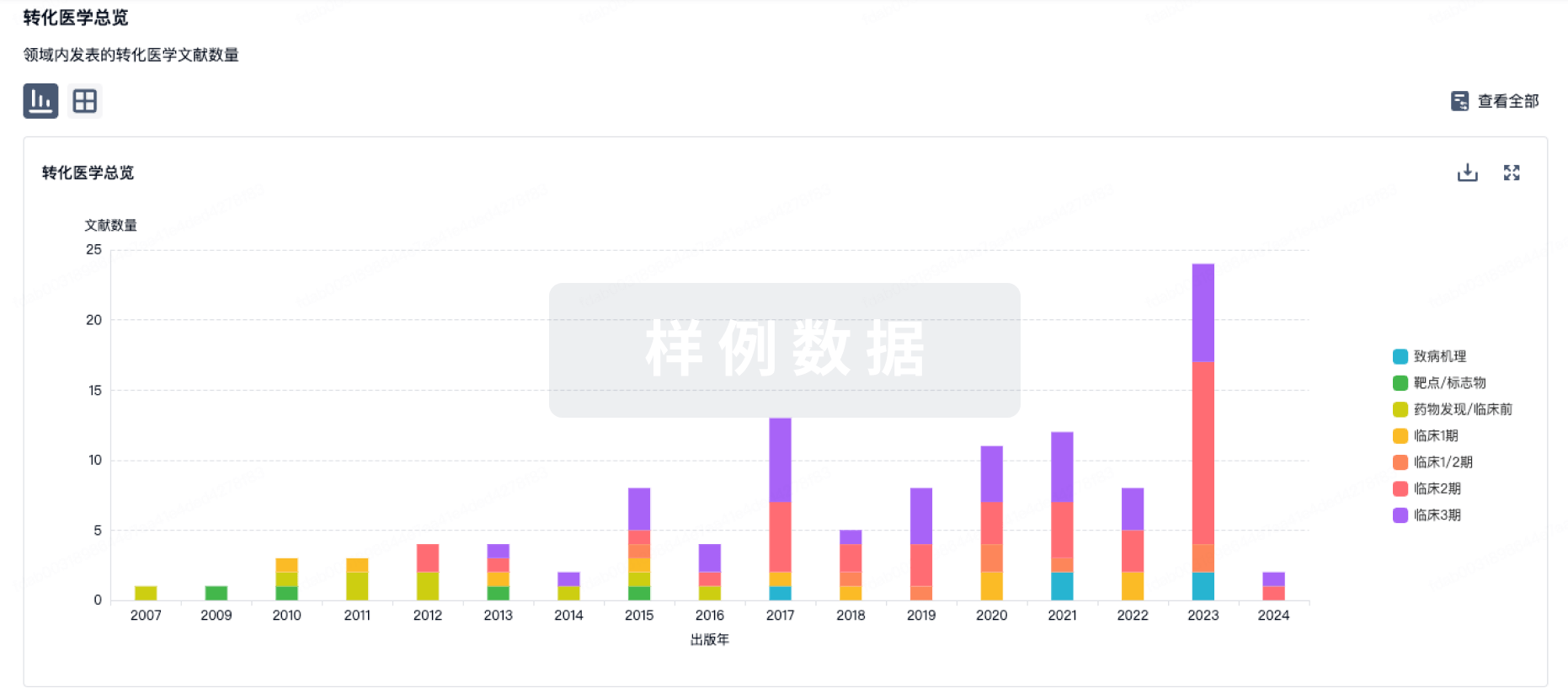
转化医学
使用我们的转化医学数据加速您的研究。
登录
或
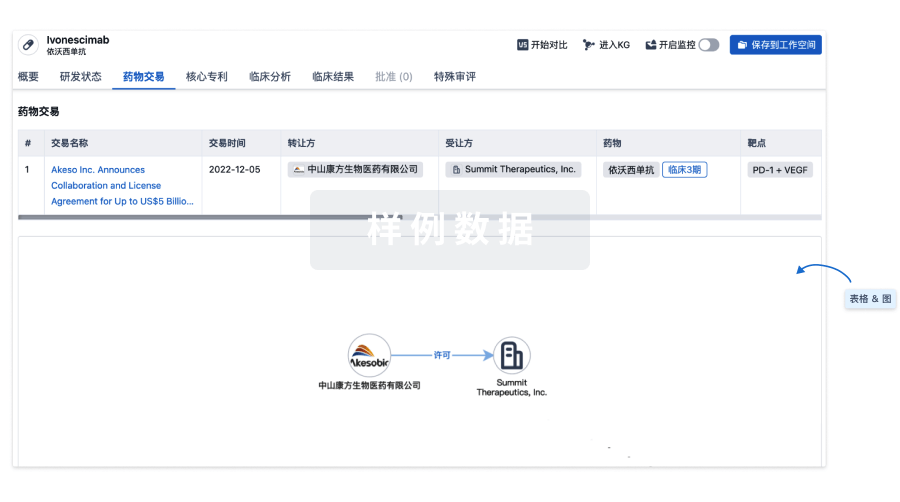
药物交易
使用我们的药物交易数据加速您的研究。
登录
或
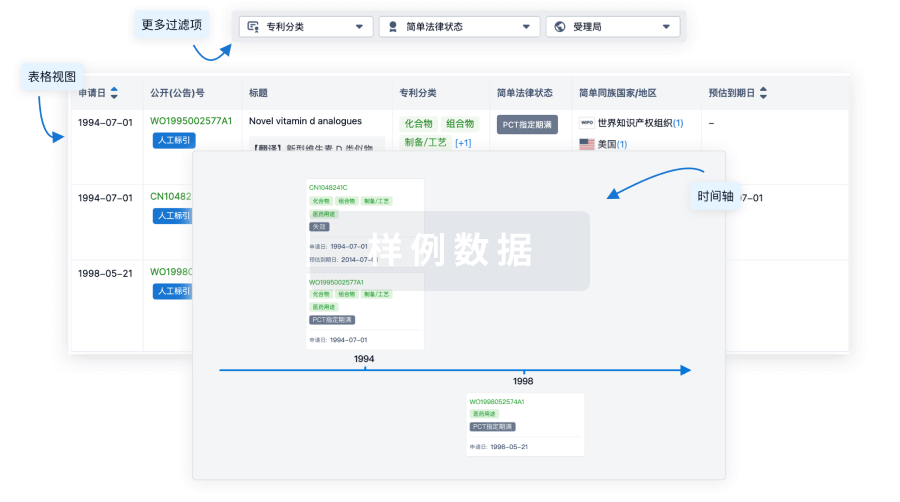
核心专利
使用我们的核心专利数据促进您的研究。
登录
或
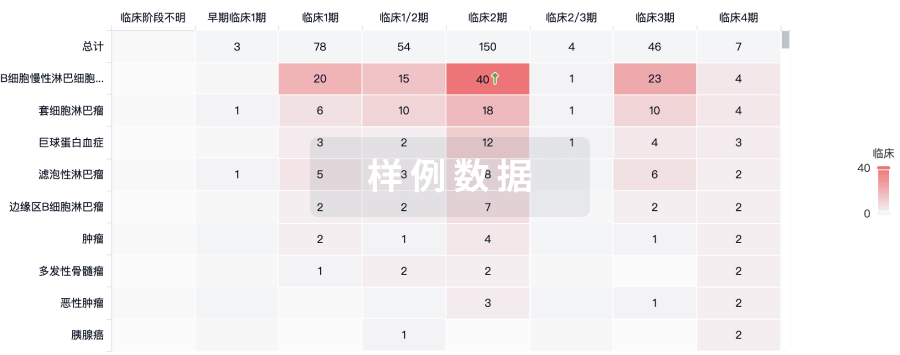
临床分析
紧跟全球注册中心的最新临床试验。
登录
或
批准
利用最新的监管批准信息加速您的研究。
登录
或
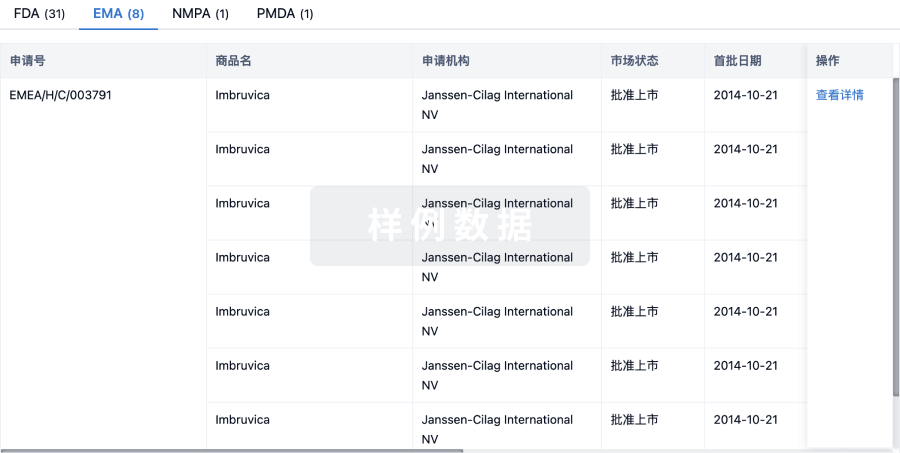
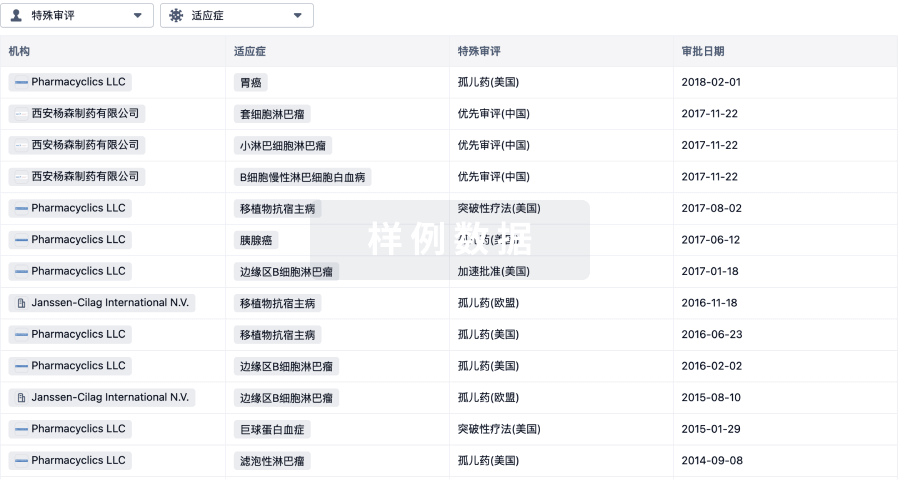
特殊审评
只需点击几下即可了解关键药物信息。
登录
或
提出任何生物医药研究问题
让每一步生物医药决策都精准制胜
基于十亿级生物数据与全球情报的精准 AI,赋能早期药物发现
立即开始免费试用!
智慧芽新药情报库是智慧芽专为生命科学人士构建的基于AI的创新药情报平台,助您全方位提升您的研发与决策效率。
立即接入生物医药数据包
智慧芽新药库数据也通过智慧芽开放平台,以MCP或API服务形式对外开放。立即使用我们的MCP服务定制您的LLM智能体。
生物序列数据库
生物药研发创新
免费使用
化学结构数据库
小分子化药研发创新
免费使用