预约演示
更新于:2026-05-11
Diphtheria, Tetanus and Pertussis (Acellular, Three Components) Combined Vaccine, Adsorbed (CanSino)
吸附无细胞百(三组分)白破联合疫苗(康希诺)
更新于:2026-05-11
概要
基本信息

关联
6
项与 吸附无细胞百(三组分)白破联合疫苗(康希诺) 相关的临床试验NCT06857370
Inter-lot Consistency Clinical Trial of Adsorbed Cell-free DTP (Three-component) Combined Vaccine
NCT06708286
A Randomized, Blinded, Controlled Clinical Trial to Evaluate the Immunogenicity and Safety of Adsorbed Cell-free DTP Vaccine (Five-component)
NCT05951725
A Randomized, Blinded, Positive Vaccine-controlled Phase III Clinical Trial to Evaluate the Safety and Immunogenicity of DTcP in Infants and Children at 2 and 3 Months of Age
100 项与 吸附无细胞百(三组分)白破联合疫苗(康希诺) 相关的临床结果
登录后查看更多信息
100 项与 吸附无细胞百(三组分)白破联合疫苗(康希诺) 相关的转化医学
登录后查看更多信息
100 项与 吸附无细胞百(三组分)白破联合疫苗(康希诺) 相关的专利(医药)
登录后查看更多信息
1,023
项与 吸附无细胞百(三组分)白破联合疫苗(康希诺) 相关的文献(医药)2026-04-01VACCINE
Trends and recovery of routine childhood immunization before, during, and after the COVID-19 pandemic in Ethiopia: A five-year trend analysis
Article
作者: Kavishe, Reginald A ; Mekonnen, Zeleke ; Dræbel, Tania Aase ; Sørensen, Jane Brandt ; Melaku, Tsegaye ; Gudina, Esayas Kebede ; Meyrowitsch, Dan Wolf
BACKGROUND:
The COVID-19 pandemic has severely disrupted global health systems, including routine childhood immunization programs, especially in low-resource settings like Ethiopia, Th. This study aimed to assess the trends and recovery of routine childhood immunization before, during, and after the COVID-19 pandemic in Ethiopia.
METHODS:
We conducted a cross-sectional analysis of routine immunization data from 50 health facilities between January 2019 and December 2023. Time-series trend analyses assessed changes in vaccine coverage across antigens, and statistical process control charts were used to detect significant shifts in monthly vaccination rates. Statistical significance was set at p < 0.05.
RESULTS:
Before the pandemic, full childhood vaccination coverage averaged 49.90% ± 6.23. This increased slightly to 51.29% ± 5.89 during the pandemic years (2020-2022) and rose to 58.96% ± 4.73 in 2023. Coverage for the third dose of Diphtheria, Tetanus, and Pertussis (DTP3) increased from 55.05% ± 3.18 pre-pandemic to 63.85% ± 5.49 post-pandemic, while Oral Polio Vaccine (OPV3) coverage rose from 54.82% ± 3.17 to 63.57% ± 4.90. DTP dropout declined from 8.10% ± 3.42 before the pandemic to 5.00% ± 3.39 after the pandemic. OPV dropout decreased from 6.97% ± 4.19 to 5.39% ± 4.10, and PCV dropout reduced from 9.37% ± 4.18 to 7.38% ± 3.38. In contrast, Rota dropout rates remained relatively stable, with 8.10% ± 3.11 pre-pandemic and 8.60% ± 2.70 post-pandemic.
CONCLUSION:
Routine childhood vaccination coverage declined during the pandemic but showed a gradual recovery. Health centers performed better than hospitals, likely due to easier access during lockdowns. These findings highlight the need for targeted strategies to strengthen routine immunization, improve follow-up for later doses, and ensure service continuity during public health emergencies.
2026-04-01JOURNAL OF ENVIRONMENTAL MANAGEMENT
Dissolved nitrogen and phosphorus trigger Euglena sanguinea blooms via Burkholderiaceae enrichment and extracellular polymeric substance stimulation
Article
作者: Jiang, Jingang ; Yu, Fang ; Li, Shaoqiu ; Yu, Zengliang ; Feng, Huiyun ; Meng, Jingjing
As representative landscape water bodies, urban park ponds are typically shallow and hydrologically isolated, making them highly susceptible to algal blooms. This study focused on recurrent summer-autumn blooms of Euglena sanguinea in Hefei Binhu Forest Park. These blooms form thin, red, oil-slick-like surface scums that severely suppress aquatic photosynthesis. We investigated phytoplankton community succession and its drivers by collecting surface biofilm, mid-depth water, and bottom sediment samples from three representative ponds during the 2024 bloom season. Results revealed extensive E. sanguinea blooms in July-August, with surface cell density reaching 9.86 × 10⁶ cells/L (42% of total) and biomass attaining 98.61 mg/L (94% of total). This bloom peak coincided with a 2.5-fold increase in surface dissolved total nitrogen (DTN) and phosphorus (DTP). Concurrently, the surface biofilm exhibited a peak extracellular polymeric substance (EPS) concentration of 43.92 mg/L and a film-forming rate of 90.73%, structurally supported by the predominance of large algal-bacterial aggregates (>64 μm), which accounted for nearly 80% of the particulate composition. The bounding EPS (BEPS), rich in tryptophan-like proteins, corresponded with peak biofilm hydrophobicity. Critically, this nutrient-enriched microenvironmental transformation selected for a low-diversity, high-dominance microbiome. Burkholderiaceae dominated the August biofilm (23%), contrasting sharply with sediment communities (dominated by Steroidobacteraceae, 7%) and post-bloom October biofilms (dominated by Sporichthyaceae, 21%). Mechanistic path analysis revealed that DTN and DTP stimulated bloom expansion not by directly promoting algae, but by enriching Burkholderiaceae and stimulating EPS production. These findings elucidate a microbially mediated pathway linking nutrient enrichment to E. sanguinea bloom formation, challenging the conventional direct nutrient-bloom paradigm. The study provides mechanistic blueprint for targeted, microbiome-informed management of urban landscape water blooms.
2026-03-01Journal of Thoracic Oncology
GSTA1 Conferred Tolerance to Osimertinib and Provided Strategies to Overcome Drug-Tolerant Persister in EGFR-Mutant Lung Adenocarcinoma
Article
作者: Min, Zhen ; Wen, Yaokai ; Shen, Yue ; Liang, Wenhua ; Jiang, Yu ; Zhou, Fei ; Lin, Yuechun ; Wu, Fengying ; Zhang, Xiaoshen ; Zhou, Caicun ; He, Jianxing ; Li, Wei ; Wang, Lei
INTRODUCTION:
The generation of drug-tolerant persister (DTP) cancer cells remains a major challenge in treating lung adenocarcinoma (LUAD) patients with EGFR tyrosine kinase inhibitors (TKIs), as these cells eventually drive drug resistance and disease progression. However, the mechanisms underlying DTP formation are poorly understood, limiting therapeutic options upon the emergence of DTP state or resistance after TKI therapy.
METHODS:
In this study, we analyzed samples from LUAD patients receiving frontline osimertinib therapy (including baseline, DTP, and stable resistance states) to dissect the cellular and transcriptomic features of TKI-induced DTP cells via single-cell RNA sequencing. Corresponding in vitro/in vivo experiments and external cohort validation were further conducted to validate key findings from clinical sample analysis.
RESULTS:
DTP cells exhibited an active drug-metabolizing phenotype, characterized by significantly upregulated GSTA1 expression regulated by RSPH1. Mechanistically, elevated GSTA1 expression in cancer cells promoted osimertinib degradation. Additionally, RSPH1+ DTP cells interacted with macrophages via PROS1-AXL signaling to establish an immunosuppressive tumor microenvironment, contributing to persister formation. Investigation of the RSPH1-CALML4-GSTA1 regulatory axis showed PROS1 expression was also governed by this axis, suggesting GSTA1 acts as an upstream regulator of the PROS1-AXL pathway. The feasibility of osimertinib combined with the GSTA1 inhibitor curzerene was evaluated in osimertinib-induced DTP and acquired resistance mouse models. Notably, this strategy showed superior efficacy compared with osimertinib combinations with chemotherapy or AXL inhibitor in both settings.
CONCLUSION:
Collectively, this study elucidated novel mechanisms underlying TKI-induced DTP state and provided a promising combination strategy for overcoming drug tolerance and resistance in osimertinib-treated LUAD patients.
100 项与 吸附无细胞百(三组分)白破联合疫苗(康希诺) 相关的药物交易
登录后查看更多信息
研发状态
临床结果
临床结果
适应症
分期
评价
查看全部结果
登录后查看更多信息
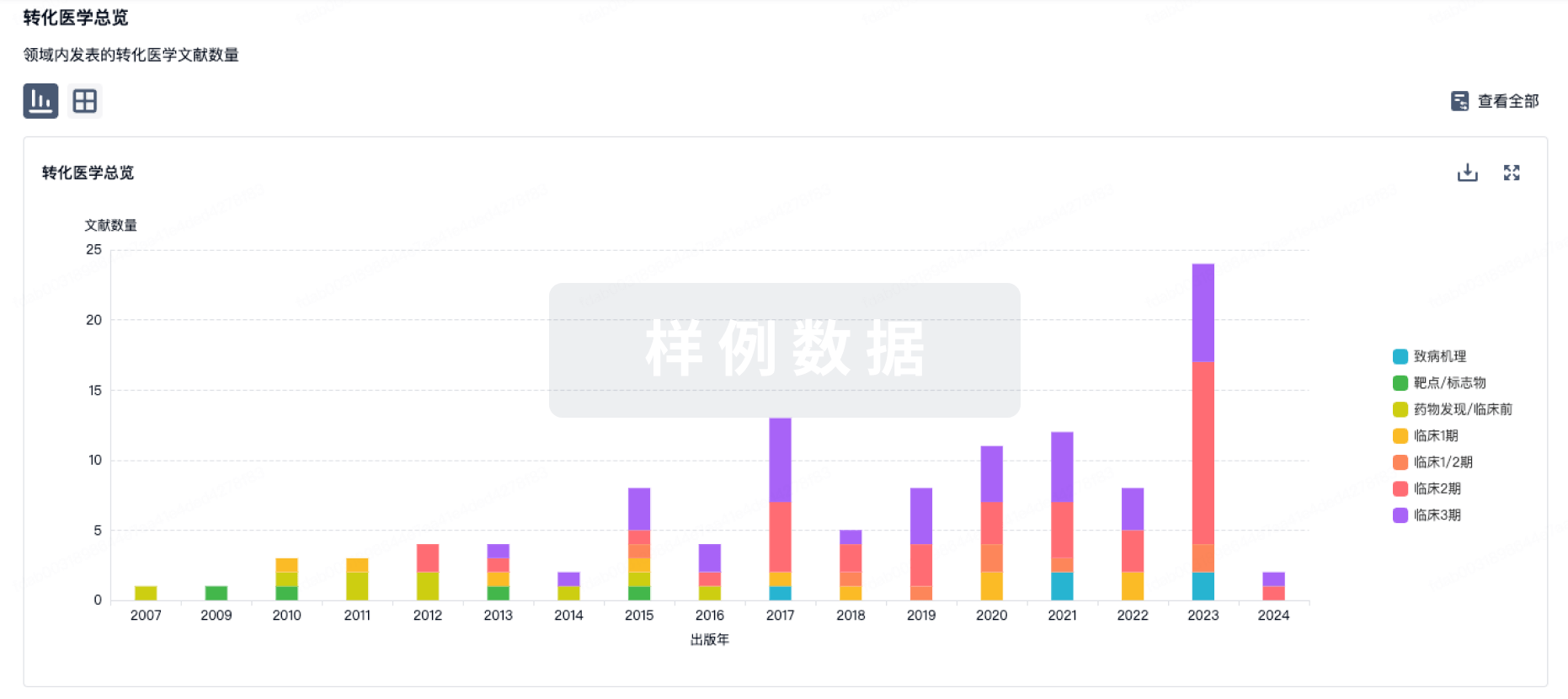
转化医学
使用我们的转化医学数据加速您的研究。
登录
或
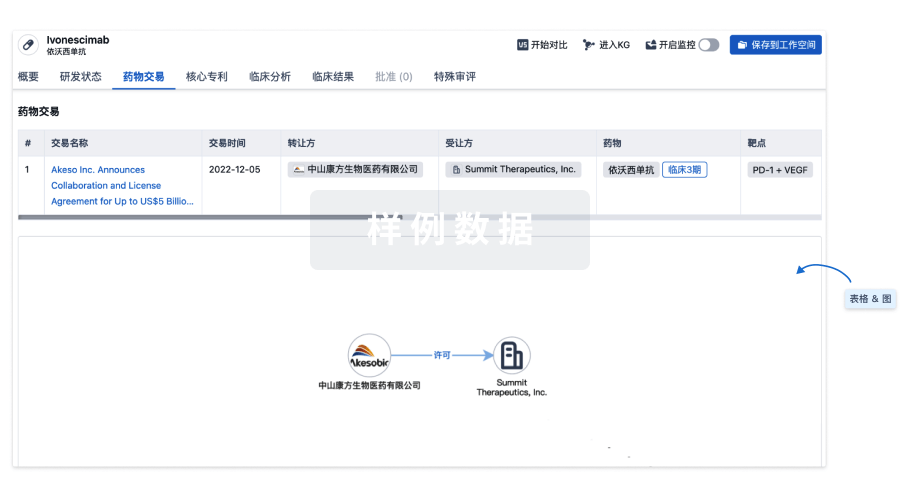
药物交易
使用我们的药物交易数据加速您的研究。
登录
或
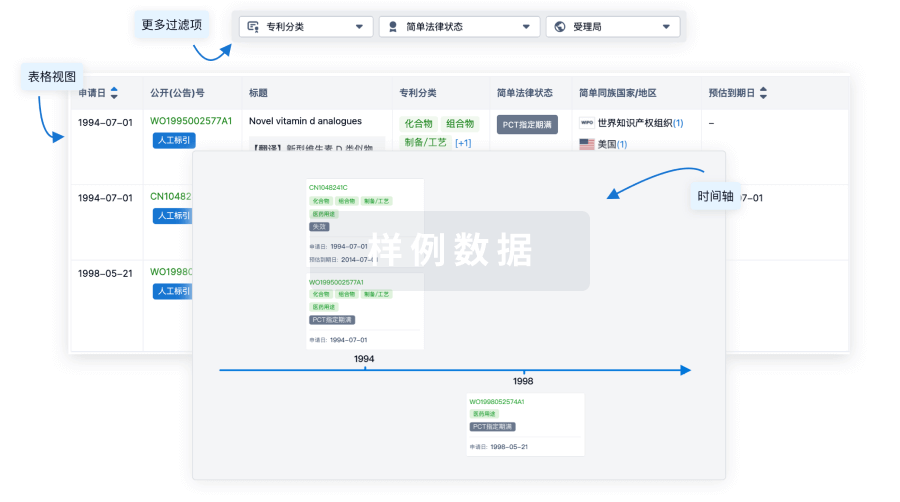
核心专利
使用我们的核心专利数据促进您的研究。
登录
或
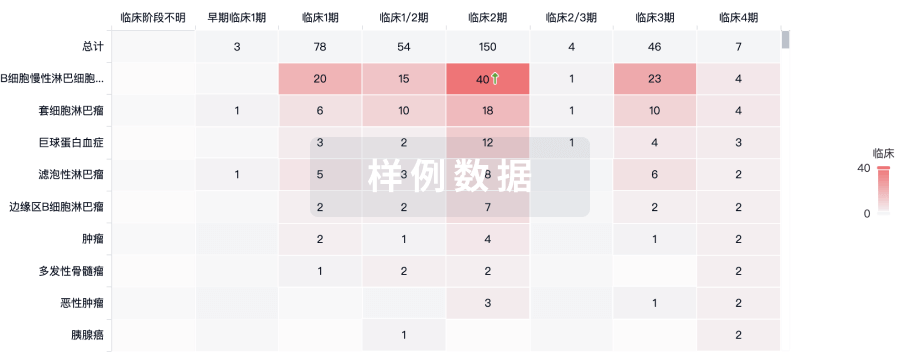
临床分析
紧跟全球注册中心的最新临床试验。
登录
或
批准
利用最新的监管批准信息加速您的研究。
登录
或
特殊审评
只需点击几下即可了解关键药物信息。
登录
或
芽仔
全新生物医药AI Agent 覆盖科研全链路,让突破性发现快人一步
立即开始免费试用!
智慧芽新药情报库是智慧芽专为生命科学人士构建的基于AI的创新药情报平台,助您全方位提升您的研发与决策效率。
立即开始数据试用!
智慧芽新药库数据也通过智慧芽数据服务平台,以API或者数据包形式对外开放,助您更加充分利用智慧芽新药情报信息。
生物序列数据库
生物药研发创新
免费使用
化学结构数据库
小分子化药研发创新
免费使用