预约演示
更新于:2026-10-20
Hydrochloric Acid
塩酸
更新于:2026-10-20
概要
基本信息
结构/序列
分子式ClH |
InChIKeyVEXZGXHMUGYJMC-UHFFFAOYSA-N |
CAS号7647-01-0 |
关联
6
项与 塩酸 相关的临床试验ChiCTR2500097948
Multicenter clinical study of nutrition combined with chemotherapy in the treatment of malnourished patients with advanced gastric cancer and colorectal cancer
NCT05376566
Hydrochloric Acid Lock Therapy for Central Line-associated Bloodstream Infections in Patients With Cancer and Hematologic Diseases

ChiCTR2100043828
Multicenter clinical study of TACE combined with carriezumab and apatinib mesylate in the treatment of advanced and middle stage liver cancer
100 项与 塩酸 相关的临床结果
登录后查看更多信息
100 项与 塩酸 相关的转化医学
登录后查看更多信息
100 项与 塩酸 相关的专利(医药)
登录后查看更多信息
105,631
项与 塩酸 相关的文献(医药)2026-10-15JOURNAL OF DISPERSION SCIENCE AND TECHNOLOGY
Efficient ammonia nitrogen removal from groundwater sources using natural Clinoptilolite: Multi-stage Series Micro-adsorption Columns
作者: Tabassum, Salma
Ammonia nitrogen pollution in aqueous media is a challenging treatment, which poses significant health concerns to humans and degrades pristine water environments due to eutrophication.Clinoptilolite shows a highly selective adsorption capacity toward in situ treatment of ammonia nitrogen (NH4+-N) contaminated groundwater compared to other methods, as they can be easily injected, high ion exchange capacity, selectivity and compatibility with the natural environment.A Japanese natural Clinoptilolite with a particle size of 0.55 ∼ 1.30 mm filled in a Multi-stage Series Micro-adsorption Columns was adopted to treat simulated groundwater containing NH4+-N at a concentration of about 10 ppm through exchange adsorption until the adsorption reached saturationThe final effluent NH4+-N concentration reached 1 ± 0.20 L mg N/L, the treated water volume was 92.67 ± 3.00 L, and the treatment time was 32.5 h.The saturated adsorption capacity was 12.76 ± 0.25 mg-N/(g zeolite), and processing volume SV per unit time per unit volume reached 421.6 m3/m3·d.Clinoptilolite was efficiently regenerated with a saturated NaCl solution when full of adsorption.Regenerate the saturated zeolite with a neutral NaCl-saturated solutionEffluent NH4+-N concentration reached a maximum of 4966 ± 63.64 mg N/L.The regeneration recovery rate increased by more than 90% after 130 min.The saturated NaCl solution was very effective in regenerating the zeolite.The regenerant consumption was 1.875 ± 0.18 L kg NaCl/(1L zeolite), and the amount of waste brine was 1.24 ± 0.10 L (7.76 BV).Again, regenerated Clinoptilolite was used for NH4+-N removal. 193.28 ± 6.21 water was treated within 63 h.The maximum adsorption capacity and SV were 15.56 ± 0.34 mg-N/(g zeolite) and 460.19 m3/m3·d.Clinoptilolite saturated with NH4+ was again regenerated.The recovery rate increased above 90% after 150 min.About 300.4 g NaCl was used to regenerate 90 g of Clinoptilolite, and the waste brine had about 10.3 BV.There was an accumulation of NH4+-N in brine in one column after another, and the maximum level could be 6000 mg N/L.The system is efficient, safe, cost-effective, has no secondary pollution, and is highly suitable for small-scale water supply systems and engineering applications.
2026-10-01Nano Materials Science
Bioinspired forest-like Z-scheme heterojunction of TiO2-ZnIn2S4 for bifunctional photocatalytic solar fuel generation and antibacterial properties
作者: Rao, Heng ; Bao, Tengfei ; Li, Shuming ; She, Ping ; Qin, Junsheng ; Tang, Chenxi
Bifunctional catalysts for simultaneous solar fuel generation and antibacterial properties have gained increasing attention in the energy and environmental field.However, their practical implementation is still limited by the challenges in recovery and the instability of the photocatalysts.The development of a self-standing substrate-formed photocatalyst provides a promising solution to this issue.In this study, we developed a self-standing bioinspired forest-like Z-scheme heterojunction of TiO2-ZnIn2S4 (ZIS) on carbon cloth (CC) for bifunctional photocatalysis.The optimized CC-TiO2-ZIS showed remarkable solar fuel production via photocatalytic CO2 reduction (PCR) and demonstrated recycling stability in a portable photocatalytic system using negligible solutionMoreover, the forest-like morphol. possesses a mech. cutting effect against invasive microorganisms.Specifically, CC-TiO2-ZIS achieved an impressive 98.35 % inhibition rate against E. coli within 5 min of illumination and a superior CO generation of 317.37 μmol h-1 m-2, which was higher than pristine CC, CC-TiO2, and CC-ZIS.This innovative bioinspired forest-like CC-TiO2-ZIS holds significant promise for future solar-driven energy conversion and environmental remediation.
2026-09-19JOURNAL OF DISPERSION SCIENCE AND TECHNOLOGY
Graphene oxide from rice husks ash with copper nanoparticles immobilized: synthesis and application in catalytic dye degradation
作者: Rodriguez, Maria ; Bastidas, Elsy ; Castillo, Jimmy
Graphene and its derivatives, have a wide range of applications in industry, particularly in electronics, electrode construction and catalyst in electro- and photocatalytic reactions, etc.This study presents the results of an ecofriendly method of synthesizing graphene oxide (GpO) obtained from rice husks ash and its modification by incorporating copper oxide nanoparticles into the structure.The GpO were modified using an impregnation and reduction process to immobilize nanoparticles of a mixture of copper with copper oxide (CuO) onto the GpO surface.The synthesized composites were characterized by FTIR, SEM, BET, XRD, and AFM, demonstrating that graphene oxide sheets have nanoparticles of a mixture of zero valent copper and copper oxide immobilized on its surface.The band gap for the synthesized structures was determined using a Tauc plot method, which revealed a substantial decrease in the band gap of graphene oxide upon incorporation of copper/copper oxide nanoparticles.This diminution in the band gap led to an enhancement in the catalytic activity of the system.The catalytic capacities of the synthesized samples were evaluated through their application in the decomposition reaction of pollutants, using Rhodamine B (RhB) as a model mol. due to its environmental persistence and toxicity.The results demonstrated that both GpO and GpO-CuO exhibiting effective degradation of RhB, with a 8-fold faster kinetic than GO.This finding underscores the potential of GpO-CuO for use in environmental remediation applications.
100 项与 塩酸 相关的药物交易
登录后查看更多信息
研发状态
10 条最早获批的记录, 后查看更多信息
登录
| 适应症 | 国家/地区 | 公司 | 日期 |
|---|---|---|---|
| 胃酸缺乏 | 日本 | - | 1986-03-01 |
登录后查看更多信息
临床结果
临床结果
适应症
分期
评价
查看全部结果
登录后查看更多信息
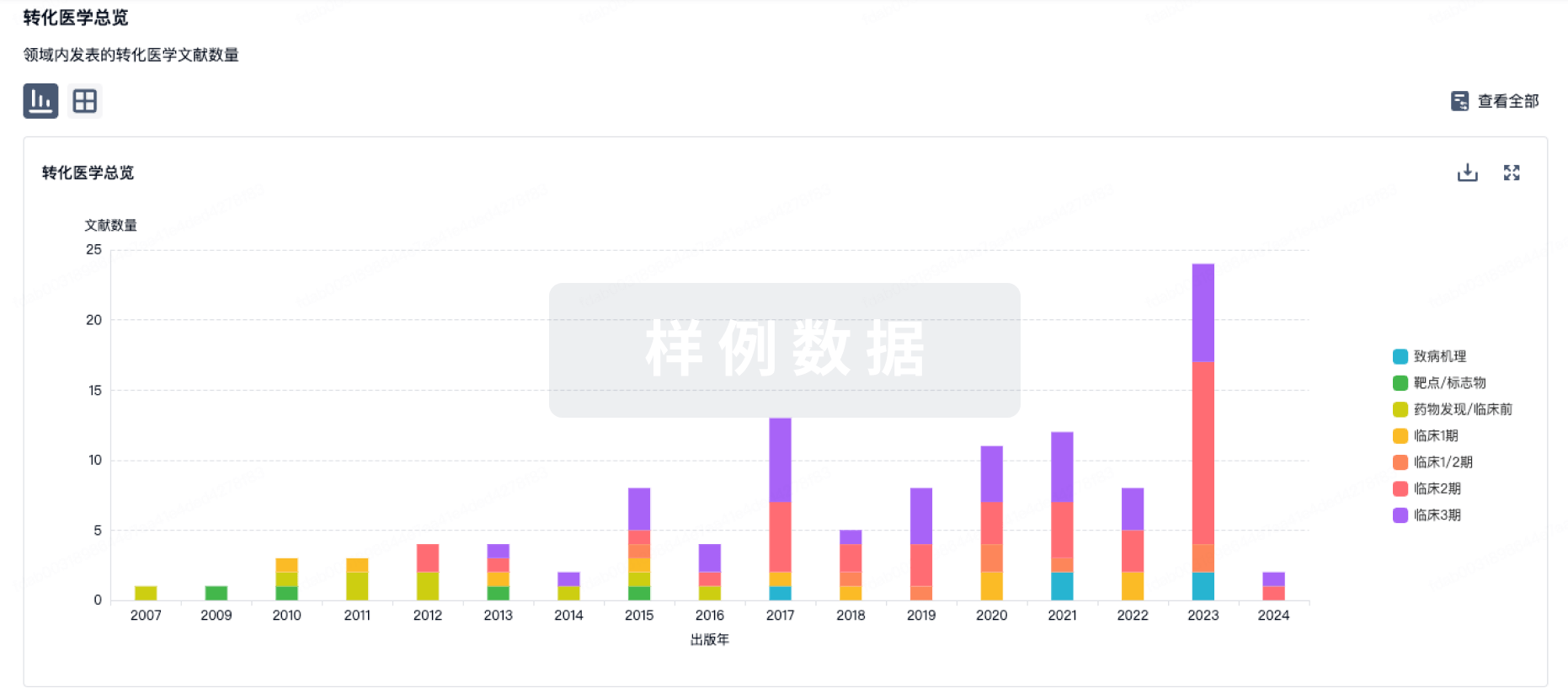
转化医学
使用我们的转化医学数据加速您的研究。
登录
或
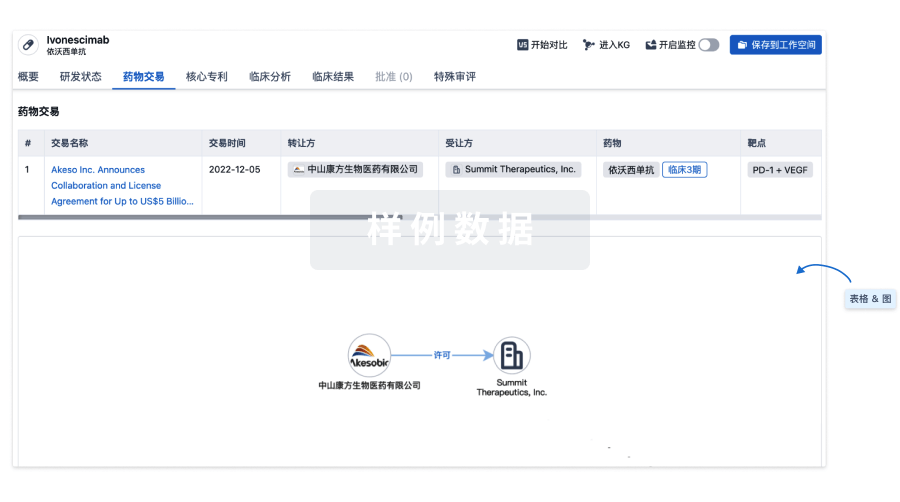
药物交易
使用我们的药物交易数据加速您的研究。
登录
或
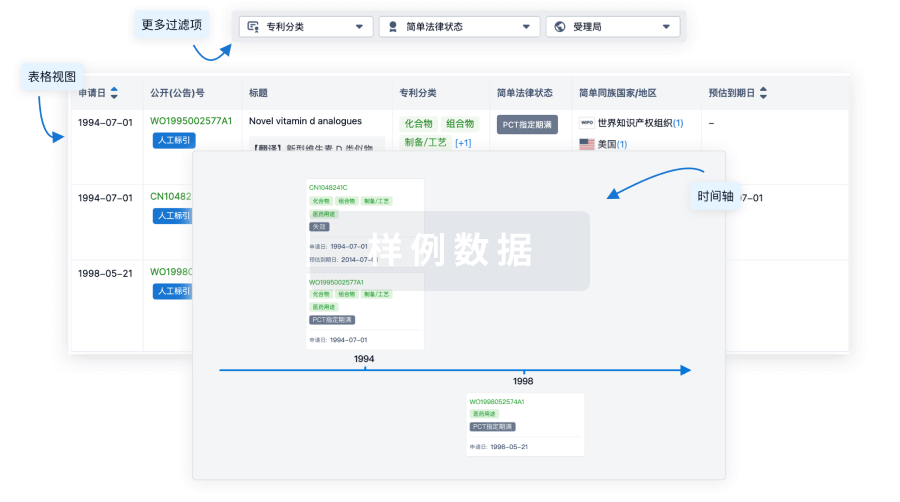
核心专利
使用我们的核心专利数据促进您的研究。
登录
或
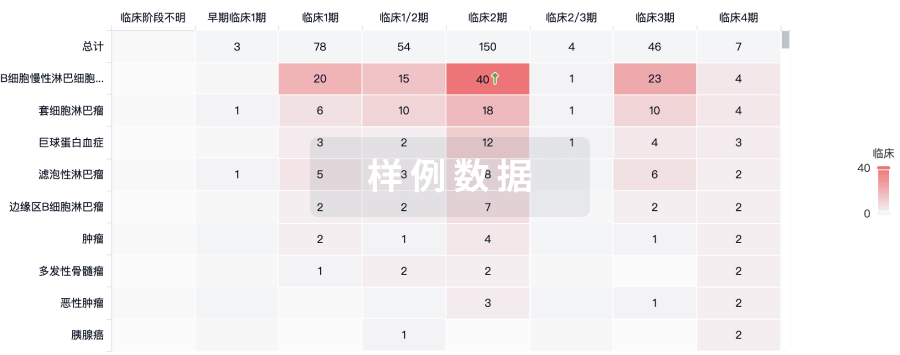
临床分析
紧跟全球注册中心的最新临床试验。
登录
或
批准
利用最新的监管批准信息加速您的研究。
登录
或
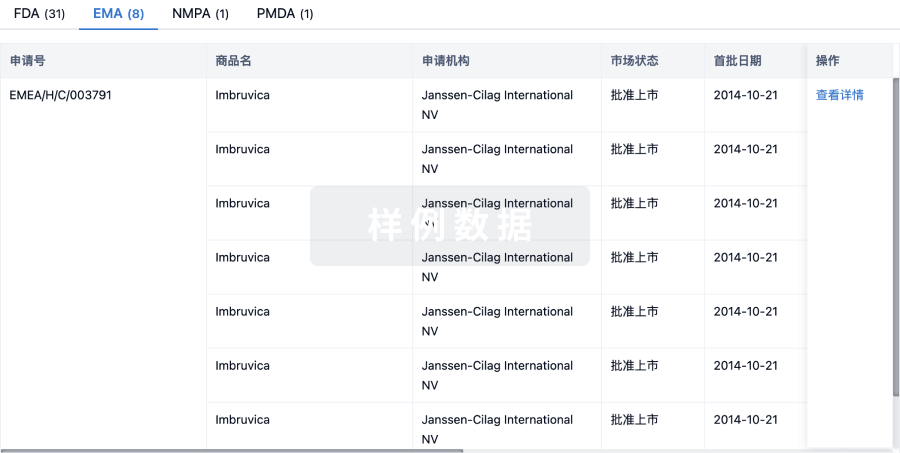
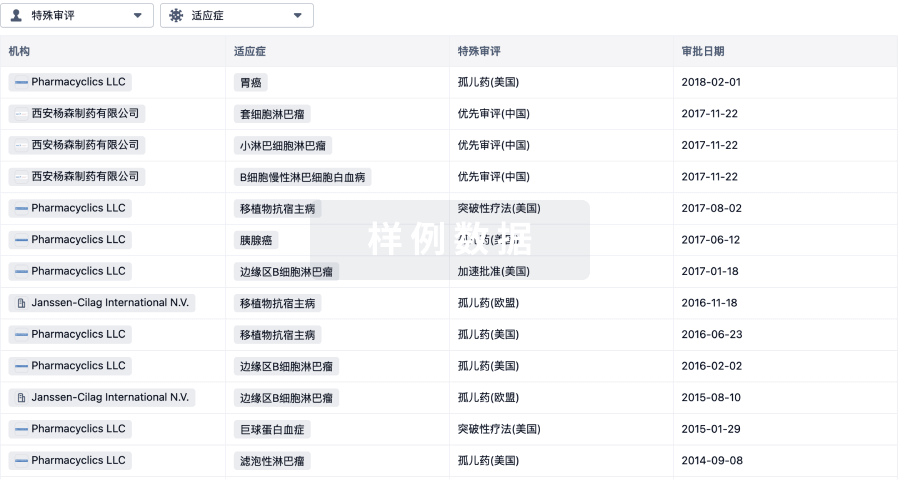
特殊审评
只需点击几下即可了解关键药物信息。
登录
或
提出任何生物医药研究问题
让每一步生物医药决策都精准制胜
基于十亿级生物数据与全球情报的精准 AI,赋能早期药物发现
立即开始免费试用!
智慧芽新药情报库是智慧芽专为生命科学人士构建的基于AI的创新药情报平台,助您全方位提升您的研发与决策效率。
立即接入生物医药数据包
智慧芽新药库数据也通过智慧芽开放平台,以MCP或API服务形式对外开放。立即使用我们的MCP服务定制您的LLM智能体。
生物序列数据库
生物药研发创新
免费使用
化学结构数据库
小分子化药研发创新
免费使用