预约演示
更新于:2026-08-22
YP-001
更新于:2026-08-22
概要
基本信息
原研机构 |
在研机构- |
权益机构- |
最高研发阶段终止临床2期 |
首次获批日期- |
最高研发阶段(中国)- |
特殊审评- |
登录后查看时间轴
关联
100 项与 YP-001 相关的临床结果
登录后查看更多信息
100 项与 YP-001 相关的转化医学
登录后查看更多信息
100 项与 YP-001 相关的专利(医药)
登录后查看更多信息
6
项与 YP-001 相关的文献(医药)2026-02-17·mSystems
Lipopeptides and antibiotics from a marine
Bacillus pumilus
mediate a potential “catch and kill” effect on pathogenetic
Vibrio parahaemolyticus
Article
作者: Ranson, Hilary J. ; Godugu, Bhaskar ; Sanchez, Laura M. ; Wu, Qihao ; Petukhova, Valentina Z. ; He, Ruolin ; Ye, Yan-Song ; Rowley, David C. ; Green-Saxena, Abigail ; Sun, Jiadong
ABSTRACT:
Bacteria produce a diverse range of specialized metabolites that influence the health and behavior of neighboring cells and, therefore, have potential applications in treating diseases. Deciphering the intended ecological functions of specialized metabolites is challenging due to the small scales at which these interactions occur and the complexity of unraveling simultaneous responses to multiple signals. In this study, we investigated the chemical interactions between two marine bacterial colonies,
Vibrio parahaemolyticus
PSU5429 and
Bacillus pumilus
YP001. When the two bacteria were grown in proximity on agar,
V. parahaemolyticus
exhibited swarming motility toward
B. pumilus
, but close approach to the
B. pumilus
colony was impeded by a zone of inhibition. Matrix-assisted laser desorption/ionization time-of-flight imaging mass spectrometry (MALDI-TOF IMS) suggested that lipopeptides produced by
Bacillus
induced swarming motility, a finding corroborated by genomic and chemical analyses of YP001. Based on activity and metabolomics guidance, the antibiotic amicoumacin B was found to be responsible for the observed antibiosis, while swarming motility by
V. parahaemolyticus
was induced by lipopeptides and two lipoamides. In this scenario, lipopeptide production by the
Bacillus
colony induces the
Vibrio
colony to swarm toward a lysis zone, resulting in a possible “catch and kill” effect. These results demonstrate the complexity of behaviors and outcomes exhibited by microbes under the simultaneous influence of different allelochemicals, suggesting possible interplays between antibiotics and compounds that induce motility.
IMPORTANCE:
Microbes communicate and compete using small molecules, yet linking specific metabolites to visible behaviors is difficult. We combine imaging mass spectrometry, genomics, analytical chemistry, and bioassays to decode an interaction between a marine
Bacillus
and the pathogen
Vibrio parahaemolyticus
. Surfactin-like lipopeptides act at a distance to stimulate
Vibrio
swarming and draw cells toward the colony. Amicoumacin B accumulates at the interface and halts growth, yielding a simple “catch and kill” outcome. This study shows that the spatial localization of natural products shapes microbial behavior on surfaces and provides a general, scalable workflow that maps chemistry to phenotype. Beyond this case, the approach can be applied broadly to understand and, ultimately, tune microbial interactions relevant to marine ecosystems, aquaculture health, and microbiome engineering.
2025-11-01·FOOD CHEMISTRY
Yeast protein as a sustainable fat replacer in reduced-fat mayonnaise: Impact on rheological properties, emulsion stability, and microstructure
Article
作者: Xiong, Jian ; Li, Pei ; He, Yiyuan ; Huang, Qilin ; Ma, Chunlei ; Kong, Yaqiu ; Guo, Ruotong
This study investigated the effects of yeast protein (YP) as a fat replacer on the rheological properties, emulsion stability, and microstructure of reduced-fat mayonnaise. Owing to its favorable structural and functional characteristics-including an ordered and compact molecular structure, high water and oil holding capacities, and excellent emulsifying stability-YP-1 demonstrated outstanding performance as both an emulsifier and stabilizer. At a 40 % replacement level, sensory evaluation indicated acceptable quality. YP-based fat replacement significantly enhanced emulsion stability, with all samples maintaining over 95 % stability without oil-water separation. As the level of YP increased, the mayonnaise exhibited larger droplet sizes and higher viscosity. Thixotropic testing showed that structural recovery improved with increasing YP content, reaching a maximum of 99.12 % at 40 % replacement. Additionally, microstructure illustrated that all mayonnaises existed as emulsion droplets and YP did not change the network structure. None of the samples showed excessive aggregation or flocculation.
2024-06-04·ACS Nano
Correction to “Enzyme-Silenced Nanosponges Prolong Intratumoral Lifetime to Facilitate Intercellular Relay Drug Delivery and Treatment Efficacy”
作者: Yang, Xiaoyu ; Song, Mingjie ; Zhou, Jianping ; Ding, Yang ; Zhang, Ziru ; Zhang, Huaqing ; Zhang, Chenshuang
The clin. application of nanomedicines faces the dilemma of improved safety but restricted efficacy due to the poor intratumoral bioavailability of chemotherapeutics.We here design an enzyme-silenced nanosponge that shares a long-term lifespan to reversibly exhale/inhale doxorubicin (DOX) for continuous intercellular relay delivery and improved intratumoral retention.The nanosponge is composed of a cationic lipid overlaying a hyaluronic acid derivative polyampholyte core for enveloping of DOX and hyaluronidase-1-targeted siRNA (siHyal1), and a lipoprotein shell decorated with fusion peptide 4F-tLyP-1 that was fused with apolipoprotein A-I (apoA-I) mimetic peptide 4F and tLyP-1 for tumor homing and extravasation into the tumor interstitium.Triggered by the intra/intercellular pH variation, the nanosponge core could reversibly swell in endo/lysosome (pH 5.0) for DOX release.Owing to the deprotonation, the nanosponge core shrinks back in cytoplasm (pH 7.4) for DOX reloading and continues the behavior after being secreted to the extracellular matrix (pH 6.8) via Golgi apparatus, which dramatically improves intratumoral DOX retention and availability.Concurrently, the intratumoral lifespan of the nanosponge is prolonged by siHyal1-specific silencing, ensuring spatiotemporal consistency of carrier and drug when shuttling multilayer tumor cells.As a result, the nanosponge achieves efficient tumor inhibition in 99.1% of tumor spheroids and 80.1% of orthotopic tumor models.Collectively, this study provides an intelligent nanosponge design for active intercellular relay drug delivery, achieving improved intratumoral bioavailability of drugs and amplified chemotherapy on solid tumors.
100 项与 YP-001 相关的药物交易
登录后查看更多信息
研发状态
10 条进展最快的记录, 后查看更多信息
登录
| 适应症 | 最高研发状态 | 国家/地区 | 公司 | 日期 |
|---|---|---|---|---|
| 特应性皮炎 | 临床2期 | 英国 | - | |
| 特应性皮炎 | 临床2期 | - | - | |
| 接触性皮炎 | 临床2期 | 英国 | - | |
| 接触性皮炎 | 临床2期 | - | - |
登录后查看更多信息
临床结果
临床结果
适应症
分期
评价
查看全部结果
| 研究 | 分期 | 人群特征 | 评价人数 | 分组 | 结果 | 评价 | 发布日期 |
|---|
No Data | |||||||
登录后查看更多信息
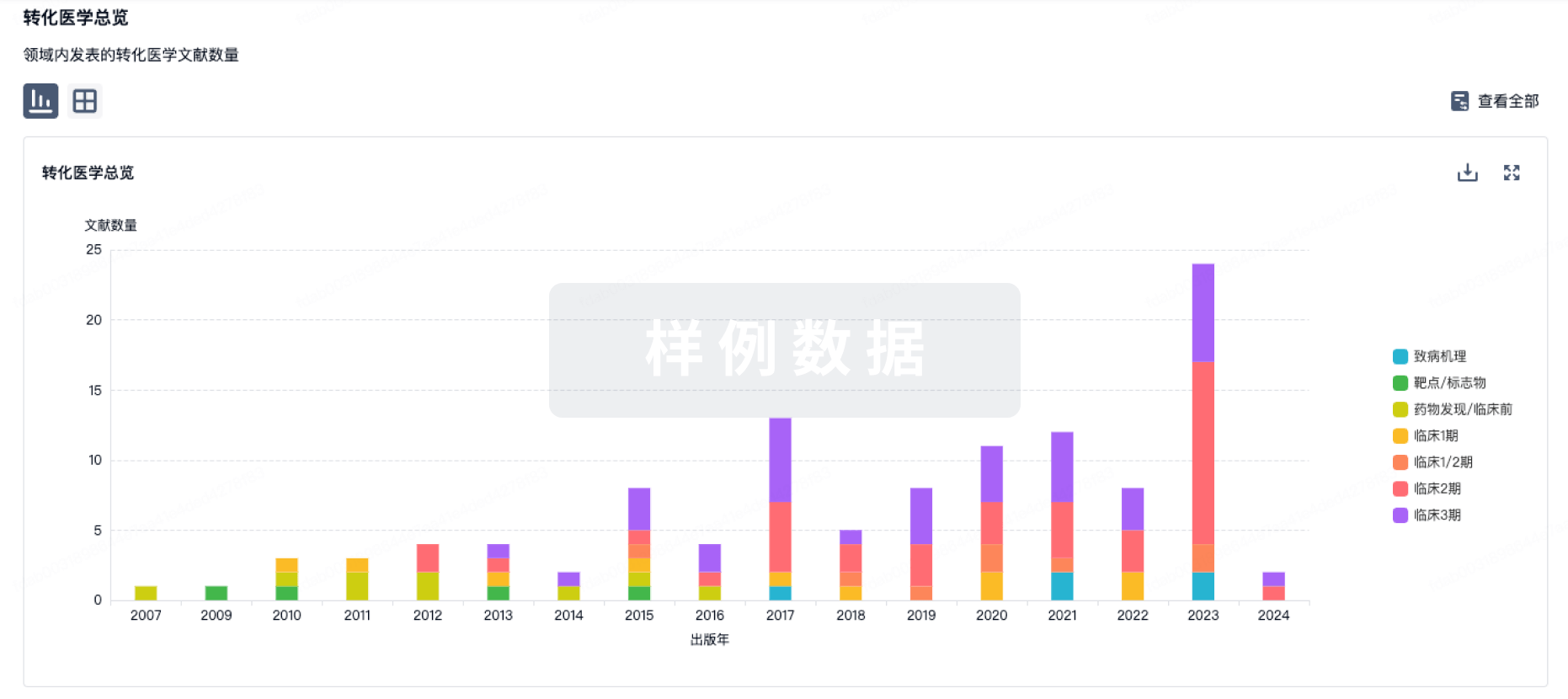
转化医学
使用我们的转化医学数据加速您的研究。
登录
或
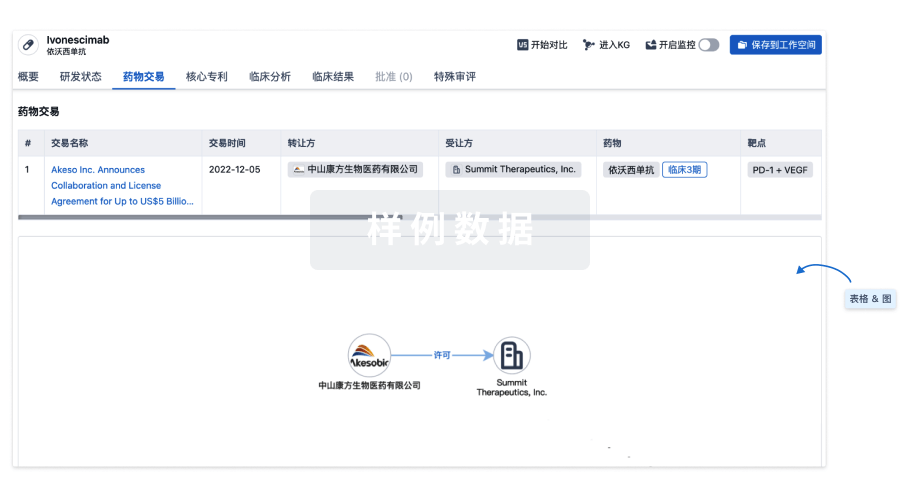
药物交易
使用我们的药物交易数据加速您的研究。
登录
或
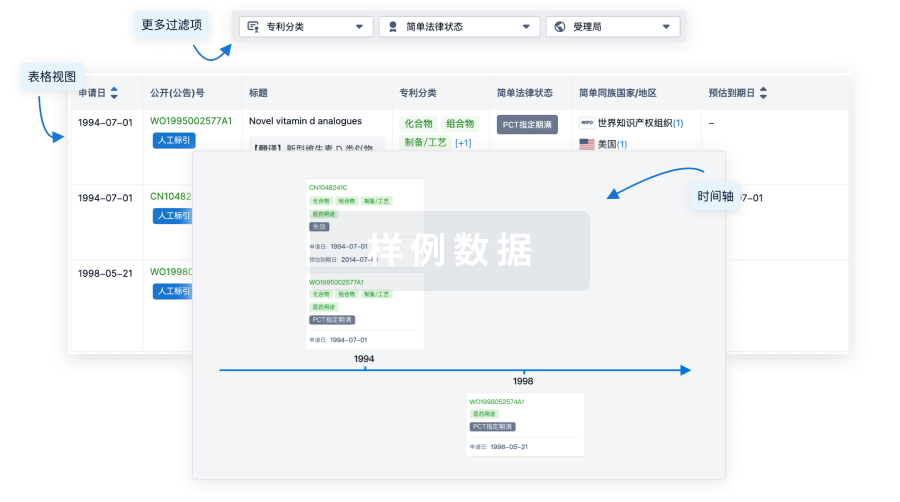
核心专利
使用我们的核心专利数据促进您的研究。
登录
或
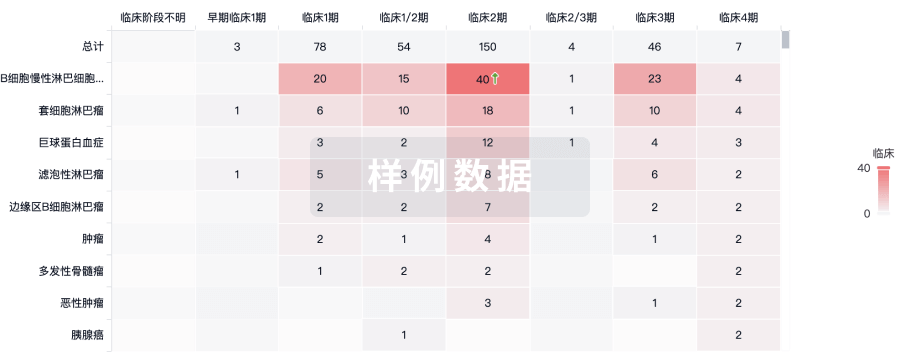
临床分析
紧跟全球注册中心的最新临床试验。
登录
或
批准
利用最新的监管批准信息加速您的研究。
登录
或
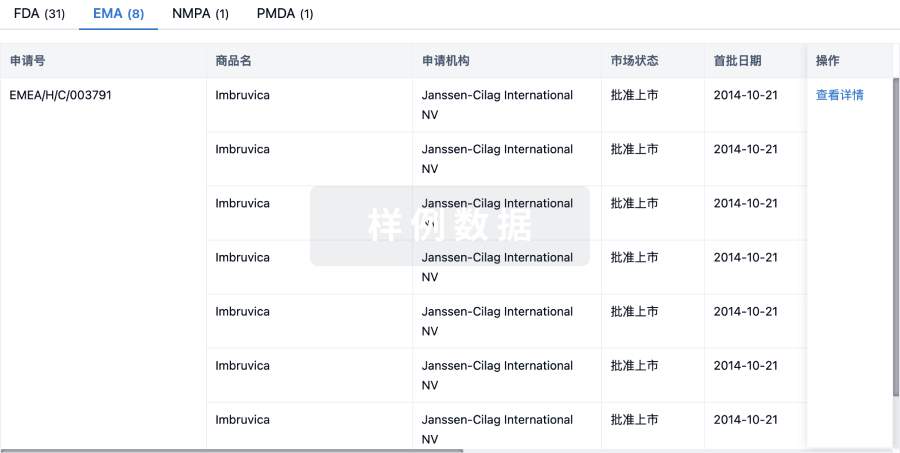
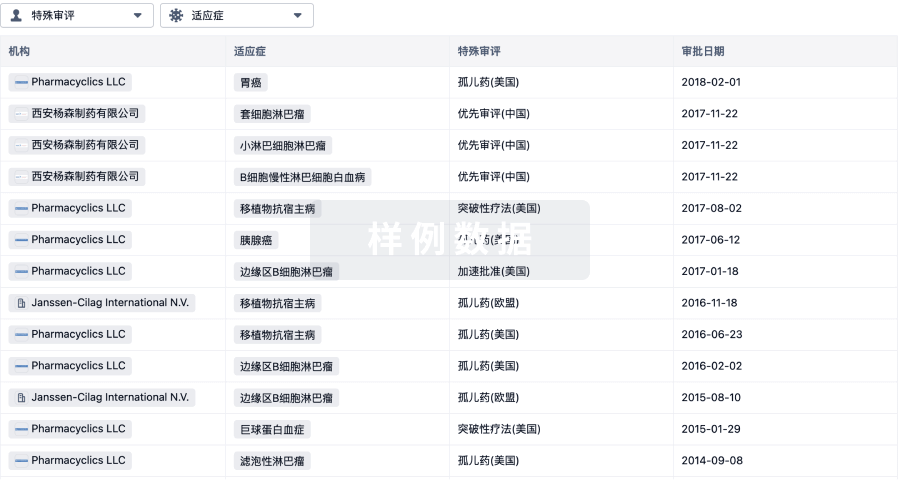
特殊审评
只需点击几下即可了解关键药物信息。
登录
或
提出任何生物医药研究问题
让每一步生物医药决策都精准制胜
基于十亿级生物数据与全球情报的精准 AI,赋能早期药物发现
立即开始免费试用!
智慧芽新药情报库是智慧芽专为生命科学人士构建的基于AI的创新药情报平台,助您全方位提升您的研发与决策效率。
立即接入生物医药数据包
智慧芽新药库数据也通过智慧芽开放平台,以MCP或API服务形式对外开放。立即使用我们的MCP服务定制您的LLM智能体。
生物序列数据库
生物药研发创新
免费使用
化学结构数据库
小分子化药研发创新
免费使用