预约演示
更新于:2026-01-31
Anti-CD39 antibody(Sansheng Guojian)
抗CD39抗体(三生国健)
更新于:2026-01-31
概要
基本信息
原研机构 |
在研机构 |
非在研机构- |
权益机构- |
最高研发阶段临床前 |
首次获批日期- |
最高研发阶段(中国)临床前 |
特殊审评- |

关联
100 项与 抗CD39抗体(三生国健) 相关的临床结果
登录后查看更多信息
100 项与 抗CD39抗体(三生国健) 相关的转化医学
登录后查看更多信息
100 项与 抗CD39抗体(三生国健) 相关的专利(医药)
登录后查看更多信息
7
项与 抗CD39抗体(三生国健) 相关的文献(医药)2025-11-01·JOURNAL OF PHARMACEUTICAL AND BIOMEDICAL ANALYSIS
Development and validation of a cell-based assay to determine the bioactivity of antibodies against CD39 targets
Article
作者: Yu, Chuanfei ; Cui, Chunbo ; Duan, Maoqin ; Ni, Yongbo ; Xu, Gangling ; Du, Jialiang ; Yang, Yalan
CD39 is a novel therapeutic target involved in antitumor immunity that can be manipulated through the ATP-adenosine signaling pathway. As a promising cancer treatment option, several drugs targeting CD39 have recently progressed into clinical trials. In this study, we describe the development and validation of a novel method to evaluate the relative bioactivity of anti-CD39 antibodies based on CD39-expressing CHO-K1-huCD39-10B6 cells. The method uses a commercially available CellTiter-Glo luminescent cell viability assay kit to generate luciferase signals, thereby providing convenient and rapid sample analysis. The method was comprehensively validated following the ICH Q2 guidelines, and the results showed that this method demonstrated high specificity, accuracy, precision, and linearity, with a range of 60-140 %. Additionally, the CHO-K1-huCD39-10B6 cell line exhibited relative stability and robustness within 15 generations. Therefore this method has potential use in anti-CD39 antibody bioactivity assays for lot release and stability studies.
2025-09-01·Cancer research communications
IPH5201, an Anti-CD39 mAb, as Monotherapy or in Combination with Durvalumab in Advanced Solid Tumors
Article
作者: Boyer Chamard, Agnes ; Hollebecque, Antoine ; He, Yun ; Paturel, Carine ; Mager, Raymond ; Castañón Alvarez, Eduardo ; Murtomaki, Elina ; Macarulla, Teresa ; Tu, Eric ; Carneiro, Benedito A. ; Cooper, Zachary A. ; Martin-Romano, Patricia ; Italiano, Antoine ; Powderly, John ; Loembé, Arsène-Bienvenu ; Fan, Chunling ; Imbimbo, Martina ; Barnhart, Vicky ; Fraenkel, Paula G. ; Eck, Steven ; McKean, Meredith
Abstract:
Purpose::
Blocking enzymatic activity of cluster of differentiation 39 (CD39) with IPH5201 may promote antitumor immunity by increasing immunostimulatory ATP and reducing immunosuppressive adenosine levels in the tumor microenvironment. This first-in-human, phase 1 study evaluated IPH5201 as monotherapy or in combination with durvalumab (anti–PD-L1) in patients with advanced solid tumors.
Patients and Methods::
The study consisted of two consecutive dose-escalation parts: IPH5201 monotherapy (100, 300, 1,000, and 3,000 mg) every 3 weeks and IPH5201 (300, 1,000, and 3,000 mg) + durvalumab 1,500 mg every 3 weeks. The primary endpoint was to evaluate safety and tolerability. Secondary endpoints included antitumor activity, pharmacokinetics, and immunogenicity.
Results::
Overall, 38 patients received IPH5201 monotherapy and 19 received IPH5201 + durvalumab, with a median duration of follow-up of 7.6 months (range, 1.0–23.7). The most common cancer types were pancreatic (42.1%), non–small cell lung (19.3%), and colorectal (17.5%) cancers. The most common treatment-related adverse events were infusion-related reactions and fatigue. There were no adverse event–related deaths, and the maximum tolerated dose was not reached. Overall, 23/57 patients (40.4%) had stable disease as their best overall response. IPH5201 exhibited a linear pharmacokinetic profile and an estimated terminal half-life of 8 to 9 days at higher doses. On-treatment tumor biopsies revealed decreased CD39 ATPase activity in 5/7 patients, including all evaluable patients receiving the maximum dose of IPH5201 3,000 mg every 3 weeks.
Conclusions::
IPH5201 as monotherapy, or in combination with durvalumab, was well tolerated at pharmacologically active doses that induced reduction of intratumoral CD39 enzymatic activity and showed preliminary evidence for disease stabilization.
Significance::
The adenosine pathway is a source of emerging targets in cancer immunotherapy. IPH5201 is a mAb that targets the adenosine pathway by blocking human CD39 enzymatic activity. In this first-in-human, phase 1 study, IPH5201 as monotherapy or in combination with durvalumab was well tolerated with a manageable safety profile in patients with advanced solid tumors. Preliminary evidence for disease stabilization and reduction of tumoral CD39 enzymatic activity were observed.
2016-09-01·Leukemia1区 · 医学
The NOTCH1/CD39 axis: a Treg trip-switch for GvHD
1区 · 医学
Letter
作者: Rosati, E ; Del Papa, B ; Martelli, M F ; Iacucci Ostini, R ; Falzetti, F ; Carotti, A ; Sportoletti, P ; Baldoni, S ; Aureli, P ; Negrin, R ; Zei, T ; Velardi, A ; Cecchini, D ; Ruggeri, L ; Dorillo, E ; Di Ianni, M ; Pierini, A
Regulatory T cells (Tregs) suppress alloimmune reaction such as graft vs. host disease (GvHD) and promote tolerance induction to allogeneic organ transplants.In high-risk acute leukemia patients undergoing full-haplotype mismatched transplantation we demonstrated that adoptive immunotherapy with Tregs conventional T cells (Tcons) almost completely prevented acute and chronic GvHD, favored post-transplant immunol. reconstitution and was associated with a powerful graft-vs.-leukemia (GvL) effect.Interestingly, GvHD severity and mortality was markedly reduced by inactivation of NOTCH signalling in donor T cells by means of humanised antibodies and conditional genetic models.The present study attempted to unravel the connection between Tregs and NOTCH signalling in Tcons for GvHD prevention.We discovered that NOTCH1 downregulation on Tcons is a new Treg mechanism of action and showed that Tregs use the CD39 pathway to modulate NOTCH1 expression on Tcons.T cells were collected from healthy donors after obtaining informed consent.Tregs and Tcons were selected as described using CliniMACS procedure and reagents (Miltenyi Biotec GmbH, Bergisch Gladbach, Germany).Tcons were stained with 0.5 μM carboxyfluorescein diacetate succinimidyl ester (CFSE) and activated with antiCD3 and antiCD28 microbeads (Milteny) at a bead:cell ratio of 1:1 or with irradiated peripheral blood mononuclear cells, a mixed lymphocyte reaction (MLR)-type co-cultures.The cells were cultured alone or with Tregs in a 1.1 ratio (10 experiments).In another set of Treg/Tcon co-cultures anti-CD39 mAB (10 μg/mL, clone A1, Biolegend, San Diego, LA, USA) or IgG control was added (10 experiments).After 5 days, Tcons from all co-cultures were analyzed for NOTCH1 expression.CFSE+activated Tcons were sorted by Facs ARIA III (BD Becton, Dickinson and Company, San Jose, CA, USA), and used for suppression assays and further mol. studies. mRNA expression levels of NOTCH1, HES1 and NOTCH1 ligands on Tcon-CFSE+ cells was performed using the 7900Ht Fast Real Time PCR System (Applied Biosystems, Warrington, UK) with Power SYBR Green kits (Applied Biosystems).Primers are listed in Supplementary Table S1.To quantify cAMP, Tcons were collected from different setting of Tcon and Treg/Tcon co-cultures and intracellular cAMP levels were analyzed using a com. available assay (Direct cAMP Elisa Kit, EnzoLife Science, Farmingdale, NY, USA) according to the manufacturer's instructions.BALB/c recipient mice were irradiated at day -2 with total body irradiation 2 doses of 4 Gy, 4 h apart with 200-kV X-ray source.Overall 5 × 10⁵ donor-type (C57BL/6) GFP+ Treg were administered i.v. on day -2, 5 × 10⁶ T-cell-depleted bone marrow cells (TCD BM) and 1 × 10⁶ Tcons from C57BL/6 mice were injected i.v. on day 0.Mice were killed on day 5 after transplantation.Spleen and lymph nodes were harvested and disassocd. into cell suspensions, filtered, stained and FACS analyzed.Mice were weighed weekly and GvHD score was calculatedIn each experiment a group of mice that received TCD BM, Tcon and Treg were treated with the selective CD39 inhibitor polyoxometalate-1 (POM1, Tocris Bioscience, Bristol, UK) at the dose of 10 mg/kg/day from day -1 to day +5 after transplantation.Mouse peripheral blood was collected on day +5 after transplantation and sera were obtained.Cytokine concentrations in the sera were analyzed with multiplex assay (Luminex, Life Technologies, Logan, UT, USA).Mouse guts were fixed in 10% neutral buffered formalin.Slides were prepared and stained with hematoxylin and eosin (H&E) for microscopic evaluation.Representative photomicrographs were taken with 40x magnification.Results are expressed as means±s.d. and analyzed by a two-tailed t-test (*P<0.05, **P<0.01, ***P<0.001).The Kaplan-Meier test was used to analyze mice survival and the two-way ANOVA test for weight variation and GvHD score (*P<0.05, **P<0.01).GraphStat software (GraphPad, San Diego, CA, USA) was used.The human Treg phenotype obtained after CliniMACs separation was as follows: Foxp3+ 81.01±16.47%; Helios/FoxP3+ 54±8.4%; CD127+ 11.72±7.65%.CD45RO+ cells were 90% and CD45RA+ cells 10%.Tcons were 90.72±9.6% CD3+; 57.77±8.85% CD4+; 31.21±8.59% CD8+.Treg-suppressive capacity in vitro was 67±22% (±s.d.) (ratio Tcons:Tregs 1:2).Tregs and Tcons were than used for co-culture experimentsNOTCH1 and HES1 (a transcription factor that is activated by NOTCH signalling) mRNA expression was reduced in Tcons when co-cultured with Tregs (to 66.5±20%, and 71±34%, resp., vs Tcons alone).NOTCH1 pathway downregulation was also observed at protein level.Utilizing flow cytometry, a significant decrease in the NOTCH1 receptor expression (7.7±3.8% vs 2.8±1.6%; ***P=0.0009) and in NOTCH1-intracellular domain (NICD; 4±2.37% vs 1.73±1.6%; *P=0.015) was observed when compared with Tcons alone.Anal. of NOTCH1 ligand expression on Tcons co-cultured with Tregs, showed that mRNA expression of Jagged1 and DLL4 was reduced (69.18±30.75% and 79±27.30% vs Tcons alone).No significant differences were found in the expression of other NOTCH1 ligands.T-cell stimulation triggers the intracellular ATP production that causes prolonged ATP release into the extracellular space.CD39 expressed on Tregs rapidly converts locally produced pro-inflammatory ATP to anti-inflammatory adenosine that binds to its receptors (A2AR) at the surface of Tcons.Signals induced by A2AR increase intracellular level of cAMP, that it is known to inhibit several cellular functions, such as T-cell proliferation and cytokine productionIn our exptl. conditions, CD39 expression ranged from 2.38 to 41.8% on Tregs.After co-culture with Tregs, A2AR mRNA was upregulated on Tcons (2.3±1.6 fold vs control; Figure 1c), indicating the involvement of the CD39 signalling.By analyzing the cAMP in Tcons alone and in Treg+Tcon co-cultures, we showed that cAMP significantly increased.When anti-CD39 was added to the Treg/Tcon co-cultures, the level of cAMP returned to baseline levels.Adding the anti-CD39-blocking mAb to Treg/Tcon co-cultures reduced A2AR mRNA expression to the baseline, upregulated HES1 mRNA (6.85±4.7 fold vs control, Figure 1e), Jagged1 mRNA (3.32±0.54 fold vs control), restored DLL4 mRNA expression and rescued NOTCH1 receptor (2.8±1.6% vs 5.5±2.5% (**P=0.0095) and NICD expression (1.73±1.6% vs 6.2±4.5% (**P=0.0047).NOTCH1 downregulation and its rescue with anti-CD39 were also seen when Tcons were activated in a MLR-type co-cultures.The addition of CD39 MoAbs to the Treg-suppressive assay resulted in a significantly reduced Treg-suppressive capacity from 56±4.5% to 40.3±2% (**P=0.0058).To extend these findings from human cells we evaluated the same pathway using a well established murine model of GvHD.Expression of NOTCH1 was observed at a low level on resting CD4+- and CD8+-H2KbGFP- cells from lymph nodes (1.15±0.9% and 2±0.78%).In mice that received Tcons alone NOTCH1 expression was significantly increase on both CD4+- and CD8+-H2KbGFP- cells when compared with untreated mice (8.82±1.58% *P< 0.05 and 19±2.8% *P<0.05).When mice received Tregs+Tcons NOTCH1 expression on CD4+- and CD8+-H2KbGFP- cells from lymph nodes was significantly reduced when compared with Tcons alone (8.8±1.6% vs 3±1.5% *P<0.05 and 19±2.8% vs 6.6±2.8% *P<0.05).The addition of POM1, which inhibits CD39, resulted in restoration of NOTCH1 expression to 13.7±0.9% **P<0.001 on CD4+-H2KbGFP- cells and 21.9± 2.6% on CD8+-H2KbGFP- cells *P<0.05, approaching the same level observed on the mice that received Tcons alone.These data demonstrate that Treg-mediated NOTCH1 inhibition is CD39 dependent.Mice that received only Tcons had greater Tcons infiltration than mice that received Treg+Tcons.POM1 treatment reduced the Treg protective effect resulting in a higher splenic infiltration by donor Tcons.Higher IL-6 and IFNγ serum levels were found in mice that received only Tcons in comparison with mice that received Tregs+Tcons.Adding POM1 rescued both cytokine levels.Gut photomicrographs of TCD BM-transplanted mice on day +5 showed early signs of GvHD in mice that received Tcons only in comparison with mice that received Treg+Tcons.Adding POM1 gave the same GvHD histol. signature.As expected mice that received Tregs+Tcons had improved survival in comparison with mice that received Tcons alone (*P<0.05).Animals treated with Tregs+Tcons had reduced incidence of GvHD (**P<0.01) and mice had improved weight gain (**P<0.01).In mice that received Tregs and Tcons and POM1, survival was reduced (*P<0.05), with an increase in the incidence of GvHD (**P<0.01) and the mice did not regain weight (**P<0.01 vs Group 4).Here we report for the first time that Tregs directly inhibit NOTCH1 signalling on Tcons in vitro and in vivo.We can speculate the Treg-related NOTCH1 blockade underlies clin. and exptl. evidence from our group showing that Tregs prevent GvHD and allow for a powerful Tcon-dependent GvL.Consequently Treg-mediated NOTCH inhibition, like drug-induced NOTCH downregulation may sep. GvHD from GvL.This finding has major implications for adoptive immunotherapy strategies in the field of transplantation for leukemia.Mimicking the drug-mediated NOTCH1 inhibition, the Treg-mediated NOTCH blockade was present on CD4 and CD8 cells from mouse lymph nodes.NOTCH1 ligands, Jagged1 and DDL4 had predominant roles and interestingly, DDL4 was reported to mediate all the effects of NOTCH signalling in Tcons during GvHD.Overall these data suggest that Tregs and drugs inhibit the same NOTCH ligands and receptors on Tcons.The advantage of using Tregs for downregulating NOTCH1 and preventing GvHD instead of pharmaceutical compounds is clear.Alloantigen specific Tregs inhibit preferentially alloreactive Tcons unlike drugs which exert a total blockade on NOTCH1 signalling on all Tcons.The present study provides the first evidence of crosstalk between CD39 and the NOTCH1 pathways.Blocking CD39 by means of the anti-CD39 monoclonal antibody or the selective CD39 inhibitor polyoxometalate-1 (POM1), restored NOTCH expression and signalling on Tcons.Our results clearly indicated that increased cAMP levels in Tcons are associated with NOTCH1 reduction, adding anti-CD39 reduced the cAMP levels and abrogated the Treg-mediated NOTCH1 reductionInterestingly, our in vivo experiments also significantly rescued NOTCH expression on CD4 and CD8 cell sub-populations.As expected CD39 inhibition resulted in the re-appearance of GvHD in mice treated with POM1.Further evidence in support of present findings derives from in vitro studies showing that down-modulation of the CD39/adenosine axis, by means of blocking Abs or chem. products, relieved Treg suppression of Tcons.In conclusion, although Treg mechanisms of action are poorly understood and largely controversial, the present paper describes for the first time a Treg-induced NOTCH1 blockade.Tregs trigger and orchestrate NOTCH downregulation directly in Tcons.They act through the CD39/adenosine axis to inhibit the NOTCH pathway which, in turn, regulates Tcon proliferation.
100 项与 抗CD39抗体(三生国健) 相关的药物交易
登录后查看更多信息
研发状态
10 条进展最快的记录, 后查看更多信息
登录
| 适应症 | 最高研发状态 | 国家/地区 | 公司 | 日期 |
|---|---|---|---|---|
| 肿瘤 | 临床前 | 中国 | 2024-04-12 |
登录后查看更多信息
临床结果
临床结果
适应症
分期
评价
查看全部结果
| 研究 | 分期 | 人群特征 | 评价人数 | 分组 | 结果 | 评价 | 发布日期 |
|---|
No Data | |||||||
登录后查看更多信息
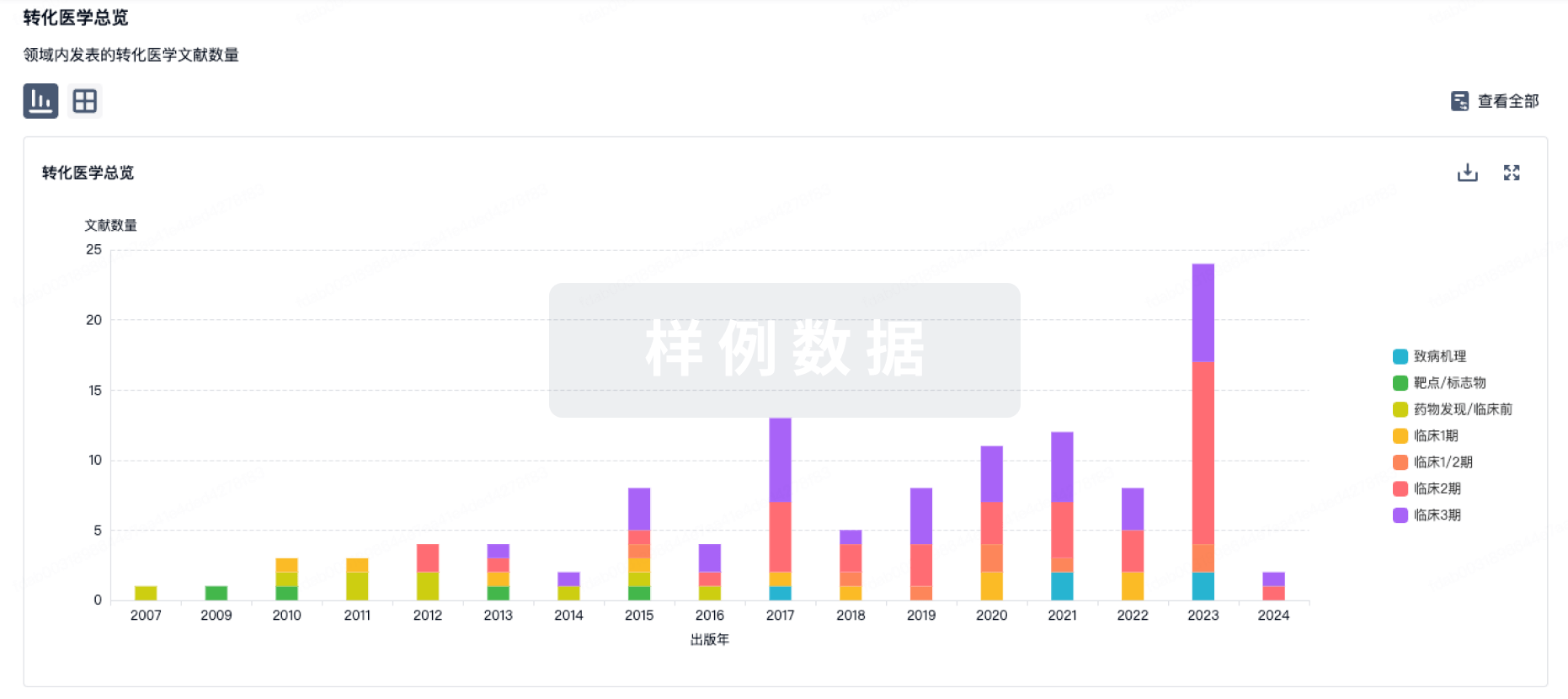
转化医学
使用我们的转化医学数据加速您的研究。
登录
或
药物交易
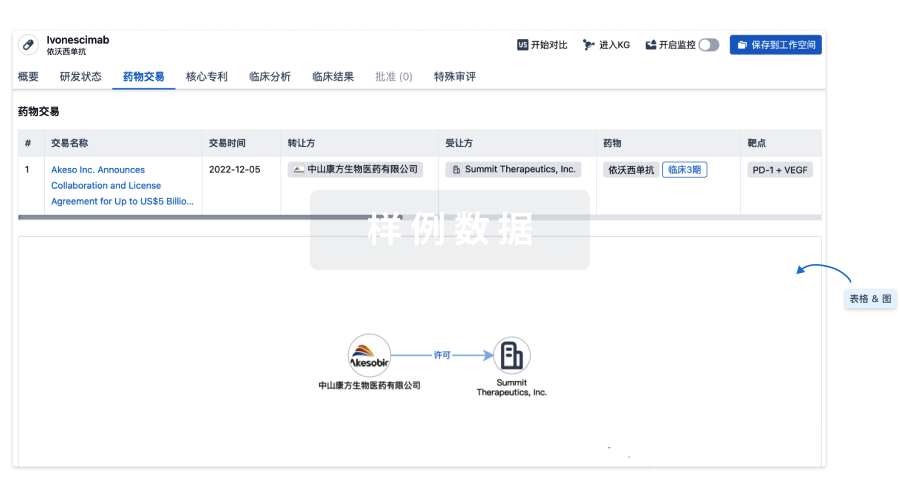
使用我们的药物交易数据加速您的研究。
登录
或
核心专利
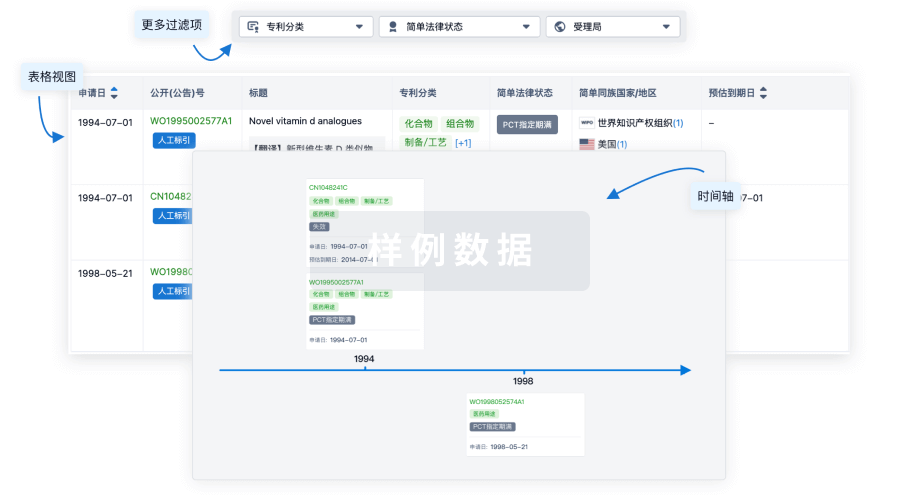
使用我们的核心专利数据促进您的研究。
登录
或
临床分析
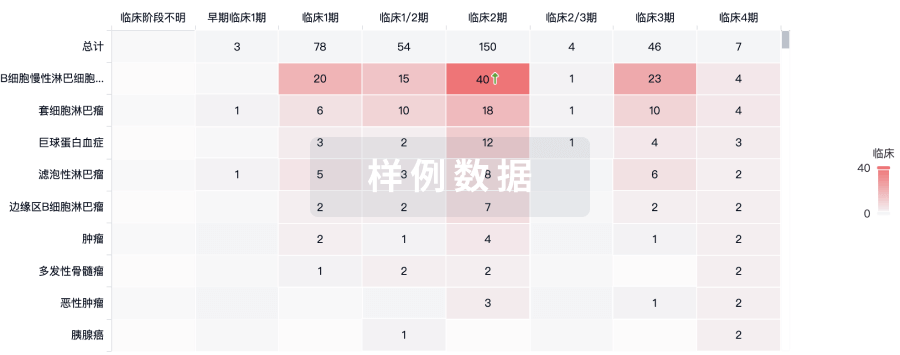
紧跟全球注册中心的最新临床试验。
登录
或
批准
利用最新的监管批准信息加速您的研究。
登录
或
生物类似药
生物类似药在不同国家/地区的竞争态势。请注意临床1/2期并入临床2期,临床2/3期并入临床3期
登录
或
特殊审评
只需点击几下即可了解关键药物信息。
登录
或
生物医药百科问答
全新生物医药AI Agent 覆盖科研全链路,让突破性发现快人一步
立即开始免费试用!
智慧芽新药情报库是智慧芽专为生命科学人士构建的基于AI的创新药情报平台,助您全方位提升您的研发与决策效率。
立即开始数据试用!
智慧芽新药库数据也通过智慧芽数据服务平台,以API或者数据包形式对外开放,助您更加充分利用智慧芽新药情报信息。
生物序列数据库
生物药研发创新
免费使用
化学结构数据库
小分子化药研发创新
免费使用