预约演示
更新于:2026-09-19
OlyCAR-019
更新于:2026-09-19
概要
基本信息
在研机构- |
权益机构- |
最高研发阶段无进展临床1/2期 |
首次获批日期- |
最高研发阶段(中国)无进展 |
特殊审评- |

登录后查看时间轴
关联
2
项与 OlyCAR-019 相关的临床试验NCT05932173
An Open Label, Single-site, Dose-escalation Study Aiming to Evaluate the Efficacy and Safety of Anti-CD19 CAR-T Manufactured by OlyCAR Platform(OlyCAR-019) in the Treatment of Relapsed/ Refractory(r/r) B-Cell Malignancies
It is a single-center, open-labeled, single-arm, non-randomized, investigator-initiated trial aiming to evaluate the efficacy and safety of anti-CD19 CAR-T manufactured by OlyCAR platform (OlyCAR-019) for CD19+ refractory/relapsed B-Cell malignancies.
开始日期2023-07-01 |
申办/合作机构 |
NCT04264039
Anti-CD19 Universal CAR-T Cells for CD19+ B Cell Hematologic Malignancies: a Multi-center, Uncontrolled Trial
The stunning response rate of anti-CD19(cluster of differentiation antigen 19) auto-CAR(chimeric antigen receptor)-T cell therapy brings hope to patients with relapsed or refractory B-cell hematologic malignancies. However, based on open clinical trials, using patients' T cells might encounter the failure of apheresis available T cells, even if successful, the time needed for the manufacture could also cause the irreversible disease progress. Furthermore, the cost of auto-CAR-T cells is not affordable for most patients. So to provide an accessible and affordable anti-CD19 CAR-T cell therapy for patients with B-cell hematologic malignancies, we launch such a trial that using the edited T cells from healthy donors to manufacture universal CAR-T cells and adapt it in patients with CD19+ B-cell leukemia or lymphoma.
开始日期2020-04-01 |
申办/合作机构 新桥医院 [+12] |
100 项与 OlyCAR-019 相关的临床结果
登录后查看更多信息
100 项与 OlyCAR-019 相关的转化医学
登录后查看更多信息
100 项与 OlyCAR-019 相关的专利(医药)
登录后查看更多信息
11
项与 OlyCAR-019 相关的文献(医药)2026-01-21·BIOCONJUGATE CHEMISTRY
A Tetrameric Biotin–Avidin Scaffold Using Anti-CD19 (FMC63) Traptavidin Fusion Enables High-Avidity CAR-T Cells for Leukemia Therapy
Article
作者: Kim, Younghyeon ; Sin, Jeong-im ; Lee, Deuk-ki ; Chae, Soyi ; Bang, Yongbin ; Park, Youngheon ; Jung, Sang Hoon ; Kim, Young-youb ; Lee, Sungjin ; Kim, Dongbum ; Ko, Hae Li
Chimeric antigen receptor-T cell (CAR-T) therapy shows promise for treating hematologic malignancies but faces limitations including insufficient CAR-T cell activation. We developed a novel tetramer CAR-T (tCAR-T) system targeting CD19, which is overexpressed in hematologic malignancies. We created a tetrameric antibody scaffold by linking anti-CD19 scFv to traptavidin, then engineered T cells expressing CD8 hinge, CD8 transmembrane, costimulatory domains (4-1BB, CD3ζ), and YFP, followed by biotinylation using biotin ligase. The tCAR-T system was assembled via biotin-avidin interaction. This tetrameric arrangement significantly enhanced antibody avidity, promoting stronger antigen engagement and demonstrating potent cytotoxicity against CD19+ B-cell lymphoblast lines including Raji, Nalm-6, and Ramos. Notably, tCAR-T exhibited superior antitumor activity compared to Kymriah, with enhanced cytokine release and improved target cell elimination. This innovative approach improves cancer treatment efficacy through enhanced binding avidity and modular targeting flexibility, demonstrating that tCAR-T can overcome limitations of conventional CAR-T therapy and highlighting its potential to improve therapeutic outcomes for cancer patients.
2025-06-01·STEM CELLS AND DEVELOPMENT
Specifically Enhanced Immunosuppression of B Cells with Chimeric Antigen Receptors Modify Mesenchymal Stem Cells
Article
作者: Zhao, Xiaoyan ; Zhu, Xingyu ; Sun, Zhao ; Gao, Jingxi ; Han, Qin ; Ge, Hui ; Chen, Yunhua ; Zhao, Xiuli ; Xiao, Yuzhen ; Zhao, Robert Chunhua
Recently, cell therapies, including chimeric antigen receptor (CAR) modified T cell therapy and mesenchymal stem cell (MSC) therapy, have demonstrated considerable potential for systemic lupus erythematosus (SLE). In this study, a CAR-MSC model was constructed, combining two cell therapies. The structural domains of the CAR were designed by using the anti-CD19 scFv, targeting the CD19 antigen on the surface of B cells and the intracellular region of the interferon-gamma receptor, activating the JAK-STAT1 signaling pathway. Then we screened and identified the most effective structural domain of CAR as CAR1, as it facilitates MSCs to maintain significantly higher levels of JAK2 phosphorylation and IDO expression, as shown by western blot analysis. We also demonstrated CAR1 could be consistently and stably expressed at high levels in MSCs, and CAR1 transduction did not significantly affect the surface antigenic phenotypic criteria of MSCs via flow analysis. Furthermore, immunofluorescence results showed CAR1-MSCs could stably bind CD19 antigen, and they were activated by human CD19 antigen resulting in significantly high JAK2 phosphorylation and IDO expression via western blot analysis following co-culture. Besides, when activated peripheral blood mononuclear cells (PBMCs) were co-cultured with untransduced MSCs (UTD-MSCs) and CAR1-MSCs in vitro, respectively, the results showed that the percentage of activated CD3+ T cells and CD19+ B cells was both significantly lower after co-culturing. The percentage of activated CD19+ B cells was lower in the CAR1-MSCs co-culture group than in the UTD-MSCs co-culture group, whereas the percentage of activated CD3+ T cells was similar in the two co-culture groups. This suggests that CAR1 increased the inhibitory ability of MSCs on activated CD19+ B cells and had no significant effect on the ability of MSCs to inhibit activated CD3+ T cells. In conclusion, CAR1-MSCs were successfully constructed and demonstrated the ability to enhance the inhibitory effect of MSCs on activated human CD19+ B cells, facilitating SLE therapy.
2024-02-01·Journal for immunotherapy of cancer
Liquid biopsy approach to monitor the efficacy and response to CAR-T cell therapy
Article
作者: Rossi, John ; Shishido, Stephanie N ; Jeong, Sujin ; Bot, Adrian ; Heeke, Darren ; Kuhn, Peter ; Hart, Olivia ; Moriarty, Aidan
Background:
Chimeric antigen receptor (CAR)-T cells are approved for use in the treatment of hematological malignancies. Axicabtagene ciloleucel (YESCARTA) and brexucabtagene autoleucel (TECARTUS) genetically modified autologous T cells expressing an anti-CD19 scFv based on the FMC63 clone have shown impressive response rates for the treatment of CD19+B cell malignancies, but there remain challenges in monitoring long-term persistence as well as the functional characterization of low-level persisting CAR-T cells in patients. Furthermore, due to CD19-negative driven relapse, having the capability to monitor patients with simultaneous detection of the B cell malignancy and persisting CAR-T cells in patient peripheral blood is important for ensuring timely treatment optionality and understanding relapse.
Methods:
This study demonstrates the development and technical validation of a comprehensive liquid biopsy, high-definition single cell assay (HDSCA)-HemeCAR for (1) KTE-X19 CAR-T cell identification and analysis and (2) simultaneously monitoring the CD19-epitope landscape on neoplastic B cells in cryopreserved or fresh peripheral blood. Proprietary anti-CD19 CAR reagents, healthy donor transduced CAR-T cells, and patient samples consisting of malignant B cell fractions from manufacturing were used for assay development.
Results:
The CAR-T assay showed an approximate limit of detection at 1 cell in 3 million with a sensitivity of 91%. Genomic analysis was additionally used to confirm the presence of the CAR transgene. This study additionally reports the successful completion of two B cell assays with multiple CD19 variants (FMC63 and LE-CD19) and a unique fourth channel biomarker (CD20 or CD22). In patient samples, we observed that CD19 isoforms were highly heterogeneous both intrapatient and interpatient.
Conclusions:
With the simultaneous detection of the CAR-T cells and the B cell malignancy in patient peripheral blood, the HDSCA-HemeCAR workflow may be considered for risk monitoring and patient management.
100 项与 OlyCAR-019 相关的药物交易
登录后查看更多信息
研发状态
10 条进展最快的记录, 后查看更多信息
登录
| 适应症 | 最高研发状态 | 国家/地区 | 公司 | 日期 |
|---|---|---|---|---|
| B细胞白血病 | 临床2期 | 中国 | 2023-07-01 | |
| CD19 表达恶性肿瘤 | 临床2期 | 中国 | 2023-07-01 | |
| B细胞淋巴瘤 | 临床1期 | 中国 | 2020-04-01 | |
| B细胞恶性肿瘤 | 临床1期 | 中国 | 2020-04-01 | |
| B细胞恶性肿瘤 | 临床1期 | 中国 | 2020-04-01 | |
| 复发性 B 细胞急性淋巴细胞白血病 | 临床1期 | 中国 | 2020-04-01 | |
| 复发性 B 细胞急性淋巴细胞白血病 | 临床1期 | 中国 | 2020-04-01 |
登录后查看更多信息
临床结果
临床结果
适应症
分期
评价
查看全部结果
| 研究 | 分期 | 人群特征 | 评价人数 | 分组 | 结果 | 评价 | 发布日期 |
|---|
No Data | |||||||
登录后查看更多信息
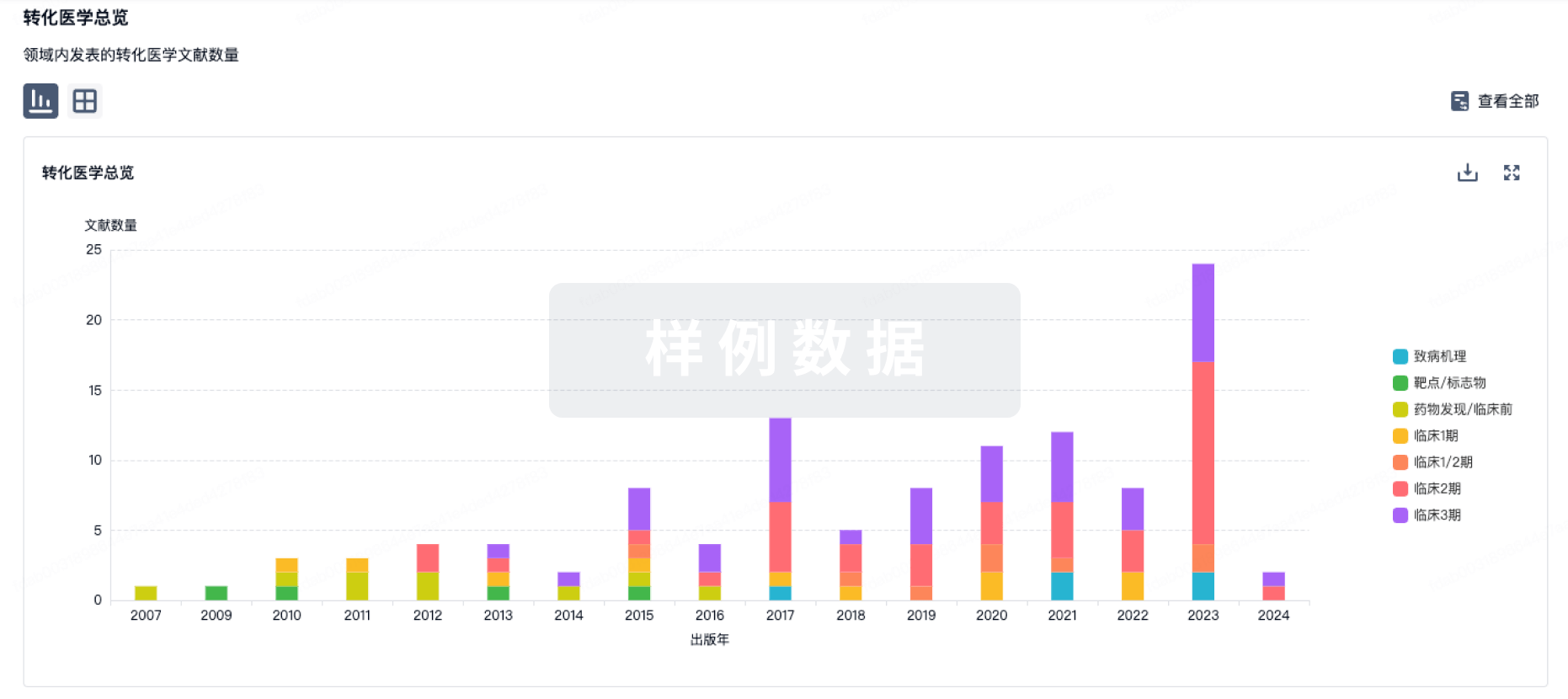
转化医学
使用我们的转化医学数据加速您的研究。
登录
或
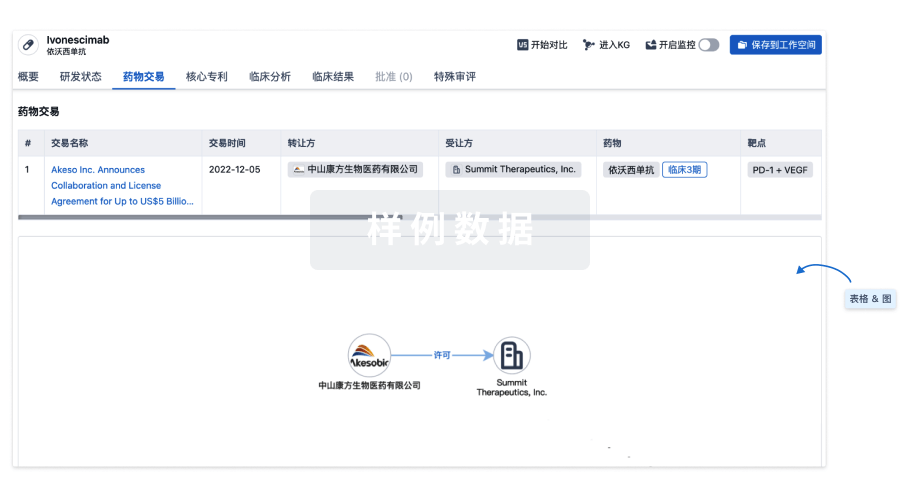
药物交易
使用我们的药物交易数据加速您的研究。
登录
或
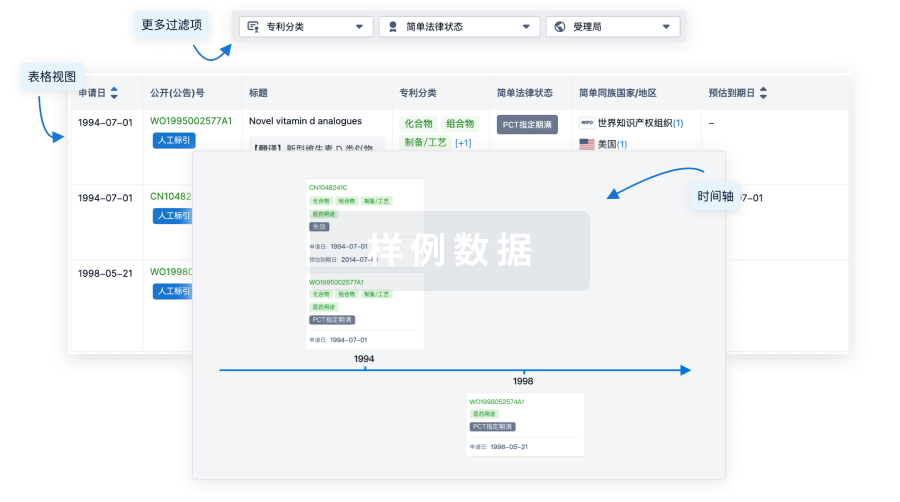
核心专利
使用我们的核心专利数据促进您的研究。
登录
或
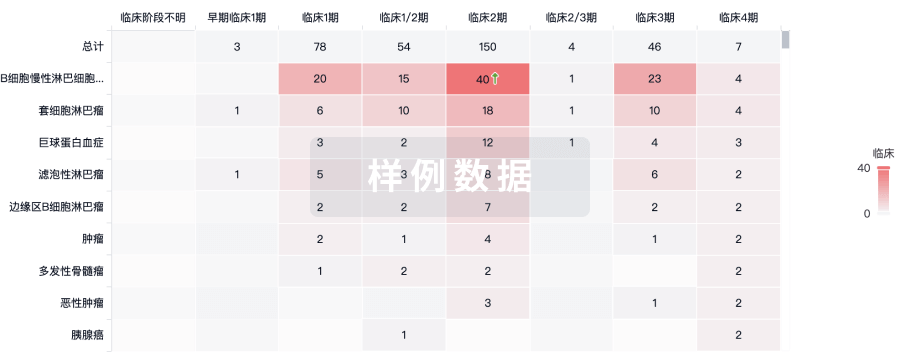
临床分析
紧跟全球注册中心的最新临床试验。
登录
或
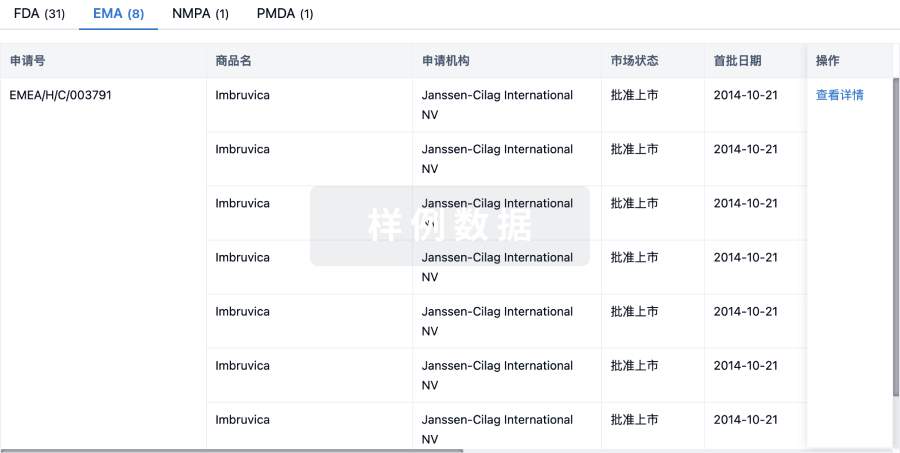
批准
利用最新的监管批准信息加速您的研究。
登录
或
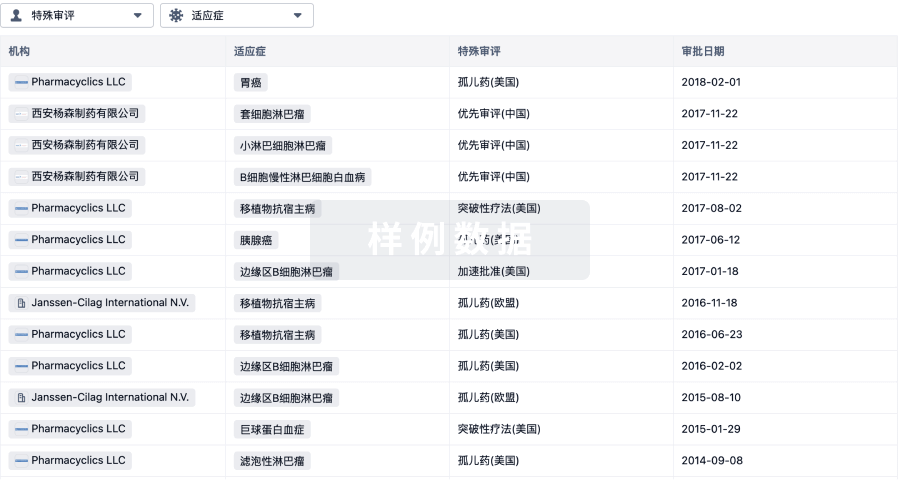
特殊审评
只需点击几下即可了解关键药物信息。
登录
或
提出任何生物医药研究问题
让每一步生物医药决策都精准制胜
基于十亿级生物数据与全球情报的精准 AI,赋能早期药物发现
立即开始免费试用!
智慧芽新药情报库是智慧芽专为生命科学人士构建的基于AI的创新药情报平台,助您全方位提升您的研发与决策效率。
立即接入生物医药数据包
智慧芽新药库数据也通过智慧芽开放平台,以MCP或API服务形式对外开放。立即使用我们的MCP服务定制您的LLM智能体。
生物序列数据库
生物药研发创新
免费使用
化学结构数据库
小分子化药研发创新
免费使用