预约演示
更新于:2026-03-02
Fat Emulsion/Amino Acids/Glucose
脂肪乳/氨基酸/葡萄糖
更新于:2026-03-02
概要
基本信息
药物类型 化学药 |
别名 Structural Fat Emulsion/Amino Acids/Glucose、结构脂肪乳/氨基酸/葡萄糖、Clinomel + [1] |
靶点- |
作用方式- |
作用机制- |
治疗领域- |
在研适应症- |
非在研适应症- |
原研机构 |
在研机构 |
非在研机构- |
权益机构- |
最高研发阶段批准上市 |
首次获批日期- |
最高研发阶段(中国)批准上市 |
特殊审评- |

登录后查看时间轴
关联
1
项与 脂肪乳/氨基酸/葡萄糖 相关的临床试验EUCTR2006-000164-93-BE
Effect of Nutritional Support on Liver Integrity during General Anesthesia for Laparoscopic Cholecystectomy. A Pilot Study
开始日期2006-05-10 |
申办/合作机构- |
100 项与 脂肪乳/氨基酸/葡萄糖 相关的临床结果
登录后查看更多信息
100 项与 脂肪乳/氨基酸/葡萄糖 相关的转化医学
登录后查看更多信息
100 项与 脂肪乳/氨基酸/葡萄糖 相关的专利(医药)
登录后查看更多信息
1
项与 脂肪乳/氨基酸/葡萄糖 相关的文献(医药)BLOOD COAGULATION & FIBRINOLYSIS
A single center study: the effect of in vitro lipemia on coagulation tests
Article
作者: Ozgenc, Aysegul ; Konukoglu, Dildar ; Karasu, Melek
Objective:
Coagulation tests like prothrombin time (PT), activated partial thromboplastin time (aPTT), fibrinogen, international normalized ratio (INR), and D-dimer are vital for monitoring anticoagulant therapy and diagnosing blood disorders. Preanalytical factors such as lipemia, caused by high blood lipid levels after eating, lipid infusions, or metabolic diseases like diabetes, can affect test accuracy. In emergency departments, nonfasting samples increase lipemia risk. This study investigates how lipemia influences coagulation test results to improve diagnostic reliability in clinical settings.
Material and method:
Serial dilutions of 10% Oliclinomel parenteral lipid emulsion were prepared, and 1 ml of each dilution was mixed with plasma samples from 36 patients. The plasma pool was analyzed for PT, aPTT, fibrinogen, INR, and D-dimer using a Sysmex CS2500 analyzer, with triglyceride (TG) concentrations and lipemia index (LI) values measured by a Roche Cobas 6000 C501 analyzer. Bias (%) values were calculated and compared to target bias (%) values to determine cut-off LI values for each parameter.
Results:
Results showed that PT and fibrinogen were affected by higher TG concentrations, while aPTT was influenced by lower TG concentrations. The cut-off LI values for PT, aPTT, and fibrinogen were determined to be 300, 50, and 150, respectively. For D-dimer, the cut-off LI value was established at 1200.
Conclusion:
These findings highlight the importance of determining specific LI cut-off values for each laboratory and considering lipemia's effect on coagulation test results, particularly in emergency settings and in patients with dyslipidemia.
2
项与 脂肪乳/氨基酸/葡萄糖 相关的新闻(医药)2025-12-24
·米内网
精彩内容
近日,国家药监局官网显示,扬子江药业申报的4类仿制药克立硼罗软膏获批生产并视同过评。今年以来,公司有1款1类新药首次获批上市,8个品种获批生产并视同过评,4个品种中选第11批国采等。目前公司有17款新药在国内处于申请临床及以上阶段,3款1类新药上市可期;178个过评品种亮眼,25个新分类申报品种紧盯超70亿市场。
手握38个独家中成药,3个超10亿品种亮眼
扬子江药业创建于1971年,是科技部命名的全国首批创新型企业,至今已在医药健康领域深耕半个多世纪。
米内网数据显示,目前扬子江药业拥有300余个药品(不含非制剂产品)的生产批文,其中有50余个为独家品种(含独家剂型),包括38个中成药,涉及呼吸系统、消化系统、泌尿系统、心脑血管系统、五官科等治疗领域。
国内仅扬子江药业拥有生产批文的中成药
来源:米内网中国上市药品(MID)数据库
2025年前三季度中国三大终端六大市场扬子江药业销售额TOP10产品中,地佐辛注射液、苏黄止咳胶囊、蓝芩口服液依次位列前三,销售额均超过10亿元。
2025Q1-Q3中国三大终端六大市场扬子江药业销售额TOP10产品
来源:米内网格局数据库
10个产品中,苏黄止咳胶囊、蓝芩口服液、胃苏颗粒均为独家中成药。近年来在中国三大终端六大市场呼吸系统中成药TOP10品牌中,扬子江药业的苏黄止咳胶囊、蓝芩口服液均上榜;在胃药中成药品牌排名中,扬子江药业的胃苏颗粒稳居第二位。
地佐辛注射液、依帕司他片均为首仿。近年来在中国三大终端六大市场神经系统化药品牌排名中,扬子江药业的地佐辛注射液均跻身前五;在糖尿病化药品牌排名中,扬子江药业的依帕司他片跻身前十。
178个品种过评!4个品种中选第11批国采
今年以来,扬子江药业有8个品种获批生产并视同过评,其中艾拉莫德片、泊马度胺胶囊为国内第3家获批,丁酸氯维地平脂肪乳注射液为国内第4家获批等。从市场规模看,艾拉莫德片2025年前三季度在中国三大终端六大市场的销售额超过17亿元。
今年以来扬子江药业获批上市的仿制药
来源:米内网中国申报进度(MED)数据库
截至目前,扬子江药业有178个品种过评/视同过评,跻身过评品种数TOP5集团。
178个品种涵盖13个治疗大类,集中在全身用抗感染药物(33个)、神经系统药物(22个)、消化系统及代谢药(22个)、抗肿瘤和免疫调节剂(21个)、心脑血管系统药物(20个)等领域。
扬子江药业已过评品种大类分布情况
来源:米内网一致性评价进度数据库
37个品种由扬子江药业首家过评,包括头孢克洛缓释片(Ⅱ)、盐酸奈康唑乳膏、伏立康唑分散片等独家过评品种,其中头孢克洛缓释片(Ⅱ)2024年在中国三大终端六大市场的销销售额超过3亿元。
日前,第十一批国采中选结果正式公布,扬子江药业有4个品种成功中选,包括注射用右雷佐生、钆布醇注射液、注射用维库溴铵3款注射剂,硫酸镁钠钾口服用浓溶液1款口服液体剂。
扬子江药业第十一批国采中选情况
来源:上海阳光医药采购网,米内网整理
米内网数据显示,在2025年前三季度中国城市公立医院、县级公立医院、城市社区中心以及乡镇卫生院(简称中国公立医疗机构)终端,扬子江药业在注射用右雷佐生、钆布醇注射液等品种中所占市场份额均为0,有望通过国采中选快速提升市场占比。
凭借庞大的过评产品集群,扬子江药业在国家开展的十批十一轮化药集采中收获满满,分别有2个、4个、7个、8个、10个、12个、2个、6个、11个、4个品种中选,合计66个品种(盐酸帕洛诺司琼注射液不同批次重复计算),为国采头部供应商之一。
3款1类新药上市可期,25个新品瞄准超70亿市场
今年以来,扬子江药业有1款1类新药首次获批上市,为盐酸妥诺达非片,这是一款磷酸二酯酶5(PDE5)抑制剂,为国内获批的第3款国产抗勃起功能障碍(ED)1类新药;中药1.1类新药ZYY-742凝胶首次获批临床,用于抗EGFR靶向药物所致的痤疮样皮疹等。
今年以来扬子江药业获批上市/临床的新药
来源:米内网中国申报进度(MED)数据库
据不完全统计,目前扬子江药业有17款新药(不含已上市/终止研发/多年无进展的新药)在国内处于申请临床及以上阶段,涉及化学药、中成药、生物药等药品类型,涵盖神经系统、消化系统、抗肿瘤等治疗领域。
3款1类新药处于III期临床及以上阶段,上市可期。其中,食欲素受体OX1/OX2拮抗剂法赞雷生片已于2025年1月提交NDA在审,中药1.1类新药复方蓉术颗粒、MOR激动剂YZJ-4729酒石酸盐注射液步入III期临床。
扬子江药业国内部分在研新药
来源:米内网综合数据库
除了开发新药,扬子江药业也在不断拓展已上市中药大品种的新适应症,如连榆烧伤膏用于糖尿病足溃疡(阳证)的新适应症正在开展II期临床;荜铃胃痛颗粒用于功能性消化不良上腹痛综合征的新适应症于今年12月获批临床等。
扬子江药业部分申请新适应症的中成药
来源:米内网中国申报进度(MED)数据库
仿制药方面,目前扬子江药业有25个品种以新注册分类申报在审(不含已有批文、主动撤回、联合申报品种),涵盖10个治疗大类,其中神经系统药物有7个,消化系统及代谢药有5个,呼吸系统用药有4个等。
扬子江药业新注册分类申报且在审的品种
来源:米内网中国申报进度(MED)数据库
从市场规模看,25个品种2024年在中国三大终端六大市场的销售额合计超过70亿元,其中,酒石酸布托啡诺注射液、洛索洛芬钠凝胶贴膏、糠酸莫米松鼻喷雾剂、注射用雷贝拉唑钠销售额分别超过18亿元、17亿元、12亿元、8亿元。
从市场竞争格局看,甲磺酸沙非胺片、注射用盐酸达巴万星、奥贝胆酸片、雷诺嗪缓释片、富马酸卢帕他定口服溶液、甲磺酸沙芬酰胺片等品种暂无首仿(含剂型首仿)获批上市。此外,注射用德拉沙星、美洛昔康纳米晶注射液、脂肪乳氨基酸(17)葡萄糖(19%)注射液、糠酸莫米松鼻喷雾剂等品种获批国产企业数均只有1家。
资料来源:米内网数据库等
注:米内网《中国三大终端六大市场药品竞争格局》,统计范围:城市公立医院和县级公立医院、城市社区中心和乡镇卫生院、城市实体药店和网上药店,不含民营医院、私人诊所、村卫生室,不含县乡村药店;上述销售额以产品在终端的平均零售价计算。数据统计截至12月23日,如有疏漏,欢迎指正!
免责声明:本文仅作医药信息传播分享,并不构成投资或决策建议。
本文为原创稿件,转载文章或引用数据请注明来源和作者,否则将追究侵权责任。投稿及报料请发邮件到872470254@qq.com稿件要求详询米内微信首页菜单栏商务及内容合作可联系QQ:412539092
【分享、点赞、在看】点一点不失联哦
2025-06-04
·米内网
精彩内容近日,CDE官网显示,瑞阳制药提交的3.1类中药新药桃红四物汤颗粒(痛经、子宫内膜异位症等)、4类化学仿制药脂肪乳氨基酸(17)葡萄糖(19%)注射液(禁忌经口/肠道摄取营养的成人患者)上市申请均获受理。2024年中国三大终端六大市场血液和造血系统化药、妇科中成药销售额分别超过1200亿元和200亿元。来源:CDE官网桃红四物汤颗粒源自《妇科冰鉴》的桃红四物汤,具有养血、活血、逐瘀的功效,适用于血虚血瘀证,如月经不调、经血紫暗、腹痛腹胀、原发性痛经、子宫内膜异位症等妇科常见病。该新药已被纳入国家中医药管理局于2018年发布的《古代经典名方目录(第一批)》。米内网数据显示,目前桃红四物汤颗粒仅海南康茂信医药1家企业拥有生产批文,株洲千金药业、神威药业、河北万邦复临药业、瑞阳制药4家企业先后提交上市申请在审。桃红四物汤颗粒企业报产在审情况来源:米内网中国申报进度(MED)数据库脂肪乳氨基酸(17)葡萄糖(19%)注射液是由费森尤斯卡比开发的一款肠外营养三腔袋产品,最早于1999年在德国获批上市,并于2009年获批进入中国,用于不能或功能不全或被禁忌经口/肠道摄取营养的成人患者,为全国医保乙类药品种。在中国三大终端六大市场(统计范围详见本文末),脂肪乳氨基酸(17)葡萄糖(19%)注射液近年来销售额维持在1-2亿元左右,2024年拿下约1.7亿元,是静脉输注液化药TOP29产品。近年来中国三大终端六大市场脂肪乳氨基酸(17)葡萄糖(19%)注射液销售趋势(单位:万元)来源:米内网格局数据库除原研厂商费森尤斯卡比,目前脂肪乳氨基酸(17)葡萄糖(19%)注射液还有科伦药业1家企业获批上市,为国内首仿+首家过评;6家企业以新4类报产在审,分别为扬子江药业、海思科、石家庄四药、四川太平洋药业、瑞阳制药、费森尤斯卡比华瑞制药。2024年至今瑞阳制药按新分类报产获受理品种来源:米内网中国申报进度(MED)数据库2024年至今,瑞阳制药已有约10款产品提交上市申请在审,覆盖抗肿瘤和免疫调节剂、全身用抗感染药物、心脑血管系统药物等治疗大类;其中五味消毒饮颗粒、格隆溴铵新斯的明注射液国内暂未有企业获批上市,桃红四物汤颗粒、脂肪乳氨基酸(17)葡萄糖(19%)注射液等有望冲击国产第2家。资料来源:米内网数据库、CDE官网注:米内网《中国三大终端六大市场药品竞争格局》,统计范围是:城市公立医院和县级公立医院、城市社区中心和乡镇卫生院、城市实体药店和网上药店,不含民营医院、私人诊所、村卫生室,不含县乡村药店;上述销售额以产品在终端的平均零售价计算。数据统计截至6月4日,如有疏漏,欢迎指正!免责声明:本文仅作医药信息传播分享,并不构成投资或决策建议。本文为原创稿件,转载文章或引用数据请注明来源和作者,否则将追究侵权责任。投稿及报料请发邮件到872470254@qq.com稿件要求详询米内微信首页菜单栏商务及内容合作可联系QQ:412539092【分享、点赞、在看】点一点不失联哦
上市批准
100 项与 脂肪乳/氨基酸/葡萄糖 相关的药物交易
登录后查看更多信息
研发状态
登录后查看更多信息
临床结果
临床结果
适应症
分期
评价
查看全部结果
| 研究 | 分期 | 人群特征 | 评价人数 | 分组 | 结果 | 评价 | 发布日期 |
|---|
No Data | |||||||
登录后查看更多信息
转化医学
使用我们的转化医学数据加速您的研究。
登录
或
药物交易
使用我们的药物交易数据加速您的研究。
登录
或
核心专利
使用我们的核心专利数据促进您的研究。
登录
或
临床分析
紧跟全球注册中心的最新临床试验。
登录
或
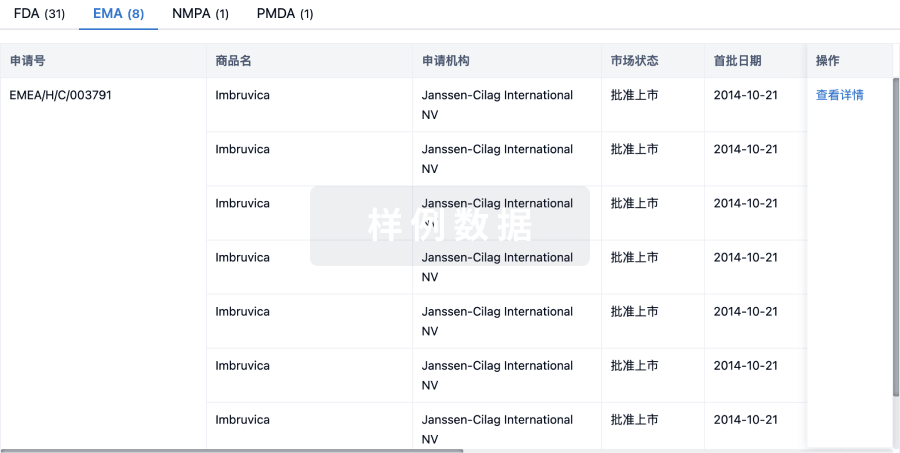
批准
利用最新的监管批准信息加速您的研究。
登录
或
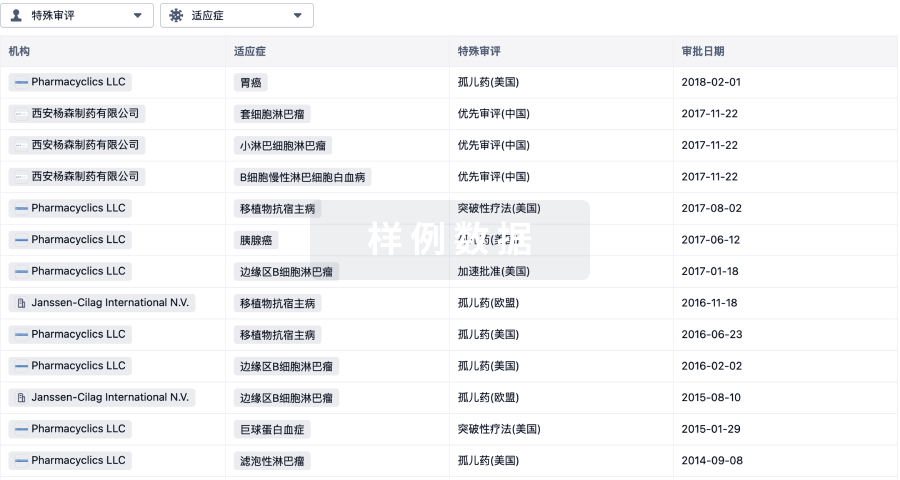
特殊审评
只需点击几下即可了解关键药物信息。
登录
或
芽仔
全新生物医药AI Agent 覆盖科研全链路,让突破性发现快人一步
立即开始免费试用!
智慧芽新药情报库是智慧芽专为生命科学人士构建的基于AI的创新药情报平台,助您全方位提升您的研发与决策效率。
立即开始数据试用!
智慧芽新药库数据也通过智慧芽数据服务平台,以API或者数据包形式对外开放,助您更加充分利用智慧芽新药情报信息。
生物序列数据库
生物药研发创新
免费使用
化学结构数据库
小分子化药研发创新
免费使用