预约演示
更新于:2026-01-15
Bafilomycins A1
巴佛洛霉素A1
更新于:2026-01-15
概要
基本信息
非在研机构- |
权益机构- |
最高研发阶段临床前 |
首次获批日期- |
最高研发阶段(中国)- |
特殊审评- |

关联
100 项与 巴佛洛霉素A1 相关的临床结果
登录后查看更多信息
100 项与 巴佛洛霉素A1 相关的转化医学
登录后查看更多信息
100 项与 巴佛洛霉素A1 相关的专利(医药)
登录后查看更多信息
1,864
项与 巴佛洛霉素A1 相关的文献(医药)2026-01-02·JOURNAL OF SPINAL CORD MEDICINE
Buyang Huanwu decoction facilitates the repair of red nucleus neurons subsequent to spinal cord injury in rats via autophagy
Article
作者: Xie, Weiqi ; Li, Liang ; Deng, Jianxiong ; Zhang, Yihui ; Li, Qiang
BACKGROUND:
To explore the effects of Buyang Huanwu Decoction (BYHWD) on neurons in the red nucleus of rats with spinal cord injury (SCI) based on autophagy.
METHODS:
120 Sprague-Dawley (SD) rats were randomly divided into 6 groups: Control Group, SCI Group, Bafilomycin A1 Group, Rapamycin Group, BYHWD low-dose group (BL Group, 6.25 g/kg), BYHWD high-dose group (BH Group, 25.00 g/kg), with 20 animals in each group. A rat rubrospinal tract (RST) transection model was established and treated for 28 days. The recovery of motor function of rats was observed through inclined plate test and spontaneous upright exploratory behavior test. Nissl's staining was used to observe the cell morphology of injured red nucleus neurons. Reverse Transcription PCR (RT-PCR) and immunofluorescence were used to detect the expression of ATG5 and Beclin1 mRNA. The Western blot method was used to observe the expression levels of Synaptophysin (SYP), Synaptosomal-associated Protein of 25 kDa (SNAP-25), Postsynaptic density protein 95 (PSD-95), ATG5, and Beclin1 proteins in red nucleus tissue.
RESULTS:
Compared with the SCI group, both BL and BH groups significantly improved the forelimb motor function and improved the status of red nucleus neurons in SCI rats. BYHWD increased SYP, SNAP-25, PSD-95, and decreased the red core Beclin1 and ATG5.
CONCLUSIONS:
BYHWD enhances synaptic regeneration and limb activity in red nucleus neurons of SCI rats by inhibiting autophagy.
2025-12-31·DRUG DELIVERY
A surrogate barrier model for high-throughput blood-brain barrier permeability prediction: integrating LLC-PK1-MOCK/MDR1 Cells and lysosomal trapping correction
Article
作者: Zhang, Qiannan ; Li, Cong ; Zhuang, Xiaomei ; Wu, Xia ; Jiang, Xue ; Zhang, Wenpeng ; Hu, Juanwen
To mitigate risks in central nervous system (CNS) drug development, we established a high-throughput in vitro blood-brain barrier (BBB) model using LLC-PK1-MOCK and LLC-PK1-MDR1 cells in a Transwell system, aiming to replicate in vivo brain distribution and elucidate permeability mechanisms. Model integrity was assessed via transepithelial electrical resistance (TEER) and efflux functionality using control drugs (atenolol, digoxin). Bidirectional transport studies of 41 compounds quantified permeability (Papp), efflux ratios (ER), and recoveries, while in vivo brain distribution parameters (Kp,uu,brain) were derived from literature and rat studies. The model demonstrated critical BBB features: tight junction integrity (TEER > 70 Ω·cm2), P-gp efflux activity (digoxin ER = 5.10 ~ 17.12), and discrimination of passive diffusion (63.41% of drugs) from transporter-mediated mechanisms (19.5% P-gp substrates). A training set of 20 randomly selected drugs revealed a robust correlation between MDR1-derived Papp(A-B) and Kp,uu,brain (R = 0.8886), with the remaining 21 compounds validating predictive accuracy (≤2-fold error). Four alkaloids exhibiting low recovery (<80%) due to lysosomal trapping were corrected using Bafilomycin A1, aligning their permeability with in vivo outcomes. These results position the LLC-PK1-MOCK/MDR1 model as a reliable surrogate tool for early CNS drug screening, enabling rapid prioritization of candidates based on BBB penetration potential. Its integration into preclinical workflows promises to accelerate the development of therapeutics for neurological disorders.
2025-12-31·Adipocyte
WDR4-mediate tRNA m7G modification to promote mitophagy and browning of white adipose tissue for ameliorating obesity in male mice
Article
作者: Liu, Zhigu ; Xu, Wen ; Yang, Yanling ; Mu, Panwei ; Wang, Chaofan ; Lin, Beisi ; Li, Yonghui
OBJECTIVE:
Brown adipose tissue activation is a potential anti-obesity strategy. N7-methylguanosine (m7G) modification is a novel RNA epigenetic modification, but its role in adipose metabolism remains unexplored.
METHODS:
Male mice were fed a high-fat diet (HFD), followed by PCR array screening. Gain-of-function experiments and TRAC-seq were employed to explore WDR4 function.
RESULT:
A Mouse Epigenetic Modification Enzymes PCR Array revealed that WDR4 expression showed the most pronounced downregulation in HFD mice. Overexpression of WDR4 in 3T3-L1 cells and primary adipocytes significantly increased UCP1 expression and suppressed lipid droplet formation, and enhanced mitophagy as evidenced by mitochondrial ultrastructure, autophagic vesicles, and LC3 expression. Suppression of mitophagy using 3-MA and bafilomycin A1 attenuated WDR4-induced adipocyte browning. WDR4 overexpression enhanced translational activity and reshaped the tRNA m7G methylome in 3T3-L1 adipocytes, specifically induced 38 unique tRNA m7G modification sites, and increasing cleavage scores of multiple tRNAs. GSE229240 dataset revealed that WDR4 mutation significantly reduced translation efficiency of 195 genes enriched in the TGF-β signalling , including BMP8B. Knockdown of BMP8B partially counteracted WDR4-mediated mitophagy.
CONCLUSION:
WDR4 promotes adipocyte browning by enhancing BMP8B translation through tRNA m7G modification, revealing a novel m7G epitranscriptomic mechanism with therapeutic potential for obesity.
11
项与 巴佛洛霉素A1 相关的新闻(医药)2025-12-20
1. 市场概览:小分子调节剂在科研与药物发现中的核心价值
小分子调节剂是指分子量通常低于1000道尔顿的低分子化合物,能够高选择性地调节或阻断特定生物靶标(如酶、受体、离子通道、转录因子等)的活性。在生命科学研究与药物早期发现领域,这类化合物作为关键工具分子,扮演着不可或缺的角色。与最终成药的小分子药物不同,科研用小分子调节剂的核心价值在于其工具属性——它们被专门设计用于验证靶点生物学功能、解析信号通路机制、建立疾病模型,以及进行高通量药物筛选。
从作用机制上看,小分子调节剂是一个广义概念,涵盖多种功能类型:抑制剂通过占据靶蛋白的活性位点或变构位点,阻断其生物功能;激动剂模拟内源性配体,激活受体或酶活性;拮抗剂则与激动剂竞争结合位点,阻止其激活效应。此外,还有变构调节剂、降解剂(如PROTAC)等新型机制分子。这些工具分子构成了现代生命科学研究的化学探针工具箱,是连接基础生物学发现与临床应用转化的桥梁。
全球范围内,小分子调节剂市场与生物医药研发投入密切相关。根据QYResearch的最新调研,2024年全球小分子抑制剂市场规模已达到约971.5亿美元,预计到2031年将增长至1584.1亿美元,2025-2031年期间的复合年增长率(CAGR)为7.0%。这一庞大的市场既包含已上市的治疗性药物,也包含大量用于科研与药物发现的工具化合物。值得关注的是,中国市场增速显著高于全球平均水平,这得益于国内基础研究经费的持续增长、生物医药产业的快速崛起以及“国产替代”战略的深入推进。
表1:全球与中国小分子调节剂市场关键指标对比(2024年)
指标维度
全球市场
中国市场
中国市场特点
市场规模
971.5亿美元(小分子抑制剂)
约260亿元(生物科研试剂整体)
增速快,潜力大
主要驱动力
肿瘤、自身免疫疾病药物研发
基础科研投入+生物医药产业发展
政策驱动明显
竞争格局
跨国巨头主导(Merck、Sigma、Cayman等)
外资主导,本土企业快速崛起
国产替代空间广阔
增长预测
2025-2031年CAGR约7.0%
2019-2024年CAGR约13.8%
高于全球增速
主要应用
药物研发、临床诊断、基础研究
高校科研、药企早期研发、CRO服务
应用场景多元化
2. 中国市场规模分析
2.1 整体生物科研试剂市场概况
要准确理解小分子调节剂的市场规模,首先需要将其置于中国生物科研试剂的大框架下进行分析。生物科研试剂是生命科学研究的“基石”,涵盖分子生物学试剂、蛋白类试剂、细胞生物学试剂以及小分子调节剂等多个类别。
根据Frost & Sullivan的权威数据以及多家国内证券研究机构的分析,中国生物科研试剂市场呈现出快速增长的态势。2023年,中国生物试剂行业市场规模估计为236.5亿元,而到2024年,这一数字预计将增长至260亿元。东方财富的一份行业研报进一步印证了这一趋势,报告指出中国生命科学领域资金投入增速迅猛,预计年复合增长率(CAGR)为18.8%,将从2019年的866亿元增长到2025年的2434亿元,这将直接带动研发端生命科学试剂行业的快速扩容。
从市场结构来看,生物科研试剂内部呈现明显的细分格局。以2020年的数据为例,分子生物学试剂(如PCR相关试剂、克隆试剂等)占据了市场的49.5%,是最大的细分板块;蛋白类生物试剂(如抗体、重组蛋白、酶等)占比31.2%;而细胞生物学试剂(如细胞培养液、转染试剂、小分子调节剂等)占比约为19.3%。小分子调节剂作为细胞生物学试剂和蛋白功能研究试剂的重要组成部分,其市场规模可以在此框架下进行估算。
2.2 小分子调节剂细分市场规模估算
尽管缺乏关于科研用小分子调节剂市场规模的绝对精确的独立统计数据,但通过行业分析、企业调研和市场结构推演,我们可以对其形成可靠的定量判断。
综合多家市场研究机构的观点和产业链信息,目前业内普遍认为,小分子调节剂约占整个生物科研试剂市场的15%-25%。这一比例来源于几个关键考量:首先,在基础科研和药物发现中,小分子探针是验证信号通路和靶点功能的首选工具,需求刚性且持续;其次,随着化学蛋白组学、表观遗传学等前沿领域的发展,对特异性小分子工具的需求日益增长;最后,相较于部分标准化程度高的分子生物学试剂,小分子调节剂品类繁多、定制化程度高,附加值也相对较高。
基于260亿元的生物科研试剂总盘子和15%-25%的占比区间进行估算,可以得出,2024年中国科研与早期药物发现用小分子调节剂的市场规模大约在39亿元至65亿元人民币之间。取其中位数,约为52亿元。这个规模与国内蓬勃发展的生物医药研发(尤其是临床前研究)投入高度匹配。众多高校、科研院所、制药企业、生物技术公司和CRO/CDMO机构构成了这一市场的核心客户群。
表2:中国科研用小分子调节剂市场规模估算(2024年)
估算依据
数值/比例
数据来源/说明
中国生物科研试剂总规模(2024)
260亿元
Frost & Sullivan,中商产业研究院
小分子调节剂占比(估算)
15% - 25%
行业共识,基于产品结构与应用广度
小分子调节剂市场规模(区间)
39亿元 - 65亿元
计算得出
市场规模中位数
约52亿元
作为市场规模的参考基准
主要驱动因素
1. 生命科学研发投入增长(CAGR 18.8%) 2. 创新药研发热潮 3. 国产替代政策支持
西南证券行业研报
下游客户分布
高校/科研机构(约40%)、药企/Biotech(约35%)、CRO/CDMO(约25%)
基于供应链调研的典型分布
2.3 市场增长动力与未来展望
中国小分子调节剂市场的快速增长并非偶然,而是由多重动力共同驱动:
政策与资金驱动:国家在生命科学领域持续加大投入,各类科研基金和产业扶持政策为实验室提供了充足的经费,用于购买包括小分子调节剂在内的科研试剂。
产业需求拉动:中国生物医药产业已从“仿制为主”转向“创新引领”,本土药企和Biotech公司在新靶点发现、先导化合物筛选和优化阶段,对小分子调节剂的需求呈指数级增长。
技术迭代推动:新技术如PROTAC、分子胶、共价抑制剂等对小分子工具提出了新的要求,推动了产品品类的扩充和升级,带动了市场价值提升。
供应链安全与国产替代:在国际贸易环境存在不确定性的背景下,保障科研供应链的自主可控成为国家战略。本土试剂企业在产品质量、价格、供货速度和服务响应上的优势日益凸显,加速了进口替代进程。
展望未来,预计到2027年,中国科研用小分子调节剂市场有望突破80亿元大关。增长将不仅来自数量的增加,更来自于产品结构的升级——高附加值、高特异性的新型调节剂(如选择性降解剂、变构调节剂)占比将不断提升。
3. 产品分类体系:多维度的科学划分
小分子调节剂种类浩如烟海,科学的分类体系有助于我们理解其全貌。在实际科研和商业应用中,通常采用以下多维分类方式:
3.1 按作用机制分类(核心分类)
这是最基础、最直观的分类方式,直接反映了化合物与靶标相互作用的生物学后果。
抑制剂:最大且最核心的类别。指能降低或完全阻止靶蛋白(通常是酶)生物活性的分子。根据作用方式可分为:
可逆抑制剂:通过非共价相互作用(氢键、疏水作用等)与靶点结合,作用可逆。如大部分激酶抑制剂。
不可逆抑制剂(共价抑制剂):通过活性化学基团与靶蛋白活性位点的特定氨基酸残基形成共价键,实现持久抑制。如BTK抑制剂依鲁替尼的类似探针。
激动剂:能够结合并激活受体,产生与内源性配体相似或更强生物学效应的分子。例如,Forskolin是腺苷酸环化酶的直接激动剂,广泛应用于cAMP信号通路研究。
拮抗剂:能够结合受体,但不激活其活性,从而阻断内源性激动剂或外源性激动剂作用的分子。例如,CNQX是一种经典的竞争性AMPA/海藻酸受体拮抗剂,在神经科学研究中广泛应用。
变构调节剂:不直接结合靶蛋白的活性位点,而是结合其其他区域(变构位点),通过引起构象变化来调节活性。可分为正性变构调节剂(增强活性)和负性变构调节剂(减弱活性)。
降解剂:新兴类别,以PROTAC为代表。这类分子是双功能小分子,一端结合靶蛋白,另一端结合E3泛素连接酶,从而给靶蛋白“贴上”泛素标签,引导其被蛋白酶体降解。这是一种事件驱动的药理模式,与传统“占位驱动”的抑制剂有本质区别。
3.2 按靶点类型分类(应用导向分类)
这是药物发现和靶向研究中最常用的分类方式,直接关联疾病领域和研究方向。
激酶抑制剂:规模最大的类别。针对蛋白激酶家族,在肿瘤、炎症等领域研究至关重要。可进一步细分为酪氨酸激酶抑制剂(如EGFR、VEGFR抑制剂)、丝氨酸/苏氨酸激酶抑制剂(如AKT、mTOR抑制剂)等。QYResearch报告中将激酶抑制剂列为小分子抑制剂的首要细分类型。
GPCR调节剂:G蛋白偶联受体是最大的药物靶标家族。包括GPCR的激动剂、拮抗剂和变构调节剂,涉及神经、心血管、代谢等多个疾病领域。
离子通道调节剂:调节钠、钾、钙等离子通道的开放与关闭,主要用于神经科学、心脏电生理研究。
核受体调节剂:作用于类固醇激素受体、甲状腺激素受体等核受体,用于内分泌、代谢疾病和癌症研究。
表观遗传学靶点调节剂:针对组蛋白去乙酰化酶、组蛋白甲基转移酶、DNA甲基转移酶等,是肿瘤和神经系统疾病研究的热点。
蛋白酶体与蛋白酶抑制剂:如蛋白酶体抑制剂用于多发性骨髓瘤研究,半胱天冬酶抑制剂用于细胞凋亡研究。
其他酶类抑制剂:涵盖磷酸二酯酶、环氧合酶、拓扑异构酶等众多酶家族。
3.3 按化学结构或来源分类
天然产物及其衍生物:来源于植物、微生物等,具有复杂的化学结构和多样的生物活性,是药物先导化合物的重要来源。
合成小分子:通过有机合成获得,是现代药物化学和科研试剂的主体。可根据核心骨架进一步细分,如喹唑啉类、吲哚类、嘧啶类等。
肽模拟物:模拟生物活性肽的结构和功能,但具有更好的代谢稳定性和细胞膜穿透性。
3.4 按应用领域分类
肿瘤研究:占比最高的应用领域,涵盖细胞增殖、凋亡、代谢、免疫逃逸等几乎所有相关靶点的调节剂。
神经科学研究:包括神经递质受体调节剂、离子通道调节剂、神经营养因子信号通路调节剂等。
免疫与炎症研究:针对炎症因子、炎症信号通路、免疫细胞活化相关靶点的调节剂。
代谢性疾病研究:针对糖尿病、肥胖、脂肪肝等相关靶点的调节剂。
心血管疾病研究:针对血压调节、凝血、心脏功能相关靶点的调节剂。
感染性疾病研究:针对病毒、细菌、真菌生命周期关键蛋白的抑制剂。
干细胞与再生医学:用于调控干细胞干性、定向分化的关键小分子,如Y-27632(ROCK抑制剂)在类器官培养中不可或缺。
表3:小分子调节剂的多维度分类体系概览
分类维度
主要类别
典型代表/子类
科研与商业意义
作用机制
抑制剂
可逆/不可逆抑制剂
定义化合物的基本功能属性
激动剂
完全激动剂、部分激动剂
拮抗剂
竞争性/非竞争性拮抗剂
变构调节剂
正性/负性变构调节剂
降解剂
PROTAC、分子胶
代表前沿技术方向
靶点类型
激酶调节剂
EGFR、VEGFR、BTK、CDK抑制剂
最大类别,与肿瘤研究强相关
GPCR调节剂
肾上腺素能受体、阿片受体调节剂
最大药物靶标家族
离子通道调节剂
钠通道、钙通道阻滞剂
神经、心脏研究核心
表观遗传调节剂
HDAC、DNMT抑制剂
肿瘤、神经疾病前沿领域
蛋白酶/蛋白酶体抑制剂
蛋白酶体抑制剂、Caspase抑制剂
血液肿瘤、凋亡研究
应用领域
肿瘤研究
涵盖上述多数靶点
需求最大、最活跃的领域
神经科学研究
离子通道、神经递质受体调节剂
研究复杂度高,工具需求精细
免疫与炎症研究
JAK、SYK、TLR通路调节剂
自身免疫病、免疫肿瘤学热点
干细胞研究
ROCK、TGF-β、Wnt通路调节剂
再生医学的关键工具
4. 代表性产品详解
为了让分类体系更加具象化,以下列举在国内外科研市场和早期药物发现中具有高引用率、广泛应用或代表性机制的小分子调节剂。这些产品通常由MedChemExpress (MCE)、Selleck、Tocris、Cayman、阿拉丁等知名供应商提供。
4.1 经典信号通路抑制剂
这类产品是解析细胞信号网络的“基石工具”,历史悠久,应用广泛。
LY294002:PI3K抑制剂的经典代表。作为一种可逆的ATP竞争性抑制剂,它能有效抑制PI3Kα/δ/β的活性。在科研中,它被广泛用于研究PI3K/AKT/mTOR信号通路在细胞生长、代谢、存活和自噬中的作用,是肿瘤学和细胞生物学研究的必备工具。
SB203580:p38 MAPK抑制剂。对p38α和p38β亚型具有高度选择性,常用于研究细胞应激反应、炎症和凋亡。它在阐明p38 MAPK在免疫和神经退行性疾病中的作用方面做出了重要贡献。
PD0325901:MEK1/2抑制剂。作为RAS/RAF/MEK/ERK通路的关键下游节点抑制剂,它是研究该通路在肿瘤发生、发育和细胞分化中功能的核心工具分子。
Y-27632:ROCK抑制剂。在基础科研中用于研究细胞骨架重排、细胞迁移和收缩。其革命性应用在于干细胞领域,它能通过抑制Rho激酶信号,有效减少干细胞的凋亡(失巢凋亡),显著提高类器官的培养效率和存活率,已成为类器官和干细胞研究中的标准培养基添加剂。
4.2 新兴靶点与前沿机制代表
这类产品代表了当前药物发现的最新趋势和热点方向。
JQ1:BET溴结构域抑制剂的开创性分子。它能竞争性结合BRD4等蛋白的溴结构域,阻断其与乙酰化组蛋白的结合,从而抑制致癌基因转录。JQ1是表观遗传学研究和血液肿瘤研究中的重要探针,也引领了BET抑制剂作为抗癌药物的开发浪潮。
MLN4924:NEDD8激活酶抑制剂。它通过抑制蛋白质的neddylation修饰,导致Cullin-RING E3泛素连接酶失活,从而稳定其底物蛋白。它是研究蛋白质降解调控、细胞周期和DNA损伤应答的独特工具。
PROTAC分子(如ARV-771):靶向降解剂的代表。ARV-771是一种针对BET蛋白的双功能降解剂。与JQ1仅抑制功能不同,ARV-771能直接导致BRD2/3/4蛋白的降解,效应更持久、更彻底。这类分子不仅是研究工具,其本身也是极具前景的药物候选物,代表了“事件驱动”药理学的新范式。
IMD-0354:IKKβ抑制剂。通过抑制IKK复合物活性,阻断NF-κB信号通路的激活。该通路是炎症和肿瘤的核心枢纽,因此IMD-0354是研究炎症性疾病和肿瘤免疫微环境的重要化学工具。
4.3 神经科学核心工具
CNQX:AMPA/海藻酸受体拮抗剂。作为离子型谷氨酸受体的竞争性拮抗剂,CNQX在脑切片电生理、神经元兴奋性毒性和学习记忆机制研究中是不可或缺的工具。
MK-801:非竞争性NMDA受体拮抗剂。它通过进入NMDA受体的离子通道发挥作用,用于研究精神分裂症、神经保护和兴奋性毒性模型。
Forskolin:腺苷酸环化酶的直接激动剂。它能直接激活几乎所有亚型的腺苷酸环化酶,大幅提高细胞内cAMP水平,是研究G蛋白偶联受体(Gs型)信号转导和第二信使cAMP功能的经典工具。
4.4 细胞生物学与功能研究常用分子
Bafilomycin A1:V-ATP酶抑制剂。它能特异性地抑制液泡型ATP酶,从而阻断溶酶体和内吞体的酸化过程。广泛用于自噬研究(作为自噬流晚期抑制剂)、细胞器pH调控和病毒进入机制的研究。
MG-132:蛋白酶体抑制剂。可逆地抑制26S蛋白酶体的胰蛋白酶样活性,导致细胞内泛素化蛋白的积累。是研究蛋白质降解、内质网应激和细胞凋亡的常用工具。
表4:科研用小分子调节剂代表性产品列表
产品名称
靶点/机制
主要科研应用
典型供应商
类别
LY294002
PI3K抑制剂
PI3K/AKT/mTOR通路研究,肿瘤、代谢
MCE, Selleck, Cayman
经典通路抑制剂
Y-27632
ROCK抑制剂
类器官培养、干细胞研究、细胞迁移
MCE, Tocris, 阿拉丁
经典通路抑制剂/干细胞工具
JQ1
BET溴结构域抑制剂
表观遗传调控、血液肿瘤研究
Selleck, MedChemExpress
新兴靶点抑制剂
CNQX
AMPA/海藻酸受体拮抗剂
神经电生理、兴奋性毒性研究
Tocris, Abcam, R&D Systems
神经科学工具
Forskolin
腺苷酸环化酶激动剂
GPCR (Gs)信号、cAMP通路研究
Sigma, MedChemExpress
信号通路激动剂
Bafilomycin A1
V-ATP酶抑制剂
自噬流检测、溶酶体功能研究
MedChemExpress, Sigma
细胞生物学工具
ARV-771
BET蛋白PROTAC降解剂
靶向蛋白降解技术验证、表观遗传学
MedChemExpress
前沿降解剂
IMD-0354
IKKβ抑制剂
NF-κB炎症通路研究
MedChemExpress, Selleck
炎症通路抑制剂
5. 核心供应商竞争格局
中国科研用小分子调节剂市场是一个全球化竞争、本土化崛起的典型赛道。市场参与者主要分为两大阵营:具有全球品牌和产品线优势的跨国巨头,以及凭借快速响应、成本优势和日益提升的质量进行国产替代的本土领先企业。
5.1 跨国巨头:品牌、品类与标准的主导者
Merck (含Sigma-Aldrich、Millipore):无可争议的全球领导者。其生命科学业务板块提供数十万种小分子生物活性化合物,涵盖几乎所有已知靶点。产品以高质量、高可靠性、完善的质检文件著称,是许多实验室,尤其是高端研究和工业客户的首选。其品牌溢价高,产品线深度和广度无与伦比。2024年,默克在华营收达32.98亿美元,同比增长5.8%,其生命科学业务是主要贡献者之一。
Thermo Fisher Scientific:通过收购Life Technologies、Alfa Aesar等品牌,构建了强大的科研产品组合。其小分子调节剂产品线丰富,并注重与抗体、检测试剂盒等产品形成解决方案,为客户提供一站式服务。
Cayman Chemical:在脂类信号分子、氧化应激研究相关小分子领域具有绝对权威。其产品是研究前列腺素、白细胞三烯、大麻素受体、抗氧化通路等领域的高端标准品和工具化合物。
Tocris (现属Bio-Techne):以提供高纯度的神经科学和细胞信号研究用小分子而享誉全球。其产品目录堪称神经药理学的“教科书”,许多产品是领域内的金标准。
Selleck Chemicals:专注于小分子抑制剂,以其庞大的化合物库、清晰的靶点分类和具有竞争力的价格,在全球学术界和工业界获得了广泛认可。其网站是研究人员查找抑制剂信息的常用资源。
5.2 本土领先企业:国产替代的中坚力量
本土企业正从“模仿追随”向“创新并行”转变,竞争力体现在性价比、服务速度和特定领域的深度布局。
MedChemExpress (MCE):一家具有国际影响力的中国公司。MCE以提供大量有生物活性的小分子化合物而闻名,特别在激酶抑制剂、PROTAC降解剂等前沿领域产品线布局迅速。公司注重产品创新,每年新增大量化合物,其“化合物库”产品深受高通量筛选用户的欢迎。员工规模超过500人,业务遍及全球。
上海陶素:是一家致力于服务全球研发工作者的企业,深耕化合物筛选领域十余年,公司旗下TOPSCIENCE(陶素)品牌立足于整合多年专家资源,提供便捷的 一站式采购 体验。 实现从药物虚拟筛选到实体化合物分子供应、从商业化产品销售到个性化定制合成、从对明确靶点的分子筛选到对明确分子的多靶点筛选、从 高通量筛选 到化学结构优化的全流程服务模式。
上海阿拉丁:A股上市公司,是国内科研试剂领域的标杆企业。阿拉丁自主生产并提供数万种小分子调节剂,覆盖基础研究到药物发现的多个环节。其优势在于稳定的供应链、严格的质量控制、丰富的现货库存以及覆盖全国高校和科研机构的直销与经销商网络。公司业绩持续增长,2024年销售收入达5.34亿元,体现了强大的市场扩张能力。
上海源叶:国家级高新技术企业,专注于生化试剂和小分子抑制剂的研发与销售。其特色是提供小规格包装,灵活满足高校实验室小剂量、多品种的采购需求,客户粘性高。2024年销售额达到1.5亿元,服务客户超过5000家经销商及数万家终端科研单位。
百奥赛图等模式动物公司:它们不仅提供动物模型,也围绕其验证的靶点开发配套的药理学工具化合物,形成了从靶点验证到药效评价的闭环服务,在特定的疾病模型领域构建了独特优势。
表5:主要供应商竞争力对比分析
供应商
国别/类型
核心优势
产品特点
市场定位
Merck (Sigma)
跨国巨头
品牌信誉、品类齐全、质量全球标准、技术文档完善
超高纯度,覆盖极广,价格较高
高端科研、大型药企、合规要求严格的工业客户
Selleck
跨国专业品牌
抑制剂领域专业、信息透明、性价比优于一线巨头
专注于抑制剂,更新快,包装灵活
学术界、Biotech公司、药物筛选
MedChemExpress (MCE)
本土领先
产品创新速度快、前沿领域布局早、性价比高
大量活性化合物,PROTAC等新品多
全球学术界、工业界,注重前沿研究的客户
阿拉丁
本土上市龙头
供应链自主可控、现货库存丰富、国内渠道深入
品类覆盖广,规格多样,质量稳定
国内高校、科研院所、中小型药企和CRO
源叶生物
本土成长型
服务灵活、小包装优势、响应速度快
满足小剂量、多品种需求,定制能力强
高校实验室、初创科研团队
6. 市场驱动力、挑战与未来趋势
6.1 核心驱动力
国家战略与研发投入:“健康中国”和创新驱动发展战略下,国家自然科学基金、重点研发计划等持续加大生命科学投入,直接拉动了科研试剂需求。
生物医药产业创新浪潮:本土创新药企进入靶点前移的“深水区”,对用于靶点验证和先导化合物筛选的高质量、特异性小分子探针需求激增。
国产替代与供应链安全:在中美科技竞争背景下,实现关键科研试剂的自主可控成为共识。政策鼓励采购国产试剂,为本土企业创造了历史性机遇。
技术交叉与学科融合:化学生物学、计算化学、结构生物学的进步,使得理性设计新型小分子调节剂成为可能,不断创造新的市场增长点。
6.2 面临的主要挑战
高端产品技术壁垒:在超高选择性抑制剂、复杂天然产物衍生物、新型降解剂等领域,跨国企业在专利、工艺和技术诀窍上仍有明显优势。
质量与品牌认知:部分下游用户,尤其是高端工业客户,对国产试剂的质量稳定性和数据可靠性仍存疑虑,品牌信任度的建立需要时间。
市场竞争加剧:本土企业数量增多,同质化竞争在部分常规产品上开始出现,可能导致价格战,压缩利润空间。
人才短缺:既懂药物化学又懂生物学应用的复合型研发人才,以及具有国际视野的市场人才严重短缺。
6.3 未来发展趋势
产品向“新”与“深”发展:市场增长将从数量扩张转向质量升级。针对“不可成药”靶点(如KRAS G12C、SHP2)的变构抑制剂、PROTAC降解剂、分子胶、共价抑制剂等前沿机制产品将成为竞争焦点和价值高地。
服务化与解决方案化:单纯的化合物销售将向“产品+数据+服务”模式转变。供应商将提供化合物活性数据、使用protocol、甚至与CRO合作提供表型筛选服务,成为研究伙伴。
数字化与智能化赋能:人工智能将广泛应用于虚拟化合物库设计、ADMET性质预测和合成路线规划,极大提升新工具分子的发现效率。在线产品数据库、采购平台也将成为标准配置。
产业链纵向整合:头部试剂企业可能向上游延伸,布局关键中间体和砌块的生产,以保障供应链安全;向下游与CRO、模式动物公司合作,提供端到端的靶点验证解决方案。
全球化布局加速:领先的中国企业如MCE、阿拉丁等,将继续拓展海外市场,从“中国制造”走向“中国品牌”,参与全球竞争。
综上所述,中国科研与早期药物发现用小分子调节剂市场正处在一个规模快速扩张、结构持续升级、竞争格局重塑的黄金发展期。预计2024年市场规模在39-65亿元之间,并将在产业创新和国产替代双轮驱动下保持高速增长。
从产品维度看,市场已超越基础的信号通路抑制剂,向表观遗传、蛋白降解、变构调节等前沿领域快速演进。从竞争格局看,“外资主导、国产崛起”的态势愈发清晰,本土企业在特定赛道和客户服务上已形成差异化优势。
展望未来,这个市场的胜负手将取决于企业能否在前沿产品创新、质量体系构建、专业服务能力和全球化运营上取得突破。对于下游的科研人员和药物发现者而言,一个更加丰富、高效、可靠的国产小分子工具生态系统,必将为中国乃至全球的生命科学创新注入更强大的动力。
免责条款:本文内容仅代表作者观点,供行业交流参考,不构成任何投资或应用建议,如有侵权,请联系小编,多谢❀❀❀
蛋白降解靶向嵌合体
2025-10-19
·生物通
在药物研发领域,传统小分子抑制剂面临着难以靶向"不可成药"靶点的重大挑战。这些靶点通常缺乏明确的活性位点,或者其功能依赖于蛋白-蛋白相互作用,使得常规的抑制策略难以奏效。靶向蛋白降解(Targeted Protein Degradation, TPD)技术的出现为这一困境带来了突破性解决方案,其中蛋白降解靶向嵌合体(PROTAC)和分子胶水降解剂(Molecular Glue Degraders, MGDs)等新兴模式备受关注。
然而,当前TPD药物发现主要集中于双功能降解剂,这些分子通常面临口服生物利用度差、中枢神经系统渗透性不佳等药代动力学挑战。相比之下,单价降解剂具有分子量小、类药性好的优势,但其发现过程却充满挑战。传统的理性设计方法需要预先了解靶蛋白和E3连接酶的配体信息,这大大限制了其应用范围。正是在这样的背景下,研究人员开始探索无偏倚细胞筛选策略,希望能够直接从化合物库中发现具有降解活性的单价小分子。
这项发表在《npj Drug Discovery》的研究系统阐述了基于细胞的高通量筛选方法在单价降解剂发现中的应用价值。研究人员指出,无偏倚筛选的最大优势在于能够同时利用细胞内表达的多种E3连接酶和内生性降解途径,为靶蛋白降解提供更多可能性。与传统的理性设计相比,这种方法不依赖于特定的E3连接酶,而是充分利用细胞自身的降解机制,从而有可能发现通过全新机制发挥作用的降解剂。
研究详细阐述了八种不同的细胞降解机制(图1),包括直接作用的分子胶水降解剂、适配体分子胶水降解剂、变构作用降解剂、化合物诱导的靶蛋白多聚化、蛋白-蛋白相互作用破坏、信号通路干扰、亚细胞定位改变以及特异性蛋白去稳定化。每种机制都配有具体的化合物实例,如(S)-ACE-OH通过招募TRIM21连接酶降解核孔蛋白,BI-3802通过诱导BCL6多聚化促进其降解等。
在关键技术方法方面,研究团队重点介绍了适用于降解剂筛选的细胞水平检测技术。这些方法主要包括:基于均相时间分辨荧光(HTRF)的检测系统,利用抗体对靶蛋白进行特异性检测;AlphaScreen?/AlphaLISA技术,通过供体-受体珠的邻近效应产生信号;HiBiT标记系统,通过小肽标签与LgBiT蛋白的互补重构来定量蛋白丰度;以及高内涵成像(HCI)技术,能够在单细胞水平同时监测靶蛋白降解和细胞活力等多参数指标。这些技术均适用于384孔板规格,满足高通量筛选的自动化需求。
细胞降解机制的多樣性研究
直接作用的分子胶水降解剂能够同时与靶蛋白和E3连接酶结合,直接促进两者之间的表面相互作用。典型的例子包括沙利度胺等免疫调节剂(IMiDs),它们与cereblon(CRBN)结合后能够招募多种新底物。最近发现的(S)-ACE-OH是acepromazine的代谢产物,它能够招募TRIM21连接酶到NUP98,从而降解核孔蛋白。值得注意的是,通过不同的筛选策略(细胞表型筛选与DNA编码库筛选)发现了结构各异但功能相似的TRIM21配体,如HGC652、PRLX 93936和BMS-214662,这表明TRIM21能够容纳多样化的化学结构来诱导蛋白降解。
适配体分子胶水降解剂通过中间适配蛋白间接介导靶蛋白与E3连接酶的相互作用。(R)-CR8是这类机制的典型代表,它直接结合CDK12,进而诱导与泛素连接酶组分DDB1的结合,最终导致细胞周期蛋白CCNK的降解。有趣的是,后续研究发现更小分子的化合物如919278和dCemm3也能够有效诱导CDK12-DDB1三元复合物的形成,这表明即使是类先导化合物也能够产生分子胶水效应。目前基于这一机制的CT7439已经进入临床一期评估阶段。
变构作用降解剂通过诱导其直接结合伴侣发生构象变化,从而促进与其他蛋白的相互作用。VVD-130037是一个代表性例子,它共价结合KEAP1后不是抑制而是激活其功能,通过变构调节增强KEAP1与CUL3连接酶支架的相互作用,从而促进NRF2的泛素化和降解。类似的,selinexor通过共价结合XPO1并诱导其构象变化,使其能够被ASB8识别而降解。
化合物诱导的靶蛋白多聚化是另一种重要机制。BCL6降解剂BI-3802能够促进BCL6多聚化,这一过程增强了BCL6与其生理性E3连接酶SIAH1的相互作用,导致有效的多聚泛素化和蛋白酶体降解。从BI-3802优化得到的CCT369260在淋巴瘤异种移植小鼠模型中显示出体内BCL6降解活性。
蛋白-蛋白相互作用破坏也能够导致靶蛋白降解。MEIOB-SPATA22相互作用抑制剂isocotoin能够破坏这两个蛋白的复合物形成,导致两者的降解,这与遗传学证据一致,表明未复合的蛋白更容易被降解。类似的,HSP90与其客户蛋白的相互作用对维持客户蛋白稳定性至关重要,破坏这种相互作用会导致客户蛋白降解。
信号通路干扰提供了一种间接的降解机制。SI-3化合物通过抑制CSK激酶活性,可能通过激活LYN并诱导其自身磷酸化,产生磷酸化降解信号,最终被CBL泛素连接酶识别而降解。虽然SI-3本身结构复杂,不太可能存在于HTS库中,但这个例子说明了通过小分子干扰激酶信号通路来诱导降解的概念。
亚细胞定位改变影响蛋白周转率的机制在BLK激酶的降解中得到体现。TAK285能够将BLK从质膜重新定位到细胞质,在细胞质中泛素-蛋白酶体介导的BLK周转率更高。令人惊讶的是,TAK285诱导的降解似乎不依赖于其与BLK的直接结合,这表明化合物可能通过间接机制影响靶蛋白的周转。
特异性蛋白去稳定化机制利用细胞蛋白质量控制体系。共价配体158G12能够 destabilize PIN1蛋白,这种去稳定化与细胞系统中PIN1的降解相关,且依赖于蛋白酶体途径。类似的,SM875结合PrP蛋白的折叠中间体,阻止其完全折叠,使其被识别为错误折叠多肽而被溶酶体降解。
高通量筛选策略的实施要点
研究强调,基于细胞的降解剂筛选成功的关键在于建立稳健的、可规模化的检测方法。筛选策略可分为内源性系统和工程化系统两大类。内源性系统直接检测天然表达的靶蛋白水平,更能反映生理条件下的降解效果,但受限于检测抗体的可用性。工程化系统通过引入标签蛋白来增强检测灵敏度,但可能改变靶蛋白的正常调控和定位。
研究团队提出了一个通用的降解剂筛选工作流程(图2):首先开发HTS兼容的检测方法,进行单浓度初筛;通过反筛排除技术干扰和细胞毒性造成的假阳性;进行浓度-反应实验评估效力;通过正交验证确认降解活性;最后进行机制解析和选择性研究。整个流程中,细胞活力反筛是排除假阳性的关键步骤。
化合物库策略对筛选成功至关重要。研究指出,当前大多数分子胶水发现都基于IMiD(免疫调节剂)骨架,这导致了三个主要问题:IMiD骨架本身在体内不稳定,衍生物存在药代动力学限制;知识产权空间拥挤;过度依赖cereblon作为E3连接酶。无偏倚活细胞筛选能够克服这些限制,利用多样性、类先导化合物库(分子量<450)发现能够招募任何细胞内E3连接酶的新颖胶水 motif。
机制解析的技术路径
降解剂hit化合物的机制解析是细胞筛选后的关键步骤。研究团队系统比较了多种机制解析方法:
通过使用特异的通路抑制剂可以快速确定降解机制的大致类别。蛋白酶体抑制剂(如bortezomib、MG132)、泛素激活酶抑制剂(MLN7243)、NAE1抑制剂(MLN4924)等可以帮助确定降解是否依赖于泛素-蛋白酶体系统。溶酶体途径抑制剂(bafilomycin A1、chloroquine)可用于检测溶酶体依赖的降解。蛋白质合成抑制剂(cycloheximide)实验有助于区分特异性降解和全局蛋白合成抑制。
CRISPR筛选作为一种遗传学方法,能够系统性敲除单个基因,从而识别参与小分子诱导降解的蛋白和通路。针对泛素-蛋白酶体系统组分的聚焦筛选或全基因组筛选都能够发现特定的E3连接酶或其他效应分子。这种方法在发现DCAF16作为GNE11诱导BRD4降解的E3连接酶中得到了成功应用。
CETSA?(细胞热转移实验)直接评估化合物与靶标的结合情况。基于配体结合后蛋白热稳定性变化的原理,CETSA-MS(质谱联用)能够在全蛋白质组范围内识别化合物结合靶点。类似地,有限蛋白酶解质谱(LiP-MS)通过检测小分子结合引起的蛋白构象变化来识别靶标,这种方法甚至能够提供潜在的结合位点信息。
亲和纯化是最直接的靶标识别方法,通过将小分子固定在固相支持物上,从细胞或细胞裂解液中纯化结合伴侣。这种方法在发现沙利度胺靶点cereblon的过程中发挥了关键作用,但需要对原始hit化合物进行衍生化,这可能需要大量的化学优化。
研究结论与展望
这项研究系统阐述了无偏倚细胞筛选在单价降解剂发现中的重要作用,强调了多种细胞机制在靶蛋白降解中的应用价值。研究表明,基于细胞的筛选方法不仅能够发现传统的分子胶水降解剂,还能够揭示通过变构调节、蛋白多聚化、亚细胞定位改变等新颖机制发挥作用的降解剂。
研究人员指出,随着蛋白质组学技术的进步,未来可能实现对可检测蛋白质组进行蛋白丰度调节化合物的筛选。通过评估化合物混合物对治疗相关蛋白表达谱的影响,可以大幅扩展化合物、靶标和效应蛋白的组合数量。此外,无偏倚细胞筛选的应用范围有望从降解剂扩展到蛋白稳定剂等其他效应模式。
这项研究为靶向蛋白降解领域提供了重要的方法论指导,强调了细胞筛选在发现新颖降解机制方面的独特优势。随着筛选技术和机制解析方法的不断完善,无偏倚筛选策略有望为"不可成药"靶点的药物开发提供更多创新解决方案,最终为患者带来新的治疗选择。
蛋白降解靶向嵌合体
2025-08-26
铁死亡(ferroptosis)自 2012 年被提出以来,逐渐成为肿瘤和神经退行性疾病等研究的热点。作为一种新型的细胞死亡方式,它以铁依赖性脂质过氧化为核心机制。然而,铁是如何在细胞内积累并推动铁死亡的?这其中的关键过程一直没有完全厘清。
2025年8月25日,纪念斯隆-凯特琳癌症中心(MSKCC)姜学军研究团队(纪念斯隆-凯特琳癌症中心的刘雪松博士和赵泽川博士是本文的第一作者)在 Molecular Cell 杂志发表题为“Endocytosis is essential for cysteine-deprivation-induced ferroptosis”的研究论文,揭示了细胞内吞介导的铁累积在半胱氨酸缺乏诱导的铁死亡中的重要作用。这一发现不仅颠覆了以往人们对溶酶体抑制剂作用机制的认识,也提示铁死亡可能存在不同的执行路线。
铁死亡:铁依赖的磷脂过氧化所介导的细胞死亡方式
顾名思义,铁死亡需要铁依赖的脂质过氧化和细胞破裂。要发生铁死亡,需要同时满足三个条件:
1.含有多不饱和脂肪酸的磷脂(PUFA-PLs),是被氧化的底物;
2.细胞中存在活性铁,为氧化反应提供“燃料”;
3.细胞防护机制失效,让磷脂过氧化得以积累。
为了避免该过程,细胞建立了多重保护机制,其中最重要的是谷胱甘肽过氧化物酶4(GPX4),利用谷胱甘肽(GSH)清除膜上的脂质过氧化物。
因此,铁死亡通常通过两条主要途径被触发:
1.直接抑制GPX4,例如利用小分子化合物 RSL3;
2.去除培养基中的胱氨酸或抑制谷氨酸/胱氨酸逆向转运体xCT的活性(例如利用IKE)。这一诱导方式被普遍认为是通过使细胞中的半胱氨酸或谷胱甘肽缺乏,间接让 GPX4 失效。
溶酶体抑制剂:真的是“自噬”的作用吗?
既往研究显示:溶酶体抑制剂(如Bafilomycin A1、Concanamycin A、氯喹)能够有效抑制铁死亡。学界普遍认为,这是因为它们阻断了铁蛋白自噬(ferritinophagy),减少了铁的释放。然而,研究人员的结果却令人意外:在自噬缺陷(ATG5/ULK1/ULK2-triple-KO, FIP200-KO)细胞里,这些抑制剂依然强效阻断铁死亡;说明溶酶体抑制剂的作用远不止于自噬。
内吞作用:铁死亡的必需环节
研究人员进一步发现,真正的关键在于转铁蛋白(Transferrin)的内吞过程:半胱氨酸缺乏时,细胞依赖转铁蛋白受体(Transferrin Receptor,TFRC)介导的内吞;一旦阻断内吞,无论是通过药物抑制Dynamin,还是利用 dTAG 技术降解内吞关键蛋白 AP2M1,铁死亡就几乎完全被抑制。相反,如果直接补充不依赖内吞作用即可被细胞吸收的柠檬酸铁铵(ferric ammonium citrate, FAC),即使阻断内吞,细胞依然会进行铁死亡。
这一机制解释了:为什么溶酶体抑制剂如此有效地长时间抑制铁死亡——它们阻断了内吞所需的内体酸化过程,而不是单纯抑制自噬。
不同铁死亡诱因,对铁的依赖不同
有趣的是,研究人员通过HaloTag标记转铁蛋白受体TFRC结合荧光转铁蛋白偶联物(Transferrin, Alexa Fluor™ 488 Conjugate)进行活细胞成像,还发现半胱氨酸缺乏诱导的铁死亡(CDI ferroptosis)发生时,细胞不仅依赖内吞获取铁,并且更加强烈、迅速地摄取铁。然而,研究人员无论是使用溶酶体抑制剂,还是直接抑制细胞内吞,都无法阻止RSL3诱导的铁死亡。该结果提示铁死亡并非单一路径,而是存在不同的执行模式。
综上,该研究不仅重新解读溶酶体抑制剂对于铁死亡作用的经典结果,更刷新了铁死亡领域的基本认知。铁死亡过程中的“铁逻辑”似乎比既往认知中更复杂,该领域内许多研究者普遍认为铁死亡的发生必然依赖、伴随着细胞中铁的累积和增加,但本研究证明了这一普遍认知是错误的:细胞内铁的增加只在某些条件下对铁死亡是必需的(比如半胱氨酸缺乏诱导的铁死亡);相反的,直接抑制GPX4所诱导的铁死亡虽然需要铁,但在这种条件下铁死亡的发生并不依赖细胞内铁的增加。这一发现对铁死亡研究领域具有重大意义,也提示铁在不同诱导途径下的作用存在差异,为重新审视铁稳态与 铁死亡关系及其潜在治疗价值提供了重要启示。
原文链接:
https://www.cell.com/molecular-cell/abstract/S1097-2765(25)00656-2
学术合作组织
(*排名不分先后)
战略合作伙伴
(*排名不分先后)
·
转载须知
【非原创文章】本文著作权归文章作者所有,欢迎个人转发分享,未经作者的允许禁止转载,作者拥有所有法定权利,违者必究。
BioArt
Med
Plants
人才招聘
近期直播推荐
点击主页推荐活动
关注更多最新活动!
100 项与 巴佛洛霉素A1 相关的药物交易
登录后查看更多信息
研发状态
10 条进展最快的记录, 后查看更多信息
登录
| 适应症 | 最高研发状态 | 国家/地区 | 公司 | 日期 |
|---|---|---|---|---|
| 细菌感染 | 临床前 | 德国 | 1984-01-01 |
登录后查看更多信息
临床结果
临床结果
适应症
分期
评价
查看全部结果
| 研究 | 分期 | 人群特征 | 评价人数 | 分组 | 结果 | 评价 | 发布日期 |
|---|
No Data | |||||||
登录后查看更多信息
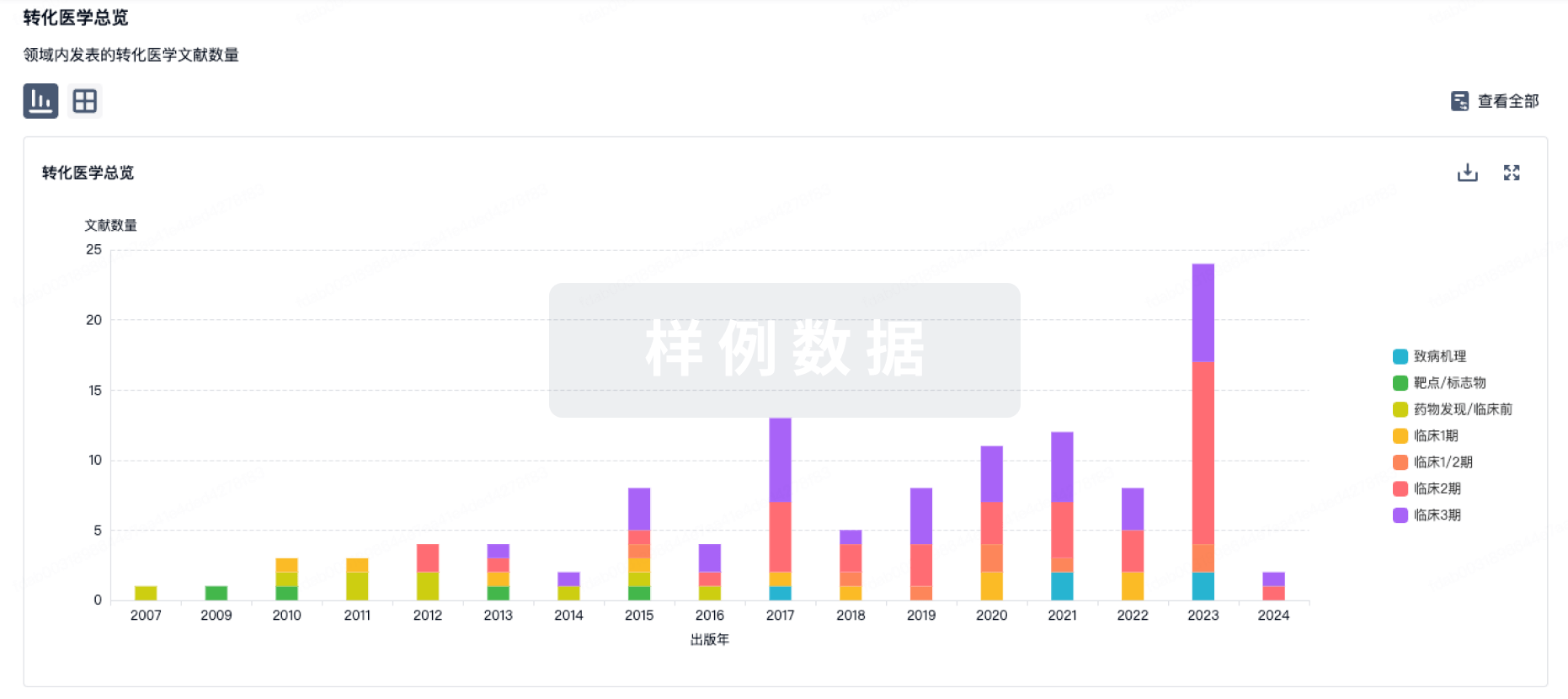
转化医学
使用我们的转化医学数据加速您的研究。
登录
或
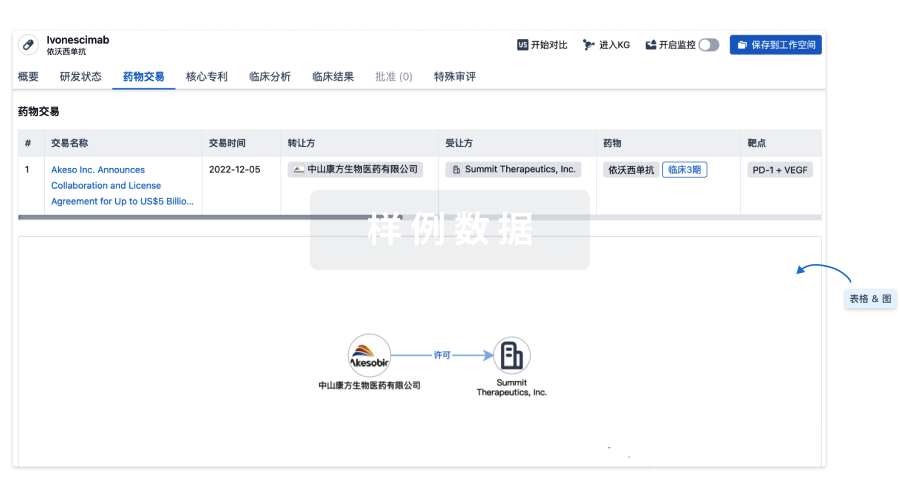
药物交易
使用我们的药物交易数据加速您的研究。
登录
或
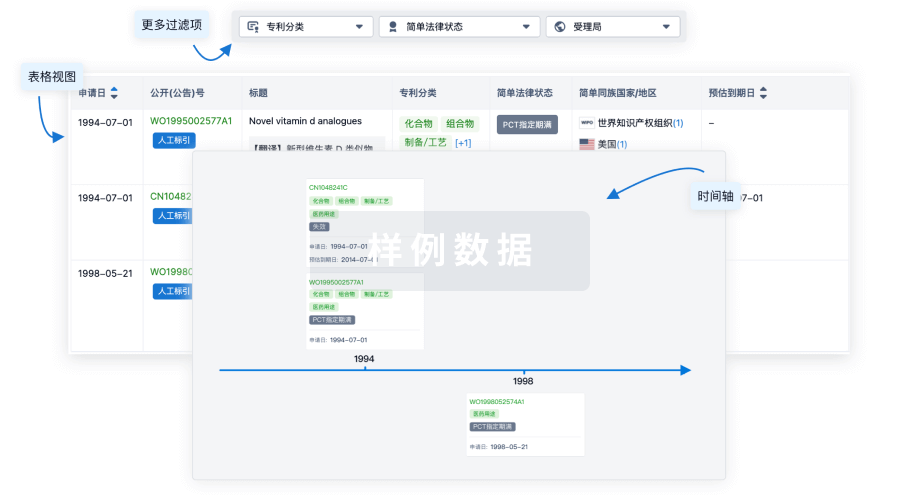
核心专利
使用我们的核心专利数据促进您的研究。
登录
或
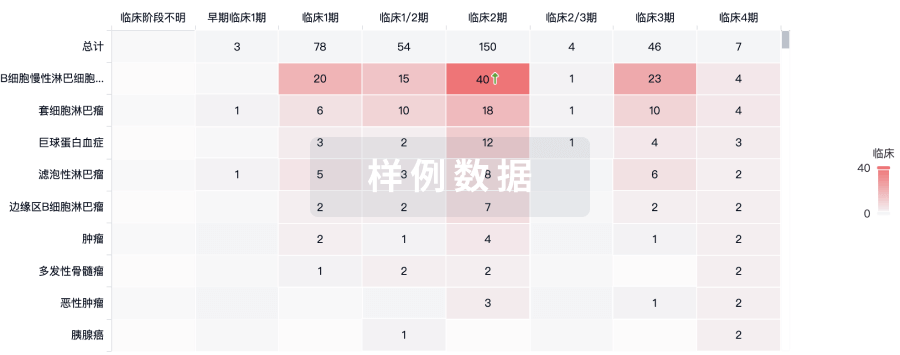
临床分析
紧跟全球注册中心的最新临床试验。
登录
或
批准
利用最新的监管批准信息加速您的研究。
登录
或
特殊审评
只需点击几下即可了解关键药物信息。
登录
或
生物医药百科问答
全新生物医药AI Agent 覆盖科研全链路,让突破性发现快人一步
立即开始免费试用!
智慧芽新药情报库是智慧芽专为生命科学人士构建的基于AI的创新药情报平台,助您全方位提升您的研发与决策效率。
立即开始数据试用!
智慧芽新药库数据也通过智慧芽数据服务平台,以API或者数据包形式对外开放,助您更加充分利用智慧芽新药情报信息。
生物序列数据库
生物药研发创新
免费使用
化学结构数据库
小分子化药研发创新
免费使用