预约演示
更新于:2026-01-31
F-12682
更新于:2026-01-31
概要
基本信息
药物类型 小分子化药 |
别名 antidepressant(Pierre Fabre)、F-12318、F-12682 |
作用方式 拮抗剂 |
作用机制 5-HT1B receptor拮抗剂(5-羟色胺1B受体拮抗剂) |
治疗领域 |
在研适应症- |
非在研适应症 |
原研机构 |
在研机构- |
非在研机构 |
权益机构- |
最高研发阶段终止药物发现 |
首次获批日期- |
最高研发阶段(中国)- |
特殊审评- |

结构/序列
分子式C25H35N5O2 |
InChIKeySDXUUOUVEULXIO-UHFFFAOYSA-N |
CAS号194942-63-7 |
关联
1
项与 F-12682 相关的临床试验ACTRN12614000544673
Probiotics and Orotic Acid as an adjuvant to antidepressant medication in the treatment of resistant depression with high risk of relapse.

100 项与 F-12682 相关的临床结果
登录后查看更多信息
100 项与 F-12682 相关的转化医学
登录后查看更多信息
100 项与 F-12682 相关的专利(医药)
登录后查看更多信息
67
项与 F-12682 相关的文献(医药)2026-01-01MOLECULAR NEUROBIOLOGY
Bornyl Acetate and Menthol Provide Neuroprotection Against Lipopolysaccharide-Induced Alzheimer’s Disease-Like Condition in C57BL/6 Mice by Downregulating NARC-1 Lipid Antagonist
Article
作者: Kumaresan, Manikandan ; Ravi, Sangeetha ; Raman, Thiagarajan ; Martin, Livya Catherene ; Krishnan, Mahalakshmi ; Manikandan, Beulaja ; Ramar, Manikandan
Alzheimer's disease (AD) is a progressive neurological illness that causes Aβ deposition and cognitive impairments. Anti-cholinesterase and anti-depressant drugs are used as medications; however, their side effects spotlight the need for alternate treatments. Bornyl acetate and menthol are monoterpenes with bioactive potential investigated against inflammation induced by lipopolysaccharide (LPS) in C57BL/6 mice. In our study, we analysed various behavioural changes along with memory activities as well as assessed neuronal damage, acetylcholinesterase activity, amyloid deposition, mitochondrial membrane integrity, calcium deposition and oxidation derivatives. In addition, we also examined gene and protein expression associated with lipid dysfunction in neuroinflammation. Our findings revealed that monoterpenes such as bornyl acetate and menthol potentially improved LPS-induced behaviour changes and cognitive activities. In addition, these compounds have the potential effects against amyloid plaque formation, calcium build-up, mitochondrial membrane damage and oxidative markers (malondialdehyde, protein carbonyls and advanced glycation end products) in the LPS-injected C57BL/6 mice. Treatment with bornyl acetate and menthol also inhibited neural apoptosis-regulated convertase (NARC-1)/proprotein convertase subtilisin/kexin type 9 (PCSK-9) by upregulating low-density lipoprotein receptor-related protein (LRP)-1 protein expression. Cholesterol oxidation genes, including 11β-hydroxysteroid dehydrogenase 1 & 2, as well as proinflammatory microglial, apoptotic and amyloidogenic protein and gene expression, were decreased respectively when treated with monoterpenes while promoting the upregulation of anti-inflammatory. Based on the results, we concluded that these compounds can potentially target and prevent neuroinflammation, including Alzheimer's disease.
2025-12-01Brain, behavior, & immunity - health
Immune and metabolic disturbance as a function of genetic risk and phase of illness in major depression
Article
作者: Howard, David M ; Kämpe, Robin ; Gilchrist, Lachlan ; Proitsi, Petroula ; Hamilton, J Paul ; Östman, Lars ; Paul, Elisabeth R ; Heilig, Markus
Immune and metabolic factors are important in the pathophysiology of major depressive disorder (MDD) but we know little about how these factors manifest in relation to the status of depressive illness-from genetic risk for MDD, to a depressive episode, to depression in remission. Using genetic, diagnostic, biometric, and blood-bioassay data from the UK Biobank, we examined measures of pro-inflammatory signaling (C-reactive protein) and metabolic dysfunction (metabolic syndrome symptomatology) in females (N = 37,806) and males (N = 17,946) as a function of polygenic load for MDD (high versus low) interacting with depression status (never depressed, currently depressed, or depression in remission). We examined socioeconomic status (SES) as an exploratory factor in this design. Groups were matched for several confounders using a propensity-matching algorithm (females: n = 6301 per group for N = 37,806; n = 2991 per group for N = 17,946). In females we found increased inflammation and metabolic dysfunction in the higher-versus-lower PRS quartile, in those below-versus-above the median SES, and in those suffering currently from depression relative to their remitted depressed and healthy counterparts. This association remained when considering only non-psychotropic-medicated persons. Nonetheless, we also saw in both male and female samples that measures of immunological and metabolic dysfunction increased with increasing anti-depressant medication load. We discuss these findings in terms of the epidemiological significance of immune and metabolic functioning in depression and their paradoxical relation with antidepressant treatment.
2024-09-01PREVENTIVE MEDICINE
The cross-sectional association between dietary total, animal, and plant-based protein intake and the prevalence and severity of depressive symptoms in Dutch adults with type 2 diabetes: The Hoorn Diabetes Care System cohort
Article
作者: den Braver, Nicolette R ; Rutters, Femke ; Groeneveld, Lenka ; Beulens, Joline W ; Kremers, Sanne H M ; Migchelbrink, Maaike M ; Blom, Marieke T ; Elders, Petra J M
OBJECTIVE:
This study aimed to investigate cross-sectional associations of total, animal, and plant-based protein intake and depressive symptoms in Dutch adults with type 2 diabetes (T2D).
METHODS:
We included 1137 individuals with T2D (aged 68.6 ± 9.0) from the Hoorn Diabetes Care System cohort. Energy-adjusted protein intake was assessed using a validated Food Frequency Questionnaire. The nine-item Patient Health Questionnaire (PHQ-9) was used to assess the prevalence of depressive symptoms (PHQ-9 ≥ 10 and/or anti-depressant use) and the severity of depressive symptoms (continuous PHQ-9 score). Associations between total, animal, and plant-based protein (quartiles) with depressive symptoms were assessed using multiple logistic and linear regression.
RESULTS:
Highest intake of total, animal, and plant-based protein was not associated with the prevalence of depressive symptoms, compared to lowest intake (e.g., total protein, ORQ4vsQ1:0.75, 95%CI 0.42;1.32). For the severity of depressive symptoms, highest total protein intake was significantly associated with lower PHQ-9 scores (ORQ4vsQ1:0.87, 95%CI 0.75;1.00), compared to lowest intake. Animal protein was not associated with the severity of depressive symptoms (β ∼ 1), while the association for plant-based protein was marginally non-significant (βQ4vsQ1:0.88, 95%CI 0.76;1.02).
CONCLUSION:
In individuals with T2D, higher total protein intake was associated with reduced severity of depressive symptoms, but not with the prevalence of depressive symptoms. Further prospective research with a larger sample size is needed to confirm these associations.
100 项与 F-12682 相关的药物交易
登录后查看更多信息
研发状态
10 条进展最快的记录, 后查看更多信息
登录
| 适应症 | 最高研发状态 | 国家/地区 | 公司 | 日期 |
|---|---|---|---|---|
| 抑郁症 | 药物发现 | 法国 | - |
登录后查看更多信息
临床结果
临床结果
适应症
分期
评价
查看全部结果
登录后查看更多信息
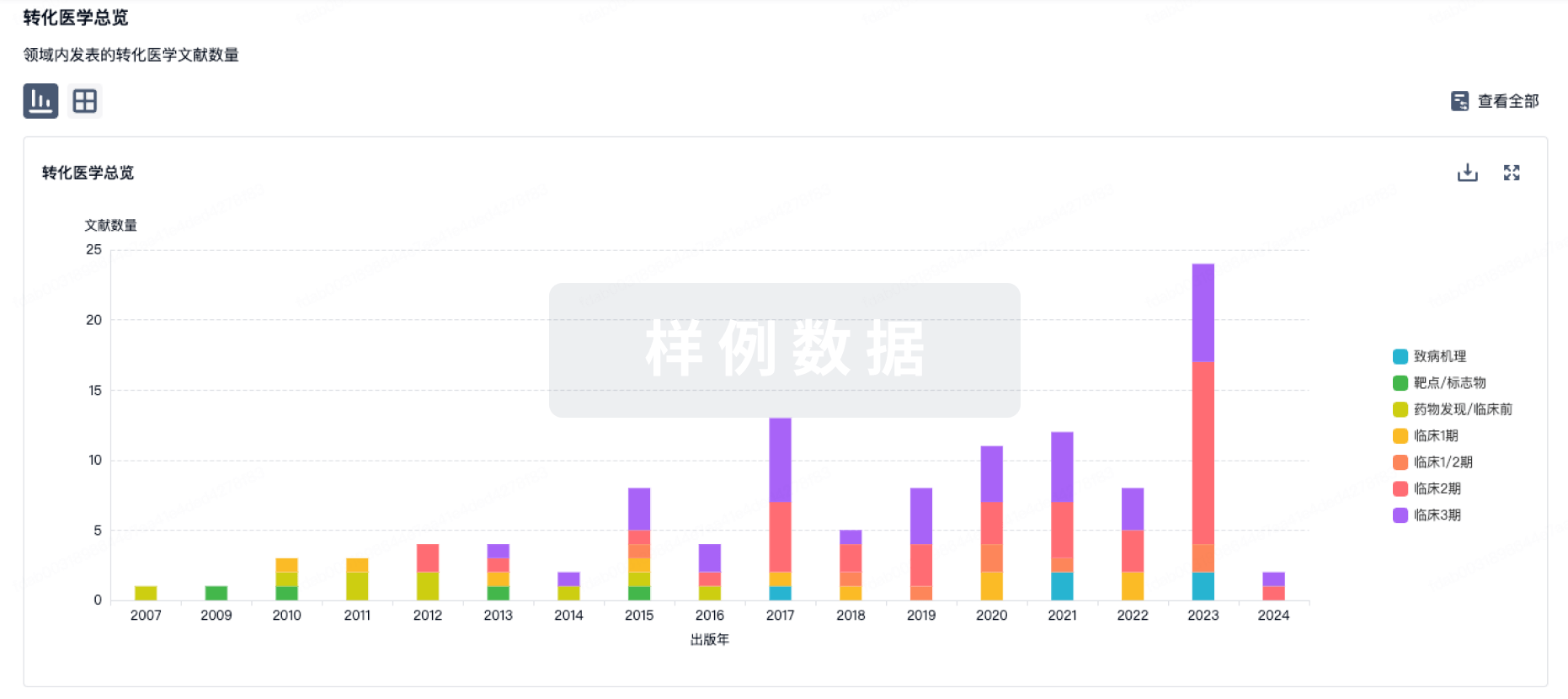
转化医学
使用我们的转化医学数据加速您的研究。
登录
或
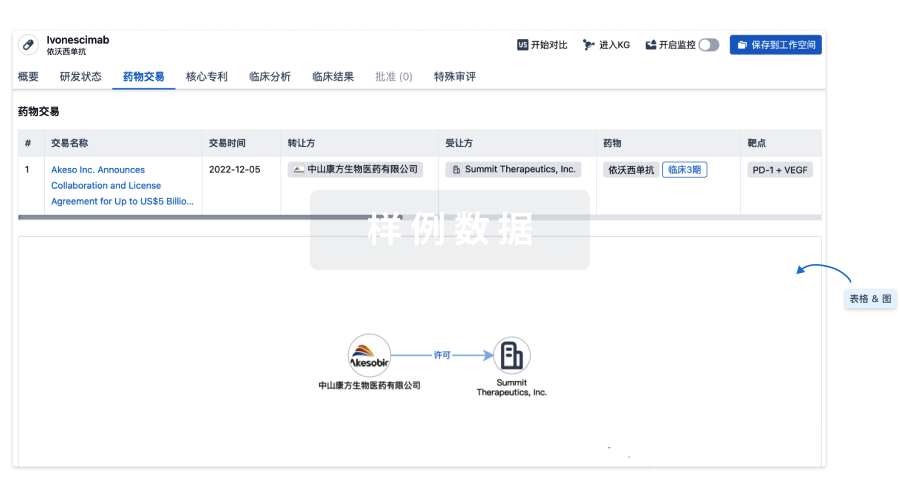
药物交易
使用我们的药物交易数据加速您的研究。
登录
或
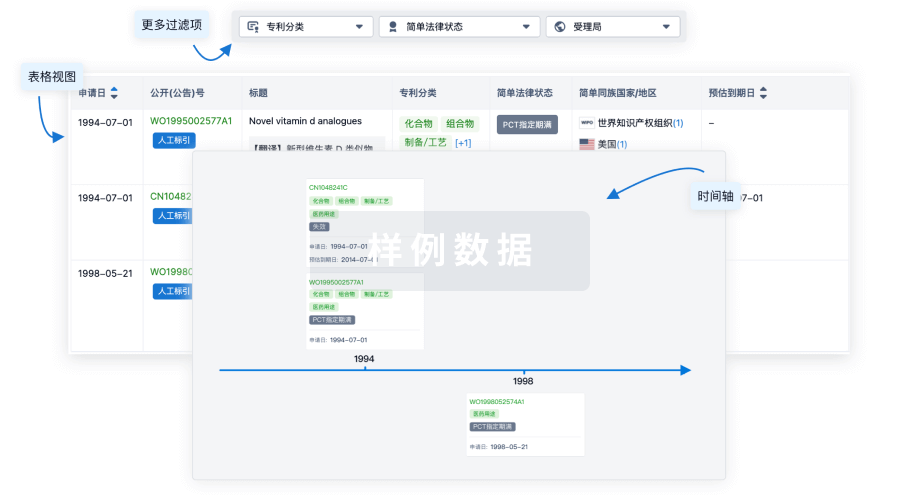
核心专利
使用我们的核心专利数据促进您的研究。
登录
或
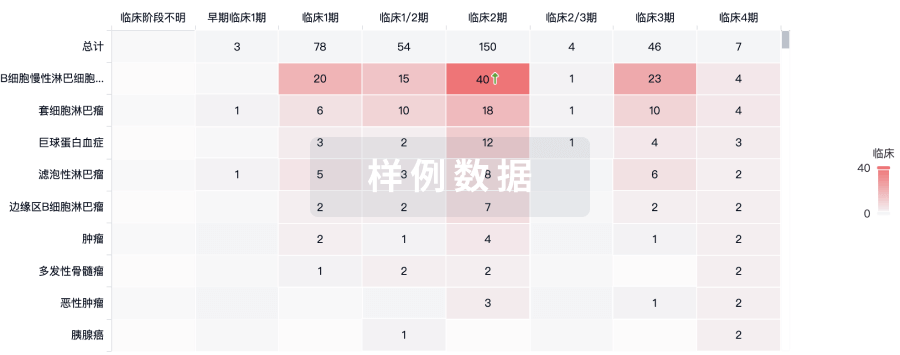
临床分析
紧跟全球注册中心的最新临床试验。
登录
或
批准
利用最新的监管批准信息加速您的研究。
登录
或
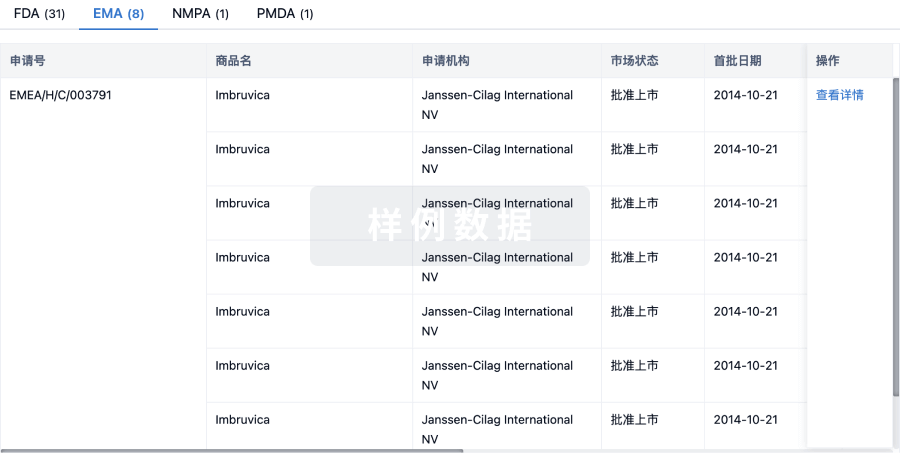
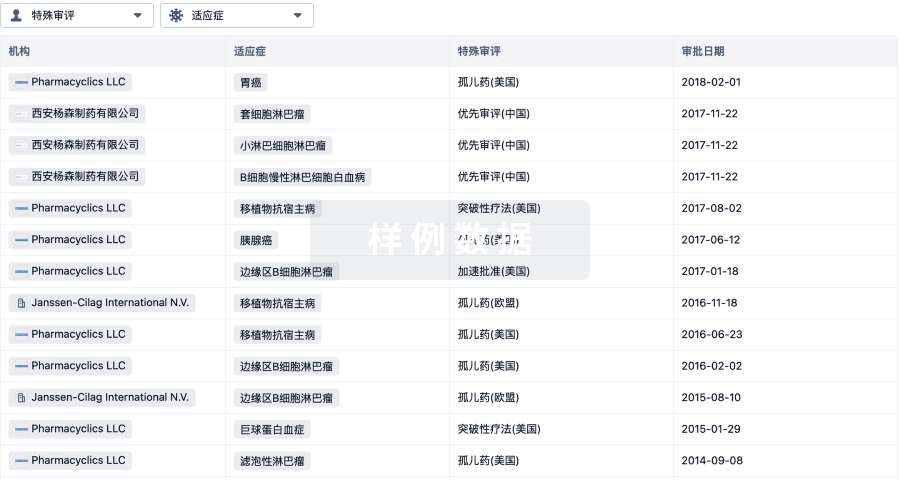
特殊审评
只需点击几下即可了解关键药物信息。
登录
或
生物医药百科问答
全新生物医药AI Agent 覆盖科研全链路,让突破性发现快人一步
立即开始免费试用!
智慧芽新药情报库是智慧芽专为生命科学人士构建的基于AI的创新药情报平台,助您全方位提升您的研发与决策效率。
立即开始数据试用!
智慧芽新药库数据也通过智慧芽数据服务平台,以API或者数据包形式对外开放,助您更加充分利用智慧芽新药情报信息。
生物序列数据库
生物药研发创新
免费使用
化学结构数据库
小分子化药研发创新
免费使用