预约演示
更新于:2025-11-22
Gramicidin S
更新于:2025-11-22
概要
基本信息
结构/序列
分子式C60H92N12O10 |
InChIKeyIUAYMJGZBVDSGL-XNNAEKOYSA-N |
CAS号113-73-5 |
Sequence Code 524797089
来源: *****
关联
100 项与 Gramicidin S 相关的临床结果
登录后查看更多信息
100 项与 Gramicidin S 相关的转化医学
登录后查看更多信息
100 项与 Gramicidin S 相关的专利(医药)
登录后查看更多信息
2,461
项与 Gramicidin S 相关的文献(医药)2025-11-11·PROCEEDINGS OF THE NATIONAL ACADEMY OF SCIENCES OF THE UNITED STATES OF AMERICA
Electromechanically induced membrane restructuring enables learning and memory
Article
作者: Patrick Collier, C. ; Ziemer, Olivia ; Adkisson, Ariana ; Katsaras, John ; Bolmatov, Dima ; Mohamed, Ahmed S. ; Ashkar, Rana ; Kumarage, Teshani ; Sullivan, Victoria ; Najem, Joseph. S. ; Podar, Peter T.
Human neural networks of interconnected neurons have evolved to be remarkably efficient and are capable of learning and memory through the brain’s synaptic plasticity, including short-term plasticity (STP), and long-term potentiation (LTP) and depression (LTD). These activity-dependent mechanisms induce changes in synaptic efficiency over both transient and extended timescales. Understanding the molecular basis of learning and memory is central to deciphering brain function and advancing therapeutics for neurodegenerative diseases. Here, we report that lipid bilayers with embedded gramicidin A ion channels can structurally reorganize when interrogated using a neurologically inspired electrical stimulation protocol, adopting metastable structures with enhanced STP response and emergent LTP or LTD. Specifically, voltage-induced electrocompression is found to restructure membranes, driving them into nonequilibrium steady states with enhanced stability and increased ionic conductivity, leading to stronger and persistent membrane ion conductance. These results show how membrane restructuring and emergent complexity may regulate synaptic plasticity at the molecular level.
2025-11-01·EUROPEAN JOURNAL OF MEDICINAL CHEMISTRY
Analogues of gramicidin S: A promising direction for future antibacterial drug development?
Review
作者: Andreeva, Daria V ; Shchekotikhin, Andrey E ; Shkuratova, Tatiana S ; Tikhomirov, Alexander S
Gramicidin S (GS) is a potent cyclic decapeptide antibiotic produced by Bacillus brevis, exhibiting strong activity against Gram-positive bacteria and remaining in clinical use for the topical treatment of skin and throat infections. Despite its efficacy, GS's clinical application is restricted due to significant hemolytic toxicity associated with its membranolytic mechanism of action. This review summarizes over 80 years of structure-activity relationship (SAR) studies on GS and its analogues, highlighting key strategies to enhance antibacterial activity while reducing cytotoxicity. Particular focus is given to the influence of amino acid substitutions, stereochemistry, sequence modifications, and the incorporation of peptidomimetic fragments. Additionally, we discuss GS-based oligo- and polymers, as well as analogues with expanded or contracted macrocycles, emphasizing their effects on biological activity and conformational stability. Collectively, these insights underscore the value of GS as a resilient scaffold for next-generation antimicrobial peptide design with improved therapeutic indices and potency towards resistant pathogens.
2025-10-09·JOURNAL OF MEDICINAL CHEMISTRY
Rigidity vs Activity: Design of Gramicidin S Analogs against Multidrug-Resistant Bacteria Based on Molecular Engineering
Article
作者: Janek, Tomasz ; Śleziak, Mikołaj ; Kijewska, Monika ; Panek, Jarosław J. ; Jezierska, Aneta
Antimicrobial peptides are a promising class of therapeutics to address antibiotic resistance; yet, their clinical use is limited by toxicity and narrow-spectrum activity. To better understand how conformational rigidity influences efficacy and safety, a series of β-sheet antimicrobial peptide analogs based on gramicidin S were designed and synthesized. Two stapled derivatives (GSC-FB and GSC-SS) and a flexible linear analog (GS-L) were prepared and evaluated. GSC-FB retained potent activity against Gram-positive bacteria with a significantly reduced cytotoxicity. GS-L, characterized by increased conformational flexibility, showed broader-spectrum activity, including activity against Gram-negative strains, and similarly improved safety. Circular dichroism spectroscopy revealed that all analogs displayed structural perturbations relative to native gramicidin S. Molecular dynamics simulations indicated that only flexible or moderately rigid analogs effectively interact with membrane models. These findings demonstrate that conformational rigidity is a key parameter in the design of antimicrobial peptides, enabling the optimization of antimicrobial potency while mitigating toxicity.
2
项与 Gramicidin S 相关的新闻(医药)2025-11-19
·勇锋生物
抗生素耐药性已经成为全球公共卫生面临的严重威胁,传统抗生素的过度使用促使耐药菌株的快速进化与传播,使得感染性疾病越来越难以治愈。在此背景下,开发具有全新作用机制的抗菌药物成为科学界与医药产业亟待解决的核心课题。
AMPs作为自然界广泛存在的小分子多肽,因其独特的生物学特性成为新型抗菌药物研发的焦点。AMPs由生物体自身产生,广泛分布于动物、植物、微生物及真菌中,其核心优势在于广谱抗菌活性,不仅能有效杀灭革兰氏阳性菌和革兰氏阴性菌,还对部分真菌和病毒有效。
更为关键的是,AMPs主要通过物理破坏微生物细胞膜或作用于多个胞内靶点实现杀菌,该非特异性作用机制显著降低细菌产生耐药性的概率,对细胞膜的破坏依赖于其阳离子性和两亲性结构,而非单一靶点依赖性,从而规避传统抗生素易诱导耐药的缺陷。
因此,AMPs被视为“后抗生素时代”最具潜力的抗菌药物候选者,为应对AMR危机提供新路径。
01.
分类与作用机制
>来源与分类
根据来源分类可分为天然抗菌肽和人工合成抗菌肽。
天然抗菌肽:这是AMPs的主要来源,广泛存在于动物(如昆虫的天蚕素、两栖动物的蛙皮素、哺乳动物的防御素和组织蛋白酶G等)、植物(如植物防御素)、微生物(如细菌素)以及真菌。据APD抗菌肽数据库统计,已鉴定分离的3099种天然抗菌肽中,76.12%来源于动物。
人工合成抗菌肽:基于天然AMPs的结构和功能特点,通过化学合成或基因工程技术设计和改造出的新型抗菌肽,旨在优化其活性、稳定性或降低毒性。
根据二级结构分类可分为α-螺旋型(a-helical)、β-折叠型(B-stranded/B-sheet)、β-发夹或环状型(β-hairpinorloop)及延伸型肽(extended)。
α-螺旋型(a-helical):这是最常见的一类,如蛙皮素(Magainins)、天蚕素(Cecropins)和LL-37。它们在膜环境中形成稳定的α螺旋结构。
β-折叠型(B-stranded/B-sheet):通常由两段或多段反平行的B-链通过二硫键连接形成,如防御素(Defensins)和牛乳铁蛋白肽(Lactoferricin)。
β-发夹或环状型(β-hairpinorloop):结构中含有β-转角形成发夹样结构,或通过一个或多个二硫键形成环状结构。
延伸型肽(extended):缺乏规则的二级结构,通常富含某些特定氨基酸,如脯氨酸、色氨酸或甘氨酸。
>作用机制
膜靶向机制:大多数阳离子抗菌肽通过选择性破坏微生物细胞膜实现杀菌作用。
AMPs的作用过程通常可分为两个阶段:静电吸附与膜插入破坏。首先带正电的AMPs通过静电引力吸附于微生物细胞膜表面,并富集于负电荷区域。随后其两亲性结构疏水端与亲水端的分离促使疏水区插入细胞膜脂质双分子层,亲水区则与磷脂头部或水相环境相互作用,这一过程最终导致细胞膜完整性受损,细胞内容物泄漏,进而引发细胞死亡。
非膜靶向机制:部分AMPs在不显著破坏细胞膜或穿透细胞膜后,作用于细菌内部的靶点,抑制细胞壁合成。
一些AMPs(如Plectasin、HBD3)可以靶向细胞壁合成的前体物质脂质Ⅱ(LipidII),从而阻断肽聚糖的合成,破坏细胞壁的完整性,这对于革兰氏阳性菌尤其重要,抑制核酸复制与转录,进入细胞后,AMPs可以与DNA或RNA结合,干扰其复制、转录过程,抑制蛋白质合成。富含脯氨酸的抗菌肽Onc112能够与细菌核糖体的出口通道结合,阻止氨酰基tRNA进入,从而抑制蛋白质翻译过程。
>免疫调节机制
许多AMPs还具有重要的免疫调节功能,能够调动和增强宿主的免疫防御能力。
这些功能包括:趋化免疫细胞到感染部位;调节细胞因子的产生,既可诱导促炎因子清除病原,也可抑制过度炎症反应,减轻组织损伤;促进伤口愈合和组织修复;中和内毒素的活性,减轻败血症反应。
>发现与里程碑
抗菌肽的研究历史可追溯至20世纪上半叶,1939年,RenéDubos首次从土壤芽孢杆菌中分离出短杆菌肽,标志着抗菌肽研究开端。
短杆菌肽被证实能够有效预防小鼠的肺炎球菌感染,成为首个具有明确抗菌活性的肽类物质,其作用机制涉及形成跨膜离子通道,破坏微生物细胞膜完整性。
此外还发现了防御素,其抗菌活性与膜靶向机制密切相关。
>数据库建立与发展
随着AMPs的发现与表征数量迅速增长,专门数据库的建立成为推动领域发展的关键工具。APD自2003年上线以来,持续收录天然及合成抗菌肽的序列、结构、活性及来源信息,截至2025年1月已收录5099种肽。
DRAMP则专注于抗菌肽的临床转化,其V4.0版本新增血清稳定性、蛋白酶稳定性、溶血性和细胞毒性等注释,并整合临床试验中的AMPs信息。
数据库建立揭示抗菌肽的多样性与普遍性,为结构-功能关系解析、作用机制阐明及新型抗菌药物开发提供理论基础。从短杆菌肽的初步探索到现代抗菌肽数据库的完善,抗菌肽研究逐步从天然来源筛选发展为理性设计与精准医学应用。
02.
研发进展与临床应用
>已上市抗菌肽药物
AMPs已有多种药物成功进入市场,主要用于治疗由耐药菌引起的严重感染。
美国食品药品监督管理局(FDA)已批准约7种主要抗菌肽类药物,代表性药物包括:
(1)达托霉素,该药物是一种由玫瑰孢链霉菌产生的环脂肽类抗生素,其作用靶点是革兰氏阳性菌的细胞膜。达托霉素与其他抗生素的交叉耐药性较低,成为治疗严重革兰氏阳性菌感染的重要选择。
(2)多粘菌素类,该类药物主要包括多粘菌素B和多粘菌素E,由多黏芽孢杆菌产生。
>临床试验中重点抗菌肽药物
数百种新型抗菌肽正处于不同临床试验阶段。由中国普莱医药生物技术有限公司研发的抗菌肽培来加南(Peceleganan,PL-5),适应症是继发性开放性创面感染。
LL-37作为人类唯一的组织蛋白酶(Cathelicidin)家族成员,具有广谱抗菌、抗病毒、抗真菌活性和免疫调节功能。基于LL-37或其片段的疗法正在临床试验中,用于治疗酵母菌感染、细菌感染及慢性伤口愈合。另有其他候选药物包括Reltecimod、PAC-113等。
>新兴研发策略
为克服天然抗菌肽的局限性并加快新药开发进度,研究者正通过多学科交叉手段推动AMPs研发策略革新。在计算生物学领域,人工智能与机器学习技术显著提升了AMPs的筛选与设计效率。
针对AMPs稳定性差、生物利用度低等问题,新型递送系统的研究成为突破方向。用透明质酸基纳米凝胶包载保护AMPs免受酶解,实现靶向递送与控释。在联合治疗领域,AMPs与抗生素或生物活性分子的协同策略展现出多重优势,可通过破坏细菌膜通透性、抑制外排泵或清除生物膜等方式增强抗生素疗效。
>临床转化挑战
AMPs已成为医药研发领域最具潜力的候选药物类型,将向精准化、高效化、安全化与多功能化方向发展。精准化治疗将依托基因组学与生物信息学技术,根据患者病原体谱、耐药特征及免疫状态制定个体化方案。
多功能AMPs需整合抗菌、免疫调节、抗炎及组织修复功能,以应对复杂感染性疾病。智能化设计将借助AI与机器学习实现高通量虚拟筛选与序列优化,加速高效AMPs发现。新型给药系统将突破AMPs理化特性限制,改善生物利用度与患者依从性。
此外在抗肿瘤、抗病毒及非医药领域的应用潜力也将持续拓展。通过技术创新与跨学科合作,AMPs有望在“后抗生素时代”成为应对AMR危机的核心武器,为人类健康提供创新解决方案。
前景应用丨植物源性抗真菌肽的研究进展与应用前景
前景应用丨抗氧化肽的保肝机制与应用
前景应用丨植物源心血管活性肽的机制与应用
前景应用丨短肽型特殊医学用途配方食品的相关应用
亚麻籽肽原料丨亚麻籽肽的相关研究
牡丹花肽原料丨牡丹花肽的相关研究
香菇肽原料丨香菇肽的相关研究
茶树菇肽原料丨茶树菇肽的相关研究
诺奖揭示免疫密码:非变性 II 型胶原蛋白的相关研究
新品上市丨聊城大学生物制药研究院最新科研成果
芡实肽原料丨芡实肽的相关研究
沙棘籽肽原料丨沙棘籽肽的相关研究
海带肽原料丨海带肽的相关研究
猴头菇肽原料丨猴头菇肽的相关研究
喜报丨主持起草《非变性Ⅱ型胶原蛋白(鸡胸软骨来源)》的团体标准出版!
鲍鱼肽原料丨鲍鱼肽的相关研究
嘉利达FORTIGEL丨关节健康、延长运动寿命的相关研究
黄精肽原料丨黄精肽的相关研究
枸杞糖肽原料丨枸杞糖肽的相关研究
菠萝蜜肽原料丨菠萝蜜肽的相关研究
南瓜籽肽原料丨南瓜籽肽的相关研究
芝麻肽原料丨芝麻肽的相关研究
嘉利达VERISOL丨皮肤水润保湿功效获得临床验证的相关研究
鹰嘴豆肽原料丨鹰嘴豆肽的相关研究
黑豆肽原料丨黑豆肽的相关研究
绿豆肽原料丨绿豆肽的相关研究
豌豆肽原料丨豌豆肽的相关研究
乳清蛋白肽原料丨乳清蛋白肽的相关研究
嘉利达VERISOL丨针对男性美容的相关研究
鲨鱼肽原料丨鲨鱼肽的相关研究
嘉利达BODYBALANCE丨针对减脂增肌的相关研究
脾肽原料丨脾肽的相关研究
嘉利达BODYBALANCE丨针对增肌营养、肌少症的相关研究
鸡骨肽原料丨鸡骨肽的相关研究
牡丹肽原料丨牡丹肽的相关研究
燕窝肽原料丨燕窝肽的相关研究
苦瓜肽原料丨苦瓜肽的相关研究
大鲵肽原料丨大鲵肽的相关研究
薏苡仁肽原料丨薏苡仁肽的相关研究
金枪鱼肽原料丨金枪鱼肽的相关研究
松茸肽原料丨松茸肽的相关研究
螺旋藻肽原料丨螺旋藻肽的相关研究
桑叶肽原料丨桑叶肽的相关研究
心肌肽原料丨心肌肽的相关研究
罗非鱼肽原料丨罗非鱼肽的相关研究
胸腺肽原料丨胸腺肽的相关研究
鳕鱼肽原料丨鳕鱼肽的相关研究
嘉利达VERISOL丨针对多项皮肤临床参数改善的相关研究
嘉利达TENDOFORTE丨针对慢性中足跟腱肌腱病变的
相关研究
嘉利达TENDOFORTE丨针对跑步损伤、改善脚踝稳定性的相关研究
嘉利达BODYBALANCE丨针对增加瘦体重、减少体脂 、提高肌肉力量的相关研究
嘉利达BODYBALANCE丨针对肌少症、肌肉、及抗阻训练效果的相关研究
嘉利达VERISOL丨针对皱纹、橘皮组织改善的相关研究
嘉利达FORTIBONE丨针对骨质疏松的相关研究
嘉利达TENDOFORTE丨针对抗增强肌腱、韧带,预防运动损伤的相关研究
嘉利达BODYBALANCE丨针对抗阻训练的相关研究
嘉利达VERISOL丨针对头发、指甲健康修复的相关研究
嘉利达FORTIBONE丨针对骨骼重塑、骨折恢复的相关研究
嘉利达FORTIGEL丨针对关节疼痛与促进软骨组织再生的相关研究
酪蛋白肽原料丨酪蛋白肽的相关研究
藜麦肽原料丨藜麦肽的相关研究
小米肽原料丨小米肽的相关研究
猪骨胶原蛋白肽原料丨猪骨胶原蛋白肽的相关研究
牛骨胶原蛋白肽原料丨牛骨胶原蛋白肽的相关研究
西洋参肽原料丨西洋参肽的相关研究
灵芝肽原料丨灵芝肽的相关研究
山药肽原料丨山药肽的相关研究
阿胶肽原料丨阿胶肽的相关研究
燕麦肽原料丨燕麦肽的相关研究
鲣鱼弹性蛋白肽原料丨鲣鱼弹性蛋白肽的相关研究
牦牛骨胶原蛋白肽原料丨牦牛骨胶原蛋白肽的相关研究
人参肽原料丨北大医学部对人参肽的相关研究
胶原三肽原料丨胶原三肽对光损伤修复的相关研究
科研论证丨非变性II型胶原蛋白的相关研究
鱼胶原肽原料丨北大医学部对鱼胶原肽的相关研究
核桃肽原料丨北大医学部对核桃肽的相关研究
原料合作丨嘉利达BODYBALANCE®对于肌肉增强和肌少症的相关研究
原料合作丨嘉利达TENDOFORTE®对肌腱韧带组织修复的相关研究
原料合作丨嘉利达维丽素胶原蛋白肽抗衰老的相关研究
原料合作丨嘉利达富骨宝胶原蛋白肽对促进人体骨骼健康的相关研究
原料合作丨嘉利达富迪格胶原蛋白肽对于功能性关节疼痛的相关研究
燕窝核桃肽 I 产品详解 全面解读
人参海参肽 I 产品详解 全面解读
微生物疗法
2024-07-14
深度聚焦多肽、多肽偶联药物研发、质控、工艺开发,展位咨询&免费入场券:联系电话181 1603 6798,扫码立即获取免费入场券:
文章来源:多肽圈
|中肽生化内容团队编辑
根据2024年4月15日的市值排行榜,全球前十名的生物制药公司所拥有的多肽/拟肽资产如下:
01
礼来(7146.3亿美元)
Tirzepatide
· Mounjaro (tirzepatide):2型糖尿病,2022年5月13日获批
· Zepbound (tirzepatide):肥胖症,2023年11月8日获批
· Forteo (Teriparatide):骨质疏松症,2022年11月26日获批
Teriparatide
02
诺和诺德(5645.6亿美元)
Semaglutide
· Wegovy (semaglutide):肥胖症,2021年6月4日获批
· Rybelsus (semaglutide):2型糖尿病(口服),2019年9月20日获批
· Ozempic (semaglutide):2型糖尿病,2017年12月5日获批
· Victoza (liraglutide):2型糖尿病,2010年1月25日获批
· Saxenda (liraglutide):肥胖症,2014年12月23日获批
Liraglutide
03
强生(3554.9亿美元)
无上市多肽资产
04
默沙东(3185.0亿美元)
· CANCIDAS® (caspofungin acetate,环肽): 棘白菌素类抗真菌药物,针对对其他抗真菌药物难治或不耐受的侵袭性曲霉菌病成人患者,2001年1月26日获批。
caspofungin
· CUBICIN® (daptomycin for injection,环肽):脂肽抗生素,用于治疗由革兰氏阳性菌引起的全身性和危及生命的感染,2023年9月12日获批。
Daptomycin
· ZEPATIER(Grazoprevir环肽+ elbasvir): 丙型肝炎,第二代丙型肝炎病毒蛋白酶抑制剂,2016年1月28日获批。
· ZERBAXA (ceftolozane环肽 and tazobactam):复方抗生素药物,用于治疗成人复杂性尿路感染和复杂性腹腔内感染。Ceftolozane 是一种头孢菌素抗生素(β-内酰胺类),开发用于治疗对常规抗生素耐药的革兰氏阴性菌感染。2014年12月19日获批。
ceftolozane
05
艾伯维(2873.4亿美元)
无上市多肽药物
06
阿斯利康(2137.1亿美元)
· Zoladex (goserelin acetate implant):用于抑制性激素(睾酮和雌激素)产生的药物,用于乳腺癌和前列腺癌的治疗。它是一种可注射的促性腺激素释放激素激动剂(GnRH 激动剂)。1989年12月29日获批。
Goserelin
· Bydureon (exenatide):2型糖尿病。2012年1月27日获批。
· Byetta (exenatide injection):2型糖尿病。2005年4月28日获批。
exenatide
· Symlin (pramlintide acetate):用于治疗糖尿病(1 型和 2 型)的注射胰淀素类似物药物。2005年3月16日获批。
· Zestril (lisinopril dihydrate):血管张力素转化酶抑制剂(ACE抑制剂)药物,用于治疗高血压、心脏衰竭和心肌梗塞。2003年1月7日获批。
Lisinopril
· ARGATROBAN (argatroban injection, solution):直接凝血酶抑制剂,用于预防或治疗肝素诱导的血小板减少症(HIT)患者的血栓形成。2000年6月30日获批。
Argatroban
07
罗氏(1986.6亿美元)
无上市多肽药物
08
诺华(1934亿美元)
· Cibacen® (benazepril hydrochloride):治疗高血压、心力衰竭和糖尿病肾病,1999年6月16日获批。
Benazepril
· Locametz (gallium Ga 68 gozetotide):放射性药物,由与前列腺特异性膜抗原 (PSMA) 靶向配体 Glu-Urea-Lys(Ahx)-HBED-CC缀合的 68Ga 制成,用于通过正电子发射断层扫描 (PET) 对前列腺癌进行成像。2022年3月23日获批。
Gallium Ga 68 gozetotide(图片来源:Wikipedia)
· Lutathera (lutetium Lu 177 dotatate, 环肽): 镥元素放射性同位素与 DOTA-TATE 的螯合复合物,用于肽受体放射性核素治疗 (PRRT)。用于治疗患有胃肠胰神经内分泌肿瘤 (GEP-NET) 的成人癌症,这些肿瘤对激素受体生长抑素呈阳性。2018年1月26日获批。
Lutetium Lu 177 dotatate(图片来源:Wikipedia)
· Neoral/Sandimmune (cyclosporine环肽, USP Modified): 强效免疫抑制剂,用于治疗类风湿性关节炎、狼疮、牛皮癣和其他自身免疫性疾病。1995年7月获批。
Cyclosporine A
· NETSPOT (gallium Ga 68 dotatate injection):Ga 68 dotatate 注射液与 PET 扫描(正电子发射断层扫描)结合使用,可定位成人和儿童的生长抑素受体阳性神经内分泌肿瘤 (NET)。
· Pluvicto (lutetium Lu 177 vipivotide tetraxetan):用于接受了雄激素受体 (AR) 途径抑制和紫杉醇类化疗治疗的成年患者,患有前列腺特异性膜抗原(PSMA)阳性的转移性去势抵抗性前列腺癌(mCRPC)。
lutetium Lu 177 vipivotide tetraxetan(图片来源:Wikipedia)
· Sandostatin (octreotide acetate环肽): 用于治疗产生生长激素的肿瘤 (例如肢端肥大症和巨人症)。1998年11月25日获批。
Octreotide
09
辉瑞(1463.3亿美元)
· ACCUPRIL (quinapril HCI)
· ACCURETIC® (quinapril HCl/hydrochlorothiazide):Quinapril用于治疗高血压、心力衰竭和糖尿病肾病。它是高血压的一线治疗方法。
Quinapril
· ALTACE (ramipril):Ramipril是一种 ACE 抑制剂类药物,用于治疗高血压、心力衰竭和糖尿病肾病。它还可以用作 55 岁以上患者的预防药物,以降低高危患者(例如一些糖尿病患者和血管疾病患者)心脏病发作、中风或心血管死亡的风险。
Ramipril
· AMPICILLIN FOR INJECTION (Ampicillin Sodium):Ampicillin是一种抗生素,属于青霉素家族的氨基青霉素类。用于预防和治疗多种细菌感染,如呼吸道感染、尿路感染、脑膜炎、沙门氏菌病和心内膜炎。它还可用于预防新生儿 B 族链球菌感染。它可以口服、肌肉注射或静脉注射。
Ampicillin
· BIVALIRUDIN (bivalirudin):比伐卢定(Bivalirudin)是一种特异性、可逆的直接凝血酶抑制剂 (DTI)。它是天然药物水蛭素的合成同系物,水蛭素存在于药用水蛭的唾液中。它是一种短肽,是一种有效且高度特异性的凝血酶抑制剂,可抑制循环凝血酶和凝块结合凝血酶,同时还抑制凝血酶介导的血小板活化和聚集。用于治疗肝素诱导的血小板减少症并预防经皮冠状动脉介入治疗期间的血栓形成。
· BLEOMYCIN:Bleomycin(博来霉素)是一种来自轮枝链霉菌的相关糖肽抗生素复合物。适应症包括霍奇金淋巴瘤、非霍奇金淋巴瘤、睾丸癌、卵巢癌和宫颈癌等。通常与其他癌症药物一起使用,通过肌肉注射、皮下注射或静脉注射。它抑制 DNA 代谢并用作抗肿瘤药物,尤其是实体瘤。
Bleomycin
· CEFAZOLIN (cefazolin):头孢唑林(Cefazolin)是一种用于治疗多种病原细菌的抗细菌药,尤其针对蜂窝组织炎、泌尿道感染、肺炎、心内膜炎、败血性关节炎及胆道发炎等疾病,也可用来预防手术前或手术中B群链球菌感染。
Cefazolin
· CEFEPIME (Cefepime)
· MAXIPIME (cefepime hydrochloride):Cefepime(头孢吡肟)是第四代头孢菌素类抗生素。头孢吡肟对革兰氏阳性菌和革兰氏阴性菌具有更广泛的活性,比第三代药物对这两种类型的生物体的活性更强。
Cefepime
· CEFOBID (cefoperazone sodium):cefoperazone(头孢哌酮)是第三代头孢菌素抗生素。它是少数能有效治疗对这些抗生素耐药的假单胞菌感染的头孢菌素抗生素之一。
Cefoperazone
· CEFTRIAXONE (ceftriaxone):头孢曲松(ceftriaxone)是一种第三代头孢菌素抗生素,用于治疗多种细菌感染,包括中耳感染、心内膜炎、脑膜炎、肺炎、骨和关节感染、腹内感染、皮肤感染、尿路感染、淋病和盆腔炎。
ceftriaxone
· CORTISPORIN (neomycin and polymyxin B sulfates, and hydrocortisone acetate):新霉素/多粘菌素 B/氢化可的松以 Otosporin 品牌销售,是一种用于治疗外耳炎和某些眼部疾病的药物。
Polymyxin B (多粘菌素 B,环肽) 可以单独以Poly-Rx 等商品名出售,是一种用于治疗脑膜炎、肺炎、败血症和尿路感染的抗生素。虽然它对许多革兰氏阴性感染有用,但对革兰氏阳性感染没有用。Polymyxin B由Polymyxin B1和B2两种环肽组成。
Polymyxin B1(左)和Polymyxin B2(右)
· NEOSPORIN G.U. Irrigant (neomycin sulfate – polymyxin B sulfate)
· NEOSPORIN Ophthalmic Solution (neomycin and polymyxin B sulfates, and gramicidin):新孢菌素滴眼液由新霉素/多粘菌素B/杆菌肽组成,适用于局部治疗敏感细菌引起的外眼及其附件的浅表感染。此类感染包括结膜炎、角膜炎和角结膜炎、睑缘炎和睑结膜炎。
杆菌肽(gramicidin),也称为杆菌肽 D,是离子载体抗生素杆菌肽 A、B 和 C 的混合物,分别占混合物的 80%、5% 和 15%。每种都有 2 种isomer,因此混合物有 6 种不同类型的杆菌肽分子。它们可以从短芽孢杆菌土壤细菌中提取。杆菌肽是含有 15 个氨基酸的线性肽,不同于不相关的杆菌肽 S,后者是一种环肽。
· DAPTOMYCIN (daptomycin,环肽):达托霉素(Daptomycin)是一种脂肽抗生素,用于治疗由革兰氏阳性菌引起的全身性和危及生命的感染。
Daptomycin
· ENALAPRILAT (enalaprilat):Enalaprilat (依那普利拉) 是enalapril (依那普利) 的活性代谢物。它是ACE 抑制剂,是一种抗高血压药,用于在口服治疗不可行时治疗高血压。
Enalapril和Enalaprilat
· ERAXIS (anidulafungin,环肽):Anidulafungin(阿尼芬净)是一种半合成棘白菌素,用作抗真菌药物。当与伏立康唑联合使用时,它还可能用于治疗侵袭性曲霉菌感染。它是棘白菌素类抗真菌药物的一员。其作用机制是抑制 (1→3)-β-D-葡聚糖合酶,后者是一种对真菌细胞壁合成很重要的酶。
Anidulafungin
· PAXLOVID (nirmatrelvir and ritonavir):Paxlovid是由nirmatrelvir和ritonavir两种成分组成的抗SARS-Cov-2病毒口服药,其中nirmatrelvir是活性成分,为拟肽分子,是3C 样蛋白酶抑制剂。
Nirmatrelvir
· PIPERACILLIN AND TAZOBACTAM (piperacillin and tazobactam):Piperacillin (哌拉西林)和tazobactam (他唑巴坦) 联合疗法用于治疗身体许多不同部位(例如胃或肠、肺、皮肤、女性生殖器官)的细菌感染。
哌拉西林和他唑巴坦组合是抗生素,属于青霉素和 β-内酰胺酶抑制剂药物组。
Piperacillin
· SYNAREL (nafarelin acetate):Nafarelin是一种促性腺激素释放激素激动剂(GnRH 激动剂)药物,用于治疗子宫内膜异位症和青春期早期。它还用于治疗子宫肌瘤、控制体外受精 (IVF) 中的卵巢刺激,以及作为变性激素治疗的一部分。
Nafarelin
· SYNERCID I.V. (quinupristin环肽/dalfopristin):Synercid I.V.(奎奴普丁和达福普丁)是一种复方抗生素,用于治疗血液和其他身体系统的严重感染。
Quinupristin
· TAZICEF (ceftazidime):头孢他啶(ceftazidime)是第三代的头孢菌素抗生素。
ceftazidime
· Vancomycin Hydrochloride:盐酸万古霉素是一种抗菌处方药,用于治疗某些细菌感染,例如由艰难梭菌和金黄色葡萄球菌引起的感染。
艰难梭菌和金黄色葡萄球菌是可引起 HIV 机会性感染 (OIs) 的细菌。OIs是一种与免疫系统健康的人相比,拥有较弱免疫系统的人(例如艾滋病毒感染者)发生的频率更高或更严重的感染。
10
安进(1432.4亿美元)
· Kyprolis (carfilzomib):Carfilzomib是一种选择性蛋白酶体抑制剂的抗癌药物。
Carfilzomib
· Parsabiv (Etelcalcetide):Etelcalcetide是一种拟钙药物,用于治疗血液透析患者的继发性甲状旁腺功能亢进症。Etelcalcetide 通过结合并激活甲状旁腺中的钙敏感受体发挥作用。
Etelcalcetide
END
免责声明:本文信息来源于网络,本文仅作知识交流与分享及科普目的,不涉及商业宣传,不作为相关医疗指导或用药建议。文章如有侵权请联系删除。
深度聚焦多肽、多肽偶联药物研发、质控、工艺开发,7月相约苏州,联系电话18116036798上下滑动查看议程
7月25日上午:主会场
多肽药物蓝海布局
9:00-9:30
李学臣,香港大学化学系理学院副院长
多肽药物和蛋白偶联的新策略
9:00-9:30
王珠银,深圳肽盛生物科技有限公司董事长
3D结构多肽库的构建和靶向穿膜肽筛选
9:30-10:00
马亚平,深创生物董事长
靶向核素药物研究与开发
10:30-10:50
茶歇&交流
10:50-11:20
徐寒梅,中国药科大学教授;南京安吉生物科技有限公司创始人
新靶点多肽药物发现及PDC药物研究进展
11:20-11:50
钱海,中国药科大学理学院院长兼药物科学研究院新药研究中心主任
话题确认中
11:50-12:20
圆桌讨论:多肽药物脱颖而出的关键、未来如何保持高热度、内卷何时到来?
刘东舟,华东医药首席科学官/创新药全球研发中心总经理
容明强,成都佩德生物医药有限公司董事长
马亚平,深创生物董事长
王珠银,深圳肽盛生物科技有限公司董事长
邵军,同宜医药(苏州)有限公司首席技术官
部分嘉宾确认中
12:20-14:00
午餐&休息
7月25日下午:论坛一
多肽药物研发进展
14:00-14:30
周建伟,南京医科大学教授/南京明人医药科技有限公司创始人
基于JWA基因的多肽创新药研究
14:30-15:00
容明强,成都佩德生物医药有限公司董事长
基于生存策略的动物毒素多肽新药开发
15:00-15:30
江苏万略医药科技有限公司
话题确认中
15:30-15:50
茶歇&交流
15:50-16:20
韩俊峰,上海贺普药业股份有限公司总裁
贺普拉肽研究进展
16:20-16:50
方小翠,国家纳米科学中心,高级工程师
肿瘤免疫治疗用靶向溶瘤多肽的药物转化
16:50-17:20
张晓君,石药集团北京研究院制剂四所所长
多肽药物长效递送研发进展
7月25日下午:论坛二
多肽药物质控与生产
14:00-14:30
邵军,同宜医药(苏州)有限公司首席技术官
多肽类药物工艺与质量控制要点
14:30-15:00
姜建军,江苏诺泰澳赛诺生物制药有限公司,多肽事业部总经理/集团副总经理/研究院副院长
多肽药物合成新工艺
15:00-15:30
大西 弘晃,三菱化学株式会社
Purification of Cyclic Peptide and Its Analogues with Polymeric Separation Media
15:30-15:50
茶歇&交流
15:50-16:20
李子刚,北京大学深圳研究生院,化学生物学与生物技术学院执行院长/深圳湾实验室,坪山生物医药研发转化中心主任
新颖稳定多肽方法学开发及其在多肽药物开发中的应用
16:20-16:50
苏贤斌,南京工业大学教授、博士生导师
连续流动绿色多肽合成(拟定)
16:50-17:20
刁星星,中国科学院上海药物研究所研究员,课题组长/苏州锐迪欧医药科技有限公司创始人
新类型药物PDC LN005体外、体内代谢研究策略
7月26日上午:论坛一
多肽药物研发进展
9:00-9:30
陈小新,广东众生睿创生物科技有限公司联合创始人、董事、总裁
基于GLP-1的单分子多重受体激动剂治疗肥胖和NASH的研究进展
9:30-10:00
谢天,甘李药业股份有限公司,医学事务部负责人
GLP-1研发的挑战与布局
10:00-10:30
温晓芳,浙江道尔生物科技有限公司副总裁
GLP-1/GCG/FGF-21三靶点激动剂在NASH中的临床前开发
10:30-10:50
茶歇&交流
10:50-11:20
景书谦,鸿运华宁(杭州)生物医药有限公司 创始人、董事长兼首席执行官
GLP药物研发进展及商业化前景
11:20-11:50
夏帅,复旦大学基础医学院青年研究员
广谱抗冠状病毒多肽类融合抑制剂的研究
11:50-14:00
午餐&休息
14:00-14:30
张传亮,青岛科技大学化工学院,副教授
长效降糖减重药物的差异化开发:基于BH3模拟肽的PTP1B/TC-PTP抑制剂/降解剂的设计与研发
14:30-15:00
韩智豪,中国药科大学特聘副研究员,硕士生导师
基于仿生多肽的放射性药物研究
15:00-15:30
杨浩哲,香港交易所,环球上市服务部助理副总裁
香港交易所助力医药企业融资上市
7月26日上午:论坛二
多肽药物质控与生产
9:00-9:30
丁伟,南京知和医药科技有限公司副总,多肽首席科学家
多肽药物质量研究中的常见问题与解决方案
9:30-10:00
刘磊,江苏大学材料科学与工程学院副院长
多肽基功能生物界面用于肿瘤细胞的捕获与分离
10:00-10:30
曹宇,重庆派金生物科技有限公司生产总监
长效胰岛素结构相关杂质控制和表征
10:30-10:50
茶歇&交流
10:50-11:20
赵军锋,广州医科大学教授
无保护氨基酸合成多肽
11:20-11:50
郭建,上海胜普泽泰医药科技有限公司副总裁
多肽偶联药物CMC要点分享
11:50-14:00
午餐&休息
7月26日下午:论坛二
PDC药物研发
14:00-14:30
张普文,浙江汉鼎医药有限公司总经理
多肽糖胺聚糖等新型PDC药物的研发
14:30-15:00
张富尧,上海弼领生物创始人、董事长&CEO
纳米PDC:用于药物高效递送的纳米列车
15:00-15:30
马步勇,上海交通大学药学院教授
蛋白质动态结构的AI预测与应用
15:30-16:00
朱勍,浙江工业大学,生物制药与生物材料研究所所长
C-C键环肽及其偶联药物新进展
戳“阅读原文”立即报名多肽药物论坛吧!
上市批准生物类似药
100 项与 Gramicidin S 相关的药物交易
登录后查看更多信息
外链
| KEGG | Wiki | ATC | Drug Bank |
|---|---|---|---|
| - | Gramicidin S | - | - |
研发状态
10 条进展最快的记录, 后查看更多信息
登录
| 适应症 | 最高研发状态 | 国家/地区 | 公司 | 日期 |
|---|---|---|---|---|
| 器官移植排斥 | 临床前 | 日本 | - | - |
登录后查看更多信息
临床结果
临床结果
适应症
分期
评价
查看全部结果
| 研究 | 分期 | 人群特征 | 评价人数 | 分组 | 结果 | 评价 | 发布日期 |
|---|
No Data | |||||||
登录后查看更多信息
转化医学
使用我们的转化医学数据加速您的研究。
登录
或
药物交易
使用我们的药物交易数据加速您的研究。
登录
或
核心专利
使用我们的核心专利数据促进您的研究。
登录
或
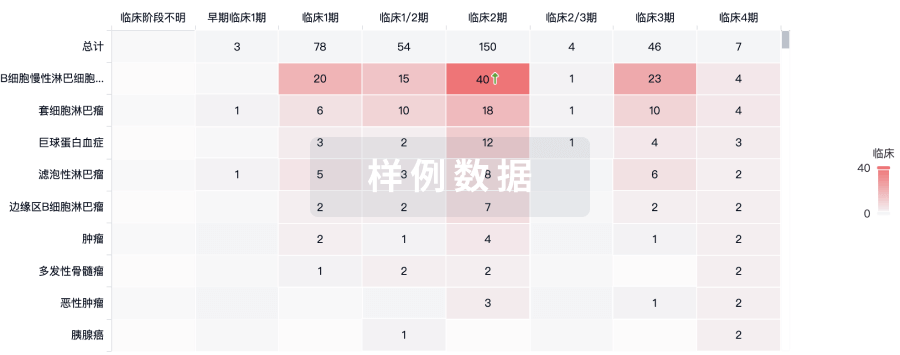
临床分析
紧跟全球注册中心的最新临床试验。
登录
或
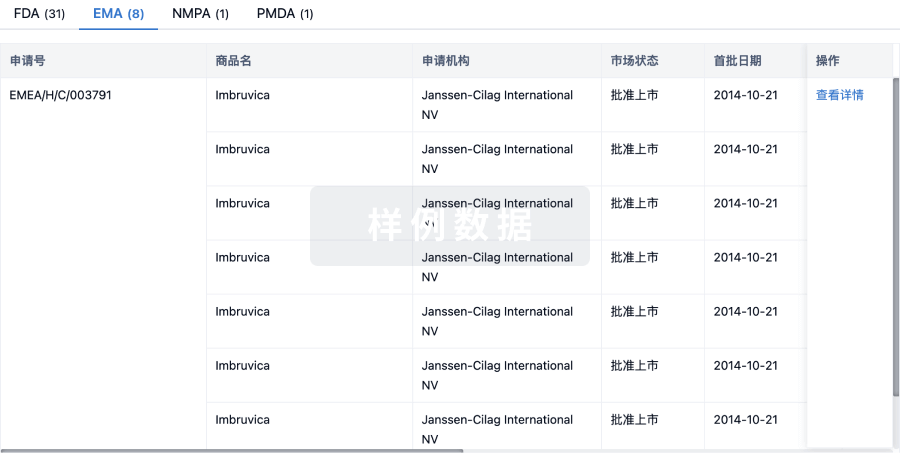
批准
利用最新的监管批准信息加速您的研究。
登录
或
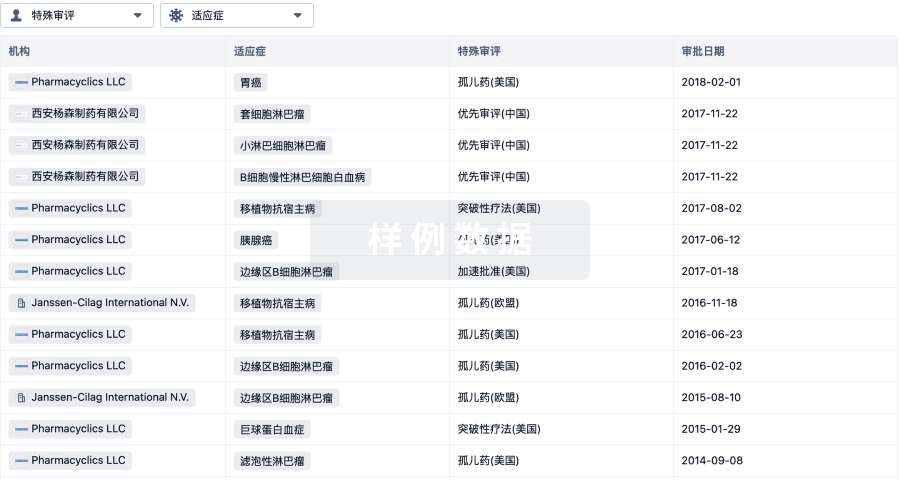
特殊审评
只需点击几下即可了解关键药物信息。
登录
或
生物医药百科问答
全新生物医药AI Agent 覆盖科研全链路,让突破性发现快人一步
立即开始免费试用!
智慧芽新药情报库是智慧芽专为生命科学人士构建的基于AI的创新药情报平台,助您全方位提升您的研发与决策效率。
立即开始数据试用!
智慧芽新药库数据也通过智慧芽数据服务平台,以API或者数据包形式对外开放,助您更加充分利用智慧芽新药情报信息。
生物序列数据库
生物药研发创新
免费使用
化学结构数据库
小分子化药研发创新
免费使用