预约演示
更新于:2026-04-04
(-)-CGP-12177
更新于:2026-04-04
概要
基本信息
药物类型 小分子化药 |
别名 CGP-12177-(-)、CGP-12177A |
作用方式 激动剂 |
作用机制 β3-adrenergic receptor激动剂(β3-肾上腺素能受体激动剂) |
治疗领域 |
在研适应症- |
非在研适应症 |
在研机构- |
非在研机构 |
权益机构- |
最高研发阶段终止临床1期 |
首次获批日期- |
最高研发阶段(中国)- |
特殊审评- |
登录后查看时间轴
结构/序列
分子式C14H21N3O3 |
InChIKeyUMQUQWCJKFOUGV-UHFFFAOYSA-N |
CAS号81047-99-6 |
关联
1
项与 (-)-CGP-12177 相关的临床试验NCT03388788
Circadian Mechanisms of Cardiovascular Risk in Obesity

100 项与 (-)-CGP-12177 相关的临床结果
登录后查看更多信息
100 项与 (-)-CGP-12177 相关的转化医学
登录后查看更多信息
100 项与 (-)-CGP-12177 相关的专利(医药)
登录后查看更多信息
529
项与 (-)-CGP-12177 相关的文献(医药)2026-02-01Pharmacology Research & Perspectives
Comparing the Molecular Pharmacological Properties of Existing β‐Blockers to Determine the Theoretically Most “Ideal” Anti‐Cancer β‐Blocker
Article
作者: Baker, Jillian G.
ABSTRACT:
There is increasing evidence, from cellular, animal and human epidemiological studies, linking β‐blockers with reductions in cancer growth and metastasis. Propranolol is the most investigated β‐blocker for cancer; although as many different off‐patent β‐blockers exist, there is little commercial incentive to drive comparative clinical trials. To minimize any chance of endogenous β‐agonist driven cancer growth or metastasis, theoretically, the “ideal” anti‐cancer β‐blocker would have high affinity, no partial agonism, and long duration of action at β2‐adrenoceptors (and for some cancers, additionally at β1 or β3‐AR). Using CHO cells stably expressing the wildtype and polymorphic variants of the human β1 and β1‐adrenoceptors, this study assessed 35 β‐blockers for the affinity and duration of binding (using
3
H‐CGP12177 whole cell binding) and intrinsic efficacy (CRE‐gene transcription). Despite high affinity, some β‐blockers had a short binding duration (e.g., alprenolol, bupranolol, levobunolol, nadolol and oxprenolol). Other compounds had substantial partial agonism (e.g., cyanopindolol, bucindolol, pindolol, pronethalol and xamoterol) and other compounds had a biphasic washout (e.g., bucindolol, timolol, carpindolol, and CGP12177) for reasons unknown. Considering all 3 factors, carazolol and ICI118551 may be more “ideal” than propranolol; however, carvedilol, with higher affinity and substantially longer duration of β2 (and β1) receptor binding than propranolol whilst maintaining low partial agonism, may be the most theoretically optimal. Furthermore, it is already widely used in cardiovascular medicine as an off‐patent tablet. Thus, carvedilol may have more optimal molecular pharmacological characteristics for an “anti‐cancer” β‐blocker than propranolol and could enter prospective comparative clinical trials without needing any further clinical workup.
2022-04-01Pharmacology research & perspectives4区 · 医学
The affinity and selectivity of α‐adrenoceptor antagonists, antidepressants and antipsychotics for the human α2A, α2B, and α2C‐adrenoceptors and comparison with human α1 and β‐adrenoceptors
4区 · 医学
ArticleOA
作者: Richard G.W. Proudman ; Jillian G. Baker ; Juliana Akinaga
Abstract:
α2‐Adrenoceptors, subdivided into α2A, α2B, and α2C subtypes and expressed in heart, blood vessels, kidney, platelets and brain, are important for blood pressure, sedation, analgesia, and platelet aggregation. Brain α2C‐adrenoceptor blockade has also been suggested to be beneficial for antipsychotic action. However, comparing α2‐adrenoceptor subtype affinity is difficult due to significant species and methodology differences in published studies. Here, 3H‐rauwolscine whole cell binding was used to determine the affinity and selectivity of 99 α‐antagonists (including antidepressants and antipsychotics) in CHO cells expressing human α2A, α2B, or α2C‐adrenoceptors, using an identical method to β and α1‐adrenoceptor measurements, thus allowing direct human receptor comparisons. Yohimbine, RX821002, RS79948, and atipamezole are high affinity non‐selective α2‐antagonists. BRL44408 was the most α2A‐selective antagonist, although its α1A‐affinity (81 nM) is only 9‐fold greater than its α2C‐affinity. MK‐912 is the highest‐affinity, most α2C‐selective antagonist (0.15 nM α2C‐affinity) although its α2C‐selectivity is only 13‐fold greater than at α2A. There are no truely α2B‐selective antagonists. A few α‐ligands with significant β‐affinity were detected, for example, naftopidil where its clinical α1A‐affinity is only 3‐fold greater than off‐target β2‐affinity. Antidepressants (except mirtazapine) and first‐generation antipsychotics have higher α1A than α2‐adrenoceptor affinity but poor β‐affinity. Second‐generation antipsychotics varied widely in their α2‐adrenoceptor affinity. Risperidone (9 nM) and paliperidone (14 nM) have the highest α2C‐adrenoceptor affinity however this is only 5‐fold selective over α2A, and both have a higher affinity for α1A (2 nM and 4 nM, respectively). So, despite a century of yohimbine use, and decades of α2‐subtype studies, there remains plenty of scope to develop α2‐subtype selective antagonists.
2021-11-01Clinical and experimental pharmacology & physiology4区 · 医学
Beneficial and harmful effects of CB1 and CB2 receptor antagonists on chronotropic and inotropic effects related to atrial β‐adrenoceptor activation in humans and in rats with primary hypertension
4区 · 医学
Article
作者: Pędzińska‐Betiuk, Anna ; Weresa, Jolanta ; Mitrosz, Maciej ; Hirnle, Grzegorz ; Malinowska, Barbara ; Schlicker, Eberhard
Abstract:
We have previously shown that cannabinoid CB1 and CB2 receptor antagonists, AM251 and AM630, respectively, modulate cardiostimulatory effects of isoprenaline in atria of Wistar rats. The aim of the present study was to examine whether such modulatory effects can also be observed (a) in the human atrium and (b) in spontaneously hypertensive rats (SHR) and normotensive Wistar Kyoto rats (WKY). Inotropic effects of isoprenaline and/or CGP12177 (that activate the high‐ and low‐affinity site of β1‐adrenoceptors, respectively) were examined in paced human atrial trabeculae and rat left atria; chronotropic effects were studied in spontaneously beating right rat atria. AM251 modified cardiostimulatory effects more strongly than AM630. Therefore, AM251 (1 μM) enhanced the chronotropic effect of isoprenaline in WKY and SHR as well as inotropic action of isoprenaline in WKY and in human atria. It also increased the inotropic influence of CGP12177 in SHR. AM630 (1 μM) decreased the inotropic effect of isoprenaline and CGP12177 in WKY, but enhanced the isoprenaline‐induced inotropic effect in SHR and human atria. Furthermore, AM251 (0.1 and 3 μM) and AM630 (0.1 μM) reduced the inotropic action of isoprenaline in human atria. In conclusion, cannabinoid receptor antagonists have potentially harmful and beneficial effects through their amplificatory effects on β‐adrenoceptor‐mediated positive chronotropic and inotropic actions, respectively.
100 项与 (-)-CGP-12177 相关的药物交易
登录后查看更多信息
研发状态
10 条进展最快的记录, 后查看更多信息
登录
| 适应症 | 最高研发状态 | 国家/地区 | 公司 | 日期 |
|---|---|---|---|---|
| 肥胖 | 临床1期 | - | - |
登录后查看更多信息
临床结果
临床结果
适应症
分期
评价
查看全部结果
登录后查看更多信息
转化医学
使用我们的转化医学数据加速您的研究。
登录
或
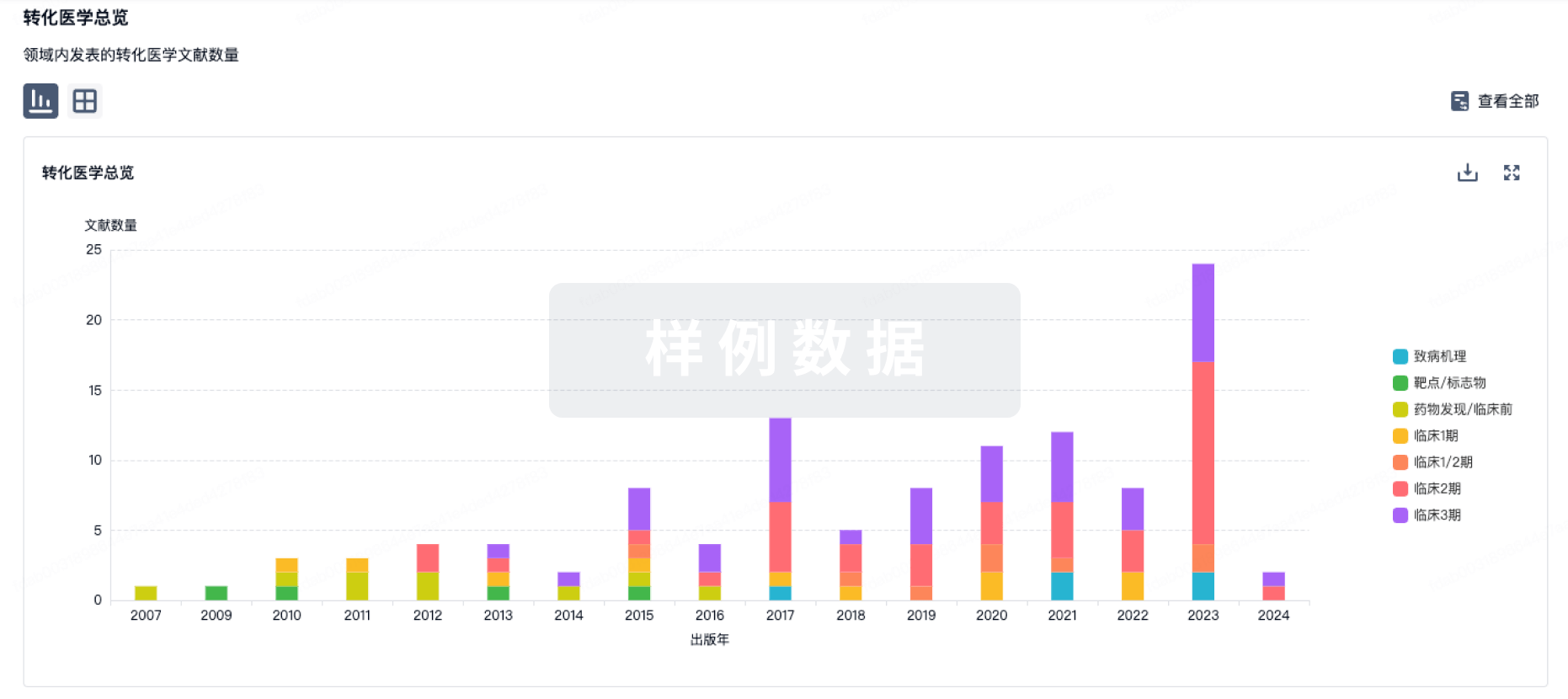
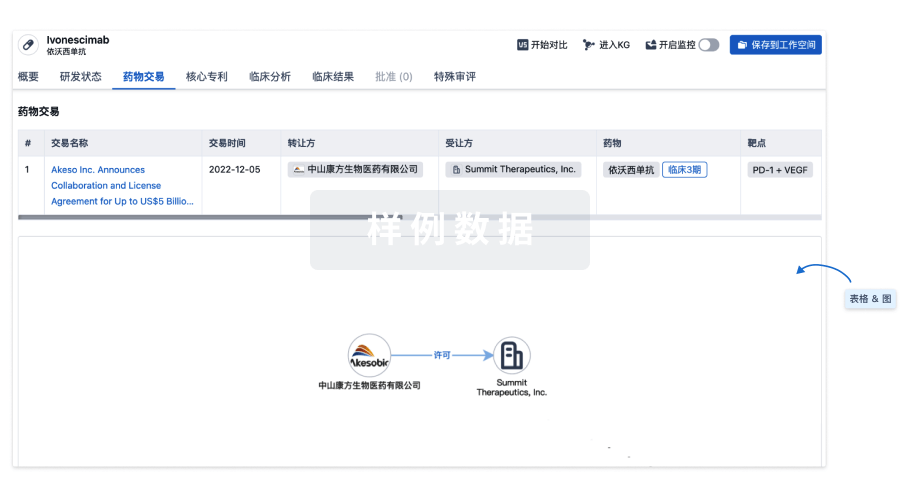
药物交易
使用我们的药物交易数据加速您的研究。
登录
或
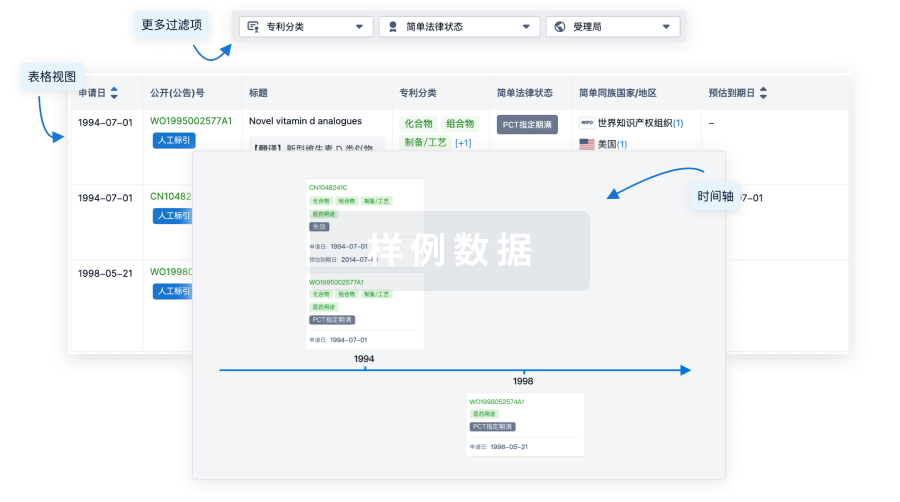
核心专利
使用我们的核心专利数据促进您的研究。
登录
或
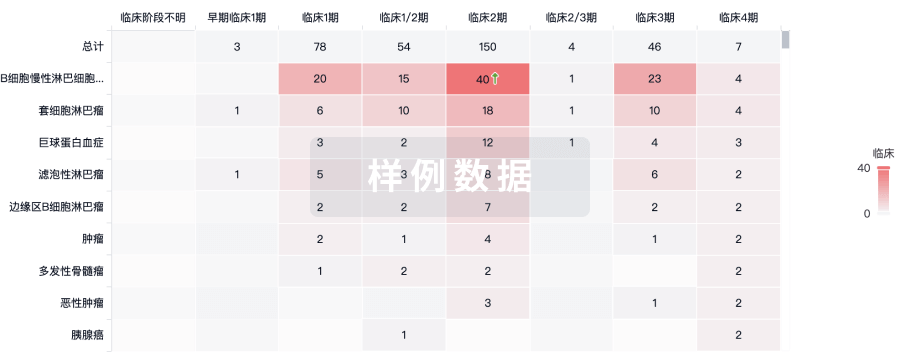
临床分析
紧跟全球注册中心的最新临床试验。
登录
或
批准
利用最新的监管批准信息加速您的研究。
登录
或
特殊审评
只需点击几下即可了解关键药物信息。
登录
或
提出任何生物医药研究问题
让每一步生物医药决策都精准制胜
基于十亿级生物数据与全球情报的精准 AI,赋能早期药物发现
立即开始免费试用!
智慧芽新药情报库是智慧芽专为生命科学人士构建的基于AI的创新药情报平台,助您全方位提升您的研发与决策效率。
立即接入生物医药数据包
智慧芽新药库数据也通过智慧芽开放平台,以MCP或API服务形式对外开放。立即使用我们的MCP服务定制您的LLM智能体。
生物序列数据库
生物药研发创新
免费使用
化学结构数据库
小分子化药研发创新
免费使用