预约演示
更新于:2026-08-29
GW2580(Ophthalmology)
更新于:2026-08-29
概要
基本信息
药物类型 小分子化药 |
别名- |
靶点 |
作用方式 拮抗剂 |
作用机制 CSF-1R拮抗剂(集落刺激因子1受体拮抗剂) |
治疗领域- |
在研适应症- |
非在研适应症- |
非在研机构- |
权益机构- |
最高研发阶段临床前 |
首次获批日期- |
最高研发阶段(中国)- |
特殊审评- |

关联
100 项与 GW2580(Ophthalmology) 相关的临床结果
登录后查看更多信息
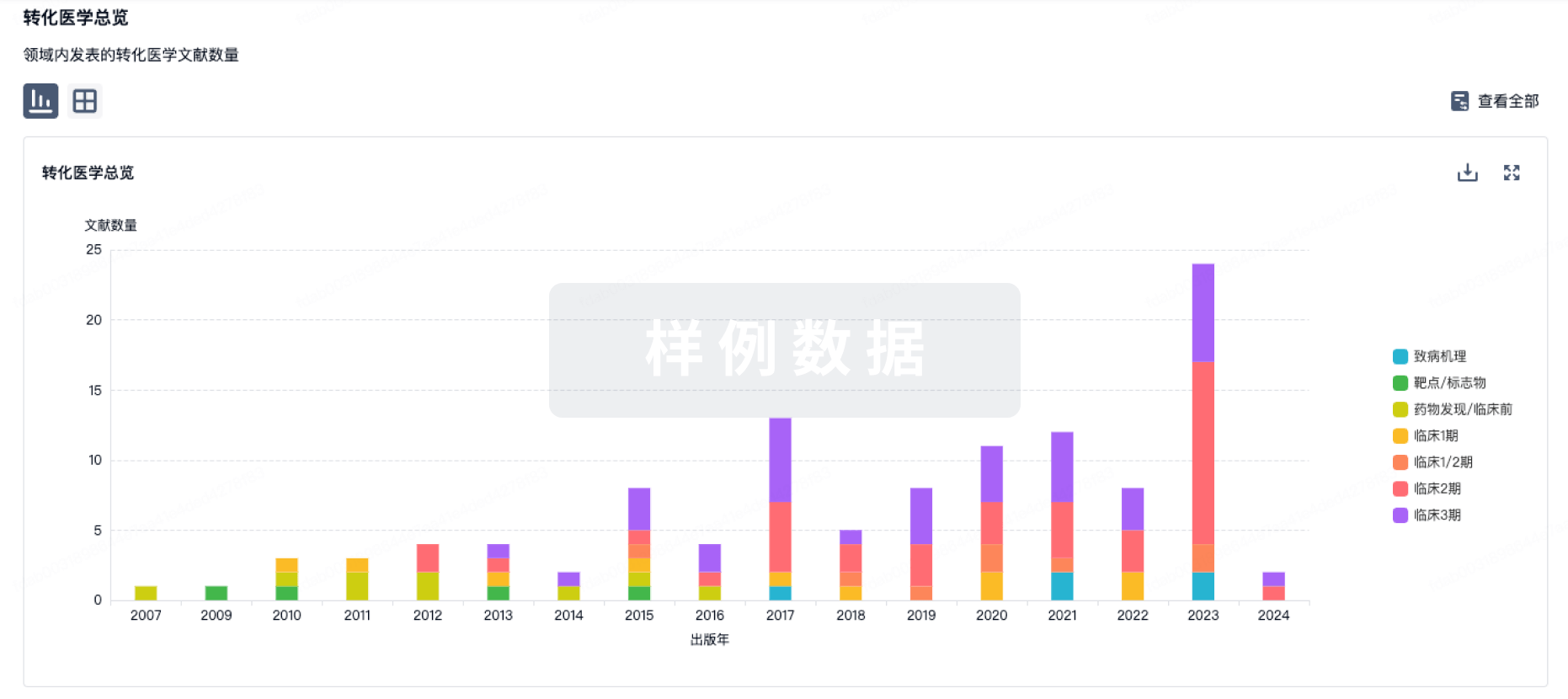
100 项与 GW2580(Ophthalmology) 相关的转化医学
登录后查看更多信息
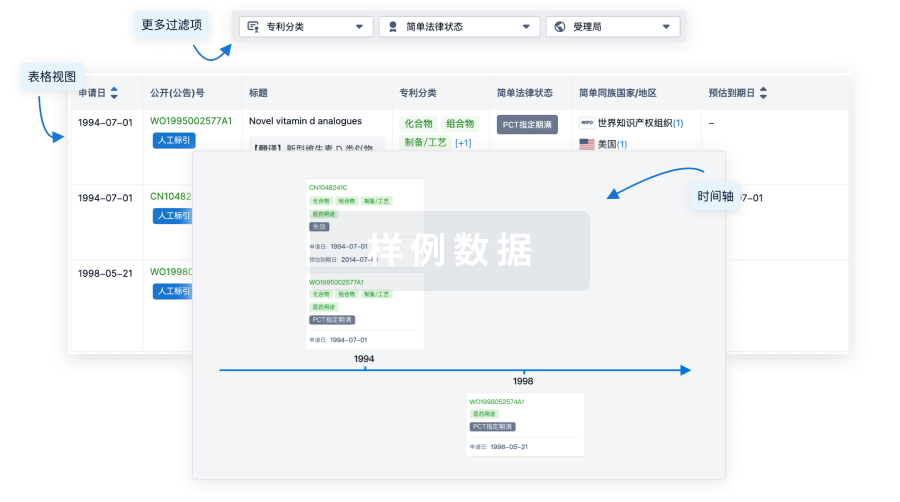
100 项与 GW2580(Ophthalmology) 相关的专利(医药)
登录后查看更多信息
64
项与 GW2580(Ophthalmology) 相关的文献(医药)2026-05-01·GLIA
Microglial Inhibition Promotes Proliferation and Differentiation of Neural Stem Cells via
STAT3
/
SDF
‐1/
CXCR4
Signaling Pathway in Hypoxic–Ischemic Encephalopathy
Article
作者: Li Chen ; Wenhui Wang ; Yuan Chen ; Ya-Ping Tang ; Mingwei Zhu ; Guiqin Duan ; Jun Wang ; Zilin Li ; Ao Ding ; Ting Tan ; Jie Luo
ABSTRACT:
Neonatal hypoxic–ischemic encephalopathy (HIE) may induce substantial neuronal damage. In particular, an overactivation of microglia following HIE represents a pathogenically important process. Previous studies have shown that microglial inhibitors can exert neuroprotective effects in HIE; however, the specific mechanisms underlying these effects have not yet been elucidated. Ligation of the left common carotid artery and exposure to 5% O
2
were utilized to produce an HIE model in rats. A number of experimental approaches were then used to determine the effect of a microglial inhibition, achieved via the administration of GW2580, a Csf1r inhibitor, and investigate the mechanisms involved. Our HIE models exhibited substantial brain infarction and were significantly impaired in motor functions (
p
< 0.01–0.001, in all tests examined). In the infarction areas, the number of microglia, macrophages, and neural stem cells (NSCs) was all dramatically increased over that in sham‐injured rats, respectively (
p
< 0.05–0.001). The administration of GW2580 significantly reduced the numbers of microglia and macrophages, but increased the number of NSCs when compared to those in vehicle‐treated HIE models (
p
< 0.05–0.001). Furthermore, GW2580 significantly ameliorated both the histological and behavioral phenotypes in HIE rats and increased STAT phosphorylation (
p
< 0.05–0.001). Finally, the inhibition or activation of STAT3 respectively decreased or increased the neuroprotective effects of GW2580 (
p
< 0.05–0.001). Collectively, our findings demonstrate that the STAT3 signaling pathway plays a critical role in the neuroprotective effects of microglial inhibition and may facilitate the development of novel therapeutic strategies to treat stroke.
2026-01-28·Science Translational Medicine
Crystallized colony-stimulating factor-1 receptor inhibitor protects immunoisolated allo but not xeno transplants in primates
Article
作者: Ghani, Sofia ; Oberholzer, Jose ; Facklam, Amanda ; DiNardo, Amy ; Farah, Shady ; Xing, Yuan ; Han, Hye Jung ; Wang, Yong ; Joshi, Ira ; Isa, Douglas ; Anderson, Daniel G. ; Bochenek, Matthew A. ; Jeang, William J. ; Pop, Ramona ; Langer, Robert ; Shaheen-Mualim, Merna ; Engquist, Elise N. ; Greiner, Dale L. ; Doloff, Joshua C. ; Sadraei, Atieh ; Odeh, Edwar ; Rios, Peter ; Kutner, Neta
Immunoisolation devices containing therapeutic protein-secreting cells offer potential for long-term therapy without immune suppression. However, scar tissue formation driven by the foreign body response (FBR) hinders nutritional exchange and ultimately leads to graft failure. We previously showed that inhibiting the colony-stimulating factor-1 receptor (CSF1R) pathway in monocytes and macrophages can block the FBR to implanted materials. Here, we demonstrate that coencapsulation of slow-releasing CSF1R inhibitor (GW2580) crystals with human stem cell–derived β cells (SC-β) in alginate spheres enables stable glycemic control for 1 year in immune-competent diabetic C57BL/6 mice. In nonhuman primates (NHPs), GW2580 crystals similarly protected viable, glucose-responsive allogeneic β cells for 1 month without systemic immune suppression. In contrast, the same xenogeneic human SC-β cell formulation that functioned long-term in mice elicited extensive sphere overgrowth and graft failure in NHPs. Serum cytokine profiling and transcriptomic analysis of omental biopsies at day 30 revealed pronounced adaptive immune activation in xenogeneic recipients, including enrichment of CD4
+
T cells, CD19
+
B cells, and antigen-presenting cell programs marked by elevated MHC class II expression. Chemokines
CCL17
,
CCL22
, and
CXCL13
were among the most highly up-regulated transcripts, mirroring responses observed previously with profibrotic alginate formulations without cells. These findings underscore the issues associated with xenogeneic cell sources in higher-order species yet indicate that targeting innate immune pathways with localized CSF1R inhibition may be sufficient to enable function of encapsulated allogeneic cell therapies.
2026-01-01·JOURNAL OF ORTHOPAEDIC RESEARCH
M2 Macrophage‐Derived TGF‐β1 Drives Tendon Fibrosis in Rodent Tendinopathy Models
Article
作者: Wu, Yidong ; Zhang, Baiqing ; Liu, Yujie ; An, Mingyang ; Li, Chunbao ; Gao, Feng ; Yu, Kangkang ; Li, Zhongyao
ABSTRACT:
Tendinopathy is a common degenerative tendon disorder, characterized by extracellular matrix disorganization and progressive fibrosis. While macrophages play a role in fibrosis in other tissues, their specific function in tendon fibrosis remains unclear. This study aims to investigate the involvement of M2‐polarized macrophages and their secretion of transforming growth factor‐β1 (TGF‐β1) in tendon fibrosis. A chronic Achilles tendinopathy rat model was established by combining repetitive acupuncture needle puncture with treadmill overuse. Immunofluorescence and molecular biology techniques were used to assess M2 macrophage infiltration, TGF‐β1 expression, and JNK pathway activation. Pharmacological intervention was performed using GW2580 (CSF‐1R antagonist), and genetic knockout experiments were conducted in a mouse model. Results showed that the model group exhibited disrupted collagen structure and fibrotic matrix deposition in the tendon, accompanied by significant accumulation of CD206⁺ M2 macrophages and elevated TGF‐β1 expression. Immunofluorescence co‐localization revealed that TGF‐β1 was primarily produced by CD206⁺ macrophages. Activation of the JNK signaling pathway was observed. GW2580 treatment significantly reduced M2 macrophage infiltration, suppressed TGF‐β1 levels, and improved histological fibrosis scores. Genetic deletion of
Tgf‐β1
in myeloid cells also alleviated fibrotic changes. In conclusion, M2 macrophage‐derived TGF‐β1 plays a crucial role in tendon fibrosis by activating the JNK signaling pathway, suggesting its potential as a therapeutic target.
1
项与 GW2580(Ophthalmology) 相关的新闻(医药)2025-11-26
·靶药设计
↑关注靶药设计,一起探讨药物研发与AIDD
近日,沈阳药科大学刘丹团队在药物化学权威期刊European Journal of Medicinal Chemistry期刊上发表了一篇题目为《CSF1R抑制剂是治疗癌症的新兴免疫药物》的综述。该文章综述了集落刺激因子-1受体(CSF1R)调控组织驻留巨噬细胞、破骨细胞分化维持的受体酪氨酸激酶,及其突变与神经退行性疾病、骨骼异常及癌症相关。内源性细胞因子结合CSF1R胞外域可激活受体,触发胞内酪氨酸激酶域自磷酸化,激活PI3K、ERK1/2等下游促存活通路。含活性CSF1R的肿瘤相关巨噬细胞(TAMs)会释放促肿瘤细胞因子,恶化肿瘤微环境,故抑制CSF1R是潜在抗肿瘤策略。PLX3397于2019年获FDA批准治疗腱鞘巨细胞瘤,新型小分子抑制剂研发及适应症拓展备受关注。该综述聚焦CSF1R抑制剂的临床与临床前最新进展,探讨了单药及联合治疗的前景。
1. 研究背景
集落刺激因子受体(CSF1R)作为保守的酪氨酸激酶跨膜受体,在CSF1R信号传导中发挥核心作用,其配体为集落刺激因子1(CSF-1)和白细胞介素34(IL-34)。这两种配体与CSF1R胞外域结合后,会诱导受体的同源二聚化,接触胞内酪氨酸激酶结构域的自身释放,通过激活PI3K、Grb2等下游通路,调控细胞存、增值与分化。此外,CSF1R 的周转还与γ-分泌酶介导的膜内切割相关。
CSF1R的表达具有特异性,在巨噬细胞、小胶质细胞、破骨细胞和髓系树突状细胞中预先表达,在造血干细胞中不表达。其正常信号传导对于胚胎发育和组织修复至关重要。而CSF1R的功能异常与多种疾病相关,功能缺失会引发成人脑白质病和骨硬化症,激活突变则与组织细胞肿瘤有关。融合基因作为诊断和预后标志物在大多数的肿瘤中得到了鉴定,CSF-1和CSF1R相关融合基因已在腱鞘巨细胞瘤和白血病中被发现,可能参与细胞发展。
CSF1R在免疫调控中的作用备受关注,癌症等疾病可利用这一功能促进进展。肿瘤相关巨噬细胞(TAMs)作为肿瘤微环境(TME)的关键组成部分,在某些情况下可以达到实体肿瘤质量的一半以上,由组织驻留巨噬细胞和单核细胞衍生的细胞通过“教育”因素的刺激下分化而来。TAMs分为M1型(抗肿瘤)和M2型(促肿瘤),在特定的细胞因子刺激下M1型可极化成M2型,而CSF1R对TAMs的积累和迁移起关键作用,TAMs的积累往往导致患者预后不良和化疗不敏感。
阻断CSF-1/ CSF1R轴成为热门的TAM靶向免疫治疗策略。在不同肿瘤模型中,CSF1R抑制剂的疗效存在差异:PDGFB驱动型胶质母细胞瘤(GBM)小鼠模型中,其可实现肿瘤消退并延长存活期;但在RAS驱动型GBM模型早期,却会加速肿瘤生长,这与肿瘤微环境复杂性、异质性相关。在髓母细胞瘤、结直肠癌等肿瘤中,CSF1R耗竭的治疗效果也存在争议。
相比早期靶向CSF-1/CSF1R的抗体在实体瘤临床研究中受阻,小分子抑制剂展现出优势,2019年PLX3397获批治疗腱鞘巨细胞瘤,成为首款相关药物。近年来,多款结构多样的小分子抑制剂进入后期临床,其应用还扩展到过敏性哮喘、神经退行性疾病等领域。本综述从药物化学视角,总结了CSF1R抑制剂在单药及联合治疗中的最新进展,重点阐述其发现、优化与生物学特性。
2. CSF1R蛋白及其结构
集落刺激因子1受体(CSF1R)属于III类受体酪氨酸激酶(RTK III)家族,由972个氨基酸残基构成,成熟的蛋白因高度糖基化,分子量介于110-165kDa之间。其结构与RTK III的其他成员一致,呈典型的三段式分布,包括胞外结构域(aa1-512)、跨膜区(aa513-537)和胞内结构域(aa538-972)组成。各结构域分工明确,共同支撑其信号传导功能。
胞外结构域由五个免疫球蛋白(Ig)样结构域和一个短的接头区组成。前三个Ig结构域(D1-D3)是配体识别的关键区域,负责结合CSF-1和IL-34两种同源细胞因子;后两个Ig结构域(D4-D5)则在配体结合后介导受体同源二聚化,为后续信号激活奠定基础。而胞内的结构域更为复杂,可进一步指定为质膜(JM)结构域、激酶结构域和羧基末端尾部。其中激酶结构域被亲水性插入序列分为KD1和KD2两个模块,KD1负责与ATP结合,而KD2则介导大多数底物的结合和催化。值得注意的是,CSF1R的激酶域在不同物种之间高度保守,体现了其功能的重要性和进化稳定性。
翻译后修饰是CSF1R激活与调控的关键环节。除糖基化外,胞内域的酪氨酸磷酸化尤为重要。配体结合后,至少六个酪氨酸残基会发生磷酸化,且各位点功能具有特异性:p-Tyr699与Grb2相互作用,p-Tyr699通过与Grb2结合,经SOS-Ras-Raf通路激活MAPK,直接调控细胞增殖与分化;p-Tyr723与PI3K相互作用,激活该通路以调节巨噬细胞迁移;p-Tyr969通过结合c-Cbl,并转录调控Src家族激酶表达,长期影响巨噬细胞运动能力;p-Tyr559则介导CSF1R与SFK的相互作用。此外,Tyr545、Tyr561和Tyr809的磷酸化也参与CSF1R激活状态调控和巨噬细胞增殖过程,共同构成了复杂的磷酸化调控网络。
在结构生物学研究方面,目前尚未获得CSF1R在细胞膜内的完整原位晶体结构,相关认知主要依赖电子显微镜和小角X射线散射技术。研究发现,CSF-1与CSF1R结合后会形成四元复合物,通过氢键、π-π堆积和疏水作用稳定结构,且D1-D3Ig结构域具有高度可塑性,CSF-1和IL-34可诱导其形成不同构象,这种可塑性是受体正确组装活性信号复合物的关键。激酶域的构象变化直接决定其催化活性:非活性状态下,激活环的Tyr809作为假底物阻断ATP结合位点,DFG基序的Asp796呈“DFG-out”构象,导致激酶失活;而活性状态的激活则依赖DFG基序转换为“DFG-in”构象,使激活环重组并暴露ATP结合位点,启动催化反应。
这些结构特征的发现,为理解CSF1R的信号传导机制提供了重要基础,也为靶向CSF1R的药物研发(如针对激酶域构象的抑制剂设计)提供了关键靶点参考。
3. CSF1R抑制剂作为单药治疗
3.1 introduction
药物靶向CSF-1/CSF1R信号通路是目前研究最充分、唯一真正具有选择性的癌症患者巨噬细胞调控策略,可通过限制CSF-1/CSF1R表达或使CSF1R失活实现。除GBM和髓母细胞瘤(MB)外,CSF-1和CSF1R过表达在乳腺、前列腺癌、胰腺癌、肾癌、卵巢癌等多种癌症中普遍存在,而抑制该轴不仅可以直接靶向表达CSF1R的肿瘤细胞,还可在CSF1R低表达的肿瘤中重构肿瘤微环境(TME)。因此,相关适应症拓展研究正积极推进。
单克隆抗体(mAbs)是CSF1R靶向治疗的重要方向,被改造为可识别CSF-1或CSF1R的Ig结构域,阻止CSF1R二聚化和胞内信号激活。人源化抗体在临床前已显示出良好的抗肿瘤作用,但同时存在单克隆抗体治疗实体瘤的常见局限性——肿瘤穿透性差、分布不均,且部分CSF-1/CSF1R特异性单克隆抗体会意外升高CSF-1水平或在临床前模型中表现严重毒性。其中,RG-7155(emactuzumab)是首个进入临床研究的CSF1R靶向单克隆抗体,I期临床试验显示其耐受性良好、未达最大耐受剂量(MTD),且能显著减少肿瘤及替代皮肤组织中CSF1R阳性和CD68/CD163阳性的巨噬细胞,近期已启动针对腱鞘巨细胞瘤(TGCT)的III期临床试验。
酪氨酸激酶抑制剂通过靶向CSF1R胞内区,阻止其自磷酸化及胞质信号转导。PLX3397作为首款小分子口服CSF1R抑制剂,于2019年获批治疗TGCT,已被学术界广泛用作探索CSF-1/CSF1R信号通路调控巨噬细胞生理功能的工具,同时也是临床开发范围最广的CSF1R抑制剂,研究证实其可降低CSF1R磷酸化水平、提高M1/M2巨噬细胞比例,后续将展开详细介绍。
本节将介绍已进入临床研究的CSF1R抑制剂、临床前抑制剂的最新进展及其配体-受体结合模式分析,且从药物化学视角仅覆盖小分子抑制剂。若需了解含生物药物的CSF1R抑制剂临床评估,可参考Ordentlich博士的最新综述。
3.2 CSF1R抑制剂的临床研究
目前有超过10项处于临床阶段的CSF1R抑制剂肿瘤学研发项目正在招募受试者,另有更多项目已成功完成(数据截至2022年9月),但这些研究在安全性和有效性方面的临床结果大多有限。已公开的I期临床试验结果显示,多数药物耐受性良好,常见副作用为该类药物的常见毒性反应,包括疲劳、恶心、眶周/外周水肿,以及与肝毒性或器官损伤相关的血清酶升高。作者总结了所有CSF1R药物的化学结构、涉及的激酶靶点和临床研究说明;部分已上市的酪氨酸激酶抑制剂如伊马替尼、达沙替尼、舒尼替尼,虽具有一定CSF1R抑制活性,但因有效治疗浓度下的疗效多与CSF1R无关,未被纳入本文讨论范围。
3.2.1 PLX3397(培西达替尼)
PLX3397(培西达替尼)是Plexxikon公司研发的口服小分子CSF1R抑制剂,获FDA批准用于治疗TGCT,同时对RTK III家族的c-KIT和FLT3也有强效抑制作用(IC50值分别为12 nM、9 nM)。该药物带有严重且可能致命的肝损伤黑框警告,因此,欧洲药品管理局尚未批准其用于TGCT患者。除TGCT外,其还在黑色素瘤、前列腺癌、肺癌等适应症中开展测试,但多项单药或联合治疗试验因商业决策或临床结果不佳已终止或撤销。在胶质母细胞瘤的临床试验中,尽管已证实肿瘤内药物暴露充足,但未体现疗效,有假说认为GBM亚型的相对比例可能导致治疗耐药性,该机制仍需进一步研究验证。
3.2.2 HMPL-012(索凡替尼)
HMPL-012(索凡替尼)是和黄医药研发的药物,2020年在中国获批用于非胰腺神经内分泌肿瘤(基于III期临床试验显示的无进展生存期改善)。其对CSF1R、VEGFR1-3等少数RTKs有选择性抑制作用,对多数其他激酶抑制较弱,在体外能阻断CSF1R磷酸化及相关细胞增殖,在多种异种移植模型中可抑制肿瘤生长。目前正针对肝细胞癌、胆道癌等多种实体瘤进行单药或联合治疗评估,但在软组织肉瘤经多线治疗患者中显示单药活性微弱。FDA就其海外应用发出函件,认为当前数据不支持批准,要求开展纳入美国代表性患者的多区域临床试验。
3.2.3 PLX5622
PLX5622是Plexxikon基于PLX3397开发的CSF1R抑制剂,对CSF1R特异性更高、血脑屏障穿透性更好,对c-KIT和FLT3的选择性提升20倍以上,晶体结构显示Gly795可能是增强选择性的潜在靶点。其曾进入健康成人安全性评估和类风湿关节炎临床试验,但这两项试验的结果均未正式披露,且未开展后续试验。近期Spangenberg等人研究显示其或可用于阿尔茨海默病治疗。此外,PLX73086(选择性CSF1R抑制剂,靶向TAMs)和PLX7486(Trk/CSF1R双抑制剂)也具有强效体内外活性,分别启动过实体瘤等相关I期试验,但均于2018年终止。因开发商2022年关闭,这三种候选药物的进一步临床评估已无望。
3.2.4 JNJ-40346527(埃迪替尼)
JNJ-40346527(埃迪替尼)是强生制药研发的高效特异性CSF1R抑制剂(IC50 = 3.2 nM),对c-KIT和FLT3抑制作用较弱。其临床前与早期临床结果已有相关综述,已完成的复发或难治性(R/R)霍奇金淋巴瘤试验仅获有限结局,类风湿关节炎(RA)和克罗恩病相关试验结果未披露,一项针对复发或难治性急性髓系白血病(AML)患者的试验因入组不足于2021年终止。目前仍有针对特定类型前列腺癌和阿尔茨海默病的两项试验在开展。
3.2.5 BLZ945(索妥替尼)
BLZ945(索妥替尼)是诺华公司研发的口服、可穿透血脑屏障的CSF1R抑制剂,具有强效(IC50 = 1nM)和高选择性(对其他激酶选择性>3200倍),其临床前数据已有综述。目前正开展两项试验:一项针对晚期实体瘤,另一项针对肌萎缩侧索硬化症(ALS)。早期结果显示,BLZ945单药治疗或与spartalizumab(PD-1单克隆抗体)联合治疗的安全性可接受,单药推荐II期剂量为1200mg(4天给药/10天停药),联合用药最大耐受剂量为700mg,且在GBM患者中观察到初步抗肿瘤活性。
3.2.6 ARRY-382(PF-07265804)
ARRY-382是一种高选择性口服CSF1R抑制剂(IC50= 9nM),对c-KIT、PDGFR等200多种激酶无显著抑制作用。体内实验显示其以剂量依赖性方式抑制CSF1R磷酸化,减少肿瘤浸润髓系细胞和M2样巨噬细胞,延缓肿瘤生长。I期研究在晚期实体瘤患者中确定了最大耐受剂量(MTD)和推荐II期剂量(RP2D),观察到良好药代动力学和部分缓解。2016年启动的与PD-1单抗联合治疗的Ib/II期试验,因疗效不足于2022年6月终止,非安全性问题所致。
3.2.7 ABT-869(利尼法尼)
ABT-869是一种多靶点激酶抑制剂,可强效抑制CSF1R(IC50 = 3nM)及VEGFs、PDGFs等,在低纳摩尔水平即可显著抑制相关激酶磷酸化,且选择性作用于依赖突变激酶增殖的癌细胞,能强效抑制CSF-1依赖的细胞生长,对非依赖型细胞抑制较弱,还可降低小鼠模型中TNF-α释放。其2007年进入临床,多项实体瘤或血液肿瘤研究已完成,安全性良好但高剂量不良事件增加,部分研究因商业原因或未达标准终止;目前有一项比较其与索拉非尼治疗晚期肝癌疗效的试验在进行,计划招募70人,预计2023年6月完成。
3.2.8 DCC-3014(vimseltinib)
DCC-3014(vimseltinib)是Deciphera制药研发的强效CSF1R抑制剂(IC50 = 2.2nM),选择性显著优于PLX3397。体外可抑制M–NFS–60细胞增殖、CSF1R磷酸化及破骨细胞分化;体内实验中,口服或腹腔注射能剂量依赖性减少肿瘤内巨噬细胞。其类药特性良好,共晶结构显示通过氢键与CSF1R结合并中断其催化必需的盐桥。目前多项临床试验正在招募,I期数据显示其单药或联合治疗在晚期实体瘤中安全可耐受,TGCT患者中客观缓解率达42%,近期启动了针对不可手术TGCT患者的III期试验,是目前唯一进入晚期临床的真正CSF1R选择性抑制剂。
3.2.9 CS2164(西奥罗尼)
CS2164(西奥罗尼)是深圳微芯生物通过计算机辅助设计开发的多激酶抑制剂,以喹啉为骨架,可强效抑制CSF1R(IC50 = 7nM)及VEGFR1-3、Aurora B等多个靶点(IC50均为个位数纳摩尔)。体外能抑制单核细胞向巨噬细胞分化,减少肿瘤组织中CSF1R+细胞及巨噬细胞浸润;体内在多种异种移植模型中呈剂量依赖性抑制肿瘤生长,且无毒性迹象。其2014年进入临床,目前正进行针对两线化疗后进展/复发小细胞肺癌的III期试验,首次人体试验显示安全性和药代动力学良好,推荐II期剂量为50mg/天。针对卵巢癌、淋巴瘤等的四项I/II期试验已完成(数据未披露),联合治疗三阴性乳腺癌及两项小细胞肺癌试验正在进行;一项复发/难治性淋巴瘤I期试验因未达预期于2019年终止。
3.2.10 3D185
3D185最初是强效FGFR1/2/3抑制剂(IC50值为0.5 nM、1.3 nM和3.6 nM),经激酶组筛选意外发现其对CSF1R也有相当抑制活性(IC50 = 3.8 nM),可同时抑制肿瘤细胞并重塑TME。其对FGFRs和CSF1R选择性高,在依赖这两种受体的癌细胞中活性强(平均IC50 = 17.3 nM),对低表达细胞抑制弱。作用机制包括抑制巨噬细胞存活和M2极化、逆转对CD8+T细胞的免疫抑制、抑制相关癌细胞迁移。体内可剂量依赖性抑制FGFR驱动肿瘤生长,在TAM主导模型中延缓肿瘤生长并调节免疫细胞浸润。目前进入I/II期试验,针对晚期实体瘤和既往治疗的局部晚期或转移性肝内胆管癌(iCCA),其安全性、耐受性、药代动力学及疗效将在 2026 年底完成评估。未来或开展与标准治疗的联合试验。
3.2.11 NMS-03592088
NMS-03592088是一种可穿透血脑屏障的RTK III抑制剂,对CSF1R、c-KIT和FLT3均有强效抑制作用(Kd均<1 nM)。体外能强效抑制FLT3驱动的急性髓系白血病(AML)和c-KIT驱动的胃肠道间质瘤(GIST)生长及CSF1R依赖的信号通路;体内可抑制肿瘤生长并延长小鼠存活时间,且在动物实验中安全性良好。目前正针对复发或难治性(R/R)急性髓系白血病(AML)患者开展临床评估,第一阶段旨在确定MTD和RP2D,第二阶段关注客观缓解率(ORR),试验预计2023年9月完成,同时评估其在R/R AML或慢性粒单核细胞白血病(CMML患者中的安全性、耐受性及PK/PD特征。
3.2.12 OSI-930
OSI-930是安斯泰来制药研发的多靶点激酶抑制剂,可抑制CSF1R(IC50 = 15 nM)及c-KIT、KDR等多个靶点(纳摩尔水平)。临床前表现出强效抗肿瘤活性、生存期延长及良好药代动力学特征。2007年进入临床,I期试验(单药或联合厄洛替尼)确定了MTD和RP2D,在晚期卵巢癌患者中观察到抗肿瘤应答,19名经多线治疗的伊马替尼耐药胃肠道间质瘤(GIST)患者中,有11名达到疾病稳定。尽管I期数据乐观,但过去十年间未开展后续研究。
3.2.13 Q702
Q702是Qurient Therapeutics公司研发的口服有效的CSF1R、Axl和Mer三重激酶抑制剂,通过调节先天免疫激活T细胞,具有增强抗原呈递和直接发挥细胞毒性的双重作用机制,从而促使肿瘤消退。目前有两项临床试验正在进行:一项I期研究评估其在晚期实体瘤中的安全性等特征,另一项I/II期临床试验旨在评估Q702联合帕博利珠单抗在晚期实体瘤患者中的安全性和初步疗效。
3.2.14 TPX-0022(elzovantinib)
TPX-0022是Turning Point Therapeutics研发的强效选择性的CSF1R(IC50 = 0.76 nM)、MET和Src抑制剂,结构含紧凑大环骨架,可抑制CSF1R自磷酸化及相关肿瘤细胞增殖。目前针对晚期实体瘤的研究正在进行,预计招募330人,2023年11月完成。初步数据显示其耐受性良好,主要为低级头晕,未出现高级别水肿,推荐II期剂量目前仍在评估中。与PD-1抗体联合使用的临床前数据良好,突显了其与免疫检查点抑制剂(ICIs)联合治疗的潜在价值。
3.2.15 ARQ087(derazantinib)
ARQ087是一种口服泛FGFR抑制剂,对FGFR1-3(IC50 = 1.8-4.5 nM)及CSF1R(IC50 = 3.8 nM)等多种激酶有抑制作用,在体外和体内肿瘤模型中显示出抗肿瘤活性。其2012年进入临床,两项已完成的试验显示安全性可控,能产生临床意义且持久的应答,改善无进展生存期。目前多项针对iCCA及其他肿瘤的研究正在进行,探索其单药或联合治疗的潜力。
3.2.16 X-82(伏罗尼布)
X-82是一种口服多靶点激酶抑制剂,设计源于舒尼替尼,可抑制CSF1R、VEGFRs和PDGFRs,从而抑制肿瘤细胞增殖、迁移等。三项I期试验已完成并确定MTD和RP2D,部分试验因非药物特性原因终止。目前多项II期联合试验在评估其对小细胞肺癌和黑色素瘤的疗效,其中与特瑞普利单抗联合治疗黑色素瘤显示出前景,无进展生存期延长、疗效改善且毒性可控。一项X-82联合依维莫司治疗转移性肾细胞癌的III期试验已启动,原计划2021年12月完成,但后续无更新。
3.3实验室研究阶段的CSF1R抑制剂
PLX3397作为首个获批的CSF1R抑制剂,推动了学术界和工业界对更多结构多样的新型化合物的研发,但该药物存在家族内选择性差、潜在危及生命的混合性或胆汁淤积性肝毒性等缺陷,限制了其应用范围。因此,下一代CSF1R抑制剂的开发需权衡利弊,且迫切需要新型小分子药物以减轻已知副作用。鉴于已有综述总结了PLX3397获批前的相关抑制剂,本节将聚焦2019年以来的最新进展,基于结构特征分组介绍这些抑制剂的发现、优化及临床前特性。
3.3.1 吡啶类化合物
吡啶类化合物是CSF1R抑制剂开发中应用广泛的结构单元,多个含吡啶骨架的分子(如PLX3397等)已展现出良好的临床前和临床活性。近年来,多家机构通过结构修饰持续优化吡啶类CSF1R抑制剂:Deciphera的A2通过修饰提高了效力和选择性,在动物模型中显示持久抑制作用;Abbisko Therapeutics的A3结构类似但效力稍低,细胞选择性改善;Adlai Nortye的A4、A5为CSF1R/c-KIT双抑制剂,药代动力学良好且能抑制肿瘤生长;MedShine Discovery的A7、A8效力强但选择性数据缺失;上海润石的A9兼具CSF1R和其他激酶抑制活性,可调节免疫微环境并与PD-1抗体协同抗肿瘤;SIMM的A11选择性优异,抗炎和抗肿瘤活性良好;Chung-Ang University的A13活性提升,需进一步研究。这些进展为吡啶类CSF1R抑制剂的优化和应用奠定了基础。
3.3.2 嘧啶类化合物
嘧啶类化合物是CSF1R抑制剂开发的另一重要方向,近年来取得多项进展:Roche通过结构修饰得到A15,作为CSF1R/Lck双靶点抑制剂,可抑制LPS诱导的炎症因子;AstraZeneca的A18源于DNA-PKcs抑制剂优化,保留对CSF1R的强效抑制,共晶结构揭示其结合模式;YKL-05-099基于SIK抑制剂修饰,稳定性改善且强效抑制CSF1R,可能用于骨质疏松治疗(促进骨形成);Czako等人通过骨架跃迁设计的A19和IACS-9439具有良好选择性和抗肿瘤活性,IACS-9439在动物模型中可调节巨噬细胞表型(增加M1、减少M2)。这些研究为嘧啶类CSF1R抑制剂的优化和多领域应用提供了依据。
3.3.3 芳基稠合嘧啶类化合物
芳基稠合嘧啶类是CSF1R抑制剂的重要类别,代表性进展包括:BPR1K871因脱靶毒性和低生物利用度需修饰,经优化得到的BPR1R024对CSF1R和c-KIT强效且选择性高,体外可抑制相关信号通路和M2样巨噬细胞,体内口服有效并能调节肿瘤微环境中巨噬细胞比例;韩美制药的A20经苄基侧链修饰得到A21,CSF1R抑制活性显著提升,对依赖CSF1R的肿瘤细胞生长抑制增强,药代动力学良好且与紫杉醇有协同作用。这些研究为该类抑制剂的优化和应用提供了依据。
3.3.4 喹啉类化合物
喹啉是设计激酶抑制剂的优势骨架,近年来相关研究取得进展:Qurient Therapeutics的A22作为CSF1R、Axl、Mer三重抑制剂,在生化和细胞层面活性显著,动物实验中能抑制肿瘤生长甚至使肿瘤完全消退;南京驯鹿生物的A23和A24与A22结构相似,对CSF1R及Axl等多靶点有强效抑制,细胞实验中可降低相关磷酸化蛋白表达并抑制肿瘤细胞增殖,且在多种动物中表现出良好的稳定性和药代动力学特性。这些为喹啉类CSF1R抑制剂的开发提供了支持。
3.3.5 氮杂环丁烷类化合物
氮杂环丁烷类化合物中,GW2580作为首个CSF1R选择性抑制剂,因其优异特性为后续研究奠定基础。日本烟草公司基于其结构开发了线性氮杂环丁烷类似物,其中A25的CSF1R抑制活性优于GW2580,进一步优化得到的JTE-952虽非最强效,但激酶选择性和药代动力学特性优异(生物利用度高、半衰期长)。JTE-952可抑制相关信号通路和促炎因子,在关节炎模型中效果显著,与甲氨蝶呤联合可增强抗RA疗效,是炎症疾病的潜在候选物。其共晶结构揭示了与CSF1R的具体结合模式,为结构优化提供了依据。
3.3.6 其他类化合物
其他类CSF1R抑制剂的研究包括:以舒尼替尼为灵感,经SBDD开发的A26和A27,其中A27活性强效,可抑制CSF1R磷酸化、调节巨噬细胞表型(M2→M1)、诱导肿瘤细胞凋亡,体内外均能抑制肿瘤生长;SIMM专利中的A28对CSF1R及相关细胞增殖有抑制作用,在异种移植模型中可剂量依赖性抑瘤,与PD-1单抗联合有协同效果,但激酶选择性数据缺失。这些研究丰富了CSF1R抑制剂的结构类型和作用潜力。
3.4 CSF1R抑制剂的结合模式分析
X射线晶体学为CSF1R抑制剂的设计提供了关键指导,多数抑制剂(15/16)结合于CSF1R的失活构象(“DFG-out”),通过与Cys666、Asp796等残基形成氢键,以及π-阳离子、范德华力等多种非键相互作用稳定结合,同时破坏保守盐桥以抑制催化活性,其平均结合表面积和体积分别约为577Ų和578ų。仅有一种抑制剂结合于“DFG-in”构象,但其结合口袋小,不利于高亲和力和选择性。
CSF1R选择性抑制剂的开发得益于其与其他RTK III成员的结构差异:CSF1R的Gly795形成“甘氨酸选择性口袋”,而其他RTK III成员为大体积半胱氨酸。基于此,DCC-3014(利用甲基)和PLX5622(引入氟原子)通过空间位阻提高了选择性,JM区域取向也可能参与选择性调控。这些发现为高选择性CSF1R抑制剂的设计提供了重要依据。
4. CSF1R 抑制剂作为联合治疗
CSF1R抑制剂在非恶性肿瘤TGCT的治疗中取得了突破性进展,但在恶性实体瘤的单药治疗中疗效不佳。其原因包括:单药难以激活适应性免疫系统以实现长期控瘤、肿瘤类型对药物的敏感性尚不明确、仅能减缓肿瘤进展而难以促使消退,以及肿瘤可通过分泌CSF-1等形成免疫抑制性微环境导致治疗耐药。因此,CSF1R抑制剂常与免疫治疗、化疗或靶向治疗联合使用以增强疗效,目前多项相关联合治疗的临床试验正在进行中。
4.1 与免疫疗法联合
CSF1R抑制剂与免疫治疗联合的机制基础在于:激活的CD8+T细胞分泌的细胞因子会诱导CSF-1表达,进而促进M2样巨噬细胞极化形成免疫抑制微环境,而联合阻断CSF-1/CSF1R通路与免疫检查点可协同改善CD8+T细胞功能。临床前研究显示,在黑色素瘤、胰腺导管腺癌等模型中,该联合方案能显著消退肿瘤、减少M2样TAMs并增加T细胞浸润,效果优于单药。临床试验方面,多数I期试验显示联合方案(与PD-1/PD-L1等抗体)耐受性良好,部分患者(如经ICB治疗的NSCLC、GBM)有初步抗肿瘤活性,但部分II期试验因疗效不足、安全性问题等中途终止。目前更多II期联合试验正在进行,尚无III期或更晚期试验启动。
4.2 与化疗和放疗联合使用
CSF1R抑制剂与化疗、放疗联合的核心机制是破解“治疗诱导免疫抑制”循环:化疗或放疗会诱导肿瘤微环境分泌CSF-1、IL-34,招募并激活TAM,而TAM会削弱治疗效果、促进耐药复发,CSF1R抑制剂可阻断该通路,与放化疗形成协同作用,这一机制已在临床前模型中验证,能减瘤并改善生存。
临床试验中,紫杉醇是目前CSF1R联合治疗中最常用的搭档,PLX3397、emactuzumab与紫杉醇的I期试验均显良好耐受性,PLX3397联合组完全缓解或部分缓解率16%、疾病稳定率34%,疗效更优;CS2164联合化疗的II期已完成,针对复发/难治性卵巢癌的III期正在招募。但部分方案疗效未达预期,如PLX3397联合艾瑞布林治疗转移性乳腺癌客观缓解率(ORR)仅16%,lacnotuzumab联合吉西他滨+卡铂治疗晚期三阴性乳腺癌未改善活性,部分试验终止。总体而言,该联合策略机制明确、部分数据积极,但疗效受药物组合和肿瘤类型影响较大,需更多大样本试验验证其临床价值。
4.3 与靶向治疗联合使用
CSF1R抑制剂与靶向治疗联合的抗肿瘤策略,核心机制是通过阻断CSF1R通路重塑肿瘤微环境,降低免疫抑制性巨噬细胞浸润,使肿瘤细胞对靶向药物更敏感,该潜力已在多项临床前实验中得到验证。
临床试验方面,多项I/Ib期研究取得阶段性进展:PLX3397联合BRAFV600E抑制剂维莫非尼、MEK抑制剂比美替尼、c-KIT抑制剂PLX9486等方案,均显示出良好耐受性,部分伊马替尼耐药的晚期胃肠道间质瘤患者观察到临床活性,但部分研究因商业决策等原因未推进至后续阶段。
针对特定耐药场景的联合方案成效显著:在脑转移瘤中,CSF1R抑制剂单药易因CSF2Rb-STAT5介导的代偿性耐药导致抑瘤效果短暂,联合STAT5抑制剂可破解该耐药机制,实现强效且持续的抗肿瘤应答;在BRCA缺陷型三阴性乳腺癌中,PARP抑制剂易产生获得性耐药,而CSF1R抑制可减少免疫抑制性巨噬细胞,与PARP抑制剂联合能重塑肿瘤微环境、增强先天和适应性抗肿瘤免疫力,成功克服耐药并延长荷瘤小鼠生存期。
总体而言,该联合策略为耐药肿瘤治疗提供了全新方向,尤其在破解靶向药耐药、改善难治性肿瘤预后上价值突出,但目前多数研究处于早期阶段,需更多大样本、长期随访的临床试验进一步验证其临床实用性。
5 作者观点
肿瘤相关巨噬细胞(TAMs)作为肿瘤微环境的核心成分,在多数癌症中大量存在,其调控已成为抗肿瘤治疗的重要方向。CSF1R因在巨噬细胞、单核细胞及TAMs中普遍表达,成为靶向TAMs的优选靶点,相关抑制剂在TGCT治疗中取得初步成功,但仍面临多重核心挑战。
靶点特异性是首要难题,CSF1R与RTK III家族成员结构相似,导致激酶抑制剂易产生非特异性抑制。目前已形成多种解决策略:以II型结合剂为主的抑制剂通过占据疏水口袋提升特异性;含2-(1-甲基-1H-吡唑-4-基)吡啶等结构单元的化合物成为高选择性特权基序;晶体学技术助力骨架精细修饰,变构抑制剂开发也为特异性提升提供新路径。脱靶毒性同样不容忽视,如PLX3397会影响肝驻留库普弗细胞,引发肝酶异常,限制其临床应用。
疗效方面,CSF1R抑制剂单药仅能减缓肿瘤进展,难以实现消退,因此精准定位敏感适应症(如FLT3-ITD突变型AML、c-KIT突变型黑色素瘤)及开发联合治疗成为关键。与免疫治疗、化疗、靶向治疗的联合方案已在临床中显示协同效应,显著提升原本不敏感患者的应答率。此外,临床前模型不足、M1/M2二分法难以精准定义TAMs亚群等问题,也需通过多组学分析、跨物种比较等技术逐步解决。
综上,CSF1R抑制剂通过调控巨噬细胞发挥作用,与依赖CD8+T细胞的传统免疫治疗形成互补,有望拓展免疫治疗的应用边界。尽管在特异性、毒性控制、疗效提升等方面仍需突破,但随着结构优化策略的完善、联合治疗的推进及临床前模型的革新,其在癌症治疗中的潜力将进一步释放,为更多难治性肿瘤患者提供新的治疗选择。
靶药设计公众号主要分享最新科研成果或CADD/AIDD方法,标记【原创】内容为阅读文献提炼总结的内容,著作权归出版社与作者所有。投稿,合作,交流请后台私信联系。欢迎课题组投稿,可刊载研究成果宣传,人才招聘信息。
免疫疗法临床申请申请上市
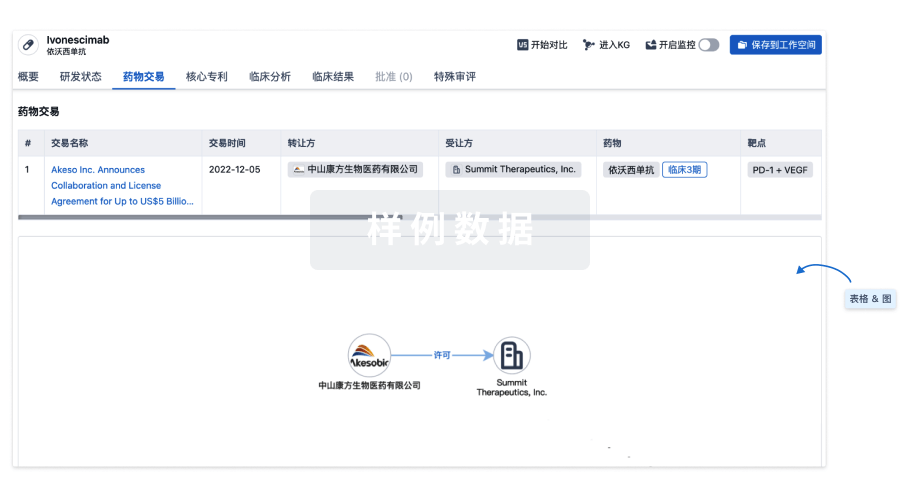
100 项与 GW2580(Ophthalmology) 相关的药物交易
登录后查看更多信息
研发状态
登录后查看更多信息
临床结果
临床结果
适应症
分期
评价
查看全部结果
| 研究 | 分期 | 人群特征 | 评价人数 | 分组 | 结果 | 评价 | 发布日期 |
|---|
No Data | |||||||
登录后查看更多信息
转化医学
使用我们的转化医学数据加速您的研究。
登录
或
药物交易
使用我们的药物交易数据加速您的研究。
登录
或
核心专利
使用我们的核心专利数据促进您的研究。
登录
或
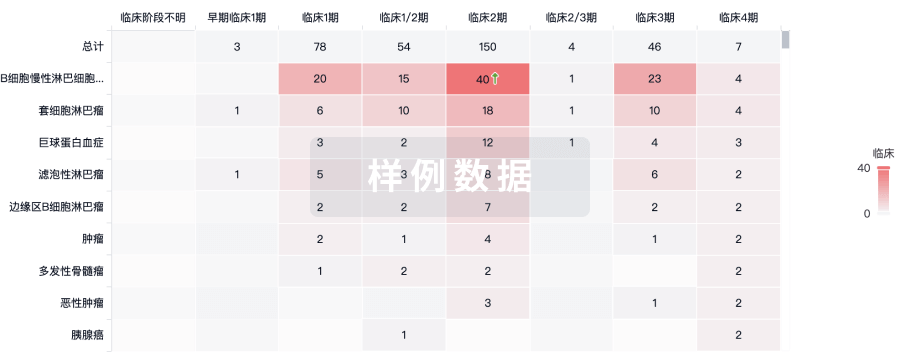
临床分析
紧跟全球注册中心的最新临床试验。
登录
或
批准
利用最新的监管批准信息加速您的研究。
登录
或
特殊审评
只需点击几下即可了解关键药物信息。
登录
或
提出任何生物医药研究问题
让每一步生物医药决策都精准制胜
基于十亿级生物数据与全球情报的精准 AI,赋能早期药物发现
立即开始免费试用!
智慧芽新药情报库是智慧芽专为生命科学人士构建的基于AI的创新药情报平台,助您全方位提升您的研发与决策效率。
立即接入生物医药数据包
智慧芽新药库数据也通过智慧芽开放平台,以MCP或API服务形式对外开放。立即使用我们的MCP服务定制您的LLM智能体。
生物序列数据库
生物药研发创新
免费使用
化学结构数据库
小分子化药研发创新
免费使用