预约演示
更新于:2026-09-12
Semaglutide(Anya Biopharma)
更新于:2026-09-12
概要
基本信息

关联
100 项与 Semaglutide(Anya Biopharma) 相关的临床结果
登录后查看更多信息
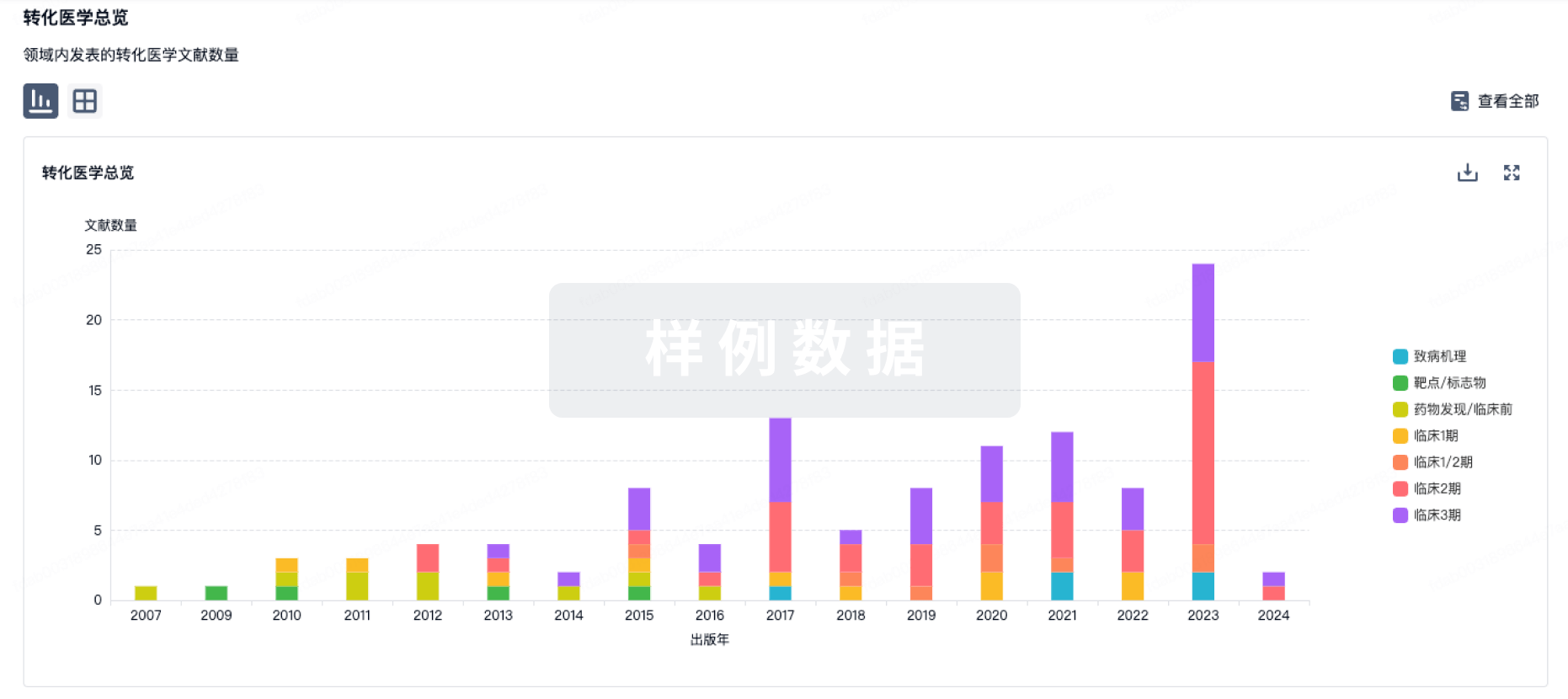
100 项与 Semaglutide(Anya Biopharma) 相关的转化医学
登录后查看更多信息
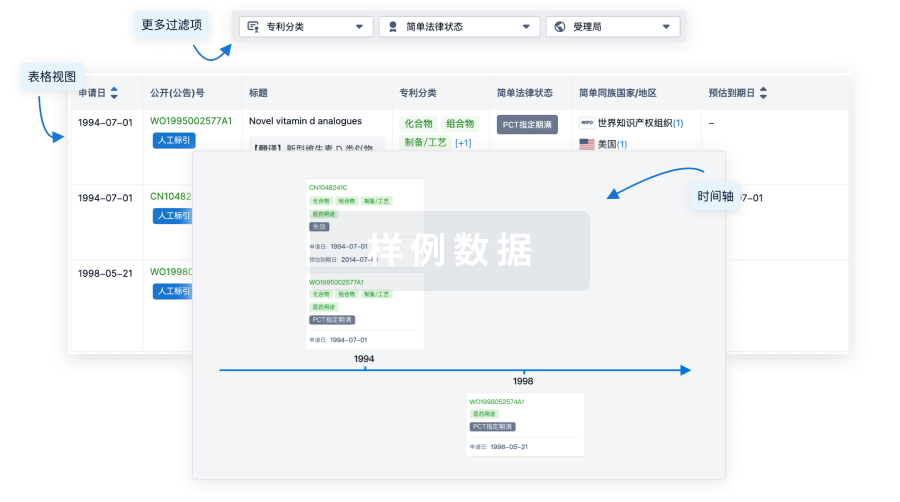
100 项与 Semaglutide(Anya Biopharma) 相关的专利(医药)
登录后查看更多信息
696
项与 Semaglutide(Anya Biopharma) 相关的文献(医药)2026-10-01·DIABETES OBESITY & METABOLISM
Efficacy and Safety of Once‐Weekly Semaglutide 2.0 mg as an Add‐On to Dose‐Reduced Insulin Glargine versus Dose‐Titrated Insulin Glargine in People With Type 2 Diabetes and Overweight (
SUSTAIN OPTIMIZE
)
Article
作者: Bhargava, Anuj ; Priyadarshini, Prachi ; Irace, Concetta ; Makrilakis, Konstantinos ; Sivalingam, Suvanjaa ; Povedano, Santiago Tofé ; Lobo, Jevitha ; Rodbard, Helena W.
ABSTRACT:
Aims:
Type 2 diabetes (T2D) management with basal insulin can lead to hypoglycaemia and weight gain. SUSTAIN OPTIMIZE compared once‐weekly semaglutide 2.0 mg as add‐on to dose‐reduced insulin glargine (Sema+IGlar
reduced
) versus dose‐titrated IGlar (IGlar
titrated
) on glycated haemoglobin (HbA
1c
), body weight (BW), daily insulin dose, and participant satisfaction.
Materials and Methods:
SUSTAIN OPTIMIZE was a 40‐week, phase 3b, open‐label, randomised study. Adults with T2D, overweight (body mass index ≥ 25 kg/m
2
), and treatment with basal insulin ≤ 40 units/day were randomised 1:1 into Sema+IGlar
reduced
or IGlar
titrated
. The primary endpoint was change in HbA
1c
using a non‐inferiority approach. Secondary endpoints assessed superiority of Sema+IGlar
reduced
versus IGlar
titrated
in reducing HbA
1c
, BW, daily insulin dose, and improving Diabetes Treatment Satisfaction Questionnaire change version (DTSQc) scores.
Results:
Overall, 573 participants were randomised. Sema+IGlar
reduced
achieved both non‐inferiority and superiority versus IGlar
titrated
in HbA
1c
reduction (estimated treatment difference [ETD]: −0.74%; 95% confidence interval [CI
95
]: −0.90, −0.59) and superiority in BW change (ETD: −8.5 kg; CI
95
: −9.5, −7.4), relative daily insulin dose change (ETD: −121.9%; CI
95
: −143.1, −100.6), and DTSQc scores (ETD: 2.6; CI
95
: 1.6, 3.5) (
p
< 0.0001 for all endpoints). No new safety concerns were identified. Severe hypoglycaemia was reduced (rate ratio: 0.45; CI
95
: 0.23, 0.87;
p
= 0.02), while gastrointestinal events were higher for Sema+IGlar
reduced
(310 vs. 32 events).
Conclusions:
Once‐weekly subcutaneous semaglutide 2.0 mg as add‐on to dose‐reduced IGlar achieved superior reductions in HbA
1c
, BW, and daily insulin dose in people with T2D and overweight, while reducing their risk for severe hypoglycaemia compared to dose‐titrated IGlar alone.
2026-10-01·DIABETES OBESITY & METABOLISM
Efficacy and Hypoglycaemia Outcomes With Once‐Weekly
IcoSema
Versus Comparators in Individuals With Type 2 Diabetes by Kidney and Liver Function: A
Post Hoc
Analysis of the
COMBINE
1–3 Trials
Article
作者: Benamar, Malik ; Unnikrishnan, A. G. ; Andersen, Jonas Dahl ; Rea, Rosangela ; Ponzani, Paola ; Vinther, Siri ; Ji, Linong
ABSTRACT:
Aims:
This
post hoc
analysis of COMBINE 1–3 assessed efficacy and hypoglycaemia outcomes with IcoSema (once‐weekly combination therapy of basal insulin icodec and semaglutide [a glucagon‐like peptide‐1 analogue]) versus comparators in adults with type 2 diabetes (T2D) by kidney and liver function subgroups.
Materials and Methods:
Treatment outcomes were analysed by trial according to kidney (estimated glomerular filtration rate ≥ 90; 60–< 90; 30–< 60; < 30
mL
/min/1.73 m
2
) and liver (total bilirubin ≤ 21 μmol/L or aspartate aminotransferase [
AST
] ≤ 31/≤ 37 [female/male] U/L; total bilirubin > 21 μmol/L or
AST
> 31/> 37 [female/male] U/L) function subgroups.
Results:
In COMBINE 1–3, across kidney and liver function subgroups, there were no statistically significant treatment by subgroup interactions for change in glycated haemoglobin (HbA1c) (baseline to week 52), change in body weight (baseline to week 52) or rates of combined clinically significant or severe hypoglycaemia (not assessed by kidney function for COMBINE 2) (all
p
> 0.05). There were statistically significant treatment by kidney function subgroup interactions for the achievement of HbA1c < 7.0% without weight gain and without clinically significant or severe hypoglycaemia in COMBINE 3 (
p
< 0.05) but not COMBINE 1 or 2, and statistically significant treatment by liver function subgroup interactions in COMBINE 1 (
p
< 0.05) but not COMBINE 2 or 3. For COMBINE 1 and 3, there were statistically significant treatment by kidney function subgroup interactions for mean weekly total insulin dose, but not statistically significant treatment by liver function subgroup interactions.
Conclusions:
Efficacy and hypoglycaemia outcomes with IcoSema versus comparators were generally consistent among adults with T2D with mild to moderate kidney impairment or impaired liver function.
Trial Registration:
The COMBINE 1–3 trials were sponsored by Novo Nordisk and are registered with
ClinicalTrials.gov
(NCT05352815; NCT05259033; NCT05013229)
2026-09-03·Expert Review of Endocrinology & Metabolism
Resmetirom and semaglutide: next-generation therapies for metabolic-associated steatohepatitis. Opportunities, challenges and issues
Review
作者: Adinolfi, Luigi E. ; Izzi, Antonio ; Craxi, Antonio ; Marrone, Aldo
INTRODUCTION:
Resmetirom and semaglutide are the first drugs to be approved for the pharmacological treatment of metabolic-associated steatohepatitis (MASH) and moderate-to-severe liver fibrosis. However, approval was based on histological endpoints obtained during a relatively short trial period, leaving some important questions unanswered.
AREAS COVERED:
Resmetirom acts directly on the liver by activating thyroid hormone receptor β. Semaglutide acts systemically, reducing weight and improving metabolism. Both drugs induce resolution of MASH and improve liver fibrosis in a significant proportion of patients. The drugs are generally well tolerated, but significant gastrointestinal side effects can occur. Patient selection for treatment and efficacy evaluation should be based on noninvasive tests (NITs), but a substantial unresolved issue remains. Further issues include monitoring and the duration of treatment, as well as the impact of treatment on hepatic and systemic disease outcomes. Ensuring fair access to treatment for all is a challenge facing the global health community.
EXPERT OPINION:
This review explores the current approach to issues and challenges associated with using resmetirom and semaglutide in patients with MASH, proposing reference points to assist physicians in their clinical practice. Furthermore, we emphasize the importance of implementing interventions within the healthcare system to ensure equitable access to therapies.
47
项与 Semaglutide(Anya Biopharma) 相关的新闻(医药)2026-09-08
点击“蓝字”关注我们
引言
减重药物的发展,正在不断刷新人们对于“能减多少”的认识。在早期减重药物研究中,平均减重达到10%以上已属较高水平;如今,中国人群GLP-1类药物Ⅲ期研究的平均减重幅度已接近20%,部分更高剂量探索及在研药物研究结果的减重幅度已超过20%,并且这一结果在6月10日至8月12日期间举办的10场「“瑞”不可挡,减重前沿对话」线上直播会议上得到了专家们的详细解读。
从10%到15%、20%,再到超越20%,不同减重幅度对于患者究竟意味着什么?当减重能力不断向上突破,我们又该如何理解越来越高的减重百分比?
在比较不同研究之前,需要先找到一把读懂这些数字的“尺子”。
一、先定目标,再谈获益:
减重幅度究竟意味着什么
1.减重目标因人而异,需要分阶段、个体化设定
肥胖症的治疗需要基于患者的肥胖程度、年龄、并发症及治疗需求,确定适宜的减重目标。
国家卫健委发布的《肥胖症诊疗指南(2024年版)》指出,对大多数超重和轻度肥胖症患者,可设定3-6个月内至少降低体重5%-15%并维持;中、重度肥胖症患者则可设定更高目标,以获得更优的代谢及临床结局[1]。
2025年美国临床内分泌学会(AACE)共识进一步按照减重幅度进行疗效分层:≤5%为应答不足,>5%至<15%为良好应答,≥15%为优秀应答,并建议约3个月评估早期应答[2]。
体重下降是肥胖症治疗重要的治疗目标,但最终需要实现的目标是通过合理、可持续的减重,改善肥胖相关健康风险和疾病负担,从而真正改善健康。因此,肥胖症治疗并非以恢复正常体重指数(BMI)为唯一目标,即使患者仍处于超重或肥胖范围,一定幅度的体重下降也能带来血糖、血压、血脂及肥胖相关疾病风险的改善[3],减重百分比更像是一个便于追踪的过程指标。
2.不同减重幅度,对应不同程度的并发症改善
随着减重幅度增加,患者可能获得更广泛、更深入的肥胖相关并发症改善[4,5]:
• 降幅≥5%:基础代谢获益起点。该降幅下血压、血糖、血脂开始出现改善。
• 降幅约10%:更多代谢获益及疾病改善。可实现部分2型糖尿病缓解,阻塞性睡眠呼吸暂停通气指数、非酒精性脂肪肝的肝脏脂肪变性得到改善。
• 降幅约15%:进入深度减重区间。甘油三酯、血压可实现持续大幅下降,进一步深度改善血糖、血压和血脂等代谢指标。
•降幅20%以上:进一步扩大疾病改善空间。对重度肥胖、高疾病负担人群,可进一步降低多系统疾病风险,研究提示持续大幅度减重可以带来远期寿命获益。
图1 不同减重幅度的获益[11]
需要注意的是,5%、10%、15%、20%并不是不同疾病改善的绝对“分界线”,患者的基线BMI、疾病类型及严重程度均会影响实际获益。这些数字更像一把刻度尺,帮助理解不同减重幅度可能对应的治疗深度。
3.减重药物疗效有了更明确的评价标尺
最新发布的《肥胖患者的长期体重管理及药物临床应用指南(2026版)》根据平均减重幅度,将现有及在研减重药物的疗效划分为不足(<5%)、尚可(5%~10%)、强(10%~20%)和非常强(>20%)四个等级[6]。
这意味着,平均减重幅度所处的区间,已经成为理解不同减重药物疗效水平的重要维度。与此同时,在解读研究结果时,还应进一步关注不同减重幅度的「达标率」——即有多少患者真正达到≥5%、≥10%、≥15%乃至≥20%的体重下降。达标率越高,意味着越多患者能够进入相应的减重深度区间,也为判断一种治疗方案能够覆盖多大比例患者的个体化减重需求提供了另一重要视角。
二、中国首个GLP-1/GIP双受体激动剂瑞普泊肽Ⅲ期核心数据一览
同为中国人群Ⅲ期研究,不同研究在基线BMI、体重、年龄、性别构成以及治疗周期等方面仍存在差异,这些因素都可能影响最终呈现的减重结果。目前,司美格鲁肽、替尔泊肽、玛仕度肽、瑞普泊肽、埃诺格鲁肽等GLP-1类药物均已完成中国人群Ⅲ期临床研究,为临床决策提供了日益丰富的本土证据[7-11]。
不同研究报告的平均减重幅度大体分布在10%至20%区间。其中,瑞普泊肽GEMINI-1研究6 mg组48周平均体重降幅达到19.2%,4 mg组平均降幅也达17.4% [10],处于「强」疗效区间,已接近20%的「非常强」疗效分界。从达标率来看,6 mg组有44.4%的受试者实现≥20%减重,即接近一半受试者进入20%以上的深度减重区间。
从10%到接近20%,中国人群Ⅲ期研究正在不断拓宽药物减重的幅度。而当20%逐渐成为新的观察刻度,一个新的问题也随之出现:减重药物的平均减重幅度能否进一步跨过20%?
三、跨过20%:
更强减重疗效的进一步探索
放眼全球,已有多项平均减重超过20%的研究结果出炉。比如,2025年9月,瑞普泊肽Ⅱ期研究8 mg组治疗36周平均体重降幅达到23.6%,87.8%的受试者达到≥15%减重,30.6%达到≥25%减重[12]。这表明当剂量继续向上探索时,瑞普泊肽显示出进一步向20%以上减重幅度探索的潜力。
随着减重幅度进一步提升,治疗持续性也成为高剂量探索中值得关注的维度。瑞普泊肽Ⅱ期研究未观察到因不良事件永久停药的受试者[12]。这意味着,进一步优化剂量,瑞普泊肽有望将深度减重的患者比例推至更高水平,为肥胖症患者尤其是高疾病负担人群提供更具临床意义的治疗选择。
总结
从10%到15%、20%,再到20%以上,减重药物的发展正在不断拓宽体重管理能够达到的幅度。专家们认为,要真正理解这个数字,需要同时回到患者“从哪里出发”、治疗目标“需要减多少”,以及研究“如何得到这个数字”。随着中国人群Ⅲ期及更多高剂量探索研究证据的不断丰富,临床评价也正在从单纯比较减重百分比,逐步走向对减重深度、获益层级及患者长期结局的综合判断。
10场充满思辨的高水平学术对话已圆满落幕。系列会议对肥胖领域最新循证证据与前沿诊疗理念的深度解读,并非学术探索的终点,而是全新的起点。肥胖作为严峻的全球性公共卫生难题,仍亟待破解,而一套立足中国特征的本土创新治疗方案,正稳步向临床走来。
参考文献
1.国家卫健委《肥胖症诊疗指南(2024年版)》
2. Nadolsky K, et al. American Association of Clinical Endocrinology Consensus Statement: Algorithm for the Evaluation and Treatment of Adults with Obesity/Adiposity-Based Chronic Disease - 2025 Update.Endocr Pract. 2025;31(11):1351-1394.
3. Elmaleh-Sachs A,et al. Obesity Management in Adults: A Review. JAMA. 2023;330(20):2000-2015.
4.中国医师协会内分泌代谢科医师分会,内分泌代谢科肥胖诊疗联盟.肠促胰素类减重药物临床应用专家共识(2025版).中华糖尿病杂志,2025,17(08):950-970.
5.Blüher M. An overview of obesity-related complications: The epidemiological evidence linking body weight and other markers of obesity to adverse health outcomes. Diabetes Obes Metab. 2025;27 Suppl 2(Suppl 2):3-19.
6.中华医学会内分泌学分会.肥胖患者的长期体重管理及药物临床应用指南(2026版).中华内分泌代谢杂志. 2026,42(8):641-669.
7. Mu Y, et al. Efficacy and safety of subcutaneous semaglutide 2.4 mg in Chinese adults with overweight or obesity (STEP 7): a phase 3a, randomised, double-blind, placebo-controlled trial. Lancet Diabetes Endocrinol. 2024;12(3):184-195.
8. Zhao L, et al. Effect of Tirzepatide on Weight Reduction in Chinese Adults With Obesity: The SURMOUNT-CN Randomized Clinical Trial. JAMA. 2024;332(7):551-560.
9. Ji L, et al. Once-Weekly Mazdutide in Chinese Adults with Obesity or Overweight (GLORY-1). N Engl J Med. 2025;392(22):2215-2225.
10. Phase 3 Trial of HRS9531, a GLP-1/GIP Receptor Agonist, in Chinese Adults with Overweight or Obesity. X. Li et al. ObesityWeek 2025, Annual Meeting of the Obesity Society, Atlanta, GA, November 2025.
11.Ji L, et al. Efficacy and safety of a biased GLP-1 receptor agonist ecnoglutide in adults with overweight or obesity (SLIMMER): a multicentre, randomised, double-blind, placebo-controlled, phase 3 trial. Lancet Diabetes Endocrinol. 2025;13(9):777-789.
12. Efficacy and Safety of HRS9531, a Novel Dual GLP-1/GIP Receptor Agonist, in Chinese Adults with Overweight or Obesity Without Diabetes. Oral presentation, European Association for the Study of Diabetes (EASD) Annual Meeting, 2025.
声明:本文仅供医疗卫生专业人士了解最新医药资讯参考使用,不代表本平台观点。该等信息不能以任何方式取代专业的医疗指导,也不应被视为诊疗建议,如果该信息被用于资讯以外的目的,本站及作者不承担相关责任。
最新《国际糖尿病》读者专属微信交流群建好了,快快加入吧!扫描左边《国际糖尿病》小助手二维码(微信号:guojitnb),回复“国际糖尿病读者”,ta会尽快拉您入群滴!
(来源:医药笔记)
2026-09-08
·生物探索
衰老并不是一条由单一指标刻画的直线。它可能表现为细胞状态随组织而变、线粒体突变在局部器官累积,也可能嵌入代谢、免疫与社会压力之中。
近期的几项研究从人类细胞图谱、随机试验、纵向队列,到小鼠、斑马鱼、线虫和细胞模型,关注同一个问题:哪些变化只是伴随老化,哪些可能参与疾病进程,哪些又具备干预空间?
01 · 单细胞图谱|组织差异|细胞衰老同一组衰老标志,为何在不同人体细胞中含义不同?
新版人体细胞图谱扩大供体、细胞和组织覆盖,揭示衰老相关表达并非统一程序,而是随细胞环境明显变化。
该研究发布TabulaSapiens2.0,在原有二十余种器官和组织基础上加入9名新供体、4种新组织,并使细胞数量翻倍。其中4名供体贡献多个器官,可在同一个体内比较不同组织的转录特征。
图谱覆盖了几乎全部人类转录因子的转录本,为判断其潜在细胞类型特异性提供参照。对表达经典细胞衰老相关基因的细胞进行分析后,研究发现这些细胞具有明显异质性和情境依赖性,提示单个标志物不能脱离细胞类型与组织环境解释。
关键数据
新增9名供体,细胞数量较前一版本翻倍
新增4种组织,整体覆盖二十余种器官和组织4名
供体提供多器官样本
检测到几乎全部人类转录因子的转录本
这项研究值得关注的地方
提供跨组织、跨细胞类型的人体参照系,可用于提出基因调控和细胞衰老的新假设。
注:
这是转录组参考图谱;基因表达与细胞状态相关,不能单独证明调控关系或衰老因果机制。
02 · 司美格鲁肽|晚年干预|小鼠寿命晚年才启动司美格鲁肽,雌鼠功能与寿命仍可改变
在老年雌鼠中,司美格鲁肽减缓多项功能下降并延长寿命,还呈现部分不同于单纯少吃的变化。
该研究从20月龄雌性C57BL/6小鼠开始给予GLP-1受体激动剂司美格鲁肽,先干预3个月评估生理功能、衰老特征和营养感知通路,并在持续用药条件下观察寿命;纵向实验还与匹配的热量限制直接比较。
治疗保留了基线功能,并重现热量限制的多项功能获益,同时减轻年龄相关下降。探索驱动力、空间记忆和血糖控制的轨迹优于热量限制,部分指标还高于基线;持续治疗延长了这些雌鼠的寿命,说明其作用在该模型中不完全等同于减少热量摄入。
关键数据
干预起始年龄为20月龄
初始治疗持续3个月
持续治疗延长雌鼠寿命
探索驱动力、空间记忆和血糖控制轨迹优于匹配热量限制
这项研究值得关注的地方
将晚年药物干预与热量限制直接对照,为区分摄食减少和其他效应提供实验框架。
注:
证据来自单一品系的雌性小鼠,不能据此判断人类抗衰老效果、适用剂量或长期安全性。
03 · 线粒体DNA|心肌细胞|免疫反应只让心肌累积线粒体突变,能否独立推动心衰?
可时空控制的小鼠模型表明,心肌细胞内线粒体DNA突变足以引发局部能量缺陷、免疫反应和进行性功能下降。
该研究构建可在空间和时间上控制校对缺陷型线粒体DNA聚合酶POLGD257A表达的PolgiMut小鼠,将突变诱导限定在心肌细胞,并结合心脏功能、呼吸链、蛋白质组和免疫细胞浸润分析。
心肌细胞内的线粒体DNA突变导致进行性收缩功能障碍和心脏呼吸链缺陷,却未伴随全身性病理。蛋白质组结果将这种镶嵌性呼吸链功能障碍与逐步增强的免疫反应相连,包括抗原加工蛋白上调和免疫细胞浸润;长寿相关通路则受到抑制,但与上述变化并不同步。
关键数据
突变诱导被限定于心肌细胞
出现进行性心脏收缩功能障碍和呼吸链缺陷
未观察到伴随的全身性病理
抗原加工蛋白上调并出现免疫细胞浸润
这项研究值得关注的地方
通过器官和细胞类型特异模型,区分了线粒体突变的局部效应与全身失调。
注:
因果证据来自工程化小鼠模型;其突变生成方式和进程不等同于人类自然衰老或临床心力衰竭。
04 · 蛋白修饰|ω-3脂肪酸|代谢化学ω-3脂肪酸还能留下此前未知的蛋白化学印记
研究鉴定出赖氨酸C3-亚胺化,并追踪到ω-3脂肪酸氧化来源,为连接脂质代谢与蛋白修饰增加新线索。
该研究开发硼氢化钠与硼氘化物平行还原的固定和稳定同位素标记方法,以区分同分异构修饰;随后分析秀丽隐杆线虫和小鼠蛋白水解产物,并结合蛋白质组、同位素示踪及遗传、饮食和药理操纵。
研究确认蛋白赖氨酸可与丙醛结合形成“赖氨酸C3-亚胺化”,并在线虫和小鼠中检测到该修饰。多类实验共同支持其来源于细胞色素P450介导的ω-3脂肪酸氧化;修饰涉及关键代谢通路相关蛋白,在CYP活性普遍升高的daf-2(e1370)衰老模型线虫中水平也更高。
关键数据
在线虫和小鼠中确认C3-亚胺化
修饰底物为蛋白赖氨酸与丙醛
来源证据指向CYP介导的ω-3脂肪酸氧化
daf-2(e1370)线虫中的修饰水平升高
这项研究值得关注的地方
扩展了代谢物来源蛋白翻译后修饰的范围,并提供可用于后续功能研究的检测策略。
注:
目前主要是生化鉴定和模式生物证据;该修饰的具体功能、人体分布及临床意义仍不能确定。
05 · 二甲双胍|端粒生物学|随机试验二甲双胍能改变糖尿病前期人群的端粒指标吗?
一项24周随机试验发现,二甲双胍提高白细胞端粒长度、端粒酶活性和SIRT1表达,但不能等同于延缓临床衰老。
该研究在北印度招募30至60岁糖尿病前期人群;322人接受筛查,127人随机接受二甲双胍500毫克、每日2次或安慰剂,同时进行生活方式咨询。试验持续24周,采用参与者和结局评估者盲法。
共有112人完成试验。二甲双胍组白细胞端粒长度平均变化为+0.247±0.298,安慰剂组为+0.036±0.068,组间p<0.0001;端粒酶活性分别变化+0.528±0.412和−0.019±0.279。SIRT1表达增幅也更高,且这些变化不依赖持续的血糖改善。
关键数据
127人随机分组,112人完成试验,完成率88.2%
端粒长度增幅为29.6%对4.4%
端粒酶活性在干预组增加39.3%
SIRT1表达变化为+0.249±0.535对+0.029±0.097
这项研究值得关注的地方
为二甲双胍影响人类端粒相关指标提供随机对照证据,并将其与血糖变化区分。
注:
疗程仅24周,结局是外周血分子指标而非疾病、功能或寿命;明显的端粒变化仍需更大规模长期验证。
06 · 肥胖肾病|IgG滞留|足细胞衰老肥胖肾小球中的IgG沉积,可能不只是旁观现象
患者样本提示IgG沉积增加,动物和细胞实验进一步显示,巨噬细胞回收IgG可连接肥胖、脂质失衡与足细胞衰老。
该研究比较肥胖相关肾小球病患者、饮食诱导肥胖小鼠与对照的肾小球IgG,并在小鼠中补充外源IgG或去除B细胞。研究还对IgG刺激的原代足细胞进行转录组和脂质组分析,并实施多种体内外功能干预。
患者与肥胖小鼠的肾小球IgG沉积均增加。非肥胖小鼠补充IgG可重现IgG累积和足细胞衰老,而B细胞缺失或抗CD20治疗可降低IgG并减轻损伤。IgG上调Smpd3、增加足细胞内神经酰胺;敲低Smpd3,或清除巨噬细胞及特异性敲除其FcRn,均产生保护作用。
关键数据
患者和饮食诱导肥胖小鼠均出现肾小球IgG沉积增加
外源IgG在非肥胖小鼠中重现足细胞衰老表型
Smpd3敲低阻止神经酰胺累积和足细胞衰老
巨噬细胞特异性FcRn敲除减少IgG沉积和足细胞损伤
这项研究值得关注的地方
把非特异性IgG沉积、巨噬细胞回收和足细胞脂质代谢串联为可实验检验的疾病通路。
注:
人体样本主要支持共现关系,通路因果证据来自小鼠和细胞;抗CD20或FcRn策略的临床获益与风险尚不能判断。
07 · 黄斑变性|CNN2|跨物种验证从遗传位点走向候选基因,CNN2为何受到关注?
研究先从人类遗传数据筛出候选基因,再用鱼和小鼠检验眼部功能,将CNN2推进为黄斑变性的候选易感基因。
该研究整合年龄相关性黄斑变性的全基因组关联研究与表达数量性状位点数据,优先筛选9个候选基因;随后在斑马鱼中进行体内筛选,并利用Cnn2缺陷小鼠评估光感受器结构、视觉功能和视锥细胞表型。
降低斑马鱼cnn2或sarm1表达会造成眼部结构异常和视觉功能受损。小鼠Cnn2缺失进一步影响光感受器结构与功能、损害对比敏感度,并造成视锥细胞免疫染色异常。结合CNN2主要在内皮细胞表达的结果,研究提出内皮功能异常可能影响光感受器,但该路径仍属机制假说。
关键数据
遗传整合分析优先筛选出9个候选基因
降低cnn2和sarm1表达均损害斑马鱼眼结构及视觉功能
Cnn2缺陷小鼠出现光感受器异常和对比敏感度受损
CNN2主要表达于内皮细胞
这项研究值得关注的地方
展示了从统计遗传关联到跨物种功能筛选的递进路线,缩小了易感位点的候选范围。
注:
CNN2仍是候选易感基因;鱼和小鼠缺失表型不能证明人类常见变异通过同一机制导致黄斑变性。
08 · 系统性红斑狼疮|性别化种族歧视|纵向关联社会压力是否会随时间映射到狼疮疾病活动?
对201名黑人女性的纵向分析发现,性别化种族歧视经历越频繁,狼疮疾病活动越高,提示社会环境不可忽视。
该研究使用VISTA项目2017至2023年的纵向数据,分析201名患系统性红斑狼疮的黑人女性,考察性别化种族歧视经历与疾病活动之间的关系,并进一步调整抑郁症状以检验关联是否仍然存在。
更频繁的性别化种族歧视经历与更高的疾病活动相关;纳入抑郁症状后,这一关联减弱但仍有统计学意义。不同经历中,围绕外貌标准的假设和性客体化与疾病活动的关联最为一致,提示交叉性不公可能是理解这一特定人群健康差异的重要社会维度。
关键数据
分析纳入201名患狼疮的黑人女性
数据覆盖2017至2023年
调整抑郁症状后关联减弱但仍显著
外貌假设和性客体化维度的关联最一致
这项研究值得关注的地方
将性别与种族交织的社会经历纳入慢性免疫疾病研究,拓宽了疾病活动决定因素的观察范围。
注:
纵向关联不能单独确立因果;结果针对患狼疮的黑人女性,不宜直接推广至其他性别、族群或疾病人群。
值得关注的趋势
01|衰老研究正在从单一标志转向情境化解释
跨组织图谱、端粒指标和新型蛋白修饰共同说明,同一分子信号的意义依赖细胞类型、组织环境、代谢状态与测量时间,单一指标难以代表整体衰老。
02|局部细胞事件正被放回器官网络中检验
心肌线粒体突变、肾小球IgG滞留和视网膜候选基因研究都采用细胞特异或跨物种策略,将局部变化与免疫、代谢及器官功能连接,但人体机制仍需验证。
03|干预证据增多,终点层级必须分清
司美格鲁肽改变的是雌鼠功能与寿命,二甲双胍改变的是糖尿病前期人群的短期血液指标,社会压力研究报告的是疾病活动关联;三者不能被合并解读为人类延寿证据。
参考文献
1. Tabula Sapiens Consortium. Electronic address: steve@quake-lab.org; Tabula Sapiens Consortium. Tabula Sapiens 2.0: A comprehensive transcriptomic atlas of human cell types. Cell. 2026 Sep 2:S0092-8674(26)00937-2.
PubMed:https://pubmed.ncbi.nlm.nih.gov/42685689/
DOI:https://doi.org/10.1016/j.cell.2026.08.010
2. Feng Y, Barthez M, Wang Y, Chen Y, Qiu H, Wang CL, Heydari K, Delcroix M, Rasmussen LJ, Bohr VA, Chen D. Late-life semaglutide treatment slows ageing and extends lifespan in female mice. Nature. 2026 Sep 2.
PubMed:https://pubmed.ncbi.nlm.nih.gov/42686906/
DOI:https://doi.org/10.1038/s41586-026-10940-7
3. Bubb K, Rigoni G, Papadea P, Pironti G, Misic J, Jiang S, Alsina D, Rubalcava-Gracia D, Andersson DC, Filograna R, Koolmeister C, Giavalisco P, Wredenberg A, Mann M, Rosenberger FA, Larsson NG. Cardiomyocyte-intrinsic somatic mtDNA mutations induce an OXPHOS-dependent immune response and promote progressive heart failure. Sci Adv. 2026 Sep 4;12(36):eaec8606.
PubMed:https://pubmed.ncbi.nlm.nih.gov/42696572/
DOI:https://doi.org/10.1126/sciadv.aec8606
4. Zhang B, Hsieh YH, Bales TR, Butler SD, Van DB, Mullmann JJ, Weiss RS, Schroeder FC. Lysine iminylation derived from ω-3 polyunsaturated fatty acids. Proc Natl Acad Sci U S A. 2026 Sep 8;123(36):e2525618123.
PubMed:https://pubmed.ncbi.nlm.nih.gov/42696535/
DOI:https://doi.org/10.1073/pnas.2525618123
5. Bhatt SP, Pandey S, Misra A. Metformin Therapy Increases Leukocyte Telomere Length, Telomerase Activity, and Longevity Gene Expression in Asian Indians with Prediabetes: A 24-Week Participant-Blind, Outcome-Assessor-Blinded Randomized Controlled Trial. Mech Ageing Dev. 2026 Sep 3:112241.
PubMed:https://pubmed.ncbi.nlm.nih.gov/42692117/
DOI:https://doi.org/10.1016/j.mad.2026.112241
6. Liu Z, Dai B, Jin Y, Bao J, Zhao H, Lin Y, Hu H, Pan Y. Macrophage IgG Recycling Couples Glomerular IgG Accumulation to Podocyte Senescence in Obesity-Related Glomerulopathy. J Am Soc Nephrol. 2026 Sep 4.
PubMed:https://pubmed.ncbi.nlm.nih.gov/42696389/
DOI:https://doi.org/10.1681/ASN.0000001243
7. Cheng FF, Mou H, Liu Z, Zhang CJ, Zhuang YY, Wu Z, Wen XR, Xue A, Zhang X, Yang J, Jin ZB. Genetic evidence and cross-species functional characterization implicate CNN2 in age-related macular degeneration susceptibility. Proc Natl Acad Sci U S A. 2026 Sep 8;123(36):e2533682123.
PubMed:https://pubmed.ncbi.nlm.nih.gov/42685076/
DOI:https://doi.org/10.1073/pnas.2533682123
8. Erving CL, Parker R, Abdallah KE, Rios Casas F, Parker JE, Leung J, Murden RJ, Udaipuria S, Fields ND, Martin ZT, Hoggard LS, Shipman-Lacewell J, Booker B, Culler L, Swanson S, Bao G, Wilson JS, Dunlop-Thomas C, Moore RH, Vaccarino V, Lim SS, Lewis TT. The Longitudinal Association between Gendered Racism and Disease Activity among Black Women Living with Lupus. J Health Soc Behav. 2026 Sep 6:221465261478082.
PubMed:https://pubmed.ncbi.nlm.nih.gov/42702060/
DOI:https://doi.org/10.1177/00221465261478082
责编|探索君
排版|探索君
转载请注明来源于【生物探索】
声明:本文仅用于分享,不代表平台立场,如涉及版权等问题,请尽快联系我们,我们第一时间更正,谢谢!
End
2026-09-07
Bagsværd, Denmark, 7 September 2026
– Novo Nordisk today announced first results from the STEP Young phase 3 trial, evaluating once-weekly semaglutide in combination with a reduced-calorie diet and increased physical activity in children aged 6 to under 12 years old with obesity. Obesity prevalence is growing in this age group, for whom there are limited clinically tested and approved treatments available when lifestyle modifications are not sufficient.
At baseline, more than 85% of the children had either class II or III severe obesity (corresponding to a BMI above or equal to 35 and 40 in adults, respectively). The trial met its primary endpoint demonstrating superior BMI reduction at week 68 in the group taking semaglutide compared with the placebo group. The results showed that 40.4%* of those treated with semaglutide were no longer classified as having obesity** at week 68, compared with none of those treated with placebo. This means that semaglutide helped two out of five of the children reduce their BMI to a normal weight or overweight classification compared with none of the children in the placebo group. Both groups received lifestyle modification throughout the trial, including reduced-calorie diet and increased physical activity.
“Childhood obesity is particularly concerning due to both immediate and enduring impacts on health, including a strong predilection to adult obesity and increased risk for the early emergence of obesity-related complications,” said Ania M. Jastreboff, MD, PhD, Professor of Medicine (Endocrinology) and Pediatrics (Pediatric Endocrinology) at the Yale and Director of the Yale Obesity Research Center (Y-Weight). “Most of the children in the STEP Young trial were classified as having severe (class II or III) obesity at baseline, yet treatment with semaglutide resulted in a BMI percentile category below the obesity threshold in approximately 40% of the children within about a year of treatment,”
Children living with obesity experience cardiovascular disease risk factors, alongside depression, eating disorders, and bullying, with studies showing that their quality of life is comparable to children undergoing cancer treatment.
1-3
Without effective intervention, childhood obesity strongly tracks into adulthood
1
, where obesity-related complications emerge earlier and more severely,
1-3
substantially shortening life expectancy.
4
An estimated 177 million children aged 5 to 19 were living with obesity in 2025, and this figure is projected to rise to 228 million by 2040.
5
"For children living with obesity and their families, health challenges can begin early and affect wellbeing throughout life,” said Martin Holst Lange, executive vice president, chief scientific officer and head of Research & Development at Novo Nordisk. “As a pioneer in paediatric obesity medicine, we are encouraged by the positive STEP Young results and semaglutide’s potential to help children living with obesity who need medical treatment, alongside lifestyle changes, to better manage their obesity. This may prevent serious health risks later in life.”
The overall safety and tolerability of semaglutide observed in STEP Young were consistent with previous Novo Nordisk paediatric and adult trials with semaglutide and liraglutide, and no new safety concerns were identified. Furthermore, no safety concerns were identified for growth or pubertal development.
Detailed STEP Young results will be presented at The Obesity Society’s annual meeting ObesityWeek 2026, 14-17 November in Washington DC, United States.
* Based on the trial product estimand: treatment effect if all children adhered to treatment
**Based on CDC.gov sex- and age-specific BMI growth charts. Using percentiles to define BMI categories in children is important because they are still growing. In children, obesity is defined as a BMI at or above the 95th percentile for age and sex. Obesity classes II and III in children are defined as a BMI ≥120% and ≥140% of the 95th percentile, respectively.
About the STEP Young trial
The STEP Young trial is conducted according to regulatory authorities’ post marketing requirements for the semaglutide clinical phase 3 development program thus follows the phase 3 results of semaglutide 2.4 mg in adults and adolescents with obesity.
The phase 3 STEP Young is a randomised, double-blind, placebo-controlled, multinational trial investigating safety and efficacy of semaglutide compared with placebo in 165 children with obesity aged 6 to <12 years, both in combination with reduced-calorie diet and increased physical activity. The children received a maximum dose of either 1.7 mg or 2.4 mg of semaglutide, based on their weight at the start of the trial.
**Based on CDC.gov sex- and age-specific BMI growth charts. Using percentiles to define BMI categories in children is important because they are still growing. In children, obesity is defined as a BMI at or above the 95th percentile for age and sex. Obesity classes II and III in children are defined as a BMI ≥120% and ≥140% of the 95th percentile, respectively.
About semaglutide
Semaglutide is a glucagon-like peptide-1 (GLP-1) receptor agonist that mimics the effects of the naturally occurring hormone GLP-1, which regulates blood sugar and body weight. Semaglutide has been tested in several robust clinical development programmes and outcome studies in cardiometabolic diseases, including type 2 diabetes, obesity, cardiovascular disease, heart failure, chronic kidney disease, liver disease, and other related cardiometabolic diseases. Semaglutide is marketed under the brand names Wegovy
®
(injection or tablet), Ozempic
®
(injection or tablet), and Rybelsus
®
(tablet).
About Novo Nordisk
Novo Nordisk is a leading global healthcare company founded in 1923 and headquartered in Denmark. O
ur purpose is to drive change to defeat serious chronic diseases built upon our heritage in diabetes.
We do so by pioneering scientific breakthroughs, expanding access to our medicines, and working to prevent and ultimately cure disease.
Novo Nordisk employs about 66,700 people in 80 countries and markets its products in around 170 countries. For more information, visit
novonordisk.com
,
Facebook
,
Instagram
,
X
,
LinkedIn
and
YouTube
.
References
Source: Novo Nordisk
Whatever your topic of interest,
subscribe to our newsletters
to get the best of Drugs.com in your inbox.
临床结果临床3期
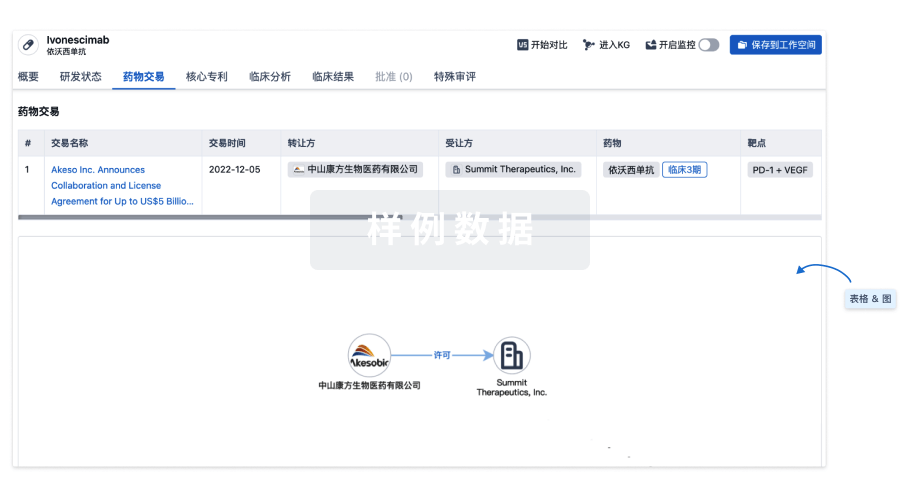
100 项与 Semaglutide(Anya Biopharma) 相关的药物交易
登录后查看更多信息
外链
| KEGG | Wiki | ATC | Drug Bank |
|---|---|---|---|
| - | - | - |
研发状态
临床结果
临床结果
适应症
分期
评价
查看全部结果
| 研究 | 分期 | 人群特征 | 评价人数 | 分组 | 结果 | 评价 | 发布日期 |
|---|
No Data | |||||||
登录后查看更多信息
转化医学
使用我们的转化医学数据加速您的研究。
登录
或
药物交易
使用我们的药物交易数据加速您的研究。
登录
或
核心专利
使用我们的核心专利数据促进您的研究。
登录
或
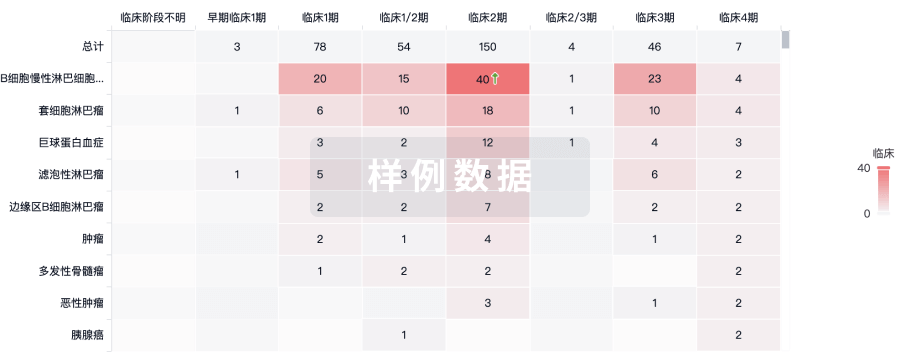
临床分析
紧跟全球注册中心的最新临床试验。
登录
或
批准
利用最新的监管批准信息加速您的研究。
登录
或
生物类似药
生物类似药在不同国家/地区的竞争态势。请注意临床1/2期并入临床2期,临床2/3期并入临床3期
登录
或
特殊审评
只需点击几下即可了解关键药物信息。
登录
或
提出任何生物医药研究问题
让每一步生物医药决策都精准制胜
基于十亿级生物数据与全球情报的精准 AI,赋能早期药物发现
立即开始免费试用!
智慧芽新药情报库是智慧芽专为生命科学人士构建的基于AI的创新药情报平台,助您全方位提升您的研发与决策效率。
立即接入生物医药数据包
智慧芽新药库数据也通过智慧芽开放平台,以MCP或API服务形式对外开放。立即使用我们的MCP服务定制您的LLM智能体。
生物序列数据库
生物药研发创新
免费使用
化学结构数据库
小分子化药研发创新
免费使用