预约演示
更新于:2025-12-27
Polyporenic acid C
更新于:2025-12-27
概要
基本信息
非在研机构- |
权益机构- |
最高研发阶段临床前 |
首次获批日期- |
最高研发阶段(中国)临床前 |
特殊审评- |


结构/序列
分子式C31H46O4 |
InChIKeyKPKYWYZPIVAHKU-WMNQUVFJSA-N |
CAS号465-18-9 |
关联
100 项与 Polyporenic acid C 相关的临床结果
登录后查看更多信息
100 项与 Polyporenic acid C 相关的转化医学
登录后查看更多信息
100 项与 Polyporenic acid C 相关的专利(医药)
登录后查看更多信息
12
项与 Polyporenic acid C 相关的文献(医药)2026-01-01·JOURNAL OF ETHNOPHARMACOLOGY
Mechanistic study on Kai Xin San's regulation of DARPP-32 phosphorylation in anti-depressant effects based on multi-omics
Article
作者: Fang, Xiaoxue ; Zhang, Xiaoying ; Dong, Jiajia ; Luo, Haoming ; Shan, Mengyao ; Xu, Linyi
ETHNOPHARMACOLOGICAL RELEVANCE:
The classical prescription Kai Xin San (KXS) has a long history of clinical use and proven efficacy in treating depression. However, its active components and mechanisms of action require further elucidation.
AIM OF THE STUDY:
In this study, the pharmacological substance and mechanism of action of the anti-depressant effect of KXS will be investigated.
MATERIALS AND METHODS:
Wistar-Kyoto (WKY) rat served as a disease model. In this study, the depression-like degree was assessed by behavioral testing, and the efficacy of KXS in reducing disease was assessed using pathological staining, ELISA. Furthermore, UPLC-Q-TOF-MS, network pharmacology and proteomics were used to predict the pharmacological substance and potential targets of KXS in the treatment of depression. Subsequently, methods such as western blotting and immunohistochemistry were used for verification.
RESULTS:
KXS is effective in the treatment of depression, which is associated with chemical constituents such as polyporenic acid C, tumulosic acid, oleanolic acid, etc. Moreover, DARPP-32 is a potential key target. KXS regulates DARPP-32 expression and phosphorylation of Thr34 and Thr75 sites, thereby enhancing the downstream effect of AC/cAMP/PKA signalling and promoting BDNF expression through the DARPP-32/PP1/CREB axis.
CONCLUSION:
KXS has multi-component characteristics in the treatment of depression. KXS improves the level of BDNF and other factors related to treatment of depression by regulating the expression of DARPP-32 and phosphorylation of its site, then feeding back to cAMP signalling pathway, thereby improving depression-like behavior and preventing the progression of depression.
2025-10-31·MEDICINE
Exploring the mechanism of Poria cocos in treating allergic rhinitis based on network pharmacology and molecular docking
Article
作者: Yan, Shiqi ; Ma, Ruixia ; Niu, Xinran ; Zhang, Zhijuan ; Zhang, Yuqiao ; Li, Shurong
Poria cocos (PC) is a traditional Chinese herbal medicine that plays an important role in the treatment of allergic rhinitis (AR); however, its specific mechanism of action has rarely been reported. This study was based on network pharmacology and molecular docking to explore the molecular mechanisms of PC in the treatment of AR. TCMSP, GeneCards, DrugBank, TTD, and OMIM databases were used to screen potential targets of Poria cocos for AR treatment. The STRING platform and Cytoscape 3.7.0 software (Cytoscape Consortium, San Diego) were used to construct a protein–protein interaction (PPI) network and screen core targets. Gene ontology (GO) functional enrichment analysis and Kyoto Encyclopedia of Genes and Genomes (KEGG) pathway enrichment analyses were conducted on potential target genes. Finally, molecular docking was conducted between the key active components and the core targets to validate their relevance. Fifteen active components of PC were identified and 94 common targets related to both PC and AR were screened. The top ten hub genes identified were TNF, IL1B, AKT1, prostaglandin G/H synthase 2 (PTGS2), epidermal growth factor receptor (EGFR), MMP9, PPARG, BCL2, NR3C1, and PTGS1. GO and KEGG enrichment analyses indicated that these core targets were involved in various biological processes, including the regulation of inflammatory responses, responses to exogenous stimuli, and modulation of defense responses. These targets influence AR through pathways such as the neuroactive ligand-receptor interaction pathway and PI3K-Akt signaling pathway. Molecular docking results indicated that pachymic acid-PTGS2, polyporenic acid C-EGFR, and PTGS2 exhibited strong binding activity, while pachymic acid, polyporenic acid C-TNF and cerevisterol-AKT1 demonstrated good binding activity. Our study found that the key active components of PC for treating AR are pachymic acid, polyporenic acid C, and cerevisterol. PTGS2, EGFR, TNF, and AKT1 are the key targets, while the neuroactive ligand-receptor interaction pathway and PI3K-Akt signaling pathway are the key pathways. These results indicate that PC may intervene in the intrinsic molecular mechanism of AR through multiple targets and pathways. Although further experimental verification is required, our study provides a theoretical basis for the clinical application of PC in AR treatment and subsequent related research.
2025-07-01·Zhongguo Zhong yao za zhi = Zhongguo zhongyao zazhi = China journal of Chinese materia medica
[Blood glucose-lowering mechanism of Poria aqueous extract by UPLC-Q-TOF-MS/MS combined with network pharmacology and experimental verification].
Article
作者: Wan, Wen-Biao ; Yao, Zi-Yin ; Zhang, Dan-Dan ; Ye, Xiao-Chuan ; Yao, Qing ; Li, Fang
Ultra performance liquid chromatography-quadrupole-time-of-flight-mass spectrometry/mass spectrometry(UPLC-Q-TOF-MS/MS), network pharmacology, and animal experiments were integrated o explore the blood glucose-lowering effects and mechanisms of Poria aqueous extract. Firstly, the active components of Poria aqueous extract were identified by UPLC-Q-TOF-MS/MS. Subsequently, network pharmacology was employed to predict the blood glucose-lowering components and mechanisms of Poria aqueous extract. Finally, a rat model of diabetes mellitus, 16S rDNA sequencing, and Western blot were employed to investigate the blood glucose-lowering effect and mechanism of Poria aqueous extract. A total of 39 triterpenoids were identified in the Poria aqueous extract, among them, 25-hydroxypachymic acid, 25α-hydroxytumulosic acid, 16α-hydroxytrametenolic acid, polyporenic acid C, and tumulosic acid may be the main active ingredients for treating diabetes. The Kyoto Encyclopedia of Genes and Genomes(KEGG) pathway enrichment analysis revealed that Poria might exert its therapeutic effects through multiple pathways such as NOD-like receptor signaling pathway, nuclear factor-kappa B(NF-κB) signaling pathway, and tumor necrosis factor(TNF) signaling pathway. The results of animal experiments demonstrated that Poria aqueous extract significantly reduced the levels of blood glucose and lipids and regulated the intestinal flora in diabetic rats. The main affected taxa included g_Escherichia-Shigella, g_Corynebacterium, g_Prevotella_9, g_Prevotellaceae_UCG-001, and g_Bacteroidota_unclassified. In addition, Poria aqueous extract lowered the levels of D-lactic acid and lipopolysaccharide, alleviated colonic mucosal damage, significantly down-regulated the protein levels of NOD-like receptor pyrin domain-containing protein 3(NLRP3), NF-κB, and TNF-α, and significantly up-regulated the protein levels of zonula occludens 1 and occludin in diabetic rates. Poria aqueous extract may play a role in treating diabetes mellitus by repairing the intestinal flora disturbance, protecting the intestinal barrier function, and inhibiting the NF-κB/NLRP3 signaling pathway. The results provide a scientific basis for clinical application and expansion of indications of Poria.
100 项与 Polyporenic acid C 相关的药物交易
登录后查看更多信息
研发状态
10 条进展最快的记录, 后查看更多信息
登录
| 适应症 | 最高研发状态 | 国家/地区 | 公司 | 日期 |
|---|---|---|---|---|
| 血脂障碍 | 临床前 | 中国 | 2025-04-01 | |
| 血脂障碍 | 临床前 | 中国 | 2025-04-01 |
登录后查看更多信息
临床结果
临床结果
适应症
分期
评价
查看全部结果
| 研究 | 分期 | 人群特征 | 评价人数 | 分组 | 结果 | 评价 | 发布日期 |
|---|
No Data | |||||||
登录后查看更多信息
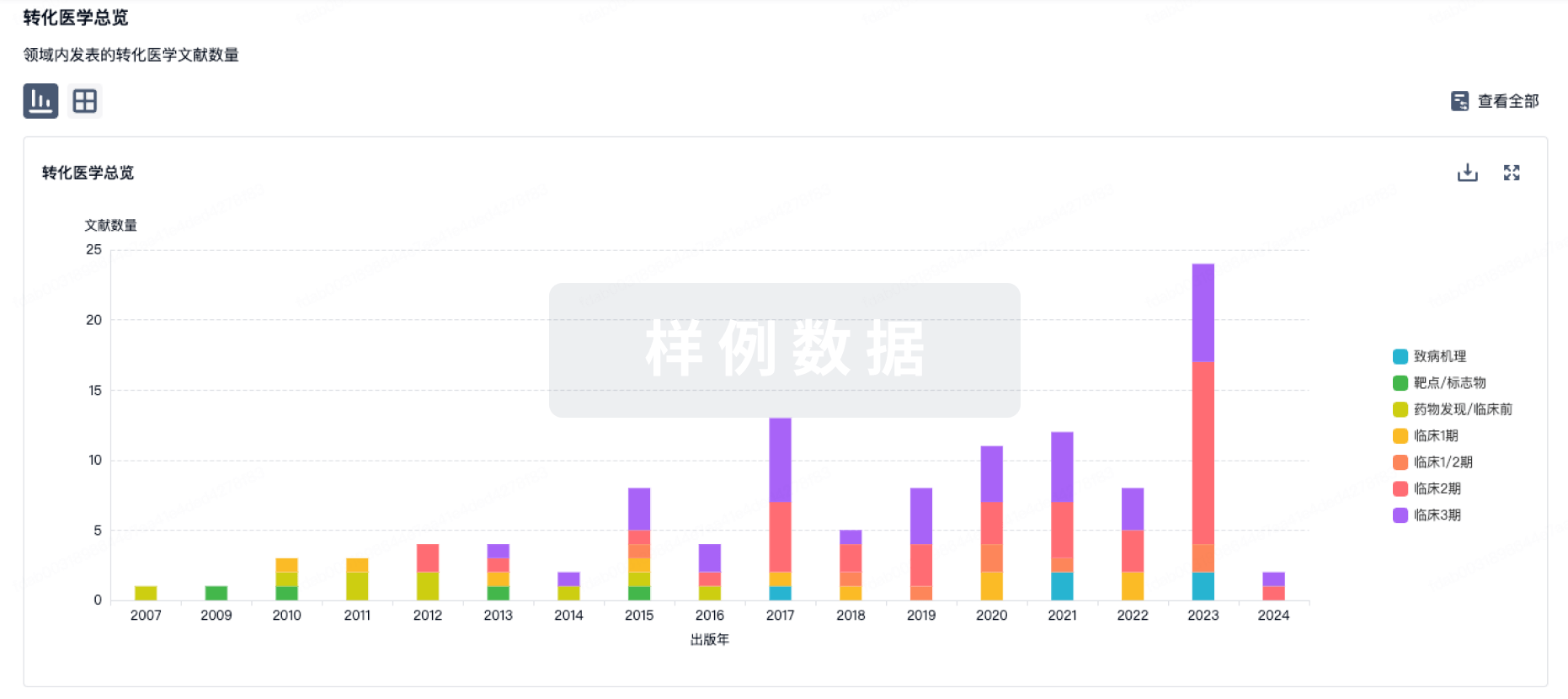
转化医学
使用我们的转化医学数据加速您的研究。
登录
或
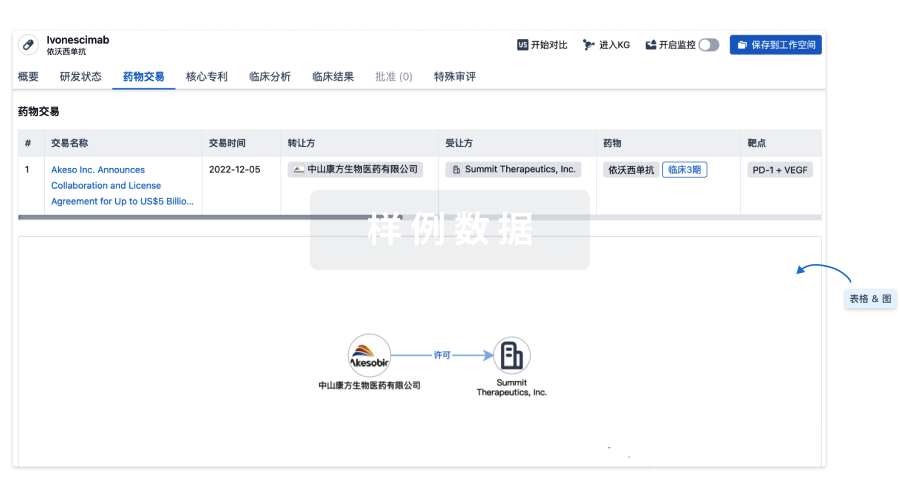
药物交易
使用我们的药物交易数据加速您的研究。
登录
或
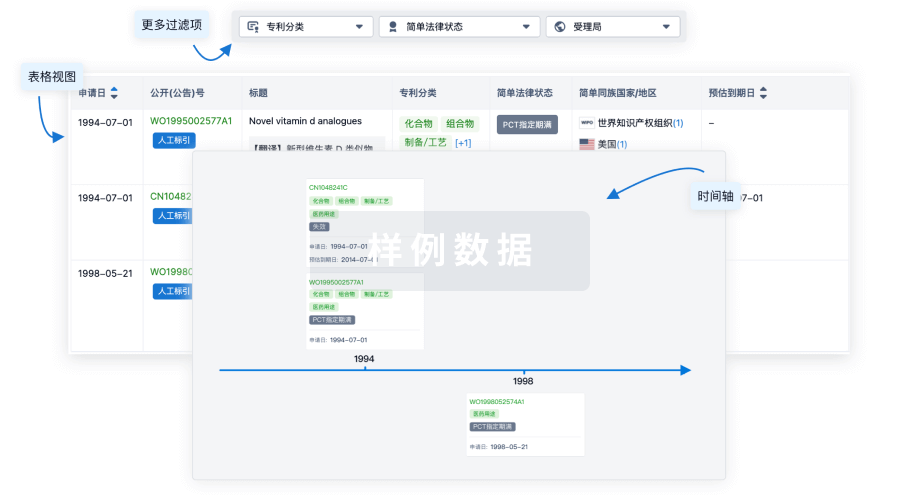
核心专利
使用我们的核心专利数据促进您的研究。
登录
或
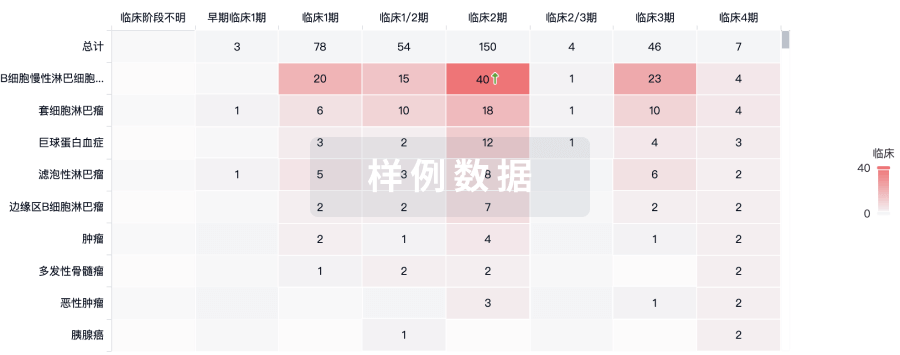
临床分析
紧跟全球注册中心的最新临床试验。
登录
或
批准
利用最新的监管批准信息加速您的研究。
登录
或
特殊审评
只需点击几下即可了解关键药物信息。
登录
或
生物医药百科问答
全新生物医药AI Agent 覆盖科研全链路,让突破性发现快人一步
立即开始免费试用!
智慧芽新药情报库是智慧芽专为生命科学人士构建的基于AI的创新药情报平台,助您全方位提升您的研发与决策效率。
立即开始数据试用!
智慧芽新药库数据也通过智慧芽数据服务平台,以API或者数据包形式对外开放,助您更加充分利用智慧芽新药情报信息。
生物序列数据库
生物药研发创新
免费使用
化学结构数据库
小分子化药研发创新
免费使用