预约演示
更新于:2026-11-05
Recombinant human erythropoietin(Shenyang Sunshine Pharmaceutical Co., Ltd.)
重组人促红素 (沈阳三生制药)
更新于:2026-11-05
概要
基本信息
药物类型 生物类似药、集落刺激因子 |
别名 EPIAO、Recombinant Human Erythropoietin、Recombinant Human Erythropoietin(CHO cell) + [5] |
作用方式 激动剂 |
作用机制 EPO receptor激动剂(促红细胞生成素受体激动剂) |
治疗领域 |
在研适应症 |
原研机构 |
在研机构 |
非在研机构- |
权益机构- |
最高研发阶段批准上市 |
首次获批日期 中国 (1998-01-01), |
最高研发阶段(中国)批准上市 |
特殊审评- |

登录后查看时间轴
结构/序列
Sequence Code 9003
当前序列信息引自: *****
关联
4
项与 重组人促红素 (沈阳三生制药) 相关的临床试验NCT05911438
Accelerated Recovery for Total Knee Replacement Surgery With Preoperative Intravenous Iron Combined With Human Erythropoietin for Rapid Hematopoietic Mobilization to Prevent Postoperative Anemia: a Multicenter Randomized Controlled Study

NCT03950687
A Multicenter, Randomized, Open Label, Active Comparator Parallel Controlled Phase 2 Clinical Study on Intravenous Administration of rESP Injection for the Treatment of Anemia in Chronic Renal Failure Patients With Hemodialysis.
NCT02947438
A Prospective, Randomized, Double Blind, Parallel Group Study to Evaluate a 1:1 Dose Conversion From EPREX to EPIAO in Term of Clinical Efficacy and Safety in Subjects With End-Stage Renal Disease on Haemodialysis
100 项与 重组人促红素 (沈阳三生制药) 相关的临床结果
登录后查看更多信息
100 项与 重组人促红素 (沈阳三生制药) 相关的转化医学
登录后查看更多信息
100 项与 重组人促红素 (沈阳三生制药) 相关的专利(医药)
登录后查看更多信息
552
项与 重组人促红素 (沈阳三生制药) 相关的文献(医药)2026-08-01EJHaem
The Predictive Value of Serum Erythropoietin Levels Measured at Diagnosis in Patients With Myelodysplastic Syndromes
Article
作者: de Witte, Theo ; Cargo, Catherine ; Hoeks, Marlijn ; D'Aveni, Maud ; Kotsianidis, Ioannis ; van Marrewijk, Corine ; Taylor, Adele ; Oster, Howard ; Symeonidis, Argiris ; Hellström‐Lindberg, Eva ; Mittelman, Moshe ; Stauder, Reinhard ; Mills, Juliet ; Malcovati, Luca ; Smith, Alexandra ; Bowen, David ; Langemeijer, Saskia ; Fenaux, Pierre ; Culligan, Dominic ; Čermák, Jaroslav
ABSTRACT:
Objectives
: To study the predictive and prognostic values of serum erythropoietin levels (sEPO) measured at diagnosis in lower‐risk myelodysplastic syndromes.
Methods
: We analyzed clinical associations and prognosis with sEPO in 672/1610 patients with at least one year of follow‐up data in the prospective EUMDS study.
Results
: sEPO levels increase with WHO subtypes associated with erythroid hypoplasia and poorer risk IPSS‐R scores. sEPO is an independent predictor of transfusion free survival and levels < 200 IU/L predict response to ESA. sEPO is not an independent predictor of overall survival.
Conclusions
: sEPO predicts transfusion free survival and response to ESA.
Trial Registration
: The EUMDS Registry (ClinicalTrials.gov: Identifier NCT00600860).
2026-04-01PHARMACEUTICAL RESEARCH
Development and Validation of an Efficient In vitro Bioassay for Potency Estimation of Recombinant Human Erythropoietin Formulations
Article
作者: Gupta, Priyanka ; Garg, Nupur ; Kamal, Charu Mehra
PURPOSE:
Recombinant human erythropoietin (rHuEPO) is regarded as a life-saving biotherapeutic in case of acute disease associated anemia. Several commercially available rHuEPO drug products are present in the market for patient consumption. Since manufacturers use different technologies to produce recombinant drugs, their quality, safety and efficacy becomes imperative as compared with the innovator. Compendial guidelines worldwide have laid down regulations and testing methodologies to ascertain the potency of biomolecular drugs. The current method for potency estimation of rHuEPO samples is animal-based, lengthy, tedious, ethically restrained and shows high variability. The current study employs a rather simple cell-based method that can be used as an alternative to the in vivo methods.
METHODS:
A cell proliferation method, with absorbance-based end point, was developed on UT-7 cell line for estimating the potency of rHuEPO products. The developed UT-7 cell line method was validated according to USP and ICH guidelines. The utility of method was further confirmed on different batches of rHuEPO drug products to determine their potency values. These batches simultaneously were analyzed by the existing in vivo method as cross validation studies.
RESULTS:
The results showed high level of reproducibility, precision, accuracy and range. The comparative studies of in vitro with in vivo methods depicted the potency of the batches by both the methods were in the acceptable range of 80-125% CONCLUSION: Though, this method doesn't account for the additional effects of a closed in vivo system, yet it presents itself as a simple and sensitive method that can be used for regular quality testing of rHuEPO formulations.
2026-01-07Current Reviews in Clinical and Experimental Pharmacology
Daprodustat vs Recombinant Human Erythropoietin for Anemia and Cardiovascular Safety in Dialysis-Dependent and Non-Dialysis-Dependent CKD Patients - A Systematic Review and Meta-analysis
Article
作者: Gupta, Lalit K. ; Mishra, Hara Prasad ; Gupta, Rachna ; Grover, Shubhima
Background::
Anemia is a prevalent complication in chronic kidney disease (CKD) that
remains challenging to manage effectively. Daprodustat was recently approved for anemia in CKD.
This meta-analysis aims to provide evidence-based insights for the clinical use of daprodustat in
CKD-related anemia.
Method::
A systematic review and meta-analysis were conducted in accordance with the PRISMA
2020 guidelines, with searches conducted in databases such as PubMed and ClinicalTrials.gov, encompassing
studies published up to August 30, 2024. Data from 12 randomized controlled trials involving
9,278 CKD patients (both dialysis-dependent (DD) and non-dialysis-dependent (NDD))
were analyzed.
Results::
Daprodustat significantly increased hemoglobin (Hb) levels compared to placebo in both
NDD (MD = 1.92, 95% CI [0.67, 3.02], p = 0.001) and DD (MD = 1.72, 95% CI [0.34, 3.65], p =
0.01) patients. However, no significant difference in Hb levels was observed between daprodustat
and recombinant human erythropoietin (rhEPO) (MD = 0.05, 95% CI [−0.10, 0.21], p = 0.50).
Daprodustat improved iron metabolism by significantly lowering hepcidin and increasing total ironbinding
capacity (TIBC) compared to rhEPO. Cardiovascular safety analysis showed no significant
difference in major adverse cardiovascular events (MACE) between daprodustat and rhEPO (RR =
1.02, 95% CI [0.92, 1.14], p = 0.83), though a significant reduction in MACE incidence was observed
in DD patients (RR = 0.98, 95% CI [0.87, 1.15], p = 0.02). Serious adverse events were significantly
lower with daprodustat compared to rhEPO (RR = 0.82, 95% CI [0.66, 0.84], p = 0.02 in
DD; RR = 0.61, 95% CI [0.48, 0.78], p = 0.008 in NDD patients).
Conclusion::
Daprodustat offers a promising alternative to traditional anemia treatments in CKD,
with efficacy comparable to rhEPO and a favorable cardiovascular safety profile, which marks its
potential as a valuable therapeutic option.
100 项与 重组人促红素 (沈阳三生制药) 相关的药物交易
登录后查看更多信息
外链
| KEGG | Wiki | ATC | Drug Bank |
|---|---|---|---|
| D03231 | 重组人促红素 (沈阳三生制药) |
研发状态
批准上市
10 条最早获批的记录, 后查看更多信息
登录
| 适应症 | 国家/地区 | 公司 | 日期 |
|---|---|---|---|
| 贫血 | 中国 | 1998-01-01 |
未上市
10 条进展最快的记录, 后查看更多信息
登录
| 适应症 | 最高研发状态 | 国家/地区 | 公司 | 日期 |
|---|---|---|---|---|
| 肾性贫血 | 临床3期 | 俄罗斯 | 2015-12-01 | |
| 肾性贫血 | 临床3期 | 泰国 | 2015-12-01 | |
| 终末期肾脏病 | 临床3期 | 俄罗斯 | 2015-12-01 | |
| 终末期肾脏病 | 临床3期 | 泰国 | 2015-12-01 |
登录后查看更多信息
临床结果
临床结果
适应症
分期
评价
查看全部结果
登录后查看更多信息
转化医学
使用我们的转化医学数据加速您的研究。
登录
或
药物交易
使用我们的药物交易数据加速您的研究。
登录
或
核心专利
使用我们的核心专利数据促进您的研究。
登录
或
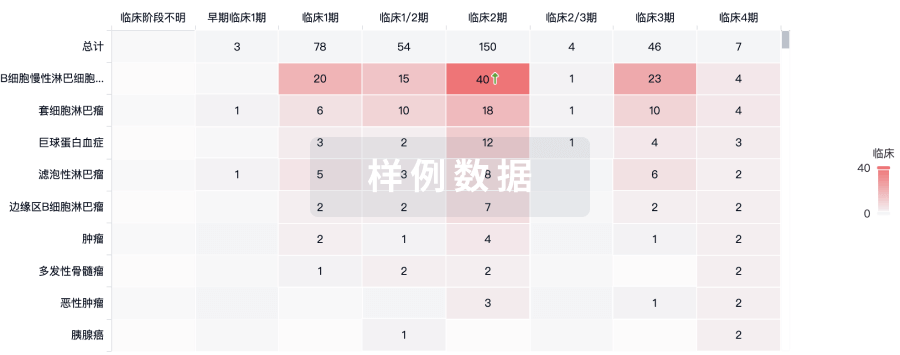
临床分析
紧跟全球注册中心的最新临床试验。
登录
或
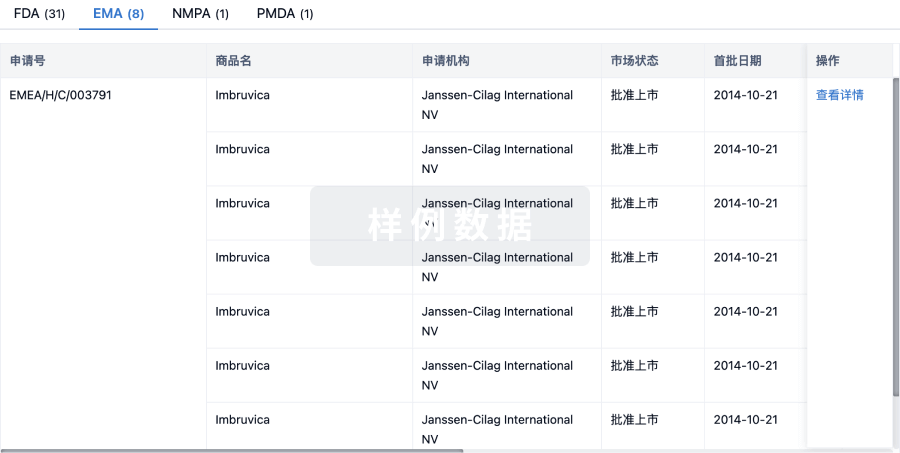
批准
利用最新的监管批准信息加速您的研究。
登录
或
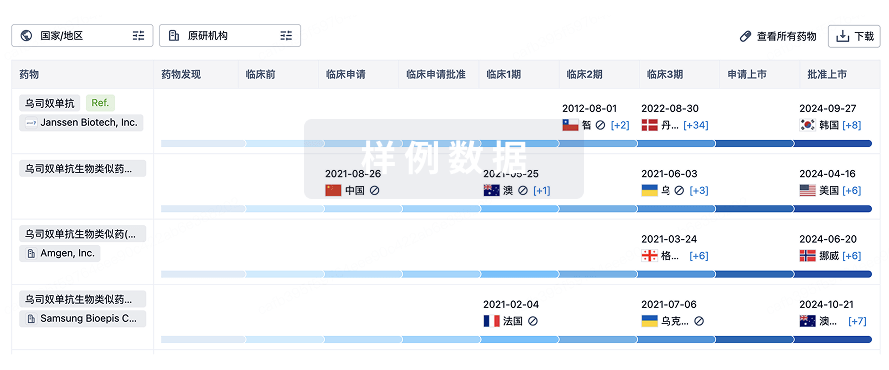
生物类似药
生物类似药在不同国家/地区的竞争态势。请注意临床1/2期并入临床2期,临床2/3期并入临床3期
登录
或
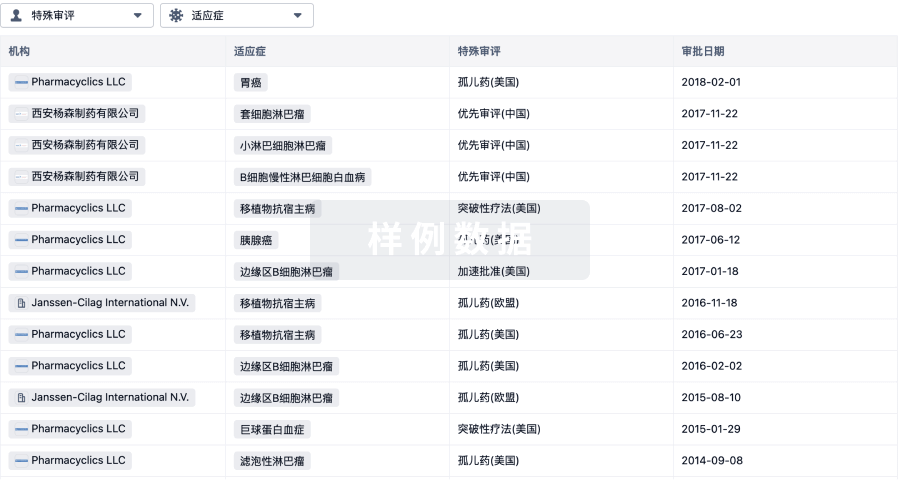
特殊审评
只需点击几下即可了解关键药物信息。
登录
或
提出任何生物医药研究问题
让每一步生物医药决策都精准制胜
基于十亿级生物数据与全球情报的精准 AI,赋能早期药物发现
立即开始免费试用!
智慧芽新药情报库是智慧芽专为生命科学人士构建的基于AI的创新药情报平台,助您全方位提升您的研发与决策效率。
立即接入生物医药数据包
智慧芽新药库数据也通过智慧芽开放平台,以MCP或API服务形式对外开放。立即使用我们的MCP服务定制您的LLM智能体。
生物序列数据库
生物药研发创新
免费使用
化学结构数据库
小分子化药研发创新
免费使用