预约演示
更新于:2026-01-24
Trigonelline
更新于:2026-01-24
概要
基本信息
原研机构- |
非在研机构- |
权益机构- |
最高研发阶段临床前 |
首次获批日期- |
最高研发阶段(中国)临床前 |
特殊审评- |

登录后查看时间轴
结构/序列
分子式C7H7NO2 |
InChIKeyWWNNZCOKKKDOPX-UHFFFAOYSA-N |
CAS号535-83-1 |
关联
4
项与 Trigonelline 相关的临床试验JPRN-UMIN000053244
Effect of continuous intake of trigonelline in coffee beans on energy metabolism :Placebo-controlled, double-blind, randomized, parallel-group comparative study - Effect of continuous intake of trigonelline in coffee beans on energy metabolism :Placebo-controlled, double-blind, randomized, parallel-group comparative study
JPRN-UMIN000050139
Effect of continuous intake of trigonelline in coffee beans on energy metabolism : Placebo-controlled, double-blind, randomized, parallel-group comparative study - Effect of continuous intake of trigonelline in coffee beans on energy metabolism : Placebo-controlled, double-blind, randomized, parallel-group comparative study
JPRN-UMIN000050105
Effects of Trigonelline Intake on Cognitive Function in Middle-Aged and Older Adults: A 12-Week Randomized Controlled Trial - Effects of Trigonelline Intake on Cognitive Function

100 项与 Trigonelline 相关的临床结果
登录后查看更多信息
100 项与 Trigonelline 相关的转化医学
登录后查看更多信息
100 项与 Trigonelline 相关的专利(医药)
登录后查看更多信息
2,288
项与 Trigonelline 相关的文献(医药)2026-02-01JOURNAL OF THE SCIENCE OF FOOD AND AGRICULTURE
The ethanol extract derived from mung bean reduced immune suppression, intestinal injury, and disruptions in gut microbiota caused by cyclophosphamide in mice
Article
作者: Bai, Jing ; Guo, Jinlin ; Liao, Zhengyue ; Cao, Xiaonian ; Liu, Yixin ; Liu, Sijing ; Niu, Shuqi ; Huang, Zhangjun ; Shen, Caihong
Abstract:
BACKGROUND:
Cyclophosphamide (
CTX
), a widely utilized alkylating agent in cancer chemotherapy, is known to exert potent antitumor effects. However, it often induces severe adverse effects, including immunosuppression and intestinal mucosal injury. Mung bean (
Vigna radiata
L.), a legume rich in flavonoid compounds, has potential immunomodulatory properties. This study sought to explore the protective roles of mung bean ethanolic extract (
MBE
) against
CTX
‐induced immunosuppression and intestinal damage, emphasizing the alteration of gut microbiota and underlying molecular mechanisms. In this research, a murine model with immunosuppression induced by
CTX
was utilized. Immune function was evaluated through the examination of spleen and thymus indices, lymphocyte proliferation and cytokine levels. Additionally, flow cytometry was employed to analyze
CD4+
and
CD8+
T cell subsets, while splenic histopathology was examined using hematoxylin and eosin (H&E) staining. The integrity of the intestinal barrier was investigated through periodic acid–Schiff and H&E staining, complemented by reverse transcription–quantitative polymerase chain reaction and western blotting to quantify the expression levels of colonic tight junction proteins. Gut microbiota composition was analyzed using
16S rRNA
sequencing. Furthermore, molecular docking analysis was performed to explore potential interactions between
MBE
bioactive components and
LuxS
, a key quorum‐sensing enzyme implicated in probiotic viability.
RESULTS:
Administration of
MBE
notably reduced weight loss induced by
CTX
, reinstated indices of the spleen and thymus, enhanced the proliferation of both T and B lymphocytes, stimulated cytokine expression, upregulated the
CD4+
/
CD8+
T cell ratio, and improved splenic histopathological architecture.
MBE
successfully reduced damage to the intestinal mucosa by enhancing the expression of essential tight junction proteins, thereby reinforcing intestinal barrier integrity.
MBE
also elevated the intestinal levels of cytokines, probably through activation of the
MAPK
signaling pathway. Furthermore, gut microbiota analysis demonstrated that
MBE
restored the ratio of Firmicutes/Bacteroidetes, reduced the abundance of pathogenic bacterial taxa and significantly enriched
Lactobacillus reuteri
, a beneficial probiotic species. Molecular docking analysis identified trigonelline and procyanidin
B2
, two bioactive components of
MBE
, as potent inhibitors of
LuxS
. This inhibition likely contributed to the enhanced viability of
L. reuteri
.
CONCLUSION:
Our findings highlight the multifaceted protective benefits of
MBE
in counteracting
CTX
‐induced immune suppression and intestinal damage. We found that
MBE
exerts prebiotic effects by restoring gut microbiota balance and enhancing probiotic activity likely via quorum sensing modulation. These findings highlight its potential as a dietary supplement to synergize with probiotics for gut–immune health during chemotherapy. © 2025 Society of Chemical Industry.
2025-12-01IBRO Neuroscience Reports
The addictive and neurotoxicological evaluation of Cannabis sativa, male Carica papaya, Nicotiana tabacum and Datura stramonium alkaloid extracts via neuroinflammatory, neurotransmitter and oxidative systems
作者: Ademosun, Ayokunle Olubode ; Fasakin, Olamide Wilson ; Oboh, Ganiyu
Drug addiction is a relapsing and chronic brain disorder that is characterized by habitual, compulsive, and pathol. patterns of substance seeking and usage despite the associated severe neg. social and health consequences.This study evaluated the addictive and neurotoxicol. evaluation of the alkaloid extracts of Cannabis sativa (CS), male Carica papaya (CM), Nicotiana tabacum (NT), and Datura stramonium (DS) via neuroinflammatory, neurotransmitter, and oxidative systems.For 90 days, exptl. rats were orally administered the alkaloid extracts in doses of 5, 50, 500, and 2000 mg/kg.Neurobehavioral paradigms were evaluated on days 91 and 92, rats were sacrificed, and striatum homogenate was preparedExpression of addition and neurotoxicity-related genes, alongside biochem. neurotransmitter and cytokine metabolisms, were assessed.The result established the addictive and neurotoxicol. potentials of the alkaloid extracts via behavioral paradigms, coupled with inflammatory, monoaminergic, apoptotic, cholinergic, oxidative, and glutamatergic neurotransmission systems modulations.However, the observed neurotoxicity of the psychoactive plants′ alkaloids was not directly proportional to their addictiveness as the psychoactive plants ranked CS > NT > DS > CM in addictiveness but ranked DS > NT > CS > CM for toxicol. potentials, as measured using related behavioral, neurotransmitter, apoptotic and inflammatory systems.The toxicol. effects of the psychoactive plants′ alkaloids are mostly expressed at high doses.
2025-11-01iScience
Trigonelline activates NRF2 and awakens dormant ovarian follicles to promote pregnancy in aging mice
Article
作者: Amoushahi, Mahboobeh ; Lykke-Hartmann, Karin ; Ernst, Emil Hagen ; Heuck, Anders ; Ernst, Erik ; Dueholm, Margit
Aging ovaries exhibit increased oxidative stress, contributing to infertility through cellular and hormonal changes. Nuclear factor E2-related factor 2 (NRF2), a key transcription factor, regulates antioxidant responses. This study investigates NRF2 in dormant (primordial) ovarian follicles to determine if NRF2 activation accounts for primordial follicle activation. We show that trigonelline (TRG) transiently activates NRF2, promoting primordial follicle activation in the non-hormonal phase of follicle development. Indeed, TRG enhances egg quality in aged mice. In human ovarian tissues, TRG increased activation of primordial follicles, resulting in more primary and secondary follicles. Mechanistically, TRG induces NRF2 nuclear translocation and upregulates NRF2-responsive genes, including Egf. Elevated epidermal growth factor (EGF) levels activate EGF receptor (EGFR), increasing protein kinase B (AKT) phosphorylation, which leads to FOXO3A nuclear extrusion and primordial follicle activation. These findings demonstrate that transient NRF2 activation is sufficient to initiate primordial follicle activation and follicle growth and development.
100 项与 Trigonelline 相关的药物交易
登录后查看更多信息
研发状态
10 条进展最快的记录, 后查看更多信息
登录
| 适应症 | 最高研发状态 | 国家/地区 | 公司 | 日期 |
|---|---|---|---|---|
| 糖尿病 | 临床1期 | - | - | - |
| 骨关节炎 | 临床前 | 中国 | 2025-05-05 | |
| 癫痫 | 临床前 | 伊朗 | 2024-06-20 |
登录后查看更多信息
临床结果
临床结果
适应症
分期
评价
查看全部结果
登录后查看更多信息
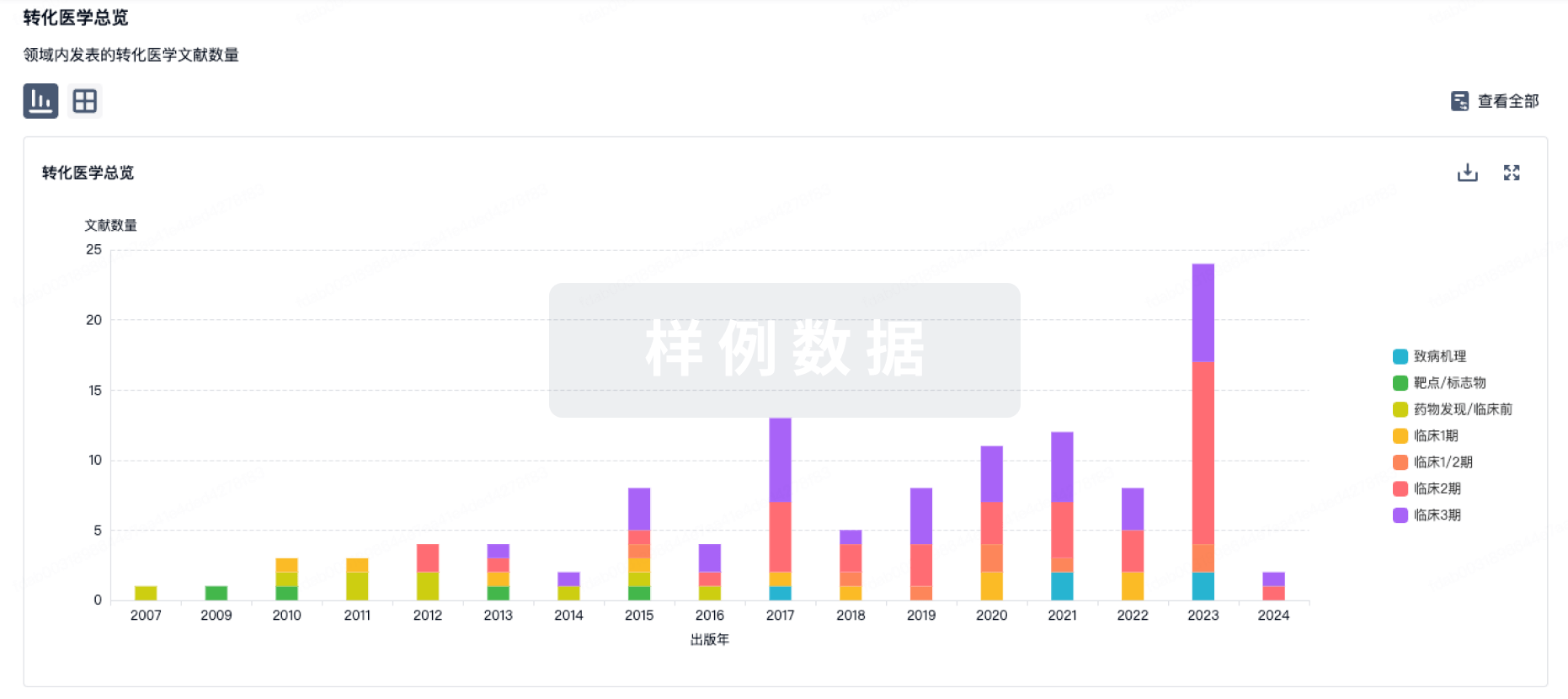
转化医学
使用我们的转化医学数据加速您的研究。
登录
或
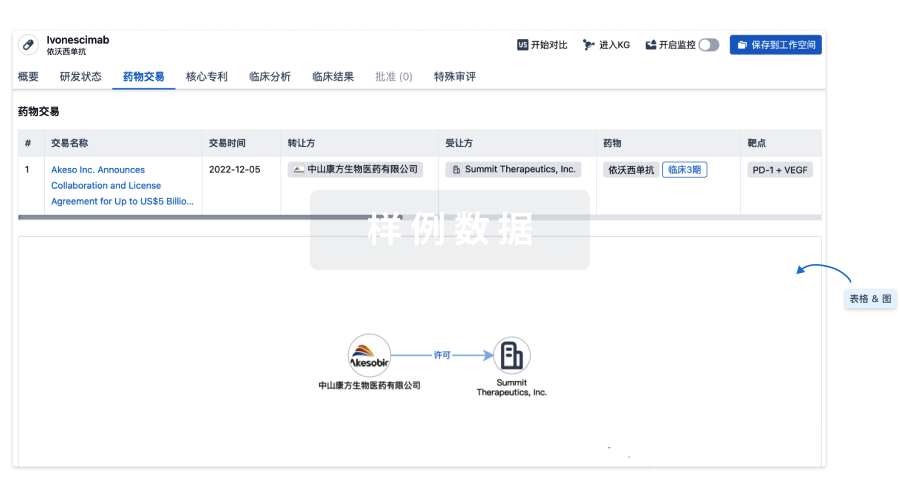
药物交易
使用我们的药物交易数据加速您的研究。
登录
或
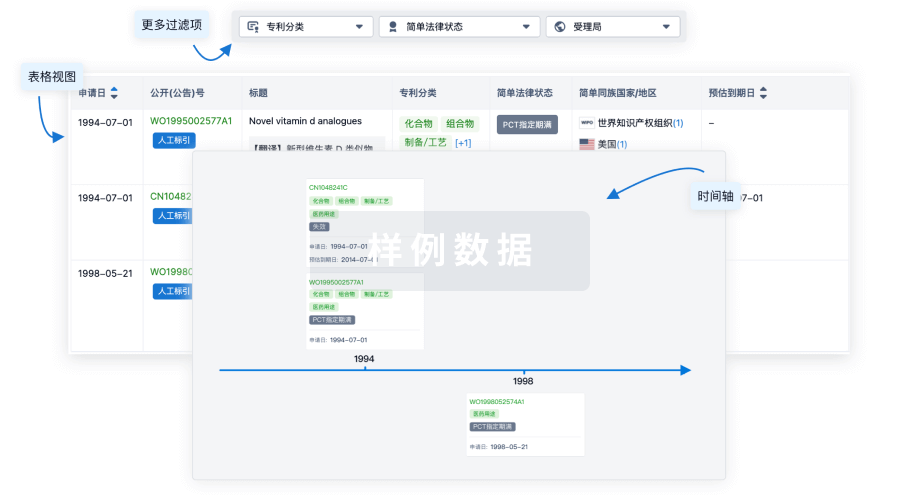
核心专利
使用我们的核心专利数据促进您的研究。
登录
或
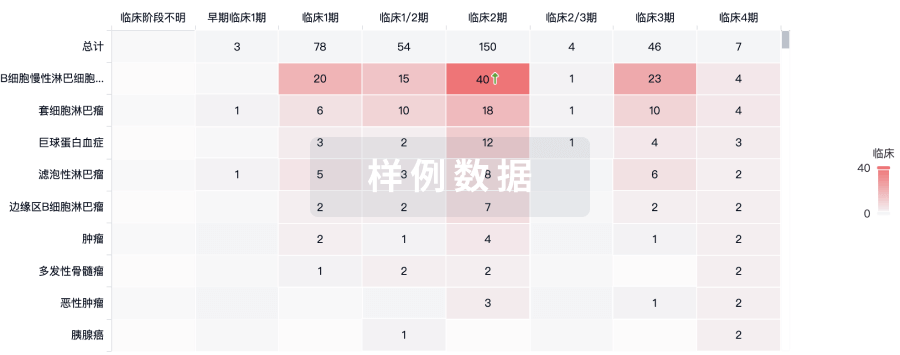
临床分析
紧跟全球注册中心的最新临床试验。
登录
或
批准
利用最新的监管批准信息加速您的研究。
登录
或
特殊审评
只需点击几下即可了解关键药物信息。
登录
或
生物医药百科问答
全新生物医药AI Agent 覆盖科研全链路,让突破性发现快人一步
立即开始免费试用!
智慧芽新药情报库是智慧芽专为生命科学人士构建的基于AI的创新药情报平台,助您全方位提升您的研发与决策效率。
立即开始数据试用!
智慧芽新药库数据也通过智慧芽数据服务平台,以API或者数据包形式对外开放,助您更加充分利用智慧芽新药情报信息。
生物序列数据库
生物药研发创新
免费使用
化学结构数据库
小分子化药研发创新
免费使用