预约演示
更新于:2026-10-17
AF8c
更新于:2026-10-17
概要
基本信息
在研机构- |
权益机构- |
最高研发阶段无进展临床前 |
首次获批日期- |
最高研发阶段(中国)- |
特殊审评- |
关联
100 项与 AF8c 相关的临床结果
登录后查看更多信息
100 项与 AF8c 相关的转化医学
登录后查看更多信息
100 项与 AF8c 相关的专利(医药)
登录后查看更多信息
25
项与 AF8c 相关的文献(医药)2026-09-25·CURRENT CANCER DRUG TARGETS
Barrier Function and Tight Junctions in Tyrosine Kinase Inhibitor-Induced Diarrhoea: A Scoping Review
Article
作者: Bowen, Joanne ; Abdul Rahman, Amirah ; Hairul Anuar, Nurul Fathiah ; Ibahim, Mohammad Johari ; Mohamad Zain, Wan Nor I’zzah Wan ; Azraai, Awla Mohd
Introduction::
Tyrosine Kinase Inhibitors (TKIs) are widely used in modern cancer treatment and have significantly improved outcomes for many patients. However, their use is frequently limited by gastrointestinal side effects, particularly diarrhoea. Although diarrhoea may appear mild in otherwise healthy individuals, it can substantially impair the quality of life of cancer patients and disrupt treatment continuity. In more severe cases, high-grade diarrhoea may lead to dehydration, malabsorption, fatigue and treatment interruption.
Methods::
This scoping review systematically synthesised available evidence examining the relationship between TKI exposure, Tight Junction Protein (TJP) alterations and diarrhoeal outcomes. Studies were identified through structured database searches and analysed descriptively according to TKI class, experimental model and reported barrier-targeted interventions.
Results::
Eight eligible studies were included.
Discussion::
Most evidence derived from preclinical models and demonstrated alterations in key TJPs, particularly ZO-1 and occludin, following exposure to selected TKIs. Irreversible pan-ErbB inhibitors, such as afatinib and pyrotinib, were associated with broader TJP disruption compared with more selective agents. Despite the high incidence of TKI-associated diarrhoea, barrier-targeted therapeutic strategies were reported for only a limited number of agents.
Conclusion::
Overall, the available evidence suggests an association between TKI-induced diarrhoea and epithelial barrier disruption involving tight junction proteins, while also revealing important gaps in translational understanding and barrier-targeted therapeutic development.
2026-06-01·Clinical Lung Cancer
Clinical Efficacy of HER2-targeted Monotherapy in ERBB2-mutant Non–Small-Cell Lung Cancer: A Systematic Review and Single-arm Meta-Analysis
Review
作者: Yumoto, Kentaro ; Orii, Ryusuke ; Watanabe, Shohei ; Kashizaki, Fumihiro
BACKGROUND:
ERBB2 (HER2)-mutant NSCLC, most commonly driven by exon 20 insertions, has historically shown limited benefit from early pan-ERBB inhibitors. Although multiple HER2-targeted agents have since emerged, the relationship between objective response, disease control, and durability remains incompletely defined across heterogeneous single-arm studies.
METHODS:
We conducted a systematic review and single-arm meta-analysis of HER2-targeted monotherapies in advanced HER2-mutant NSCLC. Objective response rate (ORR) and disease control rate were pooled using random-effects meta-analysis of proportions with logit transformation. PFS was summarized descriptively because time-to-event outcomes were not consistently reported in a form suitable for pooling. Prespecified analyses evaluated outcomes by drug class and TKI generation, with additional analyses restricted to ERBB2 exon 20 insertion-mutant disease.
RESULTS:
Twenty studies (n = 1489) met eligibility criteria; 7 prospective cohorts (n = 524) formed the main analysis. The pooled ORR was 0.51 (95% CI, 0.33-0.68; I2 = 89.8%). The pooled disease control rate was 0.88 (95% CI, 0.69-0.96) with limited separation across TKI generations. Median PFS ranged from approximately 5.5-11.5 months. Twelve-month overall survival estimates were similar between pyrotinib and trastuzumab deruxtecan. In exon 20-restricted analyses (n = 392), the pooled ORR was 0.52 (95% CI, 0.28-0.74).
CONCLUSIONS:
Next-generation HER2-selective TKIs achieved higher ORRs than older inhibitors, particularly in ERBB2 exon 20 insertion-mutant disease; however, differences in durability-related outcomes were less distinct in currently available later-line studies. These findings are exploratory and support prospective studies to better define durability and optimize sequencing strategies for HER2-mutant NSCLC.
2025-11-01·GENES CHROMOSOMES & CANCER
Novel Resistance Mechanisms to Second‐Generation
EGFR
Tyrosine Kinase Inhibitor Afatinib and Associations With Genomic Features in
NSCLC
Article
作者: Zhao, Miaoqing ; Yin, Jiani C. ; Wu, Wenqi ; Yang, Meng ; Wu, Qiang ; Ma, Ya ; Lin, Fengwu ; Wu, Xiaoying ; Gao, Min
ABSTRACT:
Background:
Afatinib, an irreversible pan‐ERBB family inhibitor, has demonstrated promising efficacy in non‐small cell lung cancer (NSCLC) patients with uncommon
EGFR
activating mutations. However, besides the acquisition of the secondary T790M mutation, other resistance mechanisms to afatinib remain to be explored.
Materials and Methods:
This study retrospectively included 37 NSCLC patients harboring either
EGFR
or
ERBB2
activating mutations, who had received afatinib as first‐line treatment. Targeted next‐generation sequencing data on the baseline and post‐progression samples were subjected to analysis. Comparative analyses of clinical parameters and genomic features were performed.
Results:
Overall, the progression‐free survival of the
EGFR
‐mutated patients on first‐line afatinib was longer than that of the
ERBB2
‐positive patients (hazard ratio = 0.35 [95% confidence interval = 0.15–0.79],
p
= 0.008). Primary resistance was associated with the presence of exon 20 insertion mutation (
p
= 0.011), higher tumor mutational burden (
p
= 0.009), and higher proportion of APOBEC signature (
p
= 0.012), which were all enriched in the
ERBB2
‐mutated cohort. We further characterized acquired resistance to afatinib and discovered that baseline
EGFR
exon 19 deletions and higher levels of chromosomal instability and age‐related mutational signatures would contribute to the development of known resistance mechanisms such as
EGFR
T790M or
MET
amplification. We also report gaining
EGFR
activating mutations and losing
CDKN2A
,
NF1
, or the original
ERBB2
mutations as novel resistance mechanisms to afatinib for
ERBB2
‐mutated patients.
Conclusion:
The study identified multiple genomic characteristics associated with primary and secondary resistance to first‐line afatinib treatment in
EGFR
‐ and
ERBB2
‐positive subpopulations.
100 项与 AF8c 相关的药物交易
登录后查看更多信息
研发状态
10 条进展最快的记录, 后查看更多信息
登录
| 适应症 | 最高研发状态 | 国家/地区 | 公司 | 日期 |
|---|---|---|---|---|
| 结直肠癌 | 临床前 | 韩国 | 2019-10-01 |
登录后查看更多信息
临床结果
临床结果
适应症
分期
评价
查看全部结果
| 研究 | 分期 | 人群特征 | 评价人数 | 分组 | 结果 | 评价 | 发布日期 |
|---|
No Data | |||||||
登录后查看更多信息
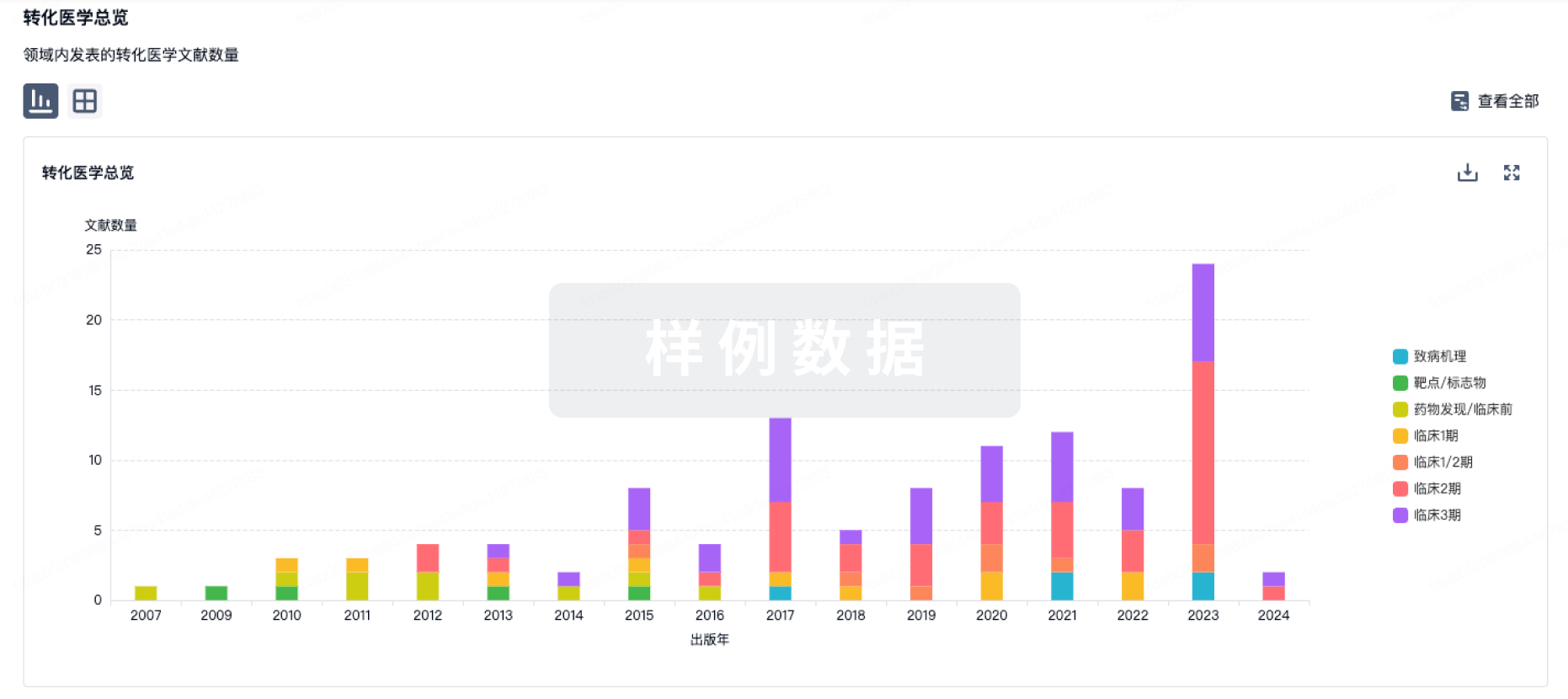
转化医学
使用我们的转化医学数据加速您的研究。
登录
或
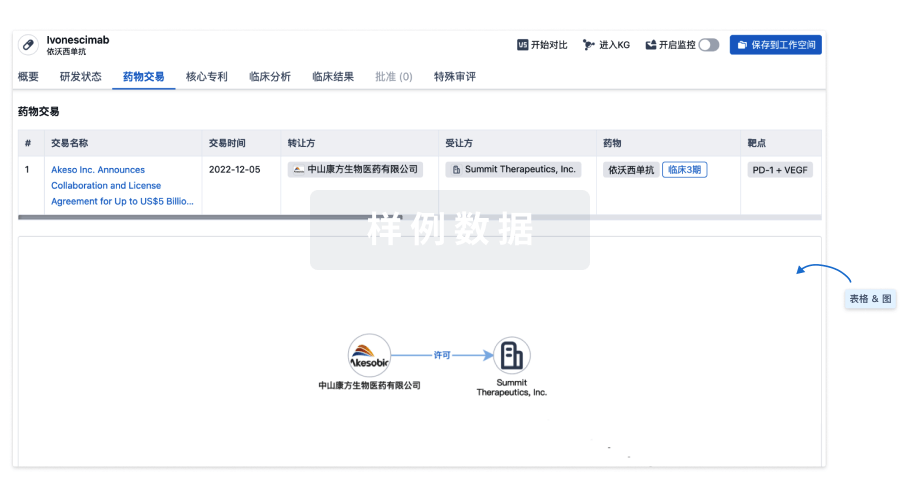
药物交易
使用我们的药物交易数据加速您的研究。
登录
或
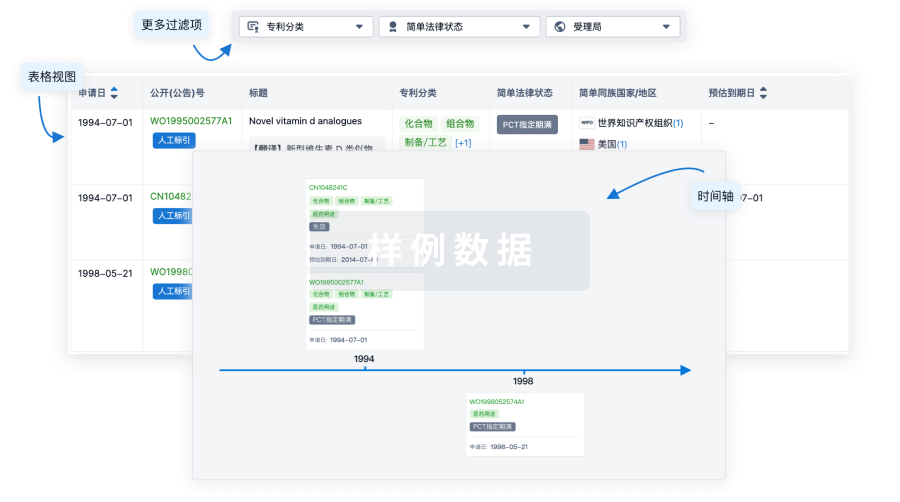
核心专利
使用我们的核心专利数据促进您的研究。
登录
或
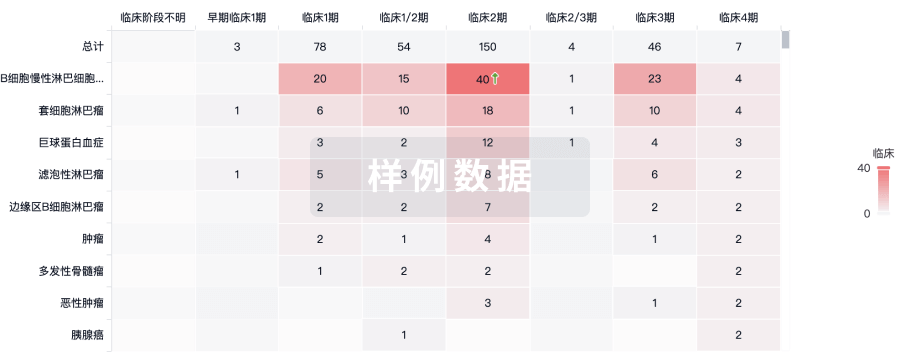
临床分析
紧跟全球注册中心的最新临床试验。
登录
或
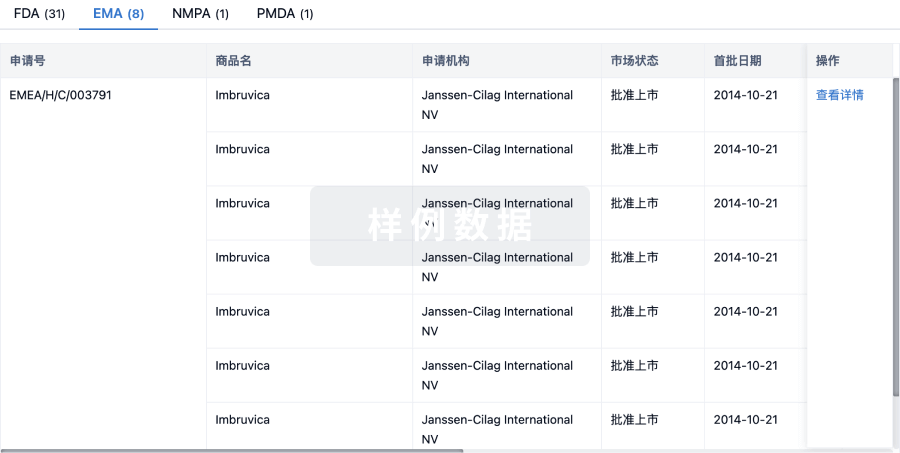
批准
利用最新的监管批准信息加速您的研究。
登录
或
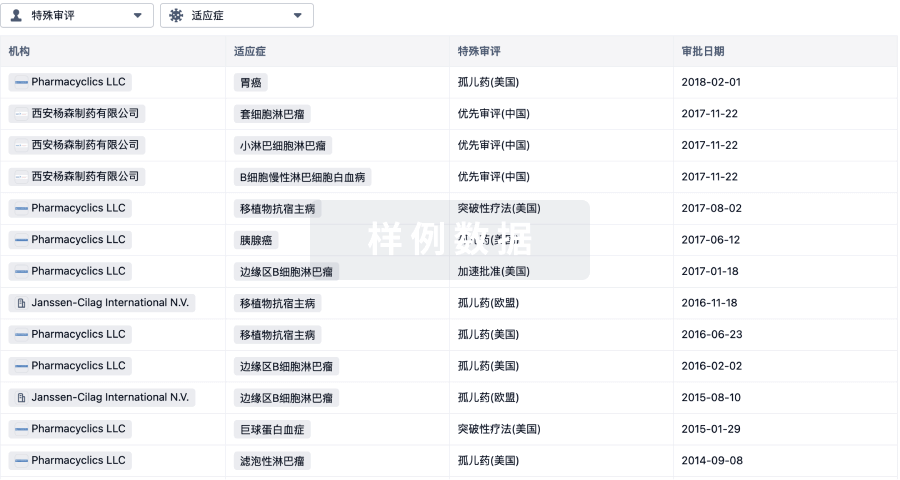
特殊审评
只需点击几下即可了解关键药物信息。
登录
或
提出任何生物医药研究问题
让每一步生物医药决策都精准制胜
基于十亿级生物数据与全球情报的精准 AI,赋能早期药物发现
立即开始免费试用!
智慧芽新药情报库是智慧芽专为生命科学人士构建的基于AI的创新药情报平台,助您全方位提升您的研发与决策效率。
立即接入生物医药数据包
智慧芽新药库数据也通过智慧芽开放平台,以MCP或API服务形式对外开放。立即使用我们的MCP服务定制您的LLM智能体。
生物序列数据库
生物药研发创新
免费使用
化学结构数据库
小分子化药研发创新
免费使用