预约演示
更新于:2026-08-22
NKG2D-CAR-T(IBGM)
更新于:2026-08-22
概要
基本信息
在研机构- |
权益机构- |
最高研发阶段无进展临床前 |
首次获批日期- |
最高研发阶段(中国)- |
特殊审评- |

关联
100 项与 NKG2D-CAR-T(IBGM) 相关的临床结果
登录后查看更多信息
100 项与 NKG2D-CAR-T(IBGM) 相关的转化医学
登录后查看更多信息
100 项与 NKG2D-CAR-T(IBGM) 相关的专利(医药)
登录后查看更多信息
4
项与 NKG2D-CAR-T(IBGM) 相关的文献(医药)2026-08-01·INTERNATIONAL IMMUNOPHARMACOLOGY
All-trans retinoic acid and lansoprazole potentiated NKG2D-CAR T for breast cancer treatment
Article
作者: Yu, Jie ; Zhu, Jingjing ; Lv, Huixia ; Zhou, Runze ; Dai, Hongjiu ; Lu, Tianchi
In solid cancer, the tumor microenvironment (TME) poses significant challenges to chimeric antigen receptor (CAR) T cell therapy due to its dense physical barrier, abnormal metabolism, and immunosuppressive factors. This study addresses these limitations using a synergistic approach involving all-trans retinoic acid (ATRA) and lansoprazole (LPZ) to target fibrosis and acidity, respectively. In vitro, ATRA reversed activated cancer-associated fibroblasts to a quiescent state, reducing α-SMA production, while LPZ increased tumor-site pH (Δ pH = 0.54) by inhibiting V-ATPase expression. In a triple-negative breast cancer (TNBC) model, a temperature-sensitive hydrogel delivering ATRA and LPZ was administered prior to drug-loaded NKG2D-CAR T (N-CAR T) cell injection, achieving a tumor inhibition rate of 72.08%. Notably, co-culture with ATRA and LPZ enhanced N-CAR T activity, cytokine secretion, and promoted differentiation into more lethal CD8+ subtypes (p < 0.0001), amplifying the immune response. These findings establish a targeted, potent, and low-toxicity preconditioning strategy to enhance CAR T cell efficacy in solid tumors, supporting further validation in more complex models and human-relevant systems.
2023-07-01·Cancer science
Combination therapy of DKK1 inhibition and NKG2D chimeric antigen receptor T cells for the treatment of gastric cancer
Article
作者: Liu, Baorui ; Xu, Hui ; Wei, Jia ; Yang, Xueyi ; Dai, Hongjiu ; Zhang, Xin ; Song, Xueru ; Zhou, Xiaoyu ; Shi, Tao ; Liang, Kaijie ; Zhang, Yipeng
Abstract:
Despite the successful application of chimeric antigen receptor (CAR)‐T cell therapy in hematological malignancies, the treatment efficacy in solid tumors remains unsatisfactory, largely due to the highly immunosuppressive tumor microenvironment and low density of specific tumor antigens. Natural killer group 2 member D (NKG2D) CAR‐T cells have shown promising treatment effects on several cancers such as lymphoma and multiple myeloma. However, the application and efficacy of NKG2D‐CAR‐T cells in gastric cancer (GC) still needs further exploration. This study identified a novel combination immunotherapy strategy with Dickkopf‐1 (DKK1) inhibition and NKG2D‐CAR‐T cells, exerting synergistic and superior antitumor effect in GC. We show that the baseline expression of NKG2D ligands (NKG2DLs) is at low levels in GC tissues from The Cancer Genome Atlas and multiple GC cell lines including NCI‐N87, MGC803, HGC27, MKN45, SGC7901, NUGC4, and AGS. In addition, DKK1 inhibition by WAY‐262611 reverses the suppressive tumor immune microenvironment (TIME) and upregulates NKG2DL expression levels in both GC cell lines and GC tissues from a xenograft NCG mouse model. DKK1 inhibition in GC cells markedly improves the immune‐activating and tumor‐killing ability of NKG2D‐CAR‐T cells as shown by cytotoxicity assays in vitro. Moreover, the combination therapy of NKG2D‐CAR‐T and WAY‐262611 triggers superior antitumor effects in vivo in a xenograft NCG mouse model. In sum, our study reveals the role of DKK1 in remodeling GC TIME and regulating the expression levels of NKG2DLs in GC. We also provide a promising treatment strategy of combining DKK1 inhibition with NKG2D‐CAR‐T cell therapy, which could bring new breakthroughs for GC immunotherapy.
2018-07-01·Cytotherapy3区 · 医学
Manufacturing development and clinical production of NKG2D chimeric antigen receptor–expressing T cells for autologous adoptive cell therapy
3区 · 医学
Article
作者: Jerome Ritz ; Sarah Nikiforow ; Charles L. Sentman ; Terri Wade ; Lillian Werner ; Sarah Snykers ; Michael W. Fanger ; Glenn Dranoff ; Susanne H. Baumeister ; David Gilham ; Jake Reder ; Heather Daley ; Joana M. Murad ; Hélène Trébéden-Negre ; Adam Schmucker ; Frederic Lehmann ; Marie-Louise Sentman
BACKGROUND AIMS:
Adoptive cell therapy employing natural killer group 2D (NKG2D) chimeric antigen receptor (CAR)-modified T cells has demonstrated preclinical efficacy in several model systems, including hematological and solid tumors. We present comprehensive data on manufacturing development and clinical production of autologous NKG2D CAR T cells for treatment of acute myeloid leukemia and multiple myeloma (ClinicalTrials.gov Identifier: NCT02203825). An NKG2D CAR was generated by fusing native full-length human NKG2D to the human CD3ζ cytoplasmic signaling domain. NKG2D naturally associates with native costimulatory molecule DAP10, effectively generating a second-generation CAR against multiple ligands upregulated during malignant transformation including MIC-A, MIC-B and the UL-16 binding proteins.
METHODS:
CAR T cells were infused fresh after a 9-day process wherein OKT3-activated T cells were genetically modified with replication-defective gamma-retroviral vector and expanded ex vivo for 5 days with recombinant human interleukin-2.
RESULTS:
Despite sizable interpatient variation in originally collected cells, release criteria, including T-cell expansion and purity (median 98%), T-cell transduction (median 66% CD8+ T cells), and functional activity against NKG2D ligand-positive cells, were met for 100% of healthy donors and patients enrolled and collected. There was minimal carryover of non-T cells, particularly malignant cells; both effector memory and central memory cells were generated, and inflammatory cytokines such as granulocyte colony-stimulating factor, RANTES, interferon-γ and tumor necrosis factor-α were selectively up-regulated.
CONCLUSIONS:
The process resulted in production of required cell doses for the first-in-human phase I NKG2D CAR T clinical trial and provides a robust, flexible base for further optimization of NKG2D CAR T-cell manufacturing.
100 项与 NKG2D-CAR-T(IBGM) 相关的药物交易
登录后查看更多信息
研发状态
10 条进展最快的记录, 后查看更多信息
登录
| 适应症 | 最高研发状态 | 国家/地区 | 公司 | 日期 |
|---|---|---|---|---|
| 肿瘤 | 临床前 | 西班牙 | 2019-10-22 |
登录后查看更多信息
临床结果
临床结果
适应症
分期
评价
查看全部结果
| 研究 | 分期 | 人群特征 | 评价人数 | 分组 | 结果 | 评价 | 发布日期 |
|---|
No Data | |||||||
登录后查看更多信息
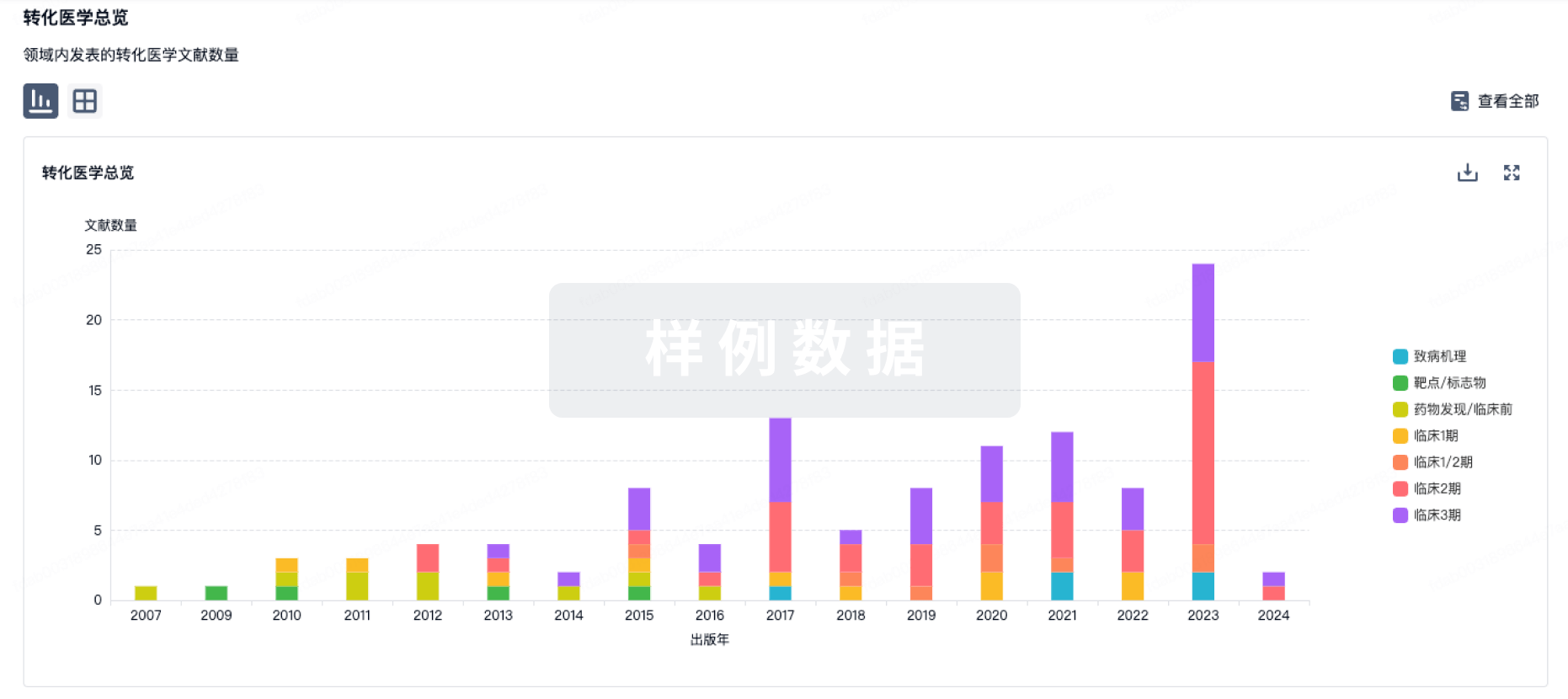
转化医学
使用我们的转化医学数据加速您的研究。
登录
或
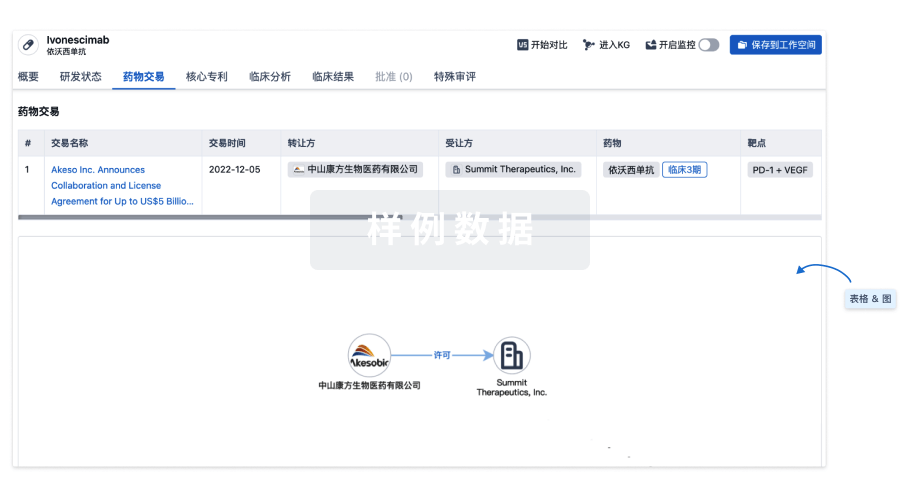
药物交易
使用我们的药物交易数据加速您的研究。
登录
或
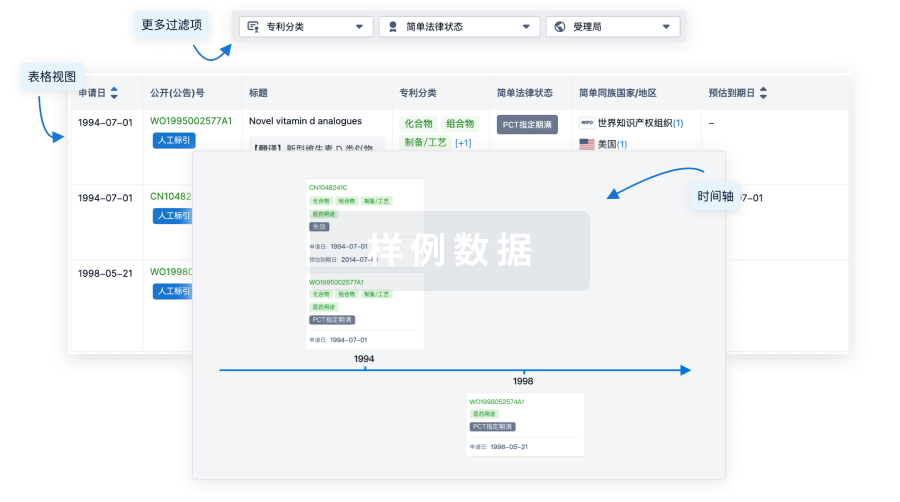
核心专利
使用我们的核心专利数据促进您的研究。
登录
或
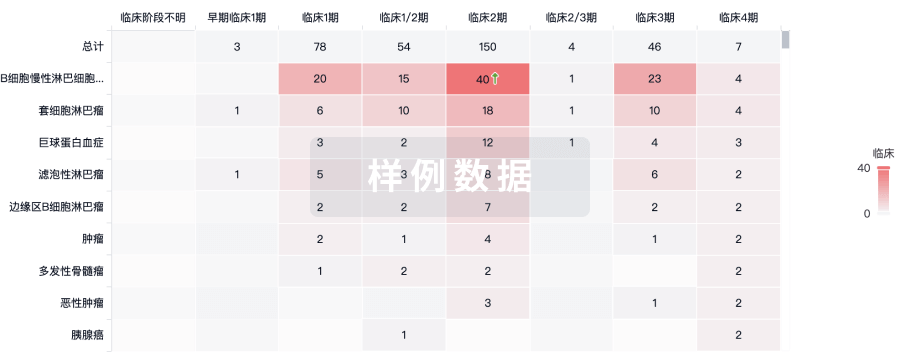
临床分析
紧跟全球注册中心的最新临床试验。
登录
或
批准
利用最新的监管批准信息加速您的研究。
登录
或
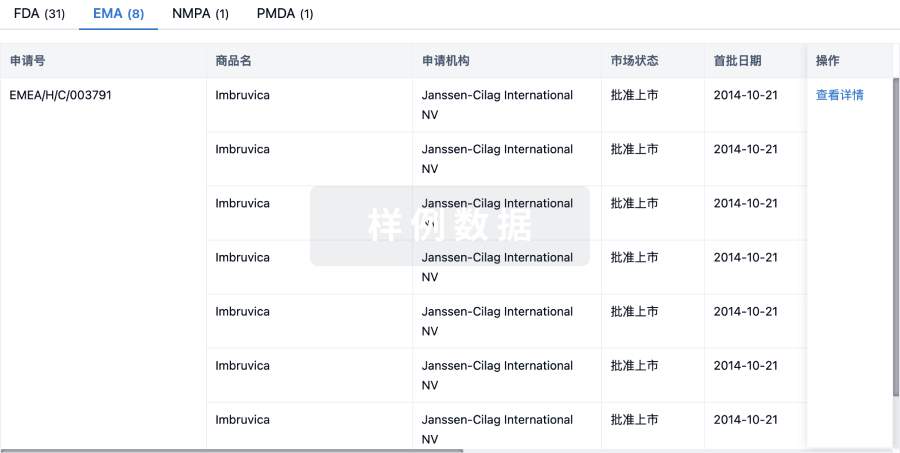
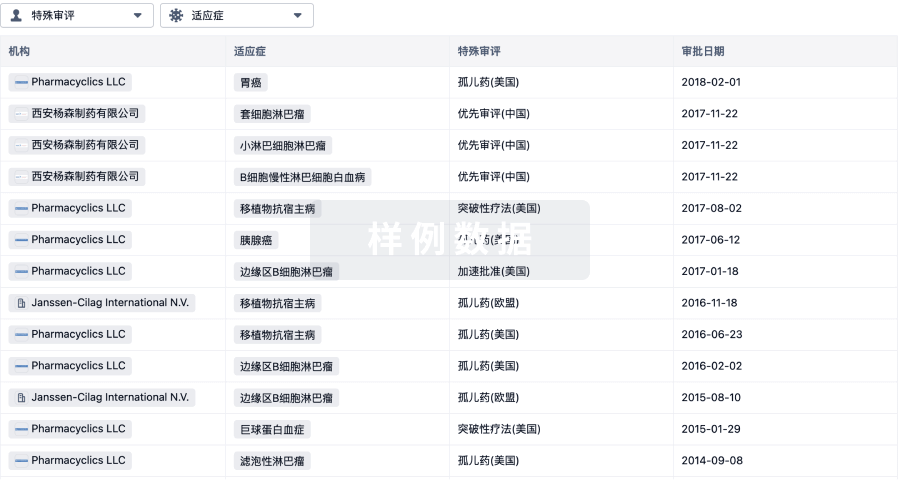
特殊审评
只需点击几下即可了解关键药物信息。
登录
或
提出任何生物医药研究问题
让每一步生物医药决策都精准制胜
基于十亿级生物数据与全球情报的精准 AI,赋能早期药物发现
立即开始免费试用!
智慧芽新药情报库是智慧芽专为生命科学人士构建的基于AI的创新药情报平台,助您全方位提升您的研发与决策效率。
立即接入生物医药数据包
智慧芽新药库数据也通过智慧芽开放平台,以MCP或API服务形式对外开放。立即使用我们的MCP服务定制您的LLM智能体。
生物序列数据库
生物药研发创新
免费使用
化学结构数据库
小分子化药研发创新
免费使用