预约演示
更新于:2025-12-27
CCR9 targeted CAR-T
更新于:2025-12-27
概要
基本信息
药物类型 CAR-T |
别名 Anti-CCR9 CAR T Cells(University College London)、CARCCR9 T cells(University College London)、Fratricide-Resistant Autologous Chimeric Antigen Receptor T Cells Targeting CCR9 |
靶点 |
作用方式 拮抗剂 |
作用机制 CCR9拮抗剂(C-C趋化因子受体9型拮抗剂) |
非在研适应症- |
非在研机构- |
权益机构- |
最高研发阶段临床1期 |
首次获批日期- |
最高研发阶段(中国)- |
特殊审评- |

登录后查看时间轴
关联
1
项与 CCR9 targeted CAR-T 相关的临床试验NCT07300683
Fratricide-Resistant Autologous Chimeric Antigen Receptor T Cells Targeting CCR9 for the Treatment of T Cell Acute Lymphoblastic Leukaemia/ Lymphoma
100 项与 CCR9 targeted CAR-T 相关的临床结果
登录后查看更多信息
100 项与 CCR9 targeted CAR-T 相关的转化医学
登录后查看更多信息
100 项与 CCR9 targeted CAR-T 相关的专利(医药)
登录后查看更多信息
2
项与 CCR9 targeted CAR-T 相关的文献(医药)2022-07-07BLOOD1区 · 医学
Anti-CCR9 chimeric antigen receptor T cells for T-cell acute lymphoblastic leukemia
1区 · 医学
Article
作者: Ross, Susan ; Maciocia, Paul M. ; O’Connor, David ; Karpanasamy, Thaneswari ; Pule, Martin A. ; Mansour, Marc R. ; Maciocia, Nicola C. ; Pocock, Rachael ; Crompton, Tessa ; Wawrzyniecka, Patrycja A. ; Hoekx, Malika ; Williams, Owen ; Rapoz-D’Silva, Tanya ; Leon, Theresa ; Gritti, Giuseppe ; Lee, Lydia ; Rahman, Sunniyat ; Burley, Amy ; Yánez, Diana C. ; Devereaux, Sam
Abstract:
T cell acute lymphoblastic leukemia (T-ALL) is an aggressive malignancy of immature T lymphocytes, associated with higher rates of induction failure compared with those in B cell acute lymphoblastic leukemia. The potent immunotherapeutic approaches applied in B cell acute lymphoblastic leukemia, which have revolutionized the treatment paradigm, have proven more challenging in T-ALL, largely due to a lack of target antigens expressed on malignant but not healthy T cells. Unlike B cell depletion, T-cell aplasia is highly toxic. Here, we show that the chemokine receptor CCR9 is expressed in >70% of cases of T-ALL, including >85% of relapsed/refractory disease, and only on a small fraction (<5%) of normal T cells. Using cell line models and patient-derived xenografts, we found that chimeric antigen receptor (CAR) T-cells targeting CCR9 are resistant to fratricide and have potent antileukemic activity both in vitro and in vivo, even at low target antigen density. We propose that anti-CCR9 CAR-T cells could be a highly effective treatment strategy for T-ALL, avoiding T cell aplasia and the need for genome engineering that complicate other approaches.
Journal of Hematology & Oncology
CAR-T cells targeting CCR9 and CD1a for the treatment of T cell acute lymphoblastic leukemia
Article
作者: Panelli, Patrizio ; Minguillón, Jordi ; Vinyoles, Meritxell ; Escudero López, Adela ; Torrebadell, Montserrat ; Díaz-Beyá, Marina ; Apostolov, Apostol ; Garcia-Perez, Alba ; Toribio, María L ; Pérez-Martínez, Antonio ; Martínez-Moreno, Alba ; Alcain, Juan ; Engel, Pablo ; Caye-Eude, Aurélie ; Mulens-Arias, Vladimir ; Genescà, Eulàlia ; Vick, Binje ; Ribera, Jordi ; Bueno, Clara ; Fernandez-Fuentes, Narcis ; Menéndez, Pablo ; Mansilla, María José ; Martínez-Sánchez, María Victoria ; Tirado, Néstor ; Roca-Ho, Heleia ; Velasco-Hernandez, Talia ; Fidyt, Klaudyna ; Ramírez-Orellana, Manuel ; Sánchez-Martínez, Diego ; Falgàs, Aïda ; Díaz, Víctor M ; Cavé, Hélène ; Baruchel, André ; Guerrero-Murillo, Mercedes ; Fuster, José Luis ; González, Europa Azucena ; Jeremias, Irmela ; García-Peydró, Marina
T cell acute lymphoblastic leukemia (T-ALL) is an aggressive malignancy characterized by high rates of induction failure and relapse, and effective targeted immunotherapies are lacking. Despite promising clinical progress with genome-edited CD7-directed CAR-T cells, which present significant logistical and regulatory issues, CAR-T cell therapy in T-ALL remains challenging due to the shared antigen expression between malignant and healthy T cells. This can result in CAR-T cell fratricide, T cell aplasia, and the potential for blast contamination during CAR-T cell manufacturing. Recently described CAR-T cells target non-pan-T antigens, absent on healthy T cells but expressed on specific T-ALL subsets. These antigens include CD1a (NCT05679895), which is expressed in cortical T-ALL, and CCR9. We show that CCR9 is expressed on >70% of T-ALL patients (132/180) and is maintained at relapse, with a safe expression profile in healthy hematopoietic and non-hematopoietic tissues. Further analyses showed that dual targeting of CCR9 and CD1a could benefit T-ALL patients with a greater blast coverage than single CAR-T cell treatments. We therefore developed, characterized, and preclinically validated a novel humanized CCR9-specific CAR with robust and specific antileukemic activity as a monotherapy in vitro and in vivo against cell lines, primary T-ALL samples, and patient-derived xenografts. Importantly, CCR9/CD1a dual-targeting CAR-T cells showed higher efficacy than single-targeting CAR-T cells, particularly in T-ALL cases with phenotypically heterogeneous leukemic populations. Dual CD1a/CCR9 CAR-T therapy may prevent T cell aplasia and obviate the need for allogeneic transplantation and regulatory-challenging genome engineering approaches in T-ALL.
100 项与 CCR9 targeted CAR-T 相关的药物交易
登录后查看更多信息
研发状态
10 条进展最快的记录, 后查看更多信息
登录
| 适应症 | 最高研发状态 | 国家/地区 | 公司 | 日期 |
|---|---|---|---|---|
| 成人T细胞白血病/淋巴瘤 | 临床1期 | 英国 | 2025-11-11 | |
| 前体T淋巴细胞白血病淋巴瘤 | 临床1期 | 英国 | 2025-11-11 | |
| T细胞急性淋巴细胞白血病/淋巴瘤 | 临床1期 | 英国 | 2025-11-11 |
登录后查看更多信息
临床结果
临床结果
适应症
分期
评价
查看全部结果
登录后查看更多信息
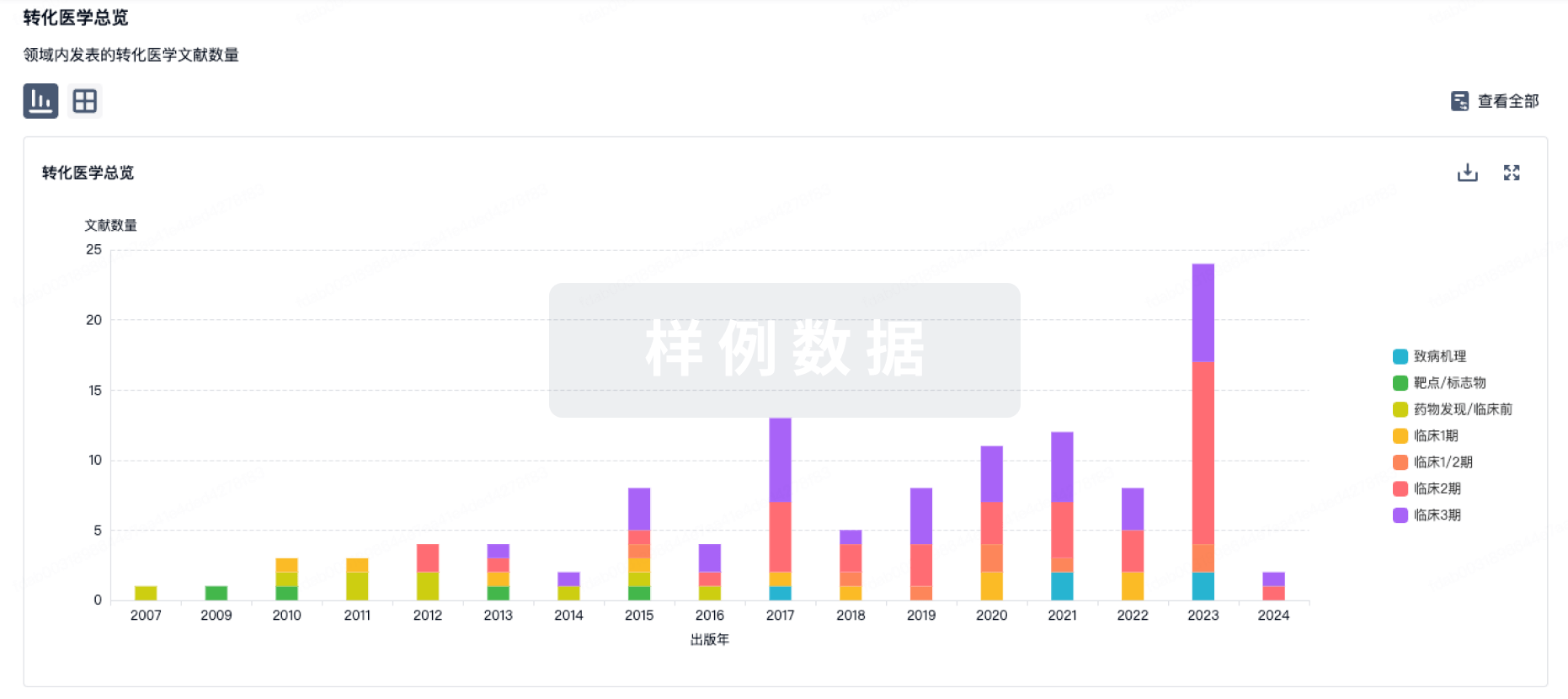
转化医学
使用我们的转化医学数据加速您的研究。
登录
或
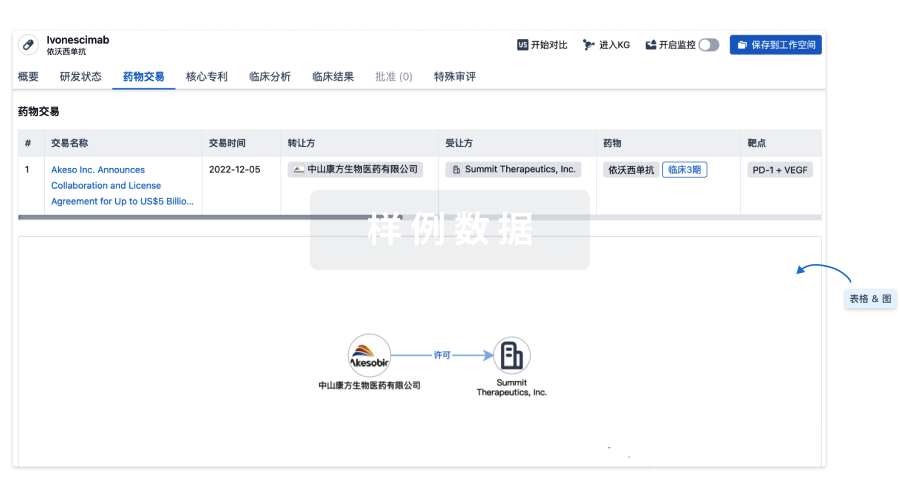
药物交易
使用我们的药物交易数据加速您的研究。
登录
或
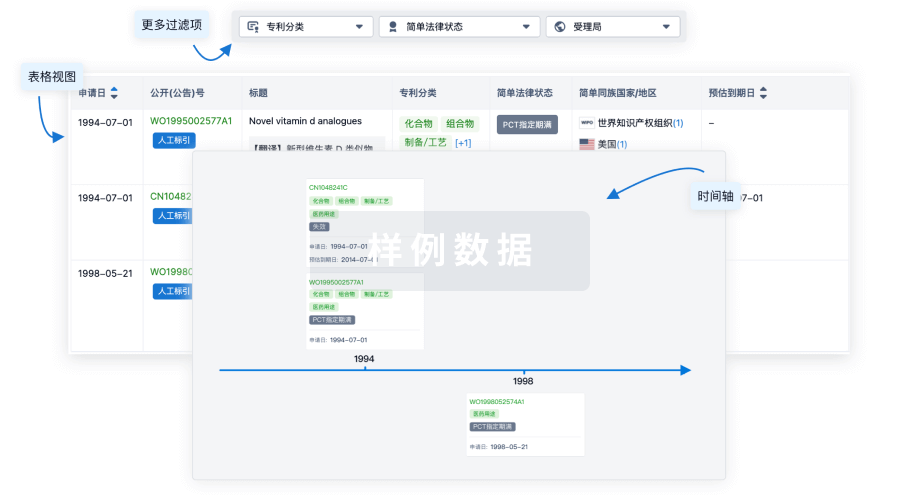
核心专利
使用我们的核心专利数据促进您的研究。
登录
或
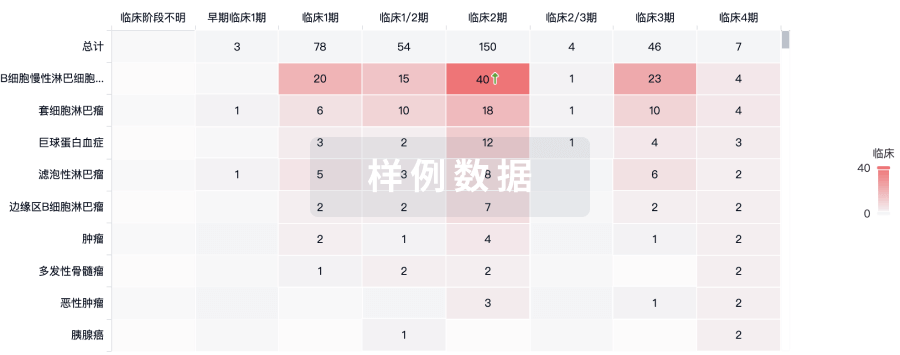
临床分析
紧跟全球注册中心的最新临床试验。
登录
或
批准
利用最新的监管批准信息加速您的研究。
登录
或
特殊审评
只需点击几下即可了解关键药物信息。
登录
或
生物医药百科问答
全新生物医药AI Agent 覆盖科研全链路,让突破性发现快人一步
立即开始免费试用!
智慧芽新药情报库是智慧芽专为生命科学人士构建的基于AI的创新药情报平台,助您全方位提升您的研发与决策效率。
立即开始数据试用!
智慧芽新药库数据也通过智慧芽数据服务平台,以API或者数据包形式对外开放,助您更加充分利用智慧芽新药情报信息。
生物序列数据库
生物药研发创新
免费使用
化学结构数据库
小分子化药研发创新
免费使用