预约演示
更新于:2026-01-31
Cresorol
更新于:2026-01-31
概要
基本信息
在研机构- |
权益机构- |
最高研发阶段无进展药物发现 |
首次获批日期- |
最高研发阶段(中国)- |
特殊审评- |

结构/序列
分子式C16H12O6 |
InChIKeySCZVLDHREVKTSH-UHFFFAOYSA-N |
CAS号491-71-4 |
关联
100 项与 Cresorol 相关的临床结果
登录后查看更多信息
100 项与 Cresorol 相关的转化医学
登录后查看更多信息
100 项与 Cresorol 相关的专利(医药)
登录后查看更多信息
266
项与 Cresorol 相关的文献(医药)2026-02-01·PEST MANAGEMENT SCIENCE
Sodium alginate enhances defense responses of
Pinus sylvestris
var.
mongolica
against
Bursaphelenchus xylophilus
by regulating
chs
genes and flavonoid metabolites
Article
作者: Hu, Xiaohang ; Chen, Qiaoli ; Wang, Qianwen ; Wang, Bin ; Zhang, Jiawei
Abstract:
BACKGROUND:
Pinus sylvestris
var.
mongolica
is a naturally susceptible host for the pine wood nematodes (PWNs,
Bursaphelenchus xylophilus
) and a dominant afforestation tree species in northeastern China. With the continuous northward expansion of PWNs,
P. sylvestris
var.
mongolica
may become a critical conduit for their further expansion. To prevent pine wilt disease (PWD) from spreading
via P. sylvestris
var.
mongolica
in northeastern China, it is essential to elucidate its defense mechanisms against PWN and enhance its resistance.
RESULTS:
Transcriptome analysis of
P. sylvestris
var.
mongolica
following inoculation with PWNs revealed the involvement of chalcone synthase (
chs
) genes in the flavonoid biosynthesis pathway, indicating their crucial role in the interaction between
P. sylvestris
var.
mongolica
and PWN. Treatment with elicitors known to induce
chs
gene expression—chitosan (CTS), chitosan oligosaccharide (COS), and sodium alginate (NaAlg)—delayed the progression of PWD, with NaAlg exhibiting the strongest protective effect. Differentially expressed genes (DEGs) enriched in the pathways related to flavonoid biosynthesis were observed following treatment with 100 mg/L NaAlg, and upregulated expressions of
chs
genes. This treatment also increased the abundance of key flavonoid pathway metabolites, including phloretin, chrysoeriol, and L‐tyrosine. However, inoculation with PWN following 100 mg/L NaAlg treatment downregulated expressions of
chs
genes and consumed phloretin, chrysoeriol, and L‐tyrosine, while promoting the accumulation of p‐coumaryl alcohol.
CONCLUSIONS:
The expression of
chs
genes plays a critical role in the defense of
P. sylvestris
var.
mongolica
against PWN infection. Spraying 100 mg/L NaAlg solution before PWN infection activates
chs
genes in
P. sylvestris
var.
mongolica
, regulating the levels of L‐tyrosine, phloretin, chrysoeriol, and p‐coumaryl alcohol to enhance self‐resistance against PWN, thereby delaying the progression of PWD in
P. sylvestris
var.
mongolica
. © 2025 Society of Chemical Industry.
2026-01-09·CURRENT MEDICINAL CHEMISTRY
Cassia-Derived Natural Flavonoids as Multi-Target Candidates for
Lung Cancer Therapy: A Network Pharmacology and Molecular
Modeling Study
Article
作者: Rehman, Abdur ; Al Shehri, Zafer Saad
introduction::
Lung cancer remains a major global health burden with high
mortality rates and limited therapeutic options. Natural flavonoids, particularly those derived
from Cassia species, have shown immunomodulatory and anticancer potential.
This study investigates the therapeutic promise of selected Cassia-derived flavonoids targeting
key lung cancer-associated proteins: Prostaglandin-endoperoxide synthase 2 (PTGS2),
Mast/stem cell growth factor receptor (KIT), and Xanthine dehydrogenase (XDH).
Methodology:::
Eight flavonoids were selected based on literature and database-reported
bioactivity. Target prediction was performed using SwissTargetPrediction and STITCH,
followed by pathway enrichment via STRING and KEGG databases. Molecular docking
was conducted using AutoDock Vina against PTGS2 (PDB: 5IKQ), KIT (1N5X), and
XDH (4U0I). Top-ranked complexes underwent 100 ns molecular dynamics (MD) simulations
with GROMACS to assess binding stability, RMSD, and conformational behavior.
Drug-likeness, ADME, and toxicity profiles were evaluated using SwissADME
and ProTox-II. Standard drugs (Trametinib, Nivolumab, Erlotinib) were used for comparison.
results::
Epicatechin and Hispidulin showed the strongest binding affinities with PTGS2
(−9.04 kcal/mol) and XDH (−8.22 kcal/mol), respectively, with stable RMSD profiles.
Chrysoeriol demonstrated the highest binding to KIT (−8.68 kcal/mol), outperforming
Nivolumab (−6.03 kcal/mol). All selected flavonoids displayed acceptable pharmacokinetic
profiles and low predicted toxicity. MD simulations confirmed the dynamic stability
of key complexes.
conclusion::
Cassia-derived flavonoids represent promising multi-target candidates for
lung cancer therapy, particularly through modulation of PTGS2, KIT, and XDH. Their
favorable interaction profiles and safety predictions warrant further experimental and in
vivo validation.
2026-01-01·Biomolecules & Therapeutics
Chrysoeriol Exerts Antiplatelet Effects by Regulating cAMP/cGMP and PI3K/MAPK Pathway
Article
作者: Lee, Ga Hee ; Wahab, Akram Abdul ; Lee, Dong-Ha ; Lee, Jin Pyo ; Park, Chang Eun ; Heo, Na Yoon
Chrysoeriol, a flavonoid naturally found in several plants, including Danggui Susan, a traditional herbal medicine, exhibits promising anti-inflammatory and antioxidant properties. Its potential to prevent cardiovascular diseases, primarily through inhibiting platelet activation and aggregation, has attracted significant interest. This study aimed to investigate the molecular mechanisms underlying the antiplatelet effects of chrysoeriol. The compound effectively suppressed collagen-induced platelet aggregation without inducing cytotoxicity. Chrysoeriol elevated intracellular levels of cyclic AMP (cAMP) and cyclic GMP (cGMP), enhanced inositol 1,4,5-trisphosphate receptor (IP3R) phosphorylation, and reduced cytosolic calcium (Ca²+) mobilization, all of which contributed to its antiplatelet action. Furthermore, chrysoeriol inhibited the phosphorylation of PI3K, Akt, JNK, and p38 MAPK, pathways involved in the activation of cytosolic phospholipase A2 (cPLA2) and thromboxane A2 (TXA2) production. These effects were accompanied by reduced TXA2 production and secretion of dense granules (ATP and serotonin). Chrysoeriol also impaired thrombin-induced clot retraction, further suggesting its capacity to regulate platelet responses and cytoskeletal rearrangements. These findings highlight chrysoeriol's multi-target mechanisms, including modulation of cyclic nucleotides, kinase pathways, and platelet function, offering potential as a therapeutic agent to prevent thrombotic cardiovascular events.
100 项与 Cresorol 相关的药物交易
登录后查看更多信息
研发状态
10 条进展最快的记录, 后查看更多信息
登录
| 适应症 | 最高研发状态 | 国家/地区 | 公司 | 日期 |
|---|---|---|---|---|
| 急性髓性白血病 | 药物发现 | 美国 | 2019-01-01 |
登录后查看更多信息
临床结果
临床结果
适应症
分期
评价
查看全部结果
| 研究 | 分期 | 人群特征 | 评价人数 | 分组 | 结果 | 评价 | 发布日期 |
|---|
No Data | |||||||
登录后查看更多信息
转化医学
使用我们的转化医学数据加速您的研究。
登录
或
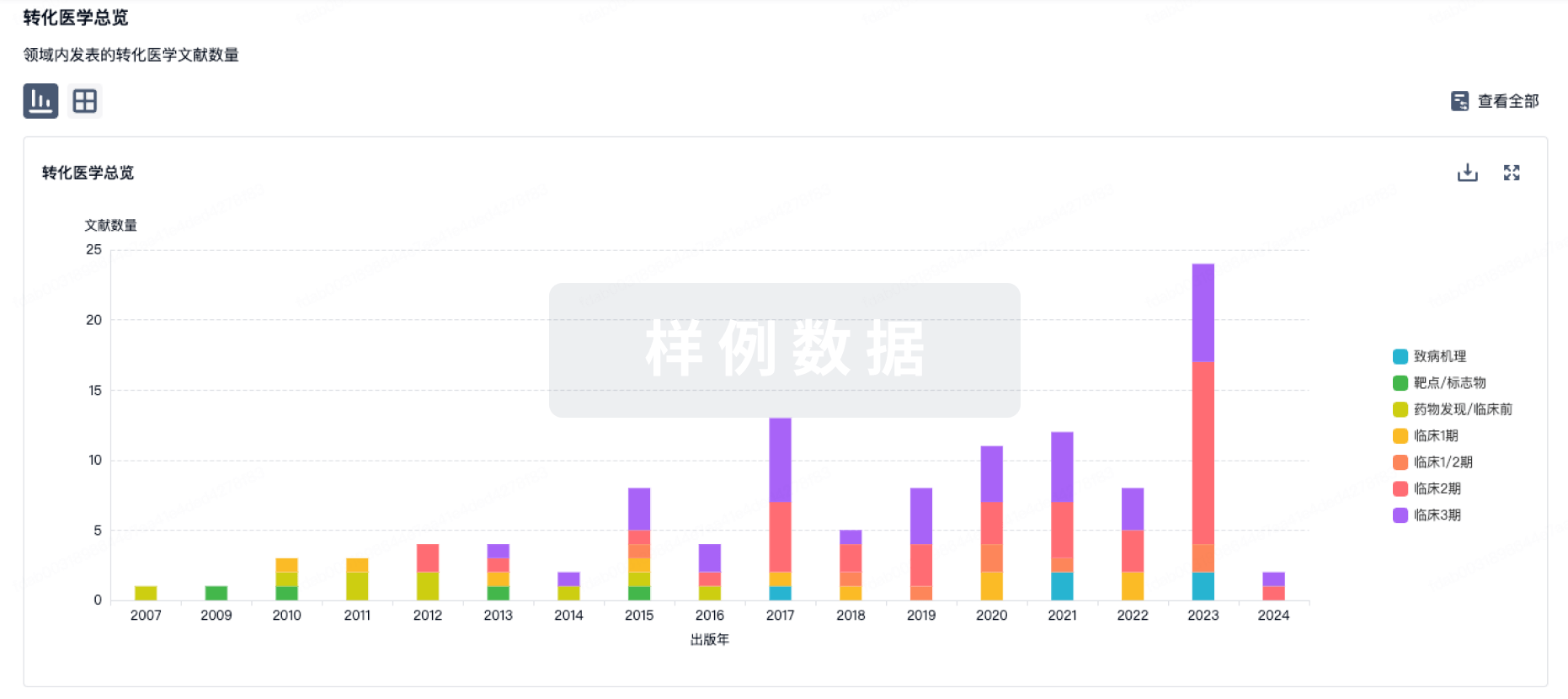
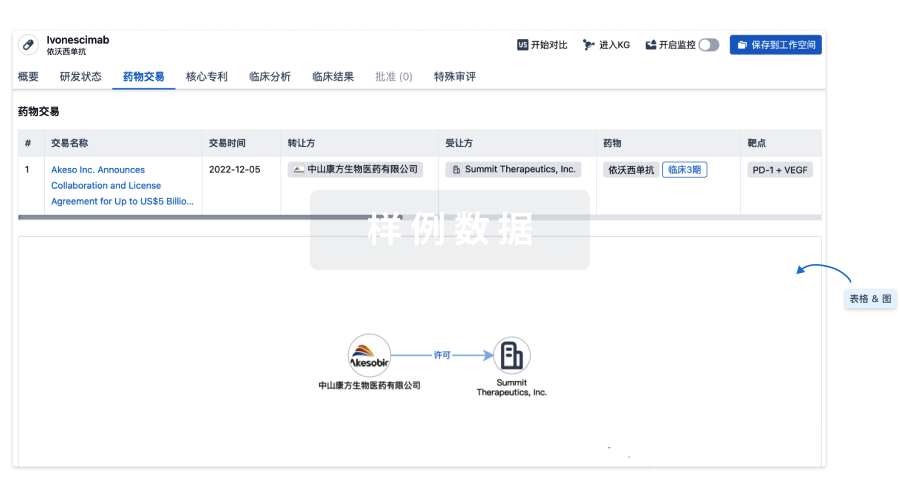
药物交易
使用我们的药物交易数据加速您的研究。
登录
或
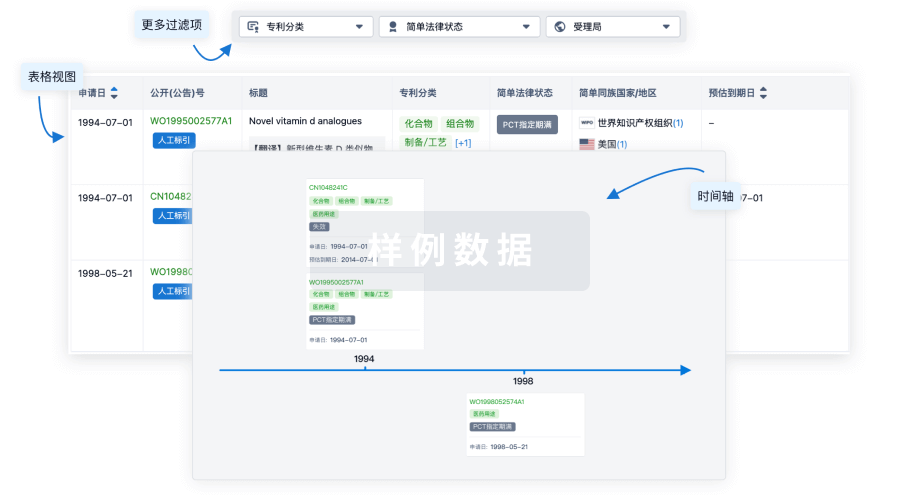
核心专利
使用我们的核心专利数据促进您的研究。
登录
或
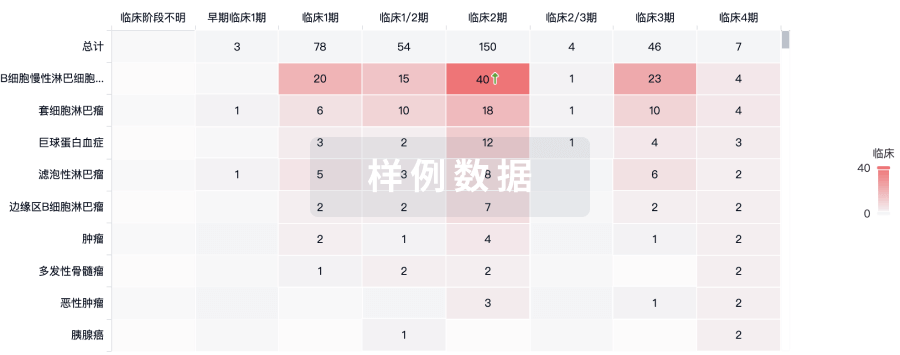
临床分析
紧跟全球注册中心的最新临床试验。
登录
或
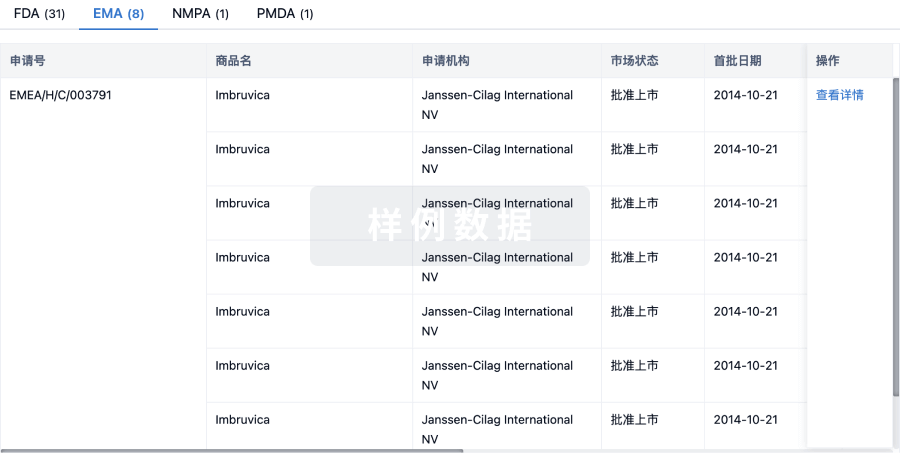
批准
利用最新的监管批准信息加速您的研究。
登录
或
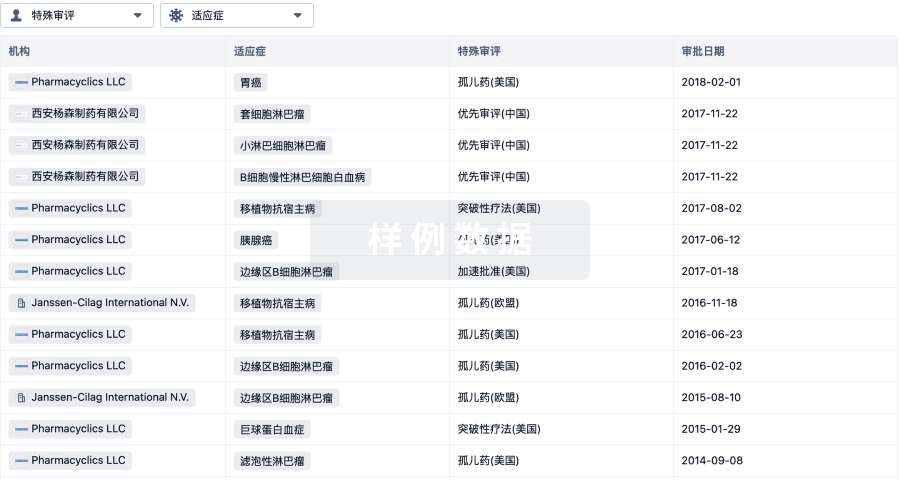
特殊审评
只需点击几下即可了解关键药物信息。
登录
或
生物医药百科问答
全新生物医药AI Agent 覆盖科研全链路,让突破性发现快人一步
立即开始免费试用!
智慧芽新药情报库是智慧芽专为生命科学人士构建的基于AI的创新药情报平台,助您全方位提升您的研发与决策效率。
立即开始数据试用!
智慧芽新药库数据也通过智慧芽数据服务平台,以API或者数据包形式对外开放,助您更加充分利用智慧芽新药情报信息。
生物序列数据库
生物药研发创新
免费使用
化学结构数据库
小分子化药研发创新
免费使用