预约演示
更新于:2026-01-17
Bisnorcymserine
更新于:2026-01-17
概要
基本信息
在研机构- |
权益机构- |
最高研发阶段无进展临床1期 |
首次获批日期- |
最高研发阶段(中国)- |
特殊审评- |

登录后查看时间轴
结构/序列
分子式C21H25N3O2 |
InChIKeyZIGIADNCAWZUAB-CTNGQTDRSA-N |
CAS号219920-81-7 |
关联
1
项与 Bisnorcymserine 相关的临床试验NCT01747213
Phase I, Double-Blind, Placebo-Controlled, Ascending, Single-Dose, Safety, Tolerability and Pharmacokinetic Study of Bisnorcymserine (BNC), a Highly Selective Inhibitor of Butyrylcholinesterase, in Healthy Adult Volunteers
100 项与 Bisnorcymserine 相关的临床结果
登录后查看更多信息
100 项与 Bisnorcymserine 相关的转化医学
登录后查看更多信息
100 项与 Bisnorcymserine 相关的专利(医药)
登录后查看更多信息
190
项与 Bisnorcymserine 相关的文献(医药)2026-01-01BIORESOURCE TECHNOLOGY
Optimization of bacterial nanocellulose synthesis using surfactants for immobilization of Saccharomyces cerevisiae to enhance resistance to lignocellulose-derived inhibitor
Article
作者: Bai, Yang ; Chen, Linxu ; Wei, Dingkang ; Lin, Jianqiang ; Wu, Guochao ; Xu, Zixiang ; Han, Shuai ; Lin, Jianqun ; Yan, Yiran ; Liu, Jie ; Feng, Yetong ; Chen, Peihong ; Chen, Tao
Optimization of bacterial nanocellulose (BNC) synthesis using surfactants for immobilization of Saccharomyces cerevisiae to enhance resistance to lignocellulose-derived inhibitors is critical for improving bioethanol production efficiency. Lignocellulosic hydrolysates often contain inhibitors such as ferulic acid, which significantly reduce yeast fermentation activity. BNC, with its unique three-dimensional network structure, is a promising carrier for yeast immobilization. However, its dense structure limits yeast cell attachment and nutrient transfer. In this study, rhamnolipids (RHA), an anionic biosurfactant, were introduced into the Hestrin-Schramm (HS) medium. Adding 4 g/L RHA increased the specific surface area of BNC from 26.55 to 37.59 m2/g, the porosity from 45.34 ± 6.65 % to 55.34 ± 2.10 %, the water holding capacity from 179.00 ± 9.03 g/g to 208.19 ± 3.20 g/g and decreased the crystallinity of BNC from 95.04 % to 60.27 %. Under 5 mM ferulic acid, the immobilized yeast exhibited enhanced glucose utilization and began ethanol metabolism earlier. This study presents an environmentally friendly immobilization method and holds significant potential for batch fermentation under inhibitory conditions.
2025-12-01INTERNATIONAL JOURNAL OF BIOLOGICAL MACROMOLECULES
A novel esculin-loaded bacterial nanocellulose wound dressing enhances cutaneous wound healing via modulation of inflammation, oxidative stress, and growth factor expression
Article
作者: Rezaei, Farid ; Hashemnia, Mohammad ; Emaminia, Amir ; Cheraghi, Hadi
Wound healing is a complex biological process involving tightly regulated phases of inflammation, proliferation, and remodeling. Developing multifunctional wound dressings that can actively modulate these processes remains a key challenge in regenerative medicine. Wound healing is a complex biological process involving tightly regulated phases of inflammation, proliferation, and remodeling. Developing multifunctional wound dressings that can actively modulate these processes remains a key challenge in regenerative medicine. The BNC/Esc composite film was thoroughly characterized using SEM, FTIR, XRD, swelling behavior, drug release studies, and in vitro cytocompatibility assays. The in vivo therapeutic efficacy was evaluated in a full-thickness excisional wound model in rats over 21 days using histological, biochemical, and molecular analyses. The BNC/Esc film exhibited a uniform nanofibrous morphology, high swelling capacity and porosity, and sustained biphasic esculin release while maintaining excellent biocompatibility. In vivo, the dressing significantly accelerated wound contraction and re-epithelialization, enhanced collagen deposition and alignment, promoted fibroblast proliferation and angiogenesis via upregulation of bFGF and VEGF, and suppressed inflammation and oxidative stress by reducing IL-1β, MPO, and MDA levels, while increasing GPx and SOD activities. This work introduces an innovative natural compound-loaded BNC platform that integrates mechanical support with molecular-level regulation of inflammation and redox balance, offering a promising, multifunctional biomaterial for advanced wound healing applications.
2025-11-12ACS materials Au
Tuning Ternary Deep Eutectic Solvent Semiconductivity and Specific Capacitance Properties via Solubilizing Bacterial Nanocellulose for Flexible Soft Material
Article
作者: Kattel, Samir ; Cabo, Maurelio ; LaJeunesse, Dennis
Bacterial nanocellulose (BNC) shows promise in sustainable materials science, but its insolubility limits broader applications. This study introduces a ternary deep eutectic solvent (TDES) composed of Choline Chloride, Imidazole, and Tannic acid to effectively dissolve BNC. The resulting solution exhibits enhanced bandgap energy, increasing from 4.348 to 4.528 eV (direct) and 4.156 to 4.471 eV (indirect), highlighting its potential application in a wide-bandgap semiconductor. Cyclic voltammetry revealed improved specific capacitance, indicating enhanced energy storage capacity. Its application in flexible soft material underscores its viability as a highly insulating yet sufficiently conductive material for future studies in biosensors, optoelectronics, and solar cells. By overcoming BNC's solubility challenges while enhancing TDES properties, this study advances biobased electronics and optical applications, paving the way for eco-friendly technological innovations.
100 项与 Bisnorcymserine 相关的药物交易
登录后查看更多信息
研发状态
10 条进展最快的记录, 后查看更多信息
登录
| 适应症 | 最高研发状态 | 国家/地区 | 公司 | 日期 |
|---|---|---|---|---|
| 阿尔茨海默症 | 临床1期 | 美国 | 2013-01-29 |
登录后查看更多信息
临床结果
临床结果
适应症
分期
评价
查看全部结果
登录后查看更多信息
转化医学
使用我们的转化医学数据加速您的研究。
登录
或
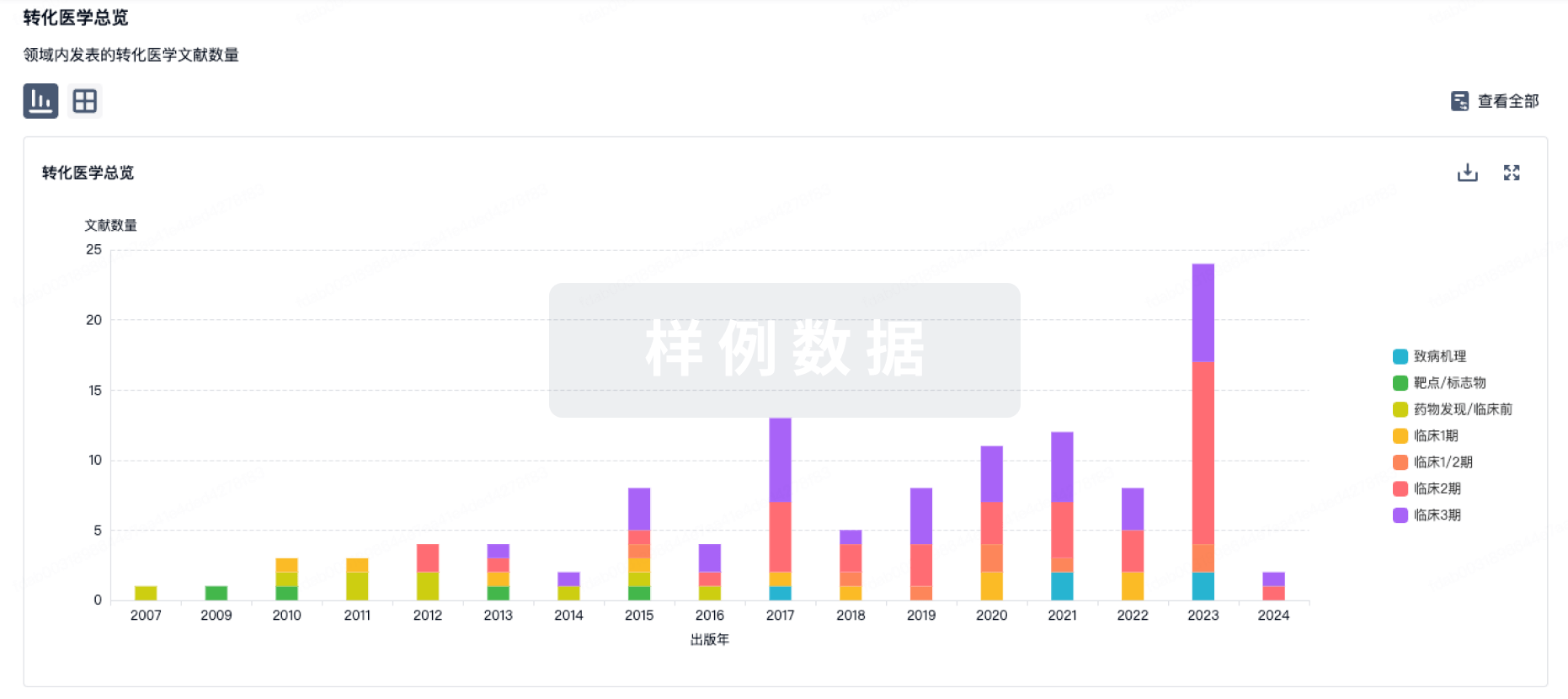
药物交易
使用我们的药物交易数据加速您的研究。
登录
或
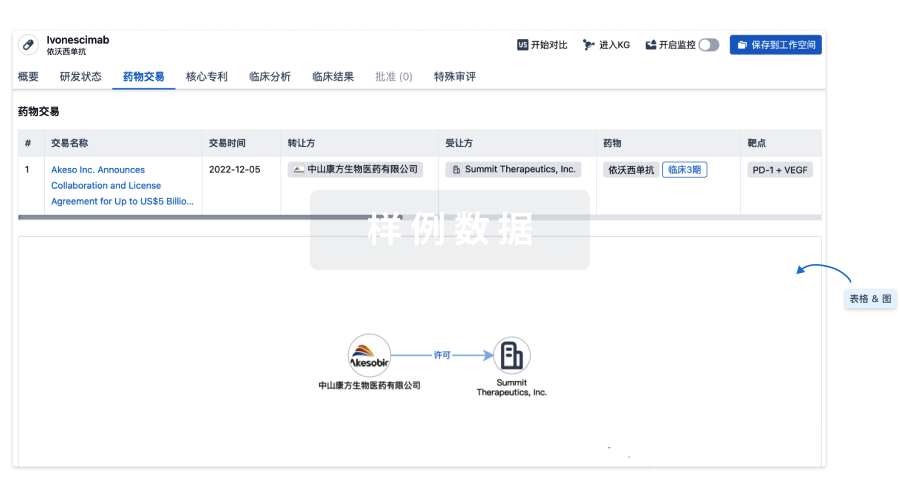
核心专利
使用我们的核心专利数据促进您的研究。
登录
或
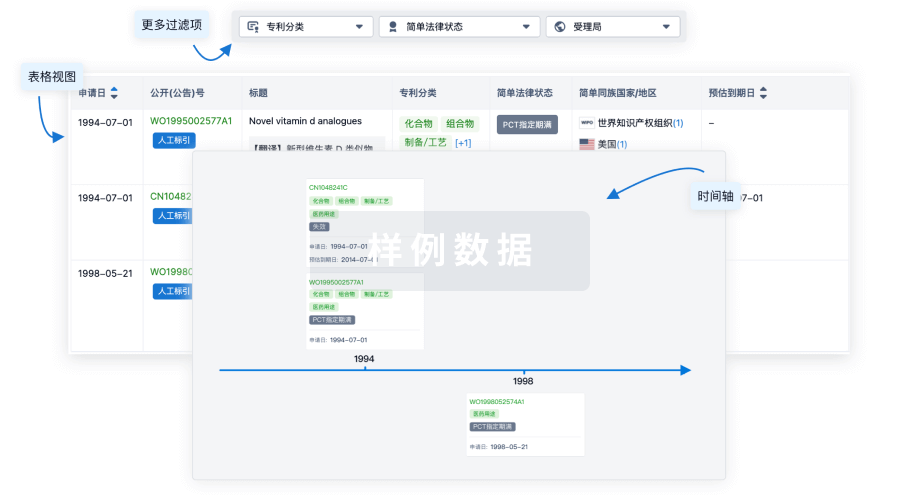
临床分析
紧跟全球注册中心的最新临床试验。
登录
或
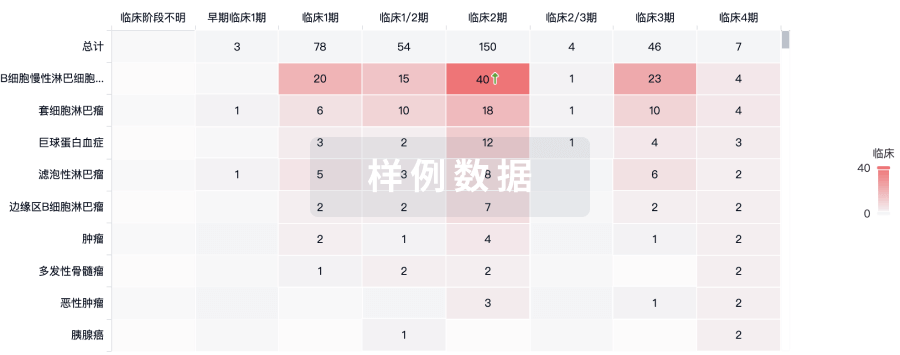
批准
利用最新的监管批准信息加速您的研究。
登录
或
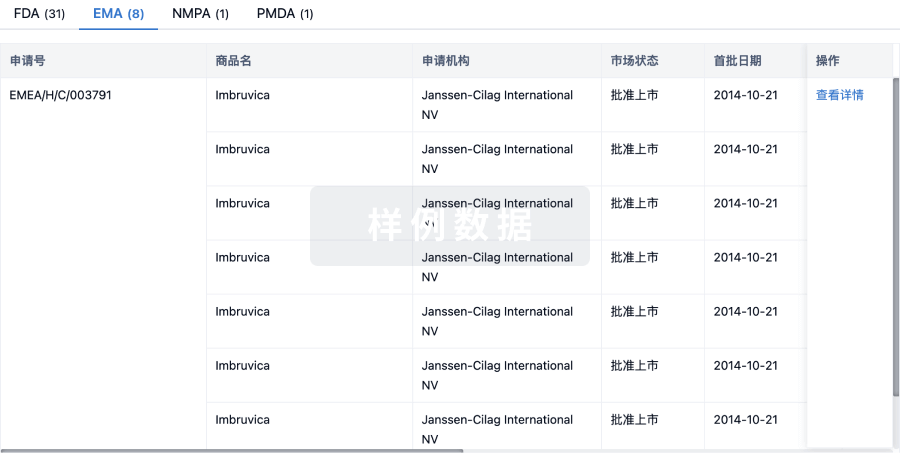
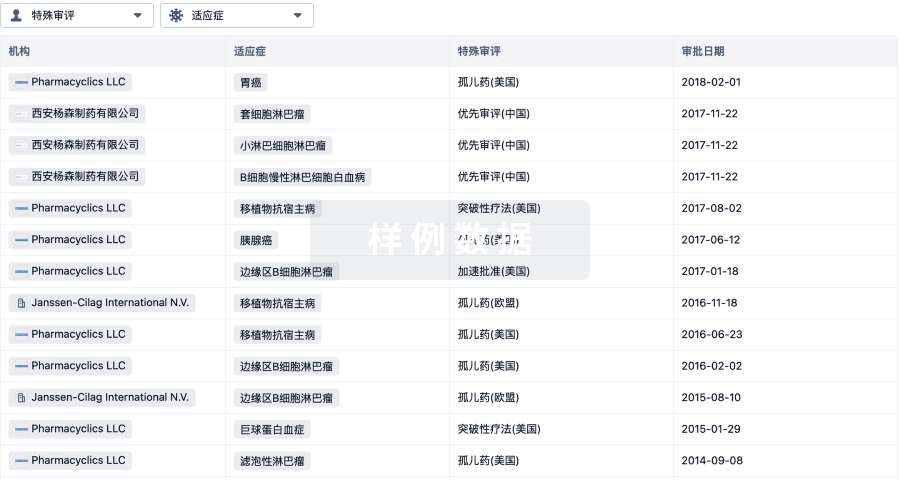
特殊审评
只需点击几下即可了解关键药物信息。
登录
或
生物医药百科问答
全新生物医药AI Agent 覆盖科研全链路,让突破性发现快人一步
立即开始免费试用!
智慧芽新药情报库是智慧芽专为生命科学人士构建的基于AI的创新药情报平台,助您全方位提升您的研发与决策效率。
立即开始数据试用!
智慧芽新药库数据也通过智慧芽数据服务平台,以API或者数据包形式对外开放,助您更加充分利用智慧芽新药情报信息。
生物序列数据库
生物药研发创新
免费使用
化学结构数据库
小分子化药研发创新
免费使用