预约演示
更新于:2026-10-16
Human Albumin(Yuanda Shuyang Life Science)
人血白蛋白(远大蜀阳生命科学)
更新于:2026-10-16
概要
基本信息
关联
100 项与 人血白蛋白(远大蜀阳生命科学) 相关的临床结果
登录后查看更多信息
100 项与 人血白蛋白(远大蜀阳生命科学) 相关的转化医学
登录后查看更多信息
100 项与 人血白蛋白(远大蜀阳生命科学) 相关的专利(医药)
登录后查看更多信息
17
项与 人血白蛋白(远大蜀阳生命科学) 相关的文献(医药)2026-07-01·United European Gastroenterology Journal
Pre‐Treatment Serum Albumin Concentration Predicts Clinical Benefit of Long‐Term Albumin in Patients With Cirrhosis and Ascites
Article
作者: Cozzolongo, Raffaele ; Svegliati‐Baroni, Gianluca ; Riggio, Oliviero ; Zaccherini, Giacomo ; Caraceni, Paolo ; Foschi, Francesco Giuseppe ; Neri, Sergio ; Marra, Fabio ; Iannone, Giulia ; Angeli, Paolo ; Biselli, Maurizio ; Pompili, Enrico ; Bernardi, Mauro ; Alessandria, Carlo ; Piano, Salvatore ; Airoldi, Aldo ; Baldassarre, Maurizio ; Fagiuoli, Stefano ; Nardelli, Silvia ; Levantesi, Fabio ; Simone, Loredana
ABSTRACT:
Background and Aims:
The benefit of long‐term albumin (LTA) in improving survival and reducing complications in patients with cirrhosis and ascites is not consistently observed across studies, possibly reflecting differences in patient populations and treatment regimens. This study aimed to determine whether baseline serum albumin (SA) levels can predict which patients are most likely to benefit from LTA therapy.
Methods:
A post hoc analysis of the ANSWER trial was performed in 431 patients randomized to receive standard medical treatment (SMT) alone or SMT plus human albumin (SMT + HA). The interaction between baseline SA and LTA was investigated using competing‐risk survival analysis. The primary endpoint was 18‐month survival. Secondary endpoints included the incidence of cirrhosis‐related complications and hospitalizations.
Results:
A significant treatment‐by‐albumin non‐linear interaction was found (
p
= 0.010), indicating heterogeneity of treatment effect across baseline SA levels with the upper bound of the region of statistically demonstrable benefit occurring at approximately 3.2 g/dL (sHR 0.53, 95% CI 0.28–0.99). In patients with SA ≤ 3.2 g/dL, 18‐month survival was significantly higher in the SMT + HA group compared with SMT alone (HR 0.47, 95% CI 0.29–0.77;
p
= 0.0021). No significant survival difference could be demonstrated in patients with SA > 3.2 g/dL (HR 1.04, 95% CI 0.41–2.63;
p
= 0.93). Regardless of baseline SA levels, LTA was associated with improved ascites control and reduced rates of complications and hospitalizations.
Conclusions:
LTA provides survival and morbidity benefits in patients with mild‐to‐moderate hypoalbuminemia, whereas in patients with normal SA levels, its benefit appears mainly limited to morbidity reduction. Baseline SA may therefore help in prioritizing LTA therapy when resources are constrained.
2024-12-27·MEDICINE
Human albumin for adults with sepsis: An updated systematic review and meta-analysis of randomized controlled trials
Review
作者: Xiaodong Guan ; Kexin Han ; Zhaohui Bai ; Yongjie Lai ; Luwen Shi ; Yang Xu
Background::
Sepsis affects millions of people and imposes a substantial economic and social burden worldwide. However, the role of human albumin in the management of septic patients remains unclear.
Methods::
EMBASE, PubMed, and Cochrane Library databases were searched. Randomized controlled trials regarding the use of human albumin in septic patients were eligible. The overall mortality and the intensive care unit (ICU), in-hospital/28-day, and 90-day mortality were pooled, respectively. Subgroup analyses were performed according to target population, type and dose of human albumin, and type of control group. Risk ratios (RRs) was calculated.
Results::
Twenty-four randomized controlled trials were finally included. Meta-analysis showed that human albumin cannot decrease the overall (RR = 1.02,
P
= .56), ICU (RR = 1.06,
P
= .65), in-hospital/28-day (RR = 1.01,
P
= .68), and 90-day (RR = 1.01,
P
= .65) mortality of total patients. Subgroup analyses showed that human albumin both cannot significantly decrease the overall, ICU, in-hospital/28-day, and 90-day mortality of sepsis and septic patients. Additionally, 20% human albumin (RR = 0.89,
P
= .03) and high daily dose of human albumin (RR = 0.90,
P
= .03) might benefit for the survival of patients with septic shock.
Conclusions::
Based on the current evidence, the general use of human albumin to improve the survival of septic patients cannot be recommended.
2018-06-01·Medicine4区 · 医学
Capillary leak syndrome and aseptic meningitis in a patient with Kawasaki disease
4区 · 医学
ArticleOA
作者: Yu Zhang ; Jia Fu ; Xiaoyan Wang ; Yufeng Zhang ; Han Wan ; Maosheng Du ; Huiling Deng ; Ruiqing Liu
RATIONALE:
Kawasaki disease (KD) is an acute vasculitis of childhood, coronary complications are the most serious and classic complications of this disease. However, simultaneous complications such as systemic capillary leak syndrome (CLS) and aseptic meningitis are rarely reported.
PATIENT CONCERNS:
A 19-month-old boy had continuous fever for 6 days, rash for 3 days, and somnolence for 1 day.
DIAGNOSES:
The boy was diagnosed with KD presenting with SCLS and aseptic meningitis.
INTERVENTIONS:
He was treated with gamma globulin (2 g/kg) for 1 day, mannitol and furosemide to reduce intracranial pressure, human albumin to correct hypoproteinemia, methylprednisolone to control inflammation, and both aspirin and dipyridamole for anticoagulation.
OUTCOMES:
After treatment, the patient recovered well. At one year follow-up, the patient was asymptomatic and showed no recurrence of skin rash.
LESSONS:
The incidence of KD has recently increased and cardiovascular complications are frequently reported. This may be combined with systemic damage, however, the combination of SCLS and aseptic meningitis is rarely reported, therefor, children who have SCLS, aseptic meningitis and unexplained fever >5 days, KD should be taken into account. Early diagnosis and timely treatment can reduce complications induced by KD.
15
项与 人血白蛋白(远大蜀阳生命科学) 相关的新闻(医药)2026-09-10
·戊戌数据
国内首款AI辅助创新药获批上市;第七批医用耗材集采今晨天津开标;海思科镇痛新药拿到生产批件。
今日必看
1. 国内首款AI辅助创新药获批上市,研发只用了三年半
西湖大学、西湖实验室与西湖制药联合研发的盐酸伊司特韦片(艾普司韦)获国家药监局批准上市,用于治疗成人轻型、中型新冠感染。该药为3CLpro抑制剂,单药使用,从分子发现到完成临床试验只用了三年半。
它的真正标签是"国内首款AI辅助研发获批的创新药"——靶点结构解析与分子设计环节由AI深度参与,把传统范式下以"年"计的候选分子筛选压缩到以"月"计。作为对照,行业语境里一款创新药的平均周期是十年、十亿美元量级。AI制药第一次在中国跑通"从算法到批件"的完整闭环,下一个看点是谁能把这条管线铺成生产线。
2. 第七批医用耗材集采今晨天津开标
国家组织医用耗材集中带量采购(第7批)报价信息公开大会今日在天津举行:首轮报价7:30开始、9:30截止,未直接中选的企业可参加次轮报价,套装产品在次轮一并报价。本批涉及品类广泛,开标即定格局。结果一出,相关品种的价格体系与市场份额同时重排,器械板块今天有得看。
3. 国产新药双响:海思科镇痛新药获批生产,山东首个1类创新药上市
辽宁海思科的HSK21542注射液拿到生产批件,适应症为镇痛。从受理号CXHS2400097看,这是一条走了两年多的1类新药路径,也是本期注册审批中唯一一张"批准生产"。
同期,瑞阳(山东)生物制药的1类创新药库莱韦拜单抗注射液(英沐乐)经优先审评获批上市,用于感染性疾病的被动免疫预防——这是山东省今年首个获批的1类创新药,省内感染预防领域的源头创新实现零的突破。一北一东两张批件,一个镇痛一个抗感染,国产创新药商业化梯队仍在扩容。
新药 / 研发
诺诚健华首款双抗ADC获批临床,瞄准前列腺癌
诺诚健华自主研发的PSMA/STEAP1双抗ADC(ICP-B381)获CDE批准开展临床试验,用于前列腺癌等实体瘤。这是公司第一款进入临床的双抗ADC,也是管线中第三款ADC,临床前研究显示其抗肿瘤活性优于单靶点ADC,全球尚无同类产品获批。前列腺癌正成为ADC的下一个主战场,双靶点设计直指单靶点表达异质性带来的耐药难题。
邦耀生物异体CAR-T拟纳入"关爱计划",适应症是系统性硬化症
CDE公示拟将邦耀生物靶向CD19的异体CAR-T注射液纳入"关爱计划-延伸"试点,用于复发/难治性系统性硬化症,公示期至9月16日。这是一款通用型(off-the-shelf)CAR-T,若顺利推进,深度免疫疾病的细胞治疗路径将被正式打开。细胞疗法从血液肿瘤向自免疾病扩线,通用型工艺再把成本与等待时间一并压下来——两个叙事叠在同一个品种上。
迪哲医药比瑞替尼II期数据登上Blood Cancer Journal
迪哲医药宣布,其全球首创LYN/BTK双靶点抑制剂比瑞替尼单药治疗复发/难治弥漫性大B细胞淋巴瘤(r/r DLBCL)的II期研究(TAI-SHAN9)结果发表于《Blood Cancer Journal》(IF=13.8)。该药可完全穿透血脑屏障,为中枢受累患者提供了现有方案之外的新选择。全球首创靶点组合加顶刊背书,迪哲在血液瘤领域的学术存在感越来越足。
其他动态:辉瑞RSV疫苗登记临床,兴齐眼药三连报
本期临床试验新登记6项:辉瑞的呼吸道合胞病毒(RSV)疫苗(CTR20263340)、Incyte的INCA33890注射液、达尔文起点的干细胞衍生物、常州寅盛苯溴马隆片、哈尔滨泽尼康美沙拉秦栓等在列——RSV疫苗是跨国药企在中国疫苗市场的新一轮卡位。
新受理端53条,沈阳兴齐眼药的SQ-25042眼内注射溶液一口气递交三条临床申请(CXSL2600979/0980/0981),布局眼科局部递送的意图明显;江苏迪赛诺的盐酸拉贝洛尔片获批补充申请。批签发端155条动态几乎被疫苗与血制品包场,见下方政策板块。
政策动态
1. 本期全景:219条动态,批签发155条唱主角
药达isearch本期共采集结构化动态219条,覆盖3个专业数据源,另有去重后的政策与行业新闻9篇。注册审批213条中:新受理53条、批准生产1条、批准补充1条、批签发155条——批签发占比超过七成,疫苗与血液制品是绝对主力。
批签发品种榜上,人血白蛋白27批次(武田奥地利工厂)、流感病毒裂解疫苗16批次(智飞龙科马)、万泰丙肝诊断试剂9批次、科兴大连水痘疫苗9批次、泰邦静注人免疫球蛋白8批次依次排开。企业活跃度前五:华兰生物20条、万泰生物14条、远大蜀阳12条、武田10条、科兴(大连)9条,血制品与疫苗企业集体霸榜。流感疫苗批签发进入季节性放量区间,叠加进口白蛋白批次高企,下半年供给端信号都写在这份名单里。
2. 四部门新规:10月1日起,未成年人用麻精药品需监护人书面同意
国家卫健委等四部门联合印发《医疗机构麻醉药品和精神药品管理规定》,自2026年10月1日起施行。新规把适用范围从部分麻精药品扩大到全部药用类麻精药品,为未成年人开具此类处方必须取得监护人书面知情同意,并强化信息化全流程管理。处方权限、流程、追溯全面收紧,医院的麻精管理制度只剩一个月窗口期完成对标改造。
3. 五款中药获批"首家二级保护品种",独占期七年
国家药监局发布中药保护品种公告(第38号),批准金蓉颗粒、复方刺五加颗粒、小儿柴桂退热口服液、丹龙口服液、复方伤痛胶囊为首家中药二级保护品种,保护期七年。保护期内,同品种的其他生产企业不得申报仿制,市场独占格局就此锁定。
本期重点品种
品种
出现次数
企业
人血白蛋白
×27
武田制药(奥地利)
流感病毒裂解疫苗
×16
智飞龙科马
丙肝抗体诊断试剂盒(酶联免疫法)
×9
万泰生物
水痘减毒活疫苗
×9
科兴(大连)
静注人免疫球蛋白
×8
泰邦生物
想查更多?药达·isearch 免费体验
文末「阅读原文」直达
戊戌数据 · 医药早报
数据来源:药达isearch(https://isearch.wuxuwang.com)
戊戌数据(www.wuxuwang.com)
内容仅供参考,不构成投资或用药建议
END
★
点击下方卡片,发现更多精彩
2026-09-02
血浆仍然稀缺,但仅仅拥有血浆,已经越来越难保证利润。
撰文|Kathy
血制品行业,又迎来了一个“难看”的财报季。
2026年上半年,国内主要血制品企业几乎无一例外遭遇利润大幅下滑:天坛生物归母净利润同比下降52.75%,派林生物下降64.25%,卫光生物下降58.77%,博雅生物更是下降77.28%;上海莱士和华兰生物相对较好,但净利润也分别下降35.80%和25.69%。
但如果看另一组数据,这个行业似乎又不该如此悲观。
天坛生物上半年采浆1453吨,同比增长6.8%;派林生物采浆845吨,同比增长9.4%,再创历史新高;卫光生物累计采浆约316吨,同比增长8.34%。华兰生物、上海莱士、博雅生物的采浆量同样保持增长。
一边是不断增加的血浆采浆量,一边是大幅缩水的利润,这在“得血浆者得天下”的血制品行业显得反常。
血液制品的核心原料人血浆无法人工制造,我国又对单采血浆站实施严格的准入和管理,谁拥有更多浆站、采到更多血浆,谁就拥有更多可以加工成白蛋白、免疫球蛋白和凝血因子的原料,也就拥有更大的收入和利润空间。
浆站数量、采浆量,也因此长期是衡量一家血制品企业竞争力最直接的指标,“得浆者得天下”几乎贯穿了行业扩张的全过程。
但如今,把持着行业采浆量半数以上的巨头们的财报传递了一个明确的信号:血浆依然重要,但那套延续多年的增长方式,已经遇到了大问题。
利润去哪了?
半年报里最值得注意的其实不是收入下降,而是利润下降得远比收入快。
天坛生物上半年营收同比下降16.56%,归母净利润下降52.75%;派林生物营收下降15.88%,净利润下降64.25%;卫光生物营收下降13.33%,净利润下降58.77%。
收入少了一成多,利润却跌去一半甚至更多。
差距首先出现在毛利率上。
天坛生物上半年人血白蛋白收入10.07亿元,同比下降25.11%,毛利率同比减少11.92个百分点;静丙收入12.87亿元,同比下降9.81%,毛利率减少8.15个百分点。
华兰生物血液制品收入下降12.30%,营业成本却只下降1.91%,整体毛利率减少5.73个百分点;派林生物血液制品收入下降16.03%,营业成本反而增长7.97%,毛利率减少14.95个百分点。
换句话说,企业面对的不仅仅是销量的下降,更是每卖出一瓶白蛋白或静丙,获得的利润也在变少。
利润变化的背后,是供需关系的松动。
过去血制品行业最突出的问题一直是供给不足。血浆资源有限,只要能够采到更多血浆,就意味着可以生产更多产品。特别是疫情期间及疫情后的一段时间,静丙需求快速增长,进一步强化了市场对于血浆资源的争夺。
但此后,供给恢复得很快。
根据中国疫苗行业协会血液制品分会数据,2025年全国采浆量已经突破1.4万吨,同比增长5.6%;截至2025年底,全国取得《单采血浆许可证》的浆站达到313家。同期,人血白蛋白批签发5565批次,同比增长2.9%;静丙批签发1457批次,同比增长9.1%;凝血因子VIII、人凝血酶原复合物批签发分别增长23.9%和38.5%。
到了2026年,这个趋势还在延续。
今年上半年主要血制品企业采浆量普遍增长,行业供给继续释放。但需求端,却跟不上供给端的增速。
一方面,疫情期间被快速放大的静丙需求降温;另一方面,DRG/DIP支付方式改革、医保控费和合理用药管理持续推进,医院对治疗成本和药品使用合理性的要求越来越严格。白蛋白、静丙等血制品用量大、金额高,院内使用不可避免地受到影响。
派林生物在半年报中将集采扩围、DRG/DIP改革、医保控费、药品重点监控合理用药等列为上半年市场需求景气度下降的原因。博雅生物此前接受投资者调研时也提到,自2024年下半年开始,国内血液制品市场已经逐渐由卖方市场转向买方市场。
供需两端的变化自然而然传到了渠道和价格。
终端对产品的消化速度放慢,经销商库存周转随之承压。上海莱士在2026年半年报中就将“渠道库存主动调整”列为上半年收入和利润下降的原因之一。
再进一步传导,便是价格。天坛生物披露,自2024年下半年以来,受医保控费、医保支付方式改革等因素影响,行业竞争加剧,血液制品销售价格开始下降,公司于2025年对产品价格进行了调整,2026年上半年延续2025年四季度价格水平。
集采也在继续压低价格空间。
以人血白蛋白为例,卫光生物在定增问询回复中披露,广东联盟10g规格其他企业产品平均中标价格由2022年的401.40元下降至2025年接续采购的379.13元;京津冀“3+N”联盟同规格平均价格则由394.72元下降至381.76元。
血制品的降幅虽然比不上化药集采式的“断崖”,但对血制品而言,更严峻的问题在于,销售价格下降的同时,成本却反而在攀升。
血浆是血制品生产中最核心的成本。随着浆站扩张和企业争夺浆源,献浆员招募、营养费以及浆站运营等支出都很难压缩。华兰生物就在半年报中提到,原料血浆成本占生产成本比例较高,随着献浆员营养费不断提高,血浆成本正在逐渐上升。
一端是产品价格下行,另一端是原料成本仍处在高位。华兰生物上半年血液制品收入下降12.30%,成本仅下降1.91%;博雅生物白蛋白收入下降13.84%,成本反而增长17.62%。收入和成本之间的剪刀差,最终把利润空间越压越薄。
偏偏在这个时候,又多了一根压垮利润的稻草:增值税。
自今年1月1日起,血液制品相关增值税政策发生调整。此前符合条件的生物制品可以选择按照3%的征收率简易计税,新政策实施后,除符合相关规定的产品外,一般生物制品转为一般计税方式,适用13%的增值税税率。
这种计税方式的变化并非将企业实际税负简单地从3%提高到13%。根据一般计税模式,符合规定的进项税额可以抵扣,最终影响还取决于企业的成本结构以及能够取得多少进项抵扣。
而对于血制品企业来说,问题在于,其核心原料血浆在成本中占比较高,可形成的进项抵扣空间有限。也正因如此,华兰生物、派林生物等企业也都在半年报中将税制变化列为影响毛利率和盈利水平的重要因素。
于是,过去建立在“稀缺”基础上的利润空间,被同时从几个方向挤压。那么当血浆不再是决定企业增长的唯一变量,血制品企业接下来比什么?
推荐阅读
*47亿并购告吹!国药打响血制品“反扩张”第一枪
*暴跌70%!四大龙头齐“失血”,谁能拯救中国“血王”?
新的利润,从哪里找?
即使利润大幅下滑,血制品龙头们也并没有停下扩浆的脚步。
2026年上半年,华兰生物采浆量同比增长16.55%,派林生物增长9.4%,上海莱士增长9.6%,博雅生物增长7.2%。博雅甚至明确提出,希望整体采浆增速继续高于行业平均水平。
市场供需关系变了,不代表血浆的资源属性消失了。截至2025年底,天坛生物、泰邦生物、上海莱士、华兰生物、派林生物、远大蜀阳六家企业的采浆量已经占到国内采浆总量约80%。浆站审批、浆源覆盖和长期积累形成的采浆网络,仍然是这个行业最难复制的资产。
所以摆在血制品企业面前亟需解决的问题并不是降低采浆量,而是同样量的血浆,怎么做出更多价值,也就是提高“吨浆产值”。
这是围绕在血制品行业过去几年不断增加产品品种的直接动力。
国内血制品市场长期高度依赖白蛋白和静丙,而一份血浆能够分离的并不只有这两类产品。凝血因子、特异性免疫球蛋白以及其他高附加值品种越丰富,同一份原料血浆就能被利用得越充分。
到了2026年,这条产品升级路线还在继续,但方向已经比简单“增加品种”更具体。
今年6月,天坛生物旗下成都蓉生的20%皮下注射人免疫球蛋白获批上市,成为国内首个获批的同类产品。
相比传统静脉注射免疫球蛋白,皮下注射的意义不只是换一种剂型。对于需要长期免疫球蛋白替代治疗的患者,它有机会把一部分治疗场景从医院静脉输注转向更加灵活的皮下给药场景。
这也对应了当下血制品行业面临的另一个问题:当传统院内市场越来越受到支付和使用管理约束,能不能找到新的使用场景,本身就决定了产品还有多少增长空间。
天坛同时已经获得重组人凝血因子VIII上市许可,并继续推进后续适应证开发。
华兰生物今年也迎来10%新工艺静丙获批,人凝血因子IX已完成上市前沟通,皮下注射人免疫球蛋白正在推进临床前工作。
派林生物第四代10%静丙和人凝血因子IX已经收到注册核查通知,第四代5%静丙及人凝血酶获得临床试验批准。
虽然这些动作仍然围绕血浆展开,但目标却已经从“采更多血浆”转向如何提高血浆利用率、如何进入新的治疗场景、以及创造高附加值产品。
除了提高“吨浆产值”,直接降低对人血浆的依赖也是另一种探索。
上海莱士明确提出“拓浆、脱浆”双轮驱动。“拓浆”延续的是过去的生意:继续扩大浆站和浆源;“脱浆”则试图建立一条不完全受制于人血浆供给的增长线。
SR604就是上海莱士目前最重要的“脱浆”资产之一。这是一款不依赖人血浆生产的创新止血药。2026年7月ISTH大会披露的Ⅱb期数据显示,在24周治疗中,0.4mg/kg剂量组血友病A/B患者年化出血率下降超过90%。
天坛生物布局重组凝血因子VIII,本质上也有类似意味。
除此之外,龙头们还在寻找院内市场之外的空间。
派林生物把“大力拓展海外市场”和“成本领先战略”同时列入今年经营重点;博雅生物则在剥离南京新百药业后进一步聚焦血液制品主业,同时推进球蛋白类高附加值产品、新适应证以及多品种国际注册和出口。
不同企业给出的答案已经不再完全一样。
有的继续深挖吨浆产值,有的寻找新的给药方式和治疗场景,有的押注重组产品和创新药,还有的把市场往海外延伸。
虽然血制品企业寻找增量的方式已经出现了“八仙过海各显神通”的分化,但从2026年半年报来看,这些新的增长引擎还远没有到接续旧有产品增长的时候。
摩熵医药数据显示,2026年上半年,人血白蛋白依然是院内市场销售额最高的药品,达104.16亿元。上海莱士上半年仅进口白蛋白就实现收入14.35亿元,占公司总营收44.71%;自产白蛋白和静丙又分别贡献4.83亿元和6.74亿元。华兰生物的收入同样仍主要来自白蛋白和静丙。
反过来看新产品,天坛生物的皮下注射人免疫球蛋白刚刚获批,商业化贡献尚待释放;华兰生物10%静丙仍处于上市初期;派林生物多个新品还在注册或临床阶段;上海莱士SR604距离真正贡献收入,也还有后续临床开发和上市的路要走。
旧产品的利润空间已经开始收窄,新产品却还没有成长到足以改变收入结构。这或许是比2026年血制品巨头们利润集体腰斩更值得关注的问题。
一审| 石宛佳
二审| 李芳晨
三审| 李静芝
2026-08-10
报告日期:2026年8月10日
数据周期:2023.7.1 ~ 2024.6.30(最近完整年度全终端数据)
数据范围:全国院内(公立医疗机构)+ 院外(实体药店+网上药店)全终端 | 含化学药11个、生物药9个
说明:本报告数据来源于药智数据、摩熵医药、米内网等权威医药数据库的公开报道。由于2025全年完整TOP20榜单(含持有人明细)尚未公开发布,本报告采用最近一期完整年度数据(2023.7.1~2024.6.30)作为主要数据源。行业排名通常以销售额为标准,"卖出数量"在此语境下指销售金额规模排名。
TOP20品种销售排名及持有人明细
排名
品种名称
类型
销售额(亿元)
持有人总数
B证公司数
B证说明
主要持有人(上市许可持有人/生产企业)
竞争格局
1
人血白蛋白
血液制品
372
26家
0家
法规禁止血制品委托生产
杰特贝林 CSL Behring(澳大利亚)(24.2%)
基立福 Grifols(西班牙)(14.1%)
奥克特珐玛 Octapharma(瑞士)(12.8%)
百特 Baxter(美国)(12.7%)
武田 Takeda(日本)(—)
泰邦生物(贵州)(7.2%)
华兰生物(—)
蓉生药业(国药集团)(—)
远大蜀阳(成都)(—)
上海莱士(—)
博雅生物(华润)(—)
天坛生物(—)
百深生物(—)
南岳生物(已被上海莱士收购)(—)
绿十字(中国)(—)
哈尔滨派斯菲科(—)
等其他企业共26家
充分竞争
2
氯化钠注射液
化学药
239
96家
~10家
大输液以A证为主,少量B证参与国采
科伦药业(29%)
中国大冢制药(—)
山东齐都药业(—)
成都普什制药(—)
华北制药(—)
石药集团(—)
华润双鹤药业(—)
辰欣药业(—)
华鲁制药(—)
等多家企业共96家
充分竞争
3
静注人免疫球蛋白(pH4)
血液制品
133
16家
0家
法规禁止血制品委托生产
国药集团(蓉生药业)(23%)
泰邦生物(—)
远大蜀阳(—)
华兰生物(—)
上海莱士(—)
博雅生物(—)
天坛生物(—)
等16家企业
中等竞争
4
贝伐珠单抗注射液
生物药
132
11家
~2家
多数企业自建生物药产线,个别委托CDMO
齐鲁制药(安可达)(46%)
罗氏(安维汀,原研)(11%)
信达生物(达攸同)(—)
恒瑞医药(苏州盛迪亚)(—)
百奥泰生物制药(—)
正大天晴(—)
复宏汉霖(—)
等共11家(1原研+10类似药)
中等竞争
5
阿托伐他汀钙片
化学药
96
15家
~6家
片剂委托生产较普遍,B证活跃
辉瑞/晖致(立普妥,原研)(68%)
齐鲁制药(海南)(—)
四川鲁徽制药(—)
重庆药友制药(—)
北京嘉林药业(—)
乐普药业(—)
等15家以上企业
有限竞争
6
注射用曲妥珠单抗
生物药
82
5家
~1家
生物药多为A证,个别委托生产
罗氏(赫赛汀,原研)(51%)
复宏汉霖(汉曲优)(—)
正大天晴(—)
安科生物(—)
等共5家
有限竞争
7
葡萄糖注射液
化学药
79
50家
~6家
大输液以A证为主,少量B证参与
科伦药业(33%)
山东齐都药业(—)
中国大冢制药(—)
华润双鹤药业(—)
等多家企业共50余家
充分竞争
8
硫酸氢氯吡格雷片
化学药
69
12家
~5家
片剂,B证企业参与较多
赛诺菲(波立维,原研)(58%)
深圳信立泰药业(—)
南京正大天晴(—)
四川鲁徽制药(—)
乐普药业(—)
等共12家
有限竞争
9
达格列净片
化学药
68
2家
~3家
第十一批国采3家B证中选
阿斯利康(安达唐,原研)(97%)
仿制药企业(少量份额)(3%)
独家/近独家
10
甲磺酸奥希替尼片
化学药
65
1家
0家
独家品种,原研自产
阿斯利康(泰瑞沙,原研)(100%)
独家/近独家
11
他克莫司胶囊
化学药
64.6
8家
~2家
胶囊剂,部分企业委托生产
安斯泰来(普乐可复,原研)(49%)
杭州中美华东制药(46%)
浙江海正药业(6%)
华北制药(—)
海南合瑞(—)
华益泰康(—)
等共8家
有限竞争
12
苯磺酸氨氯地平片
化学药
59
14家
~2家
片剂,B证企业参与较多
辉瑞(络活喜,原研)(51%)
晖致制药(大连)(—)
重庆药友制药(—)
施慧达药业集团(—)
华润赛科药业(—)
等共14家
有限竞争
13
注射用头孢哌酮钠舒巴坦钠(2:1)
化学药
58
7家
~1家
粉针剂,少量B证参与
辉瑞(舒普深,原研)(95%)
石药集团中诺药业(—)
瑞阳制药(—)
苏州二叶制药(—)
等共7家
有限竞争
14
利妥昔单抗注射液
生物药
55
5家
~1家
生物药,个别委托CDMO
复宏汉霖(汉利康)(45%)
罗氏(美罗华,原研)(—)
信达生物(—)
正大天晴(—)
等共5家
有限竞争
15
硝苯地平控释片
化学药
54
6家
~1家
控释片工艺复杂,B证较少
拜耳(拜新同,原研)(64%)
上海现代制药(—)
扬子江药业(—)
迪沙药业(—)
等共6家
有限竞争
16
替雷利珠单抗注射液
生物药
53
1家
0家
独家品种,百济神州自产
百济神州(百泽安)(100%)
独家/近独家
17
丁苯酞氯化钠注射液
化学药
52
1家
0家
独家品种,石药自产
石药集团恩必普药业(100%)
独家/近独家
18
重组人血小板生成素注射液
生物药
51.9
1家
0家
独家品种,三生制药自产
沈阳三生制药(100%)
独家/近独家
19
司美格鲁肽注射液
生物药
51.7
1家
0家
独家品种,诺和诺德进口/自产
诺和诺德(丹麦)(100%)
独家/近独家
20
聚乙二醇化重组人粒细胞刺激因子注射液
生物药
50
3家
0家
3家均为自产,无B证
石药集团(51%)
齐鲁制药(—)
江苏豪森药业(—)
有限竞争
B证(委托生产)持有人分析
什么是B证?药品生产许可证分为A证(自行生产)、B证(委托生产,即持有人自身无生产能力,委托C证企业代工)和C证(受托生产企业)。截至2025年底,全国共有B证2,552张,其中纯B证企业1,329家。B证企业大多由研发机构、药品经营企业或医药集团新建公司转型而来,是MAH制度下"研发-生产"分离的产物。
1. TOP20品种B证分布总览
B证数量区间
品种数
涉及品种
特征说明
0家
11个
人血白蛋白、静注人免疫球蛋白、奥希替尼、替雷利珠单抗、丁苯酞、重组人血小板生成素、司美格鲁肽、聚乙二醇化重组人粒细胞刺激因子等
血液制品法规禁止委托生产;独家/创新药品种由原研企业自产
1~2家
5个
贝伐珠单抗(2)、曲妥珠单抗(1)、达格列净(3)、利妥昔单抗(1)
生物药企业多自建产线(A证),个别新入局者委托CDMO代工
3~5家
2个
他克莫司胶囊(2)、硝苯地平控释片(1)
特殊剂型(控释/胶囊),工艺门槛较高,B证参与有限
5家以上
3个
氯化钠注射液(~10)、阿托伐他汀钙片(~6)、葡萄糖注射液(~6)、氯吡格雷片(~5)、氨氯地平片(~2)
口服固体制剂和大输液,生产门槛相对较低,B证企业扎堆
2. B证参与度与品种类型的关系
品种类型
TOP20中品种数
B证平均数量
B证参与特征
血液制品
2个
0家
法规明确禁止血液制品委托生产,所有持有人均为A证(自行生产)
生物药
7个
约0.6家
生物药生产需GMP级生物安全车间,壁垒高,多数企业自建产线;独家品种无B证
化学药-口服制剂
6个
约3.3家
片剂/胶囊委托生产最普遍,B证企业通过集采大量参与,是国采中B证中选的主力品种
化学药-注射剂
5个
约4.0家
大输液(氯化钠/葡萄糖)以A证为主;粉针剂/小容量注射剂有部分B证参与
B证数据说明:截至2025年底,全国纯B证企业1,329家,在第十批国采234家中选企业中占90家(38.5%),第十一批国采按厂牌报量中B证相关记录占35%。B证企业在化药仿制注射剂和口服固体制剂中最为活跃。本报告中各品种B证数量为基于以下依据的综合估算:①法规约束:血液制品依《药品管理法》禁止委托生产,B证=0;②企业性质:大型药企(齐鲁、恒瑞、石药等)及跨国原研企业均持有A证;研发型/销售型MAH持B证;③国采数据:第十/十一批国采B证企业中选品种及报量数据;④剂型特征:片剂/胶囊B证参与度最高,注射剂次之,生物药/血制品最低。
各品种药理分类、适用疾病及销量驱动因素分析
本章导读:每个TOP20品种的销量背后都有深层的临床需求驱动。以下从药理分类、适用疾病、销量高的核心原因三个维度逐一剖析。
#
品种名称
药理分类
适用疾病/适应症
销量高的核心原因分析
1
人血白蛋白
血液制品/血浆蛋白制剂
低白蛋白血症、血容量不足性休克、肝硬化腹水、严重烧伤、大型手术后液体复苏、新生儿高胆红素血症、ARDS
①临床不可替代的"生命线":ICU/肝病/烧伤/心外科/肿瘤多科室重症救治刚需;②患者基数庞大:肝病患者超1亿,老龄化+手术量增长推高需求;③进口依赖度70%:国内血浆资源有限,供需缺口大;④长期稳居榜首:2016~2025累计销售额约1751亿元
2
氯化钠注射液
化学药/电解质补充药/基础输液
各种原因所致失水、低氯性代谢性碱中毒、外用冲洗伤口/眼部、作为绝大多数静脉注射药物的溶媒和稀释剂
①临床使用量最大的基础输液:几乎所有住院患者都用;②药物载体功能:作为绝大多数静脉药物的稀释剂;③临床场景全覆盖:脱水补液、手术补液、创伤急救、药物输注;④价格低但用量极大:年使用量达数十亿瓶
3
静注人免疫球蛋白(pH4)
血液制品/免疫调节剂
原发性免疫球蛋白缺乏症、继发性免疫缺陷病(重症感染、新生儿败血症)、自身免疫性疾病(ITP、川崎病)
①不可替代的免疫调节剂:迅速提高血液免疫球蛋白水平;②重症感染和自身免疫病增多;③血浆资源稀缺性:受血浆采集量限制,供给刚性;④新冠后认知度提升
4
贝伐珠单抗注射液
生物药/抗血管生成单抗(抗VEGF)
转移性结直肠癌、非小细胞肺癌、转移性乳腺癌、胶质母细胞瘤、卵巢癌、宫颈癌等多种实体瘤
①抗肿瘤"基石"药物:多瘤种适用,使用极广;②生物类似药集采降价:从5000元/瓶降至约1500元/瓶,用量暴增;③国产替代加速:国产类似药占88%以上;④联用方案多:与化疗、靶向、免疫治疗均可联用
5
阿托伐他汀钙片
化学药/HMG-CoA还原酶抑制剂(他汀类降脂药)
高胆固醇血症、混合性高脂血症、冠心病及ASCVD的一级和二级预防
①心血管病患者基数巨大(3.3亿):他汀类是降脂一线基石;②慢病长期用药:需长期甚至终身服用;③集采降价后渗透率提升:从约7元/片降至约0.5元/片;④原研品牌效应:辉瑞立普妥占68%份额
6
注射用曲妥珠单抗
生物药/抗HER2单抗(抗肿瘤靶向药)
HER2阳性乳腺癌(早期辅助治疗、转移性治疗)、HER2阳性转移性胃癌
①乳腺癌发病率全国第一:HER2阳性比例约20-25%;②改变治疗格局的靶向药:HER2阳性乳腺癌"金标准";③生物类似药上市降价:可及性提升;④辅助治疗周期长:通常需使用1年
7
葡萄糖注射液
化学药/能量补充药/基础输液
补充能量和体液、低血糖症、饥饿性酮症、高钾血症、全静脉营养、药物稀释剂
①与氯化钠并列为最常用基础输液;②药物载体功能:大量静脉药物需用葡萄糖作溶媒;③特殊治疗用途:低血糖急救、高钾血症治疗;④使用场景广泛:糖尿病补液、术后营养、儿科补液
8
硫酸氢氯吡格雷片
化学药/P2Y12受体拮抗剂(抗血小板药)
急性冠脉综合征(ACS)、PCI支架术后双联抗血小板治疗(DAPT)、缺血性脑卒中二级预防
①心血管抗栓一线用药:中国年PCI手术量超100万例;②支架术后必需用药:需服用12个月以上;③集采放量:价格大降,渗透率提升;④原研品牌主导:赛诺菲波立维占58%
9
达格列净片
化学药/SGLT2抑制剂(新型降糖药)
2型糖尿病、射血分数降低的心力衰竭(HFrEF)、慢性肾脏病(CKD)
①糖尿病患者基数巨大(1.4亿);②超越降糖的心肾保护获益:指南推荐地位升级;③适应症扩展:从降糖扩展到心衰和肾病;④专利到期+仿制药上市:国采后用量爆发
10
甲磺酸奥希替尼片
化学药/第三代EGFR-TKI(靶向抗肿瘤药)
EGFR突变阳性的局部晚期或转移性非小细胞肺癌(NSCLC)
①中国肺癌EGFR突变率全球最高(约50%);②三代TKI一线优选:PFS显著优于一代TKI;③医保覆盖扩大:从约5万/月降至约5000/月;④肺癌是中国发病率和死亡率第一的恶性肿瘤
11
他克莫司胶囊
化学药/钙调磷酸酶抑制剂(免疫抑制剂)
预防肝脏或肾脏移植术后排斥反应、难治性自身免疫性疾病
①移植术后终身用药:他克莫司是肝/肾移植一线核心药物;②中国年器官移植量超2万例;③不可替代性:较环孢素强100倍;④血药浓度监测需求:患者随访依从性高
12
苯磺酸氨氯地平片
化学药/二氢吡啶类钙通道阻滞剂(CCB降压药)
原发性高血压(一线降压药)、慢性稳定型心绞痛、变异型心绞痛
①高血压患者近3亿:CCB是中国最常用降压药;②长效制剂依从性高:每日一次24小时平稳控压;③指南一线推荐:尤其适用于老年高血压;④集采后渗透率提升:辉瑞络活喜仍占51%
13
注射用头孢哌酮钠舒巴坦钠(2:1)
化学药/β-内酰胺类+酶抑制剂复方抗菌药
敏感菌所致下呼吸道感染、腹腔感染、尿路感染、败血症、皮肤软组织感染等
①院内感染经验性用药首选:广谱抗菌+酶抑制剂;②耐药菌感染增多:产酶菌比例上升;③重症感染刚需:ICU/呼吸科/外科首选;④原研品牌主导:辉瑞舒普深占95%
14
利妥昔单抗注射液
生物药/抗CD20单抗(抗肿瘤靶向药)
非霍奇金淋巴瘤(NHL)、慢性淋巴细胞白血病(CLL)、类风湿关节炎(RA)
①淋巴瘤发病率上升;②CD20阳性B细胞淋巴瘤一线治疗(R-CHOP方案);③生物类似药上市降价;④用药周期长:维持治疗通常需2年
15
硝苯地平控释片
化学药/二氢吡啶类钙通道阻滞剂(CCB降压药)
高血压、冠心病、慢性稳定型心绞痛(劳累性心绞痛)
①与氨氯地平同为CCB降压一线用药;②控释技术优势:渗透泵GITS技术24小时恒速释放;③每日一次依从性高;④原研品牌主导:拜耳拜新同占64%
16
替雷利珠单抗注射液
生物药/PD-1抑制剂(免疫检查点抑制剂)
非小细胞肺癌、肝细胞癌、食管鳞癌、鼻咽癌、尿路上皮癌、霍奇金淋巴瘤等多种恶性肿瘤
①广谱抗肿瘤免疫治疗:适用于多种实体瘤和血液肿瘤;②国产PD-1适应症最多(8项);③价格优势明显:仅为进口K药的1/3~1/4;④中国肿瘤患者基数大(年新发约400万例)
17
丁苯酞氯化钠注射液
化学药/脑血管保护药(国家一类新药)
急性缺血性脑卒中(脑梗死)患者神经功能缺损的改善
①脑卒中发病率全球第一:中国脑卒中患者约1300万;②多靶点神经保护机制:改善微循环+保护线粒体+抗凋亡;③独家品种无竞争:石药恩必普独家;④写入临床指南
18
重组人血小板生成素注射液
生物药/促血小板生成因子(TPO类似物)
实体瘤化疗后所致血小板减少症(CIT)、免疫性血小板减少症(ITP)
①肿瘤化疗刚需:化疗后血小板减少常见并发症;②独家品种无竞争:国内唯一获批的重组人TPO;③化疗患者基数大(年超300万例);④不可替代性:特异性强、副作用小
19
司美格鲁肽注射液
生物药/GLP-1受体激动剂(降糖+减重药)
2型糖尿病(血糖控制)、肥胖/超重患者的体重管理(减重适应症)
①降糖+减重双效:唯一兼具降糖和减重效果的药物类别;②全球"减肥神药"热潮:供不应求;③心血管获益:SELECT研究证实降低心血管事件20%;④中国市场潜力巨大:肥胖人口超6亿+糖尿病1.4亿
20
聚乙二醇化重组人粒细胞刺激因子注射液
生物药/长效G-CSF(升白细胞药)
恶性肿瘤化疗后中性粒细胞减少症(CIN)的预防和治疗
①肿瘤化疗刚需:化疗后中性粒细胞减少最常见骨髓抑制;②长效制剂优势:每周期仅需1次(vs 短效需5-7天);③化疗患者基数大(年超300万例);④国产价格优势:约为进口的1/3
销量驱动因素归类分析
驱动因素类别
涉及品种
核心逻辑
临床刚需不可替代
人血白蛋白、静注人免疫球蛋白、氯化钠注射液、葡萄糖注射液
基础输液和血液制品是临床救治的"生命线",无替代品,使用量与住院/手术量直接挂钩
慢性病长期用药
阿托伐他汀、氨氯地平、硝苯地平、氯吡格雷、达格列净、他克莫司
心血管病(3.3亿)、糖尿病(1.4亿)、高血压(2.45亿)患者基数巨大,需长期甚至终身服药
肿瘤靶向/免疫治疗
贝伐珠单抗、曲妥珠单抗、利妥昔单抗、奥希替尼、替雷利珠单抗、司美格鲁肽
中国年新发癌症约400万例,靶向药和免疫治疗渗透率持续提升,集采/医保降价后用量爆发
化疗支持治疗
重组人血小板生成素、聚乙二醇化G-CSF
化疗后骨髓抑制的预防和治疗,化疗患者超300万/年
独家品种市场独占
奥希替尼、替雷利珠单抗、丁苯酞、重组人血小板生成素、司美格鲁肽
独家/创新药享有专利保护和市场独占期,无直接竞争,价格体系稳定
集采降价放量
贝伐珠单抗、阿托伐他汀、氯吡格雷、氨氯地平、达格列净
国采后价格大幅下降,渗透率显著提升,"以价换量"效应明显
适应症扩展驱动
达格列净(降糖→心衰→肾病)、司美格鲁肽(降糖→减重→心血管)、替雷利珠单抗(多瘤种)
大型临床研究证实新适应症获益,使用人群从单一疾病扩展到多个疾病领域
竞争格局分析
1. 按持有人数量分类
类别
持有人数量
品种
特征
充分竞争
≥20家
氯化钠注射液(96家)、人血白蛋白(26家)
基础输液/血制品,临床刚需,准入门槛相对较低(输液)或多家获批
中等竞争
10~19家
静注人免疫球蛋白(16家)、贝伐珠单抗(11家)
生物制品/类似药,研发门槛较高但已形成多家竞争格局
有限竞争
3~9家
阿托伐他汀钙片、曲妥珠单抗、氯吡格雷片、氨氯地平片、头孢哌酮舒巴坦、利妥昔单抗、他克莫司、硝苯地平控释片等
原研占主导,仿制药/生物类似药逐步跟进
独家/近独家
1~2家
奥希替尼(阿斯利康独家)、达格列净(阿斯利康97%)、替雷利珠单抗(百济神州)、丁苯酞(石药)、重组人血小板生成素(三生)、司美格鲁肽(诺和诺德)
创新药/专利药,尚未面临仿制竞争或刚起步
2. 国产 vs 进口格局
进口主导品种:人血白蛋白(外资占70%)、奥希替尼(阿斯利康100%)、达格列净(阿斯利康97%)、头孢哌酮舒巴坦(辉瑞95%)、氯吡格雷(赛诺菲58%)、氨氯地平(辉瑞51%)、硝苯地平控释片(拜耳64%)、司美格鲁肽(诺和诺德100%)
国产主导品种:贝伐珠单抗(齐鲁46%+信达等)、替雷利珠单抗(百济神州)、丁苯酞(石药)、重组人血小板生成素(三生)、聚乙二醇化重组人粒细胞刺激因子(石药51%)
原研vs类似药激烈竞争:曲妥珠单抗(罗氏51% vs 复宏汉霖等)、利妥昔单抗(罗氏 vs 复宏汉霖45%)、阿托伐他汀(辉瑞68% vs 多家仿制)
七、数据来源
1. 新浪财经/药智数据:《全国销售额最大的品种、企业排名》(数据周期:2023.7.1~2024.6.30,全国院内外终端)
2. 药智数据:《4款百亿品种诞生——2025年化药/生物药畅销品种TOP20》(来源于《中国医药研发蓝皮书(2026)》)
3. 摩熵医药数据库:2025年中国医院端药品市场盘点(2025全年数据)
4. 摩熵医药:2025年中国药品销售全景报告(全终端数据)
5. 界面新闻/摩熵药筛:2025年院内销售前50药品榜单
6. 药智数据库:人血白蛋白备案及生产企业信息
7. 中国食品药品检定研究院:生物制品批签发数据
8. 健康界/米内网:2025年上半年实体药店销售TOP榜单
9. 药智网/《中国新药杂志》:《MAH制度下中国药品生产企业B证持有人发展现状分析及建议》(B证总量及分布数据)
10. CIO在线:《2025年全国药品生产许可证(B证)核发分析》(B证分类及地域分布)
11. 医药云端工作室:《参与第11批国采报量的B证们!占比35%,规模17亿》(B证品种分布及国采参与度)
12. 证券时报/《中国仿制药发展报告(2025)》:B证企业在集采中的参与比例数据
13. 国家药监局:《关于加强药品受托生产监督管理工作的公告》(2025年第134号)(B证监管政策依据)
以上仅为个人兴趣收集了解,仅供参考
100 项与 人血白蛋白(远大蜀阳生命科学) 相关的药物交易
登录后查看更多信息
研发状态
10 条最早获批的记录, 后查看更多信息
登录
| 适应症 | 国家/地区 | 公司 | 日期 |
|---|---|---|---|
| 新生儿高胆红素血症 | 中国 | 1994-01-01 | |
| 低蛋白血症 | 中国 | 1994-01-01 | |
| 颅内高压 | 中国 | 1994-01-01 | |
| 恶性腹水 | 中国 | 1994-01-01 | |
| 成人呼吸窘迫综合征 | 中国 | 1994-01-01 |
登录后查看更多信息
临床结果
临床结果
适应症
分期
评价
查看全部结果
| 研究 | 分期 | 人群特征 | 评价人数 | 分组 | 结果 | 评价 | 发布日期 |
|---|
No Data | |||||||
登录后查看更多信息
转化医学
使用我们的转化医学数据加速您的研究。
登录
或
药物交易
使用我们的药物交易数据加速您的研究。
登录
或
核心专利
使用我们的核心专利数据促进您的研究。
登录
或
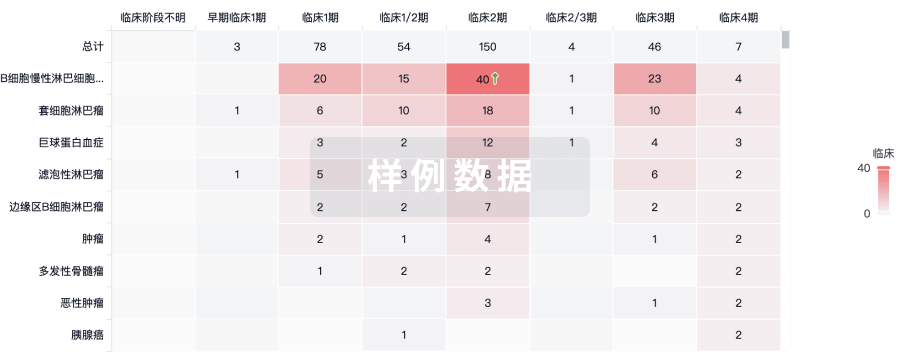
临床分析
紧跟全球注册中心的最新临床试验。
登录
或
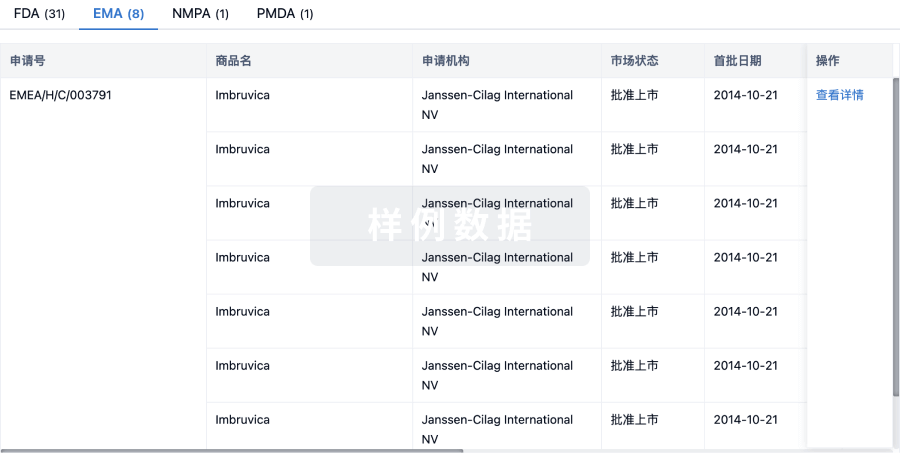
批准
利用最新的监管批准信息加速您的研究。
登录
或
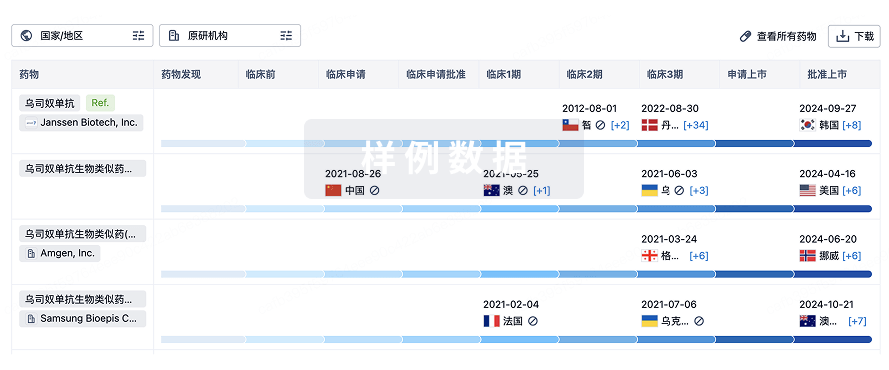
生物类似药
生物类似药在不同国家/地区的竞争态势。请注意临床1/2期并入临床2期,临床2/3期并入临床3期
登录
或
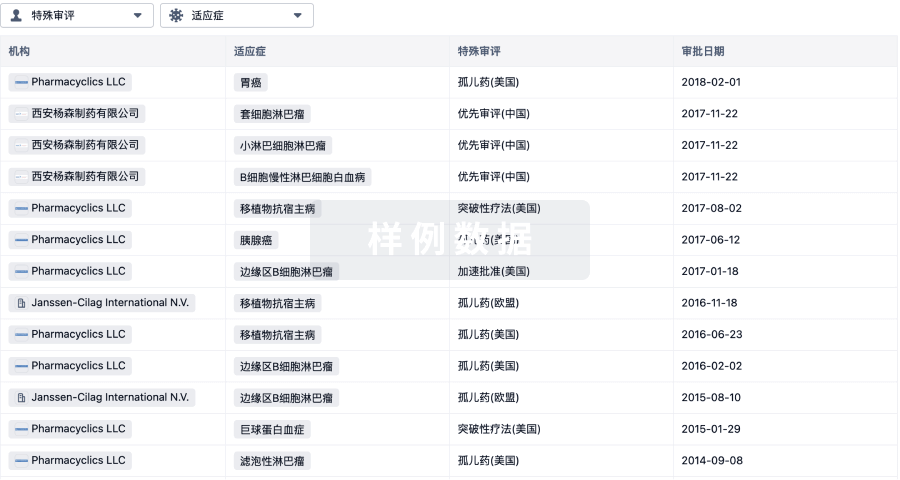
特殊审评
只需点击几下即可了解关键药物信息。
登录
或
提出任何生物医药研究问题
让每一步生物医药决策都精准制胜
基于十亿级生物数据与全球情报的精准 AI,赋能早期药物发现
立即开始免费试用!
智慧芽新药情报库是智慧芽专为生命科学人士构建的基于AI的创新药情报平台,助您全方位提升您的研发与决策效率。
立即接入生物医药数据包
智慧芽新药库数据也通过智慧芽开放平台,以MCP或API服务形式对外开放。立即使用我们的MCP服务定制您的LLM智能体。
生物序列数据库
生物药研发创新
免费使用
化学结构数据库
小分子化药研发创新
免费使用