预约演示
更新于:2026-05-16
Nav1.8 inhibitor(Grunenthal)
Nav1.8抑制剂(格兰泰)
更新于:2026-05-16
概要
基本信息
原研机构 |
在研机构 |
非在研机构- |
权益机构- |
最高研发阶段临床1期 |
首次获批日期- |
最高研发阶段(中国)- |
特殊审评- |

登录后查看时间轴
关联
100 项与 Nav1.8抑制剂(格兰泰) 相关的临床结果
登录后查看更多信息
100 项与 Nav1.8抑制剂(格兰泰) 相关的转化医学
登录后查看更多信息
100 项与 Nav1.8抑制剂(格兰泰) 相关的专利(医药)
登录后查看更多信息
15
项与 Nav1.8抑制剂(格兰泰) 相关的文献(医药)2026-04-01·Current Opinion in Anesthesiology
Suzetrigine, a selective NaV1.8 inhibitor in acute and chronic pain: mechanistic insights, clinical outcomes, and future perspectives
Review
作者: Swisher, Matthew W. ; Liu, Matthew A. ; Chen, Steven L.
Purpose of review:
The opioid epidemic and limitations of current nonopioid analgesics have created a need for safer, effective pain therapies. Suzetrigine, a first-in-class selective NaV1.8 inhibitor, was approved by the Food and Drug Administration in 2025 for the treatment of moderate to severe acute pain. The purpose of this review is to discuss the mechanism and clinical efficacy of suzetrigine and its potential for addressing existing therapeutic gaps in pain management.
Recent findings:
Phase 3 trials have demonstrated that suzetrigine provides a statistically significant and clinically meaningful reduction in acute postoperative pain compared to placebo, with efficacy similar to hydrocodone/acetaminophen and a favorable safety profile. Mechanistic studies confirm selective peripheral NaV1.8 inhibition, minimizing central nervous system effects and abuse potential. Ongoing research is evaluating suzetrigine for chronic pain conditions including diabetic peripheral neuropathy and lumbosacral radiculopathy, though long-term efficacy and safety remain to be established.
Summary:
Suzetrigine represents a promising nonopioid alternative for acute pain and has the potential to fill a significant gap in pain management. While initial results are encouraging, future studies are needed to define its role in chronic pain and multimodal analgesia, and to establish long-term safety.
2025-11-04·Cureus Journal of Medical Science
Clinical Efficacy and Safety Profile of Suzetrigine: A Novel Non-opioid Analgesic Targeting NaV1.8 Sodium Channel
Review
作者: Rejeev, Mamatha M ; Palatty, Princy ; Pavithran, Keechilath
Pain management remains a significant clinical challenge due to the safety concerns and addiction risks associated with conventional therapies. The development of selective NaV1.8 sodium channel inhibitors offers a promising non-opioid alternative. This review evaluates the clinical pharmacology, clinical efficacy, and safety profile of suzetrigine (VX-548), a novel selective NaV1.8 inhibitor for treating moderate to severe acute pain. A systematic literature search of major academic databases, clinical trial registries, and regulatory documents was conducted to gather relevant data published between 2020 and 2025. Suzetrigine exhibits high selectivity for the NaV1.8 channel through a novel allosteric mechanism with significant pain relief compared to placebo and comparable efficacy to a standard hydrocodone/acetaminophen combination. The drug displayed a favorable safety profile with a lower incidence of common opioid-related adverse effects, such as nausea and dizziness, and showed no evidence of abuse potential in clinical and preclinical assessments. Suzetrigine represents a significant advancement in acute pain management as a first-in-class selective NaV1.8 inhibitor. Its recent approval by the U.S. Food and Drug Administration for moderate to severe acute pain underscores its potential as an effective non-opioid therapeutic. While its short-term efficacy and safety are well established, future research should focus on its long-term safety profile and its utility across a broader range of pain conditions.
2025-08-22·Cureus Journal of Medical Science
Suzetrigine as a Novel Non-opioid Analgesic Drug in Pain Management: A Review of Clinical Evidence and Therapeutic Perspectives
Review
作者: Miedziaszczyk, Milosz ; Szkutnik-Fiedler, Danuta ; Giba, Aleksandra ; Mach, Maciej ; Bryla, Adrian
The NaV1.8 sodium channel plays a key role in the transmission of pain signals in peripheral sensory neurons. Suzetrigine is a selective NaV1.8 inhibitor developed as a non-opioid analgesic. Its action is limited to sensory neurons, reducing the risk of adverse effects associated with non-selective sodium channel blockers. Phase II and III clinical trials have demonstrated the high efficacy of suzetrigine in managing postoperative pain, along with good tolerability. Adverse events, such as dizziness or drowsiness, were rare and generally mild to moderate in intensity. The drug did not cause respiratory depression or addiction, which distinguishes it from opioids. Ongoing pharmacokinetic studies and long-term observations aim to further define the drug's safety profile and its potential use in patients with comorbid conditions. Suzetrigine may offer an effective and safe alternative to opioids in pain treatment.
77
项与 Nav1.8抑制剂(格兰泰) 相关的新闻(医药)2026-05-06
·汇聚南药
01
引言:一场“从鱼头吃到鱼尾”
的黑色幽默
朋友们,最近医药圈被一则重磅判决刷屏了。
4月28日,新泽西联邦法院的一纸判决,正式为美国普渡制药(Purdue Pharma)的破产解散铺平了道路。罚金及各类处罚款项共计55亿美元(约合375.9亿人民币),加上需要筹措的74亿美元和解赔偿金,这家曾经叱咤风云的百年药企,终于迎来了它的“末日审判”。
有趣的是,在我们“药闻天下”后台,一位读者的留言可谓一针见血:“普渡制药破产重组,转型为专门研发阿片类药物成瘾治疗与解毒药剂的机构。先投毒再解毒,从鱼头吃到鱼尾。”
今天,咱们就不妨借着这桩轰动全球的百亿美金破产案,好好盘一盘这家医药界的“绝命毒师”。普渡的倒塌,绝不仅仅是一家企业的经营失败,它更像是一场对现代医药商业底线的残酷拷问:当资本的贪婪凌驾于科学的严谨与患者的生命之上,所谓的“神药”是如何一步步演变成一场带走超64万条鲜活生命的公共卫生浩劫的?
02
一颗“神药”如何掀起
64万人的死亡海啸?
在探讨普渡制药的倒塌之前,我们必须先直面一组令人触目惊心的数据。
据公开数据显示,从1999年到2023年间,美国因阿片类药物滥用导致的死亡人数超过了64.5万人。如果你对这个数字没有直观的概念,我们可以做个类比:这相当于美国在几年内经历了十几次越战的伤亡。而在如果将美国历年的“阿片类药物过量死亡人数曲线”与普渡制药旗下核心产品“奥施康定(OxyContin)”的“历年销售额增长曲线”放在一张图表上,你会发现,这两条曲线呈现出一种令人毛骨悚然的、几乎完美的正相关重合。
为什么是奥施康定?问题究竟出在哪里?
时间倒回1995年,当时FDA批准了奥施康定上市。这是一种含有羟考酮(一种强效阿片类物质)的强效止痛药。在医学界,阿片类药物的成瘾性是常识,此前这类药物通常只被极其谨慎地用于晚期癌症患者的临终镇痛。
但普渡制药为了打开广阔的非癌痛市场(如背痛、关节痛、术后疼痛),玩了一个极其“聪明”的技术噱头:缓释技术。他们给药片加上了一层特殊的聚合物薄膜,宣称这种技术能让药物在12小时内缓慢释放。
基于这个机制,普渡制药向FDA和全体医生讲了一个致命的“伪科学童话”:因为释放缓慢,所以患者不会体验到那种突如其来的“快感”,因此——奥施康定几乎没有成瘾性。在早期的营销材料中,普渡的医药代表们被训练得整齐划一,他们拿着精心炮制的图表告诉医生:“奥施康定的成瘾率不到1%。”
但真相是什么?这层所谓的“缓释外衣”脆弱得不堪一击。瘾君子们很快发现,只要把药片碾碎,这层膜就失效了。吸食或者注射粉末,里面高剂量的羟考酮会瞬间涌入大脑,效果堪比海洛因。而普渡制药的高层早在上市初期就已经从各种渠道(如网络论坛、警方报告)得知了药物被广泛滥用的情况,但为了维持每年数十亿美元的销售神话,他们选择了集体失明,甚至刻意隐瞒了这些致命数据。
从2007年首次因虚假标示被罚款,到2020年承认向医生输送回扣、隐瞒滥用事实,再到如今筹措74亿美元赔偿金彻底关停处方药业务。普渡制药的坠落并非由于技术迭代,而是因为那座建立在谎言和64万具白骨上的商业大厦,终于被雪片般飞来的3000多起诉讼彻底压垮。
03
从“第五大生命体征”到
“鱼头吃到鱼尾”的商业算计
如果仅仅把锅甩给一颗药,显然低估了普渡制药在商业模式上的“开创性”与破坏力。奥施康定之所以能肆虐全美,底层逻辑在于普渡制药完美地利用了资本力量,对医学伦理和监管体系进行了一次史无前例的“系统性降维打击”。
简单来说,他们不仅在卖药,他们还在“制造并定义疾病”。
在上世纪90年代之前,医学界对疼痛的忍耐度是相对较高的。普渡制药敏锐地捕捉到了这一点,他们斥巨资资助了大量的医学专业协会、患者倡导组织,甚至影响了医疗认证机构(如JCAHO)。在资本的运作下,一场声势浩大的医学观念变革被推向高潮——“疼痛,被定义为了继呼吸、血压、脉搏、体温之后的‘第五大生命体征’。”
这意味着什么?意味着医生如果不能让患者的疼痛评分为“0”,就是在失职,甚至面临医疗纠纷。
在确立了这个大前提后,普渡制药祭出了医药营销史上的“最强组合拳”。他们砸下重金组建了庞大的医药代表团队,带着无数的免费试用装、奢华的学术会议邀请函(甚至全包的豪华度假村旅行)涌入全国各地的诊所。据媒体报道披露,普渡通过复杂的数据挖掘技术,精准锁定了全美处方量最大的那些医生,并通过各种形式的“回扣”和“讲课费”将他们深度绑定。
即便后来出现了大量只开止痛药不看病的“药片工厂”,普渡内部的数据系统明明已经亮起了红灯,但负责销售的高管们依然选择将药源源不断地送过去。这已经不是单纯的营销,这是披着合法外衣的毒品分销。
更绝的是企业背后的掌控者——萨克勒家族(Sackler family)的“脱壳计”。
在预感到风暴即将来临的前几年,萨克勒家族通过极其复杂的财务操作,将上百亿美元的利润从普渡制药转移到了家族的海外信托和私人账户中。这就回到了我们文章开头那位读者的犀利评论:如今普渡制药破产重组,转型为非营利机构去生产阿片类药物成瘾的解毒药。表面上看,这是一种“赎罪”;但在不少法律界和投行人士看来,这恰恰是资本最冷酷的算计。
医药产业分析师们指出,通过让公司破产并转型,萨克勒家族实质上是在用公司的残骸支付和解金,从而换取了家族成员免于承担刑事责任和保护个人千亿财富的“免死金牌”。制造了危机,赚足了利润,最后再把一个“研发解药的烂摊子”丢给社会去自我救赎。这种“从鱼头吃到鱼尾”的完美闭环,堪称现代商业史上最黑暗的教科书。
04
结语
纵观普渡制药的三十年兴衰,它是一部充满贪婪、欺骗与算计的暗黑史。它的破产,虽然给了受害者一个迟到的交代,但留给全球医药产业的思考却远未结束。
当前,全球医药创新正处于爆发期。不仅仅是美国,对于正在加速出海和内卷的中国创新药企来说,普渡案同样是一面带血的镜子。当一款药物展现出惊人的商业潜力时,企业往往容易患上“管线狂热症”;在追求重磅炸弹(Blockbuster)级别峰值销售额的过程中,合规的边界、真实世界数据的反馈,极易被华丽的财报掩盖。
普渡的覆灭用74亿美元的代价告诉所有人:在医疗健康领域,ESG(环境、社会和公司治理)和合规营销绝不仅仅是PPT上的漂亮口号,而是决定企业生死存亡的红线。 监管或许会迟到,但科学的因果与患者的生命重量,终究会在未来的某一天清算所有的侥幸。
留给大家一个思考题:在未来,随着脑机接口、基因编辑以及靶向更精准的非成瘾性镇痛药(如Nav1.8抑制剂)的崛起,技术能否真正战胜人性的弱点,构建一个没有滥用的“无痛世界”?
医药产业的初衷是拯救生命,当一家药企的惊人财报建立在患者的成瘾与白骨之上时,再精妙的商业闭环,终究是一场必将崩盘的死亡游戏。
信息来源:药闻天下
往期推荐
!
免责声明
“汇聚南药”公众号所转载文章来源于其他公众号平台,主要目的在于分享行业相关知识,传递当前最新资讯。图片、文章版权均属于原作者所有,如有侵权,请在留言栏及时告知,我们会在24小时内删除相关信息。
本平台不对转载文章的观点负责,文章所包含内容的准确性、可靠性或完整性提供任何明示暗示的保证。
喜欢的点个“看一看”和"喜欢"吧
不然微信推送规则改变,有可能每天都会错过我们哦~
2026-05-05
2026 年 4 月 27 日/ 共 47 家机构,53 人次
问:今年公司呼吸制剂品种销售预期?
答:今年一季度受流感发病水平季节性回落的影响,整体呼吸道 用药需求确实出现了一定程度的波动,对一季度呼吸制剂的销售产生 了一些短期影响。
但从经营层面看,公司呼吸板块展现了结构优化趋势。
重点产品 妥布霉素吸入溶液继续保持快速增长,创新药占呼吸板块收入比例已 提升至 35%以上,这证明了我们“从传统制剂向创新呼吸体系转型” 的战略布局是有效的。
玛帕西沙韦胶囊(壹立康)方面,一季度公司正稳步推进全国挂 网、终端准入、院外渠道布局及学术推广等各项前期准备工作。
同时, 公司已在为参加 2026 年国家医保药品目录谈判做积极准备,包括药 物经济学研究、价格策略测算、医保准入团队搭建等工作,力争通过医保准入进一步拓宽市场覆盖,实现销售放量。 展望全年,随着壹立康商业化基础的夯实、存量品种政策环境的 边际修复,以及创新药准入工作的稳步推进,呼吸制剂板块的收入结 构将进一步优化。
问:今年公司核心产品的研发进展?
答:1、TSLP 单抗:目前 COPD 适应症的三期临床已经顺利启 动,已完成首例患者入组,整体进度符合预期,正在按计划推进入组 工作。除此之外,这款产品拓展的慢性鼻窦炎伴鼻息肉适应症,也已 经顺利拿到临床批件,可以直接启动临床 II 期研究,目前已启动临床 试验筹备工作,正在按计划推进,持续丰富呼吸领域的适应症布局。
2、玛帕西沙韦干混悬剂:这款儿童流感剂型目前三期临床入组 已经进入收尾阶段,整体推进顺利。今年我们会全力加快进度,争取 早日完成全部三期临床研究,尽早整理资料、提交上市申报,完善我 们的全年龄段流感用药布局。
3、PREP 抑制剂:作为公司重点的 First-in-Class(FIC)创新管 线,目前正在开展 2A 期临床(小规模二期临床),主要用来做临床 概念验证,夯实后续研发方向。项目目前稳步推进。
4、Nav1.8 抑制剂:当前二期临床进展非常顺利。现阶段主要聚 焦急性术后疼痛适应症,相比慢性疼痛,观察周期更短、试验推进效 率更高。目前各家临床中心都在平稳入组,计划顺利完成二期临床, 结合二期数据结果,适时启动三期临床试验,稳步推进镇痛领域创新 药的研发落地。
整体来看,今年公司呼吸、抗感染、镇痛多条核心创新管线同步 发力,密集迎来临床关键节点,研发推进节奏清晰、落地性强,后续 各个项目的重要进展,也请关注公司公告及相关资讯。
问:公司新型多黏菌素 B 的开发思路和后续临床开发计划?
答:健康元在抗生素领域具有深厚的研发和产业化积累。公司的 注射用美罗培南在集采前是国内主要的生产和销售商之一,即使制剂业务受到集采影响后,美罗培南原料药仍保持较大的国内外市场份 额。
但在革兰阴性菌严重感染治疗中,当碳青霉烯类药物出现耐药时, 临床需要依赖多黏菌素类药物,因此多黏菌素也被视为治疗多重耐药 菌感染的重要选择之一。然而,传统多黏菌素类药物存在肾毒性等安 全性问题,在临床使用中存在一定的剂量和人群限制。 针对上述临床痛点,公司开发了新型多黏菌素 B 制剂,重点优化 了安全性特征。临床前研究显示,该产品在保持抗菌活性的同时,安 全性指标有所改善,有望为临床提供更多治疗选择。
目前,该产品已获得临床试验批准通知书,正在按计划推进临床 研究工作。关于后续临床开发路径,公司将根据临床数据结果,与监 管部门保持沟通,在符合法规要求的前提下有序推进研发进程。需要 说明的是,创新药研发具有周期长、投入大、不确定性高的特点,后 续进展敬请投资者关注公司法定披露信息。
问:公司玛帕西沙韦干混悬剂开发进度和市场预期?
答:公司玛帕西沙韦干混悬剂(儿童剂型,适配 2-12 岁)研发进 展顺利,2025 年 11 月已启动Ⅲ期临床并完成首位受试者入组,目前 正处于Ⅲ期临床试验收尾阶段。该剂型依托玛帕西沙韦胶囊(壹立康) 成熟的靶点机制和临床数据,研发周期进一步缩短,同时优化了口感 与剂量,适配儿童用药依从性,有效填补儿童流感治疗需求。 流感是典型的“家庭集聚性”疾病。我们在调研中发现,儿童一 旦感染,往往意味着整个家庭的防疫重心转移。儿童专用流感治疗剂 型相对有限,临床对更适合儿童使用的剂型存在较高需求。
我们的玛 帕西沙韦干混悬剂正是为了解决儿童服药难、剂量不准的临床痛点。 公司正加快Ⅲ期临床进度,希望尽早推出适合儿童人群的创新剂型, 填补临床用药需求,进一步完善公司在呼吸及感染领域的产品布局。
问:公司呼吸科管线几个针对 COPD 的品种之前的定位差异和各自 的优势?
答:在慢阻肺(COPD)领域,公司围绕不同治疗阶段和临床需求进行了较为系统的产品布局,相关产品在作用机制、给药方式及适 用人群等方面各有侧重。
首先,在基础治疗领域,公司围绕 LAMA、LABA、ICS 等慢阻 肺常用治疗方向进行了持续布局,形成了一定的产品基础;
同时,公 司也在持续推进新一代 ICS,力争进一步提升产品的安全性和精准性, 更好满足患者长期规范化治疗需求。
其次,在口服治疗领域,公司正在推进具有 FIC 潜力的 PREP 抑 制剂等创新项目研发。
目前慢阻肺口服治疗选择相对有限,部分已上 市口服药物在安全性和耐受性方面存在一定局限,临床上对于兼顾疗 效、安全性及用药便利性的创新口服方案仍有较高需求。
PREP 抑制 剂项目正是在此背景下推进研发,公司希望其未来能够为中重度患者 提供新的治疗选择,进一步丰富慢阻肺治疗手段。
此外,在生物药治疗方面,公司正在推进 TSLP 单抗等项目研发。 TSLP 作为位于炎症反应上游的关键靶点,具备覆盖更广泛炎症通路 的潜力,相关产品有望在部分患者群体中体现差异化治疗价值。从机 制特点来看,该类产品有望覆盖更广泛的炎症表型及患者人群,进一 步提升临床应用潜力,丰富公司在呼吸领域的创新管线布局。
除上述项目外,公司也在围绕 COPD 相关新靶点持续开展早期研 发工作。总体来看,公司希望通过多层次、多类型的产品布局,持续 提升在呼吸领域的综合竞争力。
问:今年公司保健品业务表现如何?
答:保健品业务是公司近几年增长最亮眼的核心板块之一,整体 长期保持非常强劲的成长态势。2025 年板块同比增长超过 37%,发 展基础扎实、规模持续扩容。进入今年一季度,保健品板块依旧延续 高增长势能,在去年同期高基数的背景之下,依然实现了高质量的稳 步增长。其中核心品牌鹰牌表现尤为突出,增长势头十分亮眼。这也 充分体现出,公司在品牌运营、内容传播、用户精细化触达以及全渠 道协同布局上的持续升级与深耕,整体消费端经营能力不断强化。现 阶段,健康消费品、保健品板块已经成为公司业绩稳健增长的重要支撑,我们也非常看好这块业务的长期发展,对 2026 年板块持续稳健 增长充满信心。
问:健康品重点产品鹰牌今年的核心增量渠道及新品贡献预计如何拆 分?
答:健康品板块近几年一直保持高质量、高韧性的增长。依托持 续强化的品牌力、不断完善的全渠道布局,以及成熟的市场化运营能 力,公司对今年健康品业务保持稳健发展的信心。 针对大家重点关注的鹰牌业务,在去年实现较快增长之后,今年 一季度继续保持良好的增长态势,主要有以下驱动因素:
第一,春节礼盒场景持续突破。
2026 年一季度,公司准确把握" 年货礼遇"消费场景,礼盒产品全渠道销售表现良好,春节礼盒销售较 去年同期实现较快增长,全渠道呈现供不应求态势。鹰牌健康品正逐 渐成为过年期间消费者探亲访友的重要选择品牌,在花旗参礼品市场 建立了良好的品牌认知。
第二,线上品牌营销持续创新。
一季度,公司与头部内容创作者 开展合作,通过品牌故事讲述和场景化营销,有效提升了品牌影响力 和投放效率。线上营销团队经过多年打磨,在互联网营销领域已积累 较强的运营能力,线上推广也进一步带动了线下实体店销售,形成线 上线下协同发展的良好局面。目前线上渠道占比持续提升,线上线下 渠道均保持良好增长。 展望后续,公司将继续聚焦核心大单品战略,深化全渠道布局, 优化产品结构,力争健康品业务保持良好发展势头。
声明
以上皆是个人思想,学习和参考之用,不作为他人宣传和投资依据。
如有侵权联系删除。
临床3期临床2期
2026-05-05
文章内容来源: Target Tracker 公众号
本报告系统梳理了2026年第一季度(1月至4月)全球中枢神经系统(CNS)领域的药物研发关键进展,涵盖神经退行性疾病、神经肌肉疾病、罕见病、脑血管疾病、精神与神经发育疾病以及疼痛管理等细分领域。报告从基因疗法与基因编辑、关键候选药物进展、新靶点与机制发现、产业动态与重大合作四个维度进行全面总结,并提炼出贯穿始终的核心趋势与未来展望。
一、 基因疗法与基因编辑:走向管线化和精准化
基因疗法和基因编辑是本季度进展最密集的领域,多个项目从临床前推进至IND阶段或发表关键数据,覆盖多种罕见神经肌肉和神经退行性疾病。
「杜氏肌营养不良症(DMD)」
Precision Biosciences的PBGENE-DMD获FDA批准启动I/II期FUNCTION-DMD试验。该体内基因编辑疗法利用ARCUS蛋白对肌营养不良蛋白基因进行“基因切除”,恢复近乎全长、功能性的肌营养不良蛋白表达,保留了全长蛋白80%的功能,远超现有微缩蛋白截短版本。
法国Genethon团队利用CRISPR-Cas9靶向破坏utrophin基因的Let-7c微小RNA结合位点,实现mRNA上调,为所有DMD患者提供了一种不依赖于突变类型的通用基因编辑策略,在mdx小鼠中改善了肌肉组织病理和功能。
加拿大Entos Pharmaceuticals与L-CMD Research Foundation合作,将Fusogenix PLV蛋白脂质载体技术与基因编辑结合,开发LMNA相关先天性肌营养不良的可重复给药遗传学疗法。
「面肩肱型肌营养不良症(FSHD)」
Soufflé Therapeutics于2026年3月MDA临床科学会议上公布了SFL-0821的临床前数据。该抗体-siRNA偶联物单次静脉注射后在小鼠模型中实现超过80%的DUX4基因沉默,效果持续3个月,并增加肌肉质量。公司计划在2026年内启动临床试验。
华盛顿大学等机构的独立研究亦验证了gapmer反义寡核苷酸系统性靶向DUX4的治疗潜力,在FLExDUX4和ACTA1-MCM;FLExDUX4两种小鼠模型中均观察到剂量依赖性的DUX4 mRNA敲低和肌肉功能改善。
「其他罕见神经肌肉疾病」
Solid Biosciences于MDA会议上公布了SGT-212的临床前数据。该AAV-hu68基因替代疗法通过静脉联合小脑齿状核实质内注射的双重给药策略,在FA模型中恢复了FXN蛋白在心脏、背根神经节和小脑的广泛表达,支持启动首次人体试验。
Cyprus Institute of Neurology and Genetics及合作者开发了AAV9递送的miR871基因沉默疗法,在CMT1A小鼠模型中通过单次鞘内注射显著降低PMP22蛋白水平并挽救神经病变表型。非人灵长类动物的生物分布研究进一步确认了靶标活性。
「溶酶体贮积症及神经退行性疾病」
Takeda研究人员将抗转铁蛋白受体(TfR1)纳米抗体与I2S酶融合,开发了可穿越血脑屏障的AAV9基因疗法,在亨特综合征小鼠模型中实现有效的中枢和外周GAG清除。
Amlogenyx在AD/PD 2026会议上报告了AM-805的临床前数据。该AAV9基因疗法递送保护性蛋白cathepsin A(PPCA),可在小鼠和非人灵长类动物中降解Aβ淀粉样蛋白斑块,计划2027年提交IND。
赛诺菲在AD/PD 2026会议上推出了AAV.GMU01 SS3-GBA1—一种使用新型AAV衣壳和可分泌改良GCase蛋白的基因疗法,在非人灵长类动物中使大脑GCase水平恢复至接近生理水平,可同时适用于GBA1相关帕金森病和戈谢病。
University College London及合作者使用AAV9-hSYN.CLN5载体治疗CLN5疾病小鼠模型,意外发现在幼年小鼠延迟干预反而可获得最佳治疗反应,使寿命完全正常化。
二、 关键药物进展:IND获批、临床数据与早期验证
「神经退行性疾病(阿尔茨海默病、帕金森病、ALS)」
英矽智能(Insilico Medicine)的ISM-8969—一种利用AI设计的口服NLRP3炎症小体抑制剂,于2026年Q1获得FDA的IND批准,即将在健康志愿者中启动I期试验。公司与Hygtia Therapeutics达成合作开发协议加速全球开发。
赛诺菲在AD/PD 2026会议上报告了SAR-448851(前称VG-3927)的最新临床数据。该小分子是首个进入临床的TREM2激动剂,通过“分子胶”样机制增强TREM2-DAP12复合物形成,I期临床显示其安全性良好、可穿透血脑屏障,并以暴露依赖方式降低脑脊液中可溶性TREM2水平,证实了靶点活性。公司计划推进至II期临床。
Rgenta Therapeutics公布了亨廷顿舞蹈症口服候选药物RGT-0474060的临床前数据。该PMS1小分子抑制剂可停止亨廷顿病相关的CAG三联体重复扩增,正在推进IND-enabling研究,目标2027年进入临床。
Korsana Biosciences在2026年Q1完成1.5亿美元A轮融资后不久,宣布与Cyclerion Therapeutics反向合并上市,并附带3.8亿美元私募融资。核心产品KRSA-028是靶向焦谷氨酸化Aβ的新一代TfR1穿梭抗体,临床前显示其脑渗透性和安全性优于同类药物,预计2027年底获得首次概念验证数据。
Vanda Pharmaceuticals在2026年4月AAN年会上报告了一种等位基因特异性反义寡核苷酸,能选择性沉默SNCA p.A53T突变型等位基因,在患者来源iPSC神经元中降低了磷酸化α-突触核蛋白水平并恢复了神经元网络连接。
Xenon Pharmaceuticals在AAN年会上公布了XPC-837的临床前数据。该高选择性Nav1.1通道激活剂在Dravet综合征小鼠模型中抑制了自发性癫痫发作,预防了SUDEP,并改善了树突棘成熟和突触可塑性。
「脑血管疾病」
VST Bio的VB-001——一种靶向syndecan-2的单克隆抗体,在2026年2月ISC会议上报告了在非人灵长类动物卒中模型中的缺血后神经保护数据。公司于2026年Q1完成A轮融资,计划年内启动首次人体研究。
Biocells在ISC会议和《Neuropharmacology》期刊上报告了PSD-95抑制剂BXOS-110的临床前数据。该药在食蟹猴卒中模型中显示了优于前代药物nerinetide的神经保护作用,目前已进入急性缺血性卒中的II期临床试验。
Astellas在ISC会议上报告了ASP-2246的创新策略。该药物由包裹NeuroD1转录因子mRNA的脂质纳米颗粒组成,可在卒中后脑内将星形胶质细胞转化为神经元,在食蟹猴模型中显著改善了长期运动功能障碍。I/II期临床试验已启动。
四川普锐特在AD/PD 2026会议上报告了口服小分子SYW-06的认知功能改善数据,在恒河猴大脑中动脉闭塞模型中减少了梗死体积并改善了工作记忆和空间记忆。
「精神与神经发育疾病」
Ovid Therapeutics的OV-4071——一种口服KCC2直接激活剂,于2026年Q1获得澳大利亚HREC批准和TGA确认,将启动帕金森病及路易体痴呆相关精神病的概念验证试验和中期的氯胺酮挑战研究。
Synendos Therapeutics在AAN年会上公布了SYT-510的药理学特征。该同类首创的“选择性内源性大麻素再摄取抑制剂(SERI)”已在焦虑症进入II期临床,同时在癫痫、疼痛和多发性硬化模型中也展示了广谱疗效。
「神经肌肉疾病」
Entrada Therapeutics于MDA会议上报告了ENTR-601-51数据。这种内体逃逸载体与外显子跳跃PMO偶联的新型疗法在DMD小鼠模型中实现了高效的剂量依赖性外显子跳跃和肌营养不良蛋白恢复,并改善了肌肉病理和收缩功能。
Tenaya Therapeutics同样在MDA会议上报告了高选择性HDAC6抑制剂TN-301的数据,在mdx小鼠中改善握力方面优于pan-HDAC抑制剂givinostat,且未引起血小板减少。
Keros Therapeutics的RKER-065—一种激活素受体配体捕获剂,在SOD1 ALS小鼠模型中改善了肌肉功能,增加了体重和肌肉质量,并调节巨噬细胞向M2抗炎表型转化。
三、 新靶点与机制发现:从基础生物学到临床转化
「阿尔茨海默病相关机制」
赛诺菲团队在AD/PD 2026会议上报告了优化设计的抗tau双特异性抗体SAR-447610的临床前表征数据,揭示了抗体结构如何决定tau细胞内转运方向,并筛选出能阻断tau纤维摄取的独特分子形式。
英国牛津大学及合作者开发了双特异性gapmer反义寡核苷酸(如靶向BACE1/mTOR的BAMT),可同时沉默两个阿尔茨海默病相关基因,在细胞模型中实现超过70%的Aβ42减少。
INSERM团队发现下丘脑伸展细胞(tanycytes)是大脑清除tau蛋白的关键通道,能将tau从脑脊液转运至血液。在阿尔茨海默病患者中,这些细胞的骨架碎裂形成“串珠状”结构,功能受损,这可能是tau积累和认知衰退的新机制。
University of California及相关机构开展的全基因组CRISPR干扰筛选揭示了控制tau蛋白稳态的新通路,包括UFMylation化和GPI锚定生物合成通路,以及CRL5-SOCS4 E3泛素连接酶复合物直接泛素化tau。
AD/PD 2026会议上Bart De Strooper教授在Don Price纪念讲座中提出阿尔茨海默病的“三临界点”模型,将疾病进程重新组织为Aβ生成、tau诱导和神经元死亡三个可干预的关键转折点,为精准治疗提供了新的框架。
「帕金森病相关机制」
昌平实验室在《Nature》上发表研究,提出SCAN(躯体-认知行动网络)的功能紊乱是帕金森病的核心环路。研究发现深部脑刺激、左旋多巴和经颅磁刺激均通过降低SCAN与皮层下结构的异常“超连接”来改善临床症状,SCAN既可成为治疗靶点,也可作为监测疾病进展的生物标志物。
丹麦Draupnir Bio与Aarhus University联合启动DESYNA项目,利用SORTAC蛋白降解技术开发双机制疗法,旨在结合并降解毒性α-突触核蛋白聚集体,计划2029年前获得临床前验证。
「ALS相关机制」
Institute of Molecular and Cell Biology(新加坡)和University of Queensland发现线粒体乙酰化关键调节因子BLOC1S1在散发型ALS患者运动神经元中显著上调。利用剪接转换寡核苷酸(SSOs)降低其表达可在多种遗传背景的ALS模型中改善线粒体功能并延长小鼠生存期,为散发型ALS提供了通用治疗策略。
《Neuron》期刊发表的一项研究揭示PGAM5-OMA1信号轴是ALS中调控线粒体整合应激反应的关键通路,使用TAT-PO1融合肽破坏该信号可在人脊髓类器官和小鼠模型中改善表型。
Vesalic Ltd于2026年Q1公开亮相,提出“有毒肌肉外泌体”驱动运动神经元疾病的新机制。公司同步开发基于外泌体脂质组成的诊断性生物标志物(准确率>90%)和可拦截毒性物质的治疗性生物制剂,计划2027年提交IND。
Insitro与BMS的合作扩大至三个ALS靶点(ALS-1、ALS-2、ALS-3),均由Insitro的AI虚拟人平台识别,验证实验中调节这些靶点可挽救iPSC运动神经元中因TDP-43错误定位导致的神经突生长缺陷。
「脑卒中新靶点」
日本研究团队在2026年ISC会议上报告GLUT5在缺血性卒中脑组织中显著上调,其抑制可减轻氧化应激、减少梗死体积并改善神经预后,成为一个全新的治疗靶点。
加拿大University of Toronto团队验证了TRPM7通道抑制在新生鼠缺氧缺血性脑损伤中的神经保护作用,可减少梗死体积,长期改善认知和运动功能。
「偏头痛新靶点」
中国研究者在《British Journal of Pharmacology》发表的研究显示TREM2在慢性偏头痛中发挥保护性作用。使用TREM2激动剂COG-1410可降低三叉神经尾核中CGRP表达,减少神经炎症和中枢致敏。
「跨领域基础发现」
St. Jude儿童研究医院与Mount Sinai发布了PanNDA大规模蛋白质组图谱(发表于《Cell》),通过分析2279个去世后大脑样本超过10,000个蛋白质,为阿尔茨海默病、帕金森病、路易体痴呆等6种疾病定义了超越传统临床分类的分子亚型。
NIMH与NIA科学家在《Science》上发表了首个大规模单细胞分辨率人脑性别差异基因图谱,发现超过3000个基因的表达水平存在性别差异,扩展了逃脱X染色体失活的基因目录,为理解神经系统疾病性别偏倚提供了分子基础。
Cold Spring Harbor Laboratory在《Nature》上揭示了某些癌症(如三阴性乳腺癌)能产生靶向NMDA受体的抗体,这些抗体一旦穿越血脑屏障就会激活或抑制神经元功能,导致神经精神症状。
四、 产业动态:融资、合作与重大授权交易
「重大融资」
Korsana Biosciences完成总额约「5.3亿美元」的融资组合(1.5亿美元A轮 + 3.8亿美元私募),并通过反向合并Cyclerion实现上市
Slate Medicines以1.3亿美元A轮融资正式成立,聚焦偏头痛和头痛疾病
Congruence Therapeutics完成3950万美元融资,用于小分子校正剂推进IND-enabling研究
Acumen Pharmaceuticals完成「3575万美元」私募融资,支持增强脑递送(EBD)的Aβ寡聚体抗体项目
「重大合作与授权」
Insitro与BMS扩大ALS合作,BMS额外提名两个AI识别的靶点(ALS-2和ALS-3)
Angelini Pharma与Quiver Bioscience达成多年合作,利用人类神经元模型和AI为遗传性癫痫开发新疗法
Ono Pharmaceutical与Congruence Therapeutics扩大合作,从肿瘤学扩展至神经学和免疫学领域
海思科(Haisco)与艾伯维(AbbVie)签署许可协议,艾伯维获得新型镇痛药在大中华区以外的全球独家权利
Nektar Therapeutics与UCSF合作评估TNFR2激动剂NKTR-0165在多发性硬化模型中的神经保护潜力
Cure Rare Disease与LGMD2L Foundation建立合作关系,基金会投入765万美元支持ANO5相关肢带型肌营养不良的基因疗法开发
「基金会资助」
Michael J. Fox基金会(MJFF)多笔拨款:Casma Therapeutics获760万美元推进CSM-101;Lario Therapeutics获150万美元支持Caᵥ1.3项目;Bexorg获资助识别TRPML1疗法生物标志物
惠康基金会(Wellcome)向Lario Therapeutics提供90万美元,支持Caᵥ2.3用于PTSD的验证
Target ALS向Acurastem提供资助,支持靶向SYF2的TDP-43调节疗法
ARPA-H向Sononeu Inc.提供总额520万美元、为期六年的资助,开发超声遗传学无创神经调控技术
五、 核心趋势分析
「趋势一:从“清除”到“调控”——AD治疗策略的根本转变」
2026年Q1的进展清晰地表明,阿尔茨海默病领域的研发重心已从单纯清除淀粉样蛋白斑块,转向多维度调控神经免疫和蛋白稳态。TREM2小分子激动剂(SAR-448851)代表了利用小胶质细胞内源性防御机制的策略成熟,而靶向caspase-2、GSK-3β、多种tau表位等新机制则拓展了干预靶点的广度。Bart De Strooper提出的“三临界点”模型进一步强调了根据疾病阶段选择恰当干预窗口的重要性。
「趋势二:基因疗法形成“管线化”——从概念验证到平台化输出」
2026年Q1的基因疗法进展已不仅限于个别罕见病的孤立攻关,而是形成了覆盖DMD、FSHD、CMT1A、弗里德赖希共济失调、亨特综合征、CLN5疾病、LAMA2先天性肌营养不良、GBA1相关帕金森病/戈谢病等多种疾病的系统性治疗管线。这种平台化趋势使AAV衣壳工程、启动子优化和给药途径创新(静脉、鞘内、脑内核团注射)的进展能够辐射至多种适应症。
「趋势三:AI驱动的药物发现从“概念”走向“产出”」
英矽智能的NLRP3抑制剂ISM-8969获得IND批准,Insitro与BMS的AI合作平台已产出三个ALS新靶点,这标志着AI技术已不仅停留在辅助研发阶段,而是开始实质性输出临床候选化合物和经过验证的靶标。这为CNS这一传统上成功率较低的领域注入了新动力。
「趋势四:精准医学渗透CNS——生物标志物与分子分型重塑临床试验」
从PanNDA蛋白质组图谱为神经退行性疾病定义分子亚型,到SCAN脑环路被提议为帕金森病生物标志物,再到Vesalic开发基于外泌体脂质的ALS血液检测,CNS领域正在快速进入精准医学时代。这种变革将深刻影响未来的临床试验设计——从“一种药物治疗所有患者”转向“基于分子或环路特征的富集策略”。
「趋势五:中国CNS创新力量强势崛起」
恒瑞医药、海思科、英矽智能、迈威生物、百济生科、诺诚健华等多家中国公司在Nav1.8抑制剂、NLRP3抑制剂、α-突触核蛋白PET示踪剂、PSD-95抑制剂和VAV1分子胶降解剂等前沿靶点上均有关键进展。海思科与艾伯维的全球授权合作更标志着中国CNS资产的国际认可度。
六、 未来重要里程碑展望
基于2026年Q1已公布的进展,以下时间节点值得持续关注:
「2026年中」:Ovid的KCC2激活剂OV-4071启动概念验证试验
「2026年中」:Slate Medicines的抗PACAP单抗SLTE-1009进入I期临床
「2026年中」:Montis Biosciences的C1q双机制抗体MB-0109启动IND-enabling研究
「2026年下半年」:Vesalic的ALS外泌体诊断和治疗平台推进临床前概念验证
「2026年下半年」:Apertura Gene Therapy计划启动FRRS1L基因疗法临床试验
「2026年秋」:VST Bio的VB-001缺血性卒中单抗启动I期临床
「2027年中」:Vesalic计划提交ALS治疗项目的IND
「2027年中」:Acumen Pharmaceuticals计划提交EBD项目IND
「2027年中」:Amlogenyx的AM-805计划提交IND
「2027年底」:Korsana Biosciences的KRSA-028预计获得首次临床概念验证数据
声明:本文旨在于传递行业发展信息、探究生物医药前沿进展。文章内容仅代表作者观点,亦不构成任何价值判断、投资建议或医疗指导,如有需求请咨询专业人士投资或前往正规医院就诊。本公众号发布的各类文章重在分享,如有侵权,请联系我们,我们将会处理。
基因疗法临床申请信使RNA临床1期
100 项与 Nav1.8抑制剂(格兰泰) 相关的药物交易
登录后查看更多信息
研发状态
10 条进展最快的记录, 后查看更多信息
登录
| 适应症 | 最高研发状态 | 国家/地区 | 公司 | 日期 |
|---|---|---|---|---|
| 疼痛 | 临床1期 | - | 2026-02-18 |
登录后查看更多信息
临床结果
临床结果
适应症
分期
评价
查看全部结果
| 研究 | 分期 | 人群特征 | 评价人数 | 分组 | 结果 | 评价 | 发布日期 |
|---|
No Data | |||||||
登录后查看更多信息
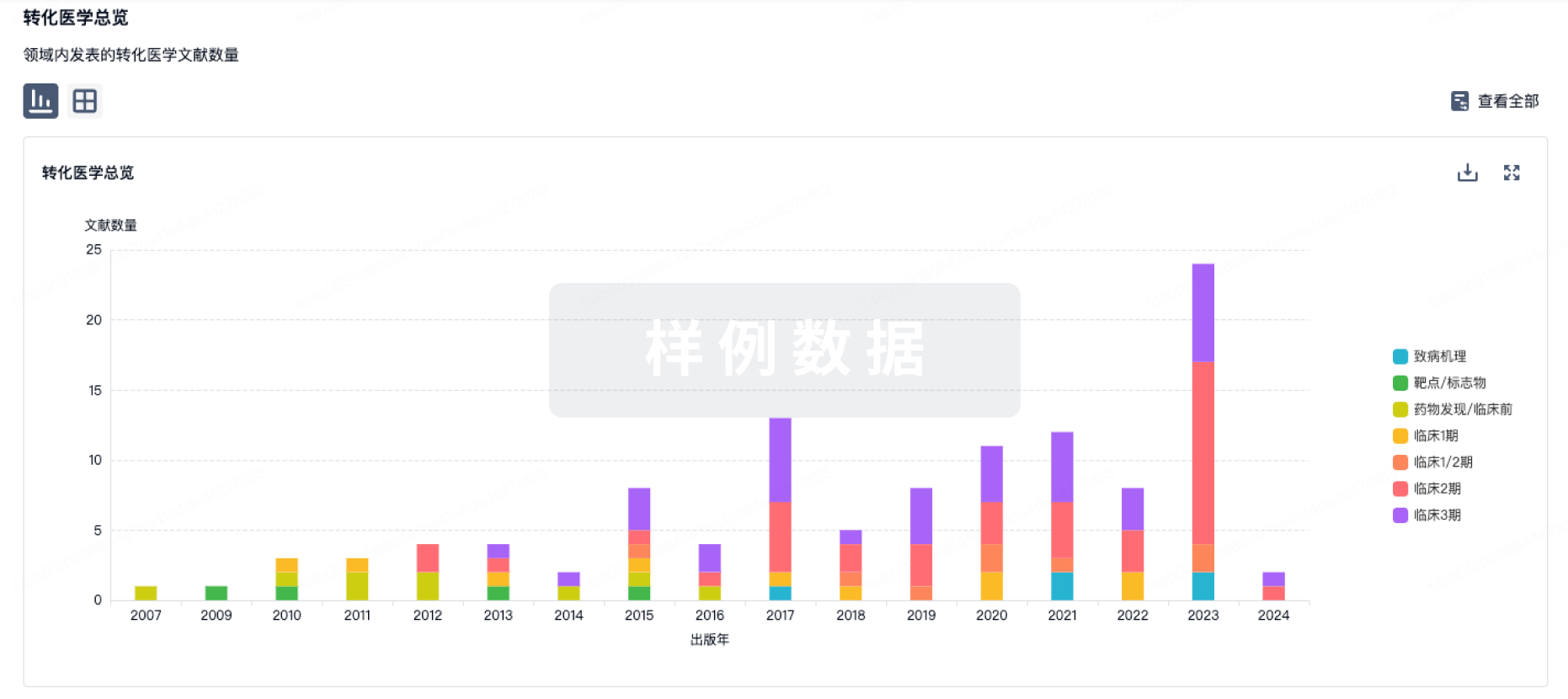
转化医学
使用我们的转化医学数据加速您的研究。
登录
或
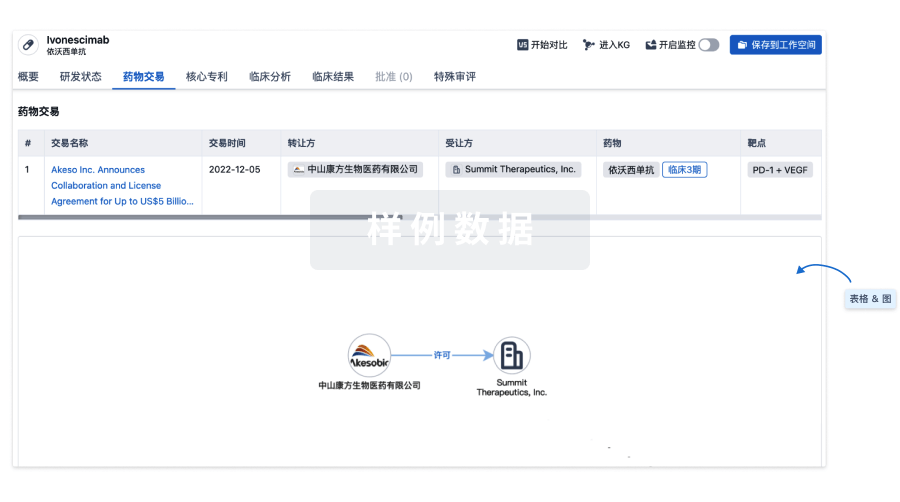
药物交易
使用我们的药物交易数据加速您的研究。
登录
或
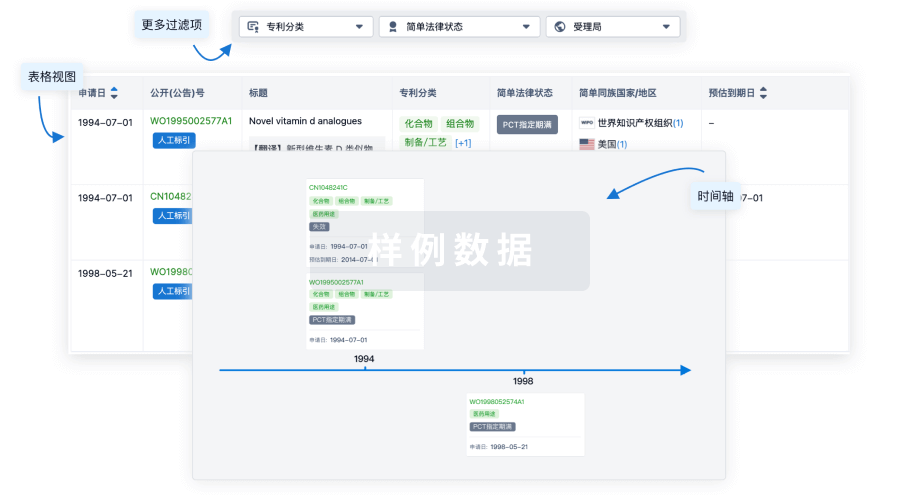
核心专利
使用我们的核心专利数据促进您的研究。
登录
或
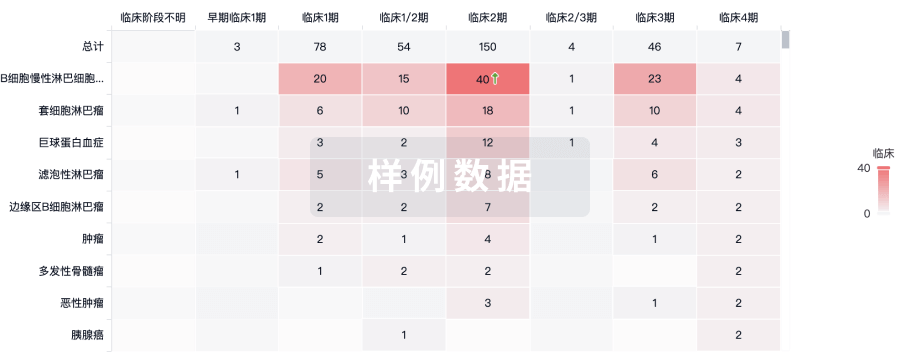
临床分析
紧跟全球注册中心的最新临床试验。
登录
或
批准
利用最新的监管批准信息加速您的研究。
登录
或
特殊审评
只需点击几下即可了解关键药物信息。
登录
或
生物医药百科问答
全新生物医药AI Agent 覆盖科研全链路,让突破性发现快人一步
立即开始免费试用!
智慧芽新药情报库是智慧芽专为生命科学人士构建的基于AI的创新药情报平台,助您全方位提升您的研发与决策效率。
立即开始数据试用!
智慧芽新药库数据也通过智慧芽数据服务平台,以API或者数据包形式对外开放,助您更加充分利用智慧芽新药情报信息。
生物序列数据库
生物药研发创新
免费使用
化学结构数据库
小分子化药研发创新
免费使用