预约演示
更新于:2026-09-12
AB-201 (Rezolute, Inc.)
更新于:2026-09-12
概要
基本信息
原研机构 |
在研机构- |
非在研机构 |
权益机构- |
最高研发阶段无进展临床前 |
首次获批日期- |
最高研发阶段(中国)- |
特殊审评- |

关联
100 项与 AB-201 (Rezolute, Inc.) 相关的临床结果
登录后查看更多信息
100 项与 AB-201 (Rezolute, Inc.) 相关的转化医学
登录后查看更多信息
100 项与 AB-201 (Rezolute, Inc.) 相关的专利(医药)
登录后查看更多信息
10
项与 AB-201 (Rezolute, Inc.) 相关的文献(医药)2024-09-01·Indian Journal of Anaesthesia
Perioperative glucagon-like peptide-1 receptor agonists–induced gastroparesis – Is gastric ultrasound the answer?
作者: Narayanasamy, Suryakumar ; Kalagara, Hari
INTRODUCTION Glucagon-like peptide-1 (GLP-1) is a hormone that belongs to the incretin family secreted by the intestinal tract during feeding, which enhances insulin secretion, inhibits glucagon secretion in a glucose concentration-dependent manner and delays gastric emptying.[1] GLP-1 receptor agonists (RAs) exert their glucose-lowering effect by stimulating GLP-1 receptors, which have significant glucose-lowering efficacy and the advantage of low incidence of hypoglycaemia. Exenatide (Byetta) and lixisenatide (Lyxumia) are classified as short-acting GLP-1 RAs since the drug's plasma concentration reaches near zero between the doses. Even though liraglutide (Victoza) is dosed once daily, it is classified as a long-acting GLP-1 RA, along with semaglutide (Ozempic, Wegovy) and dulaglutide (Trulicity) due to the constant elevated drug concentrations in between the drug dosages. Multiple studies have shown better glycated haemoglobin (HbA1c) reduction with long-acting GLP-1 RAs than basal insulin injection. They also consistently lead to weight loss as an added benefit.[2,3] Direct comparison of short- versus long-acting GLP-1 RAs showed that long-acting GLP-1 RAs were better at reducing HbA1c, fasting plasma glucose and body weight and had better gastrointestinal tolerability.[4] GLP-1 RAs have also been shown to significantly reduce major adverse cardiovascular events, which include myocardial infarction, cardiovascular mortality, stroke, all-cause mortality and hospitalisation for heart failure in patients with type 2 diabetes mellitus and preexisting heart disease.[5,6] Nonalcoholic fatty liver disease (NAFLD) is the most common form of chronic liver disease in developed countries, which increases the risk of cirrhosis and hepatocellular carcinoma.[7,8] Both semaglutide and liraglutide significantly reduce and reverse biopsy-proven nonalcoholic steatohepatitis (NASH), which is the most severe form of NAFLD.[9,10] This is significant since, currently, there is no United States Food and Drug Administration-approved pharmacological treatment for NASH/NAFLD.[11] In addition to the above indications, GLP-1 RAs are being evaluated for their therapeutic effects on obstructive sleep apnoea, hypertension and polycystic ovarian syndrome.[12-14] Based on the ever-growing on- and off-label indications for GLP-1 RAs, we expect many patients undergoing anaesthesia to be on these medications. PERIOPERATIVE CONCERNS GLP-1 RAs can cause significant gastrointestinal side effects such as nausea, vomiting and diarrhoea, in addition to significant gastroparesis. Nausea and vomiting are more prominent at the initiation of therapy or during dose escalation and tend to subside over time. The mechanism of action is thought to be secondary to centrally mediated action by GLP-1 receptors in the area of postrema.[1] The most significant concern in the perioperative period for anaesthesiologists is the delayed gastric emptying secondary to decreased gastric motility by GLP-1 RAs. In March 2023, Klein and Hobai[15] reported a case of intraoperative pulmonary aspiration in a patient who was on GLP-1 RA (semaglutide). Gulak and Murphy[16] reported another case of regurgitation in a patient who was taking semaglutide. In a small prospective observational study, 90% of healthy volunteers taking semaglutide were found to have solid content in the stomach despite appropriate fasting.[17] Another retrospective observational study showed that fasting patients on semaglutide had a five times higher risk for residual gastric content (RGC) compared to controls.[18] Other retrospective observational studies have shown a 4- to 10-fold increase in RGC in patients taking GLP-1 RAs.[19,20] Most recently, a prospective, cross-sectional study utilising gastric ultrasound found increased RGC at risk for aspiration in 35 of 62 patients on GLP-1 RAs, despite following the standard American Society of Anesthesiologists (ASA) fasting guidelines.[21] The prevalence of increased RGC was greater than 40% even when the GLP-1 RAs were held for 1 week as currently recommended by the ASA expert consensus guidelines.[6] Evidence suggests that continuous stimulation of GLP-1 receptors in healthy volunteers leads to rapid tachyphylaxis of the gastric emptying effect.[22] Short-acting GLP-1 RAs primarily reduce postprandial hyperglycaemia by reducing gastric emptying due to intermittent receptor stimulation. In contrast, long-acting GLP-1 RAs cause a significant effect on gastric emptying at the time of initiation and dose escalation, which might subside over time due to tachyphylaxis.[23-27] So, it is important to consider the type of GLP-1 RA (short versus long acting), dose, indication, duration of treatment, presenting symptoms like abdominal bloating, nausea and vomiting, and recent dose escalation while assessing the risk for delayed gastric emptying in patients on GLP-1 RA medication. GASTRIC ULTRASOUND Gastric ultrasound to determine the patients' stomach contents and fasting status has been one of the most useful point-of-care ultrasound (POCUS) applications in perioperative medicine. Until we have large prospective randomised trials with strong evidence, gastric ultrasound could be an excellent bedside diagnostic tool to assess the risk of aspiration by objectively measuring the patient's gastric contents on GLP-1 RAs. Aspiration is the leading cause of death due to airway-related complications after anaesthesia.[28] ASA closed claims analysis report on pulmonary aspiration found that death was directly associated with pulmonary aspiration in 57% (66/115) of the claims and permanent injury in an additional 14% (16/115) of the claims, and suggests using gastric ultrasound to assess gastric contents for risk assessment.[29] BASICS POCUS for assessing RGCs relies on obtaining a satisfactory image of the gastric antrum. This superficial structure underlies the left lobe of the liver, providing a favourable sonographic window. Gastric antrum is a circular structure that distends uniformly in the presence of liquids and/or digested food particles, allowing for a fair estimate of the volume based on previously validated mathematical formulas. Image acquisition is easy to learn and involves placing a low-frequency probe in the parasagittal orientation in the epigastric region in the supine and right lateral decubitus positions.[30-32] ADVANTAGES Equipment: Basic ultrasound equipped with a low-frequency probe is universally available in most anaesthesia departments to perform ultrasound-guided nerve blocks. Image acquisition: Easy to learn with identifiable landmarks such as the liver, aorta and superior mesenteric artery. One study determined that anaesthesiologists need about 33 examinations to achieve a 95% success rate in qualitative bedside gastric ultrasound examinations.[33] Evidence: There is no robust evidence to support the current ASA expert consensus guidelines for patients on GLP-1 RAs, as more than half of the patients had RGC despite following this guideline in a recent study.[6,21] Gastric ultrasound is the only bedside tool currently available to provide objective evidence of the gastric contents. Reproducibility (interrater reliability): Ultrasound assessment of antral cross-sectional area is shown to have near-perfect intra- and interrater reliability (correlation coefficient >0.8).[34] CAUTION Image acquisition: Inconclusive imaging acquisition can happen in up to 5% of the scans, especially in morbidly obese patients.[35] False-negative scans: The pyloric sphincter can be mistaken for an empty gastric antrum, leading to the wrong conclusion of an empty stomach. Novice learners need to understand the relationship between the inferior vena cava, aorta, gastric antrum and pyloric sphincter since the consequences of a false-negative report can be catastrophic. False-positive scans and overdiagnosis: Based on the currently described interpretation of gastric ultrasound images, the presence of air in the stomach leads to the conclusion of a full stomach, even without visualisation of any food particles. This can lead to unnecessary cancellations and invasive airway instrumentations. A few tricks can help minimise the air interference, including placing the patient in the right lateral decubitus position for a few minutes while setting up the machine and interviewing the patient to allow the air to move to the non-dependent part of the stomach (fundus), applying gentle pressure with the probe and tilting the probe to scan towards the body of the stomach to try to look for further evidence of the presence of gastric contents in the presence of air shadow. In a recent study of gastric volume estimation with gastric ultrasound, 19% of control subjects (type 2 diabetes mellitus without GLP-1 RAs) had evidence of RGCs, which is a surprisingly high incidence of a full stomach.[21] Another recent gastric ultrasound study found that the baseline gastric content in fasting diabetics is not higher than that in nondiabetic patients.[36] Interestingly, more than 10% of both populations (11.5% of non-diabetics and 15% of diabetics) had more than 1.5 ml/kg of gastric volume, considered a full stomach under current interpretation guidelines. Most recently, an antral area of 10 cm2 and a volume threshold of 2.3 ml/kg were identified as the 95th percentile cut-off for fasting individuals.[37] Hundreds of thousands of patients following the standard fasting guidelines undergo general anaesthesia every day without clinically significant aspiration. These findings rekindle the age-old question of 'How much is too much?', especially in the era of encouraging liberal fluid intake, and beg the question, 'Is it time to consider placing less emphasis on a specific volume threshold for clear liquids and more emphasis on the presence of solid materials?'[38] Inconclusive image: Excessive bowel gas in the colon (air interference), the presence of a gastric tube and prior abdominal surgeries can alter the anatomy, leading to the inability to visualise the stomach with the ultrasound. CONCLUSION With sufficient training and expertise, point-of-care gastric ultrasound can quickly assess residual gastric content in the perioperative period in patients on Glucagon-like peptide-1 receptor antagonists.
2024-06-02·Expert Review of Cardiovascular Therapy
Managing chronic coronary syndrome: how do we achieve optimal patient outcomes?
Review
作者: Manolis, Antonis A. ; Manolis, Antonis S. ; Manolis, Theodora A.
INTRODUCTION:
Chronic coronary syndrome (CCS) remains the leading cause of death worldwide with high admission/re-admission rates. Medical databases were searched on CCS & its management.
AREAS COVERED:
This review discusses phenotypes per stress-echocardiography, noninvasive/invasive testing (coronary computed-tomography angiography-CCTA; coronary artery calcium - CAC score; echocardiography assessing wall-motion, LV function, valvular disease; biomarkers), multidisciplinary management (risk factors/anti-inflammatory/anti-ischemic/antithrombotic therapies and revascularization), newer treatments (colchicine/ivabradine/ranolazine/melatonin), cardiac rehabilitation/exercise improving physical activity and quality-of-life, use of the implantable-defibrillator, and treatment with extracorporeal shockwave-revascularization for refractory symptoms.
EXPERT OPINION:
CCS is age-dependent, leading cause of death worldwide with high hospitalization rates. Stress-echocardiography defines phenotypes and guides prophylaxis and management. CAC is a surrogate for atherosclerosis burden, best for patients of intermediate/borderline risk. Higher CAC-scores indicate more severe coronary abnormalities. CCTA is preferred for noninvasive detection of CAC and atherosclerosis burden, determining stenosis' functional significance, and guiding management. Combining CAC score with CCTA improves diagnostic yield and assists prognosis. Echocardiography assesses LV wall-motion and function and valvular disease. Biomarkers guide diagnosis/prognosis. CCS management is multidisciplinary: risk-factor management, anti-inflammatory/anti-ischemic/antithrombotic therapies, and revascularization. Newer therapies comprise colchicine, ivabradine, ranolazine, melatonin, glucagon-like peptide-1-receptor antagonists. Cardiac rehabilitation/exercise improves physical activity and quality-of-life. An ICD protects from sudden death. Extracorporeal shockwave-revascularization treats refractory symptoms.
2023-09-29·Medicine
The effects of exenatide and insulin glargine treatments on bone turnover markers and bone mineral density in postmenopausal patients with type 2 diabetes mellitus
Article
作者: Cetinarslan, Berrin ; Cakmak, Yagmur ; Baydemir, Canan ; Selek, Alev ; Akyay, Ozlem Zeynep ; Tarkun, İlhan ; Canturk, Zeynep
Type 2 diabetes mellitus (T2DM) related bone fracture. The effects of glucagon-like peptide-1 receptor analogs for the treatment of T2DM on bone are controversial in human studies. This study aimed to compare the effects of GLP-1 receptor analogs exenatide and insulin glargine treatment on bone turnover marker levels and bone mineral density (BMD) in postmenopausal female patients with T2DM. Thirty female patients with T2DM who were naive to insulin and incretin-based treatments, with spontaneous postmenopause, were randomized to exenatide or insulin glargine arms and were followed up for 24 weeks. BMD was evaluated using dual-energy X-ray absorptiometry and bone turnover markers by serum enzyme-linked immunosorbent assay. The body mass index significantly decreased in the exenatide group compared to the glargine group (P < .001). Receptor activator of nuclear factor kappa-B (RANK) and RANK ligand (RANKL) levels were significantly decreased with exenatide treatment (P = .009 and P = .015, respectively). Osteoprotegerin (OPG) level significantly increased with exenatide treatment (P = .02). OPG, RANK, RANKL levels did not change with insulin glargine treatment. No statistically significant difference was found between the pre- and posttreatment BMD, alkaline phosphatase, bone-specific alkaline phosphatase, and type 1 crosslinked N-telopeptide levels in both treatment arms. Despite significant weight loss with exenatide treatment, BMD did not decrease, OPG increased, and the resorption markers of RANK and RANKL decreased, which may reflect early antiresorptive effects of exenatide via the OPG/RANK/RANKL pathway.
100 项与 AB-201 (Rezolute, Inc.) 相关的药物交易
登录后查看更多信息
外链
| KEGG | Wiki | ATC | Drug Bank |
|---|---|---|---|
| - | - | - |
研发状态
10 条进展最快的记录, 后查看更多信息
登录
| 适应症 | 最高研发状态 | 国家/地区 | 公司 | 日期 |
|---|---|---|---|---|
| 糖尿病 | 临床前 | 美国 | 2013-11-14 |
登录后查看更多信息
临床结果
临床结果
适应症
分期
评价
查看全部结果
| 研究 | 分期 | 人群特征 | 评价人数 | 分组 | 结果 | 评价 | 发布日期 |
|---|
No Data | |||||||
登录后查看更多信息
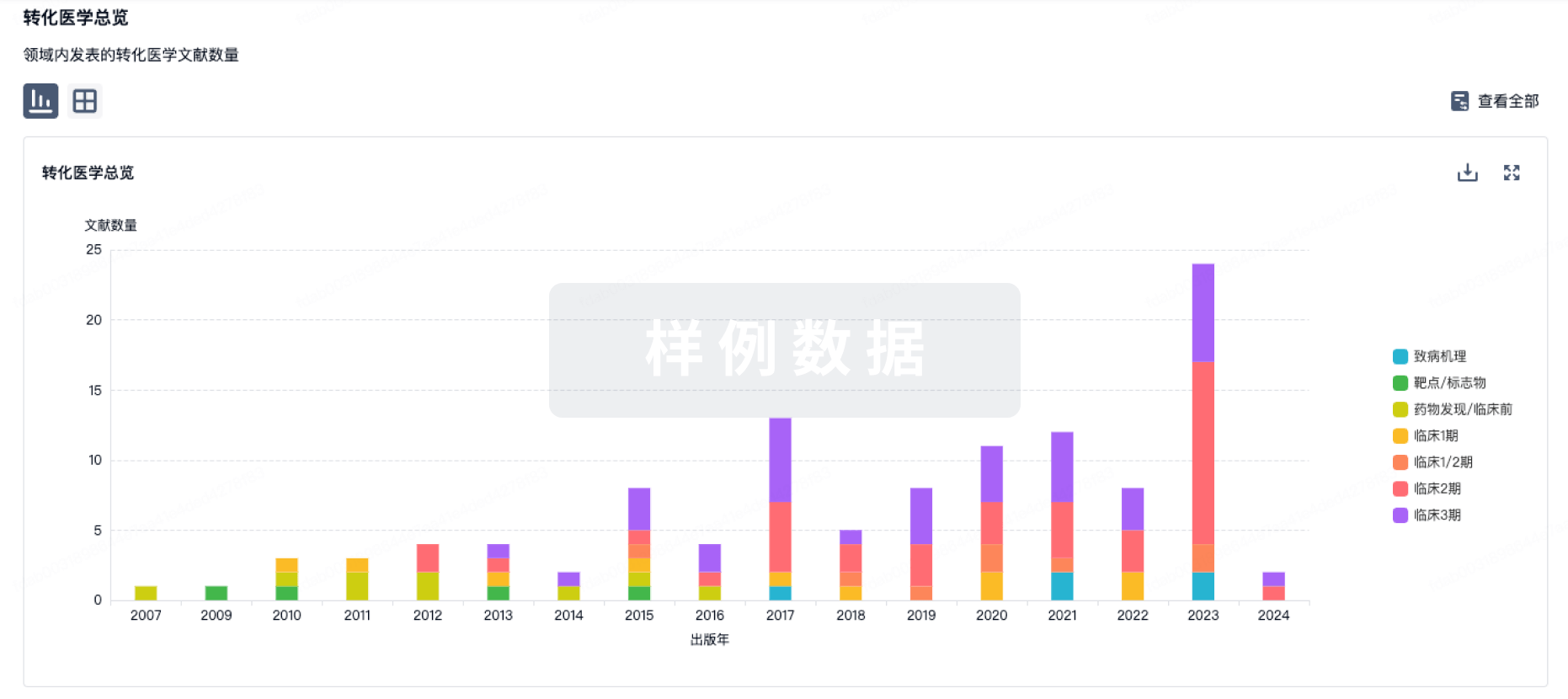
转化医学
使用我们的转化医学数据加速您的研究。
登录
或
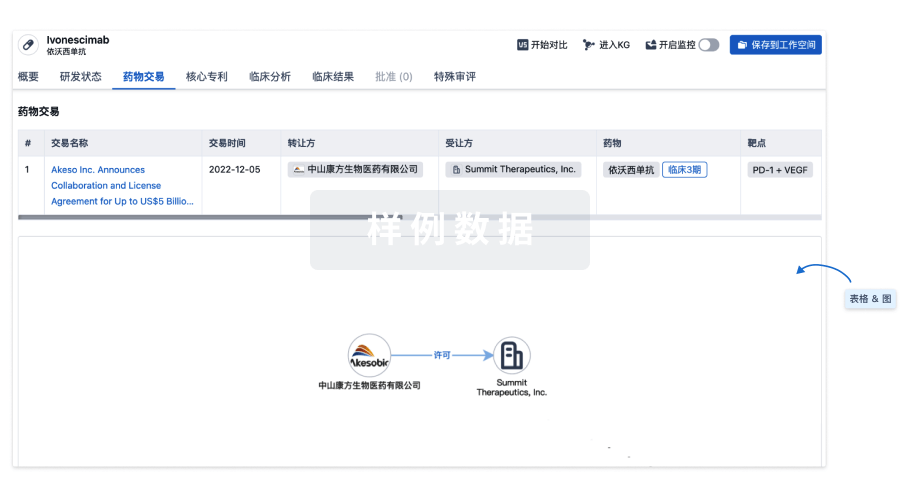
药物交易
使用我们的药物交易数据加速您的研究。
登录
或
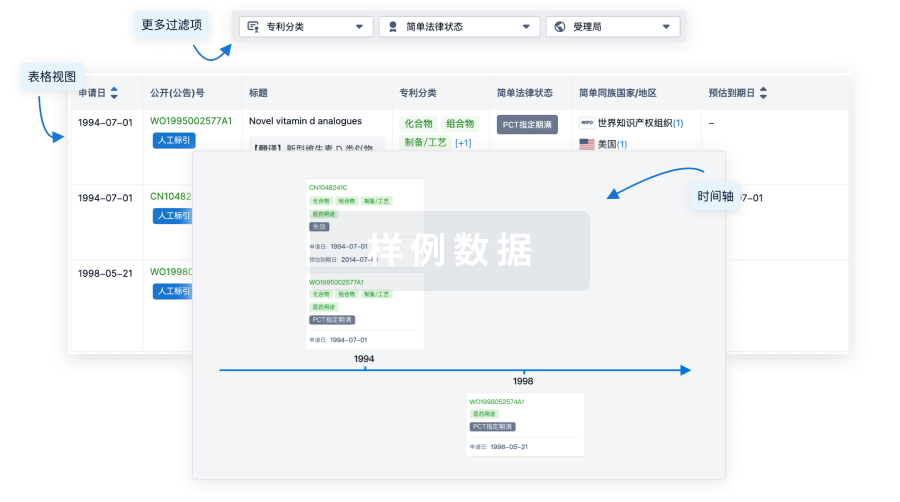
核心专利
使用我们的核心专利数据促进您的研究。
登录
或
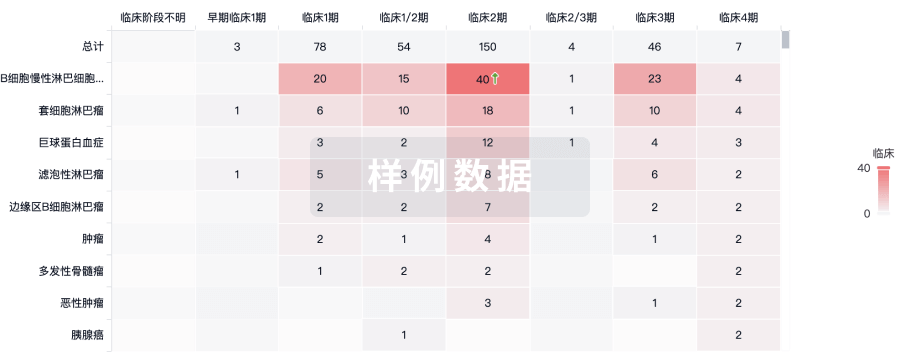
临床分析
紧跟全球注册中心的最新临床试验。
登录
或
批准
利用最新的监管批准信息加速您的研究。
登录
或
生物类似药
生物类似药在不同国家/地区的竞争态势。请注意临床1/2期并入临床2期,临床2/3期并入临床3期
登录
或
特殊审评
只需点击几下即可了解关键药物信息。
登录
或
提出任何生物医药研究问题
让每一步生物医药决策都精准制胜
基于十亿级生物数据与全球情报的精准 AI,赋能早期药物发现
立即开始免费试用!
智慧芽新药情报库是智慧芽专为生命科学人士构建的基于AI的创新药情报平台,助您全方位提升您的研发与决策效率。
立即接入生物医药数据包
智慧芽新药库数据也通过智慧芽开放平台,以MCP或API服务形式对外开放。立即使用我们的MCP服务定制您的LLM智能体。
生物序列数据库
生物药研发创新
免费使用
化学结构数据库
小分子化药研发创新
免费使用