预约演示
更新于:2026-09-12
LR-90
更新于:2026-09-12
概要
基本信息
原研机构 |
在研机构- |
非在研机构 |
权益机构- |
最高研发阶段无进展临床前 |
首次获批日期- |
最高研发阶段(中国)- |
特殊审评- |
结构/序列
分子式C35H34Cl2N4O8 |
InChIKeyWJDMCXSGUCNRPZ-UHFFFAOYSA-N |
CAS号245075-84-7 |
关联
100 项与 LR-90 相关的临床结果
登录后查看更多信息
100 项与 LR-90 相关的转化医学
登录后查看更多信息
100 项与 LR-90 相关的专利(医药)
登录后查看更多信息
19
项与 LR-90 相关的文献(医药)2026-04-01·CANCER LETTERS
Targeting the SIN1 mediated TTK/LDHA-H3K18la-GLUT3 axis disrupts metabolic-epigenetic crosstalk and suppresses progression in hyperglycolytic breast cancer
Article
作者: Jia, Wenbin ; Liu, Xiaofeng ; Wang, Xin ; Zhao, Zewei ; Shi, Shangheng ; Yu, Yue ; Wang, Xiuchao ; Yu, Zhihao ; Zhou, Jiaqi ; Ning, Chunlan ; Zheng, Hong ; Li, Zekun ; Cao, Xuchen
Metabolic-epigenetic crosstalk accelerates breast cancer (BC) progression; however, the conduit linking glycolytic flux to chromatin remodeling remains incompletely defined. Here, we delineate a kinase-metabolism-epigenetic axis centered on the Mitogen-Activated Protein Kinase Associated Protein 1 (MAPKAP1, also known as SIN1). Single-cell transcriptomic profiling of highly invasive tumors identifies SIN1 as a central node co-enriched with epithelial-mesenchymal transition and proliferation programs. Biochemical mapping and mass spectrometry demonstrate that SIN1 scaffolds TTK to promote phosphorylation of lactate dehydrogenase A (LDHA) at Tyr239 (p-LDHA^239), thereby amplifying glycolysis and lactate production. The resulting lactate accumulation increases histone H3K18 lactylation (H3K18la), which, as shown by ChIP-seq, is enriched at the Solute Carrier Family 2 Member 3 (SLC2A3, also known as GLUT3) promoter, upregulating GLUT3 and enhancing glucose uptake, thus establishing a self-reinforcing SIN1/TTK/LDHA-H3K18la-GLUT3 feed-forward loop. Structure-function analyses using domain truncations, molecular docking, and high-throughput virtual screening nominate LR-90 as a small-molecule inhibitor of the SIN1/TTK/LDHA complex. LR-90 reduces p-LDHA^239, lactate levels, H3K18la occupancy at the GLUT3 promoter, glucose uptake, invasion, and tumor growth, and it synergizes with standard chemotherapy in patient-derived organoids and mouse xenografts. Clinically, elevated SIN1 expression is associated with adverse pathological features and inferior overall survival. Collectively, these findings link SIN1-mediated recruitment of TTK for LDHA phosphorylation to histone lactylation and GLUT3-driven metabolic reprogramming, and suggest that pharmacological disruption of this axis with LR-90, alone or in combination with standard chemotherapy, may offer a therapeutic strategy for high-glycolytic, high-lactate breast cancer.
2024-05-20·Nan fang yi ke da xue xue bao = Journal of Southern Medical University
[Differential expressions of endoplasmic reticulum stress-associated genes in aortic dissection and their correlation with immune cell infiltration].
Article
作者: Nie, J ; Zhou, W ; Hu, J ; Zhang, D ; Jiang, Y
OBJECTIVE:
To explore differentially expressed endoplasmic reticulum stress-associated genes (ERSAGs) in aortic dissection (AD) and their correlations with immune cell infiltration to identify new therapeutic targets for AD.
METHODS:
Two AD mRNA expression datasets (GSE190635 and GSE98770) were downloaded from GEO database for analysis of differentially expressed genes between the aorta of AD patients and normal aorta using R software. ERSAGs dataset was downloaded from GeneCards website, and GeneMANIA database was used to analyze the protein-protein interaction network of the differentially expressed ERSAGs and the proteins interacting with these genes. Based on GSE98770 dataset we analyzed the distributions of 22 immune cells within the aortic wall of AD patients using CIBERSORT package of R software. Surgical aortic wall specimens were obtained from 10 AD patients and 10 non-AD patients for detecting AGER mRNA expression using qRTPCR, and the upstream transcriptional factors, miRNAs, and chemicals targeting AGER were analyzed using the TRRUST database and NetworkAnalyst database.
RESULTS:
Bioinformatic analysis suggested significant differential expression of AGER in AD, which interacted with 20 proteins involved in pattern recognition receptor signaling pathway, positive regulation of DNA-binding transcription factor activity, myeloid leukocyte migration, leukocyte migration, and regulation of the I-κB kinase/NF-κB signaling. In AD, AGER expression level was positively correlated with Treg cell abundance (r=0.59, P < 0.05). The results of qRT-PCR demonstrated significantly lower expression of AGER mRNA in AD than in non-AD patients (1.00±0.30 vs 1.76±0.68, P < 0.05). ROC curve analysis showed that at the cut-off value of 1.335, AGER had an AUC of 0.86 (95% CI: 0.67-1.00, P= 0.0073) for predicting AD. Three transcriptional factors, 3 miRNAs, and 27 chemicals were predicted in the AGER regulatory network.
CONCLUSION:
AGER is lowly expressed in the aorta of AD patients and may influence the occurrence of AD through Treg cells.
2019-05-01·Metabolic engineering1区 · 工程技术
Glycine decarboxylase regulates the maintenance and induction of pluripotency via metabolic control
1区 · 工程技术
Article
作者: Kang, Phil Jun ; Lee, Gilju ; Zheng, Jie ; Son, Daryeon ; Kim, In Yong ; You, Seungkwon ; Song, Gwonhwa ; Park, Gyuman
Reprogramming of 'adult' differentiated somatic cells to 'embryonic' pluripotent stem cells accompanied by increased rate of glycolysis. Conversely, glycolysis triggers accumulation of advanced glycation end products (AGEs), a potential causative factor in aging, by promoting methylglyoxal production. Therefore, it is reasonable that pluripotent stem cells (PSCs) would specifically regulate glycolysis to maintain their embryonic features. In this study, we focused on glycine decarboxylase (GLDC), a key enzyme in the glycine cleavage system that regulates glycolysis and methylglyoxal production in cancer. GLDC was exclusively expressed in PSCs, and inhibition of this enzyme induced alterations of metabolome and AGE accumulation, thereby suppressing the embryonic pluripotent state. Surprisingly, the level of accumulated AGEs in somatic cells gradually decreased during reprogramming, ultimately disappearing in iPSCs. In addition, ectopic expression of GLDC or treatment with the AGE inhibitor LR-90 promoted reprogramming. Together, these findings suggest that GLDC-mediated regulation of glycolysis and controlling AGE accumulation is related to maintenance and induction of pluripotency.
100 项与 LR-90 相关的药物交易
登录后查看更多信息
研发状态
10 条进展最快的记录, 后查看更多信息
登录
| 适应症 | 最高研发状态 | 国家/地区 | 公司 | 日期 |
|---|---|---|---|---|
| 糖尿病 | 临床前 | 法国 | - | |
| 高脂血症 | 临床前 | 法国 | - |
登录后查看更多信息
临床结果
临床结果
适应症
分期
评价
查看全部结果
| 研究 | 分期 | 人群特征 | 评价人数 | 分组 | 结果 | 评价 | 发布日期 |
|---|
No Data | |||||||
登录后查看更多信息
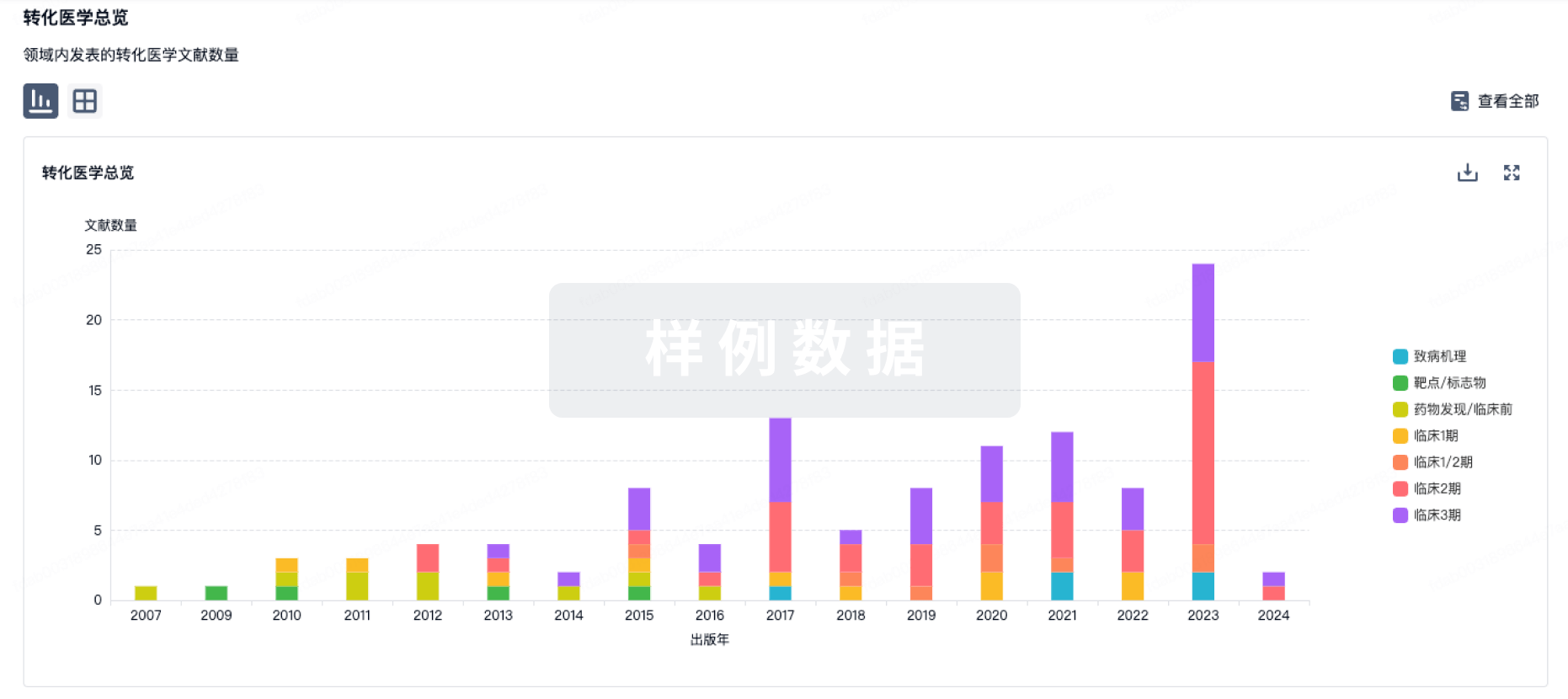
转化医学
使用我们的转化医学数据加速您的研究。
登录
或
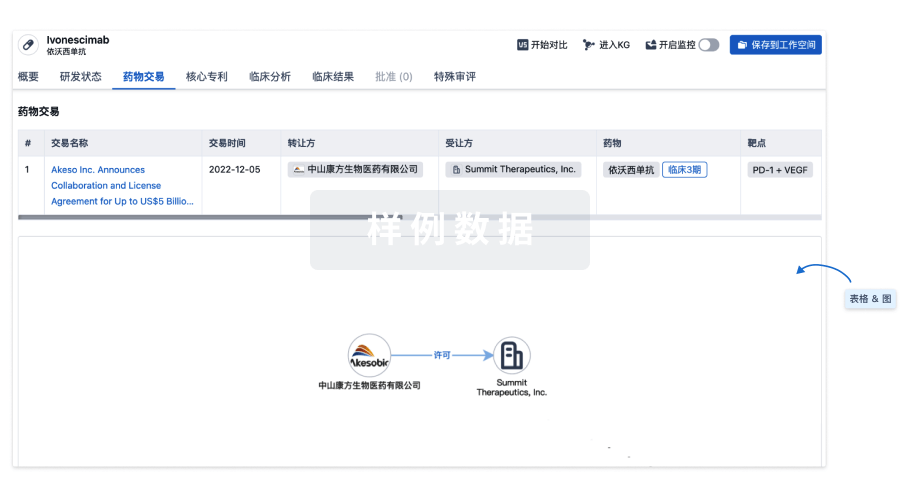
药物交易
使用我们的药物交易数据加速您的研究。
登录
或
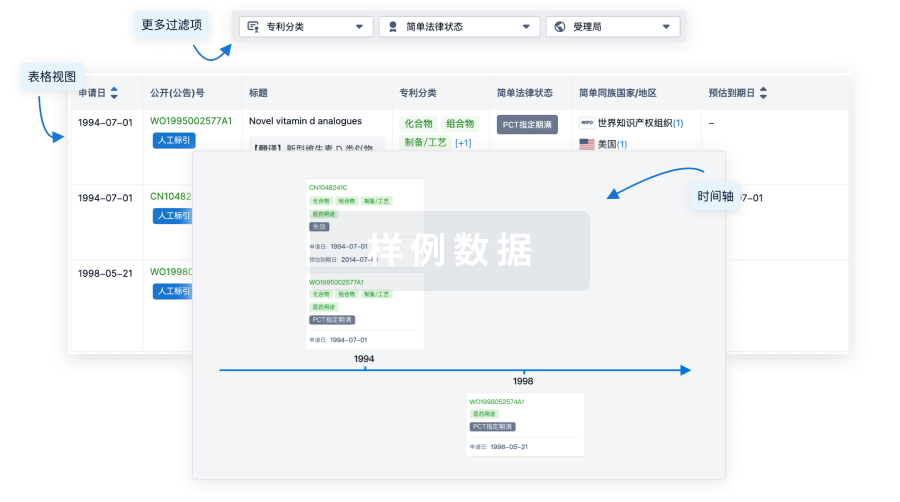
核心专利
使用我们的核心专利数据促进您的研究。
登录
或
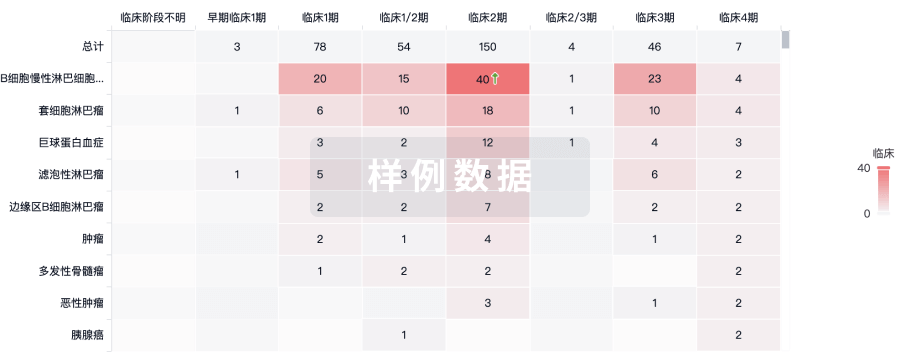
临床分析
紧跟全球注册中心的最新临床试验。
登录
或
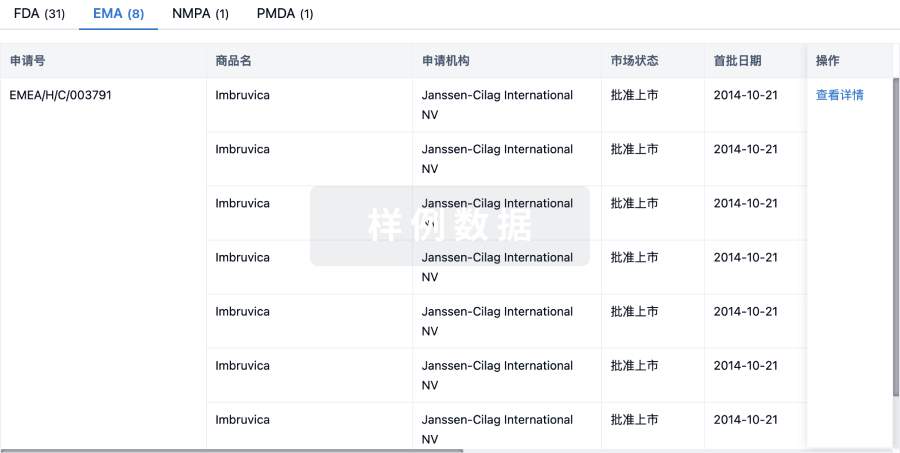
批准
利用最新的监管批准信息加速您的研究。
登录
或
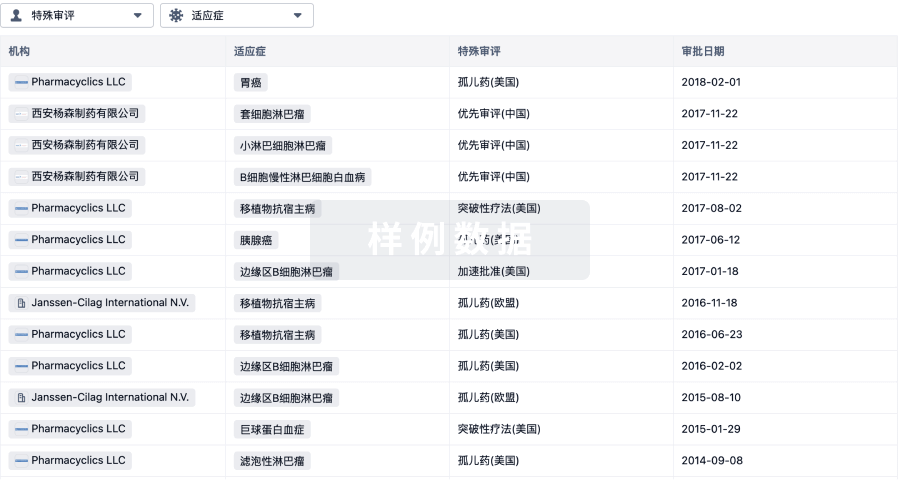
特殊审评
只需点击几下即可了解关键药物信息。
登录
或
提出任何生物医药研究问题
让每一步生物医药决策都精准制胜
基于十亿级生物数据与全球情报的精准 AI,赋能早期药物发现
立即开始免费试用!
智慧芽新药情报库是智慧芽专为生命科学人士构建的基于AI的创新药情报平台,助您全方位提升您的研发与决策效率。
立即接入生物医药数据包
智慧芽新药库数据也通过智慧芽开放平台,以MCP或API服务形式对外开放。立即使用我们的MCP服务定制您的LLM智能体。
生物序列数据库
生物药研发创新
免费使用
化学结构数据库
小分子化药研发创新
免费使用