预约演示
更新于:2026-11-17
JQ-1
更新于:2026-11-17
概要
基本信息
权益机构- |
最高研发阶段临床前 |
首次获批日期- |
最高研发阶段(中国)- |
特殊审评- |




结构/序列
分子式C23H25ClN4O2S |
InChIKeyDNVXATUJJDPFDM-KRWDZBQOSA-N |
CAS号1268524-70-4 |
关联
100 项与 JQ-1 相关的临床结果
登录后查看更多信息
100 项与 JQ-1 相关的转化医学
登录后查看更多信息
100 项与 JQ-1 相关的专利(医药)
登录后查看更多信息
1,753
项与 JQ-1 相关的文献(医药)2027-02-01·CELLULAR SIGNALLING
TRIM33 at the crossroads of ubiquitin signaling and chromatin regulation in cancer
Article
作者: Guan, Liping ; Shen, Xiangyu ; Xie, Yiming ; Wang, Haoyi ; Bu, Huitong ; Wang, Yaofeng ; Han, Tao ; Chen, Mengqian ; Wang, Yibo ; Yang, Xinyue ; Wang, Lei
TRIM33 (TIF1γ) is an E3 ubiquitin ligase characterized by an N-terminal RBCC motif and a C-terminal tandem PHD-BRD cassette. It plays critical roles in cellular homeostasis, embryonic development, and immune regulation. Emerging evidence highlights its multifaceted and highly context-dependent functions in human cancers. By integrating ubiquitin signaling with epigenetic regulation and modulating key pathways like TGF-β and Wnt/β-catenin, TRIM33 acts predominantly as a tumor suppressor, though it exhibits oncogenic effects in specific molecular settings. In this review, we systematically summarize the structural features, molecular mechanisms, and context-dependent roles of TRIM33 in both tumor cells and the tumor immune microenvironment. Furthermore, we discuss its upstream regulatory networks and evaluate emerging therapeutic strategies, including bromodomain inhibitors and targeted protein degradation.
2027-02-01·BIOCHIMICA ET BIOPHYSICA ACTA-MOLECULAR BASIS OF DISEASE
JQ1 targeting BRD4 enhances cisplatin-induced pyroptosis via LDHA-mediated ROS release to potentially overcome chemoresistance in bladder cancer
Article
作者: Tan, Ye-Kai ; Li, Ke ; Xiang, Rong ; Jin, Jie-Yuan ; Deng, Xu ; Li, Yuan ; Li, Zhong-Bei
Cisplatin-based chemotherapy is a cornerstone treatment for muscle-invasive bladder cancer (MIBC), yet resistance to cisplatin and its adverse effects limit clinical efficacy. Novel strategies to sensitize tumors to cisplatin are urgently needed. As a chromatin reading protein, BRD4 can regulate gene expression and play an important role in the occurrence and development of tumors. JQ1 as a well-known BRD4 inhibitor, can cause cell apoptosis and is mainly used in the field of hematological tumors. Its clinical value in bladder cancer (BC) had not yet been fully clarified. Through bioinformatics and clinical cohort analyses, we identified bromodomain-containing protein 4 (BRD4) as a potential regulator of chemoresistance in BC. High BRD4 expression correlated with poor prognosis and cisplatin resistance in BC patients. BRD4 knockdown or pharmacological inhibition by JQ1 significantly suppressed BC cell proliferation, migration, and invasion, and enhanced sensitivity to cisplatin. Mechanistically, JQ1 disrupted the BRD4-LDHA interaction, promoting LDHA cytoplasmic accumulation, which led to reactive oxygen species (ROS) generation and then activated GSDME and pyroptosis. In vivo, the combination of low-dose JQ1 and cisplatin significantly reduced tumor burden and prolonged survival, without systemic toxicity. These findings provided the theoretical support of the innovative strategy of Cis-JQ1 combination therapy for BC, contributing to addressing the clinical challenge of chemoresistance in BC.
2027-01-01·EUROPEAN JOURNAL OF MEDICINAL CHEMISTRY
Design, synthesis, and antitumor evaluation of novel VEGFR-2/BRD4 dual inhibitors with potent in vivo efficacy
Article
作者: Cui, Zexi ; Liu, Zhenling ; Dai, Xiangpeng ; Shi, Lei ; Wang, Ru ; Zhang, Xiaoling
Aberrant angiogenesis and dysregulated epigenetic transcription are hallmarks of cancer that mutually reinforce tumor progression and therapeutic resistance. Vascular endothelial growth factor receptor-2 (VEGFR-2) is the principal driver of tumor angiogenesis, while bromodomain-containing protein 4 (BRD4) acts as a master transcriptional coactivator of oncogenes. Herein, we report the design, synthesis, and biological evaluation of a series of novel VEGFR-2/BRD4 dual-targeted inhibitors via a pharmacophore hybridization strategy that merges the aryl urea scaffold of sorafenib with the tetrahydropteridinone core of BI-2536. Among the 43 synthesized compounds, 15h emerged as the most potent dual inhibitor. In cellular assays, 15h demonstrated broad-spectrum antiproliferative activity against Colo829, D121, NCI-H446, and MCF-7 cell lines. Notably, 15h substantially outperformed the physical combination of sorafenib plus (+)-JQ-1, achieving 13.7-fold and 9.8-fold greater potency in D121 and NCI-H446 cells, respectively, thereby validating the superiority of a single-molecule dual-targeting strategy over combination therapy. Kinase selectivity profiling revealed that 15h maintains a favorable selectivity window, with VEGFR-2 being the most potently inhibited target. Importantly, in an NCI-H446 xenograft mouse model, 15h administered at 1.5 mg/kg (i.p.) achieved a tumor growth inhibition (TGI) rate of 109.6%, significantly outperforming sorafenib (TGI = 58.9%) and (+)-JQ-1 (TGI = 53.4%), without significant body weight loss during the treatment period. Collectively, these findings establish 15h as a promising VEGFR-2/BRD4 dual-targeted lead compound and validate the molecular hybridization strategy as an effective approach for developing next-generation antitumor agents that overcome the limitations of physical combination regimens.
76
项与 JQ-1 相关的新闻(医药)2026-11-16
·大橡科技
点击蓝字 关注我们
常染色体显性多囊肾病(ADPKD)的特征是肾脏内液体充盈囊肿的缓慢且渐进性地形成,最终导致肾衰竭。尽管ADPKD是最常见的遗传性肾病,但治疗方法仍然有限。由人类诱导多能干细胞(hiPSC)衍生的输尿管芽(UB)类器官已被开发用于模拟ADPKD。
近期,新西兰奥克兰大学的研究团队在《Kidney International》(IF=21.8)发表了题为“High efficiency organoid-derived cyst cultures as a drug discovery platform for polycystic kidney disease”的研究成果。该研究建立了一种在大规模悬浮培养中生成适合药物发现的输尿管芽类器官平台。为了验证该平台作为药物发现工具的价值,研究者筛选了一个小分子文库,并鉴定出Toll样受体4(TLR4)拮抗剂M1,能缩小囊肿大小。
01
研究亮点
Research Highlights
建立高效率、可规模化的人源成囊平台:将肾单位类器官解离后在悬浮体系中诱导为输尿管芽类器官,约50个起始肾单位类器官可产生最多约2000个UB类器官;PKD2缺失UB类器官自发成囊,分化第25天成囊比例约95%。
将抑囊效果与组织毒性共同纳入药物评价:QNZ减少囊肿形成,但同时对非囊性肾单位类器官产生明显毒性;JQ1减少囊性类器官比例和大型囊肿,而托伐普坦在本模型中无显著抑囊作用,显示药物反应受模型成熟度和细胞来源影响。
出营养偶联小分子M1并提出TLR4干预线索:通过96孔板筛选308种化合物,发现M1在0.5 μM时可减少囊肿数量和大小;囊性类器官TLR4表达升高,TLR4抑制剂TAK-242亦具有抑囊作用,但M1的直接靶点与体内疗效仍待验证。
02
研究内容
Research Content
1. 从肾单位类器官到输尿管芽类器官的规模化培养
研究者以人诱导多能干细胞(iPSC)来源的肾单位类器官为起点,将分化第12天的类器官消化为单细胞,再置于超低吸附培养板中,以含GDNF、FGF2、CHIR99021和全反式维甲酸的输尿管上皮培养基进行诱导(图 1A–1C)。细胞在前72小时静置聚集,随后转入摇动培养,减少团块融合;约一周后形成具有内部管状结构的UB类器官(图 1D)。约50个肾单位类器官对应约89万个细胞,能够生成平均1292±561个、最多约2000个UB类器官,提示该体系具有用于批量筛药的产量基础。
qPCR显示,与起始肾单位类器官相比,UB类器官中足细胞标志物NPHS1和近端小管标志物CUBN减少,GATA3、PAX2及WNT9B、WNT11、RET等输尿管上皮相关标志物富集(图 1E)。免疫染色进一步检出CDH1、PAX2、RET、GATA3和KRT8(图 1F),支持细胞命运向远端肾单位/输尿管上皮方向转变。该模型重现的是UB相关上皮特征,不能据此视为已经获得完全成熟的集合管组织。
图1. 从肾单位类器官生成输尿管芽类器官。(A) 培养流程示意图。(B) 野生型iPSC来源的第12天肾单位类器官。(C) 将肾单位类器官酶消化为单细胞悬液,定义为UB分化第0天。(D) UB类器官在15天内的发育过程。(E) qPCR比较第12天肾单位类器官与第7天UB类器官的肾单位及UB标志基因表达。(F) 免疫组织学检测远端小管标志物CDH1、PAX2、GATA3及UB标志物RET、KRT8;Hoechst复染细胞核。
2. PKD2缺失推动快速、自发且高效率的囊肿形成
为建立ADPKD模型,研究者利用CRISPR/Cas9构建PKD2双等位基因失活的iPSC。相同遗传背景下,PKD2缺失肾单位类器官在总分化第26天的成囊比例为13.4±5.7%,同源野生型对照为0.9±0.6%。转入UB培养体系后,突变类器官在UB分化第5天、即总分化约第17天便可出现囊肿,随后快速增加,至UB分化第25天成囊比例约达95%(图 2A、2B)。囊肿平均直径在第25天达到约222 μm,最大者超过1 mm;部分囊肿由同一类器官出芽并脱离,形成游离囊肿(图 2C、2D)。
基因表达分析显示,囊性UB类器官具有与ADPKD相关的分子变化,包括YAP相关效应基因、JAK–STAT相关基因、纤维化相关基因以及CCL2、RELA等炎症相关基因的表达改变(图 2E)。免疫染色显示,囊肿由单层上皮构成,并表达CDH1、PAX2、RET和GATA3(图 2F)。这些结果支持模型同时具备稳定的成囊形态和疾病相关表达特征,但标志基因变化本身不能替代对各信号通路活性的直接验证。
图2. PKD2缺失UB类器官形成大规模囊肿培养物。(A) PKD2缺失UB类器官在25天内的发育过程,箭头标示第7天的早期囊肿。(B) 野生型与PKD2缺失UB类器官成囊情况的定量。(C) PKD2缺失囊肿直径随时间增加。(D) 第17天高效率囊肿培养的代表性图像。(E) PKD2缺失与野生型UB类器官中ADPKD标志基因表达的比较。(F) 免疫组织学分析显示,PKD2缺失UB类器官的囊肿上皮表达CDH1、PAX2、RET和GATA3;Hoechst复染细胞核。
3. QNZ抑制成囊同时暴露组织毒性风险
研究者从UB分化第9天开始给药,此时囊肿已可识别且直径约100 μm。在24孔超低吸附板中,每孔放置至少100个类器官,连续观察10天,并在给药第3、7天换液补药(图 3A)。以NF-κB抑制剂QNZ作为阳性对照,5 nM时未见成囊抑制,而浓度达到10 nM及以上时,囊性类器官比例可自给药第3天起显著下降(图 3B)。给药第10天的平均囊肿直径未显著改变,但直径≥200 μm的大型囊肿随剂量增加而减少(图 3C)。因此,其效果主要体现在成囊比例和囊肿大小分布,而非所有囊肿平均尺寸均缩小。
明场观察发现,QNZ处理后的囊性UB类器官出现坏死样改变(图 3D)。在非囊性的野生型肾单位类器官中,10或20 nM QNZ同样造成明显损伤,TUNEL阳性细胞面积约增至对照的4.5倍。这说明“囊肿减少”可能伴随非选择性细胞死亡,不能直接等同于适合转化的治疗效果。另一个候选药物FOS/AP-1抑制剂T-5224未减少囊肿数量,反而在≥5 μM时增加囊肿大小,进一步提示不同基因型与培养条件下的药物反应可能不同。
图3. QNZ处理减少囊性类器官比例并影响囊肿大小分布。(A) 药物评价流程与时间线。(B) DMSO与不同浓度QNZ处理10天期间,囊性类器官占全部类器官的比例。(C) 给药第10天DMSO与QNZ组的囊肿直径。(D) 第10天DMSO或QNZ处理的PKD2缺失UB类器官代表性明场图像。
4. 托伐普坦无显著反应提示模型成熟度的局限
托伐普坦通过抑制血管加压素V2受体发挥作用。研究者首先比较其编码基因AVPR2在不同类器官及人胎肾、成人肾中的表达,发现PKD2缺失UB类器官在各类器官模型中表达最高,但仍约低于胎肾和成人肾3倍(图 4A)。随后在20 nM至10 μM的浓度范围内进行给药,囊性类器官比例与平均囊肿直径均未出现显著下降(图 4B–4D);在所检测条件下,托伐普坦亦未对肾单位类器官造成明显毒性。
这一阴性结果反映的是本培养模型中的药物反应,不能用于否定托伐普坦的临床作用。作者将其可能原因指向iPSC来源类器官的发育不成熟,以及V2受体表达和功能不足;悬浮培养缺乏生理性管腔流动,也可能影响成熟。尤其是,检测到AVPR2转录并不意味着建立了完整的血管加压素依赖性成囊机制,因此受体表达与药物反应之间仍需进一步功能验证。
对药物研发而言,该结果强调了模型适用范围的重要性:高效率成囊平台适于筛选影响囊肿形成和扩张的化合物,但对依赖成熟集合管受体的药物,仍需借助更成熟的人源组织模型、流动培养体系或其他实验系统交叉验证。
图4. 托伐普坦未影响本模型中的囊肿生长。(A) 不同类器官模型与人肾组织中血管加压素V2受体编码基因AVPR2的表达。(B) DMSO或不同浓度托伐普坦处理10天期间的囊性类器官比例。(C) 给药第10天的囊肿直径。(D) 第10天DMSO或托伐普坦处理的PKD2缺失UB类器官代表性明场图像。
5. BET抑制剂JQ1减少成囊与大型囊肿扩张
既往多囊肾动物研究提示,抑制BET溴结构域蛋白可能减少囊肿形成。研究者在该人源平台中测试泛BET抑制剂JQ1,给药浓度为0.1、1和5 μM。各剂量均呈现成囊抑制趋势,其中5 μM时囊性类器官比例显著下降(图 5A)。与QNZ相似,JQ1未显著改变平均囊肿直径,但大型囊肿随剂量增加而减少(图 5B、5C)。
在同步开展的肾单位类器官毒性评价中,JQ1未出现明显毒性(图 S3),为进一步研究其对囊性上皮的作用提供了依据。不过,这属于特定剂量、培养条件和观察周期下的体外结果,尚不能证明长期安全性或确定其只作用于囊肿细胞。
作者结合既往研究提出,BET抑制可能通过调节异常增殖相关转录程序,以及NF-κB相关炎症和纤维化过程影响囊肿生长。该研究的直接证据主要是形态学药效与短期毒性比较,尚未在该UB类器官体系中完整验证BRD4、c-MYC等下游机制。因此,JQ1在这里更重要的作用是验证平台能够检出既有抑囊候选药物,而非确立新的临床治疗方案。
图5. BET抑制剂JQ1抑制囊肿形成与扩张。(A) DMSO或不同浓度JQ1处理10天期间的囊性类器官比例。(B) 给药第10天DMSO与JQ1组的囊肿直径。(C) 第10天DMSO或JQ1处理的PKD2缺失UB类器官代表性明场图像。
6. 308种营养偶联小分子筛选发现M1及TLR4线索
为验证平台的筛药能力,研究者将囊性UB类器官嵌入甲基纤维素,转为96孔板培养,每孔至少20个类器官,以1 μM浓度、三复孔筛选308种营养偶联小分子,连续观察10天(图 6A)。化合物库由脂肪酸、氨基葡萄糖、维生素、氨基酸及活性肽等组分共价偶联而成。筛选获得M1,其结构含一条棕榈酸链、一个氨基葡萄糖和两个甘氨酸(图 6B)。M1在0.5 μM时显著减少囊性类器官比例及囊肿大小,1 μM时可阻断成囊,但同时对UB类器官呈现明显毒性(图 6C–6E)。相同研究中的肾单位类器官未见明显损伤,这提示模型间敏感性差异,仍需进一步确定治疗窗口。
M1与具有TLR4拮抗作用的N-棕榈酰-D-氨基葡萄糖结构相似,作者据此提出TLR4相关机制假说。qPCR显示,囊性PKD2缺失UB类器官的TLR4表达约为野生型的2倍(图 6F);TLR4抑制剂TAK-242进一步呈剂量依赖性地减少囊性类器官比例和囊肿大小,并在所测肾单位类器官中未见明显毒性(图 6G–6I)。这些结果支持TLR4作为后续研究的候选通路,但尚未证明M1直接结合或抑制TLR4,也未建立完整的TLR4–NF-κB因果链。由于类器官缺乏完整免疫系统,模型有助于探索肾上皮相关作用,同时也难以覆盖体内免疫细胞与间质参与的疾病过程。
图6. 在甲基纤维素包埋的囊性类器官中筛选化合物库。(A) 筛选流程与时间线。(B) M1化学结构。(C) DMSO或不同浓度M1处理10天期间的囊性类器官比例。(D) 第10天的囊肿直径。(E) M1处理后的代表性明场图像。(F) 野生型与PKD2缺失UB类器官的TLR4表达。(G) TAK-242处理期间的囊性类器官比例。(H) TAK-242处理第10天的囊肿直径。(I) TAK-242处理后的代表性明场图像。
03
结论与展望
Conclusion and Outlook
该研究将肾单位类器官向输尿管芽上皮的命运转换与悬浮培养相结合,获得高效率、可扩展的人源多囊肾筛药平台,并通过已知药物测试和308种营养偶联化合物筛选展示了其实用性。其价值还在于把囊肿数量、大小分布和非囊性组织毒性结合评价,避免仅凭囊肿缩小判断候选药物优劣。M1与TAK-242的结果为TLR4相关干预提供了线索,但M1的直接靶点、选择性和长期安全性仍未确定。下一步需要在不同PKD基因型、患者来源模型及动物模型中验证,并改善类器官成熟度与流动环境,以覆盖包括托伐普坦在内的不同作用机制。
参考文献:
Vanichapol T, Wangford R, Mishra S, et al. Large-scale organoid-derived cyst cultures as a drug discovery platform for polycystic kidney disease. Kidney Int. Published online September 23, 2026. doi:10.1016/j.kint.2026.07.034.
大橡科技肾类器官模型评价服务
肾脏是药物或其毒性代谢产物富集、排泄的重要器官,也是药物肾毒性评价与机制分析的关键战场。大橡科技人原代近端肾小管类器官模型是基于人原代近端肾小管上皮细胞(hRPTEC)或HK2细胞,在IBAC® M1高通量屏障功能器官芯片上通过动态流体培养重构具备更强屏障功能、主动吸收及外排转运能力的3D肾微环境模型,与常规动物实验或静态Transwell二维培养相比,在预测人源肾毒性方面具有高仿生、高通量、灵敏度高、可区分顶端与基底侧给药效应等优势。大橡科技同时提供基于人原代近端肾小管类器官模型的药物肾毒性评估、肾毒理机制研究及iPSC肾类器官模型构建服务。
详情点击下方链接:
世界肾脏日|人原代近端肾小管类器官模型,助力药物肾毒性的精准评估
珍芯严®全场景解决方案
你有思路,我来想!你出方案,我来做!
以专业眼光洞察数据,让决策更加清晰!
珍芯严®面向药企药物早期研发与高校、医院的基础科研,我们倾力打造类器官芯片全场景解决方案。凭借创新的类器官芯片技术,打破传统细胞与动物研究瓶颈,高效产出优质数据,从实验室到临床,我们与您并肩作战!
客服电话/微信:18610798010
扫描二维码可联系我们
小红书
2026-11-09
·精准药物
本文分享的是中国药科大学药学院药物化学系 2026 年 11 月 5 日在线发表于《Journal of Medicinal Chemistry》的 Perspective,题目为 “Beyond CRBN and VHL: DCAF16-Recruiting Degraders from Rational Design to Clinical Translation”(DOI: 10.1021/acs.jmedchem.6c02348)。
靶向蛋白降解进临床十几年,真正被反复使用的 E3 只有 CRBN 与 VHL,而人基因组注释出的 E3 有 600 多个。这篇 Perspective 梳理第三个候选 DCAF16:它凭什么能被做、长出了哪些弹头、以及为什么换个靶点还能不能降解至今答不上来。
要点速览
▪ DCAF16 是 CRL4 的底物受体,约 24 kDa、主要在核内;C58、C119、C173 与 C177–179 簇可被共价修饰,不需要深口袋
▪ 从 2019 年的 α-氯乙酰胺 KB02 起,已长出乙烯基砜哌嗪、富马酰胺、丙烯酰胺、芳基 SNAr、氰基苯并噻唑、氰基丙烯酰胺六类弹头
▪ 第一代只有微摩尔级;换成可逆共价的氰基丙烯酰胺,AMX-883 把 BRD9 做到 DC50 0.0237 nM、Dmax 95.64%
▪ 两个分子已进临床:PLX-61639(SMARCA2)、AMX-883(BRD9,AML);但弹头模块化不等于跨靶点活性可预测
图 1|DCAF16 共价招募基元的时间线,红字标出各自作用的半胱氨酸(原文 Figure 5)·一、为什么还要找第三个 E3·
60 多个异双功能候选在推进,vepdegestrant 已是首个获批的 PROTAC,iberdomide 也拿到加速批准。问题在于 E3 高度集中:CRBN 与 VHL 都是 Cullin-RING E3(CRL)的底物受体,分别对应 CRL4 与 CRL2,其余 600 多个 E3 基本闲置。代价是 CRL4 通路改变即可带来耐药,VHL 配体偏大偏肽模拟、多样性有限。CRBN 本身就是 CRL4 的一个 DCAF,而注释出的 DCAF 超过 90 个;DCAF15 的 indisulam 早在 2001 年就进临床,但它是分子胶这件事 2017 年才说清,且口袋浅、高度依赖协同的蛋白–蛋白相互作用,除 RBM39 之外多年没再推开。
DCAF16 走的是另一条路:不靠口袋,靠表面半胱氨酸。·二、DCAF16 是什么样的 E3·
图 2|AlphaFold 模型与 DCAF16–MMH2–BRD4 三元复合物(PDB 8G46;原文 Figure 4)
DCAF16 是约 24 kDa 的核内底物受体,参与蛋白质量控制,目前确认的内源底物只有 Spindlin-4(SPIN4)。它的折叠与多数 DCAF 的 WD40 β-propeller 不同:更紧凑、高度动态,稳定靠 DDB1 的双螺旋结构域撑着,结合后底物招募面才摆到相对 E2 合适的位置。两个细节决定它能不能成药——敲除小鼠可存活、可育、无明显发育缺陷,提示系统毒性风险可能不高;C177–179 簇反应性最高、溶剂暴露,落在浅的两亲性口袋里,C58、C119、C173 同样可配体化。
但要留意,C177 与 C179 还和 C100、C103 一起配位一个结构 Zn2+,动它们会扰动锌配位。三元复合物结构已解出三个;人 iPSC 来源心肌细胞里 DCAF16 表达明显偏低,这一条后面成了真实的设计理由。·三、第一代:α-氯乙酰胺与它的天花板·
图 3|α-氯乙酰胺系列:KB02-SLF、KB02-JQ1、C8、A4 与 YY4/2G07(原文 Figure 6)
2019 年 Zhang 等用化学蛋白质组学筛出 KB02,接到 FKBP12 配体 SLF 上得 KB02-SLF,只降解核内的 FKBP12_NLS 而不动胞质部分,与 DCAF16 的核内定位一致;去掉氯乙酰胺即完全失活。竞争性 ABPP 给出的数字有些反直觉:只修饰约 10% 的 DCAF16 就足够,washout 后 24 h 仍有活性。随后 C8(olaparib 接 KB02)选择性降 PARP2,DC50 2 µM、Dmax 92%;A4 降 CDK4/6,6.5 与 8 µM。天花板很清楚:微摩尔级、强依赖 linker 几何,把 KB02 直接接到核内靶点的配体上并不够。·四、换弹头:从 C119 到 C173/178·
图 4|乙烯基砜哌嗪可挂到六类靶点配体上,ML1-50 走 C119(原文 Figure 7B)
2024 年 Lim 等筛 JQ1 的共价衍生物得 ML1-50(乙烯基砜哌嗪),BRD4 DC50 低于 0.1 µM,位点 C119——把可用位点从 C58/C177–179 扩了出去。同一弹头接到 CDK4、SMARCA2/4、AR、BTK、BCR-ABL 的配体上都能做单价降解剂,但活性与依赖度差别很大;vorinostat 接同一弹头得 10a,偏好降 HDAC1(8.8 µM),因为 DCAF16 在核内而 HDAC 有相当一部分在胞质。
图 5|从 ML1-50 到 HRG038 再到截短的 LO-3-61:弹头缩短换来更宽的靶点适配(原文 Figure 8)
第二代的富马酰胺更宽:HRG038 走 C173,砍掉氯吡啶上的三唑得 LO-3-61,可同时用 C173 与 C178,接 CDK4/6、SMARCA2/4、AR/AR-V7 都能降解。最能说明问题的对照在 AR——同一个 AR DNA 结合结构域配体,接 C119 弹头降不了 AR 与 AR-V7,接截短富马酰胺的 LO-4-25 两个都降。弹头削短一个环,亲电性、位阻与半胱氨酸选择同时变了。·五、模板辅助共价:C58 是被「摆」过去的·
图 6|模板辅助共价:MMH2 在 BRD4_BD2 存在下才高效标记 C58(原文 Figure 10)
TMX1(GNE-0011 衍生物)给了一个清晰反例:单独与 DCAF16 孵育时共价标记很弱,加入 BRD4 的 BD2 结构域后标记显著增强——靶蛋白成了模板。沿这条线优化得 MMH2,BRD4_BD2 的 DC50/6h 1 nM、Dmax 95%;冷冻电镜看到弹头与 C58 之间有连续电子密度,H437 一带的残基参与界面。代价是反应性提高会带来非模板依赖的标记:同系列的环丙基丙烯酰胺 RCS-03-104-4 主要靠 DCAF11,SNAr 弹头 ZZ7-17-033 只把离去基团挪到对位也偏到 DCAF11。作者的措辞很关键——这个弹头不是识别固定口袋的传统 E3 配体,而是靠邻近效应起作用的捕获元件。·六、可逆共价,与「一个碳换一个 E3」·
图 7|同一个尾部改一个碳,主导 E3 就在 DCAF16 与 FBXO22 之间切换(原文 Figure 15C)
不可逆共价的问题是占位持续、药效不好调。2-氰基苯并噻唑(CBT)与内部半胱氨酸走可逆的硫醇加成、生成硫代亚胺,JQ1-JX5 对 BRD4 短亚型 DC50/6h 16.77 nM、Dmax 98%,位点 C58;氰基丙烯酰胺的 α-氰基同理,ZZ6 到 ZZ7 得到依赖 C178 的 BRD9 降解剂。
最值得记的是单碳开关。G-6599 主导 E3 是 FBXO22,削掉一个亚甲基得 NCB1,主导权就换到 DCAF16(C173)——DCAF16 EC50 110 nM、FBXO22 高于 1 µM;再动尾部,NCB2 又偏回 FBXO22,CCB4 回到 DCAF16。形成三元复合物也不等于能降解:CCB4 与 FBXO22 的弱复合物并未有效推动 SMARCA2 泛素化。·七、组织选择性:BRD9 这一课·
图 8|ZZ7 的由来:DCAF16 在心肌细胞里低表达,BRD9 降解被限制在肿瘤细胞(原文 Figure 13)
BRD9 是滑膜肉瘤的依赖点,但 CRBN 版降解剂走得不顺:FHD-609 疗效有限并出现剂量限制性 QTc 延长,I 期终止,CFT8634 也有轻度 QT 延长。ZZ7 从 BI-7273 出发挂上氰基丙烯酰胺,位点落在 C178——BRD9 在三元复合物里的取向与 BRD4 不同,把同一个 E3 上另一个表面半胱氨酸让了出来。
关键是组织差异:CME-1(滑膜肉瘤细胞)里 DCAF16 明显高于人 iPSC 心肌细胞,而 BRD9 与 CRBN 在两者相当;ZZ7 在多个滑膜肉瘤细胞系里有效降 BRD9,在心肌细胞里弱得多,对收缩力与钙处理无明显影响。
图 9|AMPTX-1、其活性对映体与 AMX-883(BRD9 DC50 0.0237 nM)(原文 Figure 14)
临床侧,AMPTX-1 的 BRD9 DC50/6h 0.05 nM、Dmax 88%;AMX-883 推到 0.0237 nM、95.64%,口服在多个 AML 模型里降负荷、与 venetoclax 协同,IND 已获批;PLX-61639(SMARCA2,结构未公开)2025 年进 I 期,是第一个进临床的 DCAF16 降解剂。·八、不必共价:分子内双价胶·
图 10|IBG1 与 IBG3 的顺式双价结合,把 BRD4 压成 DCAF16 认得的形状(原文 Figure 16)
IBG1 是 JQ1 与 E7820 拼起来的分子,本意招募 DCAF15,结果 BRD2/4 的降解却靠 DCAF16——E7820 不直接结合 DCAF16,过量也竞争不掉。冷冻电镜显示一个 IBG1 同时桥接同一分子内的两个溴结构域:JQ1 占 BD2 的乙酰赖氨酸口袋,E7820 的芳基磺酰胺占 BD1 对应的口袋;顺式双价结合把 BRD4 压紧,生成 DCAF16 认得的复合表面,C58、L59、Y62、W181 围住 JQ1 与连接子的苯环。选择性也来自界面:G386 处于窄接触面,BRD2 这里同样是甘氨酸,BRD3 是更大的谷氨酸。换成两个 JQ1 得 IBG3,BRD4 DC50/6h 6.7 pM。·九、模块化,不等于可预测·
作者最核心的判断是:目前证据不支持「某种亲电弹头对应某个特定半胱氨酸」的固定映射——C58、C119、C173 与 C177–179 都曾与活性相关,但确认它们所用的化合物往往同时改了靶点配体、exit vector、连接子与弹头。半胱氨酸的利用是残基可及性与反应性、分子几何、靶点依赖的蛋白–蛋白界面三者叠加的结果;共价修饰与可检测的三元复合物也都不构成有效降解的充分条件,还要把靶点摆到相对 CRL4 机器合适的位置、暴露出可用的赖氨酸。
作者给的方法学建议是匹配的化学系列:固定弹头,只系统改变靶点配体或连接子,再配位点分辨质谱与泛素化赖氨酸图谱,把「招募上了」与「降解有效」分开。边界也清楚:两个分子刚进 I 期,靶点集中在三个核内蛋白,长期安全性与组织选择性还没有体内数据。
参考文献:Ge X., Xiang H., Luo G. J. Med. Chem. 2026, ASAP. DOI: 10.1021/acs.jmedchem.6c02348. 结构式与活性数据取自原文 Figure 4–8、10、13–16。
#靶向蛋白降解 #DCAF16 #分子胶 #PROTAC #E3连接酶 #药物化学
本文首发于【分子随笔】,聚焦药物研发前沿。欢迎关注、转发。
蛋白降解靶向嵌合体
2026-11-07
·肽读
提到脑胶质瘤,不少人都会觉得棘手。作为恶性程度很高的脑部肿瘤,胶质母细胞瘤(GBM)复发率高、治疗手段有限,传统放化疗效果经常不尽人意。
近些年,一个叫BRD4的靶点,在肿瘤科研领域频繁出圈,不少科研团队把它当作对抗胶质母细胞瘤的突破口。它到底是怎么影响肿瘤发展,又有哪些药物研究正在推进?今天用通俗的话跟大家讲明白。
BRD4 本质上是细胞内的一种蛋白,它就像一个 “基因开关调节器”。它会调控细胞里众多癌基因、抑癌基因的表达,一旦 BRD4 出现异常扩增,整个细胞就会彻底乱套,助推肿瘤一步步恶化。
在胶质母细胞瘤当中,过度活跃的 BRD4 会同时干很多坏事:
促使肿瘤细胞疯狂增殖、抑制癌细胞凋亡;打乱细胞周期;助长肿瘤干细胞(GSCs)活性;诱导血管新生,方便肿瘤获取营养;还会造成免疫抑制、化疗耐药、DNA 损伤修复,甚至帮助肿瘤发生转移。
简单说,BRD4 异常,相当于给肿瘤的生长、逃跑、耐药全套 “开绿灯”。
搞懂它的作恶逻辑之后,科研人员的思路就很清晰:想办法抑制或者直接清除 BRD4 蛋白,掐断肿瘤的多条生存通路。目前主要分为两大方向:BRD4 抑制剂和BRD4 降解剂(PROTAC 类药物)。
从蛋白结构上看,BRD4 拥有 BD1、BD2、ET、CTD 多个功能结构域。不同药物,会瞄准不一样的结构域发挥作用。
传统 BRD4 抑制剂,比如大家经常看到的 JQ1、I‑BET151、OTX015、UM‑002,大多结合 BRD4 的 BD1/BD2 结构域,阻碍蛋白识别乙酰化组蛋白,从而打乱下游致癌基因转录。
而 BRD4 降解剂属于新一代药物,代表分子有 dBET6、ARV‑825、ZBC260、GNE987。和抑制剂 “捆住蛋白不让干活” 不一样,降解剂相当于给 BRD4 打上销毁标签,让细胞自身系统直接把整个 BRD4 蛋白降解清除掉。
两类药物最终都可以实现多重抗肿瘤效果:抑制肿瘤生长、削弱肿瘤干细胞、减少血管生成、解除免疫抑制,降低肿瘤侵袭迁移能力,最终实现对胶质母细胞瘤的抑制。
这里给大家看几款代表性候选药物的化学结构。
JQ1 是 BRD4 研究里大名鼎鼎的先导化合物,很多后续药物开发都参考了它的骨架结构。
OTX015,曾经也推进到临床研究阶段,是 BET 抑制剂里关注度很高的候选分子。
I‑BET151,早期经典 BET 抑制剂,大量基础实验用来验证 BRD4 靶点价值。
UM‑002,在胶质母细胞瘤细胞模型中展现出不错的细胞杀伤活性。
dBET6,属于最早一批 BRD4 PROTAC 降解剂的代表。
ARV‑825,也是经典的 BRD4 降解候选药物。
GNE987,新型 BRD4 降解分子,结构做了大量优化。
ZBC260,国内研究报道较多的 BRD4 降解剂候选分子。
单独用药固然有效,但科研人员很快发现,只靠 BRD4 单药,很难彻底打败胶质母细胞瘤。肿瘤很狡猾,会想办法产生抵抗。于是,联合治疗就成了现在重点探索的方向。
现在的联合策略,路子非常广。
✅和化疗、放疗搭配:BRD4 药物能够抑制肿瘤 DNA 损伤修复,变相提高替莫唑胺这类化疗药、放射线的杀伤效果;部分研究还探索和光动力疗法结合。
✅联手免疫治疗:通过 BRD4 调控,重塑肿瘤微环境,解除胶质母细胞瘤典型的免疫抑制状态,可以和 PD‑L1 抑制剂、CAR‑T 细胞治疗等免疫手段协同作战。
✅搭配其它靶向药:和 HDAC 抑制剂、EGFR 抑制剂、mTOR 抑制剂、MEK 抑制剂等多款抗肿瘤靶向药物联用,从多条通路同时打击肿瘤。
多种组合方案,都还处在基础研究或者早期探索阶段,目的就是克服肿瘤耐药,放大治疗效果。
写到这里也要客观提醒大家:上面提到的绝大多数 BRD4 抑制剂、降解剂,大多停留在细胞、动物实验阶段。
部分分子进入过临床,但是距离真正变成普通患者可以用上的上市药物,中间还有很长的路,还有安全性、血脑屏障穿透、给药方案一大堆难题等待科研人员去攻克。
靶点火热≠药物上市,基础科研的突破,是新药诞生的第一步,但不是最后一步。
新药研发就是这样,从发现靶点,合成化合物,再到筛选、优化、临床试验,每一步都充满不确定性。但正是无数像 BRD4 这样靶点的持续研究,才给难治肿瘤带来一点点新希望。
对于 BRD4 这个靶点,你是更看好抑制剂,还是更期待 PROTAC 降解剂这类新技术?欢迎在评论区聊聊你的看法。
蛋白降解靶向嵌合体临床1期
100 项与 JQ-1 相关的药物交易
登录后查看更多信息
外链
| KEGG | Wiki | ATC | Drug Bank |
|---|---|---|---|
| - | JQ-1 | - | - |
研发状态
10 条进展最快的记录, 后查看更多信息
登录
| 适应症 | 最高研发状态 | 国家/地区 | 公司 | 日期 |
|---|---|---|---|---|
| 血液肿瘤 | 临床前 | 美国 | 2017-06-08 | |
| 血液肿瘤 | 临床前 | 英国 | 2017-06-08 | |
| 实体瘤 | 临床前 | 美国 | 2017-06-08 | |
| 实体瘤 | 临床前 | 英国 | 2017-06-08 | |
| 心脏衰竭 | 临床前 | 美国 | - | |
| 心脏衰竭 | 临床前 | 美国 | - | |
| 肿瘤 | 临床前 | 美国 | - |
登录后查看更多信息
临床结果
临床结果
适应症
分期
评价
查看全部结果
| 研究 | 分期 | 人群特征 | 评价人数 | 分组 | 结果 | 评价 | 发布日期 |
|---|
No Data | |||||||
登录后查看更多信息
转化医学
使用我们的转化医学数据加速您的研究。
登录
或
药物交易
使用我们的药物交易数据加速您的研究。
登录
或
核心专利
使用我们的核心专利数据促进您的研究。
登录
或
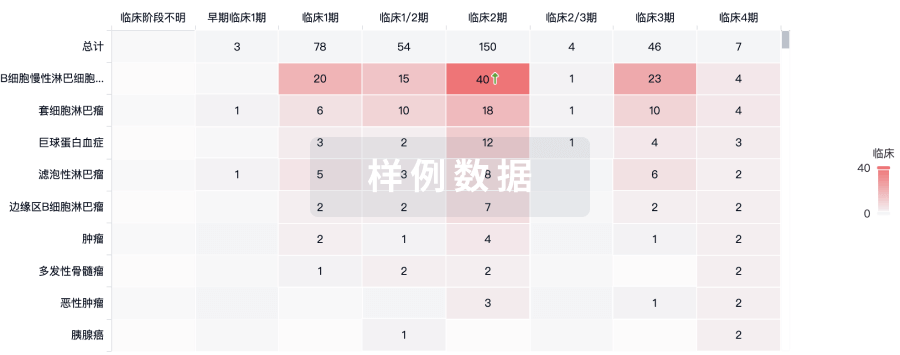
临床分析
紧跟全球注册中心的最新临床试验。
登录
或
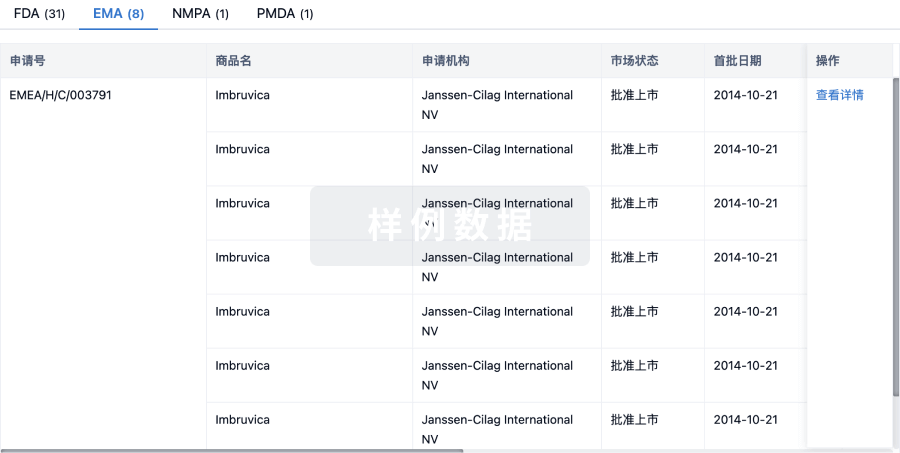
批准
利用最新的监管批准信息加速您的研究。
登录
或
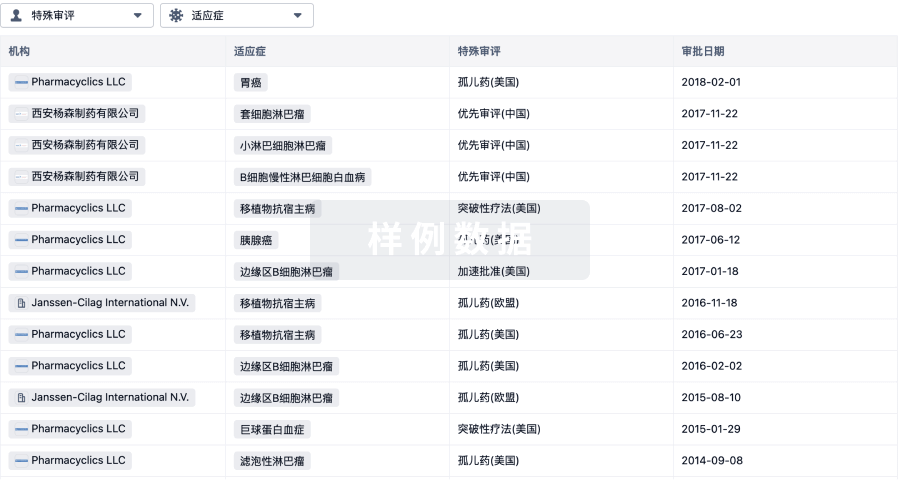
特殊审评
只需点击几下即可了解关键药物信息。
登录
或
提出任何生物医药研究问题
让每一步生物医药决策都精准制胜
基于十亿级生物数据与全球情报的精准 AI,赋能早期药物发现
立即开始免费试用!
智慧芽新药情报库是智慧芽专为生命科学人士构建的基于AI的创新药情报平台,助您全方位提升您的研发与决策效率。
立即接入生物医药数据包
智慧芽新药库数据也通过智慧芽开放平台,以MCP或API服务形式对外开放。立即使用我们的MCP服务定制您的LLM智能体。
生物序列数据库
生物药研发创新
免费使用
化学结构数据库
小分子化药研发创新
免费使用