预约演示
更新于:2026-07-11
NecLip-pdFVIII
更新于:2026-07-11
概要
基本信息
关联
100 项与 NecLip-pdFVIII 相关的临床结果
登录后查看更多信息
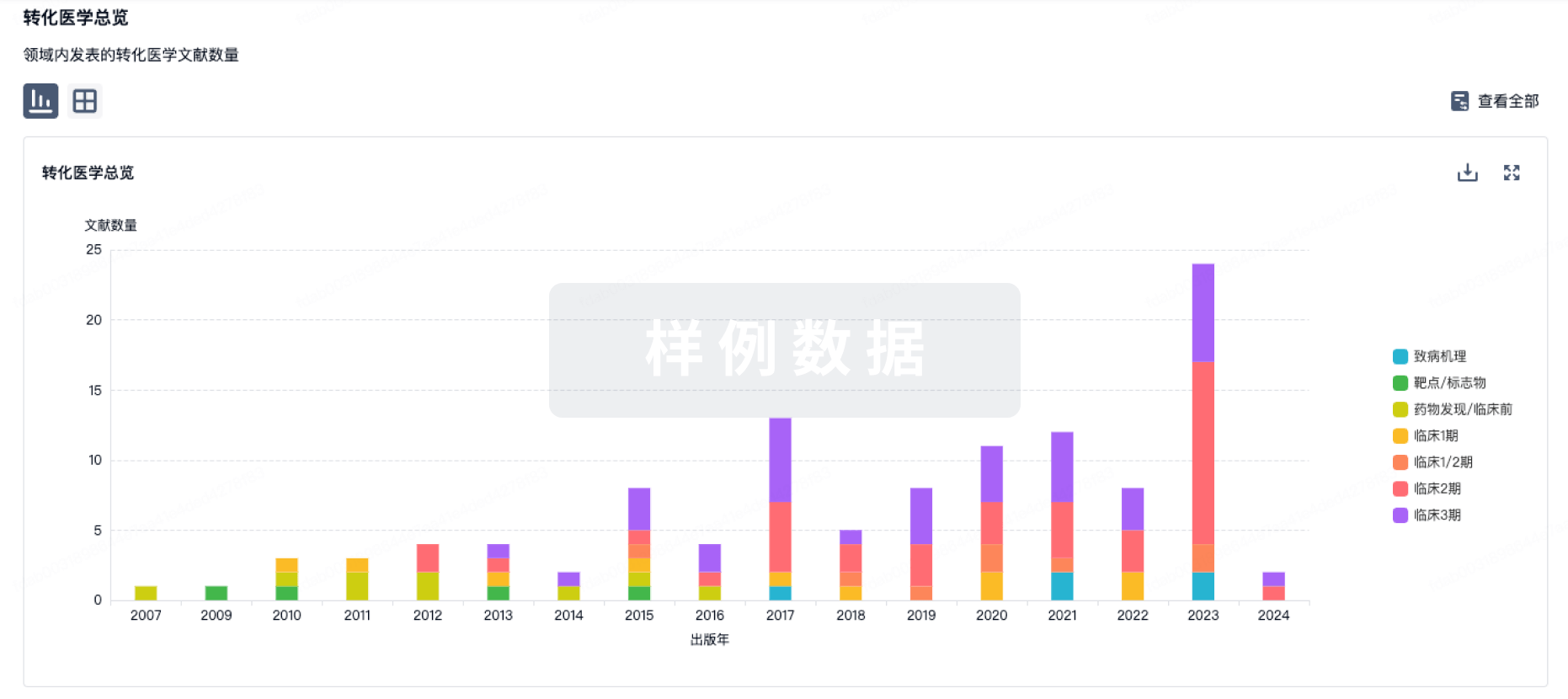
100 项与 NecLip-pdFVIII 相关的转化医学
登录后查看更多信息
100 项与 NecLip-pdFVIII 相关的专利(医药)
登录后查看更多信息
61
项与 NecLip-pdFVIII 相关的文献(医药)2026-05-01·JOURNAL OF THROMBOSIS AND HAEMOSTASIS
Inhibitor development according to FVIII concentrates in previously untreated patients with severe hemophilia A: update from the PedNet registry
Article
作者: Nolan, Beatrice ; Fischer, K. ; Holzhauer, S. ; Chambost, H. ; Oudot, C. ; Rosa Cid, A. ; Pinto, Fernando ; Blatný, J. ; Mathews, N. ; Klamroth, R. ; Fischer, Kathelijn ; Långström, S. ; Motwani, Jayashree ; Carvalho, M. ; Pinto, F. ; Labarque, V. ; Male, C. ; Van Geet, Chris ; Bührlen, M. ; Zapotocka, Ester ; Nolan, B. ; Pergantou, H. ; Blatný, Jan ; Andersson, Nadine G. ; de Kovel, Marloes ; Labarque, Veerle ; Benitez Hidalgo, O. ; Castaman, G. ; Van Geet, C. ; Königs, C. ; Kenet, G. ; Kenet, Gili ; Andersson, N.G. ; Olivieri, Martin ; Kartal-Kaess, M. ; Alvarèz Román, M.T. ; Zápotocká, E. ; Ranta, Susanna ; Oldenburg, J. ; Königs, Christoph ; Carcao, M. ; Ranta, S. ; Levy-Mendelovich, S. ; d’Oiron, R. ; Carcao, Manuel ; Knudsen, H. ; Stamm Mikkelsen, T. ; Eckhardt, C. ; Ljung, R. ; Motwani, J. ; Molinari, A.C. ; Escuriola-Ettingshausen, C. ; Olivieri, M.
BACKGROUND:
Treatment of severe hemophilia A (SHA) with FVIII concentrates is complicated by the development of neutralizing inhibitors in about 30% during the first 50 exposure days (EDs). Despite extensive research, inhibitor risk of different FVIII concentrates remains to be elucidated.
OBJECTIVES:
This study aimed to analyze inhibitor development according to (classes of) individual FVIII concentrates in previously untreated patients (PUPs) with SHA.
METHODS:
PUPs with SHA born between 2000 and 2024 were followed until inhibitor development or 50 EDs. Inhibitor development according to classes of FVIII concentrates (ie, plasma-derived [pdFVIII] vs recombinant [rFVIII] and standard vs extended half-life [SHL-rFVIII vs EHL-rFVIII]) and individual concentrates used by ≥40 PUPs were compared using multivariable Cox regression (generating rate ratios [RR] with 95% CIs).
RESULTS:
One thousand five hundred three PUPs were included. Inhibitors developed in 444 PUPs after a median of 12 EDs (cumulative incidence, 31.0%; CI, 28.6%-33.4%). Compared to SHL-rFVIII, inhibitor risk was similar for pdFVIII (RR, 0.89; CI, 0.69-1.14) and EHL-rFVIII (RR, 1.10; CI, 0.75-1.61). Nine individual FVIII concentrates (5 SHL-rFVIII, 1 EHL-rFVIII, and 3 pdFVIII) were compare to Advate (n = 392): only KogenateFS/HelixateNexGen (n = 307; RR, 1.40; CI, 1.07-1.82, P, .013) and Fanhdi (n = 50; RR, 1.72; CI, 1.11-2.68; P, .024) showed increased inhibitor risk.
CONCLUSION:
Inhibitor development occurred in 31.0% of PUPs, with similar incidence across SHL-rFVIII, EHL-rFVIII, and pdFVIII. Analysis of individual concentrates showed increased inhibitor risk for Kogenate FS/Helixate NexGen (SHL-rFVIII) and for the first time for Fanhdi (pdFVIII). In the absence of formal PUP studies, PedNet will continue evaluating the inhibitor risk according to individual FVIII concentrates.
2025-11-01·Research and Practice in Thrombosis and Haemostasis
Season-dependent low basal CD86 expression promotes immune cell activation upon treatment with plasma-derived factor Ⅷ products
Article
作者: Anzaghe, Martina ; Waibler, Zoe ; Herzig, Jessica ; Kronhart, Stefanie ; Praefcke, Gerrit J K ; Miller, Lilija ; Arciniega Martinez, Josselyn Azucena ; Ringler, Eva ; Küster, Svenja M
Background:
The most serious complication in treatment of hemophilia A is the development of factor (F)Ⅷ anti-drug antibodies (ADAs), while immunological danger signals seem to play a critical role in ADA development. Accordingly, we have shown in previous studies that plasma-derived (pd) FⅧ in presence of the bacterial danger signal lipopolysaccharide (LPS) synergistically activates dendritic cells (DCs), which in turn induce proliferation of (FⅧ-specific) CD4+ T helper cells. However, our in vitro assays using DC and T cells from healthy donors revealed that only cells from some donations can be synergistically activated upon treatment with pdFⅧ plus LPS, while cells from others cannot.
Objectives and Methods:
Therefore, we investigated a data pool of 160 donations for DC activation and 265 donations for T-cell proliferation from healthy donors collected by 3 different experimenters between 2012 and 2023 to determine parameters that correlate with pdFⅧ plus LPS-induced immune cell activation.
Results:
Human immune cells from healthy donors are synergistically activated by pdFⅧ plus LPS. However, neither DC activation nor T-cell proliferation depended on a specific pdFⅧ product, did not correlate with the donor's biological sex, and was not donor- but rather time point-dependent. Analyses of different activation markers revealed seasonal differences in CD86 expression, and low expression correlated with DC activation and tumor necrosis factor-α expression.
Conclusion:
In fact, we could demonstrate that the meteorological season correlates with the basal CD86 expression on DC. This, in turn, determined the capability of synergistic DC activation and cytokine secretion, as well as partially impacted T-cell proliferation.
2025-05-01·HAEMOPHILIA
Trends in Treatment of Severe Haemophilia and Impact on Inhibitor Assessment by the EUHASS Registry
Article
作者: Kaczmarek, Radoslaw ; Lambert, Thierry ; Gouw, Samantha C. ; Carbonero, Diana ; Fischer, Kathelijn ; Gatt, Alex ; Makris, Michael ; Peyvandi, Flora ; Lassila, Riitta ; Hollingsworth, Rob
ABSTRACT:
Background:
The last 15 years have seen new extended half‐life (EHL) recombinant FVIII/IX concentrates and nonreplacement therapy for haemophilia A (emicizumab) introduced in Europe. These changes affect FVIII/IX exposure in previously untreated patients (PUPs) and previously treated patients (PTPs) with severe haemophilia A and B (SHA and SHB) and may modify inhibitor development and/or detection.
Aim:
To report trends in treatment for severe haemophilia and concomitant changes in inhibitor incidence.
Methods:
Between 2008 and 2022, 97 centres reported inhibitor development against FVIII/IX concentrates to the European Haemophilia Safety Surveillance System (EUHASS). Inhibitors were reported quarterly, and PUPs without inhibitor development annually. Cumulative inhibitor incidences (95% confidence intervals [CI]) were calculated for PUPs and incidence rates/1000 years (CI) for PTPs.
Results:
By 2022, SHA‐PUPs (
n
= 1574) received emicizumab (44%), SHL‐rFVIII (21.5%), pdFVIII (17.5%) and EHL‐rFVIII (17%). SHB‐PUPs (
n
= 236) received EHL‐rFIX (79%) and SHL‐rFIX (21%). SHA‐PTPs (68,772 years) received EHL‐rFVIII (31%), SHL‐rFVIII (28%), emicizumab (25%), and pdFVIII (15%). SHB PTPs (11,185 years) received EHL‐rFIX (69%), pdFIX (15%) and SHL‐rFIX (15%). Observed Inhibitor incidence in SHA‐PUPs decreased from 24% before 2016 to 6% in 2022 (
p
< 0.001), and potentially in SHB‐PUPs too (from 9% to 3%;
p
= 0.066), but remained stable in SHA/SHB PTPs.
Conclusion:
In 2022, 44% of SHA‐PUPs and 25% of SHA‐PTPs received emicizumab prophylaxis. Concomitantly, observed inhibitor incidence reduced to 6% in SHA‐PUPs. In SHB, EHL‐rFIX treatment increased to 79% in SHB‐PUPs and 69% in SHB‐PTPs. Assessing inhibitor incidence for new concentrates is likely to be hampered by novel treatments causing delayed exposure to FVIII/FIX.
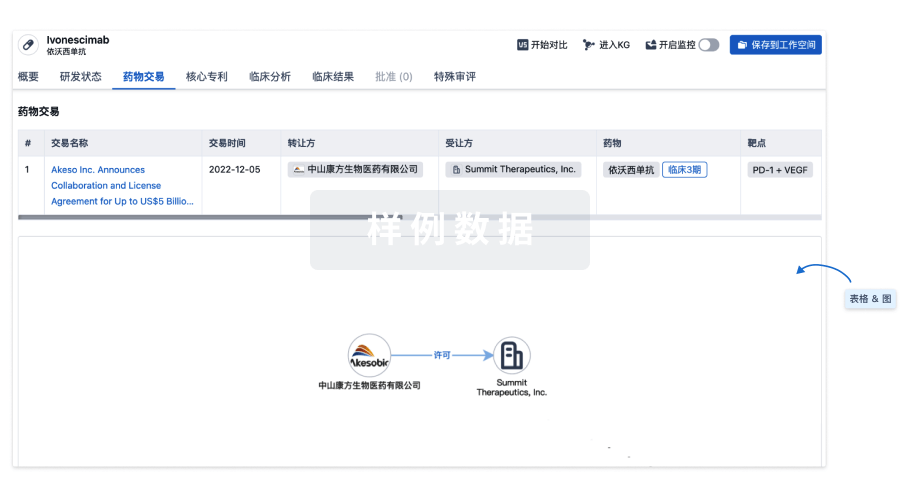
100 项与 NecLip-pdFVIII 相关的药物交易
登录后查看更多信息
外链
| KEGG | Wiki | ATC | Drug Bank |
|---|---|---|---|
| - | - | - |
研发状态
10 条最早获批的记录, 后查看更多信息
登录
| 适应症 | 国家/地区 | 公司 | 日期 |
|---|---|---|---|
| 血友病A | 俄罗斯 | 2012-07-05 |
登录后查看更多信息
临床结果
临床结果
适应症
分期
评价
查看全部结果
| 研究 | 分期 | 人群特征 | 评价人数 | 分组 | 结果 | 评价 | 发布日期 |
|---|
No Data | |||||||
登录后查看更多信息
转化医学
使用我们的转化医学数据加速您的研究。
登录
或
药物交易
使用我们的药物交易数据加速您的研究。
登录
或
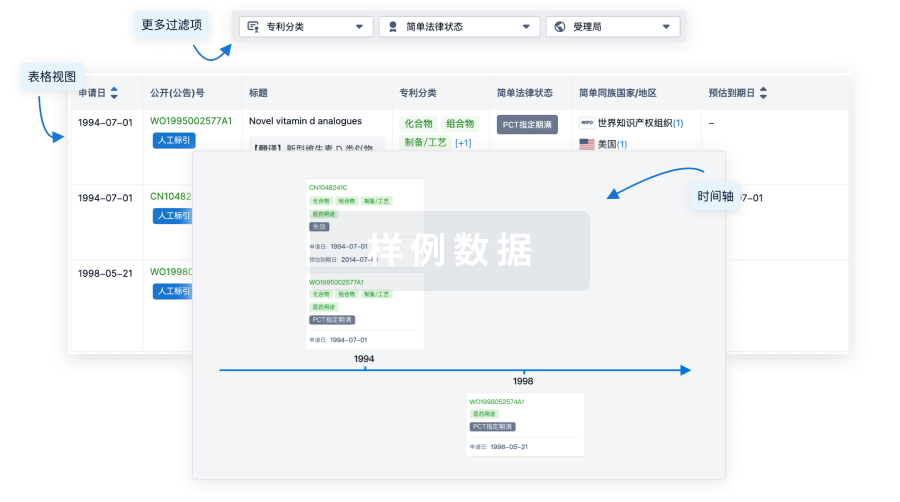
核心专利
使用我们的核心专利数据促进您的研究。
登录
或
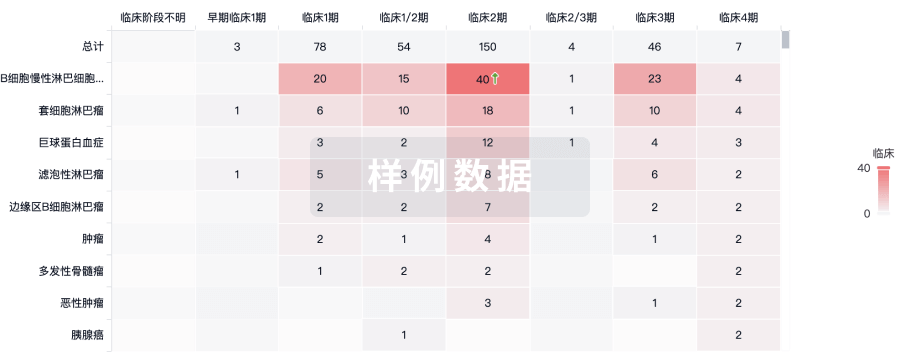
临床分析
紧跟全球注册中心的最新临床试验。
登录
或
批准
利用最新的监管批准信息加速您的研究。
登录
或
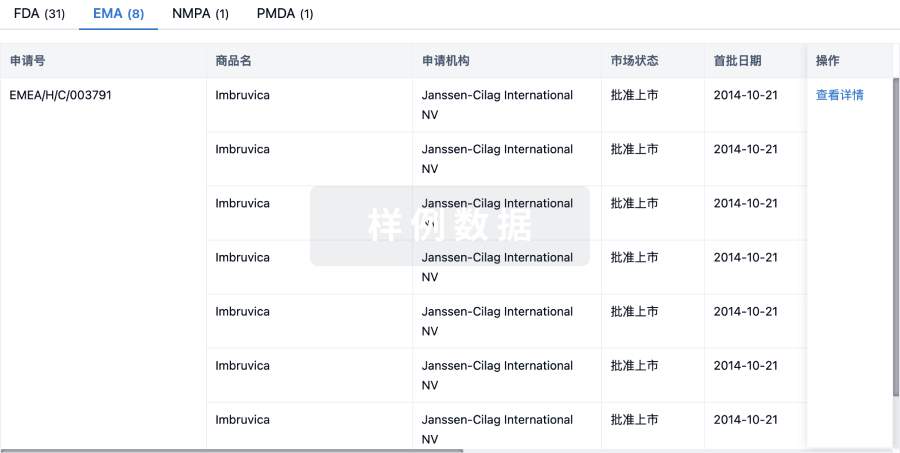
生物类似药
生物类似药在不同国家/地区的竞争态势。请注意临床1/2期并入临床2期,临床2/3期并入临床3期
登录
或
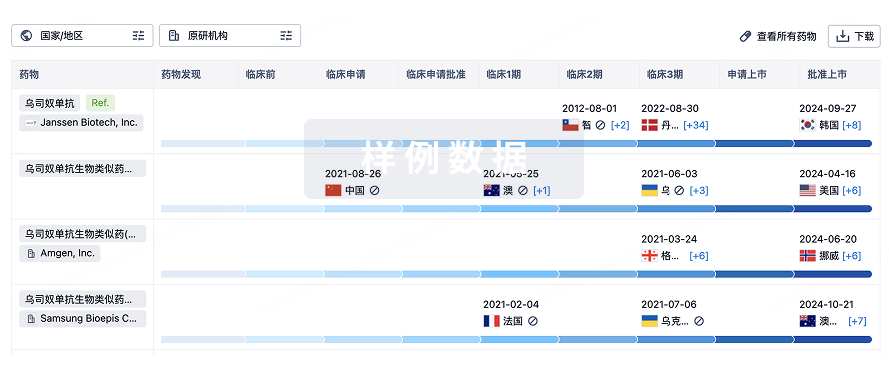
特殊审评
只需点击几下即可了解关键药物信息。
登录
或
提出任何生物医药研究问题
让每一步生物医药决策都精准制胜
基于十亿级生物数据与全球情报的精准 AI,赋能早期药物发现
立即开始免费试用!
智慧芽新药情报库是智慧芽专为生命科学人士构建的基于AI的创新药情报平台,助您全方位提升您的研发与决策效率。
立即接入生物医药数据包
智慧芽新药库数据也通过智慧芽开放平台,以MCP或API服务形式对外开放。立即使用我们的MCP服务定制您的LLM智能体。
生物序列数据库
生物药研发创新
免费使用
化学结构数据库
小分子化药研发创新
免费使用