预约演示
更新于:2025-10-25
Bromoxynil
更新于:2025-10-25
概要
基本信息
非在研机构- |
权益机构- |
最高研发阶段临床前 |
首次获批日期- |
最高研发阶段(中国)- |
特殊审评- |

结构/序列
分子式C7H3Br2NO |
InChIKeyUPMXNNIRAGDFEH-UHFFFAOYSA-N |
CAS号1689-84-5 |
关联
100 项与 Bromoxynil 相关的临床结果
登录后查看更多信息
100 项与 Bromoxynil 相关的转化医学
登录后查看更多信息
100 项与 Bromoxynil 相关的专利(医药)
登录后查看更多信息
1,228
项与 Bromoxynil 相关的文献(医药)2025-10-01·SCIENCE OF THE TOTAL ENVIRONMENT
Defining pesticide water quality standards for multi-use water resources to protect human health
Article
作者: Huang, Yabi ; Fantke, Peter ; Li, Zijian
Regulatory agencies worldwide established water quality standards (WQS) for pesticides primarily based on human exposure via drinking water ingestion. However, pesticide exposure varies by water use. This study defined six water usage types (drinking water, recreational waters, fisheries and aquaculture, natural reservations and conservation areas, rural water uses, and urban water uses) and derived corresponding WQSs based on pathway-specific and aggregated human exposure and associated health risks. Exposure analysis revealed that pesticide properties could cause over 107-fold variation in external exposure dose factors across water types. WQSs for hydrophilic pesticides ranged from 0.33 to 2.24 × 10⁵ mg L-1, ranked: natural reservations and conservation areas > fisheries and aquaculture > recreational waters > drinking water resources > rural water uses > urban water uses. Lipophilic pesticides WQSs ranged from 1.10 × 10⁻³ to 51.7 mg L-1, ranked: natural reservations and conservation areas > recreational waters > drinking water resources > rural water use > urban water use > fisheries and aquaculture. Therefore, priority should be given to controlling pesticide levels in urban water use and fisheries and aquaculture waters to mitigate risks. This study also compared WQSs for eight pesticides (aldrin, atrazine, bromoxynil, chlorothalonil, dichlorodiphenyltrichloroethane, hexachlorobenzene, heptachlor, and oryzalin) with corresponding regulatory standards (RSs) in Brazil, China, and the United States. Results indicated that most RSs remain inadequate in preventing carcinogenic risks. Our findings provide insights for developing more comprehensive and protective WQSs. Future studies can improve framework by refining exposure parameters, incorporating more pesticides as toxicity data becomes available, and integrating ecological risks.
2025-06-01·JOURNAL OF ENVIRONMENTAL MANAGEMENT
Development of a tool to routinely monitor wastewater systems via non-target screening utilizing spatial fingerprinting and temporal trend analysis as prioritization techniques
Article
作者: Renner, Gerrit ; Schmidt, Torsten C ; Armin, Reyhaneh ; Weber, Markus
Non-Target Screening (NTS) is a valuable technique for exploring the chemical composition of aquatic systems. Although target screening has already been established in the quality control of water samples, adopting NTS, especially in data processing, requires further refinements. Herein, we introduce an approach to bring NTS closer to a practical application in routine wastewater monitoring. An in-house tool was developed, specifically designed for quick and efficient NTS data processing based on temporal analysis and spatial fingerprinting as prioritization techniques. This tool enables the creation of a fingerprint database for each emission source. It then uses this database to track the origin of each compound in downstream samples and conducts trend analysis if data from more downstream samples are available. As proof of concept, we successfully applied NTS and this tool to monitor a wastewater system in a chemical industrial park, aiming to routinely safeguard the wastewater treatment plant against potential threats. Specifically, compounds in the influent originating from particular plants were prioritized and their intensity profiles were monitored. Further substances with signal intensities increasing over time were also investigated, and possible transformation products were linked to their respective emission source. For these applications, a tedious structural elucidation of the individual compounds was not required since pattern and trend analyses were based on features. All in all, our NTS-based tool expanded the monitoring scope and demonstrated effectiveness and efficiency in routine wastewater management within the industrial park.
2025-06-01·WATER RESEARCH
Temporal trends of 46 pesticides and 8 transformation products in surface and drinking water in Québec, Canada (2021–2023): Potential higher health risks of transformation products than parent pesticides
Article
作者: Barbeau, Benoit ; Feng, Xiameng ; Liu, Zhen ; Parent, Lise ; Sauvé, Sébastien ; Vo Duy, Sung
The objective of the present study was to investigate the temporal trends of 46 pesticides and 8 transformation products (TPs) in the surface water of Québec and assess their associated health risks posed through drinking water consumption. Surface and drinking water were sampled twice per week at a drinking water treatment plant (DWTP) from 2021 to 2023 (838 days). Pesticide and TPs concentrations were analysed using ultra-high-performance liquid chromatography coupled with mass spectrometry. The data were used to evaluate temporal variations of pesticides and TPs at the source, their removal in DWTPs, their human exposure via drinking water, and the associated health risks. The results showed that peak concentrations of most pesticides and their TPs in surface water occurred in June and July, and some TPs (such as metolachlor ethanesulfonic acid, metolachlor oxanilic acid, and desethylatrazine) exhibited higher concentrations than their parent compounds in surface water. Post conventional treatment analysis revealed no significant decrease in the total concentrations of target pesticides and TPs in drinking water. Notably, 11 pesticides (such as atrazine, mecoprop) and 1 TP (desisopropylatrazine) showed higher concentration in drinking water than in surface water. The hazard index (HI) was up to 18 times higher in summer peak periods than the annual average. Finally, TPs exhibited HI 1.4 to 144 times higher than corresponding parent compounds. This study was the first to assess health risks of TPs versus parent pesticides in drinking water through long-term sampling, highlighting the urgent need for further TPs regulation in drinking water.
100 项与 Bromoxynil 相关的药物交易
登录后查看更多信息
研发状态
10 条进展最快的记录, 后查看更多信息
登录
| 适应症 | 最高研发状态 | 国家/地区 | 公司 | 日期 |
|---|---|---|---|---|
| 家族性淀粉样变性 | 临床前 | 日本 | 2025-01-06 |
登录后查看更多信息
临床结果
临床结果
适应症
分期
评价
查看全部结果
| 研究 | 分期 | 人群特征 | 评价人数 | 分组 | 结果 | 评价 | 发布日期 |
|---|
No Data | |||||||
登录后查看更多信息
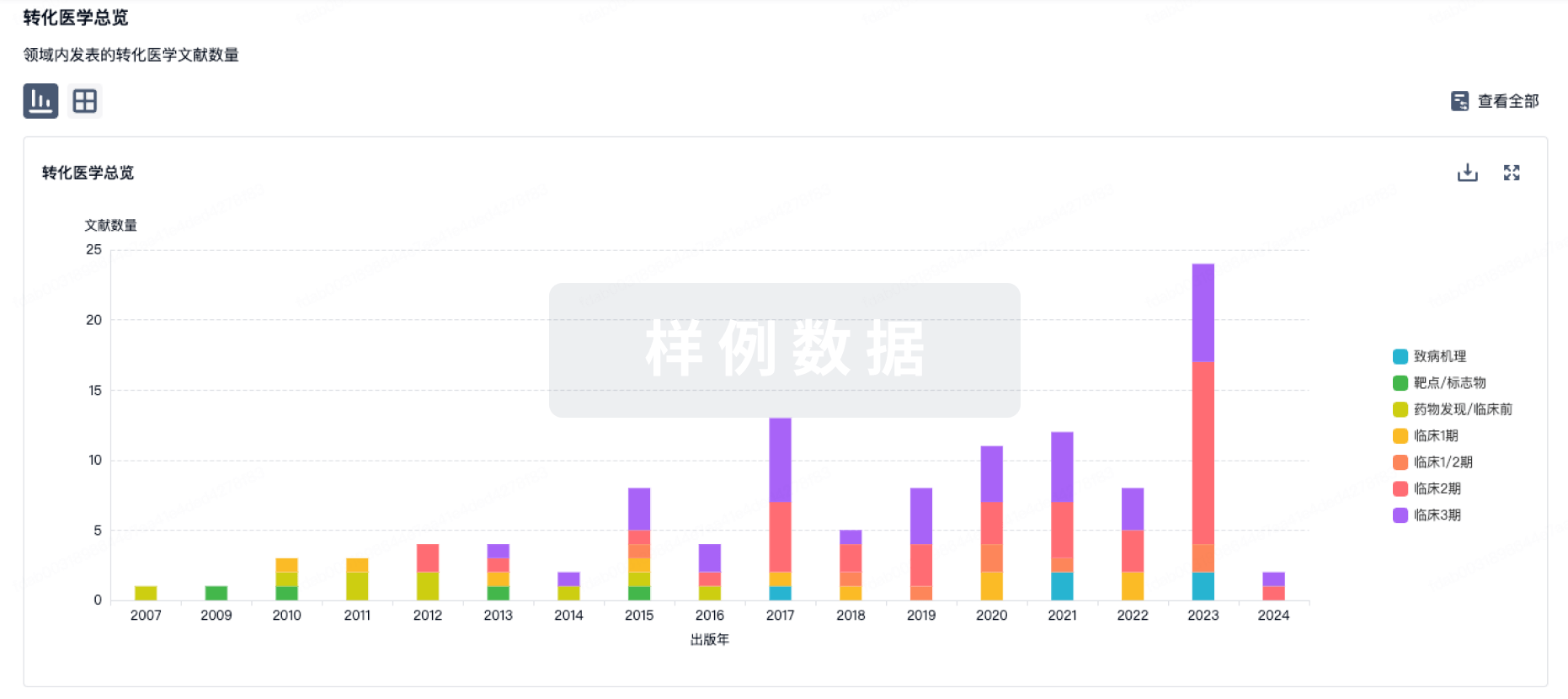
转化医学
使用我们的转化医学数据加速您的研究。
登录
或
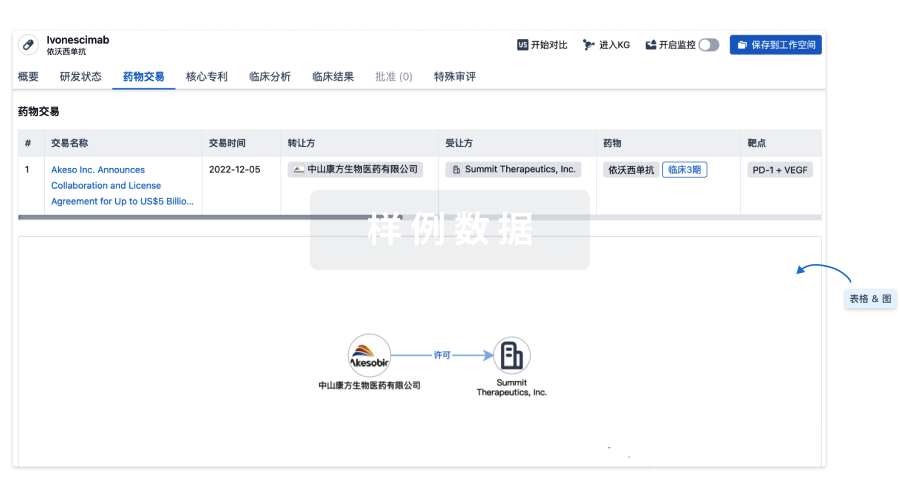
药物交易
使用我们的药物交易数据加速您的研究。
登录
或
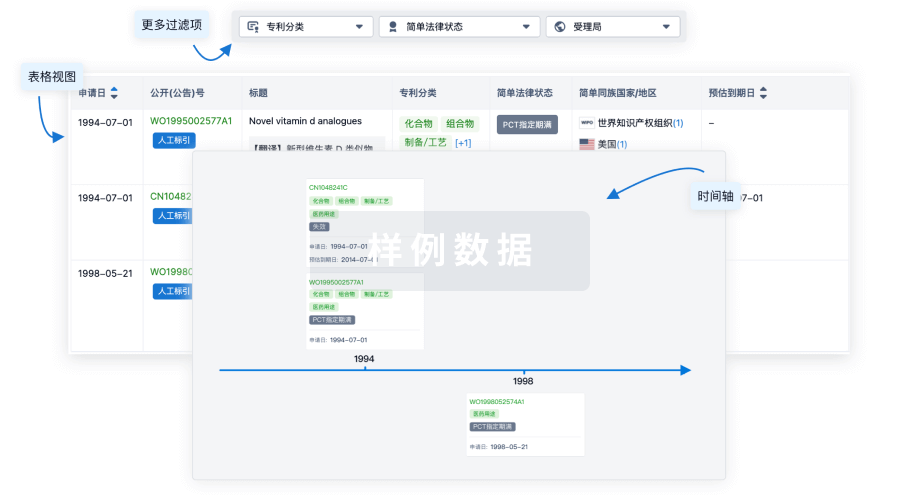
核心专利
使用我们的核心专利数据促进您的研究。
登录
或
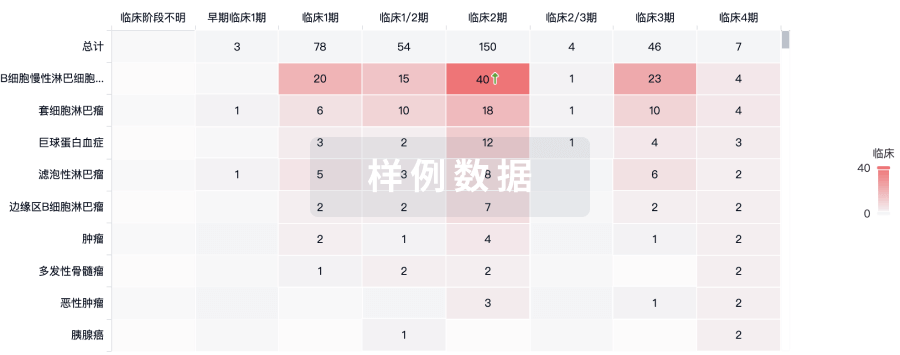
临床分析
紧跟全球注册中心的最新临床试验。
登录
或
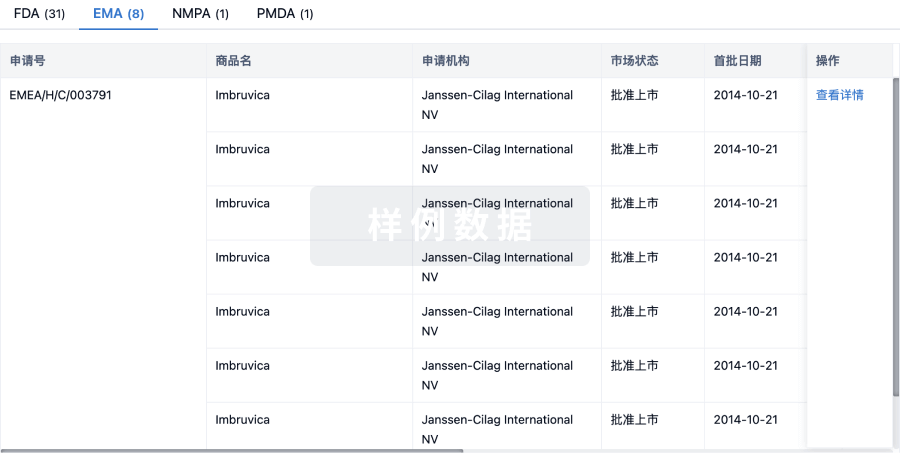
批准
利用最新的监管批准信息加速您的研究。
登录
或
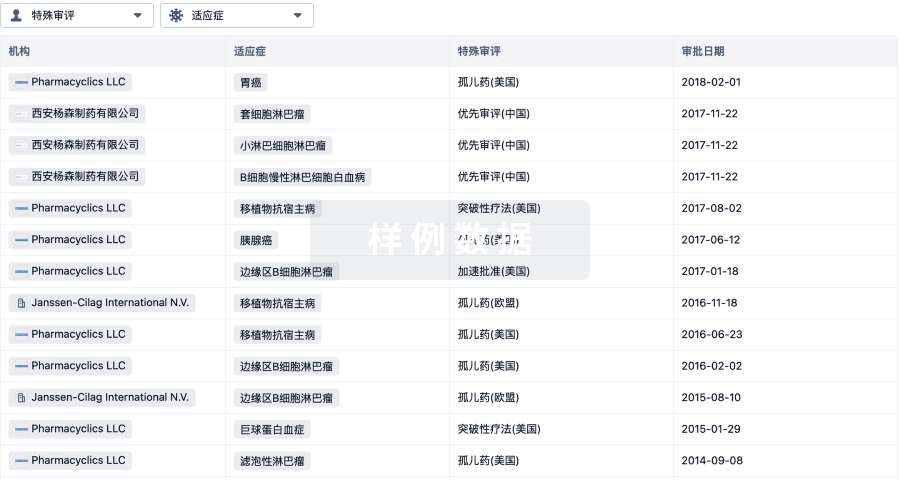
特殊审评
只需点击几下即可了解关键药物信息。
登录
或
生物医药百科问答
全新生物医药AI Agent 覆盖科研全链路,让突破性发现快人一步
立即开始免费试用!
智慧芽新药情报库是智慧芽专为生命科学人士构建的基于AI的创新药情报平台,助您全方位提升您的研发与决策效率。
立即开始数据试用!
智慧芽新药库数据也通过智慧芽数据服务平台,以API或者数据包形式对外开放,助您更加充分利用智慧芽新药情报信息。
生物序列数据库
生物药研发创新
免费使用
化学结构数据库
小分子化药研发创新
免费使用